Portable Outdoor Golf Cleaning Bag Suppliers and Manufacturers
Compare 22 verified suppliers offering portable outdoor golf cleaning bags with varying lead times, MOQs, and origins in Guangdong or Hebei. Review product specs like material and size, then request samples to verify quality before placing orders; review the available evidence before requesting comparable quotations from suitable candidates.
Updated
Suppliers List
Huizhou Lecheng E-Commercial Co., Ltd.
- Trading Company
- Guangdong, China
- Lead time30 days
- Avg. response≤ 6h
Main productsCycle,Golf,Baseball
Main marketsNorth America(25.00%), Northern Europe(15.00%), Western Europe(10.00%), South America(10.00%), South Asia(10.00%), Africa(5.00%), Eastern Asia(5.00%), Southeast Asia(5.00%), Central America(5.00%), Mid East(3.00%), Southern Europe(3.00%), Eastern Europe(2.00%), Oceania(2.00%)
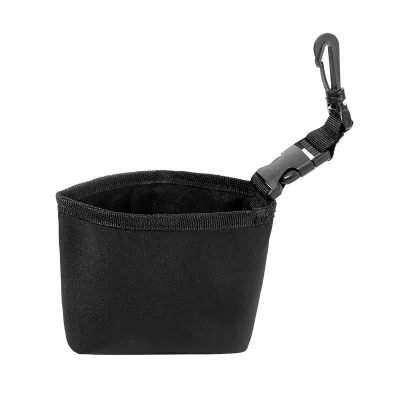
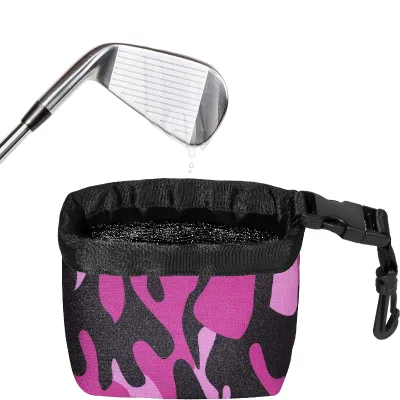
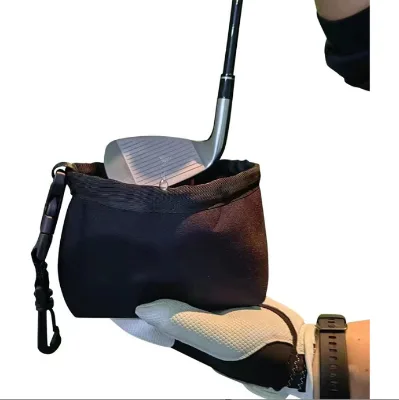
Outdoor Portable Golf Club Cleaning Kit Removable Multi-Functional Golf Cleaning Bag
$2.0644 - $2.5793
MOQ: 100 pieces
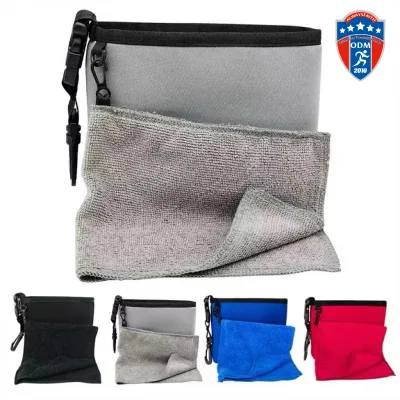
2026 Golf Club Cleaning Bag Portable Golf Club Cleaning Bag Golf Ball Cleaning Bag
$1.20 - $2.50
MOQ: 2 pieces
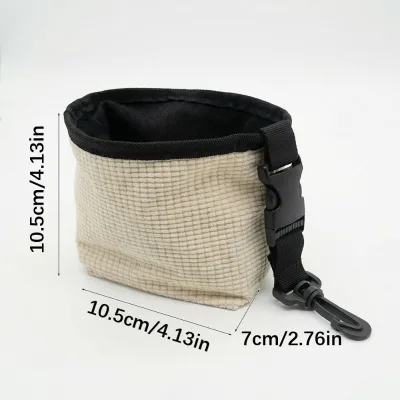

Hebei Aoruini Textile Trading Co., Ltd.
- Verified by TUVRHEINLAND
- Combined
- China Hebei
- Lead time15 days
- Avg. response≤ 4h
Main productsTowel, Beach Towel, Car Towel, Sport Towel, Kitchen Towel, Pet Towel
Main marketsSouth America,Southeast Asia/ Mideast,East Asia(Japan/ South Korea),Europe,Australia,North America


Customizable Golf Cleaning Bag Waterproof Golf Washing Pouch for Outdoor Sports
$2.70 - $3.45
MOQ: 1 pcs

Customizable Golf Ball Cleaning Bag Waterproof Golf Washing Pouch for Outdoor Sports
$2.70 - $3.45
MOQ: 1 pcs

Golf Cleaning Bag Portable Detachable Cleaning Golf Club Bag Easy to Clean Golf Ball Bag
$2.70 - $3.45
MOQ: 1 pcs


Shenzhen Yihui Industrial Co., Ltd.
- Verified by SGS
- Trading Company
- China Guangdong
- Lead time15 days
- Avg. response≤ 5h
Main productsGolf Ball Marker, Golf Divot Tool, Golf Equipment, Golf Bag, Golf Tee, Golf Club Brush, Golf Towel, Golf Glove, Golf Pick up Retriever, Golf Training Aids
Main marketsEast Asia(Japan/ South Korea),Domestic,Europe,North America

Hebei Ailuoha Import and Export Co., Ltd.
- Verified by SGS
- Combined
- China Hebei
- Lead time15 days
- Avg. response≤ 3h
Main productsMicrofiber Cloth, Bath Towel, Beach Towel, Car Towel, Sport Towel, Kitchen Towel
Main marketsEurope,Australia,North America


Hot Selling Golf Ball Cleaning Bag Portable Detachable Quick Clean Solution
$2.65 - $3.45
MOQ: 100 Pieces

Golf Ball Cleaning Pouch: Compact, Removable, Effortless Clean Structure
$2.65 - $3.45
MOQ: 100 Pieces


- Manufacturer, Trading Company
- Guangdong, China
- Lead time15 days
- Avg. response≤ 3h
Main productsPickleball Paddle,Yoga and Pilates equipment,Golf clubs and bags,Bicycle,Outdoor camping products
Main marketsNorth America(50.00%), Eastern Europe(20.00%), Southern Europe(5.00%), Central America(5.00%), Western Europe(5.00%), South America(5.00%), Northern Europe(4.00%), South Asia(1.00%), Oceania(1.00%), Mid East(1.00%), Africa(1.00%), Southeast Asia(1.00%), Eastern Asia(1.00%)
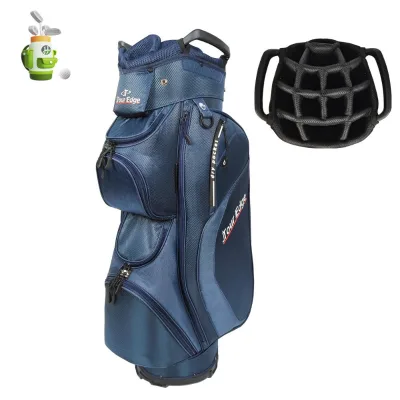
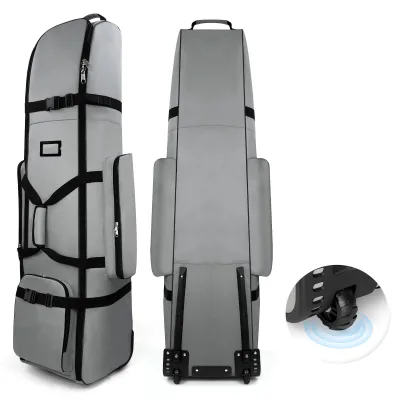
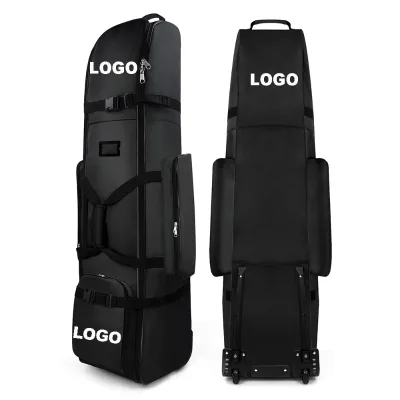
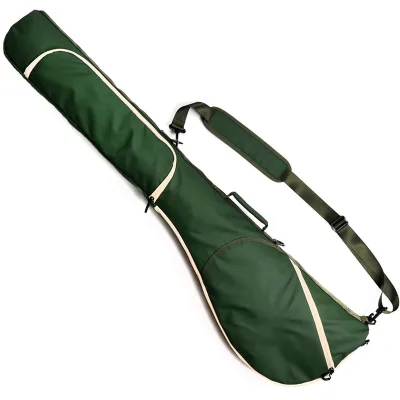
Waterproof Portable Oxford Golf Bag with Custom Logo for Weather Protection of Sports Equipment
$31.69 - $36.666
MOQ: 2 pieces
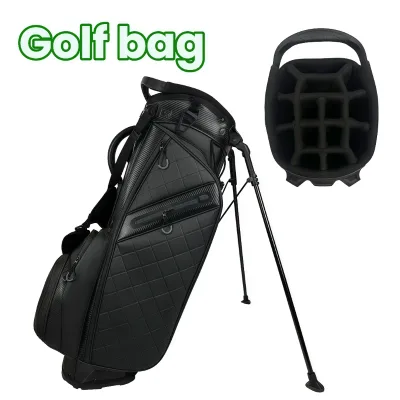

- Trading Company,Manufacturer/Factory
- China Guangdong
- Lead time45 days
- Avg. response≤ 10h
Main productsGolf Club, Golf Head Cover, Golf Accessories, Golf Bag, Golf Supplies, Storage and Package Supplies, Golf Grips
Main marketsSouth America,Eastern Europe,Mid East,North America,Southeast Asia,Eastern Asia,Oceania,Western Europe,Africa

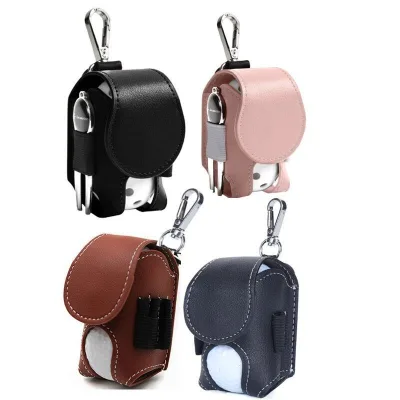
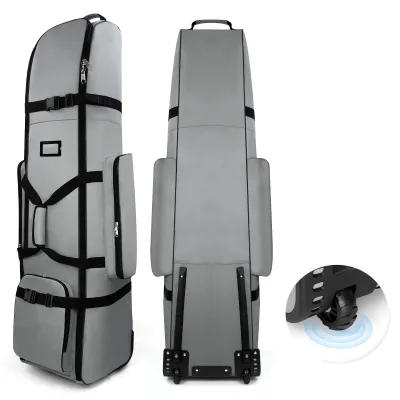
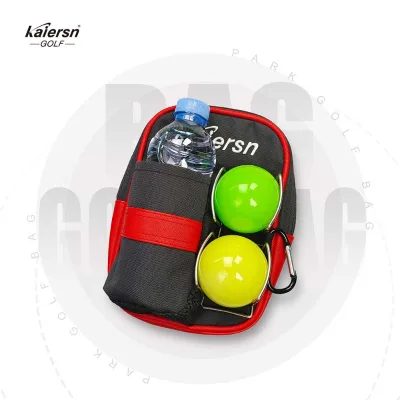
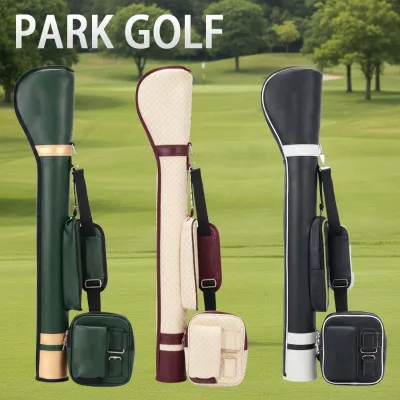
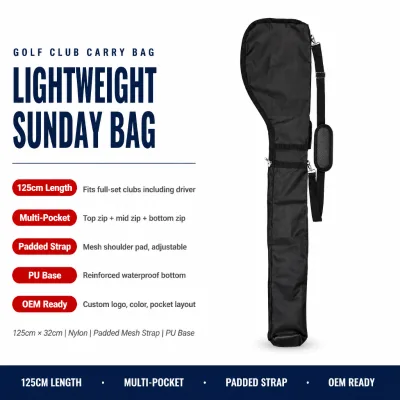
Factory Wholesale Park Golf Bag Sunday Bag Park Golf Gun Bag Lightweight Travel Bag
$15.00 - $20.00
MOQ: 300 Pieces


Dongguan Grand Dragon Sports Co., Ltd
- Verified by TüVRheinland
- Manufacturer, Trading Company
- Lead time20 days
- Avg. response≤ 4h
Main productsGolf Bag, Golf Cart Bag, Golf Stand Bag, Golf Travel Bag, Golf Head Cover
Main marketsNorth America(40%), Eastern Asia(40%), Domestic Market(20%)

QUANZHOU VEKEDUO SUPPLY CHAIN MANAGEMENT CO.,LTD
- Verified by SGS
- Trading Company
- China Fujian
- Lead time30 days
- Avg. response≤ 6h
Main productsNon-Woven Bags, Apparel, Stationery, Resin Crafts, Stuffed Toys, Sport Products, Textile, Inflatable Toy
Main marketsSoutheast Asia/ Mideast,East Asia(Japan/ South Korea),Europe,North America

QUANZHOU DANKIN IMP AND EXP CO., LTD.
- Manufacturer/Factory
- China Fujian
- Lead time45 days
- Avg. response≤ 3h
Main productsBackpack, Cooler Bag, Tool Bag, Laptop Bag, Gun Bag, Travel Bag, Hiking Bag, Tennis Bag, Running Bag, Diaper Bag
Main marketsSouth America,Eastern Europe,Mid East,North America,Southeast Asia,Eastern Asia,Oceania,Western Europe,Africa
Dongguan Sanying Luggage & Bags Co., Ltd.
- Verified by Intertek
- Manufacturer, Trading Company
- Lead time35 days
- Avg. response≤ 2h
Main productsGolf Travel Bag, Golf Stand/Cart Bag, Wheel Travel Bag, Tool Bag, Outdoor Bag
Main marketsNorth America(50%), Western Europe(33%), Southeast Asia(17%)
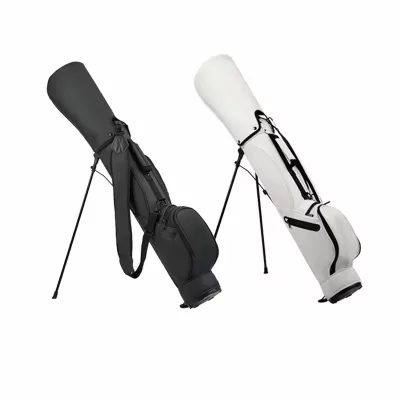
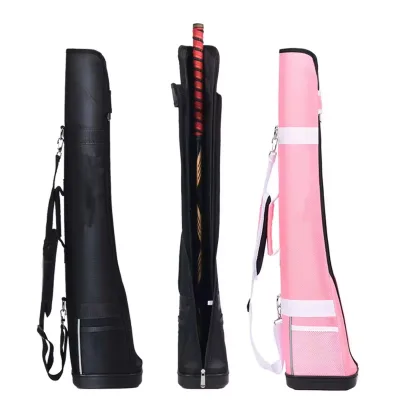
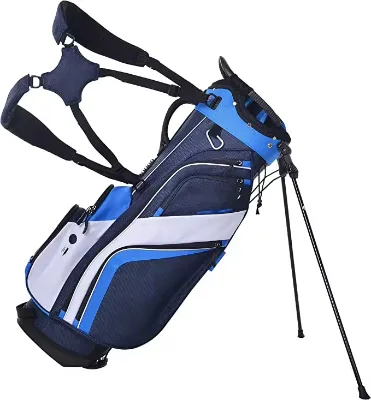
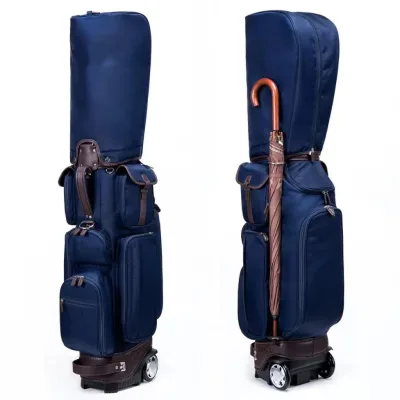
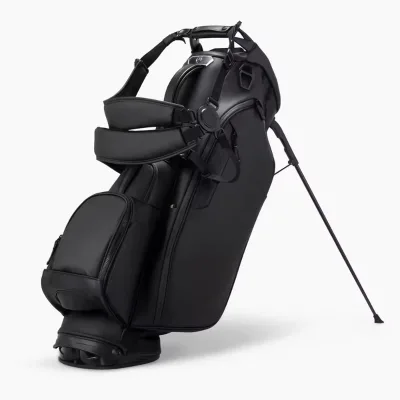
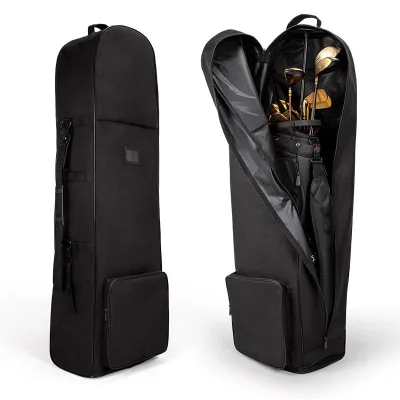
Waterproof Nylon Lightweight Fashionable Portable Customized Golf Bag
$32.8562 - $41.0702
MOQ: 300 pieces

Dongguan Fz Electronic Technology Co., Ltd
- Trading Company
- Guangdong, China
- Lead time0 days
- Avg. response≤ 10h
Main productsgolf training aids,golf balls,golf tees,golf equipments,golf divot repair tools
Main marketsEastern Europe(30.00%), North America(20.00%), Northern Europe(10.00%), Central America(10.00%), Western Europe(10.00%), South Asia(5.00%), Mid East(5.00%), Southeast Asia(5.00%), South America(5.00%)
Shenzhen Dongnada Luggage Co., Ltd.
- Verified by TüVRheinland
- Trading Company
- Lead time25 days
- Avg. response≤ 2h
Main productsTravel Bag, Pet Bag, Shoe Washing Bag, Card Holder, Cooler Bag
Main marketsNorth America(70%), Western Europe(13%), Southern Europe(8%)
Guangzhou Dias Outdoor Sports Co., Ltd.
- Verified by Intertek
- Trading Company
- Lead time10 days
- Avg. response≤ 7h
Main productsGolf Series Products
Main marketsEastern Asia(12%), Eastern Europe(12%), Oceania(11%)
Hebei Ailuoha Import and Export Co., Ltd.
- Verified by TüVRheinland
- Manufacturer, Trading Company
- Lead time7 days
- Avg. response≤ 2h
Main productsBeach Towel, Sport Towel, Cleaning Towel, Golf Towel, Blanket
Main marketsNorth America(55%), Oceania(20%), Western Europe(20%)
Dongguan Yisuoti Sports Goods Co., Ltd.
- Verified by TüVRheinland
- Manufacturer, Trading Company
- Lead time30 days
- Avg. response≤ 2h
Main productsHeadcover, Golf Bag, Golf Club, Golf Practice Equipment, Golf Workshop Repair Tools
Main marketsNorth America(40%), Eastern Asia(40%), Western Europe(10%)
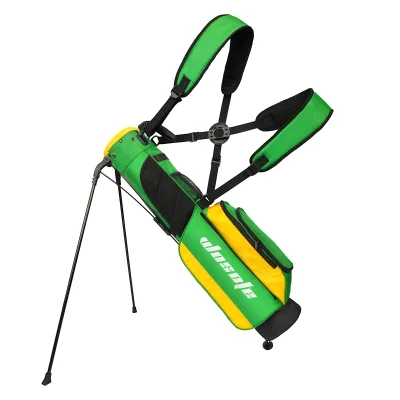
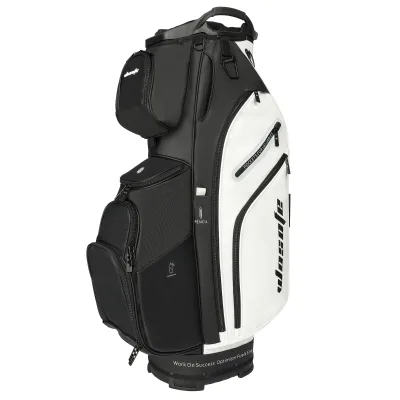
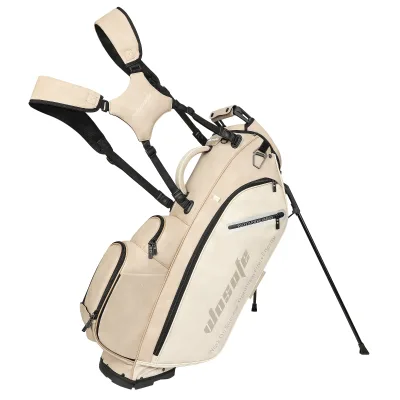
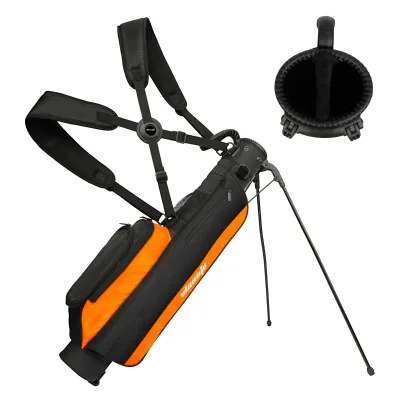
Ergonomic Lightweight Professional Waterproof Stand Ball Bag with Straps for Travel Golf Stand Bag
$23.0703 - $27.172
MOQ: 100 pieces

Fuzhou ADF International CO., LTD.
- Verified by BV
- Trading Company,Manufacturer/Factory
- China Fujian
- Lead time45 days
- Avg. response≤ 5h
Main productsBags, Suitcase, Backpack, Travel Bags, School Bags, Storage Ottoman, Luggage, Cooler Bag, Household Products
Main marketsSouth America,Eastern Europe,Mid East,North America,Southeast Asia,Eastern Asia,Oceania,Western Europe,Africa

Golf Cart Bag Manufacturer Custom Waterproof Lightweight Carrying Golf Bag
$43.00 - $48.00
MOQ: 1000 Pieces


Dongguan Jiechu Sporting Goods Co., Ltd.
- Verified by Intertek
- Manufacturer, Trading Company
- Lead time30 days
- Avg. response≤ 3h
Main productsGolf Bag, Golf Training Aid, Golf Head Cover, Golf Tee, Golf Accessories
Main marketsEastern Asia(30%), North America(20%), Western Europe(15%)
Dongguan Max Golf Products Co., Ltd.
- Verified by Intertek
- Manufacturer, Trading Company
- Dongguan City, China
- Lead time20 days
- Avg. response≤ 2h
Main productsGolf Cap, Golf Clothing, Golf Headcover, Golf Ball Marker, Golf Accessory
Main marketsWestern Europe(25%), North America(20%), Southeast Asia(20%)

Xiamen Golfmylo Sports Equipment Co., Ltd.
- Verified by BV
- Manufacturer/Factory
- China Fujian
- Lead time90 days
- Avg. response≤ 5h
Main productsGolf Driver Club, Golf Fairway Wood, Golf Utility Club, Golf Full Set, Golf Wedge Club, Golf Putter, Golf Iron, Golf Bag, Golf Grip, Golf Head Cover
Main marketsSouth America,Eastern Europe,Mid East,North America,Southeast Asia,Eastern Asia,Oceania,Western Europe,Africa


Manufacturer Factory High Quality Customized Multifunction Park Golf Bag
$11.45 - $16.55
MOQ: 100 Pieces

Shenzhen City Baijin Gift Manufacturing Co., Ltd.
- Manufacturer
- Guangdong, China
- Lead time30 days
- Avg. response≤ 2h
Main productsSport bag,Makeup case,golf gloves,Golf bag,golf ball
Main marketsDomestic Market(20.00%), North America(20.00%), Eastern Europe(10.00%), Eastern Asia(10.00%), Mid East(10.00%), Southeast Asia(10.00%)
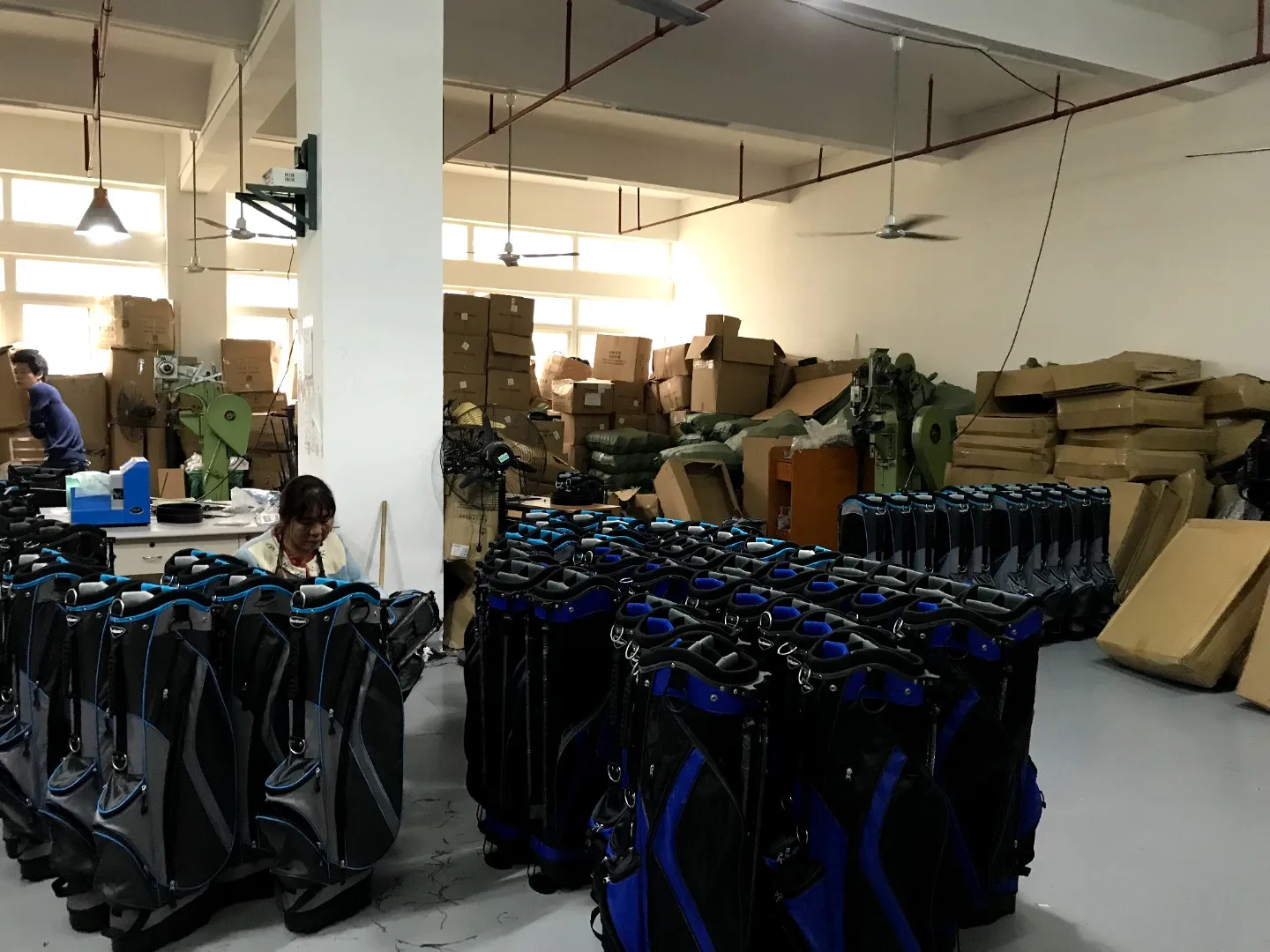
Xiamen Beilixing Trading Co., Ltd.
- Trading Company
- Fujian, China
- Lead time25 days
- Avg. response≤ 6h
Main productsgolf head cover,drawstring bag,golf bag,golf accessories,woman bag
Main marketsNorth America(50.00%), Western Europe(10.00%), Southern Europe(10.00%), Northern Europe(10.00%), South America(10.00%), Southeast Asia(5.00%), Eastern Europe(5.00%)

Xiamen Ederbou Industry&Trade Co., Ltd.
- Verified by CTI
- Combined
- China Fujian
- Lead time30 days
- Avg. response≤ 5h
Main productsCooler Insulated Bags, Backpacks, Delivery Bags, Travel Bags, Sports Bags, Picnic Bags
Main marketsSouth America,Southeast Asia/ Mideast,East Asia(Japan/ South Korea),Europe,Australia,North America






Comprehensive Sourcing Guide
Portable Outdoor Golf Cleaning Bag Supplier Concentration and Factory Types
The current supplier landscape for portable outdoor golf cleaning bags reveals a distinct concentration of manufacturing activity within Guangdong, China, a region widely recognized for its robust textile and accessory production infrastructure. This geographic clustering suggests that buyers seeking these specific items will likely encounter a high density of options in this province, where supply chains for materials like nylon webbing, diving material, and polyester are well-established. The presence of these suppliers in Guangdong indicates a mature ecosystem capable of supporting both small-batch customizations and larger volume orders, leveraging local expertise in fabric processing and assembly. For buyers evaluating this market, understanding that Guangdong is a primary hub helps in anticipating the types of capabilities available, from basic stitching to more complex waterproofing treatments. It is important to note that while Guangdong appears prominently in the results, other regions such as Hebei also host relevant manufacturers, particularly those specializing in microfiber products. This diversity in location means that sourcing strategies should not be limited to a single province, as different regions may offer varying advantages in terms of material sourcing, labor costs, and specialized production techniques. Buyers should remain open to exploring suppliers from multiple locations to ensure they find the best fit for their specific quality and logistical requirements.
In terms of company structure, the results indicate a mix of trading companies and combined entities, with some suppliers explicitly identifying as trading companies while others operate as combined firms with broader product ranges. This variation in supplier type has significant implications for the buying process, as trading companies often act as intermediaries that aggregate products from multiple factories, potentially offering a wider selection but with less direct control over production. Combined entities, on the other hand, may have more integrated operations, potentially offering better coordination between design, production, and logistics. The presence of OEM and ODM capabilities across many suppliers suggests that customization is a standard offering in this category, allowing buyers to tailor products to their brand identity. However, the degree of customization and the associated costs can vary significantly depending on whether the supplier is a pure trading company or a manufacturer with in-house design teams. Buyers should carefully assess the supplier’s business model to understand how it impacts lead times, communication efficiency, and the ability to resolve production issues. Recognizing these structural differences is crucial for setting realistic expectations regarding collaboration and ensuring that the chosen partner aligns with the buyer’s operational needs and strategic goals.
How to Verify Portable Outdoor Golf Cleaning Bag Suppliers
Verifying the legitimacy and capability of suppliers requires a multi-layered approach that goes beyond simple profile reviews, focusing on tangible evidence of operational stability and quality control. One critical step is to examine the supplier’s verification status, such as TÜV Rheinland certification, which provides an independent assessment of their business practices and manufacturing capabilities. Buyers should prioritize suppliers who have undergone such third-party audits, as this reduces the risk of engaging with fraudulent or unreliable entities. Additionally, checking the supplier’s response time is a practical indicator of their operational efficiency and customer service commitment. A rapid response time, such as within a few hours, often correlates with a well-organized team that is attentive to buyer inquiries and capable of handling time-sensitive orders. This metric can serve as a proxy for the supplier’s overall responsiveness throughout the procurement process, from initial negotiation to post-sale support. Buyers should also look for clear indications of the supplier’s main products and company type to ensure alignment with their specific needs, avoiding those whose primary focus lies in unrelated categories.
Beyond verification badges and response metrics, buyers should scrutinize the detailed product attributes and specifications provided by the supplier to assess their technical competence. For instance, examining the material composition, such as nylon webbing, polyester, or microfiber, and the specific features like waterproofing or tear-resistance, can reveal the supplier’s understanding of product performance requirements. Buyers should request detailed product data sheets or samples to verify that the materials and construction methods match the claimed specifications. It is also advisable to check for any available certifications or standards compliance, although the current data indicates that some suppliers may not have displayed system certifications. In such cases, buyers should proactively ask for evidence of quality management systems or product testing results to ensure that the goods meet international safety and quality standards. Furthermore, verifying the supplier’s ability to handle customization, such as logo printing or design modifications, is essential for brands seeking unique products. Buyers should confirm the supplier’s capacity to manage these customizations without compromising quality or lead times, ensuring that the final product aligns with their brand expectations and market requirements.
What to Compare Across Portable Outdoor Golf Cleaning Bag Suppliers
When evaluating multiple suppliers, buyers must systematically compare key operational metrics to identify the most suitable partner for their specific requirements. One of the most critical factors is the minimum order quantity (MOQ), which can vary significantly across suppliers, ranging from as low as one piece to one hundred pieces or more. This variation allows buyers to align their orders with their inventory strategy, whether they are testing the market with small batches or committing to larger volumes for cost efficiency. Comparing MOQs helps buyers assess the supplier’s flexibility and willingness to accommodate different order sizes, which is particularly important for new entrants or those with limited capital. Additionally, lead time is a crucial metric that impacts supply chain planning and customer satisfaction. Suppliers may offer lead times ranging from fifteen to thirty days, depending on the complexity of the order and the current production load. Buyers should compare these lead times against their own delivery schedules to ensure that the supplier can meet their market demands without causing delays. Understanding the factors that influence lead times, such as customization requirements or material availability, can help buyers negotiate more realistic timelines.
Price and payment terms are another essential dimension for comparison, as they directly affect the overall cost of procurement and cash flow management. Buyers should compare the price ranges offered by different suppliers, noting that prices can vary based on material quality, customization options, and order volume. For example, some suppliers may offer lower prices for standard products, while others may provide competitive rates for customized items. It is also important to consider the total cost of ownership, including shipping, tariffs, and any additional fees for customization or sample requests. Buyers should request detailed quotations that break down these costs to ensure transparency and avoid hidden charges. Furthermore, comparing the supplier’s response speed and communication style can provide insights into their customer service quality. A supplier with a quick response time and clear communication is more likely to be reliable and responsive to issues that may arise during production or shipping. By systematically comparing these factors, buyers can make informed decisions that balance cost, quality, and service, ensuring that they select a supplier who can support their business objectives effectively.
Common Portable Outdoor Golf Cleaning Bag Sourcing Risks
Sourcing portable outdoor golf cleaning bags from international suppliers introduces several risks that buyers must proactively manage to ensure a smooth procurement process. One significant risk is the potential for quality inconsistencies, particularly when dealing with suppliers who offer extensive customization options. Customization can introduce variables in material sourcing, production techniques, and quality control, increasing the likelihood of defects or deviations from the agreed specifications. Buyers should mitigate this risk by establishing clear quality standards and conducting thorough inspections before shipment. Requesting pre-production samples and conducting third-party inspections can help identify potential issues early, allowing for corrective actions before mass production begins. Additionally, buyers should be aware of the risk of intellectual property infringement, especially when working with suppliers who offer OEM/ODM services. It is crucial to ensure that all designs and logos are properly protected and that the supplier adheres to confidentiality agreements to prevent unauthorized use or replication of proprietary designs.
Another common risk is the discrepancy between the supplier’s claimed capabilities and their actual performance, which can lead to delays or failures in meeting order requirements. This risk is often exacerbated by communication barriers and cultural differences, which can result in misunderstandings regarding product specifications, delivery schedules, or payment terms. Buyers should mitigate this risk by maintaining clear and documented communication channels, using detailed purchase orders that specify all requirements, and regularly following up on production progress. Additionally, buyers should be cautious of suppliers who do not provide transparent information about their manufacturing processes or quality control measures. It is advisable to verify the supplier’s production capacity and facility conditions through virtual tours or on-site visits if possible. Furthermore, buyers should be aware of the risk of logistical disruptions, such as shipping delays or customs clearance issues, which can impact delivery times and increase costs. To manage this risk, buyers should work with experienced freight forwarders and ensure that all necessary documentation is prepared in advance. By identifying and addressing these risks early, buyers can minimize disruptions and ensure a successful sourcing experience.
Portable Outdoor Golf Cleaning Bag Regional Sourcing and Logistics
Regional sourcing decisions play a pivotal role in determining the efficiency and cost-effectiveness of the supply chain for portable outdoor golf cleaning bags. The concentration of suppliers in Guangdong, China, offers significant advantages in terms of logistics and infrastructure, as this region is well-connected to major ports and shipping routes. Buyers sourcing from Guangdong can benefit from shorter transit times and lower shipping costs due to the proximity to international trade hubs. However, it is important to consider the logistical implications of sourcing from other regions, such as Hebei, which may have different transportation networks and port access. Buyers should evaluate the total logistics cost, including inland transportation, port fees, and ocean freight, to determine the most cost-effective sourcing strategy. Additionally, the choice of region can impact the supplier’s ability to handle rush orders or expedite production, as some regions may have more flexible manufacturing schedules or better access to raw materials. Buyers should also consider the environmental and social implications of their sourcing decisions, as some regions may have stricter regulations or better labor practices.
Logistics planning should also account for the specific requirements of the product, such as size, weight, and packaging, which can affect shipping costs and handling procedures. For example, products with larger package sizes or heavier weights may incur higher shipping fees, while those with compact packaging may be more cost-effective to transport. Buyers should work closely with their suppliers to optimize packaging designs to minimize shipping costs and reduce the risk of damage during transit. Additionally, buyers should consider the impact of seasonal fluctuations on logistics, as peak seasons may lead to capacity constraints and higher freight rates. To manage these risks, buyers should plan their orders well in advance and maintain buffer stock to account for potential delays. Furthermore, buyers should explore alternative shipping methods, such as air freight or express courier services, for urgent orders or high-value items. By carefully planning and managing logistics, buyers can ensure that their products are delivered efficiently and cost-effectively, supporting their business operations and customer satisfaction.
Portable Outdoor Golf Cleaning Bag Commercial Terms and Order Planning
Effective commercial terms and order planning are essential for managing the financial and operational aspects of sourcing portable outdoor golf cleaning bags. Buyers should negotiate clear payment terms that align with their cash flow needs and risk tolerance, such as using escrow services or letter of credit for larger orders to ensure security. It is also important to establish clear delivery terms, such as Incoterms, to define the responsibilities of both parties regarding shipping, insurance, and customs clearance. Buyers should ensure that these terms are explicitly stated in the purchase order to avoid disputes and misunderstandings. Additionally, buyers should plan their orders based on accurate demand forecasts and inventory levels to avoid overstocking or stockouts. This requires close collaboration with sales and marketing teams to anticipate market trends and customer preferences. Buyers should also consider the impact of currency fluctuations on pricing and negotiate fixed-price contracts or hedging strategies to mitigate financial risks.
Order planning should also include a robust quality assurance process, with clear specifications and acceptance criteria defined before production begins. Buyers should establish a timeline for sample approval, production milestones, and final inspections to ensure that the order progresses smoothly and meets quality standards. It is also important to plan for potential contingencies, such as production delays or
FAQs
What is the typical lead time for portable golf cleaning bags?
Manufacturers in Guangdong, China, typically require 30 days to produce and ship orders. Suppliers in Hebei offer a faster turnaround of 15 days. Buyers should confirm specific production schedules with the supplier before placing bulk orders to ensure timely delivery for upcoming golf seasons.
What is the minimum order quantity for these cleaning bags?
Minimum order quantities vary significantly by supplier and product type. Some manufacturers require a minimum of 100 pieces for standard nylon or polyester models. Others accept orders as low as one piece for microfiber options. Buyers must check the specific MOQ listed for each product model.
What materials are used for portable golf cleaning bags?
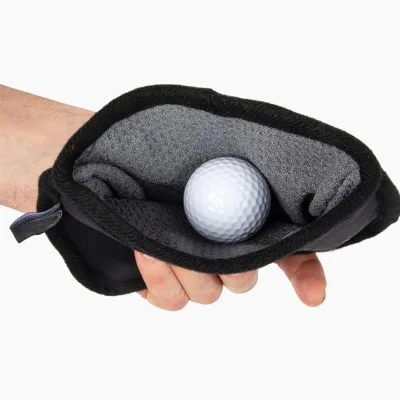
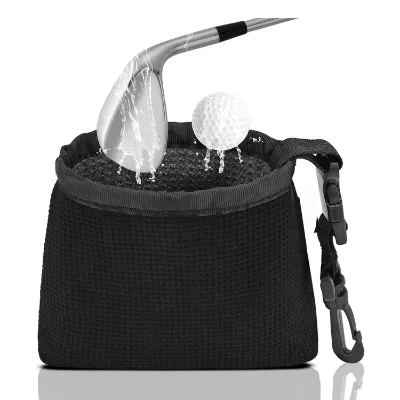
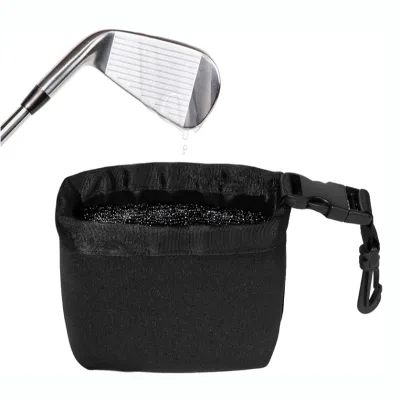
Common materials include nylon webbing with fasteners, polyester mesh, and microfiber. Nylon and polyester options are often tear-resistant and feature quick-release lanyards. Microfiber bags are noted for being ultra-soft and quick-drying. The material choice depends on whether the bag is designed for club cleaning or ball storage.
Can I customize the logo and design on these bags?
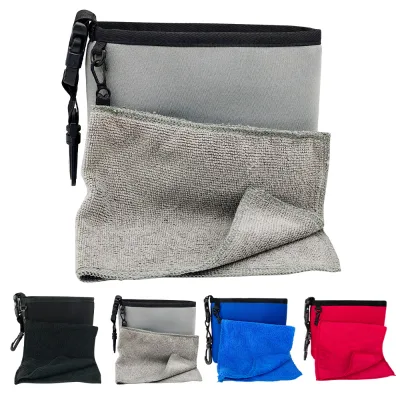
Most suppliers offer OEM and ODM services for branding. Buyers can usually request customized logos, designs, and colors such as black, grey, or blue. Some manufacturers also provide custom packaging options. It is advisable to verify customization capabilities and any associated costs directly with the supplier.
What is the price range for portable golf cleaning bags?
Prices generally range from approximately $1.20 to $3.45 per unit. Lower prices often apply to basic polyester or microfiber models with higher minimum order quantities. Higher prices may reflect specialized features or smaller order volumes. Buyers should request detailed quotes based on their specific quantity and customization requirements.
How quickly do suppliers typically respond to inquiries?
Response times vary among suppliers, with some responding within 3 hours and others taking up to 6 hours. Faster response times indicate active customer service teams. Buyers should prioritize suppliers with quick response rates to ensure efficient communication regarding product details, pricing, and shipping logistics.