Eco-Friendly Indoor Golf Practice Mat Suppliers and Manufacturers
Compare 25 verified suppliers of Eco-Friendly Indoor Golf Practice Mat based on location, lead times, certifications, and pricing. Review product specifications like grass layer and pad thickness to select the right factory for your needs; review the available evidence before requesting comparable quotations from suitable candidates.
Suppliers List

QINGDAO BILLION GREEN INTERNATIONAL TRADING CO., LTD
- Verified by TUVRHEINLAND
- Manufacturer/Factory
- China Shandong
- Lead time23 days
- Avg. response≤ 2h
Main productsGolf Mat, Golf Training Mat, Golf Practice Mat, Golf Hitting Mat, Golf Simulator Mat, Golf Putting Green Mat, Golf Driving Range Mat, Golf Training Aids, Golf Swing Mat, Golf Balls
Main marketsEastern Europe,North America,Southeast Asia,Eastern Asia,Western Europe


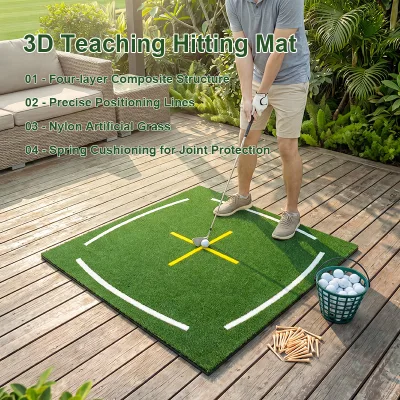
Nylon Turf Fairway Golf Simulator Practice Mat Indoor Golf Training Mat
$126.00 - $150.00
MOQ: 1 pieces

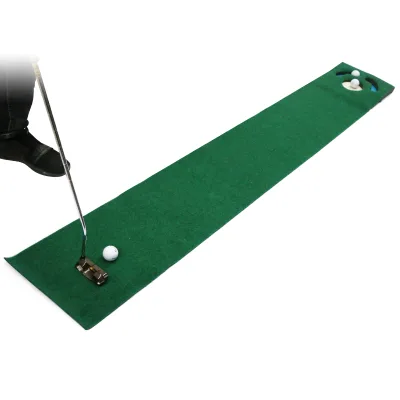
Rolling Soft Base Indoor Golf Putting Mat Golf Training Hitting Practice Mat
$98.00 - $115.00
MOQ: 1 pieces

Indoor Outdoor Driving Range Golf Simulator Training Mat Tee Turf Swing Practice Mat
$96.00 - $112.00
MOQ: 1 pieces


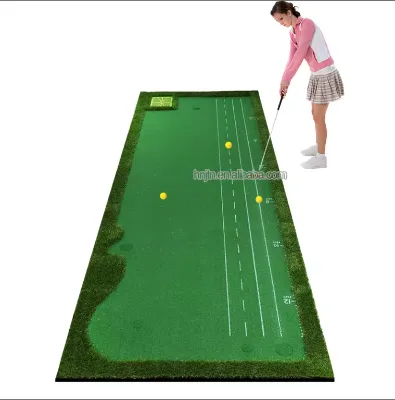
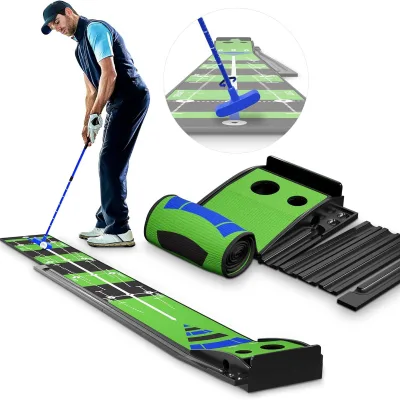
Henan Jtn Sports Goods Co., Ltd.
- Verified by Intertek
- Manufacturer, Trading Company
- Lead time30 days
- Avg. response≤ 2h
Main productsGolf Mat, Golf Green, Golf Training Net, Soccer Sports Net, Baseball Net
Main marketsNorth America(50%), Western Europe(15%), Northern Europe(10%)
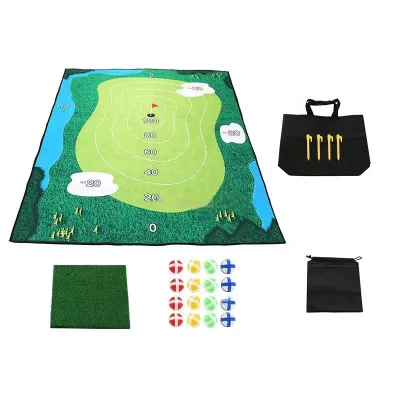
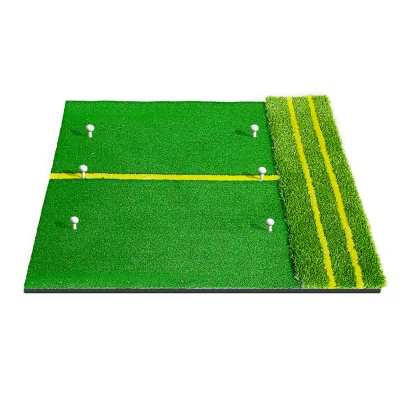
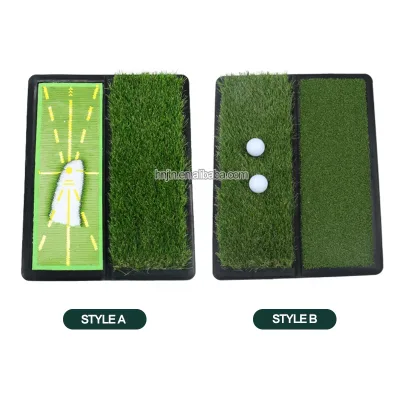
Portable Foldable Golf Hitting Mat Anti-Deformation Artificial Grass for Indoor/Outdoor Practice
$4.87 - $6.90
MOQ: 200 pieces
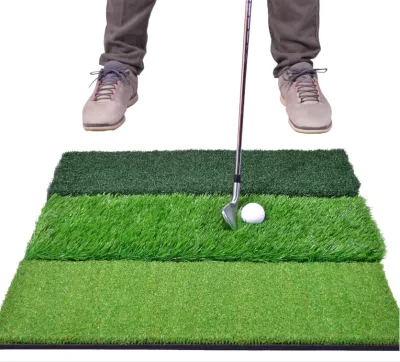
Tri-Turf XL Golf Practice Hitting Mat - Huge 24 Inch X 24 Inch for Optimal Practice
$8.60 - $9.30
MOQ: 100 sets

WUXI SUNGRASS SPORTS CO., LTD.
- Verified by TUVRHEINLAND
- Trading Company,Manufacturer/Factory
- China Jiangsu
- Lead time23 days
- Avg. response≤ 12h
Main productsSynthetic Turf, Synthetic Grass, Artificial Turf, Artificial Grass, Landscape Artificial Grass, Sports Artificial Grass, Football Grass, Football Turf, Football Lawn, Sport Turf
Main marketsSouth America,Eastern Europe,Mid East,North America,Southeast Asia,Eastern Asia,Oceania,Western Europe,Africa
Shenzhen Dotcom Houseware Products Co., Ltd.
- Verified by TüVRheinland
- Trading Company
- Lead time25 days
- Avg. response≤ 2h
Main productsLogo Mat, Kids Rug, Golf Mat, Dart Mat, Motorcycle Mat
Main marketsWestern Europe(32%), North America(20%), Southeast Asia(10%)

Xiamen JTS Sports Equipment Co., Ltd.
- Verified by TUVRHEINLAND
- Trading Company
- China Fujian
- Lead time30 days
- Avg. response≤ 3h
Main productsGolf Balls, Golf Clubs, Golf Bags, Golf Headcovers, Golf Accessories, Golf Tees, Golf Grips, Golf Shafts, Golf Mat, Golf Gloves
Main marketsSoutheast Asia/ Mideast,Europe,North America


Golf Mats Rubber Outdoor Indoor Training Size 45X35X2.5cm Golf Practice Mat Golf Hitting Mat
$10.00 - $24.00
MOQ: 10 Pieces


Golf Mats Rubber Bottom Outdoor Indoor Training Size 45X35X2.5cm Golf Practice Mat Golf Hitting Mat
$9.00 - $15.00
MOQ: 10 Pieces
Dongguan JT Sporting Goods Co., Ltd.
- Verified by Intertek
- Manufacturer, Trading Company
- Lead time20 days
- Avg. response≤ 3h
Main productsGolf Headcovers, Golf Glove, Golf Towel, Golf Hitting Nets, Golf Accessories
Main marketsNorth America(45%), Domestic Market(18%), Eastern Asia(15%)
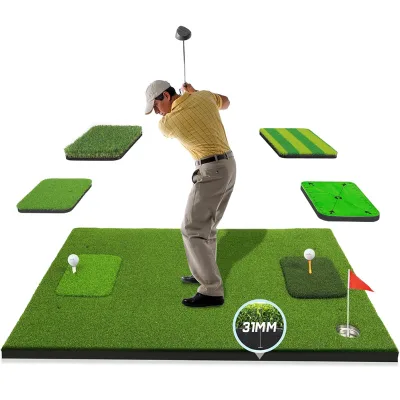
$58.86 - $71.04
MOQ: 100 pieces
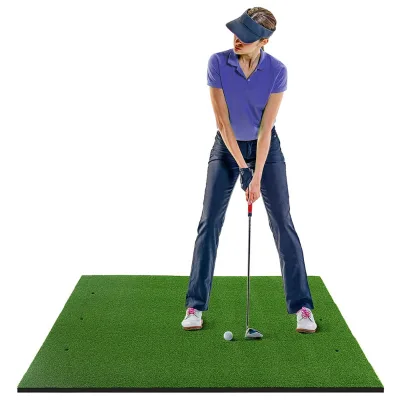
Shenzhen Jinaolong Golf Products Co., Ltd.
- Manufacturer, Trading Company
- Guangdong, China
- Lead time20 days
- Avg. response≤ 2h
Main productsGolf Clubs, Golf Accessories, Golf Set Gifts, Golf Hitting Mats, Golf Putting Trainers
Main marketsDomestic Market(50.00%), North America(15.00%), Western Europe(10.00%), Eastern Asia(10.00%), Southern Europe(5.00%), Northern Europe(5.00%), Eastern Europe(3.00%), Oceania(2.00%)
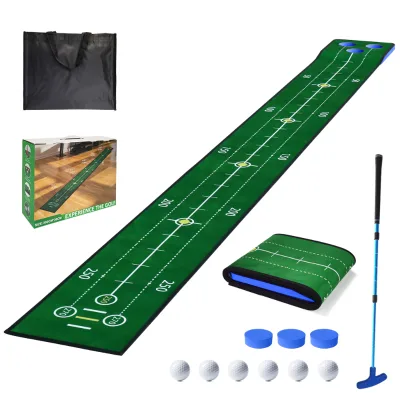
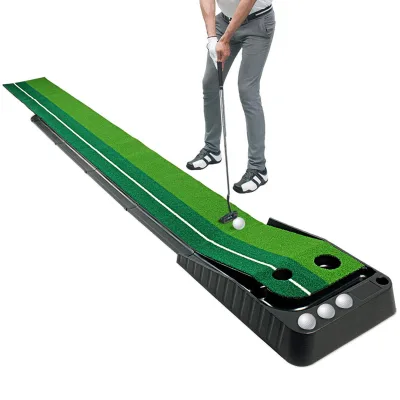
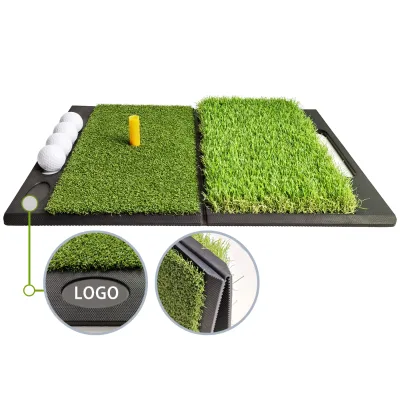
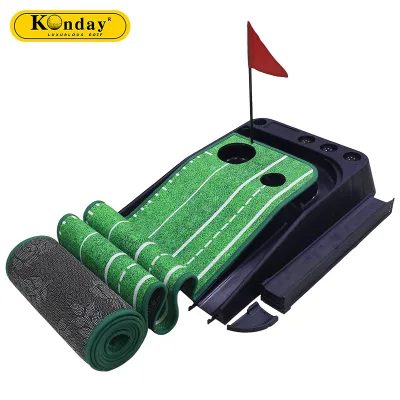
Customized Indoor Golf Putting Practice Mat for Home Training Wholesale Golf Mats
$26.62 - $30.30
MOQ: 1
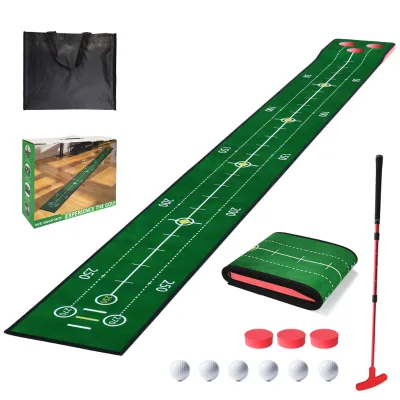
Shenzhen Konday Sports Co., Ltd.
- Verified by Intertek
- Manufacturer, Trading Company
- Lead time0 days
- Avg. response≤ 5h
Main productsGolf Bags, Golf Clubs, Golf Trainers, Golf Driving Range Equipment, Golf Accessories
Main marketsNorth America(40%), Eastern Asia(30%), South America(5%)
shenzhen feyond sports co., ltd.
- Manufacturer
- Guangdong, China
- Lead time7 days
- Avg. response≤ 4h
Main productsgolf accessories,golf headcovers,golf grips,golf divot tool,golf cap
Main marketsCentral America(16.00%), North America(16.00%), Northern Europe(12.00%), South America(11.00%), Mid East(9.00%), Western Europe(8.00%), Eastern Europe(8.00%), Southern Europe(8.00%), Eastern Asia(3.00%), South Asia(2.00%), Africa(2.00%), Domestic Market(2.00%), Southeast Asia(2.00%), Oceania(1.00%)
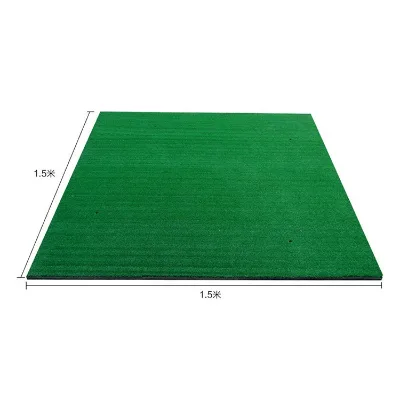
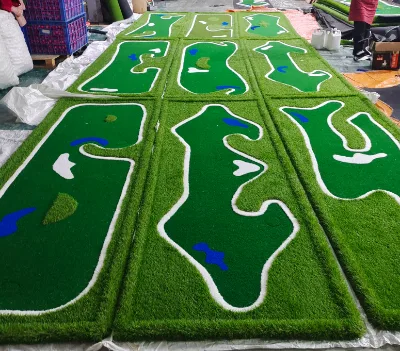
$7.13 - $9.18
MOQ: 20 pieces
Nantong Get Power Fitness Equipment Co., Ltd.
- Verified by TüVRheinland
- Trading Company
- Lead time30 days
- Avg. response≤ 2h
Main productsDumbbell, Barbell, Weight Plate, Power Rack, Bench
Main marketsNorthern Europe(40%), North America(20%), Southeast Asia(20%)

Hebei Ailuoha Import and Export Co., Ltd.
- Verified by SGS
- Combined
- China Hebei
- Lead time15 days
- Avg. response≤ 5h
Main productsMicrofiber Cloth, Bath Towel, Beach Towel, Car Towel, Sport Towel, Kitchen Towel
Main marketsEurope,Australia,North America

Golf Hitting Mat, Golf Practice Mat Outdoor Indoor for Training Chipping Show Swing Path
$3.50 - $4.60
MOQ: 100 Pieces

Shenzhen Grearth Sporting Goods Co., Ltd.
- Verified by Intertek
- Manufacturer, Trading Company
- Lead time0 days
- Avg. response≤ 2h
Main productsGolf Simulator Enclosure, Golf Hitting Mat, Golf Putting, Mini Golf, Baseball Mat
Main marketsNorth America(50%), Western Europe(20%), Eastern Europe(10%)
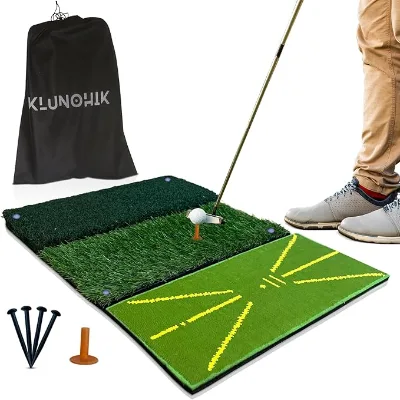
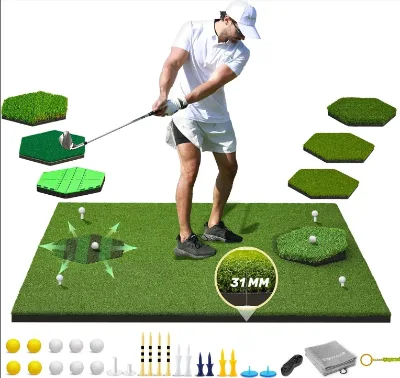
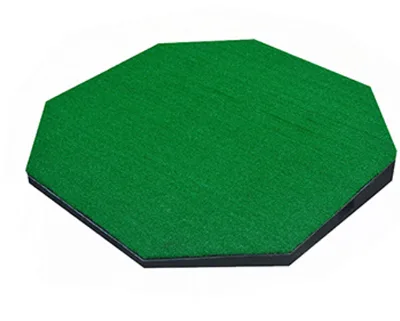
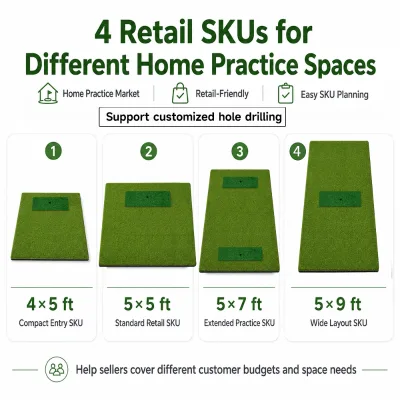
Octagon Slope Golf Hitting Mat for Practice & Training
$120.00 - $131.20
Yantai Vision Technology Co., Ltd.
- Trading Company
- Shandong, China
- Lead time0 days
- Avg. response≤ 1h
Main productsGolf Training Aids,Baseball Training Aids,Pickleball,Artificial Turf,Other sports products
Main marketsNorth America(58.00%), Northern Europe(18.00%), Eastern Asia(12.00%), Southeast Asia(9.00%), South America(3.00%)
Shenzhen Dotcom Houseware Products Co., Ltd.
- Trading Company
- Lead time旺季: "1 - 500":30,"> 500":"To be negotiated", 淡季: "1 - 500":30,"> 500":"To be negotiated"
- Avg. response≤ 2h
Main productsLogo Mat, Kids Rug, Golf Mat, Dart Mat, Motorcycle Mat
Shenzhen Dotcom Advertising Carpet Co., Ltd.
- Verified by TüVRheinland
- Trading Company
- Lead time30 days
- Avg. response≤ 2h
Main productsLogo Mat, Door Mat, Sport Mat, Printed Carpet, Custom Rug
Main marketsWestern Europe(32%), North America(20%), Southeast Asia(10%)
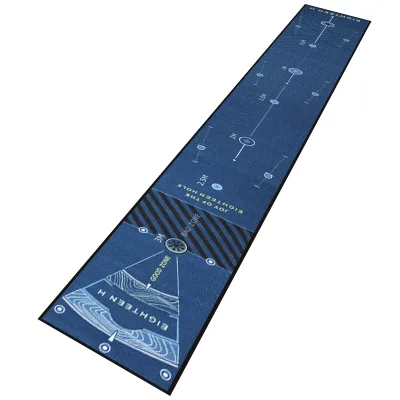
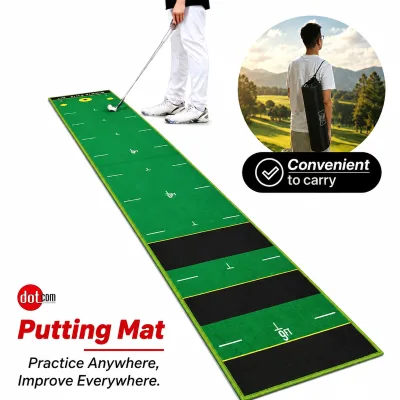
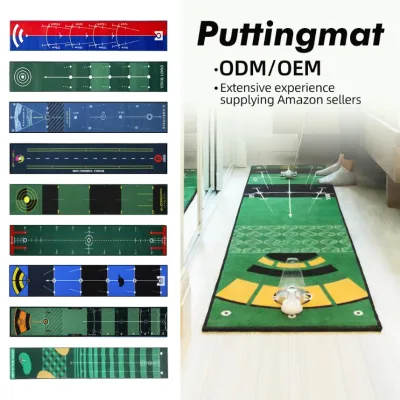
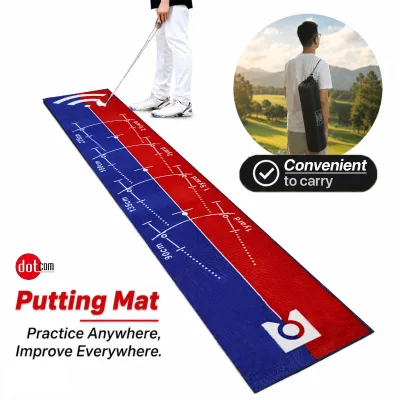
Wholesale Custom Design Golf Durable Green Putting Mat Indoor Use Golf Practice Printed Mats
$5.08 - $10.19
MOQ: 50 pieces
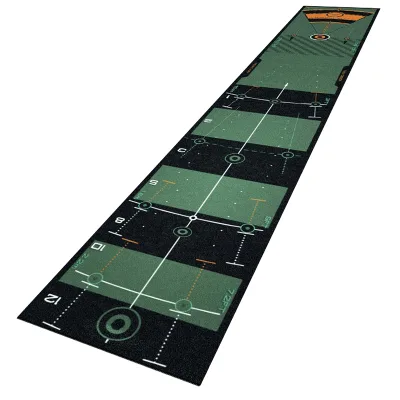
Portable Golf Putting Carpet Mat With Alignment Training Aids and Cup for Indoor Outdoor Use
$4.98 - $9.98
MOQ: 50 pieces
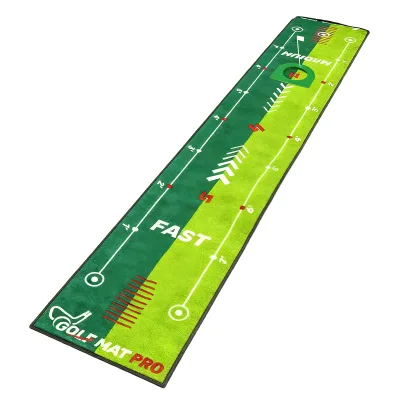
Eco Friendly Synthetic Grass Putting Mat With Non Slip Backing for Floor Protection and Safety
$4.98 - $9.98
MOQ: 50 pieces

- Verified by TUVRHEINLAND
- Combined
- China Shandong
- Lead time30 days
- Avg. response≤ 4h
Main productsSpc Flooring, Vinyl Plank Flooring, Vinyl Roll Flooring, WPC Wall Panel, PVC Marble Sheet, Decorative Moulding, Artificial Grass, Artificial Plants, Mosaic Tile, Glass Block
Main marketsSouth America


Artificial Putting Green Grass Mat outdoor Turf Backyard Golf Practice
$2.85 - $3.65
MOQ: 1000 Square Meters
Nanjing Allshing Trade Company Limited
- Verified by TüVRheinland
- Trading Company
- Lead time25 days
- Avg. response≤ 5h
Main productsFootball Soccer Training Articles, Outdoor Products
Main marketsNorth America(50%), Africa(8%), Mid East(8%)

Hebei Zhuochu Commerce Co., Ltd.
- Verified by TUVRHEINLAND
- Trading Company,Manufacturer/Factory
- China Hebei
- Lead time15 days
- Avg. response≤ 6h
Main productsArtigicial Grass, Artificial Plant Wall, Artificial Trees, Artificial Balls, Artificial Fence, Hanging Plants, Synthetic Grass, Artificial IVY Hedge, Artificial Turf, Artificial Vertical Garden
Main marketsSouth America,Eastern Europe,Mid East,North America,Southeast Asia,Eastern Asia,Oceania,Western Europe,Africa

Indoor/Outdoor Golf Putting Green Turf Training Mat Artificial Grass
$3.00 - $5.00
MOQ: 100 Square Meters

Indoor/Outdoor Golf Putting Green Turf Training Mat Artificial Grass for Perfect Practice
$3.00 - $5.00
MOQ: 100 Square Meters

High-Quality Artificial Grass Golf Mat for Indoor Use Blue Grass Mat
$3.00 - $5.00
MOQ: 100 Square Meters

Yan Miao (Yiwu City) International Trade Co., Ltd.
- Trading Company
- China Zhejiang
- Lead time0 days
- Avg. response≤ 1h
Main productsDrip Irrigation System, Irrigation Fittings, Drip Irrigation Pipe, Micro Irrigation System, Garden Irrigation System, Agricultural Irrigation System, Greenhouse Irrigation System, Irrigation Equipment, Irrigation Accessories, Water Saving Irrigation

- Trading Company,Manufacturer/Factory
- China Shandong
- Lead time23 days
- Avg. response≤ 8h
Main productsConveyor Belt, Rubber Conveyor Belt, Rubber Sheet, PVC Strip Curtain, PVC Soft Sheet, Rubber Floor, EVA Lamination Film, EVA Film, Evasafe, EVA Film for Glass Lamination
Main marketsSouth America,Eastern Europe,Mid East,North America,Southeast Asia,Eastern Asia,Western Europe,Africa
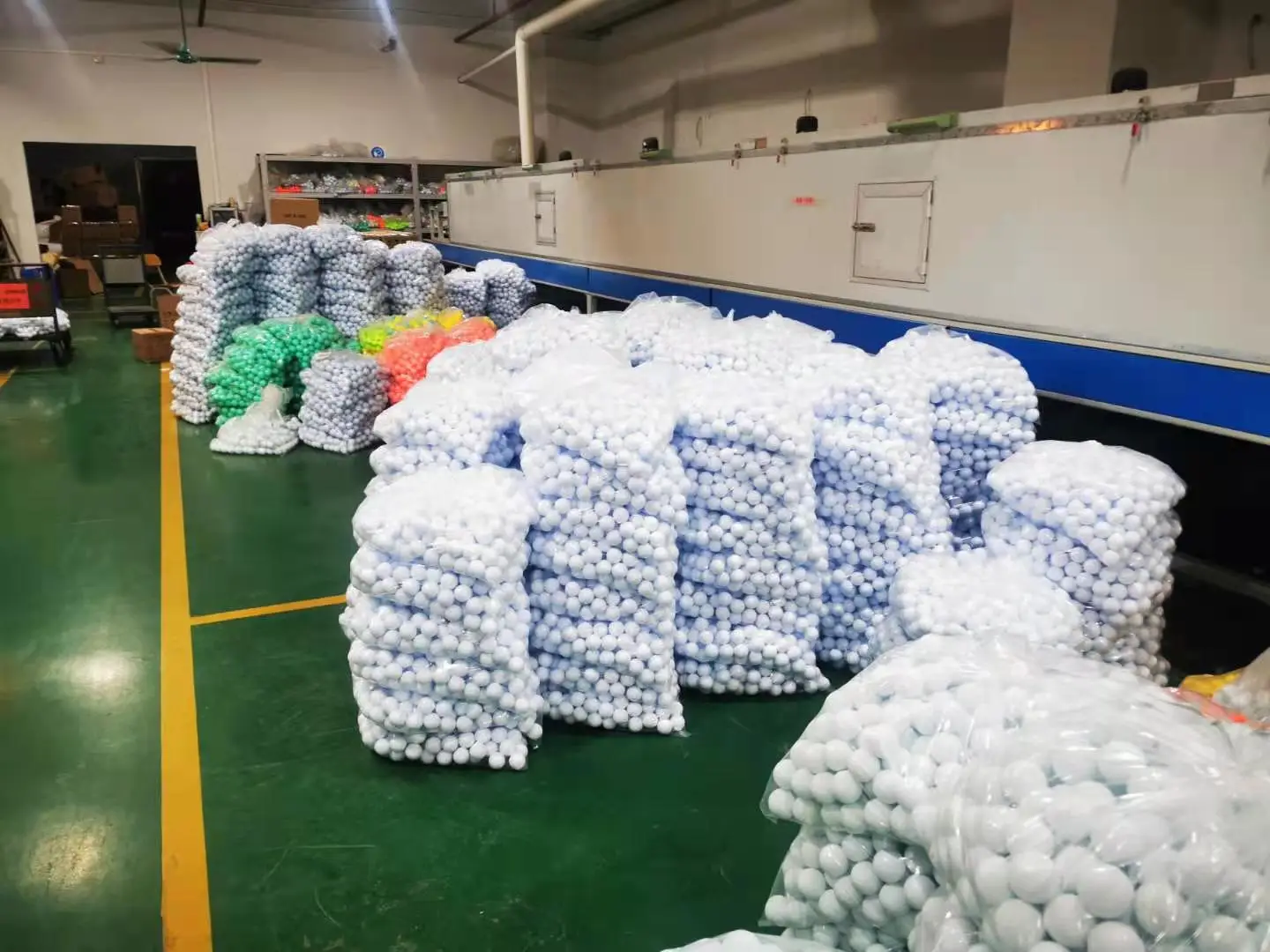
Shenzhen Crestgolf Supplies Co., Ltd.
- Manufacturer, Trading Company
- Guangdong, China
- Lead time15 days
- Avg. response≤ 2h
Main productsGolf ball,Golf grip,Golf gift,Golf tee,golf accessories
Main marketsWestern Europe(16.00%), North America(16.00%), Central America(15.00%), South America(15.00%), Southern Europe(8.00%), Eastern Europe(8.00%), Northern Europe(7.00%), Mid East(5.00%), Africa(3.00%), Domestic Market(2.00%), Southeast Asia(2.00%), Eastern Asia(1.00%), South Asia(1.00%), Oceania(1.00%)

- Combined
- China Guangdong
- Lead time15 days
- Avg. response≤ 17h
Main productsSynthetic Grass, Artificial Grass, Synthetic Turf, Stadium Seat, Football Goal, Sport Equipment, Tennis Turf, Artificial Lawn, Football Grass, Landscaping Grass
Main marketsSouth America,Africa,Southeast Asia/ Mideast,East Asia(Japan/ South Korea),Domestic,Europe,Australia,North America


Easy and Convenient Golf Practice Carpet Lawn Simulated Golf Practice Mat
$215.00
MOQ: 10 Square Meters

Golf Mat Training G13 Turf Putting Green Golf Grass Turf Multipurpose Grass
$3.50 - $10.00
MOQ: 800 Square Meters

Golf Synthetic Grass Outdoor Golf Carpets Putting Green Golf Training Mat
$10.00
MOQ: 800 Square Meters
Shenzhen Hezhao Technology Co.,Ltd
- Verified by Intertek
- Manufacturer, Trading Company
- Lead time7 days
- Avg. response≤ 4h
Main productsGolf Balls, Golf Gloves, Golf Bags, Golf Training Aids, Golf Accessories
Main marketsEastern Asia(41%), North America(20%), Western Europe(15%)
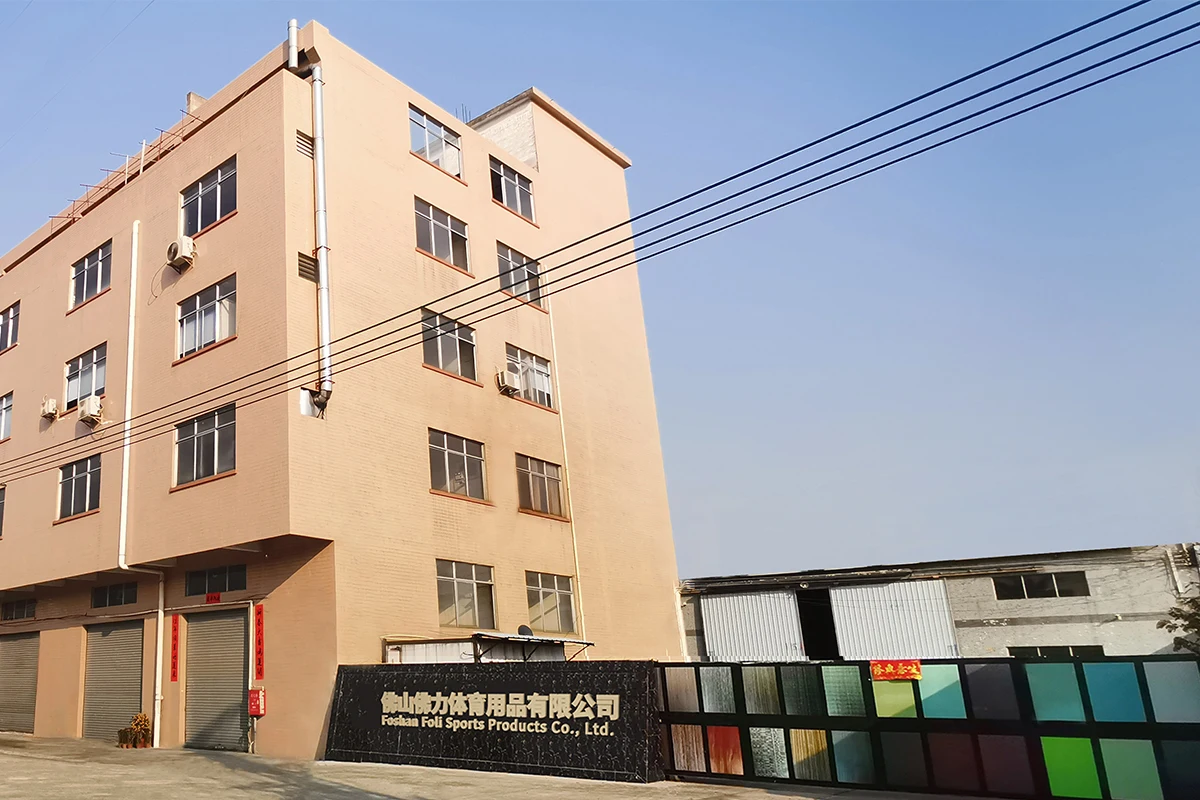
Foshan Foli Sports Products Co., Ltd.
- Manufacturer, Trading Company
- Guangdong, China
- Lead time0 days
- Avg. response≤ 14h
Main productsGolf Balls/ Golf Practise Net/ Golf Mat/ Golf Shoes/ Golf Accessories
Main marketsDomestic Market(40.00%), Mid East(15.00%), South Asia(8.00%), Eastern Europe(5.00%), Eastern Asia(5.00%), Southern Europe(4.00%), Western Europe(4.00%), Africa(3.00%), Central America(3.00%), Southeast Asia(3.00%), North America(3.00%), South America(3.00%), Northern Europe(2.00%), Oceania(2.00%)
Xiamen Shangshan Golf Goods Business Department
- Manufacturer
- Fujian, China
- Lead time15 days
- Avg. response≤ 2h
Main productsGolf accessory,Golf mat,Golf Ball,Golf course,Golf Tee
Main marketsWestern Europe(35.00%), North America(30.00%), Southeast Asia(10.00%), Northern Europe(5.00%), Central America(5.00%), South America(5.00%), Mid East(5.00%), Eastern Europe(5.00%)


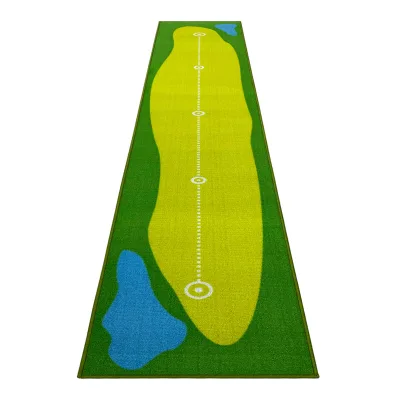
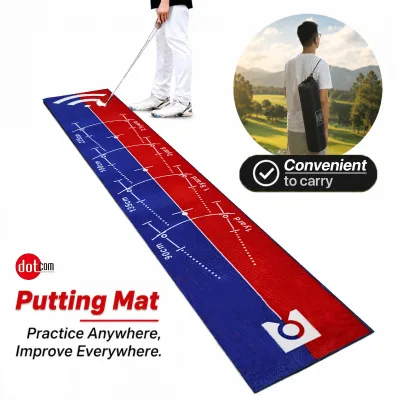


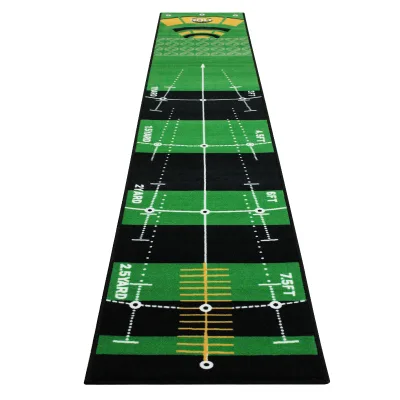
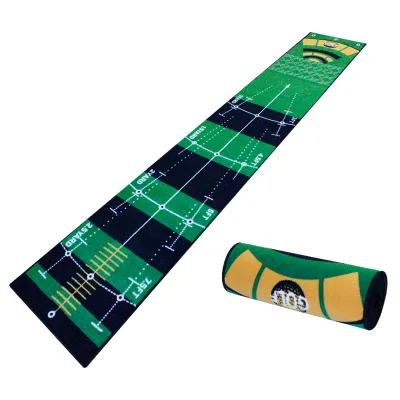
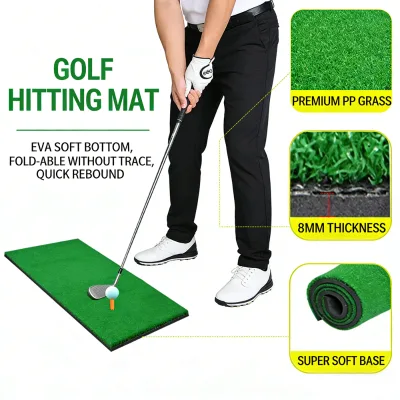
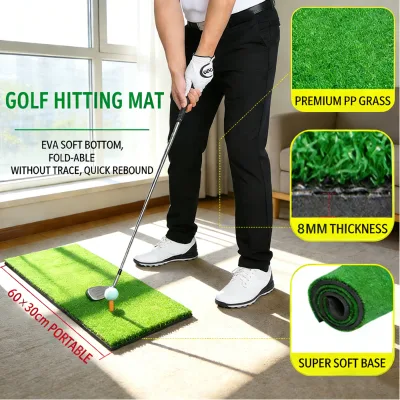
Comprehensive Sourcing Guide
Eco-Friendly Indoor Golf Practice Mat Supplier Concentration and Factory Types
The current supplier landscape for Eco-Friendly Indoor Golf Practice Mat reveals a distinct concentration of manufacturing activity within China, specifically in the Shandong province. This region hosts a significant number of facilities that specialize in producing golf training aids, including hitting mats, simulator mats, and putting greens. These suppliers operate primarily as manufacturers or factories, indicating a direct capability to control production processes and material sourcing. The presence of these entities suggests a robust industrial cluster where specialized equipment for golf training is assembled, often utilizing local supply chains for components like nylon knitted crimp grass and EVA foam rubber pads.
Beyond the primary manufacturing hubs, the supplier base also includes trading companies that may source from various factories to offer a broader catalog. Some entities list themselves as both manufacturers and trading companies, which can provide flexibility in order fulfillment but requires careful verification of their actual production capacity. The main product lines consistently feature items such as golf mats, golf greens, and training nets, confirming that these suppliers are deeply embedded in the golf equipment sector. Buyers should note that while the data points to Shandong as a key location, the specific factory addresses are not publicly listed in general summaries, necessitating direct inquiry to confirm the exact origin of goods before committing to large orders.
How to Verify Eco-Friendly Indoor Golf Practice Mat Suppliers
Verification of suppliers for Eco-Friendly Indoor Golf Practice Mat requires a rigorous check of their certification status and third-party audit results. Several suppliers in the current results display verification badges from recognized bodies such as TÜV Rheinland and Intertek, which serve as critical indicators of operational reliability and quality management systems. Specifically, the presence of ISO 9001 system certification suggests that these manufacturers adhere to standardized quality control procedures, which is essential for maintaining consistency in product dimensions and material composition. Buyers must treat these certifications as primary evidence of a supplier's commitment to quality, rather than assuming all listed vendors possess them without explicit confirmation.
In addition to certifications, buyers should scrutinize the response times and verification status provided in supplier profiles to gauge operational efficiency. The data indicates response times ranging from approximately 1.94 to 2 hours, which reflects a high level of engagement and readiness to address procurement inquiries. A fast response time often correlates with a well-stocked inventory and an active sales team capable of handling custom requests. However, buyers should not rely solely on these metrics; they must also verify the specific claims regarding customization capabilities, such as OEM and ODM services, by requesting detailed product specifications. Confirming that a supplier can deliver on promises regarding material customization, such as specific grass layer thicknesses or pad densities, is vital before finalizing any partnership.
What to Compare Across Eco-Friendly Indoor Golf Practice Mat Suppliers
When evaluating potential partners, buyers must compare key operational metrics including lead times, minimum order quantities, and pricing structures to ensure alignment with their business needs. The available data shows lead times varying between 23 and 30 days, which is a critical factor for inventory planning and supply chain stability. Minimum order quantities also differ significantly, with some suppliers offering a low threshold of just one piece for certain models, while others require orders of 100 units or more for specific items like portable putting mats. Understanding these variations allows buyers to select suppliers that match their volume requirements, whether they are testing a new product line or fulfilling a large-scale commercial order.
Pricing and product specifications provide another layer of comparison essential for cost-benefit analysis. The observed price ranges for various golf mats span from approximately $75 to $152, depending on the model, thickness, and material composition. For instance, mats with a 40mm PP curl grass layer and 10mm EVA foam pad may be priced differently than those with 15mm nylon knitted crimp and 15mm foam. Buyers should also compare the net weight and total thickness of the products, as these attributes directly impact shipping costs and the durability of the mat. By systematically comparing these attributes across different suppliers, buyers can identify the most cost-effective options that still meet their specific performance standards for indoor golf practice.
Common Eco-Friendly Indoor Golf Practice Mat Sourcing Risks
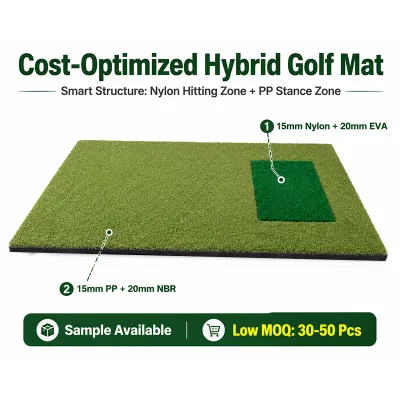
One significant risk in sourcing Eco-Friendly Indoor Golf Practice Mat involves the potential discrepancy between advertised customization options and actual production capabilities. While many suppliers list customization as available, the specific details regarding material composition, such as the type of grass layer or the density of the foam pad, must be explicitly confirmed. There is a risk that a supplier may claim to offer custom solutions but deliver standard products that do not meet the buyer's specific performance criteria. Buyers should request detailed product property sheets that specify the exact materials used, such as 15mm Nylon Knitted Crimp versus 40mm PP Curl, to ensure the final product matches the intended use case for indoor training.
Another risk pertains to the consistency of product quality and the reliability of the supply chain regarding lead times. Although some suppliers report lead times of 23 days, others indicate 30 days, and these figures can fluctuate based on order volume or raw material availability. If a buyer places an order without verifying the current production schedule, they may face delays that disrupt their own sales cycles or project timelines. Furthermore, the variation in packaging methods, such as palletizing versus custom packing, can affect the condition of goods upon arrival. Buyers must clarify packaging requirements and confirm that the supplier has a proven track record of delivering goods in the specified condition to mitigate the risk of damage during transit.
Eco-Friendly Indoor Golf Practice Mat Regional Sourcing and Logistics
The primary sourcing region for these products is identified as Shandong, China, which serves as a central hub for the manufacturing of golf training equipment. This concentration of factories in Shandong offers logistical advantages, as the region likely has established infrastructure for exporting heavy items like golf mats. However, buyers must verify the specific port of loading and shipping terms, as the distance from the factory to the port can impact transit times and freight costs. The net weight of the products, which ranges from 16kg to 20kg per piece for standard models, is a crucial factor in calculating shipping expenses, especially when ordering in bulk.
Logistics planning also requires attention to the packaging specifications provided by the supplier, which often include palletizing for standard orders. The total thickness of the mats, ranging from 30mm to 50mm, influences the volume of the shipment and the number of units that can be loaded into a container. Buyers should confirm whether the supplier offers optimized packing solutions to maximize container space and reduce per-unit shipping costs. Additionally, for suppliers located in other regions like Henan, as indicated by some product origins, buyers must account for potential differences in logistics networks and lead times. Ensuring that the shipping terms align with the buyer's delivery schedule is essential to avoid unexpected delays or increased costs.
Eco-Friendly Indoor Golf Practice Mat Commercial Terms and Order Planning
Commercial terms for Eco-Friendly Indoor Golf Practice Mat orders must be carefully negotiated to align with the buyer's financial and operational constraints. The minimum order quantities observed vary widely, from single-piece orders for specific models to bulk requirements of 100 units for others. This variability allows buyers to start with small test orders to validate product quality before scaling up, but it also requires precise planning to manage inventory levels effectively. Buyers should clarify the payment terms and any deposit requirements associated with custom orders, as these can impact cash flow and the overall cost of the procurement process.
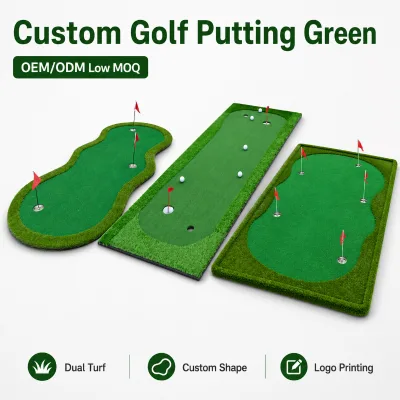
Order planning should also account for the specific product attributes that influence the final cost and delivery schedule. For example, the choice between a 15mm nylon grass layer and a 40mm PP curl layer will affect both the unit price and the production time. Buyers must ensure that their order specifications are clearly communicated to the supplier to avoid misunderstandings regarding material quality or dimensions. Additionally, the availability of customization services, such as logo printing or specific color options, should be confirmed early in the process. By integrating these details into the initial order plan, buyers can streamline the procurement process and ensure that the final delivery meets their expectations for quality and performance.
FAQs
What is the minimum order quantity for indoor golf mats?
The minimum order quantity is one piece for most standard models. This low threshold allows buyers to test product quality before committing to larger volumes. Some specific portable or customized variants may require a minimum of 100 pieces. Always verify the specific MOQ for your chosen model and customization level.
How long does production take for these golf mats?
Typical lead times range from 23 to 30 days depending on the supplier and order volume. Manufacturers in Shandong and Henan generally offer these timeframes. Expedited production may be available for smaller orders or stock items. Confirm the exact lead time with the supplier before finalizing your purchase agreement.
What materials are used in the grass layer of these mats?
Common grass layer materials include 15mm or 16mm nylon knitted crimp and 40mm PP curl. Some models use 16mm PE tufted crimp for durability. These synthetic fibers mimic natural turf feel while providing consistent ball roll. The choice depends on whether you prioritize realistic swing feedback or long-term wear resistance.
What is the price range for indoor golf simulator mats?
Prices typically range from $75 to $152 per unit based on specifications. Thicker mats with premium foam pads and nylon grass cost more. Basic portable putting mats are significantly cheaper. Prices vary by customization, packaging, and order quantity. Request a detailed quote for your specific model requirements to get an accurate estimate.
Are these golf mats customizable for branding?
Yes, customization is available for most indoor golf practice mats. Buyers can often request custom logos, colors, and packaging. OEM and ODM services are offered by many manufacturers. Customization may affect lead times and minimum order quantities. Discuss your branding needs directly with the supplier to ensure feasibility and pricing.
What certifications do these golf mat suppliers hold?
Many suppliers hold ISO 9001 system certification for quality management. Some are verified by third-party agencies like TÜV Rheinland or Intertek. These certifications indicate adherence to manufacturing standards. Verify specific certification documents with the supplier to ensure they meet your regional compliance requirements.