Portable Oxygen Jet Peel Machine Suppliers and Manufacturers
Explore 26 verified options for Portable Oxygen Jet Peel Machine from China. Compare locations, response times, lead times, certifications, and pricing to find the right partner. Contact suppliers directly to request quotes and verify product specifications; review the available evidence before requesting comparable quotations from suitable candidates.
Suppliers List

Weifang Huamei Electronics Co., Ltd.
- Manufacturer/Factory
- China Shandong
- Lead time15 days
- Avg. response≤ 5h
Main products808nm Diode Laser, 980nm Diode Laser, RF Beauty Machine, Elight Machine, ND YAG Laser, Multifunction Beauty Salon Equipment, Fractiona CO2 Laser, Ultrasonic RF Cavitation, Microdermabration, Diode Laser
Main marketsSouth America,Eastern Europe,Mid East,North America,Southeast Asia,Eastern Asia,Oceania,Western Europe,Africa


Jet Peel Machine Oxygen Jet Peel Machine Water Oxygen Jet Peel Machine
$2500.00 - $3500.00
MOQ: 1 Pieces


Jet Peel Oxygen Water Beauty Machine Oxygen Sprayjet Peel Oxgen Jet Peel
$2500.00 - $3500.00
MOQ: 1 Pieces


Jet Peel Aqua Peeling Water Skin Care Portable Intraceuticals Infusion Oxygen Facial Machine
$2500.00 - $3500.00
MOQ: 1 Pieces
Foshan Meiji Spirit Health Technology Co., Ltd.
- Verified by Intertek
- Trading Company
- Lead time10 days
- Avg. response≤ 2h
Main productsSkin Analysis Machine
Main marketsNorth America(50%), Western Europe(10%), Northern Europe(10%)

GUANGZHOU KONMISON TECHNOLOGY CO., LIMITED
- Verified by BV
- Trading Company
- China Guangdong
- Lead time30 days
- Avg. response≤ 12h
Main productsBeauty Machine, Beauty Equipment, Slimming Machine, Cavitation Weight Loss Beauty Machine, Skin Care Machine, RF Skin Lifting Rejuvenation Machine, IPL Hair Removal Machine, Laser Hair Removal Machine, LED Facial Mask Beauty Device
Main marketsEurope,Australia


Portable Ez Nagetive Pressure Skin Rejuvenation Water Oxygen Peel Machine
$185.00 - $250.00
MOQ: 1 Pieces

Multifunctional Home Use Water Oxygen Jet Peel Machine for Skin Regeneration
$180.00 - $200.00
MOQ: 1 Pieces


Beijing ADSS Development Co., Ltd.
- Verified by TUVRHEINLAND
- Combined
- China Beijing
- Lead time15 days
- Avg. response≤ 4h
Main productsHifu, Laser Vaginal Tightening, Digital Syringe Injector, 808nm Diode Laser Hair Remvoal, Fractional RF & Thermal RF, Vacuum Shape, 20MHz RF Thermal, Cryolipolysis Slimming Machine, Cavitation Slimming Machine, Fractional CO2 Laser
Main marketsSouth America,East Asia(Japan/ South Korea),Europe,Australia,North America

Guangzhou allfond electronics co.,ltd
- Verified by SGS
- Trading Company
- China Guangdong
- Lead time15 days
- Avg. response≤ 7h
Main productsSlimming Machine, Beauty Equipment, Derma Roller, Tattoo Equipment, ND YAG Laser Machine, Cavitation RF Vacuum, Hifu, 808nm Diode Laser, EMS Sculpting Machine, Cryolipolysis Machine
Main marketsSoutheast Asia/ Mideast,Europe,North America

Portable Skin Moisture Oxygen Spray Jet Peel Facial Machine for Face Care
$705.00 - $749.00
MOQ: 1 Pieces


$772.00 - $999.00
MOQ: 1 Pieces

7 in 1 Hydrodermabrasion Skin Rejuvenation Deep Cleansing Oxygen Jet Peel Facial Machine
$356.00 - $456.00
MOQ: 1 Pieces
Foshan Health Info Technology Co., Ltd.
- Verified by SGS Group
- Trading Company
- Lead time10 days
- Avg. response≤ 2h
Main productsHair Removal Machine, Hifu Machine, Hydrafacial Machine, Fractional CO2 Laser Machine, Laser Tattoo Removal Machine
Main marketsNorth America(25%), South America(10%), Southeast Asia(10%)
Hebei Mita Biotechnology Co., Ltd.
- Verified by SGS Group
- Trading Company
- Lead time7 days
- Avg. response≤ 3h
Main productsCo2 Fractional Laser Machine, Ems Sculpting Machine, HIFU Machine, Cryolipolysis Machine, Laser Hair Removal Machine
Main marketsCentral America(14%), Africa(12%), Southeast Asia(8%)
Guangzhou Huang Kai Electronic Technology Company Limited
- Manufacturer, Trading Company
- Lead time旺季: "1 - 1":7,"> 1":"To be negotiated", 淡季: "1 - 1":7,"> 1":"To be negotiated"
- Avg. response≤ 2h
Main productsJet Peel,Vacuum RF Roller,Oxygen Facial Machine,Press Therapy Lymphatic Drainage,Hair Remove Machine
Guangzhou Huangkai Electronic Technology Co., Ltd.
- Trading Company
- Guangdong, China
- Lead time3 days
- Avg. response≤ 2h
Main productsPhysicaltherapy Machine,Shockwave Therapy,Tecar Therapy,Magneto Therapy,Laser Therapy
Main marketsSouth America(20.00%), Africa(8.00%), Western Europe(8.00%), Eastern Europe(8.00%), Southern Europe(8.00%), Mid East(7.00%), Eastern Asia(7.00%), South Asia(6.00%), Southeast Asia(6.00%), Northern Europe(6.00%), Domestic Market(5.00%), Central America(4.00%), North America(4.00%), Oceania(3.00%)

Hebei Tuosite Import & Export Trade Co., Ltd.
- Verified by CTI
- Trading Company
- China Hebei
- Lead time15 days
- Avg. response≤ 5h
Main productsBeauty Equipment, Medical Equipment, Skin Care Equipment, Diode Laser Equipment, Hair Removal Equipment, Muscle Building Equipment, Cryolipolysis Equipment, Cavitation Vacuum Equipment, Roller Infrared Massage Cellulite Equipment
Main marketsEurope


Oxygen Jet Peel Oxygen Infusion Facial Machine Beauty Skin Care Medical Equipment
$800.00 - $1800.00
MOQ: 1 Pieces

Oxygen Jet Peel Oxygen Infusion Facial Machine Beauty Skin Care Equipment
$800.00 - $1800.00
MOQ: 1 Pieces

Portable 9 in 1 H2O2 Water Oxygen Jet Peel Hydra Cleansing Hydra Dermabrasion Facial Machine
$900.00 - $1800.00
MOQ: 1 Pieces


Solana Beauty Technology Co., Limited
- Trading Company,Manufacturer/Factory
- China Guangdong
- Lead time15 days
- Avg. response≤ 4h
Main productsBeauty Equipment, Hifu Anti-Aging Machine, Radio Frequency Lipocavitation Machine, Cryolipolysis Fat Freezing Machine, 808nm Diode Laser Hair Removal Machine, Elight Opt IPL Hair Removal Machine, Pressotherapy Machine, Hydro Facial Skincare Machine, Mesotherapy Machine, G5 Massager Machine
Main marketsSouth America,Eastern Europe,Mid East,North America,Southeast Asia,Eastern Asia,Oceania,Africa


$300.00 - $360.00
MOQ: 1 Pieces

Portable 2 in 1 Diamond Microdermabrasion Beauty Machine with Oxygen Jet Peel Spray
$80.00 - $150.00
MOQ: 1 Pieces

Guangzhou Yingcai Beauty Instrument Co., Ltd.
- Verified by SGS
- Combined
- China Guangdong
- Lead time15 days
- Avg. response≤ 2h
Main productsHifu Machine, Hair Removal Machine, Pico Laser Machine, PDT Machine, Franctional Laser Machine, Electrolysis Hair Removal, Hydra Dermabrasion Facial Machine, Cavitation Machine, Cryolipolysis Machine
Main marketsSouth America,Africa,Southeast Asia/ Mideast,East Asia(Japan/ South Korea),Europe,Australia,North America


$190.00 - $280.00
MOQ: 1 Pieces

Best Selling Portable Face Care Skin Rejuvenation Jet Peel Beauty Machine Oxygen Facial Machines
$120.00 - $154.90
MOQ: 1 Pieces

$175.00 - $240.00
MOQ: 1 Pieces

High Quality Skin Tightening Oxygen Jet Peel Microdermabrasion Machine
$120.00 - $154.90
MOQ: 1 Pieces

$76.00 - $85.00
MOQ: 1 Pieces

Foshan City DaiNi Electronic Technology Co., Ltd.
- Verified by SGS
- Combined
- China Guangdong
- Lead time15 days
- Avg. response≤ 12h
Main productsBeauty Machine, Beauty Equipment, Dermabrasion Machine, Breast &Butt Enlargement, Oxygen Machine, Haire &Tattoo Removal, Skin Care, Slimming Machine, PDT & LED, Hifu
Main marketsSoutheast Asia/ Mideast

Hyperbaric Beauty Skin Rejuvenation Oxygen Jet Peel Oxygen Facial Machine
$80.00 - $100.00
MOQ: 1 Pieces


Guangzhou Beir Electronic Technology Co., Ltd.
- Verified by BV
- Trading Company
- China Guangdong
- Lead time15 days
- Avg. response≤ 9h
Main productsLipolaser, Coolsculpting, Diode Lipolaser, Cryo Lipolaser System, Lipo Laser, Cryolipolysis, E-Light and IPL Beauty Equipment, RF Fractional Skin Tighten, Pressotherapy Lymphatic Drainage, Dermaroller and Micro Needles
Main marketsSoutheast Asia/ Mideast,East Asia(Japan/ South Korea),Europe,Australia,North America


Oxygen Jet Therapy Water Dermabrasion Facial Machine/Oxygen Water Jet Peeling S
$1250.00 - $1850.00
MOQ: 1 set


Mini Hydrodermabrasion Oxygen Water Facial Jet Peel Skin Care Beauty Machine
$350.00 - $1000.00
MOQ: 1 Pieces

2021 New Skin Care Oxygen Mask Therapy Skin Beauty Equipment for Facial Care
$1450.00 - $2000.00
MOQ: 1 Pieces

- Verified by SGS
- Trading Company
- China Shaanxi
- Lead time15 days
- Avg. response≤ 6h
Main productsHifu Machine, Cryolipolysis Machine, Hair Removal Machine, Picosecond Machine, Slimming Machine, Hydra Cleaning Facial Machine, Shockwave Physical Machine, PDT LED Machine, Skin/Body/Scalp Analysis Machine, Skin Tightening
Main marketsSouth America

Jet Oxygen Facial Oxy Jet Jet Peel Pure Oxygen Beauty Machine with Oxygen Jet Peel Water Sprey
$279.00 - $319.00
MOQ: 1 Pieces

$520.00 - $550.00
MOQ: 1 Pieces

Guangzhou Newbelle Technology Co., Ltd.
- Verified by BV
- Trading Company
- China Guangdong
- Lead time15 days
- Avg. response≤ 2h
Main productsShockwave Therapy, Hydro Facial Machine, Pressotherapy Machine, Cryotherapy Machine, Cryoskin Machine, Microcurrent RF Machine
Main marketsSouth America,Africa,Southeast Asia/ Mideast,Europe


5 in 1 Oxygen Jet Peel Facial Beauty Water Oxygen Jet Peel Machine Water Hydrodermabrasion Machine
$599.00 - $699.00
MOQ: 1 Pieces

Chuangke Medical Devices (Guangdong) Co., Ltd.
- Manufacturer, Trading Company
- Guangdong, China
- Lead time0 days
- Avg. response≤ 1h
Main productsBeauty equipment,Skin rejuvenation equipment,Tattoo removal machine,HAIR REMOVAL,Weight loss machine
Main marketsNorth America(25.00%), Southeast Asia(20.00%), Mid East(15.00%), Central America(10.00%), South Asia(10.00%), Africa(5.00%), Eastern Asia(5.00%), Northern Europe(2.00%), Eastern Europe(2.00%), Domestic Market(2.00%), South America(2.00%), Western Europe(1.00%), Oceania(1.00%)
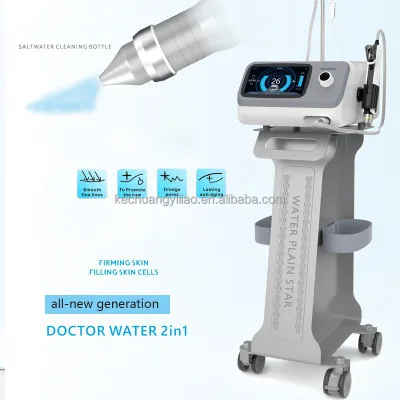
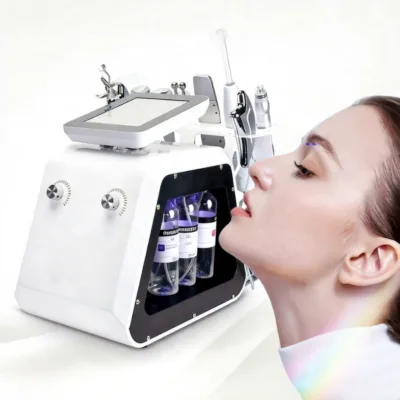
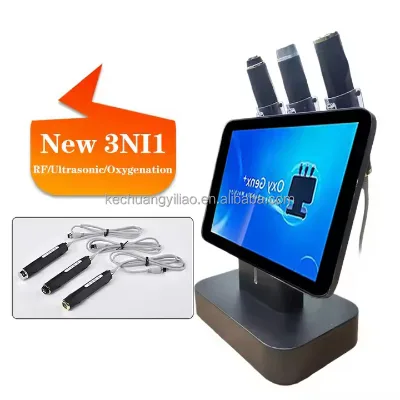
2024Doctor Water 2 in 1 Oxygen Jet Peel Facial Machine
$459.00 - $549.00

Guangzhou Dpl Beauty Technology Co., Ltd.
- Verified by TUVRHEINLAND
- Combined
- China Guangdong
- Lead time30 days
- Avg. response≤ 5h
Main productsLaser Cosmetic Machine, Body Slimming Machine, Hifu Machine, Skin Analyzer, Hydra Dermabrasion, Vacuum Cavitation System, Physical Therapy Machine, Plasma Machine, Microneedling Machine
Main marketsDomestic,Europe,North America

Portable Microdermabrasion Skin Hydra Oxygen Facial Jet Peel Hydrodermabrasion Machine
$235.00 - $249.00
MOQ: 1 Sets


$285.00 - $294.00
MOQ: 1 Sets

Shanghai Lumsail Industrial Inc.
- Manufacturer
- China Shanghai
- Lead time15 days
- Avg. response≤ 4h
Main productsShockwave Therapy System, Body Composition Analyzer, LED PDT Phototherapy System, Facial Skin Analyzer, Liposuction System, Laser Hair Regrowth System, IPL Elight Beauty Machine, CO2 Surgical Fractional Laser, Cryolipolysis Body Slimming System
Main marketsSouth America,Africa,Southeast Asia/ Mideast,East Asia(Japan/ South Korea),Domestic,Europe,Australia,North America

Shijiazhuang Tiantian Technology Co., Ltd.
- Trading Company
- China Hebei
- Lead time15 days
- Avg. response≤ 10h
Main productsDermal Filler
Main marketsSouth America,Africa,Southeast Asia/ Mideast,East Asia(Japan/ South Korea),Europe,Australia,North America


Multifunctional Water Oxygen Jet Peel Facial Infusion Machine Acne Spot Remove Skin Regeneration
$90.00 - $150.00
MOQ: 1 Pieces
Yinghehui Technology (Guangzhou) Co., Ltd.
- Manufacturer
- Guangdong, China
- Lead time5 days
- Avg. response≤ 1h
Main productsDiode Hair Removal,IPL Hair Removal,Electromagnetic Stimulation Machine,Co2 Laser,Ultrasonic Knife
Main marketsNorthern Europe(25.00%), North America(25.00%), Western Europe(15.00%), Eastern Europe(15.00%), Domestic Market(10.00%), Oceania(2.00%), Africa(1.00%), South Asia(1.00%), Southern Europe(1.00%), Southeast Asia(1.00%), Central America(1.00%), South America(1.00%), Eastern Asia(1.00%), Mid East(1.00%)

Guangzhou RenLang electronic technology Co., LTD
- Verified by CTI
- Combined
- China Guangdong
- Lead time15 days
- Avg. response≤ 11h
Main productsBeauty Machine, Hair Removal Machine, Tattoo Removal Machine
Main marketsEurope


$300.00 - $400.00
MOQ: 1 Pieces

Guangzhou Kya Electronic Co., Ltd.
- Verified by BV
- Combined
- China Guangdong
- Lead time15 days
- Avg. response≤ 3h
Main marketsSouth America,Africa,Southeast Asia/ Mideast,Domestic,Europe,Australia,North America

5 in 1 Hydrodermabrasion Water Oxygen Aqua Peel Jet Facial Machine Portable
$510.00 - $610.00
MOQ: 1 piece

$510.00 - $610.00
MOQ: 1 piece

Advanced Oxygen Jet Peel Facial Machine for Deep Skin Cleansing Moisturizing and Aesthetic Treatment
$210.00 - $250.00
MOQ: 1 Pieces
Guangzhou Fairy Beauty Technology Co., Ltd.
- Manufacturer, Trading Company
- Guangdong, China
- Lead time0 days
- Avg. response≤ 5h
Main productsMulti-Functional Beauty Equipment/Microdermabrasion Machine/Slimming Series/Home Beauty Instrument/Laser Beauty Machine
Main marketsEastern Europe(20.00%), Western Europe(20.00%), North America(20.00%), Eastern Asia(5.00%), Southern Europe(5.00%), Oceania(5.00%), Africa(5.00%), Southeast Asia(5.00%), Mid East(3.00%), Northern Europe(3.00%), South Asia(3.00%), South America(3.00%), Central America(2.00%), Domestic Market(1.00%)

Beijing Oriental Wison Technology Co., Limited
- Verified by CTI
- Trading Company,Manufacturer/Factory
- China Beijing
- Lead time23 days
- Avg. response≤ 5h
Main productsIPL, RF, Laser, Hair Removal, Tattoo Removal, Diode Laser, CO2 Laser, Cryolipolysis, Slimming Machine, Laser Liposuction
Main marketsSouth America,Mid East,North America,Southeast Asia,Eastern Asia,Oceania,Western Europe,Africa


12 in 1 Dermabrasion Facial Peel Machine Oxygen Jet Skin Rejuvenation Microdermabrasion Machine
$1000.00 - $1500.00
MOQ: 1 Pieces

Foshan Zike Technology Co., Ltd.
- Verified by Intertek
- Manufacturer, Trading Company
- Lead time10 days
- Avg. response≤ 3h
Main products3 In 1 Oxygen Bubble Machine, LED Oxygen Machine, Mini Oxygen Bubble Pen, Skin Analysis Machine, Mesogun
Main marketsNorth America(30%), Western Europe(25%), Africa(10%)
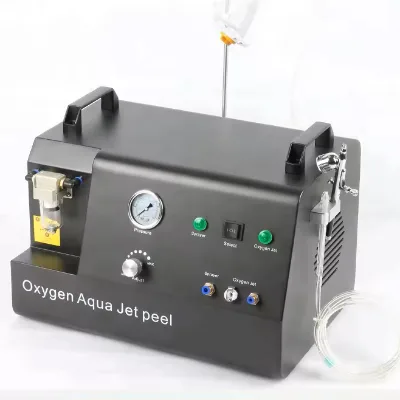
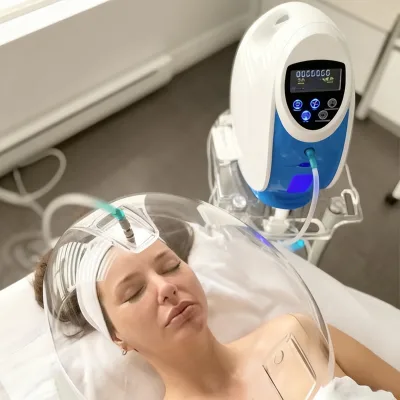


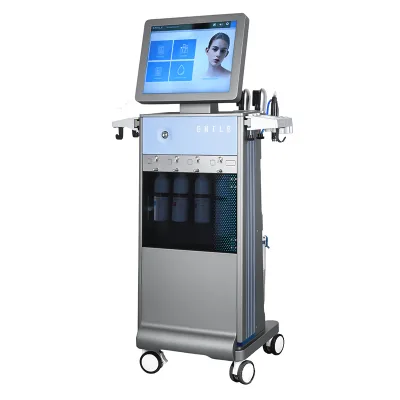
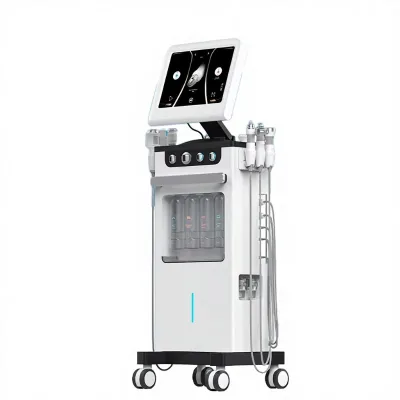
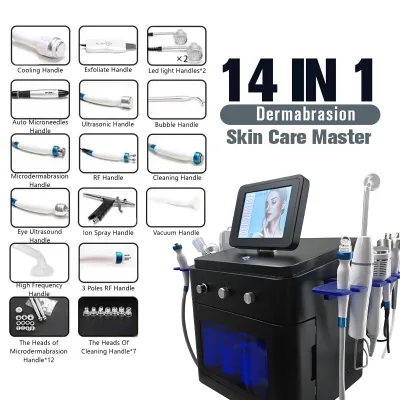
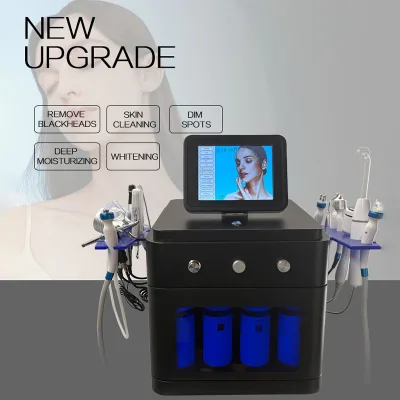
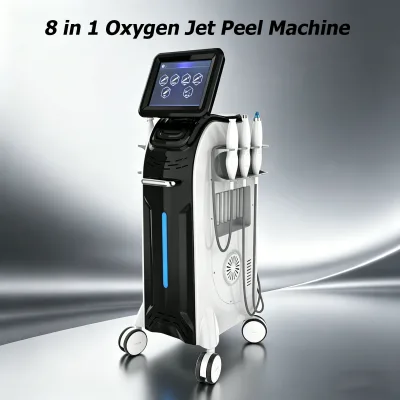
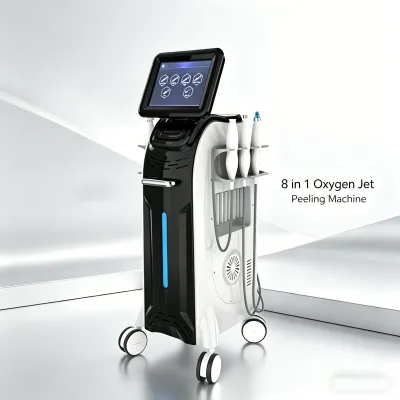


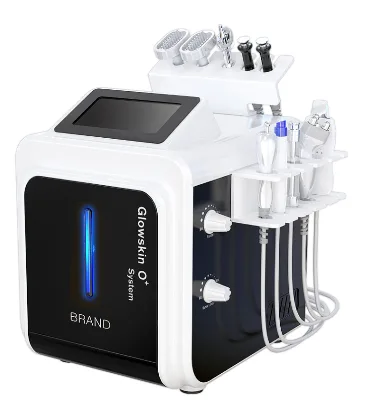
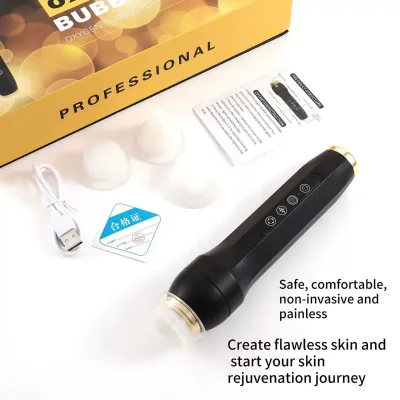
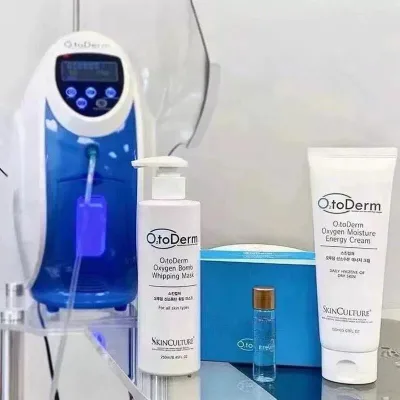
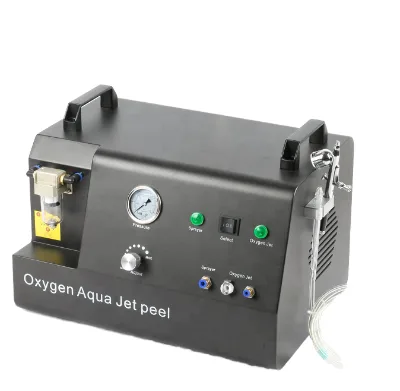
Comprehensive Sourcing Guide
Portable Oxygen Jet Peel Machine Supplier Concentration and Factory Types
Current data indicates a concentration of manufacturing activity in China, specifically within the Shandong and Guangdong provinces. Suppliers in these regions are categorized primarily as manufacturers or factories, though some operate as trading companies. The Shandong-based entities often list extensive capabilities in diode lasers and multifunction beauty equipment alongside oxygen jet peel machines, suggesting a robust industrial ecosystem for beauty device production. These manufacturers frequently offer OEM and ODM services, allowing for brand customization on software, logos, colors, and covers. This structural diversity means buyers must distinguish between direct factory sources and intermediaries to understand the supply chain depth.
In contrast, trading companies in the Guangdong region may focus on specific product lines like skin analysis or portable oxygen facial devices, often sourcing from various factories to aggregate inventory. These entities might emphasize rapid response times and sample processing capabilities rather than deep manufacturing capacity. When evaluating concentration, buyers should look for the specific location tags provided in supplier profiles rather than assuming a single cluster. The presence of both manufacturer and trading company types in the same geographic area offers flexibility but requires careful verification of who actually controls the production process. Understanding this distinction is critical for determining the level of technical support and customization available for the Portable Oxygen Jet Peel Machine.
How to Verify Portable Oxygen Jet Peel Machine Suppliers
Verification processes should prioritize checking for recognized third-party certifications and company type classifications. Some suppliers in the dataset display ISO 13485 system certification, which is a relevant standard for medical and beauty device manufacturers, while others may list no specific certifications. Buyers must confirm if a supplier holds Intertek or BV verification status, as these indicate a level of external audit regarding business legitimacy. It is essential to verify that the claimed company type, whether manufacturer or trading company, aligns with the actual production capabilities described in their profile. Relying solely on the presence of a verification badge without cross-referencing the specific certification type can lead to misjudging the supplier's quality control standards.
Beyond certifications, buyers should scrutinize the response time metrics provided in supplier profiles to gauge operational efficiency. Data shows response times varying significantly, with some suppliers responding in approximately two hours while others take over eleven hours. A faster response time often correlates with a more active sales team and potentially better communication during the sourcing process. However, a quick response does not guarantee product quality, so it must be weighed alongside other factors like lead time and capacity. Buyers should also check for specific product attributes such as the inclusion of Heraeus xenon lamps or specific screen sizes, as these details reflect the precision of the supplier's product data. Ensuring that the supplier can provide detailed technical specifications is a key step in verifying their competence.
What to Compare Across Portable Oxygen Jet Peel Machine Suppliers
When comparing suppliers, lead time and minimum order quantity (MOQ) are critical dimensions that vary across the market. Some suppliers offer a lead time of ten days, while others may require up to thirty days for production and delivery. The MOQ can also differ, with some suppliers accepting orders as low as one unit, which is beneficial for testing the market, while others may have higher thresholds. Buyers should create a comparison matrix that includes these logistical metrics alongside the supplier's location and main product focus. For instance, a supplier specializing in diode lasers might have different production schedules compared to one focused solely on oxygen jet peel machines.
Price ranges and warranty terms also require direct comparison to ensure value alignment. Product listings show price points ranging from approximately 449 to 3500 units of currency, depending on the specific model and features like screen size or portability. Warranty periods are frequently listed as one year with technical support for life, but this should be explicitly confirmed for each supplier. Additionally, the availability of customization options, such as logo printing or software modification, varies by supplier type. A manufacturer might offer broader customization than a trading company. Buyers must ensure they are comparing apples to apples by verifying that the price includes all necessary accessories and that the warranty terms are clearly defined in the contract before committing to an order.
Common Portable Oxygen Jet Peel Machine Sourcing Risks
One significant risk involves the discrepancy between claimed product attributes and actual delivery specifications. While some listings detail specific features like an 8.4-inch true color LCD touch screen or Heraeus xenon lamps, others may lack such granular detail. Buyers face the risk of receiving a unit that does not match the advertised technical specifications, particularly regarding the type of oxygen delivery system or the material composition of the device. It is crucial to request detailed product data sheets and photos before payment to mitigate this risk. Relying on generic keywords like "oxygen jet peel" without verifying the specific model number or component list can lead to receiving inferior or incompatible equipment.
Another risk pertains to the reliability of after-sales support and the clarity of warranty terms. Although many suppliers claim to offer video technical support and online assistance, the actual responsiveness and quality of this support can vary. Some profiles indicate a warranty of one year, but the scope of coverage for parts and labor is often not fully detailed in the initial listing. If a supplier is a trading company, they may not have direct control over the repair process, potentially leading to delays in resolving technical issues. Buyers should explicitly ask for the warranty service procedure and the location of the service center. Ensuring that the supplier has a clear, documented process for handling defects is essential to avoid being left without support after the initial purchase.
Portable Oxygen Jet Peel Machine Regional Sourcing and Logistics
Geographic location plays a pivotal role in determining shipping costs and delivery timelines for portable oxygen jet peel machines. The available data highlights suppliers located in Shandong and Guangdong, both in China, which are major manufacturing hubs for beauty equipment. Sourcing from these regions typically involves international shipping logistics that must be planned carefully. Buyers should verify the specific port of origin and the packaging dimensions, as some products are shipped in aluminum cases while others use carton packages. The single package size and gross weight, such as 12.0 kg for certain models, directly impact freight costs and handling requirements. Understanding these logistical details helps in estimating the total landed cost of the equipment.
Logistics planning must also account for the specific plug types and voltage requirements of the destination market. Suppliers often list compatibility with multiple plug types, including AU, UK, EU, US, and JP, but the actual voltage standard must match the local grid. Some machines operate on AC 110V/220V 50-60Hz, which offers flexibility, but others may have specific voltage constraints. Buyers should confirm that the supplier can provide the correct plug adapter or voltage converter if necessary. Additionally, the lead time of ten to thirty days must be factored into the overall supply chain schedule to ensure timely arrival. Coordinating with the supplier on the exact shipping method and insurance coverage is vital to protect the investment during transit.
Portable Oxygen Jet Peel Machine Commercial Terms and Order Planning
Commercial terms regarding payment and order planning require careful negotiation to align with the supplier's capabilities. The minimum order quantity can be as low as one unit, allowing for small-scale trials, but buyers should be aware that larger orders might secure better pricing or faster production slots. It is essential to clarify the payment terms, such as whether escrow services are available to protect the buyer's funds until the goods are received and verified. Some suppliers may offer sample processing or customized on-demand services, which can be integrated into the order plan to test the product before a full-scale purchase. Understanding these terms helps in managing cash flow and inventory levels effectively.
Order planning should also consider the customization lead times and the specific production capacity of the supplier. Manufacturers with their own brands and OEM/ODM capabilities may have longer lead times for customized orders compared to standard stock items. Buyers need to confirm the production schedule and ensure that the supplier can meet the required delivery date, especially if the order includes specific branding or software modifications. The response time of the supplier is also a factor in order planning, as a slower response might indicate a bottleneck in communication or production. By aligning the order timeline with the supplier's capacity and response capabilities, buyers can minimize delays and ensure a smooth procurement process for the Portable Oxygen Jet Peel Machine.
FAQs
What is the price range for portable oxygen jet peel machines?
Prices for these machines typically range from $449 to $3,500 depending on the model and features. Basic portable units start around $449, while advanced systems with LCD screens and OEM options can cost up to $3,500. Buyers should check specific product listings for exact pricing based on customization needs.
What is the minimum order quantity for these machines?
The minimum order quantity is generally one unit, allowing buyers to purchase single samples or small batches. This low MOQ facilitates testing the equipment quality before committing to larger orders. It is ideal for small salons or individual practitioners looking to introduce oxygen jet peel treatments without significant initial inventory investment.
How long does delivery usually take for these orders?
Lead times vary between 10 and 30 days depending on the supplier and order complexity. Some manufacturers offer faster turnaround times of 10 days, while others may require up to 30 days for production and shipping. Buyers should confirm specific delivery schedules with suppliers to ensure timely arrival for their business needs.
Are these machines suitable for home use as well as salons?
Yes, many models are designed for both salon and home applications. Specifications often list applications as Salon or Home, making them versatile for different settings. Portable designs allow for easy transport and use in various environments, catering to both professional beauty centers and individual consumers seeking at-home skincare treatments.
What certifications do these beauty machines typically have?
Some manufacturers hold ISO 13485 certification, indicating compliance with medical device quality management standards. Others may have verification from agencies like Intertek or BV. Buyers should verify specific certifications for each product to ensure they meet local regulatory requirements and safety standards for beauty equipment used in professional settings.
What warranty and support are provided for these machines?
Standard warranties typically cover one year, with some suppliers offering lifetime technical support. After-sales services often include video technical support and online assistance to help users troubleshoot issues. Buyers should review the specific warranty terms and support options provided by each supplier to ensure adequate coverage for their equipment.