Portable Outdoor Smoke Gun Suppliers and Manufacturers
Find 26 verified suppliers offering portable outdoor smoke guns with CE, RoHS, and ISO certifications. Compare response times, lead times, and MOQs to source reliable factories in Guangdong and Zhejiang. Contact suppliers directly to request samples and verify production capacity.
Suppliers List
Jiashan Jiaxin Electronic Products Co., Ltd.
- Verified by TüVRheinland
- Manufacturer, Trading Company
- Lead time15 days
- Avg. response≤ 2h
Main productsLighter, Electronic Lighter, Cigarette Lighter, USB Lighter
Main marketsNorth America(30%), South America(30%), Eastern Europe(30%)

Guangzhou Argion Electric Appliance Co., Ltd.
- Manufacturer/Factory
- China Guangdong
- Lead time60 days
- Avg. response≤ 8h
Main productsSuction Vacuum Sealer, Chamber Vacuum Sealer, Sous Vide Cooker, Blast Freezer, Vacuum Bag, Handheld Vacuum Sealer, Accessories, Bag Sealer
Main marketsSouth America,Eastern Europe,Mid East,North America,Southeast Asia,Eastern Asia,Oceania,Western Europe,Africa

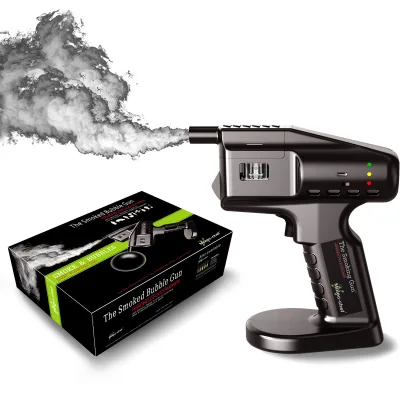
Kitchen Tool Portable Molecular Handheld Smoke Infuser Gun for Beef Salmon
$1.00 - $10.00
MOQ: 1 Pieces



Ballet Star Technology (Guangzhou) Co., Ltd.
- Manufacturer, Trading Company, Distributor/Wholesaler
- Guangdong, China
- Lead time10 days
- Avg. response≤ 3h
Main productsSpecial effect equipment,Entertainment equipment,stage lighting,Intelligent electric appliance,Disinfection products
Main marketsMid East(20.00%), Northern Europe(20.00%), South America(20.00%), North America(20.00%), Western Europe(6.00%), Oceania(5.00%), Eastern Europe(5.00%), Eastern Asia(4.00%)
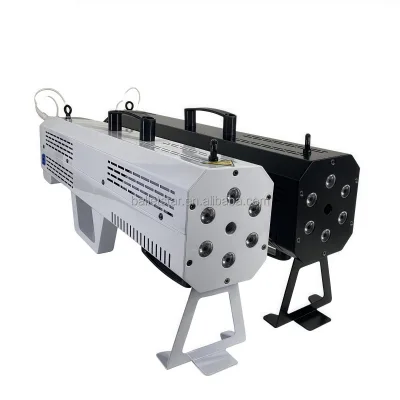
$99.95 - $116.27
MOQ: 1 pieces
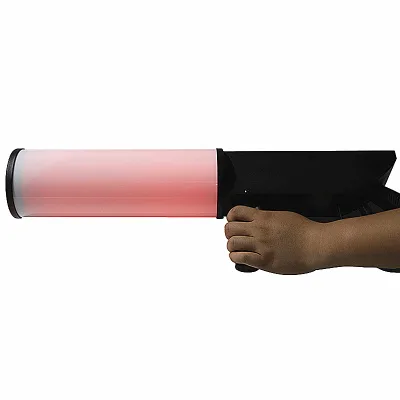
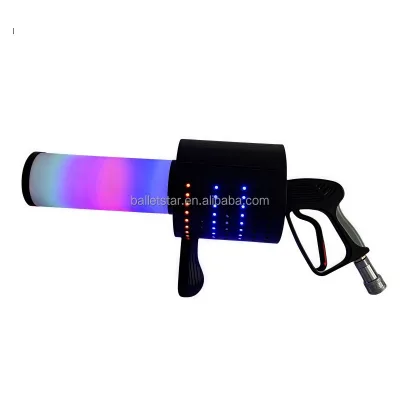
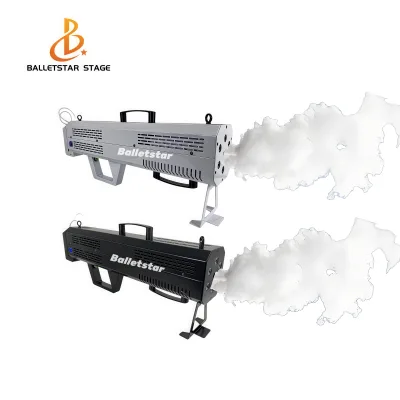
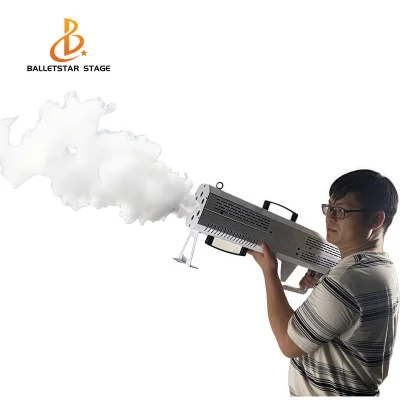
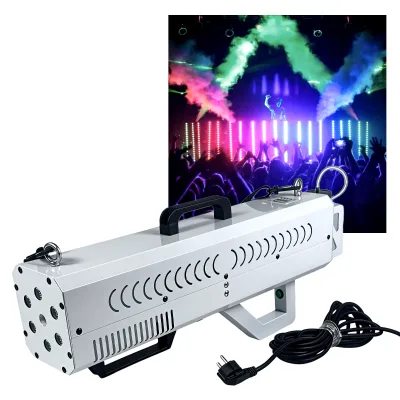
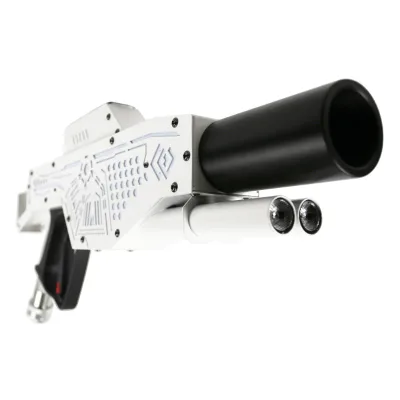
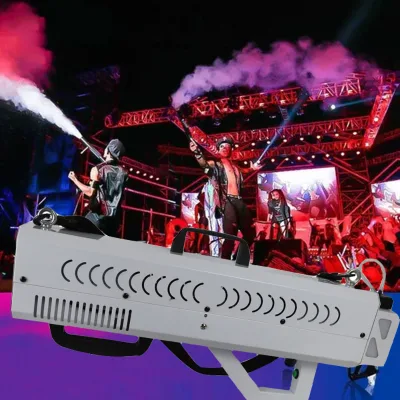
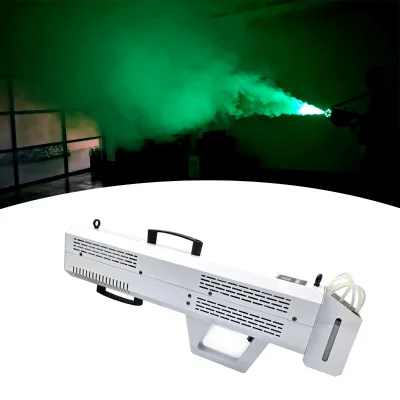
Multicolored Paper Machine Spraying Smoke CO2 Handheld
$83.00 - $88.00
Haining Heying Heating Technology Co., Ltd.
- Manufacturer
- Zhejiang, China
- Lead time10 days
- Avg. response≤ 2h
Main productsFireplaces; Garden Supplies; Fireplace Parts; Heat Pump Water Heater Parts
Main marketsSouth America(20.00%), North America(18.00%), Western Europe(15.00%), Northern Europe(15.00%), Eastern Europe(10.00%), Southern Europe(8.00%), Oceania(5.00%), Central America(5.00%), Domestic Market(2.00%), Mid East(2.00%)

- Verified by BV
- Trading Company
- China Hunan
- Lead time23 days
- Avg. response≤ 7h
Main productsPaint Roller, Putty Knife, Caulking Gun, Paint Brush, Trowel, Bricklaying Trowel, Scraper, Float Trowel, Paint Mixer, Wallpaper Roller
Main marketsSouth America,Southeast Asia/ Mideast,Europe

Ningbo Alita Pneumatic Co., Ltd.
- Verified by TUVRHEINLAND
- Manufacturer/Factory
- China Zhejiang
- Lead time15 days
- Avg. response≤ 12h
Main productsPneumatic Cylinder, Solenoid Valve, Air Suspension Valve, Directional Valve, Air Preparation Unit, Pneumatic Fittings, PU PA PE Hose, Air Suspension Compressor, Pressure Gauge, Air Tank
Main marketsSouth America,Eastern Europe,Mid East,North America,Southeast Asia,Eastern Asia,Oceania,Western Europe,Africa
Ningbo Culi Electronics Co., Ltd.
- Manufacturer, Trading Company
- Zhejiang, China
- Lead time15 days
- Avg. response≤ 5h
Main productsmilk frother,soap dispenser,jet hand dryer,vegetable chopper,bubble gun
Main marketsNorth America(50.00%), Eastern Europe(40.00%), Southeast Asia(10.00%)

Cangnan Shengju Smoking Factory
- Verified by SGS
- Combined
- China Zhejiang
- Lead time23 days
- Avg. response≤ 12h
Main productsCigarette Roling Paper, Olling Trays, Grinder, Cigar Cutter, Metal Pipes, Water Pipe, Asthrays, Cigarette Rolling Machine, Metal Smoking Pipe, Lighter
Main marketsDomestic
Jinan Glass International Trade Co., Ltd.
- Manufacturer/Factory
- China Shandong
- Lead time15 days
- Avg. response≤ 7h
Main productsGlass Smoking Pipe, Glass Pipe, Printing and Package, Laboratory Glassware, Home Glassware, Machine, Sticker, Wall Decal
Main marketsSouth America,Eastern Europe,North America,Southeast Asia,Eastern Asia,Oceania,Western Europe,Africa
Changsha Zhongyou Festival Celebration Supplies Co., Ltd.
- Verified by SGS Group
- Manufacturer, Trading Company
- Lead time10 days
- Avg. response≤ 5h
Main productsFireworks firing system and display equipment, Festival party event supplies, Stage light and equipment, Wedding celebration article, Gender reveal items
Main marketsNorth America(80%), Western Europe(10%), South America(7%)
- Trading Company
- China Shanghai
- Lead time0 days
- Avg. response≤ 3h
Main productsRolling Paper, Rolling Tray, Grinder, Cone, Filter, Smoke Accessories

Guangdong Yingsui Fire Fighting Equipment Co., Ltd.
- Combined
- China Guangdong
- Lead time60 days
- Avg. response≤ 8h
Main productsFoam Bladder Tank, Fire Fighting Equipment, Foam Concentrate Liquid, Fire Monitor, Fire Foam Skid, Foam Chamber, Fire Cabinet, Mobile Foam Cart
Main marketsSoutheast Asia/ Mideast,Domestic
Taizhou Kesiwo Garden Tools Co., Ltd.
- Verified by SGS
- Trading Company,Manufacturer/Factory
- China Zhejiang
- Lead time23 days
- Avg. response≤ 13h
Main productsPower Sprayer, Water Pump, Brush Cutter, Seeder, Multi-Function Weeder, Tiller, Garden Tools, Saw, Earth Augur, Lithium Battery Scissors
Main marketsSouth America,Eastern Europe,Mid East,North America,Southeast Asia,Eastern Asia,Oceania,Western Europe,Africa

Ningbo XHnotion Pneumatic Technology Co., Ltd.
- Verified by BV
- Trading Company,Manufacturer/Factory
- China Zhejiang
- Lead time45 days
- Avg. response≤ 3h
Main productsPneumatic Fittings, Air Hoses, Pneumatic Quick Coupling, Solenoid Control Valve, Air Cylinder, Pneumatic Silencer, Pneumatic Directional Valve, Modular Hose, Air Tool Kits, Air Source Treatment Unit
Main marketsSouth America,Eastern Europe,Mid East,North America,Southeast Asia,Eastern Asia,Oceania,Western Europe,Africa

Suzhou Yuncheng Ex/Im Co., Ltd.
- Trading Company,Manufacturer/Factory,Group Corporation
- China Jiangsu
- Lead time23 days
- Avg. response≤ 25h
Main productsTct Saw Blade, Diamond Saw Blade, Glue Gun, Empty Aluminium Tube, Aluminium Collapsible Tube, Foam Gun, Caulking Gun, Pasty Liquid Filling Machine, Filling and Screw-Cap Machine, Filling and Sealing Machine
Main marketsSouth America,Eastern Europe,Mid East,North America,Southeast Asia,Eastern Asia,Oceania,Western Europe,Africa
Changsha Maya Stage Equipment Co., Ltd.
- Verified by Intertek
- Manufacturer, Trading Company
- Lead time20 days
- Avg. response≤ 1h
Main productsConfetti Machine, Water Cannon, Sparkler Machine, Snow Machine, Smoke Bubble Machine
Main marketsDomestic Market(70%), South America(9%), Eastern Europe(5%)

Cangzhou Boris Glass Products Co., LTD
- Verified by SGS
- Trading Company,Manufacturer/Factory
- China Hebei
- Lead time30 days
- Avg. response≤ 10h
Main productsGlass Water Pipe, Glass Smoking Pipe, Hand Pipes, Smoking Hookah, Oil Rig Smoking Pipes, Tobacco Pipes, Ash Catchers, Rigs Oil DAB
Main marketsSouth America,Eastern Europe,Mid East,North America,Southeast Asia,Eastern Asia,Oceania,Western Europe,Africa
Wenzhou Hongmi Pneumatic Co., Ltd
- Verified by SGS
- Trading Company,Manufacturer/Factory
- China Zhejiang
- Lead time23 days
- Avg. response≤ 3h
Main productsPneumatic Hose, Pneumatic Fittings, Water Solenoid Valve, Air Source Treatment, Solenoid Valve
Main marketsSouth America,Mid East,North America,Southeast Asia,Eastern Asia,Africa
Guangzhou Xuanli Stage Equipment Co., Ltd.
- Manufacturer
- Guangdong, China
- Lead time15 days
- Avg. response≤ 2h
Main productsFog Machine,Bubble Machine,Confettil Paper Machine,Co2 Jet,Foam Machine
Main marketsSoutheast Asia(15.00%), Southern Europe(15.00%), South America(15.00%), Western Europe(15.00%), Eastern Europe(10.00%), Eastern Asia(6.00%), Northern Europe(5.00%), Central America(5.00%), North America(5.00%), Mid East(5.00%), South Asia(2.00%), Oceania(2.00%)
Qingdao Century Runde Environmental Protection Equipment Co., Ltd.
- Verified by BV
- Combined
- China Shandong
- Lead time15 days
- Avg. response≤ 1h
Main productsFog Cannon, Mist Cannon, Water Truck, Car Wash Machine, Dust Suppression
Main marketsSouth America
Anping County Bolin Metal Wire Mesh Co., Ltd.
- Verified by BV
- Combined
- China Hebei
- Lead time15 days
- Avg. response≤ 8h
Main marketsDomestic


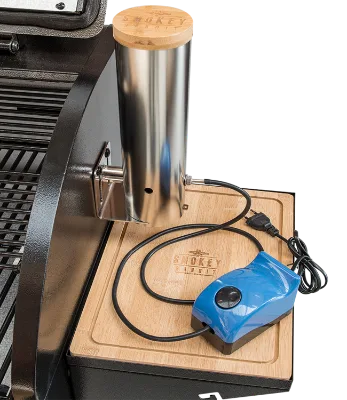
Cold Smoker Generator Dust Cold Smoker for Gas or Charcoal Grill Smoking
$16.00 - $19.00
MOQ: 10 Pieces

Yiwu Jiju Import & Export Co., Ltd.
- Verified by BV
- Trading Company,Manufacturer/Factory
- China Zhejiang
- Lead time23 days
- Avg. response≤ 25h
Main productsHerb Grinder, Rolling Tary, Smoking Pipe, Jar, Smoking Accessories, Glass Water Pipe, Wireless Speaker, Charger, Data Cable, Earphone
Main marketsSouth America,Eastern Europe,Mid East,North America,Southeast Asia,Eastern Asia,Oceania,Western Europe,Africa

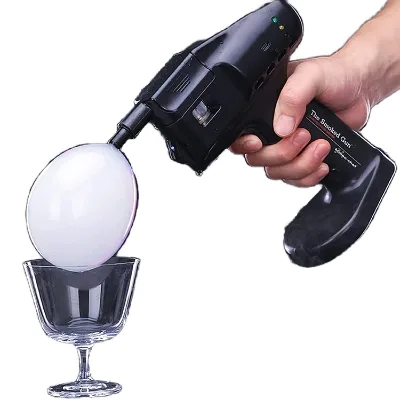
Factory Patented 420 Party Portable Multi-Color Smoking Gun Bluetooth Hand Pistol Shape Oil Hookah
$23.59 - $28.99
MOQ: 50 Pieces


Taizhou Luqiao Qiyong Agricultural Machinery Co., Ltd.
- Verified by SGS
- Combined
- China Zhejiang
- Lead time15 days
- Avg. response≤ 12h
Main productsSprayer, Agricultural Sprayer, Knapsack Power Sprayer, Hand Sprayer, Electric Sprayer, Caster, Power Sprayer, Pressure Sprayer, Backpack Sprayer, Water Pump
Main marketsSouth America,Africa,Others(foreignTradeCapacity.exportBusinessCapacityMarketOther),East Asia(Japan/ South Korea),Europe

Guangzhou Geliang Lighting Technology Co., Ltd.
- Verified by SGS
- Combined
- China Guangdong
- Lead time15 days
- Avg. response≤ 6h
Main productsLED Stage Light/Stage Lighting, LED Stage Lighting, LED Dance Floor, DMX Controller, LED Indoor and Outdoor Display Screen, LED PAR Can/LED PAR Light, Moving Head Light, LED Wall Washer, LED DMX Tube, LED Moving Head Light
Main marketsAfrica,Southeast Asia/ Mideast,Europe,Australia,North America


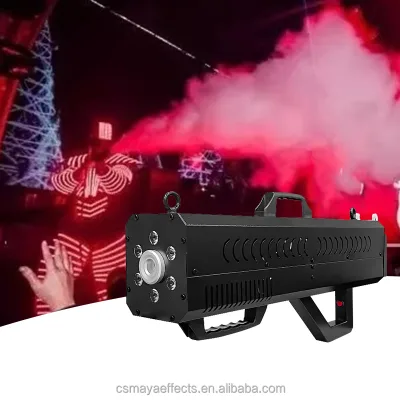
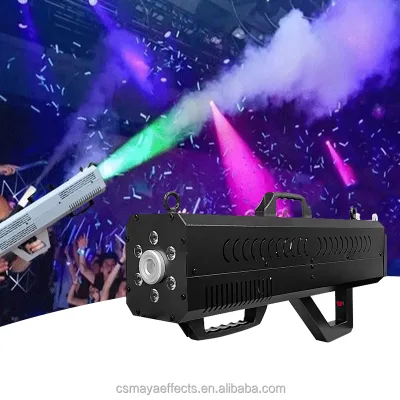
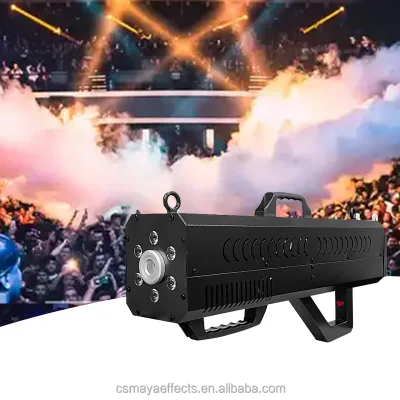
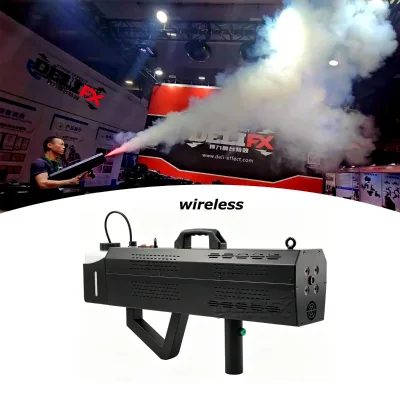
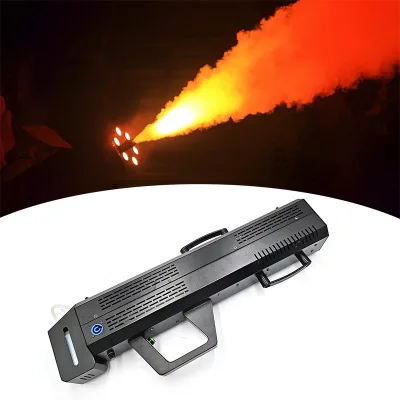
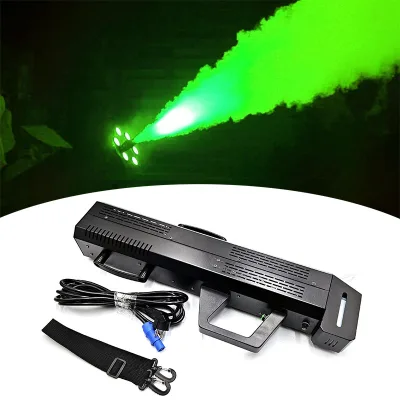
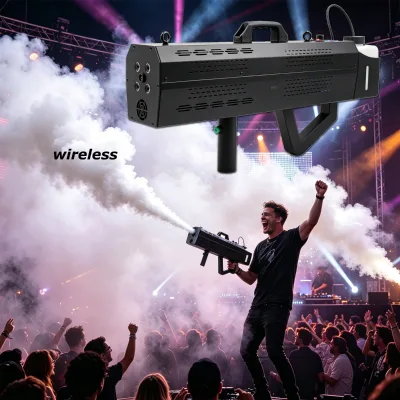
Electric Haldhold RGB CO2 Jet LED Confetti Gun Shooter Machine CO2 Gun Fog Smoke Shooter
$69.00 - $95.00
MOQ: 10 Pieces

Guangzhou HOMEI Lighting Equipment Factory
- Verified by TUVRHEINLAND
- Combined
- China Guangdong
- Lead time15 days
- Avg. response≤ 2h
Main productsLED Star Cloth, LED Video Curtain, RGB Star Curtain, LED Stage Light, LED Dance Floor, LED Starlit Dance Floor, LED Star Curtain, LED Twinkling Dance Floor, LED Moving Head, LED Parcans Light
Main marketsSouth America,Africa,Southeast Asia/ Mideast,East Asia(Japan/ South Korea),Domestic,Europe,Australia,North America

GUANGZHOU MS LIGHTING CO., LIMITED
- Combined
- China Guangdong
- Lead time15 days
- Avg. response≤ 2h
Main productsLED Light, Moving Head Light, Stage Light, Professional Light, Scan Light, Smoke Machine, Follow Spot, Laser Light, LED Stage Light, Disco Light
Main marketsSouth America,Southeast Asia/ Mideast,Europe










Comprehensive Sourcing Guide
Portable Outdoor Smoke Gun Supplier Concentration and Factory Types
When you search for Portable Outdoor Smoke Gun suppliers, you will encounter two broad types of companies: manufacturers that produce the devices in their own factories, and trading companies that source from multiple workshops and resell. Some listings show both roles combined, which is common in this category because a factory may also trade complementary ignition or kitchen-appliance products. Understanding which type you are dealing with matters: manufacturers usually control tooling, quality and customization more directly, while trading companies may offer a wider catalog and more flexible order assembly but add a margin and a communication layer.
Geographic concentration is a real factor. Some listings in this category point to suppliers based in Guangdong, China, and one lighter-style product is listed as originating from Zhejiang, China, which reflects the broader reality that ignition devices and small handheld appliances cluster in southern and eastern coastal China. However, do not assume every result on the page comes from a single cluster. Verify each supplier's stated location independently, and use product attributes such as place of origin, main product lines and company type to map where your specific smoke gun variant is most likely produced. If no location is displayed, treat that as a gap to close before shortlisting. Cross-check the supplier's main products against the smoke gun: companies listing vacuum sealers, kitchen tools or lighters alongside smoke-infuser style devices show which supply chain you would actually be entering.
How to Verify Portable Outdoor Smoke Gun Suppliers
Verification should start with the displayed credentials and extend to independent checks. Some suppliers on this page show third-party verification, such as TüV Rheinland, and system certifications like CE, or BSCI, ISO 9001 and ISO 14001 for a factory-type supplier. Treat these as signals, not proof: confirm the certificate number and scope with the issuing body, because a system certification covers management processes and does not automatically certify the smoke gun product itself. For product-level compliance, one supplier lists CE, GS and RoHS as product standards and RoHS as certification, which you should replicate in documentation for your target markets before shipment.
Beyond paperwork, verify capability directly. One manufacturer here lists research and development capacity including sample processing, graphic processing, customized on demand, and OEM/ODM under its own brand; another lists sample processing and customization on demand. Request a sample of the exact model, not a photo or a similar product, and test ignition consistency, fuel or smoke cartridge fit, and casing durability yourself. Check the legal entity name behind the account against business registration records, and confirm that the entity selling matches the entity holding certifications. Ask who performs final quality inspection and whether it happens at the factory or at the trading company's warehouse. Finally, verify the stated response behavior by timing replies during your inquiry phase: displayed response times, ranging on this page from around two hours to over seven, are indicative averages, and your own measured responsiveness is the better predictor of how disputes will be handled.
What to Compare Across Portable Outdoor Smoke Gun Suppliers
Build a comparison matrix from the attributes suppliers actually display, and record blanks rather than guessing. Useful dimensions on this page include lead time, minimum order quantity, response time, location, company type, main products and verification status. Lead times shown here vary dramatically, from 10 days and 15 days for some suppliers to 60 days for a factory specializing in kitchen appliances, so your launch calendar may immediately eliminate half the field. Response times range from roughly 2 hours to over 7, which matters when you expect iterative sampling. Minimum order quantities range from as low as 1 unit and 10 units on some smoke gun and lighter listings to 100 units and 1000 units on others, defining whether you can pilot small or must commit upfront.
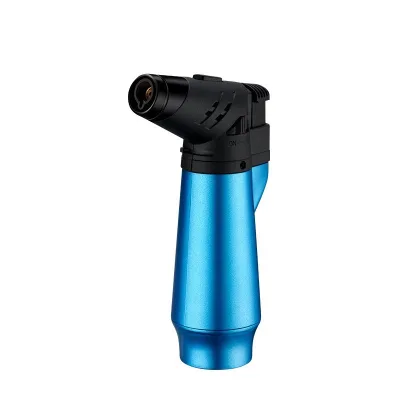
Compare the product itself with equal rigor. Two lighter-type ignition gun listings show unit price ranges and package-level details such as zinc alloy and ABS construction, butane fuel type, windproof and portable features, and model numbers like JX-381 and JX-208; a smoke infuser listing shows a SG11 model with carton or color box packing. Compare material, fuel or power source, warranty terms (one supplier states a 1-year warranty), packing format and whether batteries are included. Note that price ranges displayed are often per-unit at stated MOQs; a low headline price paired with a 1000-unit MOQ is a different commercial proposition than a higher price at 10 units. Never assume every supplier displays a given attribute; ask for the missing values in writing before ranking.
Common Portable Outdoor Smoke Gun Sourcing Risks
The most frequent risk in this category is certification mismatch. A supplier may hold a management-system certificate or a general CE mark on one product line while the specific smoke gun you order has never been tested. Because smoke guns involve ignition, heating elements, butane fuel or electrical power, regulatory exposure is higher than for inert household goods. Require product-specific test reports named for your exact model number, and check whether displayed standards such as CE, GS or RoHS apply to the listed model or only to a sibling product. Also confirm plug type and voltage for electrical models; one listing here specifies a US plug, which is useless for a European customer unless adapters or configuration changes are agreed.
Sample-to-production drift is the second major risk. A hand-finished sample may pass your tests while mass production introduces weaker seals, inconsistent ignition or substituted materials, particularly for zinc alloy and plastic assemblies where minor changes are hard to detect. Mitigate with a pre-shipment inspection against a written golden sample. Third, watch for role ambiguity: when a company is listed as both manufacturer and trading company, you may not know who bears warranty responsibility. One supplier states a 1-year warranty, but you should get the claim process in writing. Finally, guard against communication gaps that a slow response time foreshadows; if an inquiry takes days to answer during the sales phase, engineering questions during production will fare worse. Put change-control terms in the contract before the deposit.
Portable Outdoor Smoke Gun Regional Sourcing and Logistics
Regional logic for this category follows the supply chains visible in the results. Ignition-gun and lighter-style products are attributed to Zhejiang, China, while smoke-infuser kitchen appliances and effect-style smoke spray guns trace to Guangdong and Guangzhou. These are not interchangeable: Zhejiang's lighter cluster understands fuel-valve and windproof-flame engineering, whereas Guangdong's strength in small kitchen appliances and special-effect equipment suits electrically powered smoke devices. If your product is butane-fueled, prioritize suppliers whose main products center on lighters and ignition tools; if it is electric with a heating chamber, kitchen-appliance factories are the more natural fit. Company type also shapes the logistics chain, since a factory can ship directly from its loading dock while a trading company routes through an additional warehouse.
On logistics, classify your product early. Butane-filled items face dangerous-goods restrictions on air freight, so many buyers ship empty units and arrange local gas filling, which changes your landed-cost model and may require a filling partner. Electric smoke guns with lithium batteries, where included, face separate battery shipping rules. One supplier lists a 60-day lead time, which suggests production planning rather than stock orders, so confirm whether the quoted lead time includes raw material procurement. Single package sizes in the listings, such as 19X4X6 cm for a portable ignition gun and 10084199.5 mm for a smoke infuser, let you estimate container utilization early. Always confirm carton dimensions, gross weight and packing format before calculating freight.
Portable Outdoor Smoke Gun Commercial Terms and Order Planning
Commercial terms should be negotiated against the displayed baselines, not accepted from them. MOQs on this page span from 1 and 10 units to 100 and 1000 units, and price ranges move accordingly, so decide your pilot volume first and then shortlist suppliers whose MOQ structure fits it. If you need customization, verify what the supplier actually offers: listings here show OEM and ODM acceptance, customization available, and capabilities such as graphic processing and customized-on-demand sample work. Ask specifically what is customizable, whether it is logo printing, color, packaging or internal structure, and what MOQ or tooling fee each customization tier triggers. Get sample cost, sample lead time and whether the sample fee is credited against the bulk order in writing.
Order planning should account for the lead-time spread: with quotes from 10 to 60 days, align your reorder cycle with the slowest acceptable supplier rather than assuming the fastest is representative. Use staged payments tied to milestones, such as deposit, post-production-inspection and bill-of-lading copy, and consider escrow or third-party trade protection where offered, since one aspect to verify on any platform is whether payment protection covers your transaction. Confirm warranty terms (one supplier states 1 year) and spare-part availability for heating elements and cartridges. Finally, build a buffer into your timeline for certification paperwork and dangerous-goods handling, which commonly add weeks beyond the production lead time in this category.
FAQs
What is the minimum order quantity for portable smoke guns?
Minimum order quantities vary by product type. Some lighter models require 100 units, while specialized smoke infusers may start at 1 unit. Always check specific product listings for exact thresholds before placing an order to ensure compliance with supplier requirements.
How long does it take to receive an order?
Lead times typically range from 10 to 60 days depending on the supplier and product complexity. Some manufacturers offer faster turnaround of 10 days for standard items, while others may require up to 60 days for customized or large volume orders.
Are these smoke guns certified for safety standards?
Many products carry CE, RoHS, and ISO certifications to ensure safety and quality. Specific models may also include GS standards. Verify the certification details on the product page to confirm compliance with your local regulations before purchasing.
What materials are used in portable smoke gun construction?
Common materials include zinc alloy, ABS plastic, and steel for durability. Some models feature metal bodies for heavy-duty use. The choice of material affects weight and wind resistance, so select based on your intended outdoor application needs.
Can I customize the design or branding of the product?
Yes, many suppliers accept OEM and ODM requests for customization. You can often request specific branding, colors, or design styles. Check the product attributes for customization availability and confirm details with the supplier before finalizing your order specifications.
Where are these portable smoke guns manufactured?
Products are primarily manufactured in China, specifically in regions like Zhejiang and Guangdong. These locations are known for producing various lighter and smoke gun models. Origin details are usually listed in the product attributes section of each listing.
What is the typical price range for these devices?
Prices generally range from 0.80 to 50.00 per unit depending on features and volume. Basic models may cost under 2.00, while specialized units with advanced features can reach higher price points. Bulk orders often qualify for better pricing tiers.