Portable Travel Camera Gear Bag Suppliers and Manufacturers
Source Portable Travel Camera Gear Bag options from 27 verified suppliers in China. Compare response times, lead times, certifications, and MOQs to find the right partner. Contact suppliers directly to request samples and confirm pricing; review the available evidence before requesting comparable quotations from suitable candidates.
Updated
Suppliers List

Guangzhou Miao Figure Digital Technology Co, Ltd
- Verified by TUVRHEINLAND
- Manufacturer/Factory
- China Guangdong
- Lead time68 days
- Avg. response≤ 2h
Main productsPhotography Lights, Photography Background, Photography Props, Camera Stand, Photography Stand, Background Stand, Camera Accessories, Action Camera Accessories, Photography Softbox, Photography Light Stand
Main marketsEastern Europe,Mid East,North America,Western Europe,Africa

- Manufacturer, Trading Company
- Fujian, China
- Lead time30 days
- Avg. response≤ 2h
Main productsPet Laundry Bag,Outdoor Bag,Hunting Bag,Tool Bag,Log Carrier
Main marketsWestern Europe(35.00%), North America(30.00%), Oceania(10.00%), Eastern Europe(5.00%), Domestic Market(2.00%), South Asia(2.00%), Southern Europe(2.00%), Northern Europe(2.00%), Central America(2.00%), South America(2.00%), Eastern Asia(2.00%), Mid East(2.00%), Southeast Asia(2.00%), Africa(2.00%)
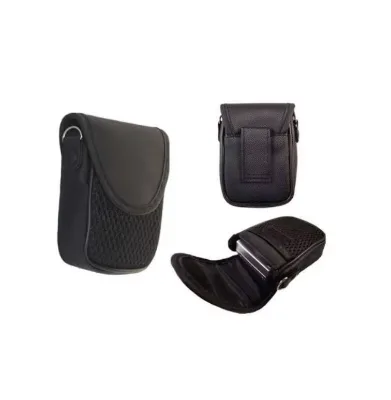
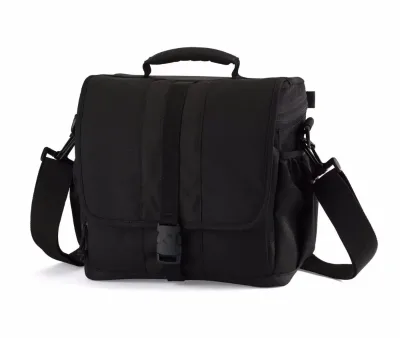
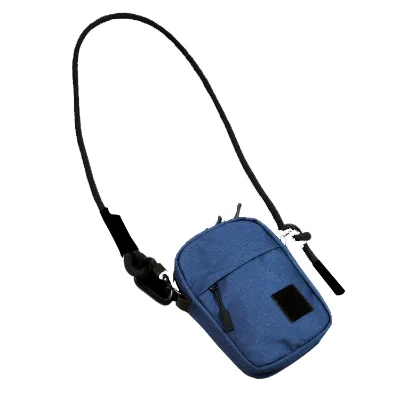
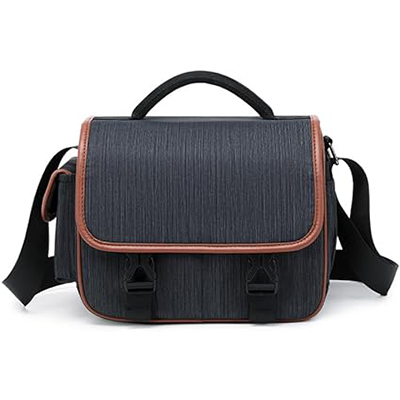
Single Shoulder Sling Crossbody Compact Camera Bag Case Portable Digital Gear Bag
$6.00 - $6.20
MOQ: 500

- Manufacturer/Factory
- China Fujian
- Lead time30 days
- Avg. response≤ 21h
Main productsBag, Polyester Bag, Promotion Gift, School Bag, Outdoor Backpack, Backpack, Rucksack, Laptop Bag, Yoga Bag, Sport Bag
Main marketsSouth America,Eastern Europe,Mid East,North America,Southeast Asia,Eastern Asia,Oceania,Western Europe,Africa

- Verified by CTI
- Manufacturer/Factory
- China Fujian
- Lead time45 days
- Avg. response≤ 7h
Main productsBackpack, Duffle Bag, Cooler Bag, Medical Bag, Canvas Bag, Pet Carrier, Tote Bag, Tool Bag, Makeup Bag, Drawstring Bag
Main marketsSouth America,Eastern Europe,Mid East,North America,Southeast Asia,Eastern Asia,Oceania,Western Europe,Africa

- Verified by BV
- Trading Company
- China Zhejiang
- Lead time30 days
- Avg. response≤ 6h
Main productsOEM/ODM Hard Plastic Tool Cases, OEM/ODM Aluminum Cases, OEM/ODM Bags
Main marketsSouth America,Southeast Asia/ Mideast,Europe,North America

Black Portable Shockproof Outdoor Travel Camera Protective Waterproof EVA Camera Bag
$2.85 - $3.50
MOQ: 500 Pieces

$34.00 - $42.50
MOQ: 30 Pieces

Quanzhou Song Hu Bags Co., Ltd.
- Verified by BV
- Combined
- China Fujian
- Lead time30 days
- Avg. response≤ 3h
Main productsTravel Bag, Backpacks, School Bag, Cooler Bag, Bike Bags, Laptop Documents Briefcase, Documents Bag, Sports Bag, Hydration Bag, Mountain Backpacks
Main marketsDomestic
- Manufacturer, Trading Company
- Zhejiang, China
- Lead time7 days
- Avg. response≤ 8h
Main productsPet carrier bag,Toiletry bag,Backpack,Garment bag,Promotional bag
Main marketsNorth America(50.00%), Western Europe(20.00%), South America(20.00%), Eastern Europe(10.00%)

Guangzhou Qingqing Leather Goods Co., Ltd.
- Trading Company
- China Guangdong
- Lead time0 days
- Avg. response≤ 6h
Main productsBackpack, Bag
Dongguan Naisi Plastic Technology Co., Ltd.
- Verified by Intertek
- Manufacturer, Trading Company
- Lead time25 days
- Avg. response≤ 2h
Main productsEva Case, Eva Laptop Sleeve, Tool Case, Carry Case, Eva Bag
Main marketsNorth America(40%), Western Europe(40%), Eastern Asia(10%)
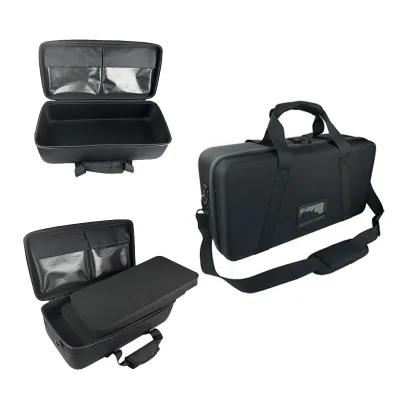
Multi-Functional Camera Gear Bag, Shockproof and Portable Storage for Photography Tools
$10.8338 - $12.5868
MOQ: 200 pieces

QUANZHOU DANKIN IMP AND EXP CO., LTD.
- Manufacturer/Factory
- China Fujian
- Lead time45 days
- Avg. response≤ 2h
Main productsBackpack, Cooler Bag, Tool Bag, Laptop Bag, Gun Bag, Travel Bag, Hiking Bag, Tennis Bag, Running Bag, Diaper Bag
Main marketsSouth America,Eastern Europe,Mid East,North America,Southeast Asia,Eastern Asia,Oceania,Western Europe,Africa


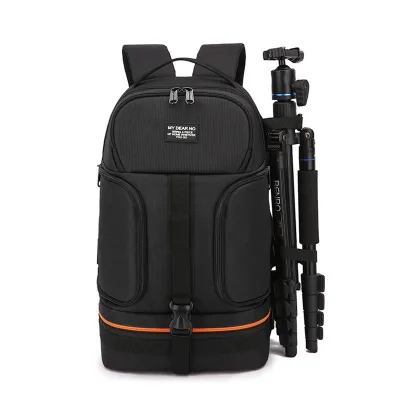
Fashion Waterproof High Quality Camera Backpack Bag Customized Camera Case Backpack Bag
$15.80 - $26.90
MOQ: 500 Pieces

- Manufacturer, Trading Company
- Shandong, China
- Lead time3 days
- Avg. response≤ 5h
Main productsBackdrops,Video Lights,Softboxes,Light Stands,Backdrop Support System
Main marketsCentral America(15.00%), South America(15.00%), North America(15.00%), Western Europe(10.00%), Northern Europe(10.00%), Africa(10.00%), Eastern Europe(10.00%), Southern Europe(5.00%), Eastern Asia(5.00%), Southeast Asia(5.00%)
Shenzhen Bi Bei Maternal & Infant Co., Ltd.
- Verified by SGS Group
- Manufacturer, Trading Company
- Lead time30 days
- Avg. response≤ 2h
Main productsDiaper Bag, Stroller Organizer, Changing Pad, Tool Bags, Cooler Bag
Main marketsDomestic Market(37%), North America(18%), Western Europe(10%)
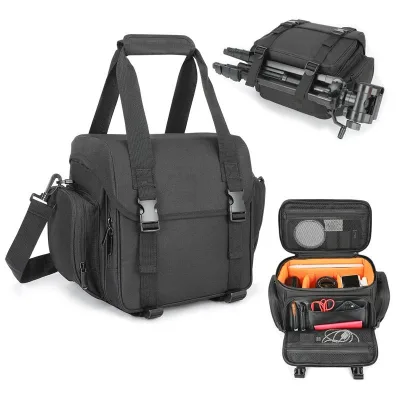
OEM Waterproof Camera Travel Bag Digital Gear Camera Bags Camera Bag for Photography
$12.39 - $12.99
MOQ: 500 pieces
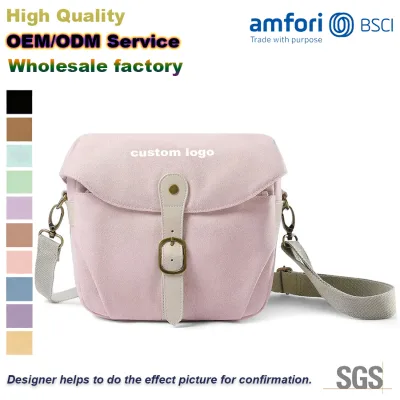
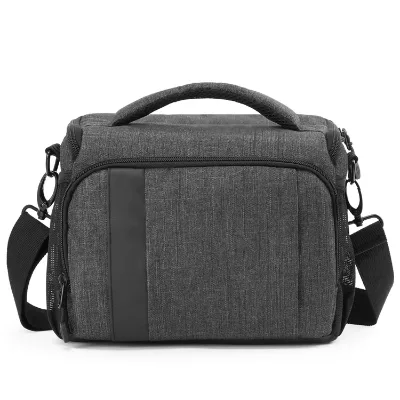
OEM Camera Equipment Bag Compact Camera Shoulder Bag Professional Camera Bags
$8.50 - $9.23
MOQ: 500 pieces
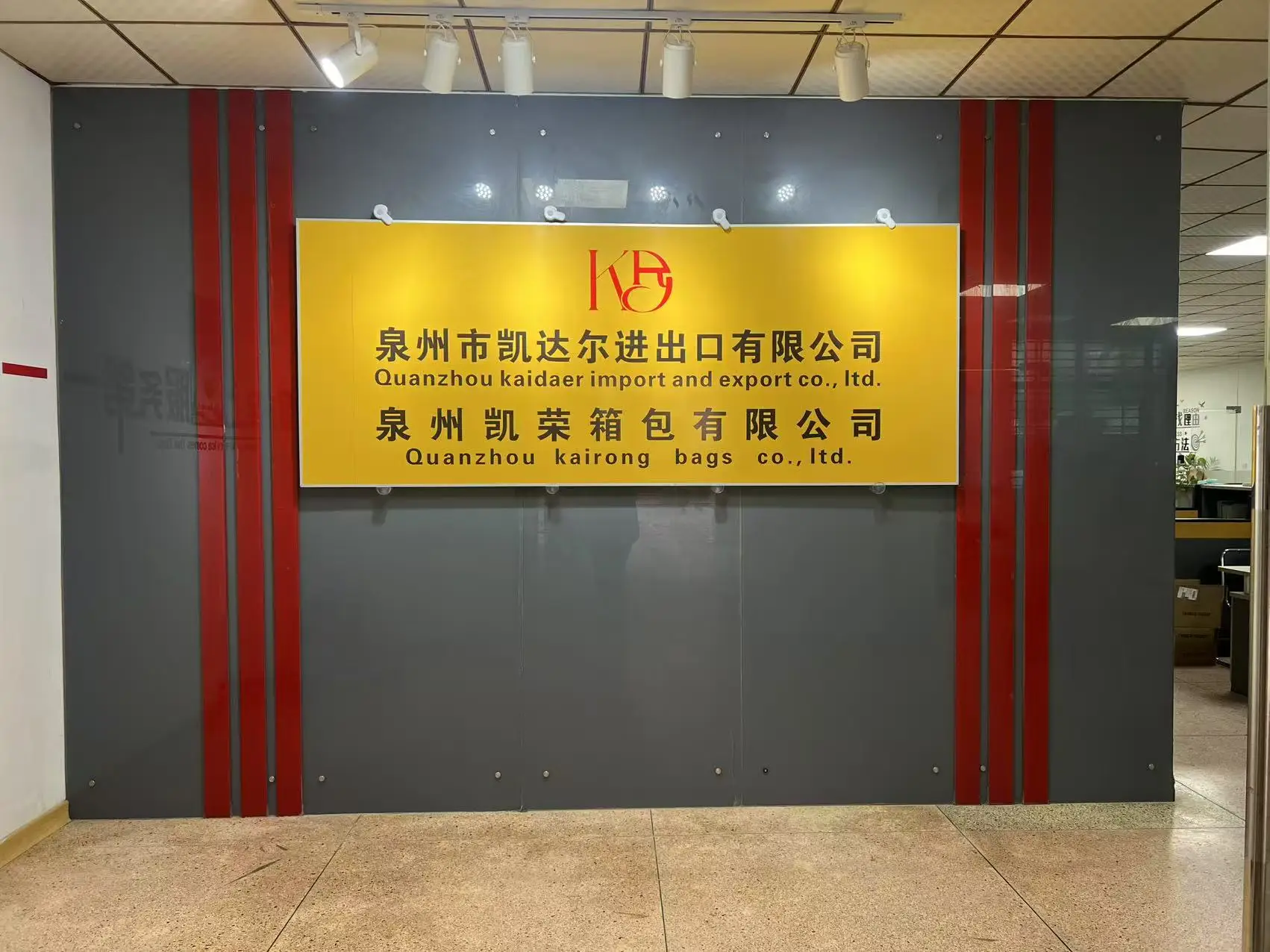
Quanzhou Kaidaer Import And Export Co., Ltd.
- Trading Company
- Fujian, China
- Lead time30 days
- Avg. response≤ 4h
Main productsbackpacks,gym bags,diaper bags,travel bags,lifestyle bags
Main marketsNorth America(50.00%), Western Europe(20.00%), Oceania(15.00%), Eastern Europe(10.00%), South America(5.00%)
Shenzhen Mihe Outdoor Products Co., Ltd.
- Verified by TüVRheinland
- Manufacturer, Trading Company
- Lead time30 days
- Avg. response≤ 2h
Main productsCamera Bag, Backpack, Diaper Bag, Cosmetic Bag, Storage Bag
Main marketsNorth America(50%), Western Europe(15%), Oceania(10%)
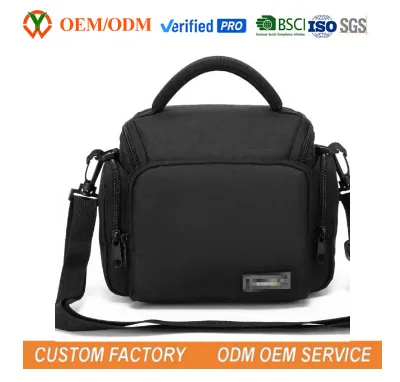
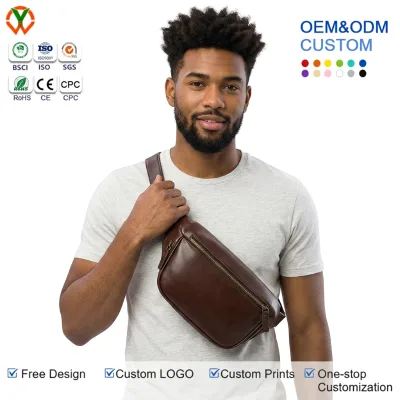
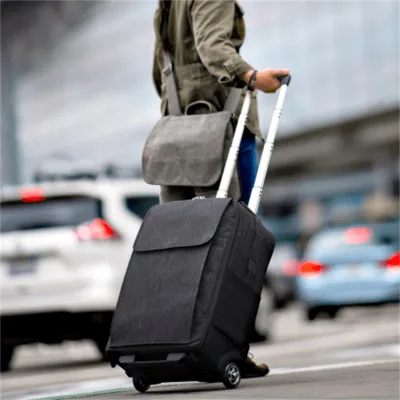
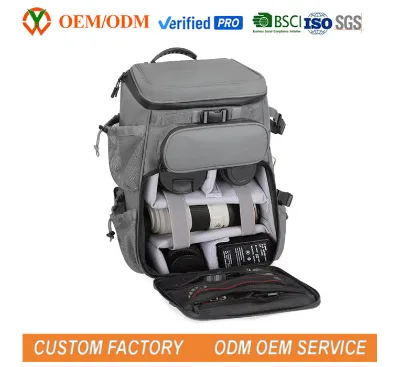
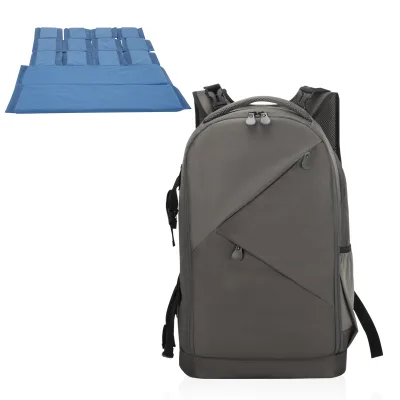
$10.3712 - $12.4476
MOQ: 300 bags
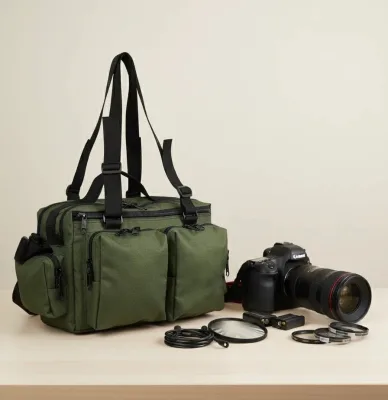
Custom Logo Camera Bag With Multi Pockets Small Camera Tote Bag Portable Photography Shoulder Bag
$7.223 - $10.3218
MOQ: 300 bags
Jiangxi Brilliant Technology Co., Ltd.
- Verified by TüVRheinland
- Manufacturer, Trading Company
- Lead time20 days
- Avg. response≤ 2h
Main productsEVA Bags & Cases
Main marketsNorth America(50%), Eastern Asia(20%), Domestic Market(11%)
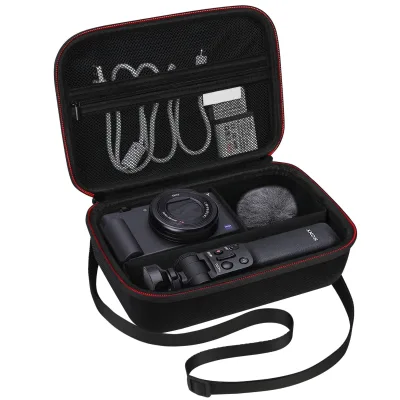
$1.8982 - $2.7485
MOQ: 500 pieces
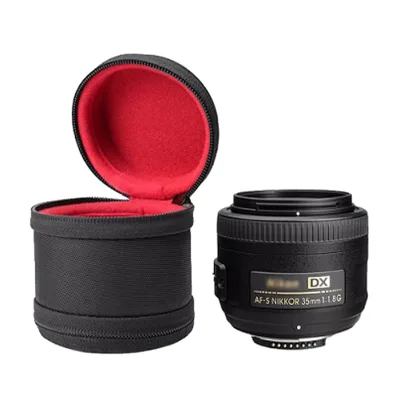
$0.8518 - $1.8772
MOQ: 500 pieces
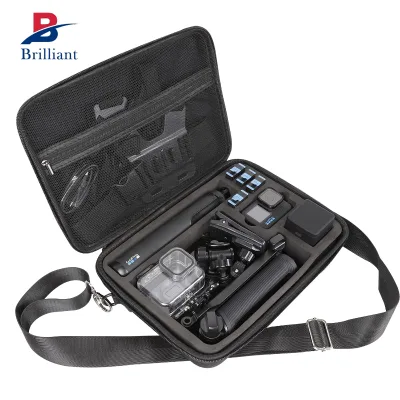
$3.0569 - $4.7994
MOQ: 1000 pieces
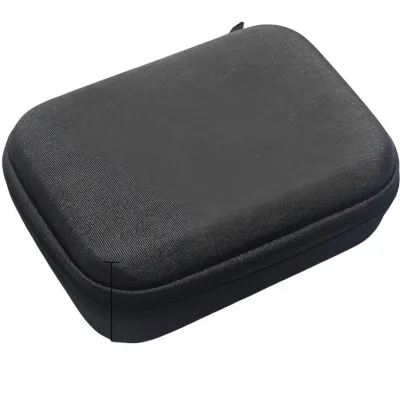

LITAI(QUANZHOU)BAGS CORP., LIMITED
- Trading Company,Manufacturer/Factory
- China Fujian
- Lead time45 days
- Avg. response≤ 8h
Main productsMilitary Bags, Military Backpack, Military Vest, Army Backpack, Tactical Backpack, Tactical Holster, Tactical Sling, Army Bags, Medical Bag
Main marketsSouth America,Eastern Europe,Mid East,North America,Eastern Asia,Western Europe,Africa

Xiamen Ederbou Industry&Trade Co., Ltd.
- Verified by CTI
- Combined
- China Fujian
- Lead time30 days
- Avg. response≤ 5h
Main productsCooler Insulated Bags, Backpacks, Delivery Bags, Travel Bags, Sports Bags, Picnic Bags
Main marketsSouth America,Southeast Asia/ Mideast,East Asia(Japan/ South Korea),Europe,Australia,North America

$7.00 - $10.00
MOQ: 300 Pieces

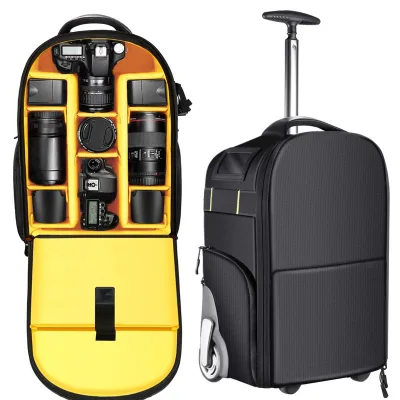
Custom Logo Waterproof Camera Video Backpack Trolley Case for Travel Camera Bag
$3.99 - $5.99
MOQ: 300 Pieces

$7.99 - $10.99
MOQ: 300 Pieces

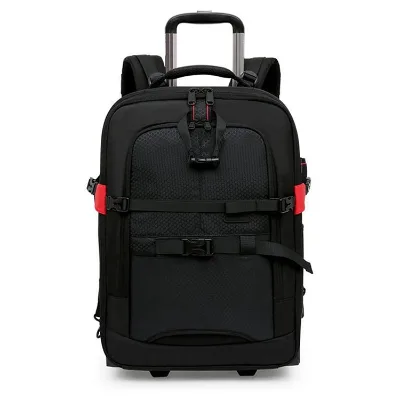
Camera Trolley Bag for Photography Equipment Professional Large Camera Bag with Wheels
$5.50 - $7.90
MOQ: 300 Pieces
- Verified by SGS Group
- Manufacturer, Trading Company
- Lead time30 days
- Avg. response≤ 2h
Main productsDry Backpack, Cooler Bag, Hiking Backpack, Tactical Bag, Waterproof Duffel Bag
Main marketsWestern Europe(45%), North America(25%), Northern Europe(15%)
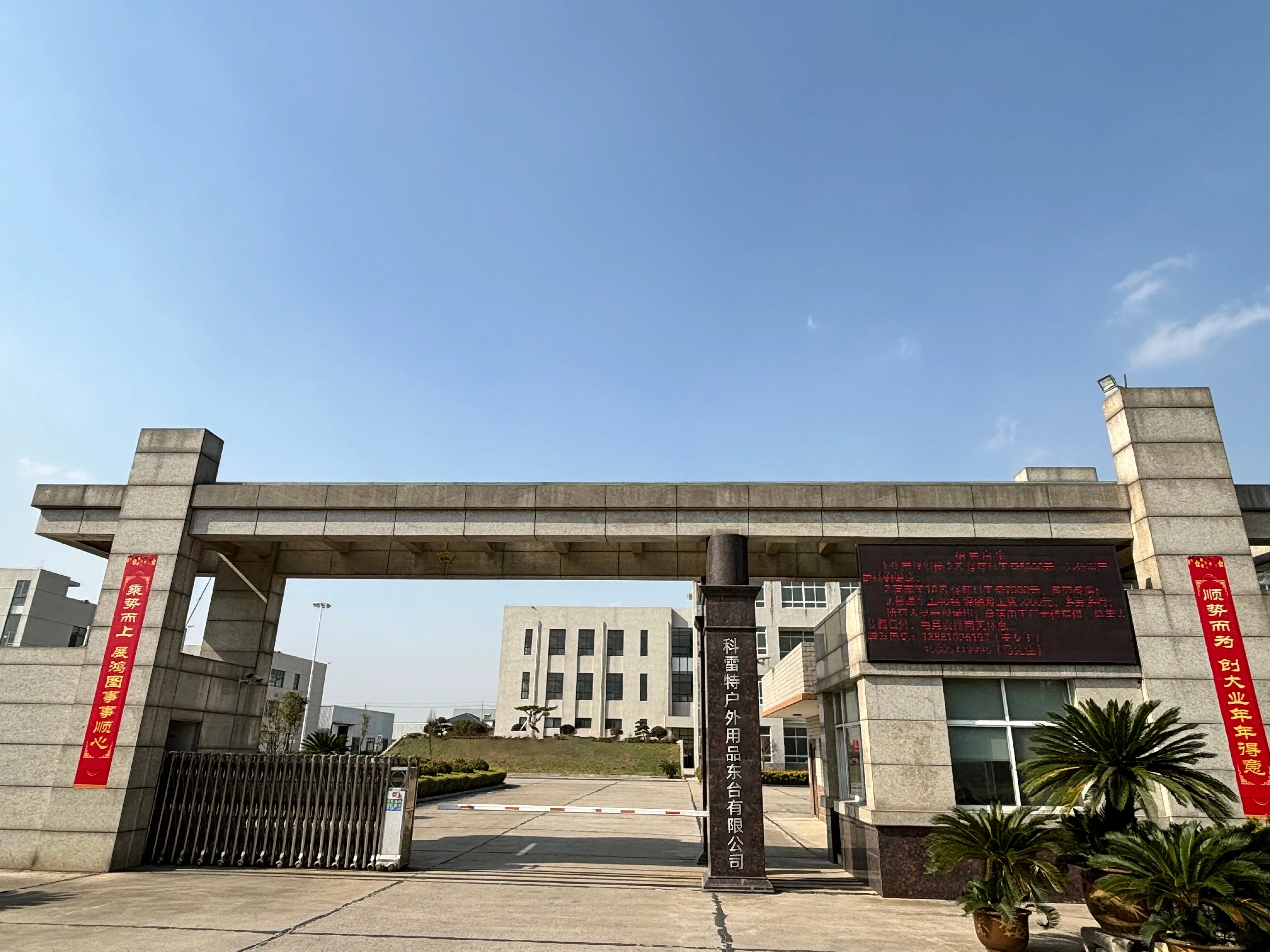
HONG KONG CREATOR INTERNATIONAL LIMITED
- Trading Company
- Hong Kong S.A.R.
- Lead time5 days
- Avg. response≤ 5h
Main productsTool Bag, Tactical Backpack, Travel Bag, Cooler Backpack/Cooler Bag, Reflective Clothing
Main marketsNorth America(25.00%), Eastern Europe(25.00%), Oceania(15.00%), Mid East(15.00%), South America(10.00%), Western Europe(10.00%)
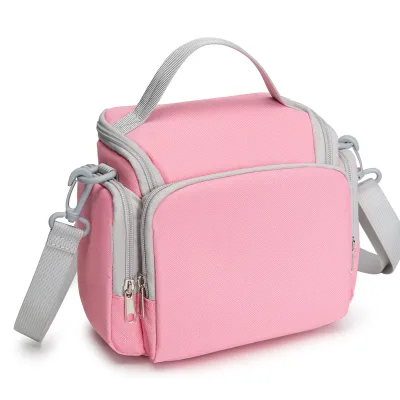
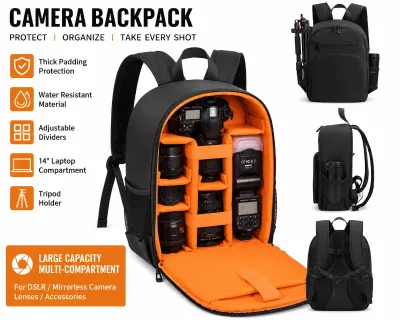
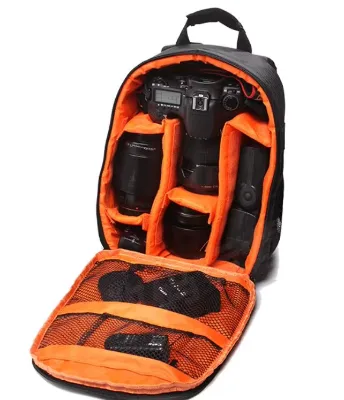
Wholesale Custom Colorful Professional DSLR Camera Backpack Hot Sale Digital Gear & Camera Bag
$13.99 - $19.90
MOQ: 300 pieces
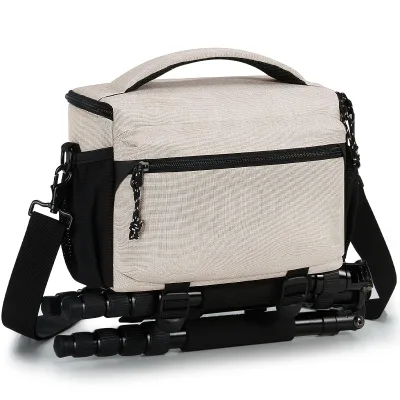
Custom Camera Equipment Bag Compact Camera Shoulder Bag Professional Camera Bags
$4.89 - $8.98
MOQ: 300 pieces

Quanzhou Boenly Trade Co., Ltd.
- Trading Company,Manufacturer/Factory,Group Corporation
- China Fujian
- Lead time23 days
- Avg. response≤ 11h
Main productsTool Bag, Fishing Bag, Gun Pistol Bag, Backpack, Large Wheeled Bags, Outdoor Bag, Racket Bag, Sports Bag, Hunting Bag, Bag's Accessories
Main marketsSouth America,Eastern Europe,Mid East,North America,Southeast Asia,Eastern Asia,Oceania,Western Europe,Africa

$9.60 - $10.60
MOQ: 200 Pieces

Ultra-Durable Crossbody Camera Bag Waterproof Compact Sling Bag for Camera Travel Camera Bags
$3.50 - $8.50
MOQ: 300 Pieces
Quanzhou Lingke Bags Co., Ltd.
- Verified by SGS Group
- Trading Company
- Lead time45 days
- Avg. response≤ 3h
Main productsBackpack, School Bag, Trolley Bag, Laptop Bag, Travel Bag
Main marketsSouthern Europe(70%), North America(30%)
Gaobeidian Guangshun Bags Industry Co., Ltd.
- Manufacturer, Trading Company
- Lead time旺季: "1 - 500":20,"> 500":"To be negotiated", 淡季: "1 - 500":20,"> 500":"To be negotiated"
- Avg. response≤ 11h
Main productsCamera Bag,Video Bag,Studio Lighting Bag,Tripod Bag,Sports Bag
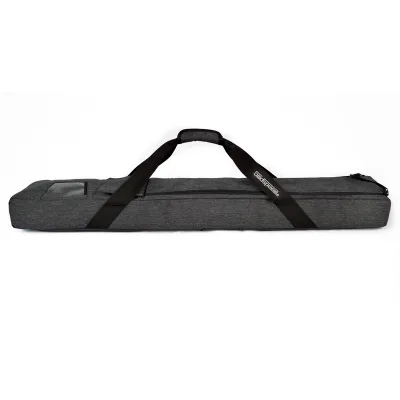
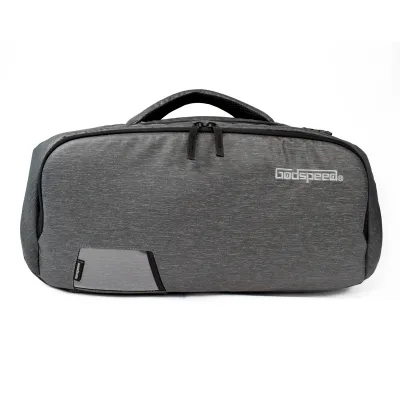
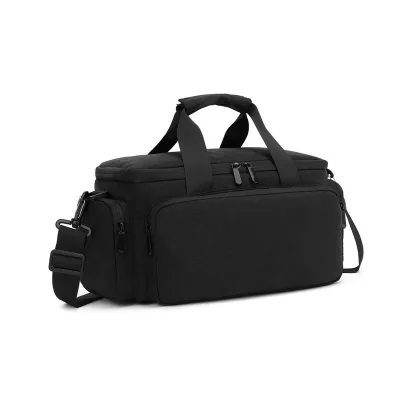
Hot Selling Outdoor Traveling Camera Bag Custom logo Black Video Bag for Cameras
$35.00 - $38.50
MOQ: 300 pieces
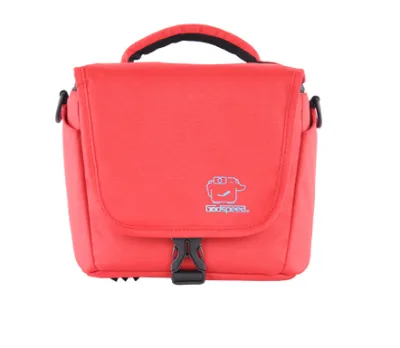
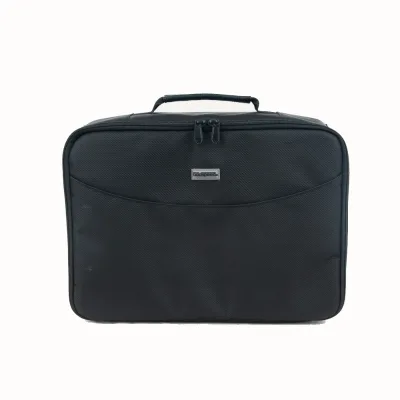
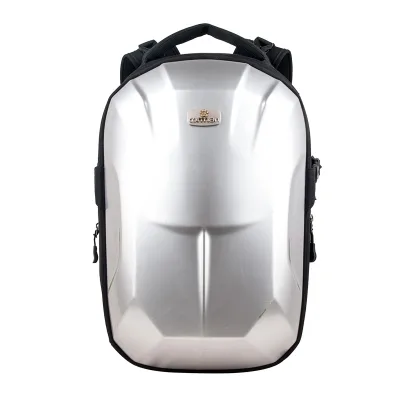
$71.64 - $78.80
MOQ: 200 pieces

Xiamen Heanoo Industry and Trade Co., Ltd
- Trading Company
- China Fujian
- Lead time45 days
- Avg. response≤ 4h
Main productsBackpack, School Bag, Travel Bag, Promotion Bag, Laptop Bag, Outdoor Backpack, Waterproof Dry Bag, Sports Backpack, Business Backpack, Tactical Backpack
Main marketsEurope,Australia

Trolley Bag Camera Digital Camera Luggage Travel Trolley Box Photography Backpack
$27.60 - $32.70
MOQ: 50 Pieces


Multi Functional Camera Backpack SLR Photography Waterproof and Lightweight Fashion Digital Bag
$6.00 - $7.00
MOQ: 300 Pieces
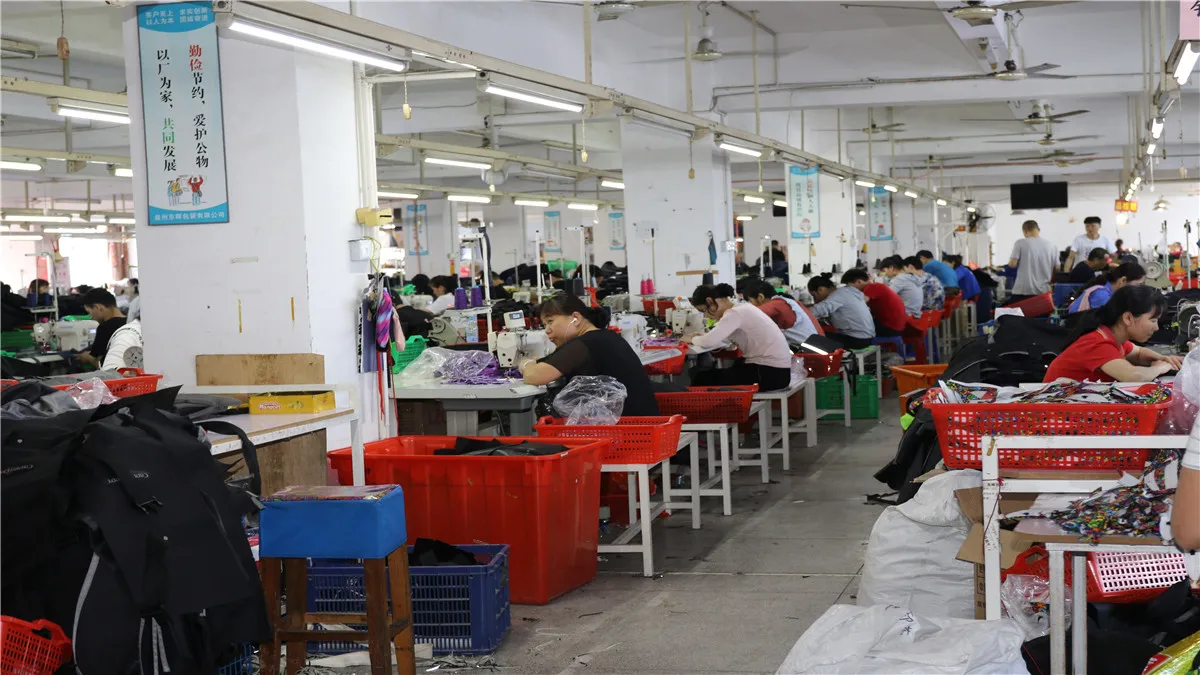
Quanzhou Skysoar Bags Co., Ltd.
- Manufacturer, Trading Company
- Fujian, China
- Lead time45 days
- Avg. response≤ 7h
Main productsBags
Main marketsSouthern Europe(40.00%), North America(40.00%), Eastern Europe(20.00%)
Shaoxing Jutting Technology Co., Ltd.
- Trading Company
- Zhejiang, China
- Lead time7 days
- Avg. response≤ 8h
Main productsPhotography Light,LED Ring Light Tripod,Photography Soft Box,Photography Backdrop,Photography Backgrounds Support Stand
Main marketsAfrica(20.00%), South America(20.00%), North America(20.00%), Eastern Europe(10.00%), Eastern Asia(4.00%), Mid East(4.00%), Oceania(4.00%), Southeast Asia(4.00%), Southern Europe(3.00%), Northern Europe(3.00%), South Asia(3.00%), Western Europe(3.00%), Domestic Market(1.00%), Central America(1.00%)
- Verified by Intertek
- Manufacturer, Trading Company
- Lead time30 days
- Avg. response≤ 2h
Main productsEVA Packaging Cases, EVA Mats
Main marketsEastern Europe(25%), North America(20%), Central America(15%)
Quanzhou Bonita Traveling Articles Co.,Ltd.
- Trading Company
- Fujian, China
- Lead time1 days
- Avg. response≤ 4h
Main productsBusiness Bag, Outdoor Bag, Fashion Bag, Diaper Bag, Sport Bag
Main marketsNorth America(45.00%), Western Europe(30.00%), South America(10.00%), Southern Europe(10.00%), Mid East(5.00%)


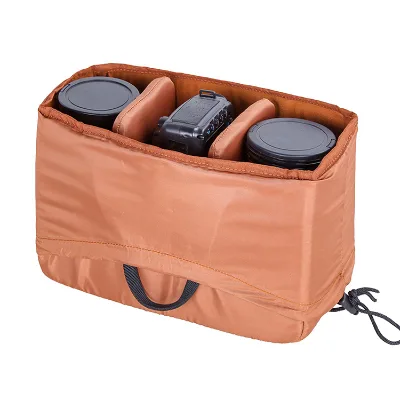




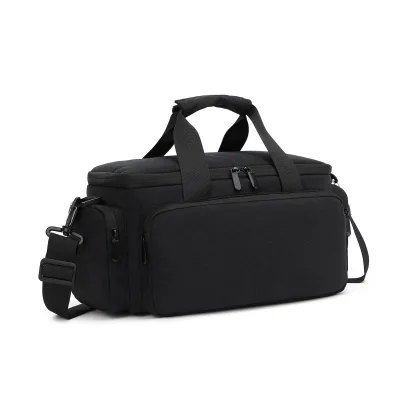

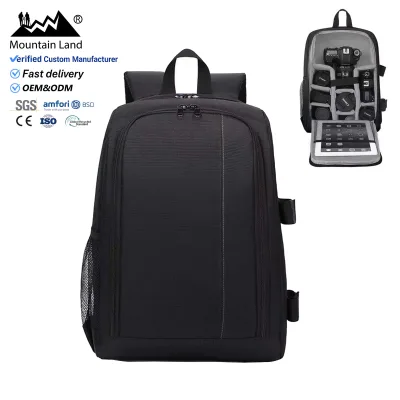
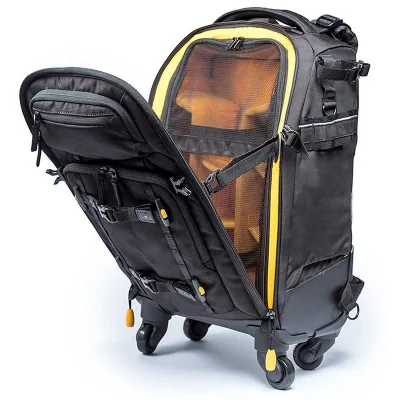
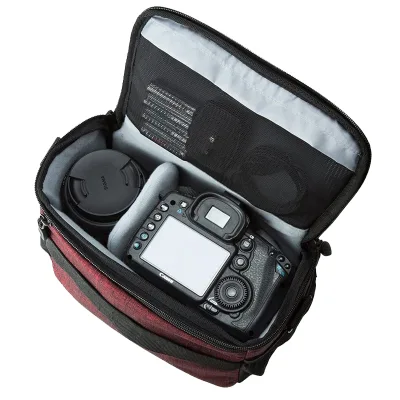
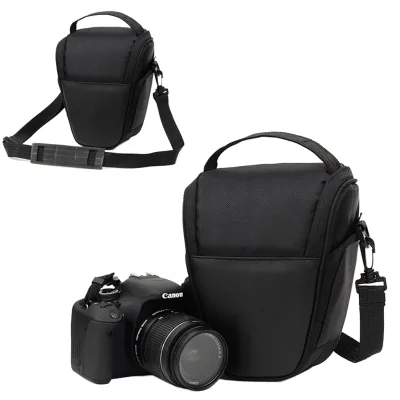
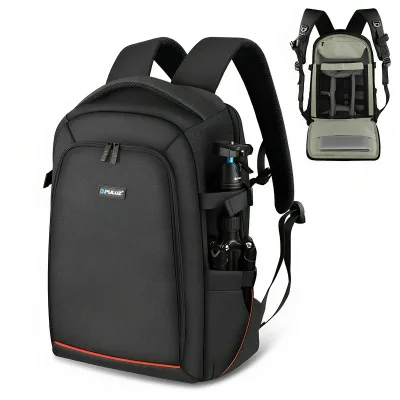
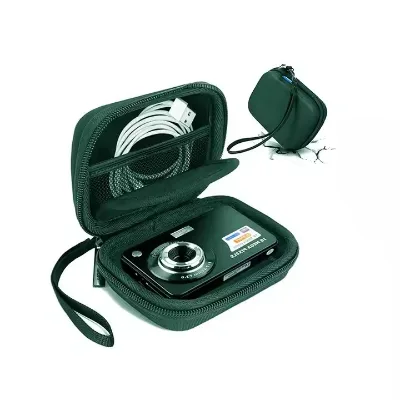
Comprehensive Sourcing Guide
Portable Travel Camera Gear Bag Supplier Concentration and Factory Types
The current supplier landscape for portable travel camera gear bags reveals a distinct geographic concentration in China, specifically within the Guangdong and Fujian provinces. These regions serve as established manufacturing hubs for photography accessories and luggage, offering buyers access to a dense network of production facilities. The available data indicates that the majority of suppliers operating in this space are classified as manufacturers or factories, suggesting a direct line to production capabilities rather than purely intermediary trading structures. This factory-centric model often implies greater control over material sourcing, quality assurance processes, and customization options for specialized camera equipment storage solutions. Buyers evaluating these suppliers should recognize that the presence of a factory designation typically correlates with the ability to handle complex OEM and ODM requests, which is crucial for brands seeking unique protective gear designs.
In addition to pure manufacturing entities, the market also includes suppliers that operate as both manufacturers and trading companies. This hybrid model can offer a broader range of product variety, potentially combining in-house production with external sourcing capabilities to meet diverse client needs. The main products listed by these entities frequently extend beyond simple camera bags to include photography lights, stands, and background equipment, indicating a comprehensive ecosystem for photography support gear. This diversification can be advantageous for buyers looking to consolidate their supply chain, as it allows for the procurement of complementary items alongside the primary portable travel camera gear bags. However, it is essential to verify the specific manufacturing capabilities for the bag products themselves, as the broader product range may include items sourced from third-party vendors. Understanding this distinction helps buyers assess whether a supplier’s primary strength lies in specialized bag manufacturing or in general photography accessory distribution.
How to Verify Portable Travel Camera Gear Bag Suppliers
Verification is a critical step in ensuring the reliability and legitimacy of suppliers offering portable travel camera gear bags. One of the most significant indicators of supplier credibility is third-party verification, such as the TUVRHEINLAND certification observed in the current results. This type of verification provides an independent assessment of the supplier’s business operations, manufacturing capabilities, and compliance with international standards. Buyers should prioritize suppliers who have undergone such rigorous verification processes, as it reduces the risk of engaging with fraudulent or non-compliant entities. Additionally, system certifications like ISO 9001, ISO 14001, and BSCI are frequently displayed, indicating adherence to quality management, environmental standards, and social responsibility practices. These certifications serve as tangible evidence of a supplier’s commitment to maintaining consistent product quality and ethical manufacturing practices, which are vital for long-term business relationships.
Beyond certifications, buyers should actively assess the supplier’s response time and communication efficiency. The data shows varying response times, ranging from approximately 1.41 hours to over 20 hours, which can significantly impact the sourcing process. A faster response time often correlates with a more responsive and attentive supplier, capable of addressing queries and resolving issues promptly. This is particularly important when negotiating custom specifications or resolving production delays. Furthermore, buyers should verify the supplier’s capacity for OEM and ODM services, as this indicates their ability to tailor products to specific brand requirements. Checking for the availability of customization options, such as logo printing, material selection, and size adjustments, is essential for brands seeking unique product offerings. By combining verification of credentials with an assessment of operational responsiveness, buyers can build a more robust and reliable supplier base for their Portable Travel Camera Gear Bag needs.
What to Compare Across Portable Travel Camera Gear Bag Suppliers
When evaluating multiple suppliers for portable travel camera gear bags, it is crucial to compare key operational metrics to identify the most suitable partner. Lead time is a primary factor, with observed values ranging from 30 to 68 days. This variation can significantly impact inventory planning and order fulfillment, especially for time-sensitive launches or seasonal demands. Buyers should align their order schedules with the supplier’s stated lead times to avoid stockouts or delays. Additionally, the minimum order quantity (MOQ) is a critical consideration, as it affects the initial investment and risk exposure. The data indicates MOQs as low as 2 units for certain products, while others require 500 units. This disparity allows buyers to choose suppliers based on their order volume capabilities, whether they are testing the market with small batches or committing to larger production runs. Comparing these metrics helps in selecting a supplier that matches the buyer’s scale and operational flexibility.
Price and product specifications are also essential comparison points. The price range for portable travel camera gear bags varies, with some items priced around $27.29 and others as low as $1.80 to $6.20, depending on the product type and material. Buyers should analyze the cost per unit in relation to the quality and features offered, such as material durability, closure types, and customization options. For instance, products made from polyester or nylon with shockproof padding may command higher prices but offer better protection for expensive camera equipment. Additionally, comparing the main products and customization capabilities can reveal a supplier’s specialization. Some suppliers focus on a wide range of photography accessories, while others specialize in specific bag types. By systematically comparing lead times, MOQs, prices, and product features, buyers can make informed decisions that balance cost, quality, and operational efficiency.
Common Portable Travel Camera Gear Bag Sourcing Risks
Sourcing portable travel camera gear bags from international suppliers introduces several potential risks that buyers must proactively manage. One significant risk is the variability in product quality, which can be influenced by differences in material sourcing and manufacturing standards. While certifications like ISO 9001 provide a baseline for quality management, they do not guarantee consistency across all product lines. Buyers should request samples to physically inspect the materials, stitching, and overall construction before committing to large orders. Another risk is the discrepancy between the supplier’s stated capabilities and their actual performance. For example, a supplier may claim OEM/ODM capabilities but lack the necessary design or engineering resources to execute complex customizations. This can lead to delays, additional costs, or suboptimal product outcomes. Verifying these capabilities through detailed discussions and past performance references is essential to mitigate such risks.
Communication and logistical challenges also pose significant risks in international sourcing. The observed variation in response times, from under two hours to over twenty hours, highlights the potential for communication gaps. Slow responses can delay decision-making, problem-solving, and order processing, impacting the overall supply chain efficiency. Additionally, lead time variability, ranging from 30 to 68 days, can complicate inventory management and fulfillment strategies. Buyers must account for these variations in their planning and maintain open lines of communication to address any emerging issues promptly. Furthermore, the risk of non-compliance with international standards or ethical practices cannot be overlooked. While certifications like BSCI and SEDEX indicate adherence to social responsibility standards, buyers should conduct regular audits or request third-party reports to ensure ongoing compliance. By identifying and addressing these risks early, buyers can establish a more resilient and reliable sourcing strategy.
Portable Travel Camera Gear Bag Regional Sourcing and Logistics
The geographic concentration of suppliers in China, particularly in Guangdong and Fujian provinces, offers distinct advantages for sourcing portable travel camera gear bags. These regions are well-established manufacturing hubs with extensive infrastructure for production, logistics, and export. The proximity to major ports and transportation networks facilitates efficient shipping and reduces transit times for international orders. Buyers leveraging these regional clusters can benefit from a dense network of suppliers, enabling easier comparison and negotiation. Additionally, the presence of specialized photography accessory manufacturers in these areas often leads to a higher level of expertise and innovation in product design and functionality. This concentration can also result in competitive pricing due to economies of scale and efficient supply chain integration. However, buyers should be aware of potential regional risks, such as local regulatory changes or logistical disruptions, and diversify their supplier base accordingly.
Logistics planning is crucial for managing the flow of goods from these manufacturing hubs to global markets. The observed lead times, ranging from 30 to 68 days, must be factored into the overall logistics strategy. Buyers should work closely with their suppliers to establish clear shipping schedules and track production progress to avoid delays. Additionally, considering the weight and dimensions of the products, such as the single package sizes ranging from 10x6x1 cm to 25.5x25x3 cm, can help optimize packaging and shipping costs. Efficient packaging not only reduces freight expenses but also minimizes the risk of damage during transit. Buyers should also evaluate the supplier’s experience with international shipping and their ability to handle customs clearance and documentation. By understanding the regional logistics landscape and planning accordingly, buyers can ensure a smooth and cost-effective supply chain for their portable travel camera gear bags.
Portable Travel Camera Gear Bag Commercial Terms and Order Planning
Effective commercial terms and order planning are essential for successful sourcing of portable travel camera gear bags. The variability in MOQs, from as low as 2 units to 500 units, allows buyers to tailor their orders to their specific needs and risk tolerance. For new market entrants or those testing product viability, suppliers with lower MOQs provide a flexible entry point. Conversely, established brands with consistent demand can leverage higher MOQs to negotiate better pricing and secure production slots. It is crucial to clearly define the commercial terms, including payment methods, delivery schedules, and quality assurance protocols, in the purchase agreement. This clarity helps prevent misunderstandings and ensures both parties are aligned on expectations. Additionally, buyers should consider the supplier’s sample time, which is typically 5-7 days, to factor into their product development and launch timelines.
Order planning should also account for the supplier’s customization capabilities and lead times. The availability of OEM/ODM services enables buyers to create unique products that differentiate them in the market. However, customizations can extend lead times and increase costs, so buyers must balance innovation with operational efficiency. Establishing a clear communication channel for ongoing order updates and issue resolution is vital for maintaining supply chain stability. Buyers should also plan for potential contingencies, such as production delays or quality issues, by maintaining safety stock or identifying alternative suppliers. By carefully managing commercial terms and order planning, buyers can optimize their sourcing strategy, reduce risks, and ensure a steady supply of high-quality portable travel camera gear bags. This proactive approach fosters stronger supplier relationships and supports long-term business growth.
FAQs
What is a typical minimum order quantity for a Portable Travel Camera Gear Bag?
Minimum order quantities vary widely by supplier and product type. Soft pouch-style bags are commonly quoted at 500 pieces, while some hard trolley cases list MOQs as low as 2 pieces. Confirm the exact MOQ before requesting samples, because customization, logo printing, or special materials can change the supplier's minimum requirement.
Which materials are commonly used for portable travel camera gear bags?
Polyester and nylon are the most commonly listed materials, offering lightweight durability for travel and outdoor photography use. Shockproof designs often add padding or a rigid shell for protection. Ask suppliers to specify fabric denier, lining, and closure types such as zippers or velcro straps, since these details affect both durability and unit price.
How long does production take for a Portable Travel Camera Gear Bag order?
Listed lead times among camera bag suppliers range from about 30 days to 68 days depending on the product and factory workload. Hard trolley cases with padding typically take longer than soft pouches. Always confirm the current lead time in writing, and add extra time for shipping, inspection, and any customization before your launch date.
How quickly do camera gear bag suppliers usually respond to inquiries?
Response times vary significantly between suppliers. Some factories in Guangdong and Fujian respond within one to two hours, while others may take a day or longer. Check the listed average response time before contacting a supplier, and send a detailed inquiry with quantities and customization needs to receive an accurate, faster quotation.
Can I get custom logos and sizes on a Portable Travel Camera Gear Bag?
Yes, many listed suppliers offer OEM and ODM services, including custom logos, colors, and sizes. Product listings frequently state that customization is available with customized logos accepted. Confirm minimum order requirements for custom work, sample costs, and approval procedures before production, since customized orders usually cannot be returned after manufacturing begins.
What regions in China manufacture portable travel camera gear bags?
Suppliers of camera gear bags are concentrated in Fujian and Guangdong provinces. Both regions host factories and trading companies specializing in bags, cases, and photography accessories. Sourcing from these clusters offers advantages in material availability and shipping infrastructure, but you should verify each supplier's factory status and export experience independently before ordering.
How much does a Portable Travel Camera Gear Bag cost?
Listed prices span roughly USD 1.80 for compact soft pouches to about USD 27 for padded trolley cases, depending on size, material, and protection level. Mid-range shoulder and zipper cases typically fall between three and six dollars. Request quotes with your exact specifications, because bulk quantities and customization choices can move the final unit price.
What certifications should I check when sourcing camera gear bags?
Some bag suppliers hold system certifications such as ISO 9001, BSCI, or SEDEX, which indicate quality management and social compliance standards. One supplier also lists third-party verification by TUV Rheinland. Ask for current certificate copies and verify scope and validity, since certification applies to the factory's systems rather than individual bag models.