Privacy Protection PDLC Film Suppliers and Manufacturers
Compare 12 verified suppliers of Privacy Protection PDLC Film across location, lead time, response speed, certification, MOQ and pricing. Review specifications such as self-adhesive PET material, transparency rate and UV rejection, then request quotes from shortlisted factories; review the available evidence before requesting comparable quotations from suitable candidates.
Suppliers List

Ningbo Qize Industry and Trade Co., Ltd
- Verified by BV
- Trading Company
- China Zhejiang
- Lead time30 days
- Avg. response≤ 3h
Main productsPdlc Smart Film, Filter Materials, Silicone Molds, Pet Products, Medical Supplies
Main marketsEurope


Smart Pdlc Window Film Switchable Privacy Film for Home & Office Glass Size Customized
$19.50 - $23.50
MOQ: 50 Square Meters

Adhesive Pdlc Smart Film for Private Protection Using in Office Room, Hotel and Home
$19.50 - $23.50
MOQ: 50 Square Meters

Qingdao Berling Tech Co., Ltd.
- Verified by TUVRHEINLAND
- Trading Company
- China Shandong
- Lead time15 days
- Avg. response≤ 3h
Main productsGlass Machinery, Glass Processing Machine, Insulating Glass Machine, Glass Machine, Glass Cutting Machine, Laminated Glass Machine, Washing Machine, Drilling and Milling Machine, CNC Center, Vacuum Lifting Machine
Main marketsSouth America,Others(foreignTradeCapacity.exportBusinessCapacityMarketOther),Europe,Australia


for Hotel Bath Room, Meeting Room, Use Privacy Protection Pdlc Smart Film
$30.00 - $130.00
MOQ: 1 Rolls


Hefei Yiwan Architectural Decoration Engineering Co., Ltd.
- Verified by TUVRHEINLAND
- Manufacturer/Factory
- China Anhui
- Lead time23 days
- Avg. response≤ 1h
Main productsAutomatic Sliding Door, Automatic Swing Door, Hospital Hermetic Door, Automatic Gate Opener, Access Control Device, Automatic Door Accessory, Door Closer, Autoamtic Door Spare Parts
Main marketsSouth America,Eastern Europe,Mid East,North America,Southeast Asia,Eastern Asia,Oceania,Western Europe,Africa

Wayne (Hangzhou) Building Materials Co., Ltd.
- Verified by TUVRHEINLAND
- Trading Company
- China Zhejiang
- Lead time15 days
- Avg. response≤ 3h
Main productsSmart Film, Smart Glass, Aluminum Window, Aluminum Door, Pergola, PVC Door, Glass Partition, Curtain Wall Hardware, Door Control Hardware, Glass
Main marketsSouth America,Africa,Southeast Asia/ Mideast,Europe,Australia

Electronic Pdlc Switchable Smart Glass Film / Dimmable Smart Glass / Privacy-Protecting Pdlc Film
$35.00 - $55.00
MOQ: 5 Square Meters

Pdlc Film for Office and Conference Room Projection Screens Switchable Privacy Film
$35.00 - $55.00
MOQ: 5 Square Meters

Electrical Control Switchable Pdlc Film Office Glass Partition Privacy Film
$35.00 - $55.00
MOQ: 5 Square Meters


Hotel Bathroom Meetingroom Office and Shipping Mall Privacy Protection Pdlc Smart Film
$35.00 - $55.00
MOQ: 5 Square Meters

Switchable Smart Glass Film Colored Pdlc Privacy Protection Magic Glass Film
$35.00 - $55.00
MOQ: 5 Square Meters

Shandong Zhenhui New Materials Co., Ltd.
- Verified by BV
- Combined
- China Shandong
- Lead time15 days
- Avg. response≤ 2h
Main productsWindow Film, Architectural Film, Furniture Film, Car Paint Protection Film, Car Floor Mat, Glass Film, Ppf, Window Tint, Commercial Window Film, Residential Window Film
Main marketsDomestic

Privacy Protection Pdlc Smart Film for Hotel Bath Room, Meeting Room, Office
$29.00 - $43.00
MOQ: 1 Square Meters

Use Privacy Protection Pdlc Smart Film for Hotel Bath Room, Office and Shipping Mall
$29.00 - $43.00
MOQ: 1 Square Meters

Automotive Pdlc Smart Film Switchable Privacy Film for Car Windows
$104.00 - $133.00
MOQ: 1 Square Meters


Factory Wholesale Smart Film Glass Pdlc Smart Film for Glass Privacy
$29.00 - $43.00
MOQ: 1 Square Meters

Shandong Top Flourish New Materials Technology Co., Ltd
- Verified by BV
- Trading Company,Manufacturer/Factory
- China Shandong
- Lead time23 days
- Avg. response≤ 25h
Main productsPdlc Smart Film, Decoration Materials, WPC Wood Panel, WPC Cladding, WPC Decking, WPC Ceiling, Spc Flooring, PU Stone, Parking Air Conditioners
Main marketsSouth America,Eastern Europe,North America,Southeast Asia,Eastern Asia,Oceania,Western Europe


Self-Adhesive Customizable Privacy Protection Switchable Pdlc Smart Foil Pdlc Smart Car Window Film
$28.00 - $127.00
MOQ: 1 Rolls


Hanzhong Xinda Decoration Industry Co., Ltd.
- Verified by BV
- Combined
- China Shaanxi
- Lead time15 days
- Avg. response≤ 3h
Main productsAluminium Alloy Window, PVC Window, Tempered Glass, Insulating Glass, Building Doors and Windows
Main marketsSoutheast Asia/ Mideast,East Asia(Japan/ South Korea),North America


Factory Smart Pdlc Film Electric Light Control Technology Switchable Privacy Film
$23.80 - $28.00
MOQ: 2 Square Meters

Smart Pdlc for Privacy Protection Glass Partition Switchable Glass Film
$23.80 - $28.00
MOQ: 2 Square Meters

Retail-Bulk Pdlc Film - Factory Production & Instant Privacy Control
$23.80 - $28.00
MOQ: 2 Square Meters


Jiangmen Bolipai Glass Products Co., Ltd.
- Verified by BV
- Manufacturer/Factory
- China Guangdong
- Lead time23 days
- Avg. response≤ 12h
Main productsTempered Glass, Glass Basketball Backboard, Laminated Glass, Glass Switch Panel, Borosilicate Glass, Mirror Glass, Basketball Stand, Smart Glass Film, Low-E Glass, Reflective Glass
Main marketsSouth America,Eastern Europe,Mid East,North America,Southeast Asia,Eastern Asia,Oceania,Western Europe,Africa


Professional Partition Privacy Protection Film/Pdlc Film/Smart Film or Glass for Glass Wall
$120.00
MOQ: 20 Square Meters

Electric Self Adhesive Pdlc Smart Switchable Privacy Film for Projection Screen
$45.00
MOQ: 20 Square Meters


- Trading Company
- JiangSu, China
- Lead time5 days
- Avg. response≤ 2h
Main productsInteractive floor system,interactive wall system,smart watch,rear projection film,interactive android box
Main marketsDomestic Market(30.00%), Eastern Asia(7.50%), Northern Europe(7.50%), Mid East(7.00%), Western Europe(7.00%), Southern Europe(7.00%), Central America(7.00%), Oceania(6.00%), Eastern Europe(5.00%), North America(4.00%), Southeast Asia(4.00%), South Asia(3.00%), South America(3.00%), Africa(2.00%)
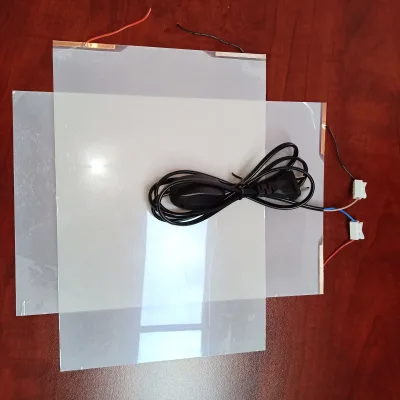
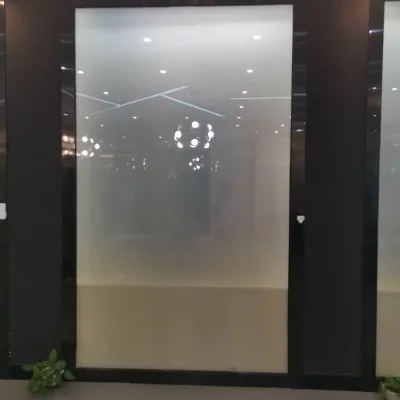
Factory Cheap Price Pdlc Film in Roll Adhesive Smart Privacy Electrical Film
$31.05 - $35.90
MOQ: 2 square

Tianjin Glory Tang Plastic Industry Co., Ltd.
- Verified by SGS
- Trading Company,Manufacturer/Factory
- China Tianjin
- Lead time120 days
- Avg. response≤ 7h
Main productsFilm, BOPP Film, BOPP Thermal Lamination Film, BOPE Film, BOPA Film, BOPET Film, Foil, PVC Sheet, Coated Paper, PE battery Separator
Main marketsSouth America,Eastern Europe,Mid East,North America,Southeast Asia,Eastern Asia,Oceania,Western Europe,Africa

Foshan Rui Shengyuan Building Material Co., Ltd.
- Verified by TUVRHEINLAND
- Manufacturer/Factory,Group Corporation
- China Guangdong
- Lead time23 days
- Avg. response≤ 1h
Main productsWooden Door, WPC Door, Steel Door, Aluminium Windows and Doors, Tempered Igu Glass, Float Glass, Soap Dispenser, Paper Dispenser, Air Freshener Dispenser, Shower Gel Bottle Holder
Main marketsSouth America,Eastern Europe,Mid East,North America,Southeast Asia,Eastern Asia,Oceania,Western Europe,Africa

Beijing Treeing Technology Co., Ltd.
- Verified by BV
- Trading Company,Manufacturer/Factory
- China Beijing
- Lead time15 days
- Avg. response≤ 10h
Main productsSandpaper, Lapping Film, Microfinishing Film, Diamond Powder, Abrasive Belt, 3D Structured Abrasives, Carbide Burrs, Wool Pad, Diamond Compound, Sander Pad
Main marketsEastern Europe,North America,Eastern Asia,Western Europe


Comprehensive Sourcing Guide
Privacy Protection PDLC Film Supplier Concentration and Factory Types
When you search for Privacy Protection PDLC Film, the results will typically include a mix of factory types, and identifying them early shapes your whole sourcing strategy. In current listings, you can find trading companies based in eastern coastal provinces such as Zhejiang, alongside manufacturers and factories located inland, such as an Anhui-based producer of switchable film and related door and glass products. Some suppliers arrive at this category from adjacent industries, for example a Shandong company whose main products center on glass processing machinery rather than film itself, yet which lists PDLC smart film products for offices, meeting rooms, hotels and shopping malls. This matters because a machinery-oriented or trading-oriented listing may be reselling or brokering rather than coating film in-house.
Your first screening task is therefore classification, not qualification. Read the company type label if one is displayed, then cross-check it against the main products list. A genuine film producer will usually show film, smart glass or laminated glass among its core products; a trading company may show a broad, unrelated range such as filter materials, silicone molds or pet products alongside smart film. Neither type is automatically wrong: trading companies can aggregate capacity and handle customization, while factories may offer tighter process control. Record each candidate's type, location and product breadth in a shortlist before you invest effort in deeper verification, so you can later compare like with like across manufacturer and intermediary profiles.
How to Verify Privacy Protection PDLC Film Suppliers
Verification starts with the credentials that search results actually display, then extends to what you must request directly. Some listings carry third-party verification badges, for example BV or TÜV Rheinland, which indicate that an auditing body has checked aspects of the company's existence and operations. Others display system certifications such as ISO 9001. Treat these as screening signals rather than proof of film quality: a verified profile tells you the company was audited at a point in time, not that every roll of film meets your transparency or durability expectations. Where no verification badge is shown, you should ask for business licenses, audit reports and certification documents directly and check their validity with the issuing bodies.
Product-level evidence is equally important. Listings in this category often state attributes such as PET material, self-adhesive application, transparent or translucent finish, and sometimes performance figures like a stated transparency rate, UV rejection percentage or rated lifetime. Do not copy these numbers into your specification sheet as facts; instead, request the underlying test reports and confirm which edition of which standard was used. For the certification strings sometimes shown on product pages, verify each claim individually, because product-page certification lists are frequently assembled loosely. Finally, verify customization capability, since most buyers need specific roll widths, lengths and operating voltages. Ask each shortlisted supplier to confirm in writing which attributes are standard and which require tooling, extra lead time or additional cost before you commit to samples.
What to Compare Across Privacy Protection PDLC Film Suppliers
Build a comparison grid using the attributes that results actually display, while acknowledging gaps. Useful dimensions include lead time, minimum order quantity, average response time, company type, location, verification status and main product lines. In current results, displayed lead times range from roughly two weeks for a Shandong supplier to around thirty days for a Zhejiang trading company, with an Anhui manufacturer in between; response times also vary widely, from under an hour to several hours on average. MOQs shown on individual film products range from a single square meter to one hundred square meters depending on the model. None of these values applies to every supplier, so record them per listing and reconfirm each one directly before ordering.
Beyond logistics labels, compare technical fit. Examine each product's stated material, processing type, self-adhesive feature, packaging format and application area, and note where a supplier's main products suggest stronger adjacent expertise, such as glass machinery, laminated glass or glass partitions. Price ranges displayed on film products vary considerably, so compare prices only within matched specifications, roll widths and order quantities. Also weigh customization signals: listings marked customization available with customized lengths indicate flexibility that matters for retrofit projects with non-standard glass. Score each supplier on the same weighted criteria, give extra weight to response speed if your project has a fixed installation schedule, and keep the grid updated as suppliers answer technical questions, because responsiveness during quoting usually predicts responsiveness during production.
Common Privacy Protection PDLC Film Sourcing Risks
The most common risk in this category is assuming that a polished listing equals a capable producer. A supplier whose main products are glass machinery may list PDLC film without manufacturing it; a trading company with a broad catalog may source film from changing upstream factories, which creates batch-to-batch inconsistency in transparency, haze and adhesive quality. Another frequent risk is specification drift: product pages may show one transparency rate, voltage rating or operating temperature range, while the delivered goods differ because the listing aggregated multiple models. Protect yourself by locking a signed specification sheet, including roll dimensions, operating voltage, power consumption and packaging, before sample approval.
Certification and compliance risks deserve equal attention. Certification strings printed on product pages can mix unrelated marks, so verify each claimed certificate and its scope before relying on it in regulated markets. Performance claims, such as stated lifetime hours or UV rejection, should be tied to dated test reports from identifiable laboratories. Commercial risks cluster around MOQ and lead time: a low advertised MOQ may only apply to one model, while customized widths or voltages can trigger higher minimums and the longest displayed lead times, up to a month or more in some listings. Finally, packaging and shipping risks are real for self-adhesive film, which can be damaged by humidity and pressure; confirm whether carton or pallet packing, or wooden crates for heavier consignments, is included, and specify moisture protection requirements in your purchase contract rather than assuming them.
Privacy Protection PDLC Film Regional Sourcing and Logistics
Regional context in this category should be drawn only from what supplier results actually show. Current listings place suppliers in several Chinese provinces, including Zhejiang on the eastern coast, Shandong to the north, and Anhui inland. Each location carries practical logistics implications: coastal provinces generally offer more frequent sailing schedules and more freight-forwarder options, while inland locations may add domestic trucking to port and a day or two of transit buffer. Where a supplier's location is displayed, use it to estimate door-to-port time and to plan inspection visits; where it is not, ask the supplier for its shipping port and factory address before quoting freight.
Lead times shown in current results range from about fifteen days to thirty days, which suggests that production scheduling, not distance, is often the dominant variable. When comparing suppliers, ask each to break its lead time into production and dispatch components, and confirm what happens during peak season. For products with stated model-specific packing, such as carton or pallet for lighter film orders and wooden cases for heavier consignments, confirm package dimensions and gross weight early, because film is often priced per square meter but freighted by volume or weight. Request that samples ship by air with tracking while bulk moves by sea, and ask whether the supplier supports consolidated loading if you also source glass, partitions or control hardware from the same region for one installation project.
Privacy Protection PDLC Film Commercial Terms and Order Planning
Order planning in this category starts with matching MOQ and price structure to your actual installed area. Displayed product MOQs range from as low as one unit on some listings to fifty or one hundred square meters on others, and displayed unit prices vary across a wide band, so calculate landed cost per square meter including freight, controller and transformer requirements. Because film is frequently customized to roll width, length and operating voltage, ask each supplier to quote your exact dimensions rather than the listed price range, and confirm whether customization affects the minimum order. Clarify payment terms, sample cost and whether sample fees are credited against the bulk order.
Timeline planning should incorporate the longest displayed lead times as a conservative baseline, roughly a month in some current listings, plus freight and customs clearance. Build a schedule that works backward from your installation date, allowing time for sample approval, a pilot roll, and inspection of the first bulk batch, especially for self-adhesive film applied on site where rework is expensive. Confirm in writing what happens on quality disputes: accepted inspection methods, tolerance on optical performance, and remedy options such as replacement rolls. Finally, plan reorders at the time of the first order, since matching a future batch to an approved film's optical characteristics is easier when the supplier retains your specification, tooling and control settings on file.
Word count: approximately 1,390 across sections including headings.
FAQs
What is Privacy Protection PDLC Film and how does it work?
Privacy Protection PDLC Film is a switchable film applied to glass that turns from translucent to transparent when powered. It uses a polymer dispersed liquid crystal layer controlled by low-voltage electricity, letting offices, hotels, and homes toggle glass between private and clear states without blinds or curtains.
What MOQs and price ranges can buyers expect for PDLC smart film?
Listed MOQs in current supplier results range from 1 square meter to 100 square meters, with self-adhesive products commonly starting at 50 to 100 square meters. Indicative unit prices span roughly 19.50 to 40.00 per square meter, though final pricing depends on size, customization, and order volume, so confirm quotes directly.
Which regions do the listed PDLC film suppliers ship from?
The suppliers shown in the current results are based in mainland China, specifically Zhejiang, Shandong, and Anhui provinces. These locations matter for freight planning and factory visits. Lead times listed range from about 15 to 30 days depending on the supplier, so factor shipping and customs into your project schedule.
Can PDLC smart film be customized to fit my existing glass?
Yes, customization is listed as available on the featured products, with cut-to-length options for specific window sizes. Films are described as self-adhesive for direct application to existing glass or plexiglass. Provide exact dimensions, transformer requirements, and edge finishing details when requesting quotes to avoid costly rework.
What technical specifications should buyers verify before ordering?
Key specifications listed include transparency rates around 83 percent, UV rejection up to 99 percent, operating temperatures from -20 to 70 degrees Celsius, and a lifetime exceeding 80,000 hours. Also check operating voltage, viewing angle, and roll length. Request test reports for any figure critical to your installation before committing.
How responsive are these suppliers and what credentials do they hold?
Response times in the current results range from about 0.5 to 2.8 hours, making initial inquiries quick. Verification includes BV and TUV Rheinland badges on some profiles, and one manufacturer holds ISO 9001 certification. Credentials vary by supplier, so verify current certificates and trading company versus factory status yourself.