Professional Guitar String Cleaner Suppliers and Manufacturers
Find 25 verified suppliers offering Professional Guitar String Cleaner tools with varying MOQs, lead times, and certifications. Compare dimensions, materials, and response times to source durable cleaning kits from Guangdong factories today; review the available evidence before requesting comparable quotations from suitable candidates.
Suppliers List
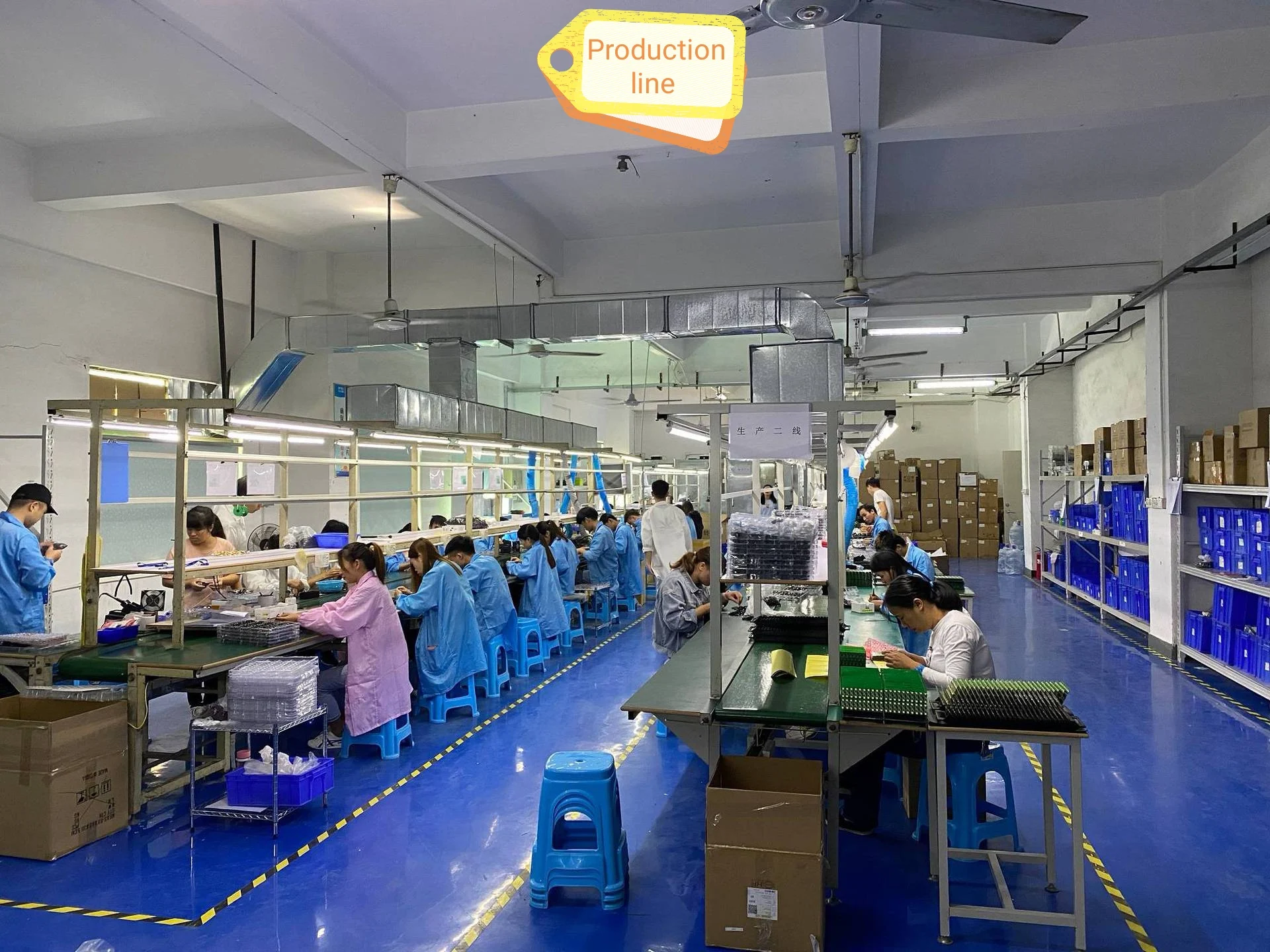
Shenzhen Zone Huanyu Industrial Co., Ltd.
- Manufacturer
- Guangdong, China
- Lead time0 days
- Avg. response≤ 5h
Main productsTool Battery Charger,Battery Adapter,Mobile Phone Accessories,Customer Electronics,Other Hot Sale Products
Main marketsNorth America(45.0%), Western Europe(34.0%), Southeast Asia(20.0%), Africa(1.0%)
Alwaysfaith International Trade Co., Ltd. (huizhou)
- Verified by Intertek
- Trading Company
- Lead time0 days
- Avg. response≤ 5h
Main productsUkulele, Electric Guitar, Acoustic Guitar
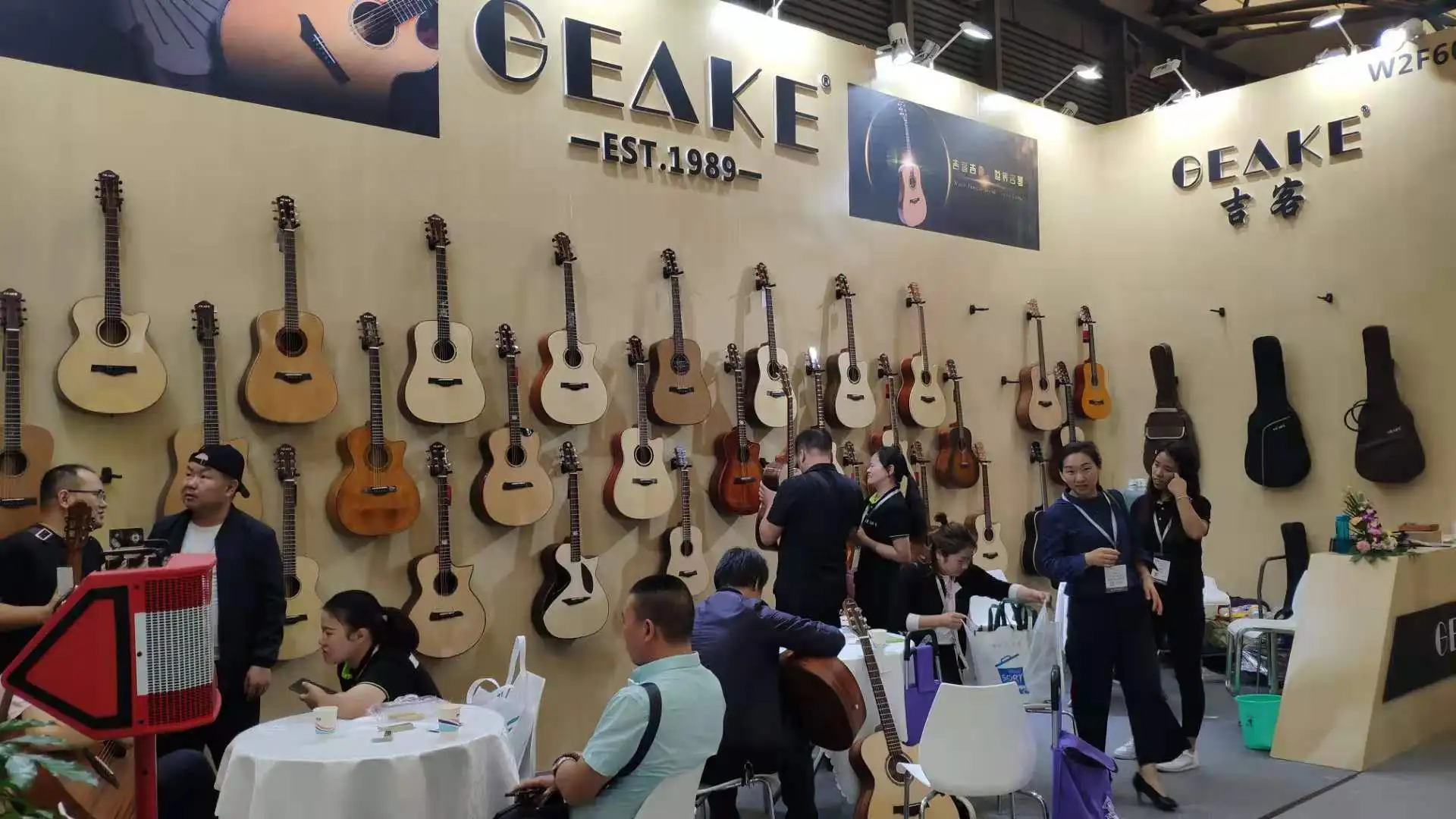
Changsha Geake Music Co., Ltd.
- Manufacturer, Trading Company
- Hunan, China
- Lead time45 days
- Avg. response≤ 3h
Main productsAcoustic guitar,Classical guitar,electric guitar and Ukuleles,guitar accessories,custom high quality guitars
Main marketsNorth America(20.0%), South America(15.0%), Domestic Market(10.0%), Eastern Europe(10.0%), Southern Europe(5.0%), Northern Europe(5.0%), Central America(5.0%), Western Europe(5.0%), Eastern Asia(5.0%), Southeast Asia(5.0%), Mid East(5.0%), Oceania(5.0%), South Asia(4.0%), Africa(1.0%)

GUANGZHOU ARTINY GUITAR CO., LTD
- Verified by SGS
- Manufacturer/Factory
- China Guangdong
- Lead time45 days
- Avg. response≤ 10h
Main productsAcoustic Guitar, Electric Guitar, Classical Guitar, Electric Bass Guitar, Ukulele, Music Bags, Music Stands, Guitar Parts
Main marketsSouth America,Eastern Europe,Mid East,North America,Southeast Asia,Eastern Asia,Oceania,Western Europe,Africa

Nantong Emuse Musical Instruments Co., Ltd.
- Trading Company
- China Jiangsu
- Lead time30 days
- Avg. response≤ 6h
Main productsViolin, Guitar, Cello, Classic Guitar, Double Bass, Acoustic Guitar, Ukulele, Electric Guitar, String Instruments Accessories, Violin Bow
Main marketsSouth America,Others(foreignTradeCapacity.exportBusinessCapacityMarketOther),Europe

Granbo Technology Industrial Shenzhen Co., Ltd.
- Verified by TUVRHEINLAND
- Combined
- China Guangdong
- Lead time15 days
- Avg. response≤ 2h
Main marketsSouth America,Africa,Southeast Asia/ Mideast,East Asia(Japan/ South Korea),Europe,Australia,North America

Guangzhou Vines Musical Instruments Co., Ltd
- Verified by TUVRHEINLAND
- Trading Company
- China Guangdong
- Lead time15 days
- Avg. response≤ 5h
Main productsAcoustic Guitar, Electric Guitar, Classical Guitar, Electric Bass Guitar, Ukulele, Guitar Strings, Musical Instrument Accessories, Violin, Guitar Amplifier, Drum Piano
Main marketsAfrica,Europe,North America

Jinan Bakr Ultrasonic Technology Co., Ltd.
- Manufacturer
- China Shandong
- Lead time15 days
- Avg. response≤ 2h
Main productsUltrasonic Cleaner, Ultrasonic, Ultrasonic Machine, Ultrasonic Cleaning, Ultrasound Cleaner, Cleaning Equipment, Motor Ultrasonic Equipment, Ultrasonic Washing Machine, Ultrasonic Cleaning Equipment, Ultrasound
Main marketsSouth America,Europe,Australia
Shenzhen Grand Exploits Technology Co., Ltd.
- Manufacturer, Trading Company
- Guangdong, China
- Lead time25 days
- Avg. response≤ 10h
Main productsMusical Instruments,Guitar,Guitar Effect Pedal,Ukulele,Guitar Pickup
Main marketsNorth America(30.0%), Eastern Asia(10.0%), Northern Europe(10.0%), Southeast Asia(10.0%), Western Europe(10.0%), South America(10.0%), South Asia(5.0%), Southern Europe(5.0%), Africa(5.0%), Eastern Europe(5.0%)

Yangzhou Lingdong Musical Instruments Co., Ltd.
- Trading Company,Manufacturer/Factory
- China Jiangsu
- Lead time23 days
- Avg. response≤ 24h
Main productsViolin, Viola, Cello, Cntrabass, Violin /Cello Bows, Violin/Cello Strings, Violin/Cello Case, Shoulder Rest
Main marketsSouth America,Eastern Europe,North America,Southeast Asia,Eastern Asia,Oceania,Western Europe


Professional Concert Advanced Cello Strings
Contact supplier

Professional High Sound Quality Cello Strings
Contact supplier

Professional High Sound Quality Viola Silver Strings
Contact supplier

Professional Pratice Cello String
Contact supplier

Professional Violin Strings Manufacturer in China
Contact supplier
- Manufacturer
- Tianjin, China
- Lead time45 days
- Avg. response≤ 5h
Main productsDrum,Melodica,Accordion,Wind Instrument,Guitar
Main marketsSouth America(50.0%), Domestic Market(25.0%), Africa(25.0%)
- Manufacturer, Trading Company
- Guangdong, China
- Lead time15 days
- Avg. response≤ 2h
Main productsPiano Pedal Extender, Piano Foot Pads, Guitar Stand And Hook, Capo, Drumsticks
Main marketsNorth America(60.0%), South America(20.0%), Southeast Asia(20.0%)
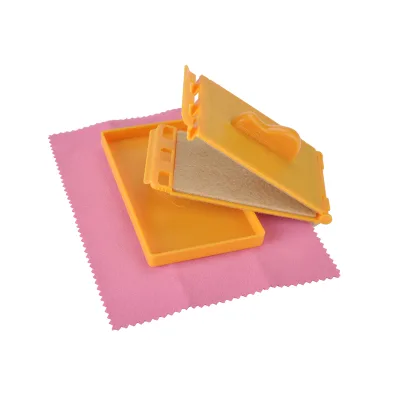
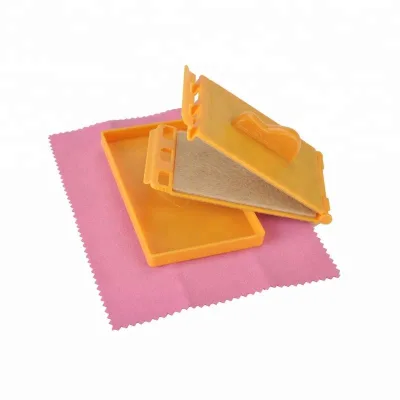
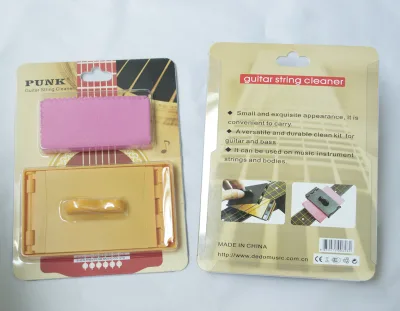
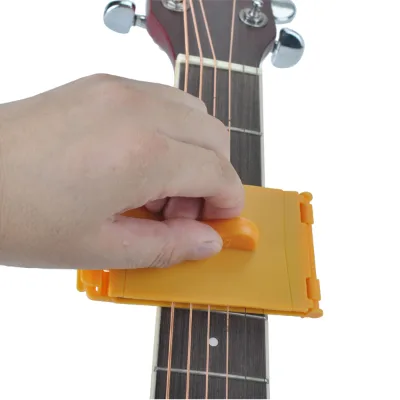
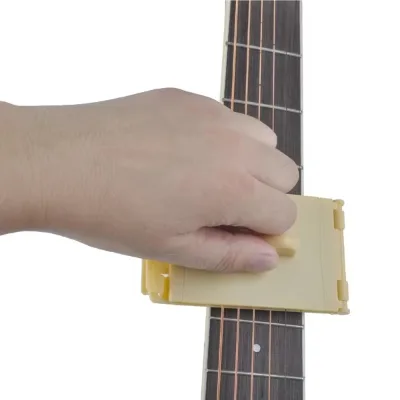
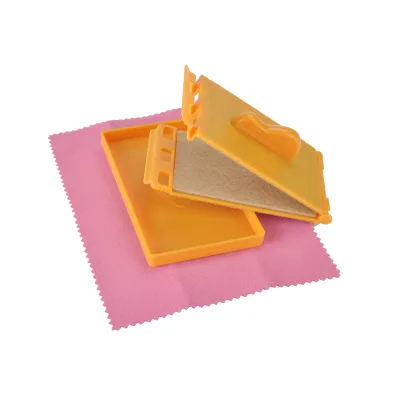
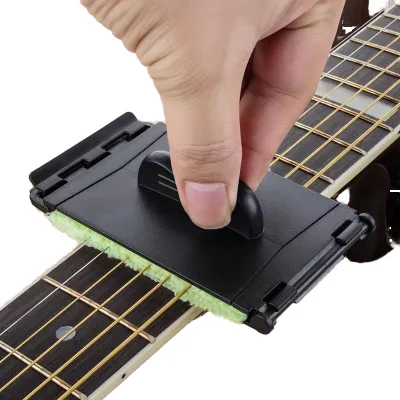
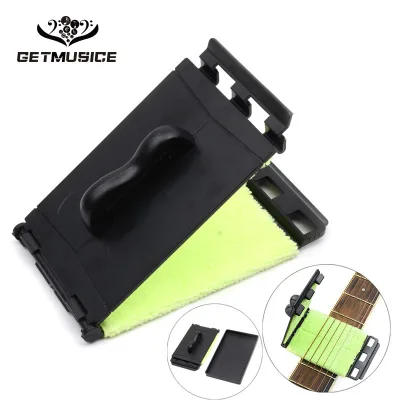
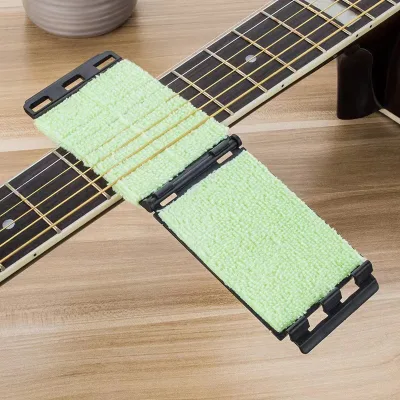
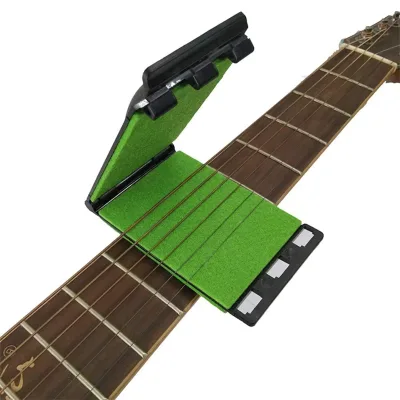
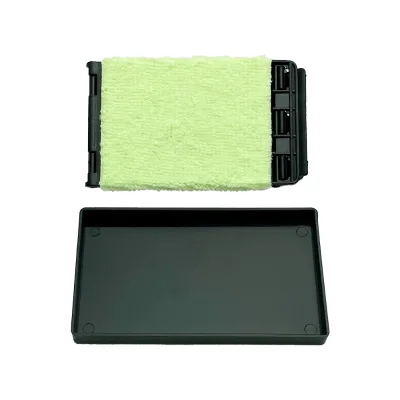
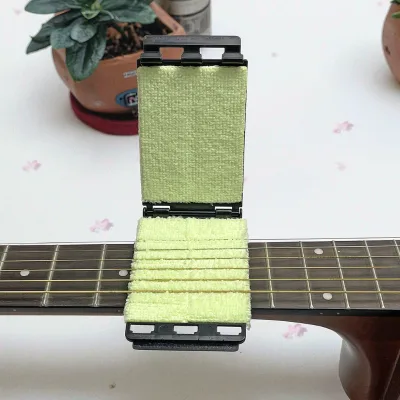
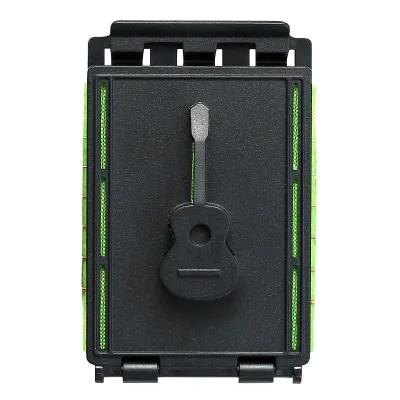
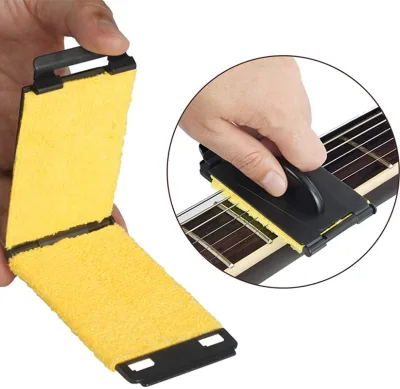
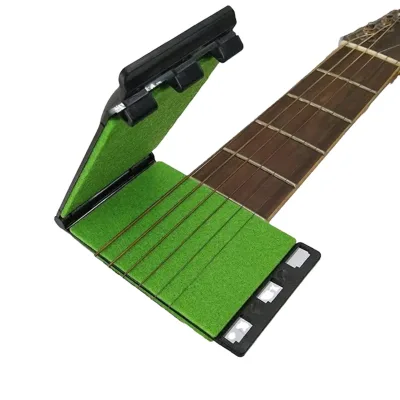
Dedo Music Factory Supply Guitar Cleaning Tool Wool Felt Guitar Strings Cleaner
$1.56 - $2.08
Moq: 100

Nantong Sinomusic Enterprise Limited
- Manufacturer/Factory
- China Jiangsu
- Lead time38 days
- Avg. response≤ 9h
Main productsStringed Instruments, Violin/Viola/Cello, Guitar/Bass/Ukulele, Keyboard Instruments, Digital Piano, Woodwind Brasswind, MIDI Controller, Percussion
Main marketsSouth America,Eastern Europe,Mid East,North America,Southeast Asia,Eastern Asia,Oceania,Western Europe,Africa

Gloss Finish Handmade Professional Solid Spruce Top Nylon String Classical Guitar
$86.00 - $88.00
Moq: 30


Henan Yuanzhen Machinery Equipment Co., Ltd.
- Combined
- China Henan
- Lead time15 days
- Avg. response≤ 2h
Main productsVibrating Screen, Sieve Shaker, Standard Test Sieve, Grading Equipment, Ultrasonic Screen, Ultrasonic Sieve, Safety Sieve, Separation Equipment, Solid-Liquid Separation, Vacuum Conveyor
Main marketsSouth America,Africa,Domestic,Europe,Australia,North America
- Trading Company
- Hong Kong S.A.R.
- Lead time30 days
- Avg. response≤ 1h
Main productsMusical Instrument Production,Trade in musical instruments,import and export trade,Integrated services,Product Sales
Main marketsDomestic Market(30.0%), South America(20.0%), North America(15.0%), Eastern Europe(10.0%), Southeast Asia(10.0%), Oceania(3.0%)
Yongkang Taige Daily Necessities Business Department.
- Trading Company
- Jinhua, China
- Lead time15 days
- Avg. response≤ 2h
Main productscup,bottle,Musical Instruments,bicycle,camping
Main marketsCentral America(30.0%), North America(20.0%), South America(20.0%), Southern Europe(10.0%), Northern Europe(10.0%), Western Europe(10.0%)
Alwaysfaith International Trade Co., Ltd. (Huizhou)
- Verified by Intertek
- Trading Company
- Lead time15 days
- Avg. response≤ 7h
Main productsUkulele, Electric Guitar, Acoustic Guitar
Guangzhou Meike Bio-Tech Co., Ltd.
- Verified by Intertek
- Manufacturer, Trading Company
- Lead time25 days
- Avg. response≤ 2h
Main productsNatural Screen Cleaner, Natural Jewelry Cleaner, Natural Sneaker Cleaner, Natural Leather Cleaner, Natural Lens Cleaner
Main marketsEastern Europe(35%), North America(25%), Western Europe(15%)
Shenzhen Handiier Technology Co.,Ltd
- Manufacturer, Trading Company
- Guangdong, China
- Lead time10 days
- Avg. response≤ 12h
Main productsshaver,shaving accessories,hair trimmer,Vacuum Cleaner Parts,Air Purifier Parts
Main marketsNorth America(50.0%), Eastern Europe(10.0%), South America(10.0%), Northern Europe(5.0%), Central America(4.0%), Western Europe(3.0%), South Asia(3.0%), Southern Europe(3.0%), Oceania(3.0%), Eastern Asia(2.0%), Mid East(2.0%), Southeast Asia(2.0%), Domestic Market(2.0%), Africa(1.0%)
- Trading Company
- Guangdong, China
- Lead time15 days
- Avg. response≤ 1h
Main productsGuitar Neck,Guitar body,Guitar Pickup,Guitar Pickguard,Guitar Strings
Main marketsEastern Europe(20.0%), North America(20.0%), Southeast Asia(10.0%), South America(10.0%), Northern Europe(5.0%), Central America(5.0%), Western Europe(5.0%), Eastern Asia(5.0%), Oceania(5.0%), Southern Europe(5.0%), Africa(5.0%), South Asia(2.0%), Domestic Market(2.0%), Mid East(1.0%)

Canex Musical Instrument Co., Ltd.
- Combined
- China Tianjin
- Lead time30 days
- Avg. response≤ 8h
Main productsSaxophone, Electric Guitar, Clarinet, Violin, Brass Trumpet, Flute, Oboe, Trombone, Cajon, Drum Set
Main marketsSouth America,Europe,North America
Shenzhen Yi Xiongyi Di Trading Co., Ltd.
- Verified by Intertek
- Trading Company
- Lead time6 days
- Avg. response≤ 4h
Main productsAdapters & Connectors, Camera for Car, Sports Bag, Coffee Maker and Accessories, Hand Tools
Main marketsNorth America(25%), Oceania(20%), Western Europe(15%)
Alwaysfaith International Trade Co., Ltd. (Huizhou)
- Manufacturer, Trading Company
- Lead time旺季: "1 - 1000":7,"> 1000":"To be negotiated", 淡季: "1 - 1000":7,"> 1000":"To be negotiated"
- Avg. response≤ 4h
Main productsOutdoor Entertainment,Musical Instrument,Audio Speaker,Tents
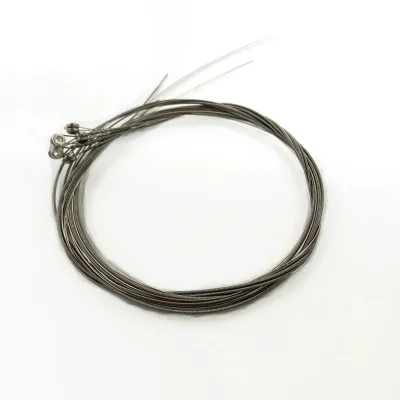
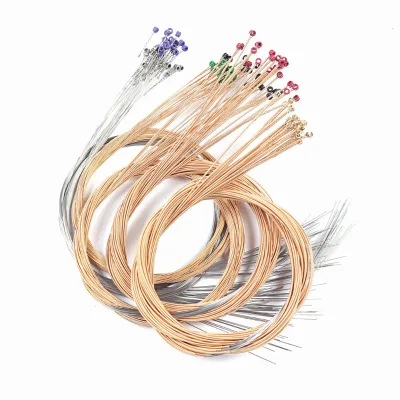
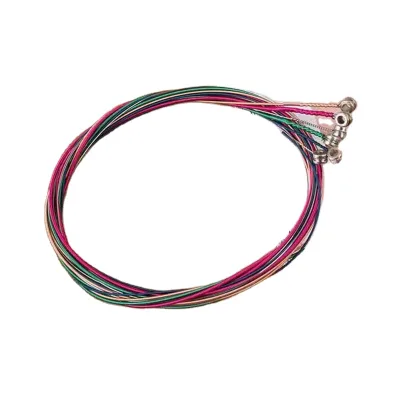
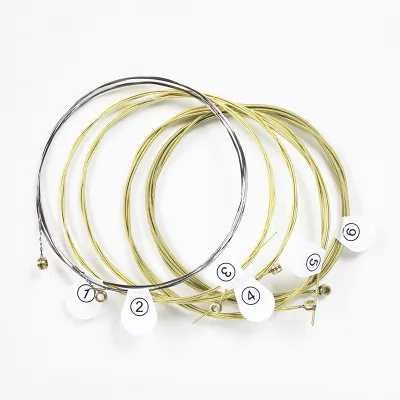
Factory Classic Acoustic and Bass Guitar Strings
$0.45 - $2.00
Xinhua District Jingying Musical Instruments Firm
- Trading Company
- Hebei, China
- Lead time30 days
- Avg. response≤ 3h
Main productsmusical instruments,guitar and accessories,wind instruments,string instruments,mini instruments
Main marketsWestern Europe(30.0%), North America(30.0%), South Asia(5.0%), Northern Europe(5.0%), Central America(5.0%), South America(5.0%), Mid East(5.0%), Oceania(5.0%), Africa(5.0%), Eastern Europe(5.0%)

Faithful lnstrument (Hebei) Co., Ltd.
- Verified by BV
- Combined
- China Hebei
- Lead time15 days
- Avg. response≤ 6h
Main productsIncubator, Magnetic Stirrer, Drying Oven, Heating Mantle, Water Bath, Laminar Flow Cabinet, Stainless Steel Water Still, Disintegrator, Furnace, Vortex Mixer
Main marketsSouth America,Africa,Southeast Asia/ Mideast,Europe,Australia,North America
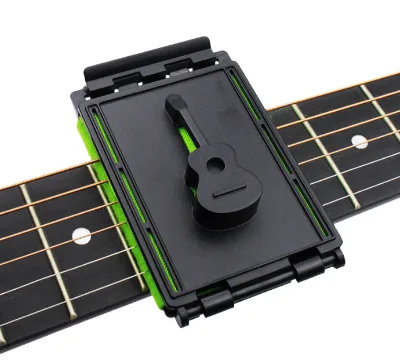
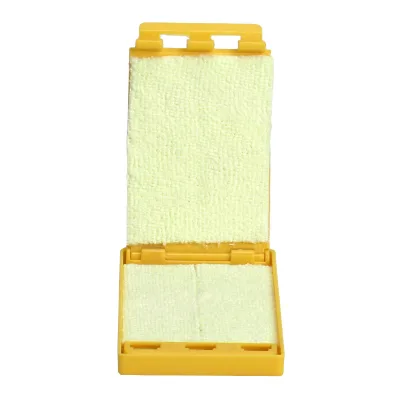
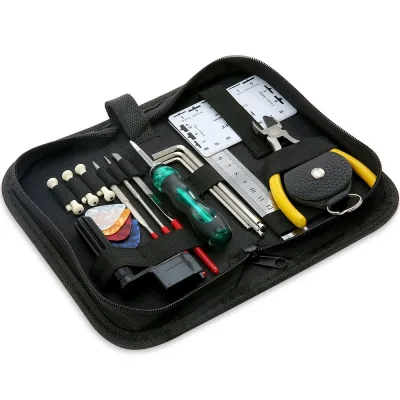
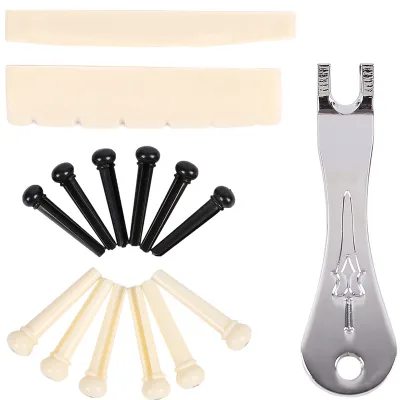





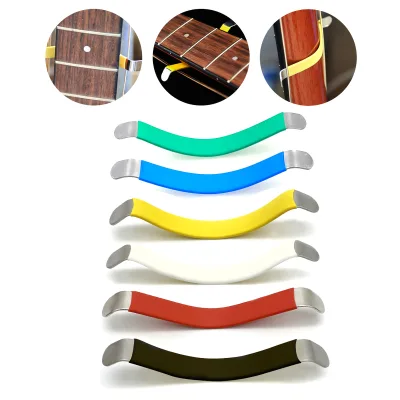
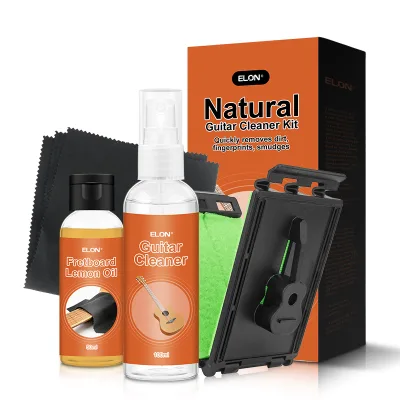

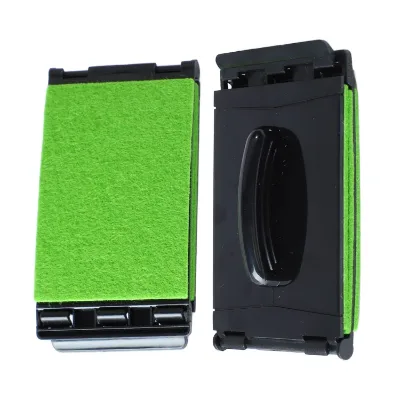




Comprehensive Sourcing Guide
Professional Guitar String Cleaner Supplier Concentration and Factory Types
The available data indicates a significant concentration of manufacturing activity for guitar maintenance tools within Guangdong, China. This region appears to host a mix of direct manufacturers and trading companies specializing in musical instrument accessories. Some entities list their primary output as tool battery chargers and mobile phone accessories alongside guitar string cleaners, suggesting a diversified production capability that may impact focus and resource allocation. Other suppliers in this cluster focus specifically on stringed instruments, offering ukuleles, electric guitars, and acoustic guitars as their main products, which implies a deeper ecosystem for instrument-related maintenance supplies.
When evaluating the factory type, buyers must distinguish between manufacturers and trading companies based on the provided company type labels. Manufacturers often provide direct control over production processes, which can influence lead times and customization options for items like guitar string cleaners. Trading companies, conversely, may aggregate products from various sources, potentially offering a broader range of accessories but with less direct oversight of the manufacturing floor. The presence of both types in the same geographic region requires careful verification to ensure the buyer is dealing with the actual source of production or a reliable intermediary.
How to Verify Professional Guitar String Cleaner Suppliers
Verification of supplier credentials is critical when sourcing professional guitar string cleaners, particularly given the mix of manufacturer and trading company profiles observed. Buyers should prioritize checking for third-party verification badges, such as Intertek, which serve as an external validation of the supplier's business operations and product quality standards. While some suppliers display specific product attributes like high quality or durable features, these claims require independent confirmation through verified reports rather than relying solely on the supplier's self-reported data. The absence of such verification on a listing should prompt a request for documentation before proceeding with any order.
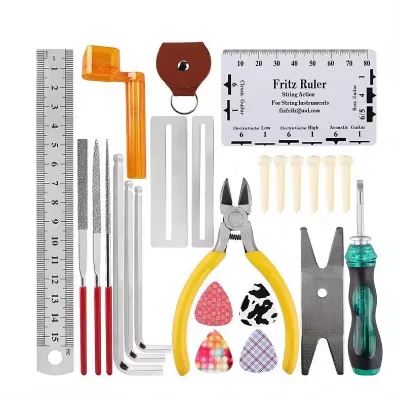
Beyond general business verification, specific product evidence must be scrutinized to ensure the supplier can deliver the exact specifications required. Buyers should examine the detailed product attributes provided, such as material composition, model numbers, and packaging details, to confirm they match the intended use case. For instance, some listings specify materials like ABS or plastic and cotton, while others mention specific model numbers like ZHY11301 or RT-19. These details are essential for verifying that the supplier has the specific tooling and expertise to produce the professional-grade string cleaners needed. If a supplier cannot provide clear evidence linking their product attributes to the requested specifications, the risk of receiving substandard goods increases significantly.
What to Compare Across Professional Guitar String Cleaner Suppliers
Comparing suppliers requires a systematic analysis of key operational metrics such as minimum order quantities, response times, and lead times. The data shows a wide variance in minimum order requirements, with some suppliers offering as few as five pieces while others require orders of one hundred units. This disparity directly impacts the feasibility of small-scale testing versus bulk procurement strategies. Additionally, response times vary, with some suppliers indicating a five-unit response metric, which may reflect their capacity to handle inquiries quickly. Buyers must align these operational constraints with their own inventory needs and cash flow requirements to select the most suitable partner.
Price and product attributes also serve as critical comparison points across different supplier listings. The observed price range for guitar string cleaners spans from approximately $0.09 to $6.10, reflecting differences in material quality, packaging, and included features. Some products are marketed as "cheap" or "popular," while others emphasize "high" quality or specific functions like support. Buyers should not assume that a lower price indicates a better deal; instead, they must evaluate the cost against the specific material composition, such as ABS plastic versus metal components, and the warranty terms offered. A supplier offering a one-year warranty may provide better long-term value than one with a lower upfront cost but no warranty coverage.
Common Professional Guitar String Cleaner Sourcing Risks
One significant risk in sourcing guitar string cleaners involves the potential mismatch between the supplier's main product focus and the specific accessory being ordered. Many suppliers list diverse product lines, including tool battery chargers, mobile phone accessories, and full musical instruments like electric guitars. This diversification can lead to a lack of specialized expertise in guitar maintenance tools, potentially resulting in inconsistent quality or delayed production for niche items. Buyers must verify that the supplier's primary capabilities align with the specific requirements of professional guitar string cleaners to avoid receiving generic or poorly manufactured products.
Another risk stems from the variability in product specifications and the lack of standardized testing results across different listings. While some products list specific attributes like "High" quality or "Durable" features, these are often self-reported without independent certification. The absence of detailed test results or standardized quality certifications means that buyers cannot rely on these claims without further verification. Additionally, the presence of customized logo options and varying packaging types, such as bags or cartons, introduces complexity in ensuring that the final product meets the buyer's branding and logistical requirements. Failure to address these specification gaps can lead to disputes and additional costs in resolving quality issues.
Professional Guitar String Cleaner Regional Sourcing and Logistics
The concentration of suppliers in Guangdong, China, presents specific logistical considerations for international buyers. This region is a major manufacturing hub, which often results in efficient supply chains and competitive pricing for goods like guitar string cleaners. However, the proximity of multiple factories can also lead to congestion during peak seasons, potentially affecting lead times and shipping schedules. Buyers should account for these regional dynamics when planning their procurement cycles, ensuring that they have sufficient buffer time to accommodate any potential delays in production or transit.
Logistics planning must also consider the specific packaging and weight details provided in the product attributes. Listings indicate single package sizes ranging from 7x10x2 cm to 8x5x4 cm, with single gross weights as low as 0.060 kg. These dimensions and weights are crucial for calculating shipping costs and optimizing container space. Buyers should verify if the supplier offers consolidated shipping options or if each item requires individual packaging, as this can significantly impact the overall cost of goods sold. Understanding the regional logistics capabilities of the supplier, including their experience with international shipping and customs clearance, is essential for a smooth procurement process.
Professional Guitar String Cleaner Commercial Terms and Order Planning
Commercial terms for professional guitar string cleaners vary significantly based on the supplier's business model and product specifications. Minimum order quantities range from single items to one hundred units, requiring buyers to carefully plan their initial orders to balance cost efficiency with inventory risk. Some suppliers offer flexible terms, such as accepting customized logos and offering OEM services, which can be advantageous for brands looking to establish a unique market presence. However, these customization options often come with higher minimum order requirements or longer lead times, which must be factored into the overall order planning strategy.
Lead times and warranty terms are also critical components of the commercial agreement. While some suppliers indicate a lead time of zero, suggesting immediate availability, others may have longer production cycles depending on the complexity of the order. Warranty periods, such as one year or twelve months, provide a safety net for buyers but require clear understanding of the terms and conditions. Buyers should ensure that the warranty covers specific defects related to the materials used, such as ABS plastic or metal components, and that the supplier has a clear process for handling warranty claims. Properly negotiating these terms can mitigate risks and ensure a successful long-term partnership.
FAQs
What is the minimum order quantity for guitar string cleaners?
The minimum order quantity varies by product type. Professional fretboard maintenance kits typically require a minimum of 5 pieces. Standard string cleaner wipes have a minimum order of 10 pieces. Some basic cleaning cloths allow for a minimum order of 100 units. Always check the specific product listing for exact MOQ requirements before placing an order.
Where are these guitar cleaning tools manufactured?
The guitar string cleaners and maintenance tools are manufactured in Guangdong, China. This region is a major hub for musical instrument accessories and electronics. Buyers can expect consistent production capabilities and supply chain efficiency from suppliers located in this area. The place of origin is clearly stated on product listings for transparency.
What materials are used in guitar string cleaners?
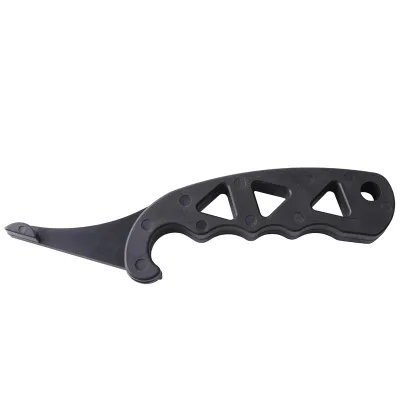
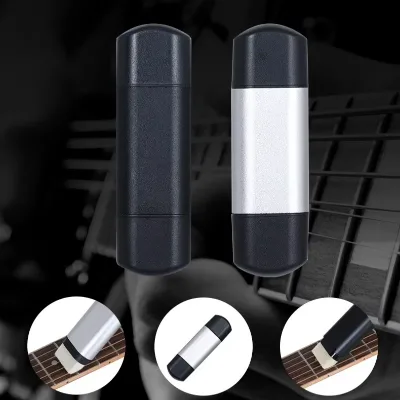
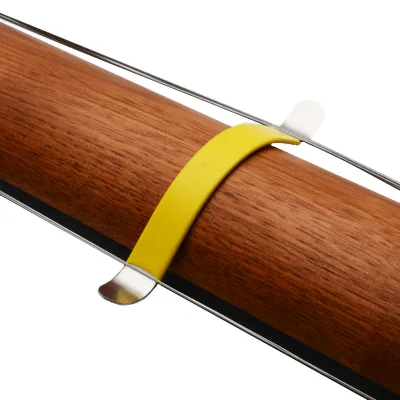
Guitar string cleaners utilize various materials depending on the specific tool. ABS plastic is commonly used for string stretchers and maintenance kits. Cotton and plastic combinations are used for polishing wipes. Metal and plastic are often combined in repair tools like pin pullers. These materials ensure durability and effective cleaning performance for different guitar maintenance needs.
Do suppliers offer custom branding for these products?
Yes, many suppliers offer OEM and ODM services for custom branding. You can accept customized logos on cleaning kits and repair tools. Some products support custom packaging options as well. This allows buyers to brand the products for their specific market needs. Contact suppliers directly to discuss logo placement and packaging customization details.
What is the price range for professional guitar string cleaners?
Prices for guitar string cleaners vary based on the product type and quantity. Basic cleaning cloths can cost as low as $0.09 per unit. String stretchers and repair tools typically range from $3.20 to $6.10. Professional maintenance kits are priced between $0.90 and $1.20 per unit. Bulk orders often result in lower per-unit costs.
How quickly do suppliers respond to inquiries?
Suppliers generally respond to inquiries within 5 hours. This quick response time helps buyers get timely information about product availability and pricing. Fast communication is crucial for efficient B2B sourcing processes. Buyers can expect prompt replies regarding MOQs, lead times, and customization options. This ensures smoother negotiations and faster order processing.