printed round neck baby t-shirt Suppliers and Manufacturers
Compare 28 verified suppliers offering printed round neck baby t-shirts with attributes like material, customization, and certifications. Review response times, lead times, and pricing to select the right partner for your order; review the available evidence before requesting comparable quotations from suitable candidates.
Updated
Suppliers List

Shenzhen Fly-High Industry Co., Ltd.
- Trading Company,Manufacturer/Factory,Group Corporation
- China Guangdong
- Lead time23 days
- Avg. response≤ 25h
Main productsT-Shirt, Polo Shirt, Promotional Items, Cap, Apron, Jacket, Scarf, Singlet, Towel, Hat
Main marketsSouth America,Eastern Europe,Mid East,North America,Southeast Asia,Eastern Asia,Oceania,Africa

XIAMEN TOPSUN APPAREL CO., LTD.
- Verified by TUVRHEINLAND
- Trading Company,Manufacturer/Factory
- China Fujian
- Lead time60 days
- Avg. response≤ 18h
Main productsJacket, Sport Wear, Swimwear, Workwear, Trouser, Casual Wear, Sweatshirt, T Shirt, Jogging Suit, Yoga Wear
Main marketsSouth America,Eastern Europe,Mid East,North America,Southeast Asia,Eastern Asia,Oceania,Western Europe,Africa

$1.87 - $2.23
MOQ: 1000 PCS


Zhongshan Shaxi Bon Yip Garment Factory
- Verified by SGS Group
- Manufacturer, Trading Company
- Lead time30 days
- Avg. response≤ 3h
Main productsChildren's T-Shirt, Children's Sweatshirt, Children's Jacket, Children's Trousers, Children's Suits
Main marketsDomestic Market(55%), Southeast Asia(30%), South America(5%)
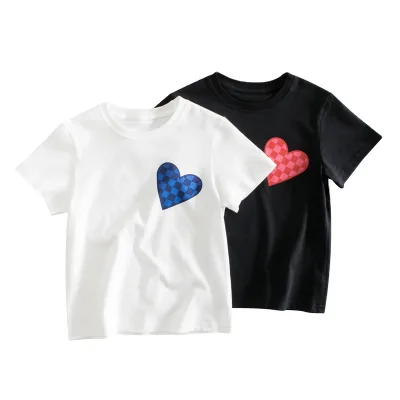
Heart Pattern Unisex Baby Boy Summer Printed T Shirt Round Neck 100 Cotton Kid T Shirts
$2.7695 - $3.0763
MOQ: 2 pieces
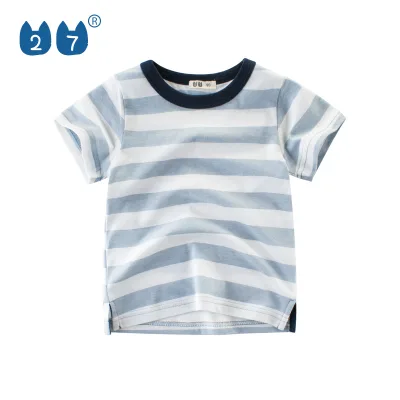
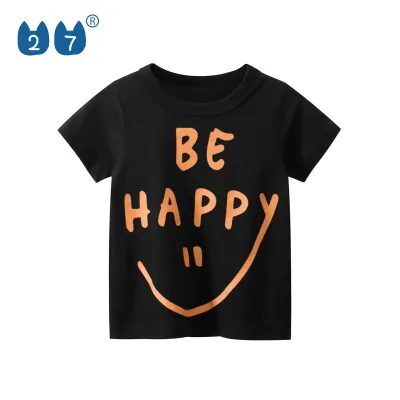
New Design O-Neck Letter Printing Black Soft Child Summer Young Baby Girls T Shirt
$1.5494 - $1.756
MOQ: 5 pieces
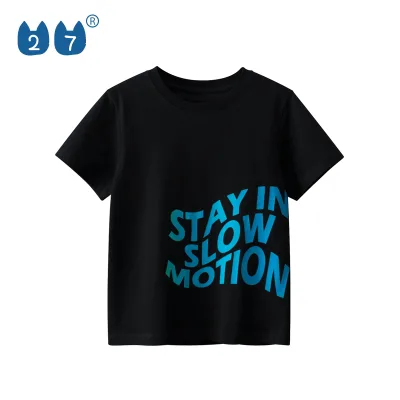
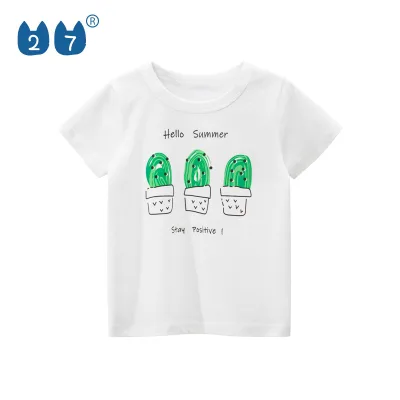
Fashion Summer Breathable Comfortable Design Cactus Printing Cotton Baby Girl T Shirt
$1.5659 - $1.7739
MOQ: 5 pieces

WEIFANG YIPPEE TEXTILE TECHNOLOGY CO., LTD.
- Trading Company
- China Shandong
- Lead time0 days
- Avg. response≤ 17h
Main productsMuslin Swaddle Blanket, Sweatpants, T-Shirt, Hoodies, Sweatshirt, Shorts, Spunlace Non Woven Fabric, Pajamas, Towels, Blanket

Shanghai Easun Group Imp & Exp Co., Ltd.
- Verified by BV
- Trading Company
- China Shanghai
- Lead time15 days
- Avg. response≤ 21h
Main productsHoodies, Pajamas, T-Shirt, Bath Robe, Sleepwear, Polo Shirts, Safety Shoes
Main marketsAfrica

Shijiazhuang Cool Apparel Co., Ltd.
- Verified by BV
- Combined
- China Hebei
- Lead time23 days
- Avg. response≤ 7h
Main productsBaby Cloth, Baby Romper, Baby Bib, Baby Onesie, Baby Pajamas, T-Shirts, Polo Shirts, Pajamas, Baby Sleeping Bag, Baby Hats
Main marketsSouth America,Africa,Southeast Asia/ Mideast,East Asia(Japan/ South Korea),Domestic,Europe,Australia,North America

Huzhou Truly Clothing Co., Ltd.
- Verified by SGS
- Combined
- China Zhejiang
- Lead time15 days
- Avg. response≤ 3h
Main productsKids Clothes, Boys Clothes, Kids Down Jackets, Kids Jackets, Kids T-Shirts, Kids Sweatshirts, Kids Pants, Kids Shorts, Kids Tracksuits, Kids Outdoor Clothing
Main marketsDomestic

Children's Round Neck T-Shirt for Kids' T-Shirt with Cute and Fashion Design
$3.13 - $3.92
MOQ: 200 piece

Children's Round Neck Long Sleeve T-Shirt for Kids Wear with Color Blocking
$3.65 - $4.80
MOQ: 200 piece

- Verified by TUVRHEINLAND
- Combined
- China Shanghai
- Lead time15 days
- Avg. response≤ 3h
Main productsInfant Clothes, Baby Clothes, Kids Wear, Underwear, Sock, Pajama, Night Dress, Sleep Bag, Yoga Clothes, Nursing Tee
Main marketsEurope,Australia,North America

Bamboo Round Neck Toddler T Shirt Custom Eco-Friendly Kids T-Shirt with Pocket
$3.99 - $5.20
MOQ: 100 Pieces

Custom Logo Short Sleeve Children's Clothes Bamboo Kid's T-Shirt Round Neck Toddler T- Shirt
$3.99 - $5.20
MOQ: 100 Pieces

Soft Breathable Bamboo Children T-Shirt Round Neck Kids T-Shirt for Summer
$3.99 - $5.20
MOQ: 100 Pieces


Summer Toddler 95% Bamboo O Neck Bamboo Loose Fit Short-Sleeved Kid's T-Shirts
$3.99 - $4.39
MOQ: 50 Pieces

Number One Industrial Co., Ltd.
- Manufacturer, Trading Company
- Lead time旺季: "1 - 1000":31,"> 1000":"To be negotiated", 淡季: "1 - 1000":31,"> 1000":"To be negotiated"
- Avg. response≤ 6h
Main productsT-shirt & Polo Shirt, Fitness & Yoga Wear, Gym clothes , Swimwear, Hoodies
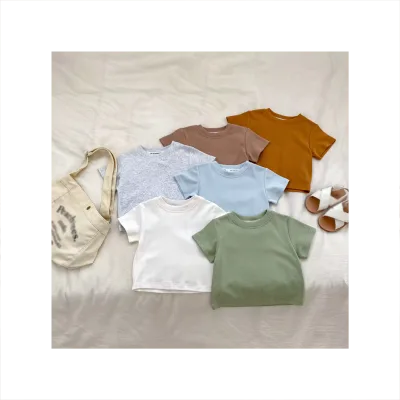
2025 Summer Baby Thin T-shirt Baby New Short Sleeve Casual Round Neck Blank t Shirt for Babies
$2.80 - $4.75
MOQ: 20 pieces
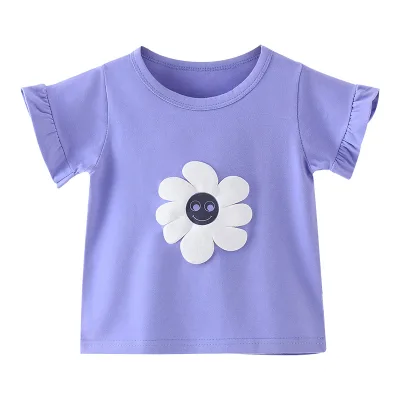
Girls Cotton Short Sleeve T-shirt Baby Summer Pleated Cuff 3D Flowers T-shirt for Kids Girls
$1.63 - $2.76
MOQ: 5 pieces
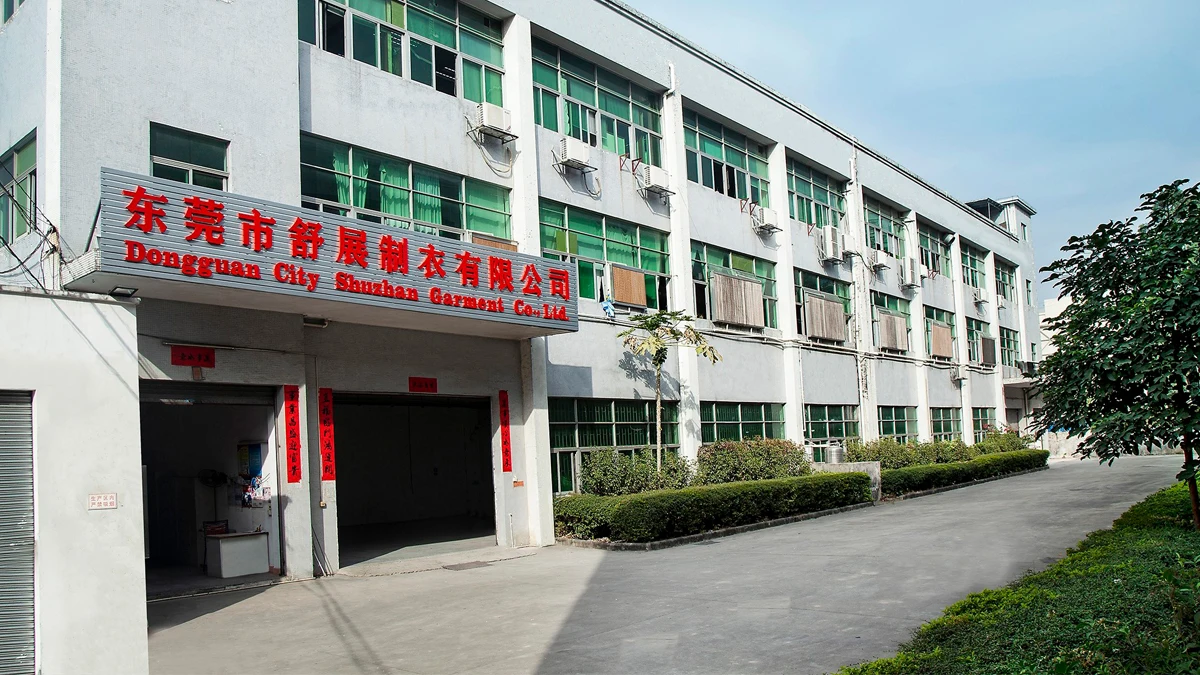
Dongguan Shuzhan Garments Co., Ltd.
- Manufacturer, Trading Company
- Guangdong, China
- Lead time30 days
- Avg. response≤ 1h
Main productsBaby Rompers,Baby Jumpsuit,Baby T-shirt,Baby Pants,Baby Clothes Set
Main marketsSouth America(50.00%), Southeast Asia(40.00%), North America(5.00%), Western Europe(3.00%), Africa(2.00%)
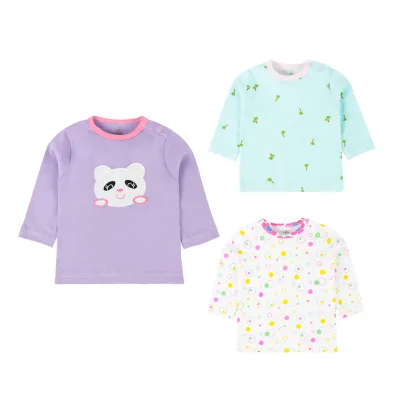
$0.8922 - $1.006
MOQ: 6 pieces
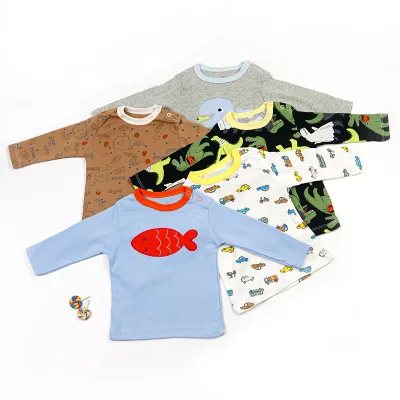
Long Sleeve Printed Embroidery Kids Clothing Ribbed Cotton Newborn Baby T-shirt for Baby Unisex
$0.9266 - $1.0704
MOQ: 12 pieces
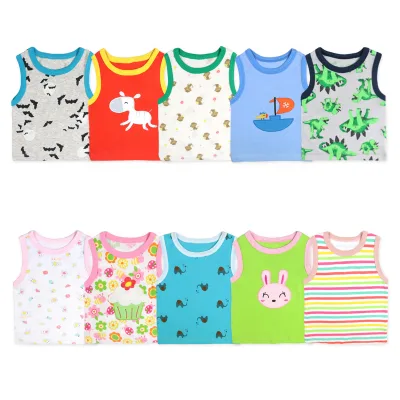
Wholesale Baby Clothes Cartoon Printed Cotton Baby Sleeveless T-Shirt Unisex
$0.8024 - $0.8952
MOQ: 12 pieces
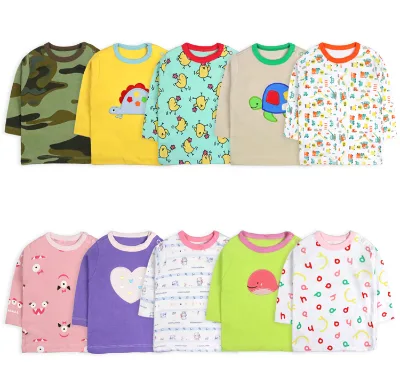
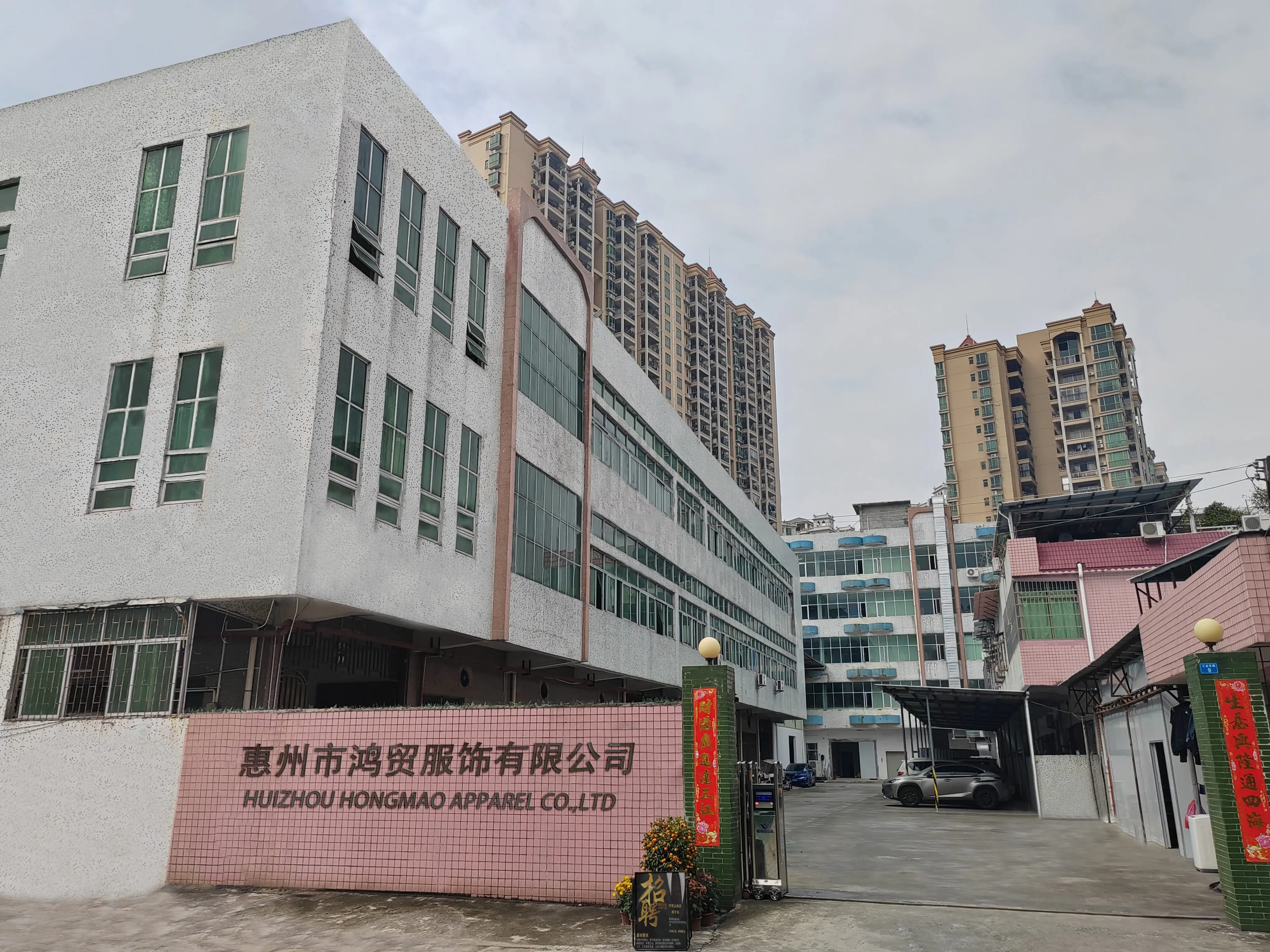
Huizhou Hongmao Apparel Co., Ltd.
- Manufacturer, Trading Company
- Guangdong, China
- Lead time30 days
- Avg. response≤ 9h
Main productsbaby Clothing,kids Clothing,Toddler Clothing,kids dresses,Children's pajamas
Main marketsNorth America(27.00%), Oceania(20.00%), Eastern Europe(19.00%), Western Europe(14.00%), Southeast Asia(6.00%), Eastern Asia(4.00%), South America(4.00%), Southern Europe(2.00%), Domestic Market(1.00%), South Asia(1.00%), Mid East(1.00%), Northern Europe(1.00%)
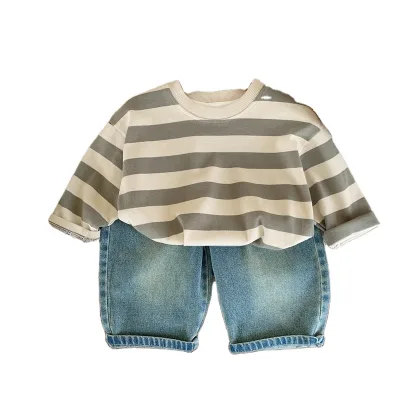
$4.9326 - $7.0898
MOQ: 50 pieces
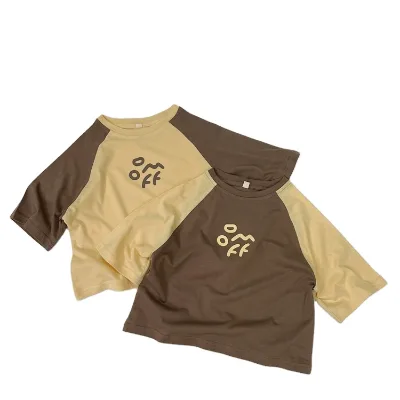
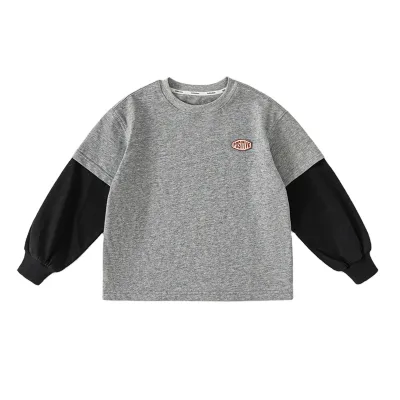
$8.9835 - $11.5643
MOQ: 50 pieces
Taian Lianchuang Textile Co., Ltd.
- Manufacturer, Trading Company
- Lead time旺季: "1 - 800":32,"> 800":"To be negotiated", 淡季: "1 - 800":32,"> 800":"To be negotiated"
- Avg. response≤ 3h
Main productsAdult Clothing, Baby Clothing
Yiwu Kaiya E-Commerce Co., Ltd.
- Verified by TüVRheinland
- Manufacturer, Trading Company
- Lead time15 days
- Avg. response≤ 2h
Main productsGirls Clothing Sets, Boys Clothing Sets, Baby Rompers, Girls T-Shirts& Polo Shirts, Family Matching Outfits
Main marketsNorth America(80%), Oceania(20%)
Yiwu Haohao Garments Co., Ltd.
- Verified by SGS Group
- Manufacturer, Trading Company
- Lead time10 days
- Avg. response≤ 2h
Main productsBaby Romper , Girl Clothing Set, Boy Clothing Set, Baby Sweater, Boy Sport Set
Main marketsOceania(58%), North America(42%)
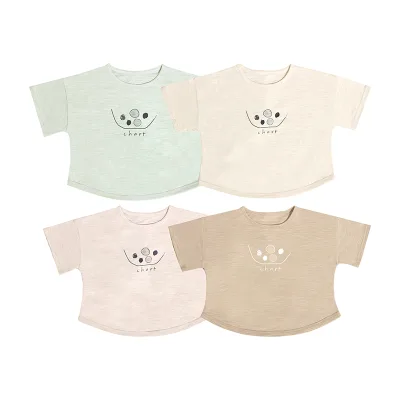
$4.0973 - $5.1242
MOQ: 10 pieces

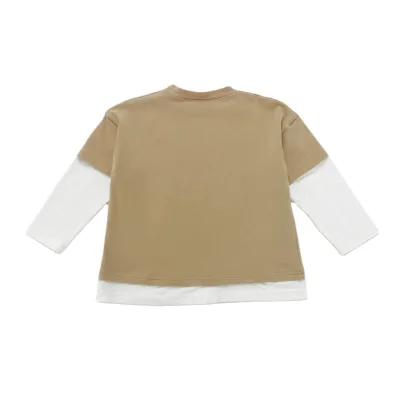
Shanghai Jingzhi Apparel Co., Ltd.
- Verified by Intertek
- Manufacturer, Trading Company
- Lead time35 days
- Avg. response≤ 5h
Main productsKid Clothes
Main marketsMid East(20%), Africa(15%), North America(10%)
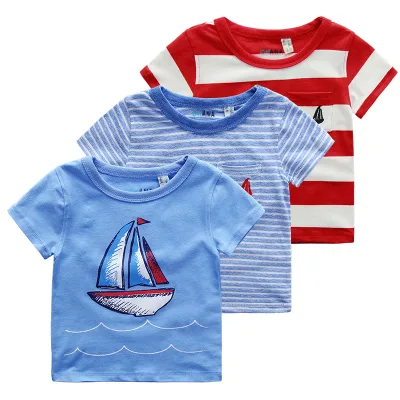
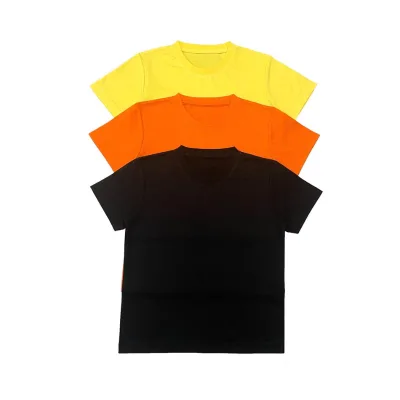
Wholesale 9-12months Breathable O-neck Cotton Polyester Jersey Summer Short Sleeve Baby Boy T-shirt
$1.0284 - $1.4401
MOQ: 1 pieces
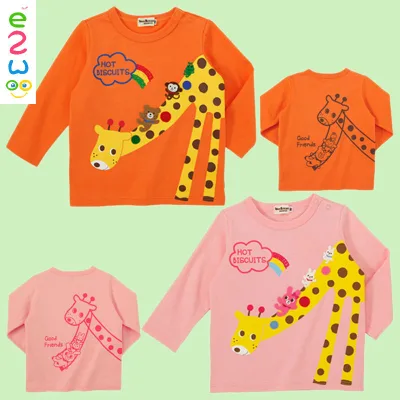
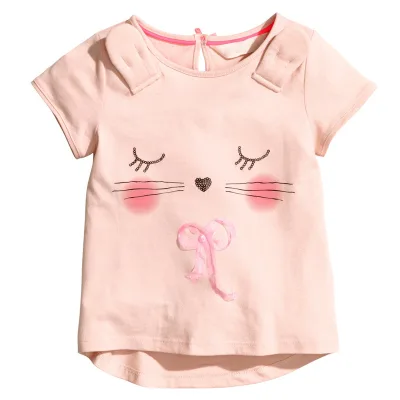
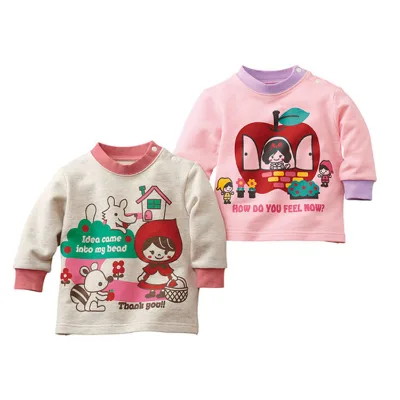
Baby Custom Printing Long Sleeve T Shirt From China Clothing Manufacturer
$3.0853 - $7.1976
MOQ: 200 Minimum
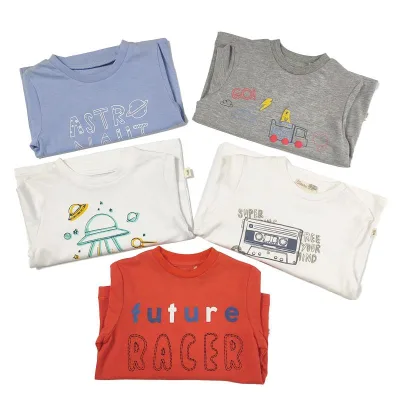
Anti-shrink Soft Casual Polyester/cotton Infant Unisex Long Sleeve Autumn Tops Baby T-shirts
$2.0569 - $2.8174
MOQ: 2 pieces

Ningbo V.k. Industry And Trading Co., Ltd.
- Verified by SGS
- Combined
- China Zhejiang
- Lead time60 days
- Avg. response≤ 4h
Main productsFlannel Fleece Blanket, Sherpa Throw Blanket, Dog Waterproof Blanket, Fleece Bathrobe, PVC Leather, TV Blanket, Down Coat, PV Fleece Blanket, Bazin Riche, Ice Bath Tub
Main marketsSouth America,Africa,Southeast Asia/ Mideast,East Asia(Japan/ South Korea),Domestic,Europe,Australia,North America
Hubei Yutong Garment Co., Ltd.
- Trading Company
- Hubei, China
- Lead time0 days
- Avg. response≤ 5h
Main productsBaby Romper, Baby Clothing Set, Baby Sleeping Bag, Baby Bodysuit, T-shirt
Main marketsNorth America(80.00%), Western Europe(10.00%), Mid East(10.00%)
- Verified by Intertek
- Manufacturer, Trading Company
- Lead time20 days
- Avg. response≤ 3h
Main productsKids Clothing, Kids Clothes, Baby Clothes, Baby Clothing, Pajamas
Main marketsNorth America(60%), Western Europe(35%), Oceania(5%)
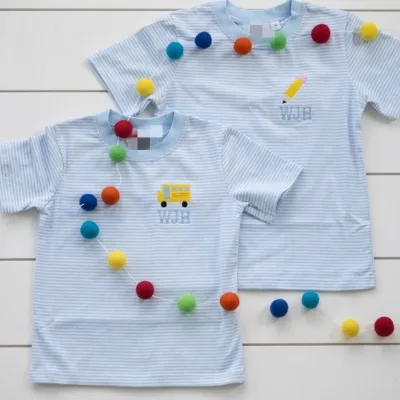
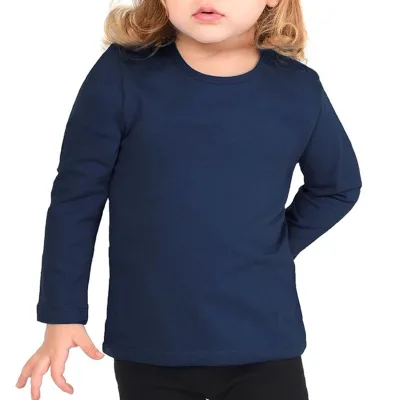
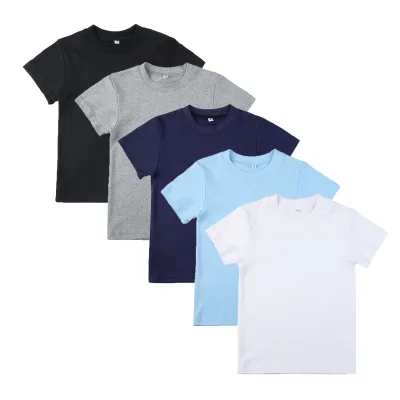
Summer Embroidery High Quality Cotton t Shirt Custom Screen Print T-shirt Kids Baby Boys T-shirts
$2.6766 - $3.8458
MOQ: 40 Minimum
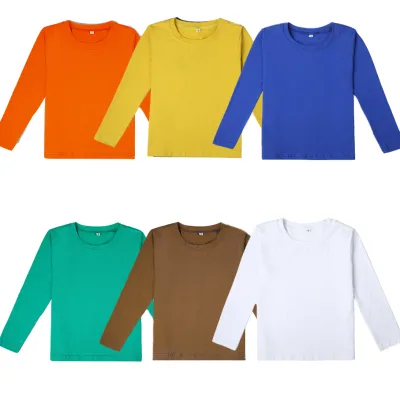
Yiwu Qingxin Children's Fun Clothing Co., Ltd.
- Verified by TüVRheinland
- Manufacturer, Trading Company
- Lead time0 days
- Avg. response≤ 4h
Main productsKids Cothing, Kids Hat
Main marketsNorth America(60%), South America(20%), Oceania(10%)
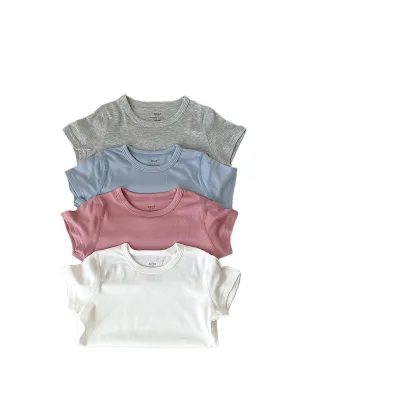
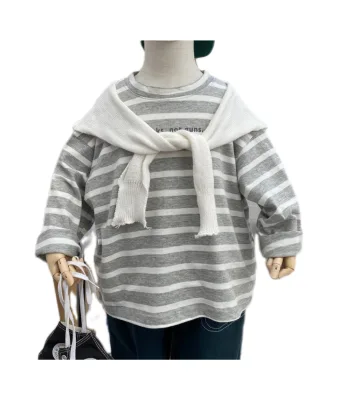
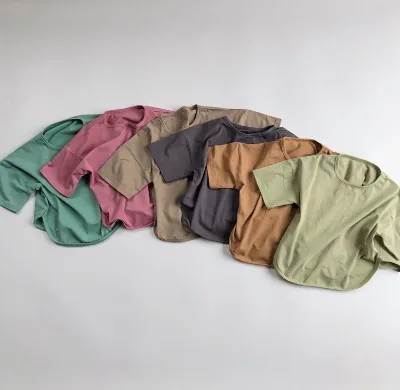
$4.0748 - $4.8907
MOQ: 1 pieces

- Verified by CTI
- Trading Company
- China Anhui
- Lead time23 days
- Avg. response≤ 1h
Main productsFurniture, Home Furniture
Main marketsSoutheast Asia/ Mideast


New Fashion Spring Autumn Baby Children Tops Long Sleeve Cotton Print Casual Boys T-Shirts
$1.00 - $6.00
MOQ: 200 Pieces


Chengdu Xianfu E-Commerce Co., Ltd.
- Trading Company
- Sichuan Province, China
- Lead time30 days
- Avg. response≤ 1h
Main productsjeans,children's clothing,Pet Products,leisure wear,Home Textile
Main marketsNorth America(60.00%), Western Europe(20.00%), Southeast Asia(20.00%)

Guangzhou Yinimei Trading Firm
- Trading Company
- China Guangdong
- Lead time30 days
- Avg. response≤ 2h
Main productsApparel & Accessories, Men's Wear, Children's Clothing, Ladies' Clothing, Shoes, Children's Toys, "Bag", Hair
Main marketsSouth America,Eastern Europe,Mid East,North America,Southeast Asia,Eastern Asia,Oceania,Western Europe,Africa
Shenzhen Huiboxin Electronics Co., Ltd.
- Verified by Intertek
- Trading Company
- Lead time7 days
- Avg. response≤ 4h
Main productsBag and Luggage, Toy, Stationary, Silicone Mould, Water Bottle
Main marketsNorth America(15%), Southeast Asia(15%), South America(12%)
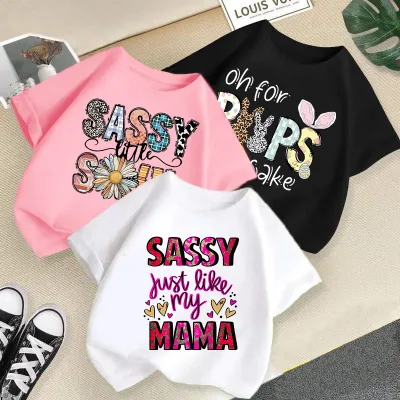
$2.30 - $2.60
MOQ: 10 pieces
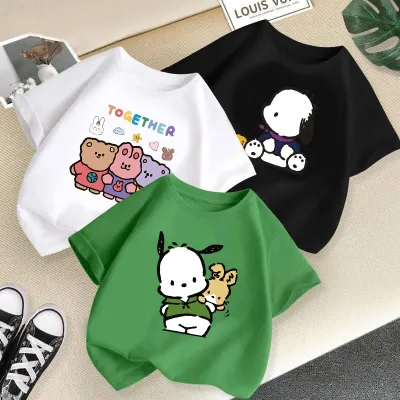
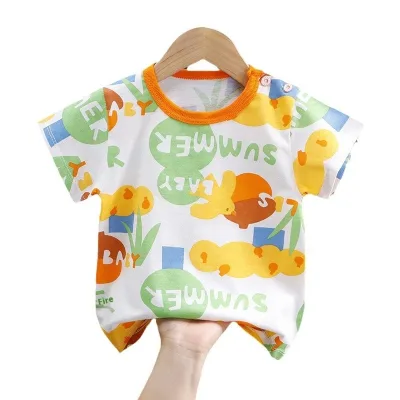

Shanghai Hexuan Baby Products Co., Ltd.
- Verified by SGS
- Trading Company
- China Shanghai
- Lead time15 days
- Avg. response≤ 6h
Main productsBaby Wear Baby Cloth Diaper Bibs Baby Rompers
Main marketsSouth America,Africa,Southeast Asia/ Mideast,East Asia(Japan/ South Korea),Europe,Australia,North America
JINZHAI COUNTY BLOSSOM IMPORT&EXPORT TRADING CO.,LTD
- Trading Company
- Zhejiang Province, China
- Lead time7 days
- Avg. response≤ 3h
Main productsBaby Clothes,Leotards,Headbands,Rompers,leggings
Main marketsDomestic Market(10.00%), Central America(10.00%), Western Europe(10.00%), Eastern Asia(10.00%), Mid East(10.00%), Africa(10.00%), Southeast Asia(10.00%), Eastern Europe(10.00%), South America(10.00%), North America(10.00%)
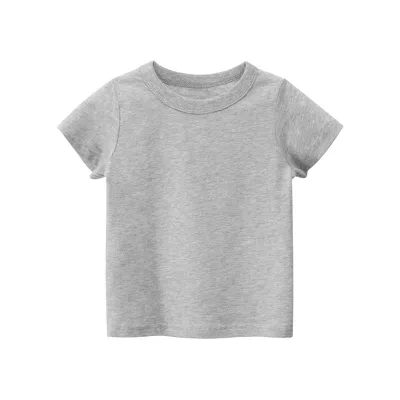
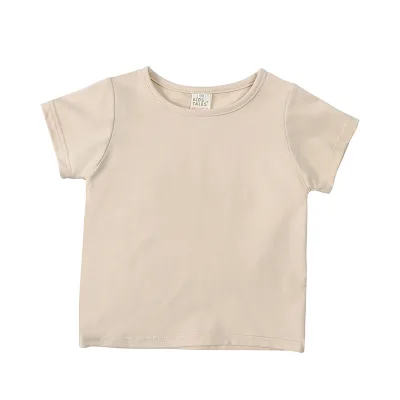
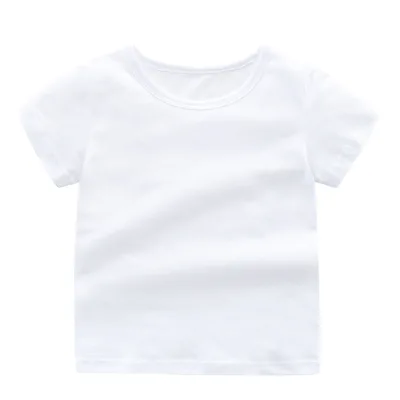
Summer Infant Toddler Boys Girls Short Sleeve Crew Neck T Shirts Blank Baby Tee Cotton T Shirt
$1.99 - $2.30
MOQ: 5 pieces
Foshan Nanadi Apparel Co., Ltd.
- Verified by SGS Group
- Manufacturer, Trading Company
- Lead time30 days
- Avg. response≤ 2h
Main productsDress, Tops, Pants, Knit sweater, Blanket
Main marketsNorth America(75%), Oceania(25%)

Guangzhou Zengcheng Yi lai Shun Garment Trading Co., Ltd
- Trading Company
- China Guangdong
- Lead time15 days
- Avg. response≤ 3h
Main productsClothing, Women Dress, Fashion Dress, T-Shirt, Fashion Clothes
Main marketsSouth America,Eastern Europe,Mid East,North America,Southeast Asia,Eastern Asia,Oceania,Western Europe,Africa

Guangzhou Baosui Garment Co., Ltd
- Verified by SGS
- Manufacturer/Factory
- China Guangdong
- Lead time23 days
- Avg. response≤ 6h
Main productsUniforms, Security Uniforms, School Uniforms, Hospital Uniforms, Jackets, Hoodies, Shirts and Polo
Main marketsSouth America,Eastern Europe,Mid East,North America,Southeast Asia,Eastern Asia,Oceania,Western Europe,Africa








Comprehensive Sourcing Guide
Printed Round Neck Baby T-Shirt Supplier Concentration and Factory Types
The current supplier landscape for printed round neck baby t-shirts reveals a diverse mix of manufacturing capabilities concentrated in specific Chinese provinces. Data indicates that suppliers are located in Guangdong and Fujian, with some product origins noted in Nanchang, Jiangxi Province. This geographic distribution suggests that buyers can access a wide range of production hubs, each potentially offering different logistical advantages. Guangdong is often associated with established textile clusters, while Fujian has a strong reputation for sportswear and casual wear manufacturing. Understanding these regional concentrations helps buyers narrow their search to areas with relevant supply chain infrastructure. The presence of suppliers in these locations implies that logistics networks are likely mature, facilitating faster shipping times for international orders. Buyers should consider how the supplier's location impacts their overall landed cost, including freight and insurance. Proximity to ports in these provinces can significantly reduce transit times, which is crucial for maintaining inventory levels. Additionally, regional specialization may influence the quality of raw materials available, such as cotton sourcing. By focusing on suppliers in these verified locations, buyers can leverage existing industrial ecosystems. This approach reduces the risk of dealing with unverified entities that may lack the necessary infrastructure. It also allows for more accurate estimation of lead times based on regional production norms. The concentration of factories in these areas means that competition is likely high, which can drive down prices and improve service levels. Buyers should verify the specific factory location within these provinces to ensure it aligns with their logistical preferences. This verification step is critical for ensuring that the supplier can meet delivery deadlines. Furthermore, regional clusters often have specialized sub-suppliers for printing and embroidery, which can enhance the quality of custom designs. Understanding these dynamics allows buyers to make informed decisions about where to source their products. It also helps in building relationships with suppliers who are deeply integrated into the local textile industry. This integration can lead to better communication and more reliable production schedules. Ultimately, leveraging these geographic insights can streamline the sourcing process and reduce operational risks.
The types of companies supplying printed round neck baby t-shirts vary significantly in their operational models. The results show a mix of Trading Companies, Manufacturer/Factories, and Group Corporations. This diversity offers buyers flexibility in choosing partners based on their specific needs. Trading companies often provide a broader range of products and may offer more flexible minimum order quantities. They act as intermediaries, consolidating products from multiple factories to meet diverse buyer requirements. On the other hand, manufacturer/factories offer direct access to production lines, which can result in better price control and quality assurance. Group corporations may have extensive resources and established brand portfolios, offering stability and scalability. Understanding these company types helps buyers align their sourcing strategy with their business goals. For instance, a buyer looking for high-volume, consistent quality might prefer a manufacturer. In contrast, a buyer seeking a wide variety of designs might benefit from a trading company. The presence of OEM and ODM capabilities across these company types indicates that customization is widely available. Buyers can choose partners based on their need for original design manufacturing or original equipment manufacturing. This flexibility allows for tailored solutions that fit specific market demands. It is important to verify the actual manufacturing capacity of trading companies to ensure they can meet quality standards. Similarly, buyers should assess the financial stability of group corporations to ensure long-term reliability. The mix of company types also suggests a competitive market, which can benefit buyers through better service and innovation. By understanding these distinctions, buyers can make more strategic decisions about their supply chain partners. This knowledge helps in building a resilient and efficient sourcing network. It also allows for better negotiation based on the supplier's operational model. Ultimately, choosing the right company type is crucial for achieving sourcing objectives.
How to Verify Printed Round Neck Baby T-Shirt Suppliers
Verifying suppliers requires a careful examination of their certifications and verification badges to ensure credibility. The data shows that some suppliers hold ISO 9001 certification, which indicates a commitment to quality management systems. Others have BSCI and ISO 9000 certifications, suggesting adherence to social compliance and quality standards. For baby clothing, certifications like CPSIA and CPC are critical, as they relate to product safety for children. These certifications ensure that the materials and manufacturing processes meet strict safety regulations. Buyers should prioritize suppliers who display these specific certifications, as they reduce the risk of non-compliance. Additionally, verification badges from reputable third-party inspection companies like TÜV Rheinland and SGS Group add another layer of trust. These badges indicate that the supplier has undergone independent audits and meets certain operational standards. Buyers should look for these badges on supplier profiles to confirm their legitimacy. It is also important to verify the validity of these certifications by checking with the issuing bodies. This step ensures that the certifications are current and not expired. Furthermore, buyers should inquire about the scope of these certifications to ensure they cover the specific products being sourced. For example, a quality management certification should cover the production of baby t-shirts. This verification process helps in building a reliable supplier base. It also protects buyers from potential legal and reputational risks associated with non-compliant products. By focusing on certified and verified suppliers, buyers can enhance their supply chain integrity. This diligence is particularly important in the baby clothing sector, where safety is paramount. It also demonstrates a commitment to ethical sourcing practices. Ultimately, thorough verification is a key step in mitigating sourcing risks.
Beyond certifications, buyers should assess the supplier's response time and production capacity to gauge reliability. The results indicate varying response times, with some suppliers responding within 24.54 hours and others within 17.97 hours. Faster response times often indicate a more responsive and attentive customer service team. Buyers should prioritize suppliers with quick response times, as this can facilitate smoother communication and problem-solving. Additionally, the lead time is a critical factor, with some suppliers offering 23 days and others 60 days. Shorter lead times can be advantageous for buyers who need to replenish inventory quickly. However, buyers should also consider the supplier's capacity to handle large orders without compromising quality. The data shows that suppliers offer OEM and ODM services, indicating flexibility in production. Buyers should verify the supplier's ability to handle their specific order volume. This can be done by requesting references or case studies from previous clients. Furthermore, buyers should check the supplier's main products to ensure they specialize in baby clothing. A supplier with a focus on children's wear is likely to have more expertise in this niche. This specialization can lead to better product quality and design options. Buyers should also inquire about the supplier's quality control processes. This includes information on material testing and production inspections. By assessing these operational metrics, buyers can make more informed decisions. This approach helps in building a partnership based on trust and reliability. It also ensures that the supplier can meet the buyer's business requirements. Ultimately, a comprehensive verification process is essential for successful sourcing.
What to Compare Across Printed Round Neck Baby T-Shirt Suppliers
When comparing suppliers, buyers should focus on key dimensions such as price, minimum order quantity, and customization options. The price range for printed round neck baby t-shirts varies, with some products priced between $2.00 and $3.00, while others range from $3.20 to $4.20. These price differences may reflect variations in material quality, design complexity, or production volume. Buyers should evaluate the price in the context of their budget and quality expectations. Additionally, the minimum order quantity (MOQ) is a significant factor, with some suppliers requiring 500 pieces and others 1000 pieces. Lower MOQs can be beneficial for buyers who want to test the market or have limited storage space. Buyers should compare MOQs to find suppliers that align with their order volume capabilities. Customization is another critical aspect, as many suppliers offer available customization options. Buyers should assess the extent of customization, including logo printing, color choices, and fabric types. The data shows that materials like cotton and 100% cotton are common, with features like breathability and moisture absorption. Buyers should compare these product attributes to ensure they meet their target market's needs. Furthermore, buyers should look at the supplier's main products to see if they offer a diverse range of styles. A supplier with a wide product range can provide more options for buyers. This diversity can help in creating a comprehensive product line. By comparing these dimensions, buyers can identify the best value proposition. This approach helps in optimizing costs and ensuring product quality. It also allows for better alignment with business goals. Ultimately, a thorough comparison leads to more strategic sourcing decisions.
In addition to price and MOQ, buyers should compare the supplier's response speed and lead times. The response time data shows variations, with some suppliers responding in under 18 hours and others in over 24 hours. Faster response times can indicate a more efficient communication process, which is crucial for resolving issues quickly. Buyers should prioritize suppliers with quick response times to ensure smooth collaboration. Lead times also vary, with some suppliers offering 23 days and others 60 days. Shorter lead times can be advantageous for buyers who need to respond quickly to market trends. However, buyers should also consider the reliability of the lead time. A supplier with a consistent track record of meeting deadlines is preferable. Buyers should also compare the supplier's capacity for OEM and ODM services. The data shows that many suppliers offer these services, indicating flexibility in production. Buyers should assess the supplier's ability to handle their specific customization needs. This includes evaluating their design capabilities and production flexibility. Furthermore, buyers should look at the supplier's packaging options. The data shows that polybag and carton packaging are common. Buyers should ensure that the packaging meets their branding and logistical requirements. By comparing these operational metrics, buyers can select suppliers that offer the best overall value. This approach helps in building a resilient supply chain. It also ensures that the supplier can meet the buyer's operational needs. Ultimately, a detailed comparison leads to more successful partnerships.
Common Printed Round Neck Baby T-Shirt Sourcing Risks
One of the primary risks in sourcing printed round neck baby t-shirts is the potential for quality inconsistencies. Buyers must be vigilant about material quality, as the data shows variations in fabric types, including cotton and 100% cotton. Inconsistent material quality can lead to issues like shrinkage, fading, or discomfort for the baby. Buyers should request samples to verify the quality of the fabric before placing large orders. Additionally, the printing quality is a critical concern, as poor printing can result in peeling or cracking designs. Buyers should inspect the printing technique and durability of the designs. The data shows that printed and embroidered designs are common, but buyers should ensure that the printing method is suitable for the fabric. Furthermore, buyers should be aware of the risk of non-compliance with safety standards. Baby clothing is subject to strict regulations, and non-compliant products can lead to legal issues and recalls. Buyers should verify that the supplier has the necessary certifications, such as CPSIA and CPC. This verification is crucial to ensure that the products are safe for children. Buyers should also inquire about the supplier's quality control processes. This includes information on material testing and production inspections. By addressing these quality risks, buyers can protect their brand reputation. It also ensures that the products meet customer expectations. Ultimately, proactive quality management is essential for success.
Another significant risk is the potential for supply chain disruptions. The data shows varying lead times, with some suppliers offering 23 days and others 60 days. Longer lead times can increase the risk of delays, especially if there are unforeseen issues in production. Buyers should assess the supplier's reliability in meeting lead times. This can be done by checking their track record and customer reviews. Additionally, buyers should consider the risk of capacity constraints
FAQs
What is the price range for printed round neck baby t-shirts?
Prices typically range from $1.87 to $4.20 per unit depending on material and customization. Basic cotton options start near $1.87, while premium organic or complex printed designs may reach $4.20. Buyers should verify exact costs based on order volume and specific fabric requirements.
What is the minimum order quantity for these t-shirts?
Minimum order quantities generally start at 500 pieces for standard promotional items. Some specialized baby clothing suppliers require a higher minimum of 1000 pieces. Buyers must confirm the specific MOQ with the supplier before placing an order to ensure it meets their inventory needs.
How long does production take for custom orders?
Lead times vary significantly, ranging from 23 days to 60 days. Faster production is often available for simpler designs or in-stock items. Complex customizations or larger orders may require up to 60 days. Buyers should confirm the exact timeline with the supplier based on their specific design.
Are these t-shirts made from cotton material?
Yes, most printed round neck baby t-shirts are made from 100% cotton or combed cotton. This material ensures breathability and softness, which is ideal for infant skin. Some suppliers also offer organic cotton options. Buyers should verify the specific material composition and weight with the supplier.
What certifications do these suppliers hold?
Suppliers often hold ISO 9001, BSCI, and SGS certifications. For baby clothing, CPSIA and CPC certifications are also common to ensure safety standards. These certifications verify quality management and product safety. Buyers should request valid certificates to ensure compliance with international safety regulations for children's apparel.
Where are these suppliers located?
Suppliers are primarily located in China, specifically in Guangdong and Fujian provinces. These regions are known for their strong apparel manufacturing capabilities. Buyers can expect efficient logistics and a wide variety of suppliers. Location impacts shipping costs and lead times, so buyers should consider this when selecting a supplier.