Pull Up Assisted Resistance Bands Suppliers and Manufacturers
Source Pull Up Assisted Resistance Bands from 31 verified suppliers in China. Compare response times, lead times, MOQs, and certifications like ISO9001. Filter by location and price to find the right partner; review the available evidence before requesting comparable quotations from suitable candidates.
Suppliers List
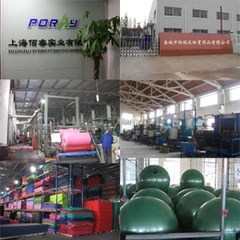
Shanghai Eversuccess Industries Co., Ltd.
- Manufacturer, Trading Company
- Shanghai, China
- Lead time25 days
- Avg. response≤ 18h
Main productsYoga Mats, Yoga Towels, Yoga Blocks, Yoga Balls, Fitness Product
Main marketsNorth America(73.0%), Western Europe(18.0%), South America(3.0%), Oceania(2.0%), Eastern Asia(1.0%), Northern Europe(1.0%), Eastern Europe(1.0%), Southeast Asia(1.0%)

Yangjiang New Sports Technology Products Co., Ltd.
- Verified by SGS
- Combined
- China Guangdong
- Lead time30 days
- Avg. response≤ 7h
Main productsResistance Bands, Resistance Tubes, Pull up Bands, Loop Bands, Yoga Bands, One Runner Trainer, High Jump Trainer, Bungee Cord, Expandable Garden Hose, Yoga Mat
Main marketsSouth America,Southeast Asia/ Mideast,Domestic,Europe,Australia,North America

HEFEI MERRYBODY SPORTS CO., LTD.
- Verified by TUVRHEINLAND
- Trading Company
- China Anhui
- Lead time30 days
- Avg. response≤ 7h
Main productsDumbbell, Gym Ball, Exercise Mat, Boules Set, Bench, Foam Roller, Barbell, Pilate Ring, Pilate Products
Main marketsSouth America,Southeast Asia/ Mideast,East Asia(Japan/ South Korea),Europe,Australia,North America

Resistance Band Pull up Band Workou Resistance Gym Customized Resistance Bands
$1.85 - $7.25
MOQ: 500 Pieces


Henan Yuenai Trading Co., Ltd.
- Trading Company
- Henan, China
- Lead time5 days
- Avg. response≤ 2h
Main productsMedical consumables,safety butterfly needle,Vacuum blood collection,wheelchair,Medical equipment
Main marketsEastern Asia(30.0%), Southeast Asia(20.0%), Western Europe(20.0%), Africa(20.0%), Mid East(10.0%)

Hangzhou Sprocare Med Medical Supplies Co., Ltd.
- Manufacturer/Factory
- China Zhejiang
- Lead time45 days
- Avg. response≤ 17h
Main productsKinesiology Tape, Jump Rope, Resistance Rubber Bands, Sport Tape, Gymnastic Rings, Weightlifting Belt, Hook Grip Tape, Elastic Wrist Wraps, Cork Yoga Ball, Yoga Mat
Main marketsSouth America,Eastern Europe,Mid East,North America,Southeast Asia,Eastern Asia,Oceania,Western Europe,Africa
FUZHOU SHOO-IN IMP & EXP CO., LTD.
- Verified by SGS
- Trading Company
- China Fujian
- Lead time15 days
- Avg. response≤ 7h
Main productsSports Wear, Promotional Gift, Lanyards, Badges, Caps, Sports Training Products, Sports Balls, Tennis Accessories, Golf Accessories, Pet Products
Main marketsEast Asia(Japan/ South Korea),North America

Resistance Band Pull up Assistance Bands for Powerlifting Heavy Duty Exercise Fitness
$2.20 - $6.20
MOQ: 100 Pieces

Pull up Assist Band Fitness Strength Power Exercise Latex Stretch Resistance Bands
$2.20 - $6.20
MOQ: 100 Pieces


Danyang Huasheng Sporting Goods Co., Ltd
- Verified by SGS
- Trading Company
- China Jiangsu
- Lead time30 days
- Avg. response≤ 20h
Main productsFinger Pullers Loopbands Minibands Resistance Ba, Finger Pullers Loop Bands Minibands Resistance B, Finger Pullers Resistance Bands Minibands Loop B, Resistance Bands Minibands Loopbands Finger Pull, Latex Bands Minibands Resistance Bands Loop Band, Tpebands Loop Bands Minibands Resistance Bands, Minibands Resistance Bands Minibands, Resistance Bands Minibands Loopbands, Latex Clothin Resistance Bands Minibands Loopban
Main marketsDomestic

Resistance Bands Exercise Bands Workout Band Pull up Assistance Band for Body Stretching
$2.20 - $2.50
MOQ: 100 Pieces


Pull up Assistance Bands Heavy Duty Resistance Bands Set for Muscle Training
$2.20 - $2.50
MOQ: 100 Pieces


- Verified by SGS Group
- Trading Company
- Lead time7 days
- Avg. response≤ 2h
Main productsCanvas Bag, Polyester Bag, Non-woven Bags, Drawstring Bag, Backpack
Main marketsNorth America(20%), South America(10%), Eastern Europe(10%)
Nantong Get Power Fitness Equipment Co., Ltd.
- Verified by TüVRheinland
- Trading Company
- Lead time30 days
Main productsDumbbell, Barbell, Weight Plate, Power Rack, Bench
Main marketsNorthern Europe(40%), North America(20%), Southeast Asia(20%)
Hangzhou Gymbo Group Co., Ltd.
- Verified by Intertek
- Trading Company
- Lead time30 days
- Avg. response≤ 5h
Main productsTreadmill, Exercise Bike, Strength Training Machine, Yoga Series, Sports Equipment
Main marketsSouth America(40%), North America(10%), Eastern Europe(10%)

- Verified by BV
- Trading Company
- China Anhui
- Lead time30 days
- Avg. response≤ 10h
Main productsDumbbell, Cast Iron Plate, Chrome Bar, Fitness Equipment, Traing Set
Main marketsSouth America,Africa,Southeast Asia/ Mideast,East Asia(Japan/ South Korea),Europe,Australia,North America


Indoor Fitness Resistance Bands Elastic Sit up Ankle Pull Rope Gym Workout
$0.78 - $0.99
MOQ: 100 Sets


Hunan Zechen Fitness Co., Ltd.
- Verified by BV
- Combined
- China Hunan
- Lead time23 days
- Avg. response≤ 13h
Main productsCrossfit Hand Grips, Wrist Wraps, Weight Lifting Belt, Knee Sleeves, Lifting Straps, Sweatband, Liquid Chalk
Main marketsEurope,Australia,North America

Multiple Colors Latex Pull up Resistance Bands Gym Band Resistance Fitness Bands
$0.77 - $12.05
MOQ: 100 Sets

Fitness Band Resistance Custom Logo Home Gym Equipment Pull up Latex Resistance
$0.77 - $12.05
MOQ: 100 Sets

Jinhua Zhongteng Fitness Co., Ltd
- Verified by TUVRHEINLAND
- Trading Company
- China Zhejiang
- Lead time15 days
- Avg. response≤ 6h
Main productsExercise Bike, Treadmill, Stepper, Sit up Bench, Total Core, Spinning Bike, Magnetic Bike, Spin Bike, Fitness Equipment, Home Use Fitness Machine
Main marketsDomestic

- Verified by SGS
- Trading Company
- China Zhejiang
- Lead time15 days
- Avg. response≤ 23h
Main productsFitness Equipment, Trampoline, Treadmill, Dumbbell, Yoga Mat, Spinning Bike, Jump Rope, Pull up Bar, Gym Rack, Leg Press
Main marketsEurope,Australia

Assistance Pull UPS Fitness Body Stretching Mobility Work Weightlifting Resistance Band
$7.00 - $10.00
MOQ: 100 Pieces

Unisex Physical Conditioning Train Legs Arms Back Shoulders Abdomen Resistance Band
$3.00 - $5.00
MOQ: 200 Pieces

Shanghai Ritmark Sports Co., Ltd.
- Verified by BV
- Trading Company,Manufacturer/Factory
- China Shanghai
- Lead time23 days
- Avg. response≤ 4h
Main productsPVC Boat Fender, Fitness Ball, Fitness Sandbag, Waist Belt, Massage Tools, Acupressure Mat, Buoys, Dock Bumper, Yoga Items, Fitness Products
Main marketsSouth America,Eastern Europe,Mid East,North America,Southeast Asia,Eastern Asia,Oceania,Western Europe,Africa

Shandong Paramount Import & Export Co., Ltd.
- Verified by BV
- Combined
- China Shandong
- Lead time15 days
- Avg. response≤ 5h
Main productsSporting Goods, Weightlifting Gear, Weightlifting Belt, Lifting Straps, Wrist Wraps, Knee Sleeves
Main marketsSouth America,East Asia(Japan/ South Korea),Europe,Australia,North America


Pull up Assist Bands with Adjustable Resistance for Strength Training with Fabric Feet/Knee Rest
$9.50 - $11.00
MOQ: 200 Sets

OEM Factory Custom Logo Heavy Duty Pull up Assist Bands Powerlifting Resistance Bands for Home Gym
$0.58 - $0.64
MOQ: 200 Pieces


Dingzhou Ruichuang Metal Products Co., Ltd.
- Verified by TUVRHEINLAND
- Trading Company
- China Hebei
- Lead time30 days
- Avg. response≤ 1h
Main productsBarbell, Fitness Equipment, Gym Equipment, Dumbbell, Stair Master, Fitness Accessories, Track and Field Equipment, Strength Machine, Fitness Machine, Gym Machine
Main marketsNorth America

Stretching Resistance Band Powerlifting Bands Exercise Pull up Band Fitness Bands for Body
$18.50 - $20.00
MOQ: 50 Sets

Fitness Latex Resistance Bands Power Exercise Stretch Pull up Assisted Band of 6 Set
$24.00 - $25.00
MOQ: 10 Sets

Latex Resistance Exercise Bands Pull up Assist Bands for Fitness Set of 4
$18.50 - $19.00
MOQ: 10 Sets

Shenzhen Villsun Sports Technology Co., Ltd
- Verified by SGS
- Trading Company
- China Guangdong
- Lead time23 days
- Avg. response≤ 2h
Main productsFitness Equipment, Yoga Mats, Resistance Bands, Yoga Ball, Shin Guards, Knee Pads, Elbow Pads, Strength Fitness Equipment, Hand Grip, Yoga Wear
Main marketsSouth America,Southeast Asia/ Mideast,Europe,Australia,North America


Resistance Bands for Working out Strength and Mobility Pull up Assistance Bands Set
$11.58 - $12.75
MOQ: 50 Sets

7 Level Resistance Loop Bands Strength Bands Pull up Assist Bands for Fitness
$19.27 - $23.91
MOQ: 25 Sets

Shijiazhuang Aofeite Imp & Exp Co., Ltd.
- Manufacturer, Trading Company
- Lead time旺季: "1 - 10":7,"> 10":"To be negotiated", 淡季: "1 - 10":7,"> 10":"To be negotiated"
Main productsKnee Brace, Lumbar Support Belt

Nantong Gympro Sports Co., Ltd.
- Verified by CTI
- Trading Company
- China Jiangsu
- Lead time23 days
- Avg. response≤ 3h
Main productsTraining Gear, Free Weight, Fitness Equipment, Yoga&Pilate, Exercise Accessories, Professional Training, Boxing
Main marketsSouth America,Africa,Southeast Asia/ Mideast,East Asia(Japan/ South Korea),Europe,Australia,North America

Fitness Latex Resistance Bands Power Exercise Stretch Pull up Assist Band
$0.49 - $8.33
MOQ: 500 Pieces

Wholesale Resistance Band Pull up Assist Band TPE Rubber Elastic Exercise Band
$0.49 - $8.33
MOQ: 500 Pieces


Ningbo Invo Import and Export Co., Ltd.
- Trading Company
- China Zhejiang
- Lead time23 days
- Avg. response≤ 21h
Main productsBaby Bottle
Main marketsSouth America,Africa,Southeast Asia/ Mideast,East Asia(Japan/ South Korea),Europe,Australia,North America


Export Manufacturer of Home Fitness Stretch Resistance Band Pull up Assist Loops
$1.80 - $3.90
MOQ: 100 Sets

Competitive 5 Pack Exercise Heavy Duty Pull up Resistance Bands China Manufacturer
$13.80 - $18.50
MOQ: 100 Sets


Dual Layer Pull up Assist Bands for Strength Training and Physical Therapy
$13.80 - $18.50
MOQ: 100 Sets


- Verified by TUVRHEINLAND
- Trading Company
- China Anhui
- Lead time30 days
- Avg. response≤ 6h
Main productsDumbbells, Kettlebells, Barbells, Weight Plates, Crossfit Gym, Home Gym, Power Rack, Aerobic Step, Yoga Mat, Foam Roller
Main marketsEurope,Australia,North America

Fitness Resistance Bands Strength Training Power Band Shoulder Pull-up Strap Thick Loop
$0.85 - $4.50
MOQ: 10 Sets

V-Shaped Resistance Handle Triangular Resistance Band for Shoulder and Back Physical Training
$1.90 - $2.80
MOQ: 5 Pieces
- Verified by Intertek
- Trading Company
- Lead time15 days
- Avg. response≤ 3h
Main productsPilates Kit, Silicone Ankle Weight And Silicone Products, Strength Training Products And Accessories, Resistance Band, Yoga Mat
Main marketsNorth America(25%), Domestic Market(20%), Western Europe(16%)
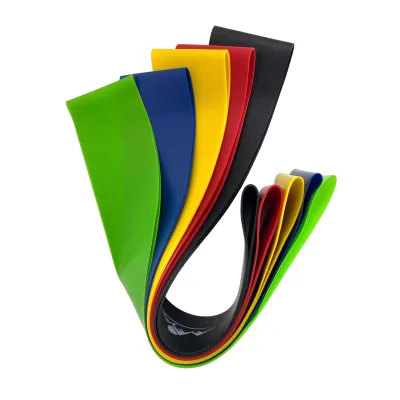
Resistance Bands for Working Out Pull up Assistance Bands Stretch Bands for Physical Therapy
$1.48 - $1.68
MOQ: 1 sets
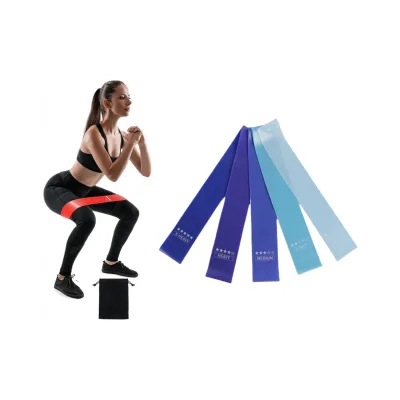
Hot Selling Durable Customized Colorful Latex and Tpe Resistance Pull up Bands
$0.91 - $1.12
MOQ: 1 sets
Shijiazhuang Huizhao Sports Product Co., Ltd.
- Manufacturer, Trading Company
- Hebei, China
- Lead time30 days
- Avg. response≤ 1h
Main productsSports chalk,Gym chalk,Climbing chalk,Weight chalk,Climbing products
Main marketsNorth America(44.0%), Western Europe(22.0%), Northern Europe(9.0%), Southern Europe(8.0%), Eastern Europe(6.0%), South America(5.0%), Africa(2.0%), South Asia(2.0%), Mid East(1.0%), Southeast Asia(1.0%)

Nanjing Allshing Trade Company Limited
- Verified by BV
- Trading Company
- China Jiangsu
- Lead time23 days
- Avg. response≤ 11h
Main productsTraffic Cone, Football Cones, Agility Ladder, Soccer Cone, Agility Hurdle, Agility Training Set, Training Equipment Set, Tactics Board, Scoreboard, Table Tennis Set
Main marketsSouth America,Eastern Europe,Mid East,North America,Southeast Asia,Eastern Asia,Oceania,Western Europe,Africa

Wholesale Resistance Bands, Resistance Levels Pull up Exercise Workout Bands, Exercise Band
$3.28 - $3.92
MOQ: 30 Sets

Wholesale Resistance Bands, Pull up Bands, Exercise Workout Band for Working out
$6.88 - $7.88
MOQ: 30 Sets
Shijiazhuang Aofeite Imp & Exp Co., Ltd.
- Manufacturer, Trading Company
- Lead time旺季: "1 - 500":7,"> 500":"To be negotiated", 淡季: "1 - 500":7,"> 500":"To be negotiated"
Main productsKnee Brace, Lumbar Support Belt
Danyang Zhenxing Latex Products Co., Ltd.
- Verified by SGS Group
- Manufacturer, Trading Company
- Lead time20 days
- Avg. response≤ 10h
Main productsLatex Products (Latex Resistance Bands, Latex Tubes, Latex Bladder, Latex Bulb, Latex Hip Bands, Latex Resistance Tube, Yoga Bands)
Main marketsNorth America(40%), Eastern Asia(10%), Western Europe(10%)
Xiamen Ewonlong Webbing Co., Ltd.
- Verified by SGS
- Combined
- China Fujian
- Lead time15 days
- Avg. response≤ 1h
Main productsWebbing
Main marketsDomestic

- Verified by TUVRHEINLAND
- Trading Company,Manufacturer/Factory
- China Zhejiang
- Lead time23 days
- Avg. response≤ 5h
Main productsTent, Gazebo, Trampoline, Canopy, Camping, Luggage, Yoga Mat, Shade Sails, Climing, Hiking
Main marketsSouth America,Eastern Europe,Mid East,North America,Southeast Asia,Eastern Asia,Oceania,Western Europe
Telamon Sports Goods (Shanghai) Co., Ltd.
- Verified by BV
- Trading Company
- China Shanghai
- Lead time15 days
- Avg. response≤ 9h
Main marketsNorth America
Dongguan Xuli Textile Co., Ltd
- Verified by SGS
- Manufacturer
- China Guangdong
- Lead time15 days
- Avg. response≤ 1h

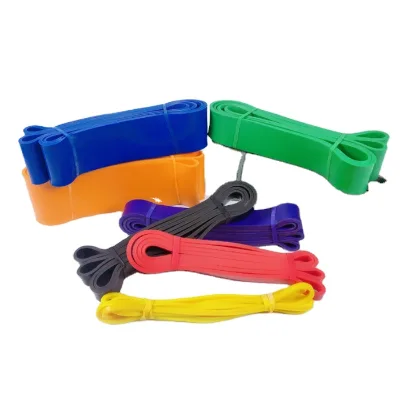
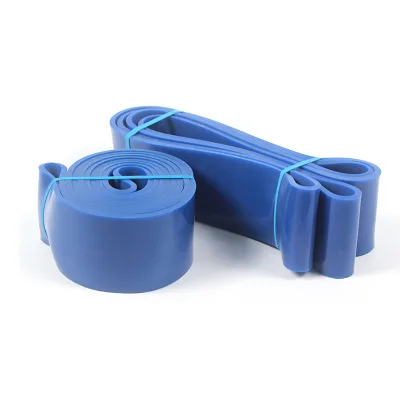
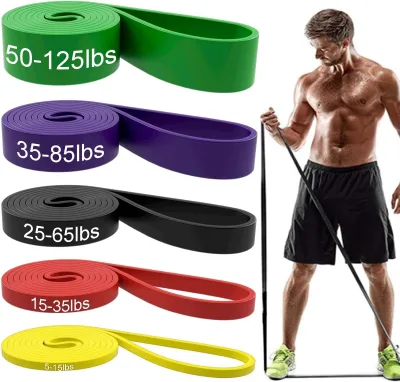
Versatile Fitness Resistance Band for Strength Training and Rehabilitation
$0.10 - $3.80
MOQ: 1000 Meters



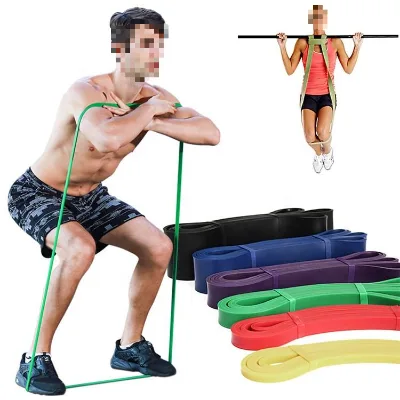


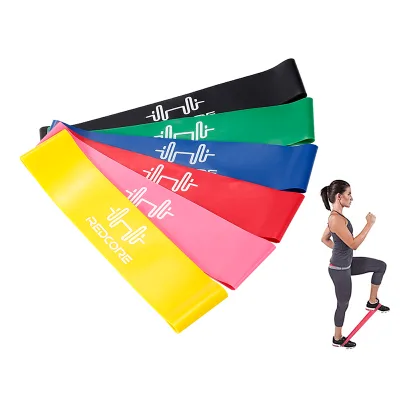
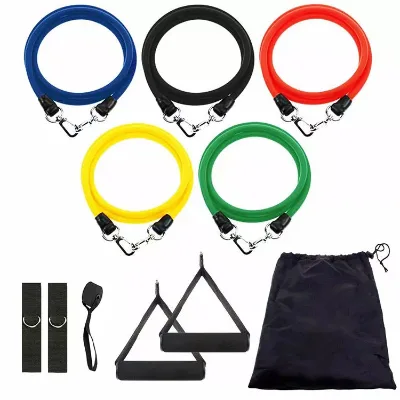
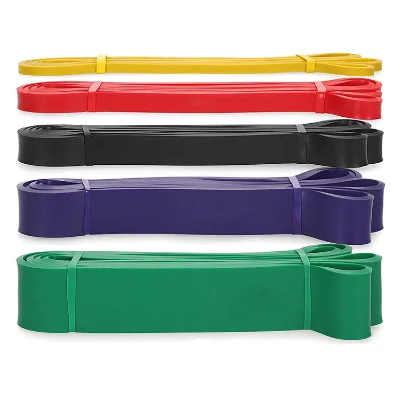
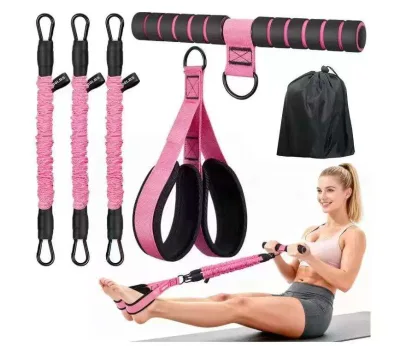
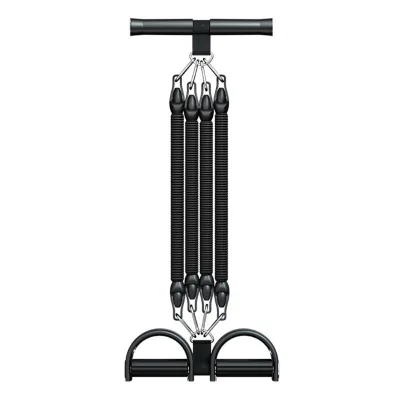
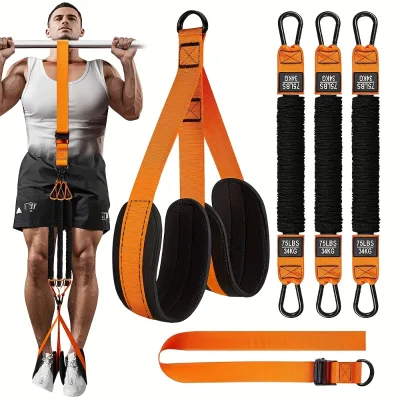


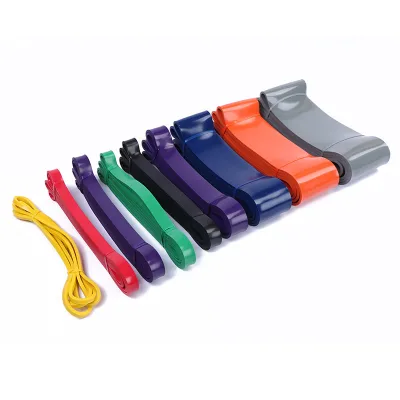
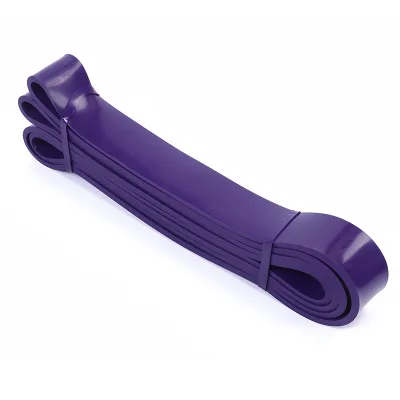
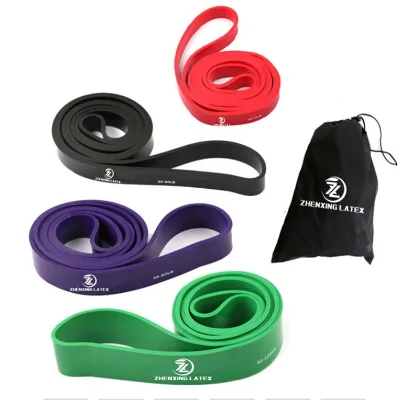
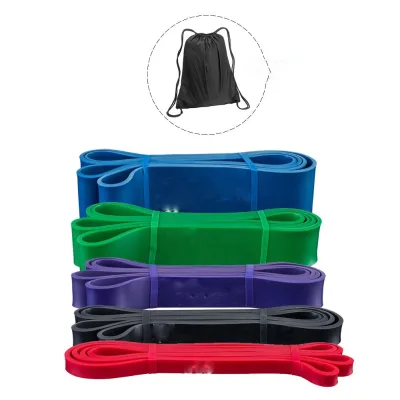


Comprehensive Sourcing Guide
Pull Up Assisted Resistance Bands Supplier Concentration and Factory Types
Current data indicates a concentration of manufacturing activity in Shanghai, China, alongside significant presence in Guangdong and Anhui provinces. Suppliers in these regions list main products that include yoga mats, fitness products, and specifically resistance bands, pull-up bands, and loop bands. The supplier types observed vary between manufacturers and trading companies, with some entities operating as combined entities capable of both production and distribution. This mix suggests that buyers may encounter direct factory sources in Shanghai and Guangdong, while trading companies in Anhui might offer broader catalog access including dumbbells and gym balls alongside resistance equipment.
When evaluating the factory types, it is critical to distinguish between pure manufacturers and trading companies based on the specific product evidence provided. Some listings explicitly state a company type of "Manufacturer" or "Trading Company," while others are marked as "Combined." For instance, a supplier in Guangdong lists ISO9001:2015 certification and SGS verification, which often correlates with manufacturing capabilities, whereas an Anhui-based entity is listed solely as a trading company with no system certification displayed. Buyers should verify if the supplier claims ODM or own brand capabilities, as this indicates a deeper manufacturing relationship compared to a simple reseller model.
How to Verify Pull Up Assisted Resistance Bands Suppliers
Verification of supplier credentials requires checking for specific system certifications and third-party verification badges that appear in the search results. One observed supplier in Guangdong holds an ISO9001:2015 certificate and carries an SGS verification badge, which serves as a tangible indicator of quality management systems and product reliability. In contrast, other suppliers in the results, such as those in Anhui, show a system certification status of "NIL," meaning no public certification data is currently available for review. Buyers must treat the absence of a displayed certification as a signal to request proof of compliance rather than assuming a lack of standards.
Beyond certifications, buyers should scrutinize the response time and verification status to gauge supplier reliability. The data shows response times ranging from 7.00 hours to 18 hours, with faster response times potentially indicating more active sales teams or better operational efficiency. A supplier with a 7-hour response time may be more responsive to urgent inquiries than one taking 18 hours. Additionally, the presence of specific product attributes like "Customized Logo Available" or "OEM&ODM: Acceptable" confirms the supplier's ability to handle bespoke orders. Buyers should verify these claims by requesting samples or asking for detailed process documentation before committing to large orders.
What to Compare Across Pull Up Assisted Resistance Bands Suppliers
Comparing suppliers requires a detailed analysis of lead times, minimum order quantities, and pricing structures found in the product evidence. Lead times vary significantly, with some suppliers offering a 20-day delivery window while others list 25 or 30 days. Minimum order quantities also differ, with some products requiring a minimum of 100 units, while others demand 1000 units. Pricing ranges from as low as $0.99 to $12.85 per unit depending on the specific product model and material composition, such as 100% natural latex versus other blends. Buyers must align these metrics with their inventory needs and budget constraints to select the most viable partner.
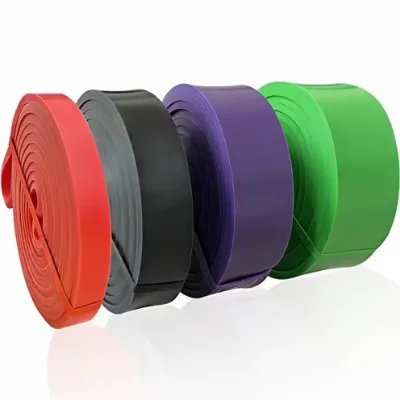
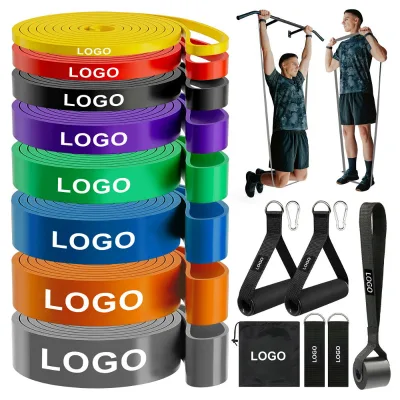
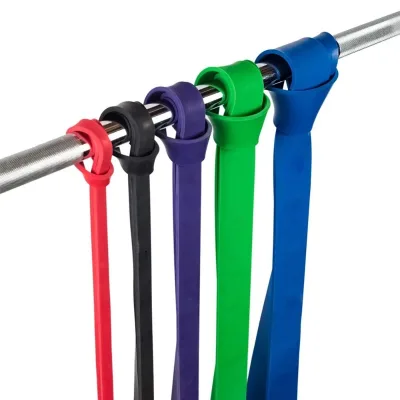
Material specifications and product features are equally critical when comparing options across different suppliers. The evidence highlights products made from 100% natural latex with features like high elasticity, durability, and anti-slip properties. Some listings specify strength levels ranging from 15 to 300 lbs, while others offer specific color options or customized packaging like gift boxes or cloth bags. Buyers should compare the "Product Name" and "Model Number" to ensure the specifications match their requirements, noting that one supplier offers a 2080*4.5mm size while another provides a 300mm long variant. These technical differences directly impact the end-user experience and the suitability of the product for specific training applications.
Common Pull Up Assisted Resistance Bands Sourcing Risks
One significant risk involves the inconsistency of certification data across different supplier profiles. While some suppliers display ISO9001, RoHS, Reach, and CE certificates, others show no certification information at all. This discrepancy creates uncertainty regarding product safety and compliance with international standards. Buyers sourcing from suppliers with "NIL" certification status must be prepared to conduct their own due diligence or request third-party lab reports to verify that the latex bands meet safety requirements for strength and chemical composition. Relying solely on the absence of negative feedback is insufficient when regulatory compliance is a priority.
Another risk lies in the variability of lead times and the potential for production delays. The observed lead times range from 20 to 30 days, and some suppliers list specific delivery times like "20 Days" while others provide broader estimates. If a buyer requires a tight turnaround, a supplier with a 30-day lead time may not be suitable, especially if the order volume is high. Furthermore, the minimum order quantity of 1000 units for some products can be a barrier for smaller buyers, potentially leading to overstocking or cash flow issues. Buyers should clarify these timelines and quantities in writing to avoid misunderstandings that could disrupt their supply chain.
Pull Up Assisted Resistance Bands Regional Sourcing and Logistics
Sourcing from Shanghai, China, offers access to manufacturers with established logistics networks, as evidenced by the specific product attributes and packaging details provided. Suppliers in this region often list single package sizes and gross weights, such as 20X15X10 cm and 2.000 kg, which helps buyers calculate shipping costs and container loading efficiency. The presence of suppliers in Guangdong and Anhui adds further options, with Guangdong-based entities often associated with higher verification standards like SGS. Buyers should consider the proximity of the factory to major ports when estimating freight costs and transit times for international shipments.
Logistics planning must account for the specific packaging requirements listed in the product evidence, which vary by supplier. Some products are packed in OPP bags, while others come in gift boxes, cloth bags, or custom packages with carton counts like 30 sets per carton. These packaging differences affect the total volume and weight of the shipment, influencing freight charges and storage requirements. Buyers should request detailed packing lists and carton dimensions from each supplier to ensure accurate logistics planning. Additionally, the origin location, whether Shanghai, Guangdong, or Anhui, may impact customs clearance procedures and import duties depending on the destination country's trade agreements.
Pull Up Assisted Resistance Bands Commercial Terms and Order Planning
Commercial terms for pull-up assisted resistance bands include specific pricing tiers and minimum order quantities that vary by product model. Prices observed range from $0.99 to $12.85, with some models having a fixed price point while others offer a range. The minimum order quantity is a critical factor, with some suppliers requiring 100 units and others demanding 1000 units. Buyers must calculate the total cost of goods including shipping and duties to determine the true cost per unit. Understanding these commercial terms is essential for budgeting and ensuring that the order volume aligns with the supplier's production capacity and the buyer's sales forecast.
Order planning should also consider the customization options and response times offered by the suppliers. Many suppliers indicate that customized logos and colors are available, which is vital for branding efforts. However, the response time can impact the speed of the customization process, with some suppliers responding within 7 hours and others taking up to 18 hours. Buyers should factor in the time required for design approval and sample production when planning their order timeline. Additionally, the availability of ODM services and the ability to accept custom packaging should be confirmed early in the negotiation process to ensure the final product meets all brand and quality expectations.
FAQs
What is the price range for pull up assistance bands?
Prices for pull up assistance bands typically range from $0.99 to $12.85 per unit depending on the specific product configuration and material quality. Buyers should expect higher costs for specialized sets with multiple resistance levels or custom packaging options. The minimum order quantity often influences the final per-unit cost, with larger orders generally securing better pricing tiers.
What is the minimum order quantity for these bands?
The minimum order quantity for pull up assistance bands varies by supplier and product type. Some manufacturers accept orders as low as 100 units, while others require a minimum of 1000 units for specific models. Buyers should verify the MOQ directly with the supplier to ensure it aligns with their inventory needs and budget constraints before placing an order.
How long does production take for these bands?
Production lead times for pull up assistance bands generally range from 20 to 30 days. Some suppliers offer faster turnaround times of around 18 days for response, but actual manufacturing and shipping may take longer. Buyers should confirm the exact delivery timeline with the supplier, as it can vary based on order volume and customization requirements.
Are these bands made from natural latex?
Many pull up assistance bands are manufactured using 100% natural latex to ensure high elasticity and durability. This material provides excellent resistance for strength training and is often highlighted as a key feature. Buyers should check the product specifications to confirm the material composition, as some alternatives may use synthetic blends or different fabric types.
What certifications do these bands have?
Pull up assistance bands often come with certifications such as ISO9001, RoHS, Reach, and CE to ensure quality and safety standards. These certifications indicate that the products meet specific regulatory requirements for materials and manufacturing processes. Buyers should request valid certification documents from the supplier to verify compliance with international standards before purchasing.
Can I customize the logo on these bands?
Customized logos are available for pull up assistance bands, allowing buyers to brand the products for their specific market. Suppliers typically offer options for custom colors and packaging to enhance brand visibility. Buyers should discuss their branding requirements with the supplier to understand the minimum order quantities and additional costs associated with customization services.
Where are these bands manufactured?
Pull up assistance bands are primarily manufactured in China, with production facilities located in regions such as Shanghai, Guangdong, and Anhui. These locations are known for their robust manufacturing capabilities and supply chain efficiency. Buyers should verify the specific place of origin for each product to ensure it meets their sourcing preferences and logistical requirements.