PU Leather Car Headrest Pillow Suppliers and Manufacturers
Compare 27 verified suppliers offering PU Leather Car Headrest Pillow products with varying lead times, MOQs, and certifications. Review response times and factory locations in China to select the right partner for your sourcing needs today; review the available evidence before requesting comparable quotations from suitable candidates.
Updated
Suppliers List

Zhengzhou Yuexiu Industrial Co., Ltd
- Trading Company,Manufacturer/Factory
- China Henan
- Lead time23 days
- Avg. response≤ 5h
Main productsPU Integral Skin Foam, High Resilience PU Foam, Low Resilience PU Foam, Molded PU Foam, Corner Guard, PU Handles, Foam Seat, Foam Insert, PU Suspension Bushing, PU Foam Products
Main marketsSouth America,Eastern Europe,Mid East,North America,Southeast Asia,Eastern Asia,Oceania,Western Europe,Africa


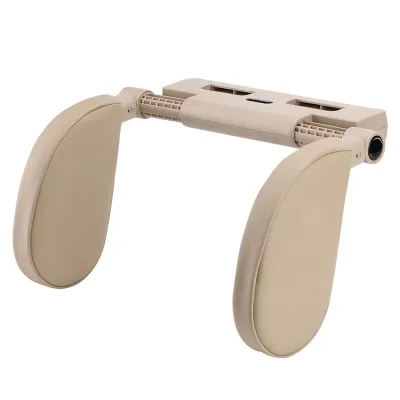
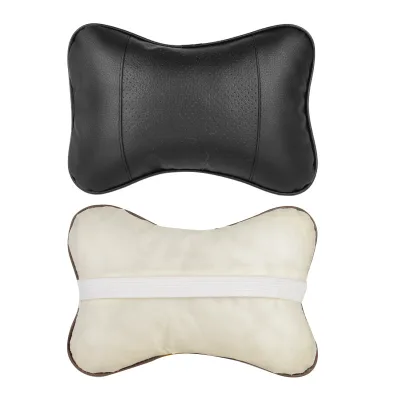
Car Pillow Headrest Car Head Pillow Vehicle Auto Seat Head Neck Headrest
$2.15 - $4.65
MOQ: 100 Pieces

Headrest Pillow Car Neck Rest Head Support Cushion Automobile Headrest Massage
$2.15 - $4.65
MOQ: 100 Pieces

Shanghai Anma Industry Co., Ltd.
- Trading Company
- China Shanghai
- Lead time30 days
- Avg. response≤ 6h
Main productsCar Accessories, Car Spare Parts, Car Tools, Car Interior Accessories, Car Exterior Accessories, Car Electrical Accessories, Car Lights, Car Mirror, Car Emergency Kits, Car Care Products
Main marketsSouth America,Others(foreignTradeCapacity.exportBusinessCapacityMarketOther),Southeast Asia/ Mideast,Europe,North America

Dongguan Julisheng New Material Technology Co., Ltd.
- Verified by BV
- Combined
- China Guangdong
- Lead time30 days
- Avg. response≤ 3h
Main productsPU Foam, PU Corner Guard, Accessories PU Armrest, PU Self-Skinning, PU High Rebound, PU Slow Rebound, PU Imitation Wood Hard Foam, PU Foam Rugby, PU Traction Pillow, PU Foam Wheel
Main marketsDomestic
Autoline International Trading Co., Ltd.
- Verified by TüVRheinland
- Manufacturer, Trading Company
- Lead time30 days
- Avg. response≤ 7h
Main productsRV Accessories, Auto USB Socket, Auto Electric Appliance, Auto Plastic Accessories, Trailer Accessories
Main marketsNorth America(40%), Western Europe(20%), Eastern Europe(10%)
Dongguan Joyart Auto Accessories Products Co., Ltd.
- Manufacturer, Trading Company
- Guangdong, China
- Lead time15 days
- Avg. response≤ 3h
Main productsCar Accessories, Car Sunshade, Car Organizer, Automotive Tool, Car Air Freshener
Main marketsNorth America(30.00%), Domestic Market(15.00%), Mid East(15.00%), Southeast Asia(15.00%), Western Europe(10.00%), South America(5.00%), Oceania(5.00%), Eastern Asia(5.00%)
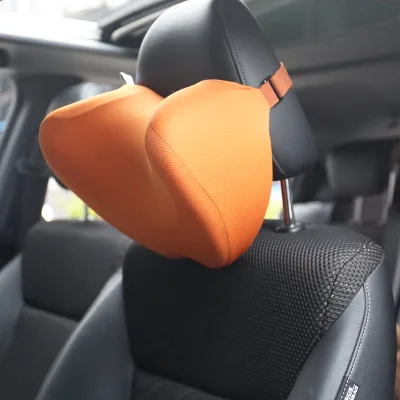
Car Home Seat Back Headrest Massage Pillow
$2.10 - $6.69
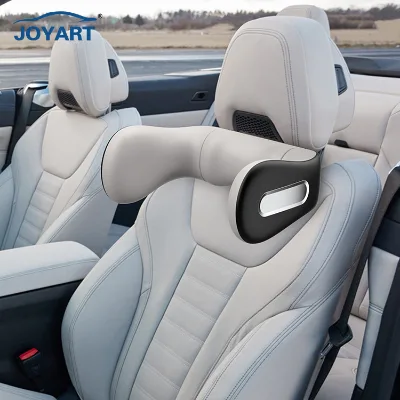
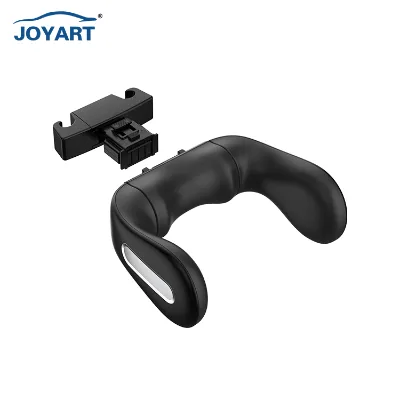
$12.2589 - $25.9715
MOQ: 1 pieces
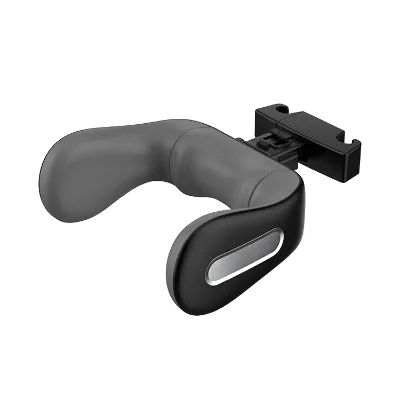
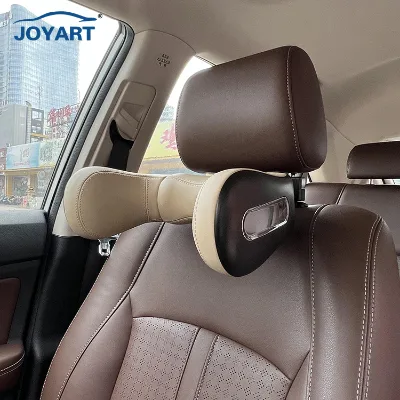
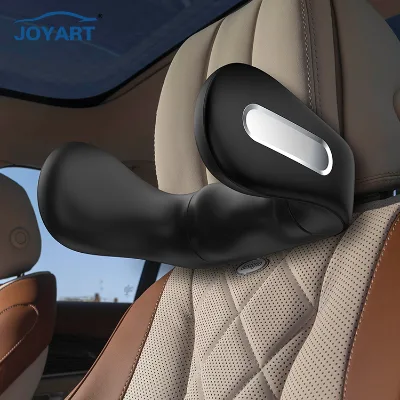
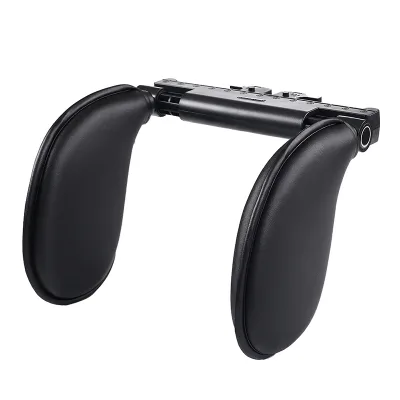
Adjustable Car Seat U-Shaped Head Pillow Neck Pillow, Comfortable, Leather
$12.2589 - $25.9715
MOQ: 1 pieces
Shenzhen Wenchuangfu Electronic Plastic Product Co., Ltd.
- Verified by SGS Group
- Manufacturer, Trading Company
- Lead time5 days
- Avg. response≤ 7h
Main productsChicken Coop Door; Egg Incubator; Pet Toys; Mini Sealer; Phone Holder
Cangzhou Haoshi Automotive Supplies Co., Ltd.
- Manufacturer, Trading Company
- Hebei, China
- Lead time0 days
- Avg. response≤ 2h
Main productsCar Seat Cover,Car Cover,Car Pillow,Car Washing Equipment,Car Glass Film
Main marketsSouth America(22.00%), Southern Europe(15.00%), Central America(10.00%), Africa(7.00%), Southeast Asia(6.00%), Eastern Asia(6.00%), Oceania(5.00%), Domestic Market(5.00%), Northern Europe(5.00%), Eastern Europe(5.00%), Western Europe(5.00%), Mid East(5.00%), North America(4.00%)
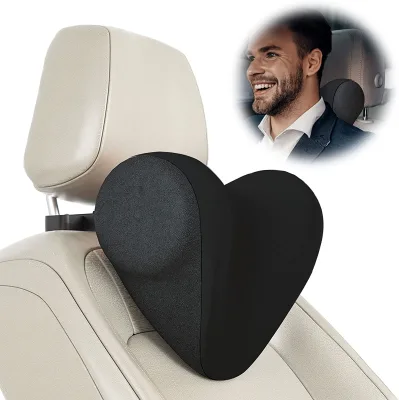
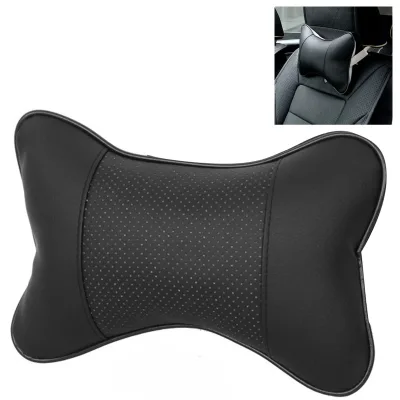
Adjustable Car Seat Neck Headrest Rest New Headrest Pillows Orthopedic Premium Seat Head Pillow
$1.10 - $1.60
MOQ: 50 sets
$4.2051 - $5.2305
MOQ: 50 sets
Dongguan Chuangguo Daily Products Co., Ltd.
- Manufacturer, Trading Company
- Lead time旺季: "1 - 2":15,"3 - 100":35,"101 - 1000":50,"> 1000":"To be negotiated", 淡季: "1 - 2":15,"3 - 100":35,"101 - 1000":50,"> 1000":"To be negotiated"
- Avg. response≤ 8h
Main productsUniversal Patients Lift Slings, Patient Gait Belt, Patient Air Glide Sheet, Wrist Support, Knee Pad
Shanghai Anma Industry Co., Ltd.
- Trading Company
- Lead time旺季: "1 - 200":15,"> 200":"To be negotiated", 淡季: "1 - 200":15,"> 200":"To be negotiated"
- Avg. response≤ 5h
Main productsCar Mats, Car Seat Covers, Car Covers, Car Jacks, Car Air Compressor
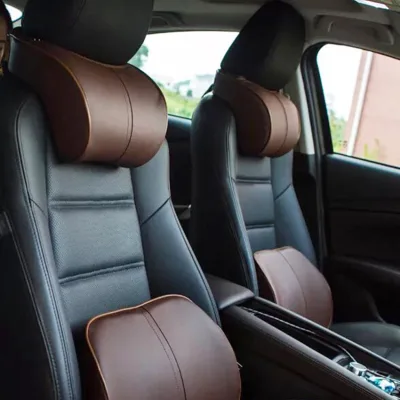
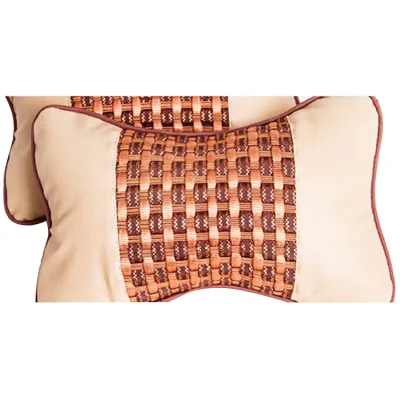
$15.90 - $16.57
MOQ: 200 pieces

Shunping Qianyuan E-Commerce Co., Ltd.
- Trading Company
- Hebei, China
- Lead time15 days
- Avg. response≤ 12h
Main productsCar Cover,Car Seat Cover,Car Sunshade,Car Storage Bags,Auto Supplies
Main marketsNorth America(30.00%), Mid East(22.00%), Eastern Europe(20.00%), Southeast Asia(20.00%), South Asia(3.00%), Oceania(3.00%), Western Europe(1.00%), Africa(1.00%)

Wenzhou Jiasheng Latex Products Co., Ltd
- Manufacturer/Factory
- China Zhejiang
- Lead time0 days
- Avg. response≤ 4h
Main productsLatex Pillows, Latex Mattresses, Latex Quilts, Latex Mats, Latex Towels, Latex Underwear, Latex Sheets, Latex Baby Pillows, Latex Baby Mats, Latex Cushions

Dongyang Dongya Bags Co., Ltd.
- Trading Company
- Zhejiang, China
- Lead time20 days
- Avg. response≤ 5h
Main productswomen tote/handbag,mean bag,backpack/school bag,cooler bag/shopping bag,car storage box bag/trash can
Main marketsNorth America(60.00%), Eastern Europe(20.00%), Eastern Asia(10.00%), Mid East(10.00%)
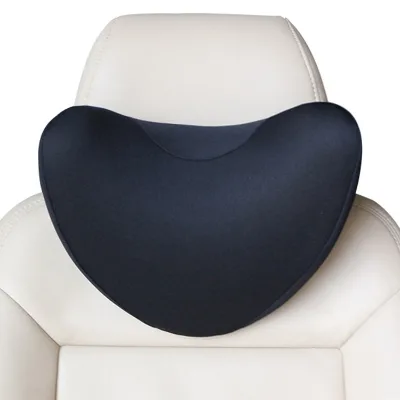
$7.0913 - $7.9625
MOQ: 102 pieces
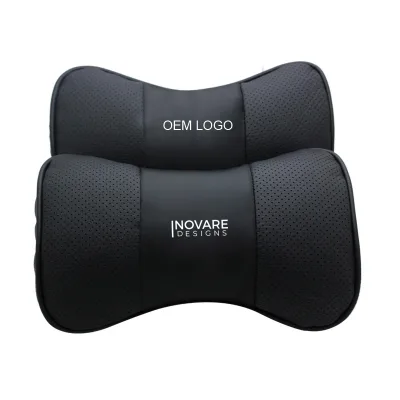
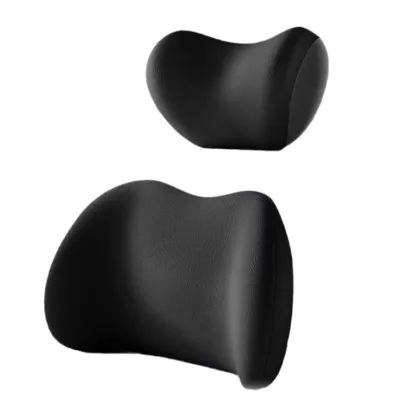
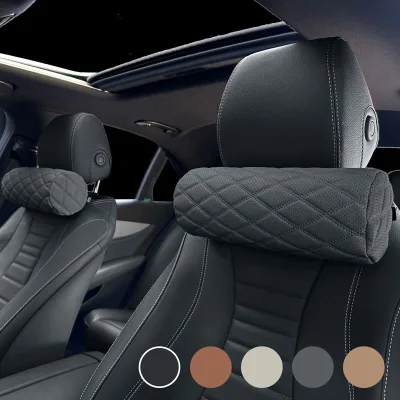
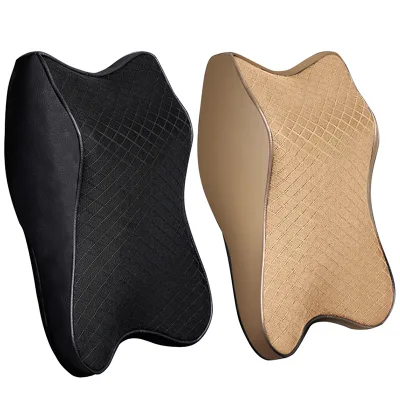
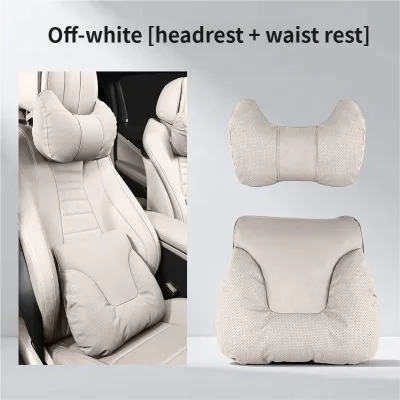
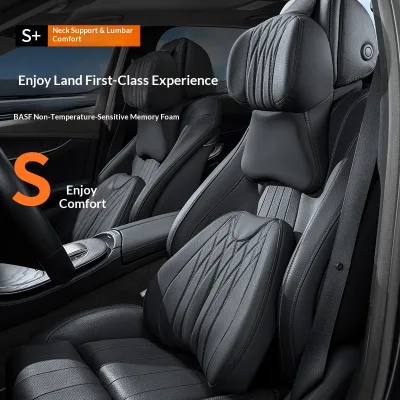
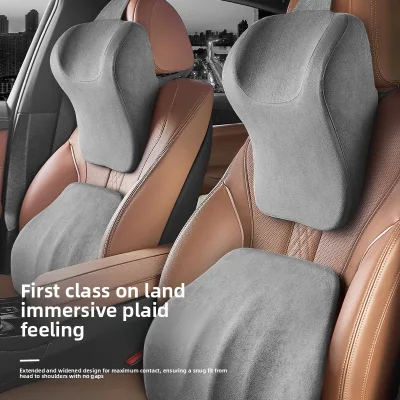
High Quality Luxury Suede Car Headrest Pillow Waist Back Suppo Neck Pillows for Car
$2.61 - $6.04
MOQ: 103 Minimum
Zhengzhou Baoan Trading Co., Ltd.
- Trading Company
- Henan, China
- Lead time8 days
- Avg. response≤ 6h
Main productsCar armrest box,Car organizers,car floor mats,Dash cams,Car covers
Main marketsMid East(20.00%), Africa(20.00%), Southeast Asia(20.00%), Eastern Europe(20.00%), North America(20.00%)
Guangzhou Jue Yue Auto Supplies Co., Ltd.
- Manufacturer, Trading Company, Distributor/Wholesaler
- Guangdong, China
- Lead time0 days
- Avg. response≤ 12h
Main productsAuto Accessories,Avoid light mat,Car steering wheel cover

Guangzhou Huihou Automotive Products Co., Ltd.
- Manufacturer, Trading Company
- Guangdong, China
- Lead time30 days
- Avg. response≤ 3h
Main productsCar Steering Wheel Cover, Car Organizer, Car Center Control Armrest Cover, Car Headrest And Lumbar Support, Car Seat Cushion
Main marketsEastern Asia(30.00%), Domestic Market(30.00%), North America(20.00%), Western Europe(5.00%), Southern Europe(5.00%), Northern Europe(5.00%), Mid East(5.00%)
Guangzhou Qianfeng Print Co., Ltd.
- Verified by SGS Group
- Manufacturer, Trading Company
- Lead time15 days
- Avg. response≤ 3h
Main productsKnitting Fabric, Mattress Fabric, Jacquard Fabric, Tricot Fabric, Pillow Fabric
Main marketsMid East(40%), Southeast Asia(20%), Domestic Market(20%)

Jinhua Lvduan Artwares Co., Ltd.
- Trading Company
- Zhejiang, China
- Lead time15 days
- Avg. response≤ 6h
Main productsCar interior accessory,Car exterior accessory,Car cleaning supplies,Emergency accessory,gift products
Main marketsWestern Europe(12.50%), Eastern Asia(12.50%), Mid East(12.50%), Africa(12.50%), Southeast Asia(12.50%), Eastern Europe(12.50%), South America(12.50%), North America(12.50%)
Ningbo Equator Import And Export CO., Ltd.
- Verified by SGS Group
- Trading Company
- Lead time10 days
- Avg. response≤ 8h
Main productsAutomobile Accessories, Household Goods, Household Appliances, Electronic and Tool Equipment
Main marketsNorth America(20%), South America(15%), Eastern Europe(10%)

Henan Xingxiang Intelligence Technology Co., Ltd.
- Trading Company
- Henan, China
- Lead time7 days
- Avg. response≤ 2h
Main productsCar Floor Mats, Car Covers
Main marketsSoutheast Asia(16.00%), South Asia(10.00%), North America(10.00%), Southern Europe(10.00%), Eastern Asia(10.00%), Africa(10.00%), Mid East(10.00%), Northern Europe(8.00%), South America(5.00%), Western Europe(5.00%), Eastern Europe(4.00%), Oceania(2.00%)
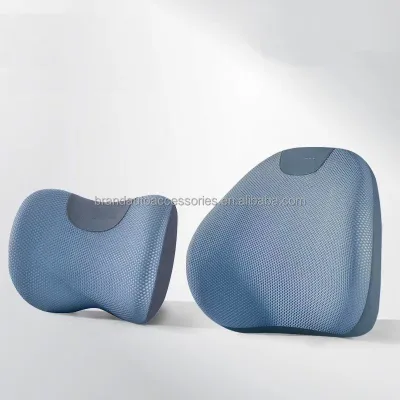
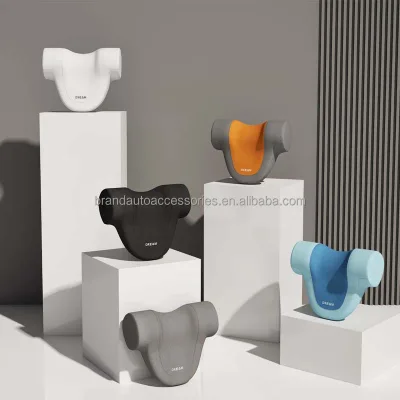
Factory Direct Sale Car Headrests Adjustable for Neck Protection with Soft Waist Pillow
$3.6677 - $6.1811
MOQ: 100 pieces
Yiwu Xieqian Auto Accessories Co., Ltd.
- Verified by TüVRheinland
- Trading Company
- Lead time14 days
- Avg. response≤ 5h
Main productsCar Floor Mats, Car Steering Wheel Covers, Car Wiper Blades, Car Seat Covers, Car Accessories
Main marketsAfrica(30%), Mid East(25%), Southeast Asia(20%)
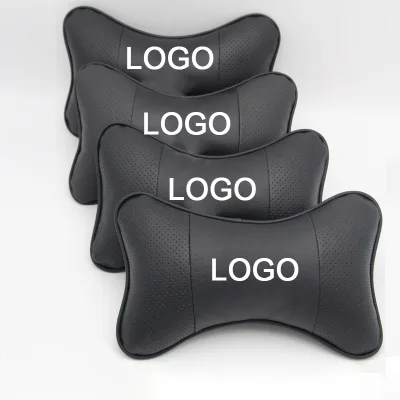
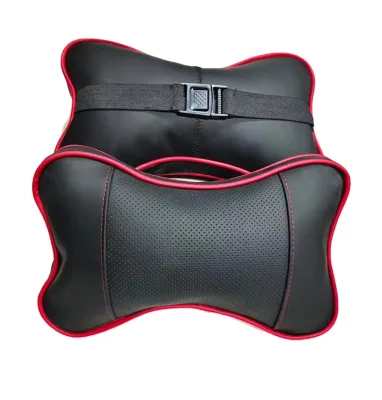
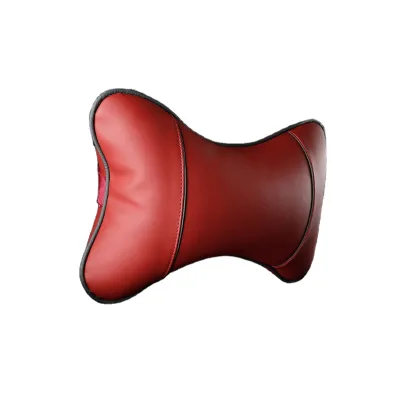
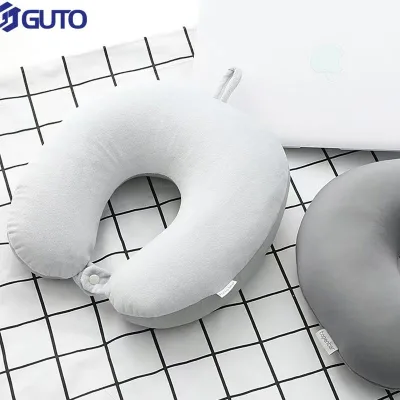
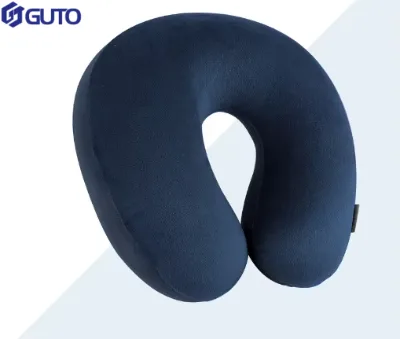
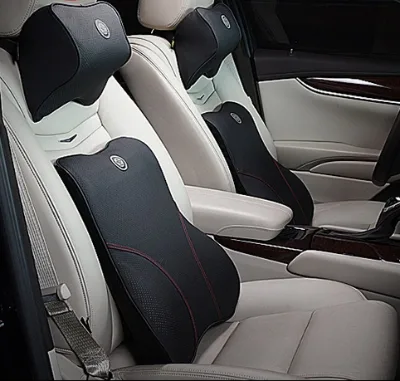
Luxury Leather Car Headrest and Neck Pillow General Motors Interior Made of PU Material
$4.973 - $5.2919
MOQ: 4 pieces

Ningbo Lonsign Auto Accessories Co., Ltd.
- Verified by SGS
- Trading Company
- China Zhejiang
- Lead time30 days
- Avg. response≤ 3h
Main productsSteering Wheel Cover, Car Organizer, Wiper Blade, Sunshade, Car Floor Mat, Seat Cover
Main marketsNorth America
Guangzhou Jibei Industrial Co., Ltd.
- Verified by Intertek
- Manufacturer, Trading Company
- Lead time7 days
- Avg. response≤ 2h
Main productsMemory Foam Pillow, Lumbar Cushion, Pillow, Neck Pillow, Seat Cushion
Main marketsDomestic Market(49%), North America(16%), Oceania(4%)
Dongguan Fujong Technology Limited
- Manufacturer, Trading Company
- Guangdong, China
- Lead time7 days
- Avg. response≤ 1h
Main productsCar accessory,Car Air Freshener,Car Seat Cover,Car Seat Cushion,Car Tissue Box
Main marketsNorth America(30.00%), Eastern Asia(20.00%), Central America(5.00%), Western Europe(5.00%), South America(5.00%), Mid East(5.00%), Domestic Market(5.00%), Southern Europe(5.00%), Southeast Asia(5.00%), Eastern Europe(5.00%), Africa(3.00%), Northern Europe(3.00%), Oceania(2.00%), South Asia(2.00%)

Shandong Haosong New Material Technology Co., Ltd.
- Verified by BV
- Combined
- China Shandong
- Lead time30 days
- Avg. response≤ 5h
Main productsPolyurethane Foam, Car Seat, PU Foam, PU Armrest
Main marketsDomestic

$37.00 - $42.00
MOQ: 50 Pieces

Shenzhen Lianda Manufacturing Industry Co., Ltd.
- Verified by Intertek
- Manufacturer, Trading Company
- Lead time15 days
- Avg. response≤ 1h
Main productsPillow, Seat Cushion, Travel Neck Pillow, Knee Pillow, Lumbar Support Pillow
Main marketsNorth America(35%), Eastern Europe(10%), Eastern Asia(10%)

- Verified by SGS
- Trading Company
- China Guangdong
- Lead time15 days
- Avg. response≤ 9h
Main productsConsumer Electronics, Car Accessories, Mini Thermal Printers, Garden Lights, Lawn Mower Accessories, Portable Speakers, Digital Camera, Mini Projectors
Main marketsOthers(foreignTradeCapacity.exportBusinessCapacityMarketOther),Europe

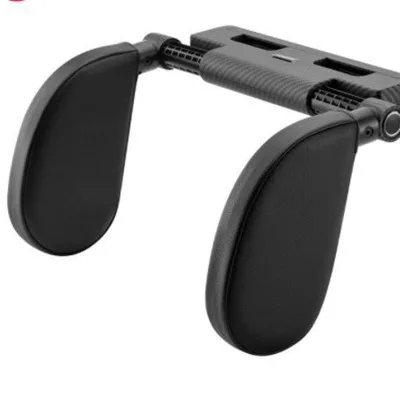
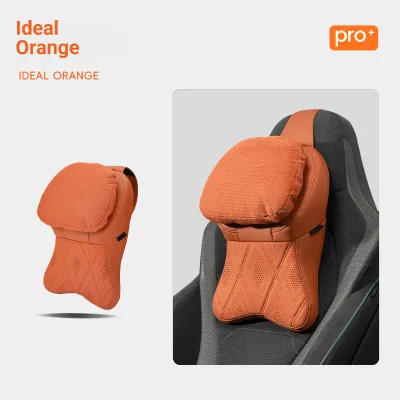
Triaxial Adjustable Car Seat Headrest Pillow Car Neck Head Shoulder Sleep Cushion
$6.99 - $9.47
MOQ: 1 Pieces

Beijing Chengchuang Lianzhong Network Technology Co., Ltd.
- Trading Company
- Beijing, China
- Lead time15 days
- Avg. response≤ 2h
Main productsCar seat cushion,Automobile tire patching film,Automotive tool,Car charging,Car pendant
Main marketsNorth America(30.00%), Northern Europe(20.00%), Southern Europe(10.00%), Mid East(10.00%), Africa(10.00%), Southeast Asia(10.00%), Central America(5.00%), Eastern Asia(3.00%), South America(2.00%)


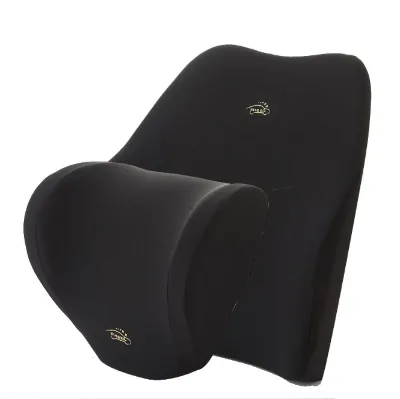
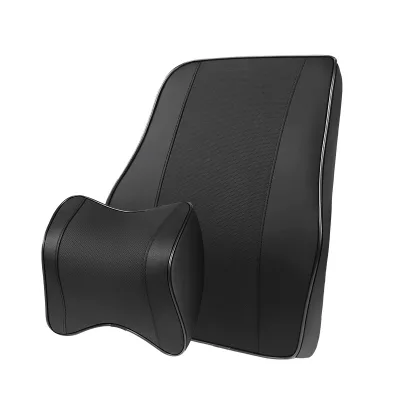


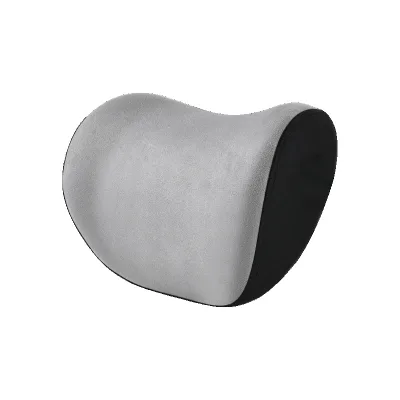
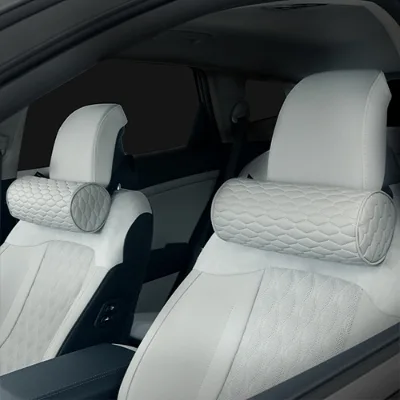
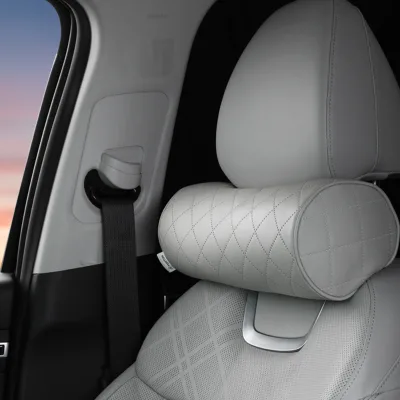
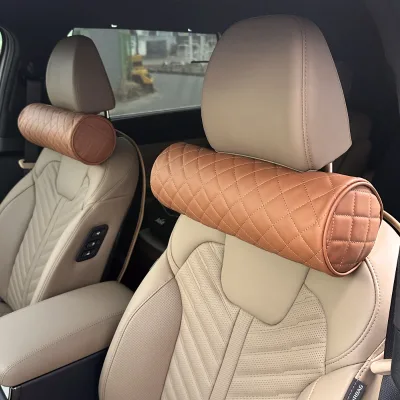
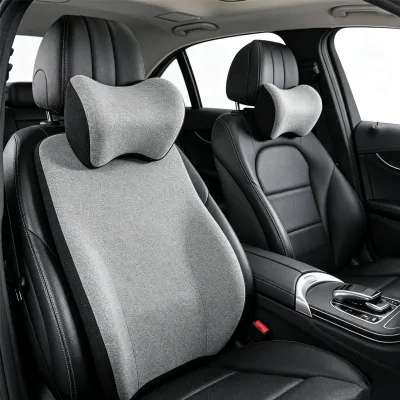




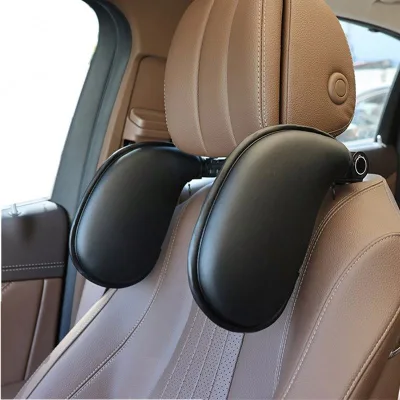
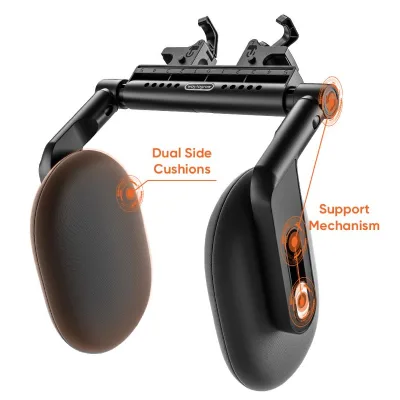
Comprehensive Sourcing Guide
PU Leather Car Headrest Pillow Supplier Concentration and Factory Types
The current supplier landscape for PU leather car headrest pillows reveals a distinct geographic concentration in China, with specific operational hubs identified in Henan and Shanghai. These locations serve as primary nodes for both manufacturing and trading activities, offering buyers access to established industrial clusters. Suppliers in Henan are often associated with factory operations that produce a wide array of foam-based products, including PU integral skin foam, high resilience foam, and molded PU foam. This suggests a strong local supply chain for raw materials and specialized foam processing, which is critical for producing durable and comfortable headrest pillows. The presence of these manufacturers indicates that buyers can source directly from facilities that handle the core material transformation, potentially reducing intermediary costs and improving quality control over the foam density and texture.
In contrast, suppliers located in Shanghai are predominantly identified as trading companies, focusing on car accessories, spare parts, and interior components. These entities often aggregate products from various factories, providing a broader catalog that includes car lights, mirrors, and emergency kits alongside headrest pillows. This distinction is vital for buyers who must decide between direct factory engagement and the convenience of a trading partner. Trading companies may offer more flexible order structures and consolidated shipping options, while factories might provide deeper customization capabilities for specific foam formulations or PU leather finishes. Understanding this split helps buyers align their sourcing strategy with their operational needs, whether they prioritize direct manufacturing oversight or streamlined procurement through a single trading interface.
How to Verify PU Leather Car Headrest Pillow Suppliers
Verifying the legitimacy and capability of suppliers requires a careful examination of their stated certifications and operational metrics. For instance, some suppliers in the Henan cluster display ISO 9000 system certification, which serves as a baseline indicator of quality management processes. Buyers should request documentation to confirm that this certification is current and covers the specific production lines for PU foam and leather goods. Additionally, response time metrics provide insight into supplier reliability; a response time of approximately 4.07 hours for Henan-based suppliers suggests a responsive communication channel, whereas Shanghai-based trading companies may exhibit slightly longer response times, such as 5.19 hours. These metrics help buyers gauge the efficiency of their potential partners and ensure that inquiries and negotiations will be handled promptly, reducing delays in the sourcing process.
Beyond certifications and response speeds, buyers must scrutinize the specific product attributes and customization options offered. Many suppliers highlight the availability of OEM and ODM services, allowing for tailored designs, logos, and packaging. For example, product attributes often indicate that customization is available for color, shape, and size, with some suppliers offering one-size-fits-all options alongside bespoke dimensions. Buyers should verify that the supplier’s stated capabilities align with their specific requirements, such as the need for specific massage methods or ergonomic designs. Furthermore, checking the sample availability and lead times for samples, which can range from 3 to 5 days, provides a practical test of the supplier’s operational agility. This step ensures that the final product will meet quality standards before committing to larger production runs.
What to Compare Across PU Leather Car Headrest Pillow Suppliers
When evaluating multiple suppliers, comparing key operational metrics such as lead times, minimum order quantities (MOQs), and pricing structures is essential for making an informed decision. Suppliers in the Henan region often report lead times around 23 days, with delivery windows ranging from 15 to 30 days for bulk orders. In contrast, Shanghai-based trading companies may have lead times closer to 30 days, reflecting the additional layer of coordination involved in trading operations. Buyers should also note the varying MOQs, which can range from 100 pieces for certain foam-based products to 200 pieces for other headrest styles. These differences impact inventory planning and cash flow, so buyers must align their order sizes with their sales forecasts and storage capabilities.
Pricing is another critical factor that varies significantly across suppliers and product types. For example, prices for PU foam headrests can range from $2.15 to $4.65 per unit, while other models may be priced between $1.20 and $7.50. These variations depend on factors such as material quality, customization complexity, and order volume. Buyers should compare not just the unit price but also the total landed cost, including shipping and tariffs. Additionally, comparing the main products offered by each supplier can reveal their specialization; some focus heavily on automotive interior accessories, while others offer a broader range of car care products. This comparison helps buyers identify suppliers who are best suited to their specific product needs and volume requirements, ensuring a better fit for their sourcing strategy.
Common PU Leather Car Headrest Pillow Sourcing Risks
One significant risk in sourcing PU leather car headrest pillows is the potential mismatch between advertised materials and actual product composition. Some suppliers list PU foam as the primary material, while others may use different foam types or blends that affect durability and comfort. Buyers must verify the material specifications through sample testing to ensure that the product meets their quality expectations. Additionally, the customization options offered by suppliers, such as logo printing and color variations, can introduce risks if not properly specified. Miscommunication regarding design details can lead to production errors, resulting in wasted time and resources. Buyers should provide detailed technical drawings and specifications to minimize the risk of discrepancies between the sample and the final bulk order.
Another risk involves the reliability of delivery times and the consistency of product quality across batches. Suppliers may experience delays due to raw material shortages or production bottlenecks, which can disrupt the buyer’s supply chain. Furthermore, the lack of standardized testing for foam resilience and leather durability can lead to inconsistent product performance. Buyers should establish clear quality control protocols and consider third-party inspections to verify that the products meet agreed-upon standards. Additionally, the use of different packaging methods, such as OPP packs or custom cartons, can affect product protection during shipping. Buyers must ensure that the packaging is robust enough to prevent damage, especially for products that are prone to compression or deformation. Addressing these risks proactively helps mitigate potential disruptions and ensures a smoother sourcing experience.
PU Leather Car Headrest Pillow Regional Sourcing and Logistics
The geographic location of suppliers significantly impacts logistics planning and shipping costs. Suppliers in Henan and Shanghai both utilize major Chinese ports for export, with Shanghai serving as a primary loading port for many trading companies. Buyers should consider the proximity of the supplier to the shipping port, as this can influence transit times and handling fees. For instance, suppliers in Shanghai may benefit from direct access to international shipping routes, potentially reducing transit times to global destinations. In contrast, suppliers in Henan may require additional inland transportation to reach the coast, which could add to the overall logistics cost. Understanding these logistical nuances helps buyers optimize their supply chain and reduce unnecessary expenses.
Shipping methods and terms also play a crucial role in the sourcing process. Suppliers often offer various payment terms, including T/T, L/C, and Western Union, which can affect cash flow and risk management. Buyers should evaluate the payment terms in conjunction with the shipping method, such as FOB or CIF, to determine the most cost-effective option. Additionally, the packaging specifications, such as carton dimensions and weight, impact the volume and cost of shipping. Buyers should work with suppliers to optimize packaging for efficiency, ensuring that products are securely packed while maximizing container space. By carefully planning the logistics and shipping terms, buyers can streamline the import process and ensure timely delivery of their PU leather car headrest pillows to their target markets.
PU Leather Car Headrest Pillow Commercial Terms and Order Planning
Effective order planning requires a thorough understanding of the commercial terms offered by suppliers, including payment conditions, warranty policies, and after-sales support. Suppliers often specify payment terms such as T/T or L/C, which can influence the buyer’s financial planning and risk exposure. Buyers should negotiate terms that align with their cash flow cycles and ensure that payments are tied to specific milestones, such as sample approval or shipment confirmation. Additionally, understanding the supplier’s return and refund policies is crucial for managing potential quality issues. Buyers should clarify these terms before placing orders to avoid disputes and ensure that they have recourse in case of product defects or delivery failures.
Lead time management is another critical aspect of order planning. Suppliers may have varying lead times depending on the product complexity and order volume. For example, some suppliers offer a sample time of 3 to 5 days, while bulk production may take 15 to 30 days. Buyers must account for these lead times when planning their inventory and sales cycles to avoid stockouts or overstock situations. Furthermore, buyers should consider the supplier’s capacity to handle rush orders or volume fluctuations, as this can impact their ability to meet market demand. By establishing clear communication channels and setting realistic expectations, buyers can build a reliable partnership with their suppliers, ensuring a steady supply of high-quality PU leather car headrest pillows.
FAQs
What is the price range for PU car headrest pillows?
Prices typically range from $1.20 to $7.50 per unit depending on specifications. Some suppliers list costs between $2.15 and $4.65 for standard models. Buyers should verify exact pricing based on order volume and customization requirements before finalizing procurement decisions.
What is the minimum order quantity for these products?
Minimum order quantities vary by supplier, with common thresholds set at 100 pieces or 200 pieces. Some manufacturers require a minimum of 200 units for specific models. Buyers must confirm the exact MOQ with the supplier to ensure their order meets production requirements.
How long does production and delivery take?
Lead times generally range from 23 to 30 days for bulk orders. Sample preparation typically takes 3 to 5 days. Delivery times are often listed as 15 to 30 days. Buyers should confirm specific timelines with suppliers to align with their inventory needs.
Are OEM and ODM services available?
Yes, many suppliers offer both OEM and ODM capabilities. Customization options include logos, colors, and shapes. Buyers can request tailored designs to match their brand identity. Confirm specific customization limits and additional costs with the supplier before placing an order.
Where are these suppliers located?
Suppliers are primarily located in China, specifically in Henan and Shanghai regions. Some products originate from Zhejiang. Buyers can filter results by location to prioritize suppliers near major ports like Shanghai or Ningbo for efficient logistics and shipping arrangements.
What certifications do these suppliers hold?
Many manufacturers hold ISO 9000 system certification. This indicates adherence to quality management standards. Buyers should request valid certification documents for verification. Ensure the supplier's quality standards meet your specific industry requirements before finalizing any procurement agreements.
How quickly do suppliers respond to inquiries?
Response times vary, with some suppliers averaging around 4.07 hours. Others may take up to 5.19 hours to reply. Faster response times often indicate better customer service. Buyers should prioritize suppliers with quicker response rates for smoother communication during the sourcing process.