Pull Back Cartoon Toy Car Suppliers and Manufacturers
Explore 28 verified suppliers offering Pull Back Cartoon Toy Car options with PVC materials and ISO certifications. Compare response times, lead times, and MOQs to find the right partner. Contact suppliers directly to request samples; review the available evidence before requesting comparable quotations from suitable candidates.
Updated
Suppliers List

Guangdong Chuanghui Foodstuffs Co., Ltd.
- Verified by BV
- Combined
- China Guangdong
- Lead time30 days
- Avg. response≤ 5h
Main productsCandy, Toy Candy, Lollipop, Soft Candy, Bubble Gum, Jelly, Cc Stick, Pressed Candy, Popping Candy, Chocolate
Main marketsSouth America,Southeast Asia/ Mideast,Domestic,Europe
Shantou Chengshi Toy Trading Co., Ltd.
- Trading Company
- Guangdong, China
- Lead time3 days
- Avg. response≤ 5h
Main productsrc car toy,sport toy,block toy,baby toy,ride on car toy
Main marketsSouthern Europe(15.00%), Northern Europe(15.00%), South America(15.00%), North America(15.00%), Western Europe(10.00%), Central America(8.00%), Eastern Europe(8.00%), Southeast Asia(5.00%), Domestic Market(3.00%), Eastern Asia(2.00%), Africa(2.00%), Mid East(2.00%)
Yongkang Xiaotongban Toys Gifts Co., Ltd.
- Verified by SGS Group
- Manufacturer, Trading Company
- Lead time25 days
- Avg. response≤ 4h
Main productsPlastic Toys, Rubber bath Toys, Fidget Toy, Bounce Ball, Animal Craft
Main marketsNorth America(80%), Western Europe(15%), South Asia(2%)
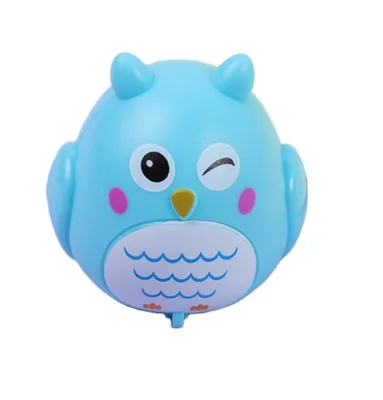
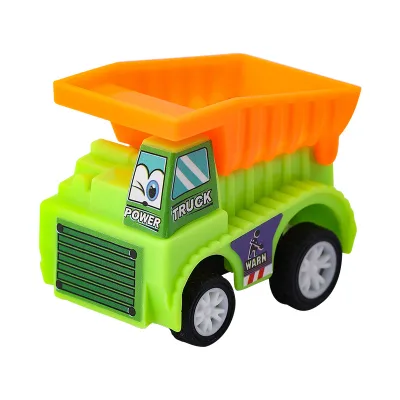
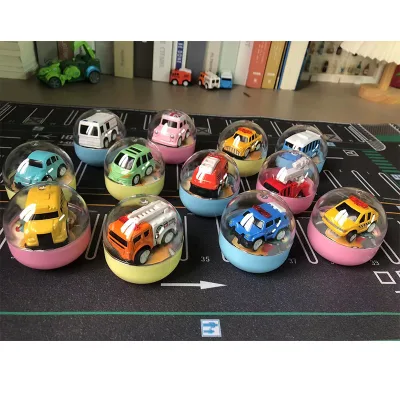
$0.5778 - $0.6916
MOQ: 120 pieces
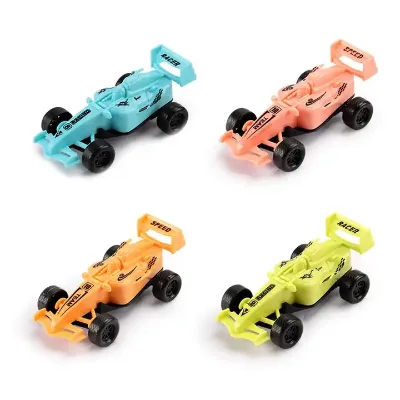
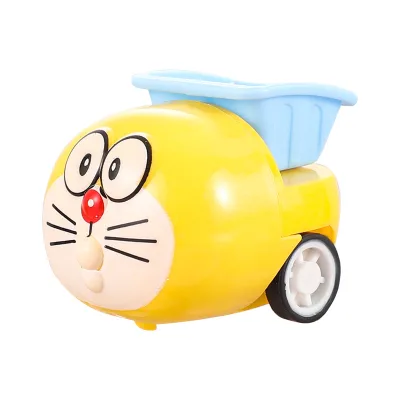
Guangzhou Baolilong Toys Trading Co., Limited
- Trading Company
- Guangdong, China
- Lead time45 days
- Avg. response≤ 7h
Main productspromotion toys,dollar chain shop toys,OEM and ODM,candy toy,capsule toy
Main marketsNorthern Europe(35.00%), Mid East(25.00%), Eastern Europe(25.00%), South Asia(10.00%), South America(5.00%)
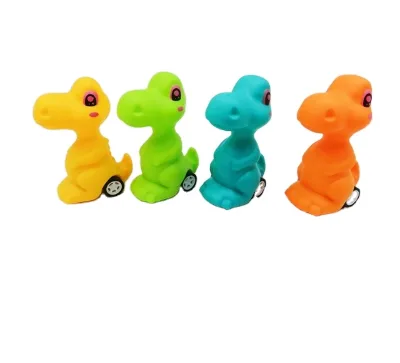

Simulation Pull-back Car Hamburger Sandwich Pull-back Car Promotional Toys
$0.1243 - $0.1347
MOQ: 10000 units
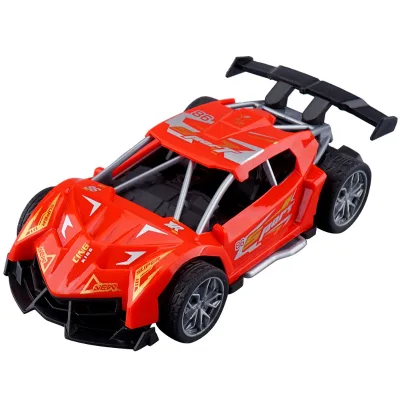
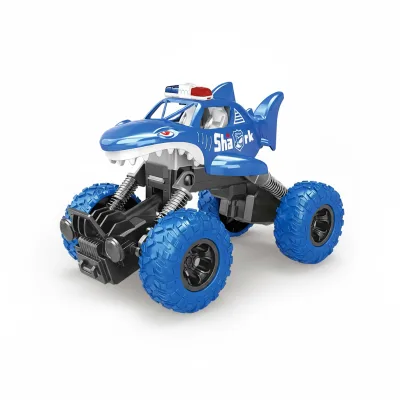
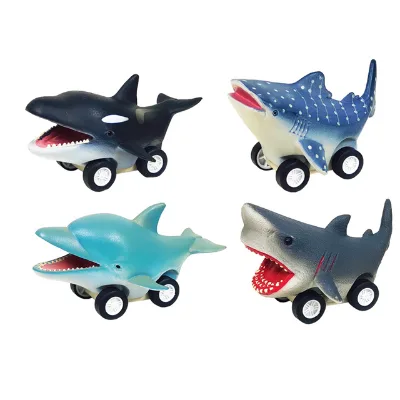
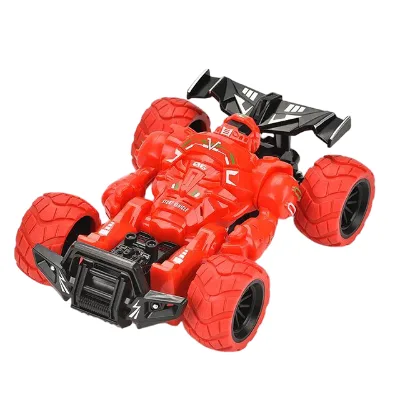
Shark Off-road Vehicle Police Car Pull Back Toy Big Wheels Pull Back Drive Toy Car
$0.8398
MOQ: 900 Minimum
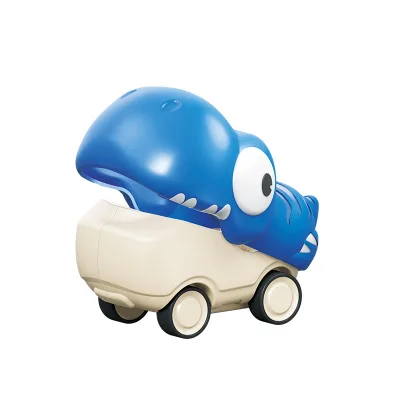
$0.37 - $0.47
MOQ: 10000 pieces
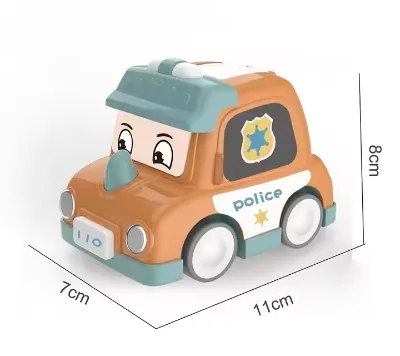
$0.94 - $1.04
MOQ: 10000 units

Shantou Chenghai Xaqi Toys Industrial Co., Limited
- Verified by BV
- Combined
- China Guangdong
- Lead time23 days
- Avg. response≤ 5h
Main productsRemote Control Car, Educational Toy, Sport Toy, Pretend Play Toys, Remote Contro Toy, Baby Toy, Summer Toy, B/O Toy
Main marketsSoutheast Asia/ Mideast,Domestic,Europe

Shantou Kaixin Trading Co., Ltd
- Verified by BV
- Manufacturer
- China Guangdong
- Lead time23 days
- Avg. response≤ 6h
Main productsToy, Educational Toy, Remote Control Toy, Pretend Play Toy Set, Summer Toy, Vehicle Toy, Doll, Promotion Toy, Baby Toy, Game Toy
Shantou Believe-Fly Science And Educational Co., Ltd.
- Manufacturer, Trading Company
- Guangdong, China
- Lead time20 days
- Avg. response≤ 6h
Main productsRC Toy,Candy toy,Promotional toy,Educational toy,Animal toy
Main marketsNorth America(30.00%), Eastern Europe(15.00%), Southeast Asia(10.00%), South America(10.00%), Oceania(9.00%), Western Europe(5.00%), Mid East(5.00%), Africa(5.00%), Central America(3.00%), Eastern Asia(3.00%), Northern Europe(2.00%), Domestic Market(1.00%), South Asia(1.00%), Southern Europe(1.00%)
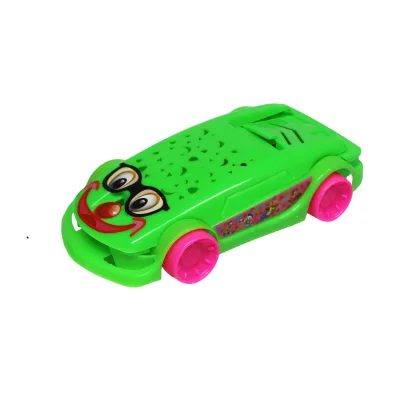
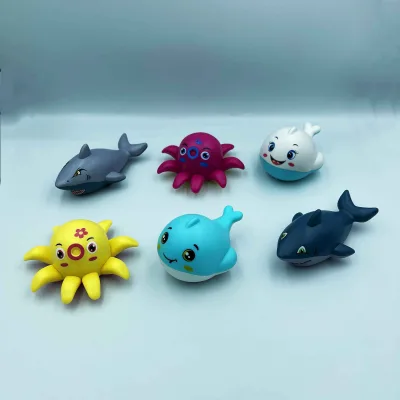
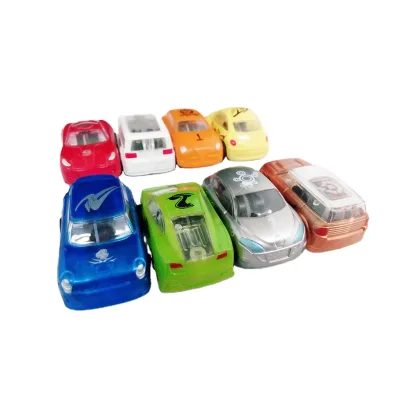
Cheap Pull Back Little Toy Cars for Sale
$0.08 - $0.10
- Verified by TüVRheinland
- Manufacturer, Trading Company
- Lead time20 days
- Avg. response≤ 5h
Main productsEducational Toys, Baby Toys, Remote Control Toys, Summer Toys, Outdoor Toys
Main marketsNorth America(21%), Western Europe(20%), South America(10%)
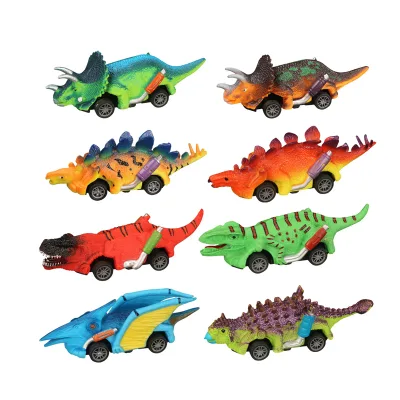
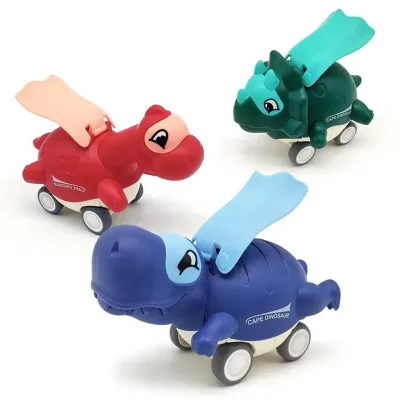
Pull Back Sliding Diecast Miniature Metal Dinosaur Pull-back Car Toy for Kids
$3.34 - $3.43
MOQ: 240 pieces
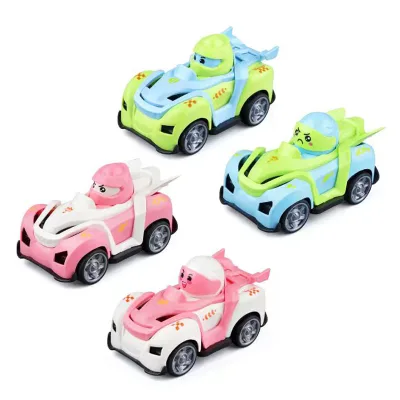
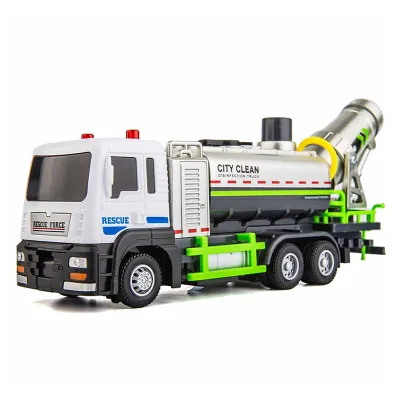
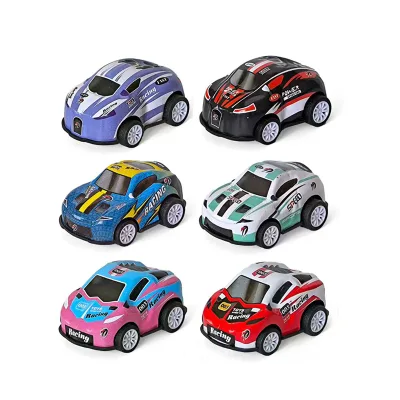
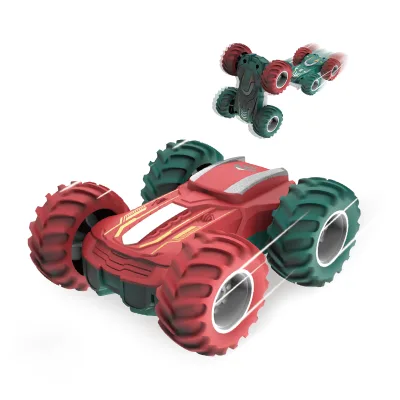
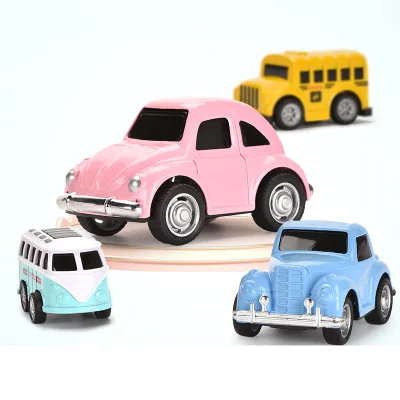
Children Alloy Cartoon Mini Pull Back Car Model Educational Toys Supplier
$1.05 - $1.08
MOQ: 1200 pieces

Chaozhou Chaoan Dongdong Plastic Toys Co., Ltd.
- Manufacturer, Trading Company
- Guangdong, China
- Lead time7 days
- Avg. response≤ 3h
Main productsCapsule Toys,Pull Back Toys,DIY Assembled Toys,Candy Toys,Mini Toys
Main marketsDomestic Market(60.00%), Eastern Asia(10.00%), Southeast Asia(10.00%), Africa(10.00%), Mid East(5.00%), South Asia(5.00%)
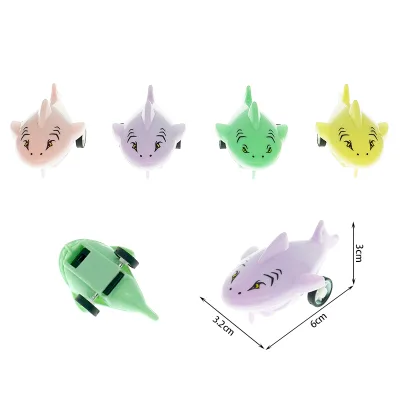
$0.0308 - $0.0411
MOQ: 5000 pieces
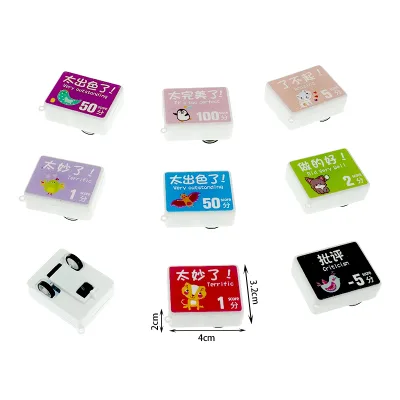
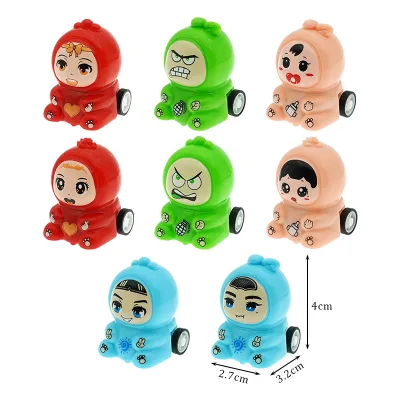
$0.0308 - $0.0411
MOQ: 5000 pieces
Shantou Rongheqiang Trade Co. Ltd
- Verified by TüVRheinland
- Trading Company
- Lead time7 days
- Avg. response≤ 1h
Main productsToys
Main marketsNorth America(50%), Western Europe(30%), Southeast Asia(10%)
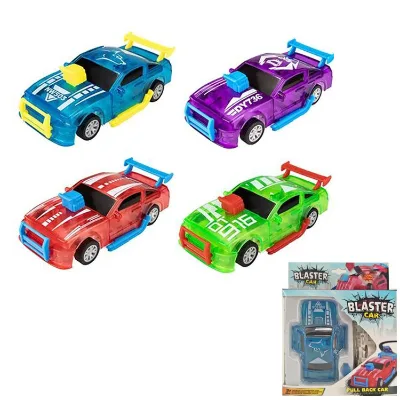
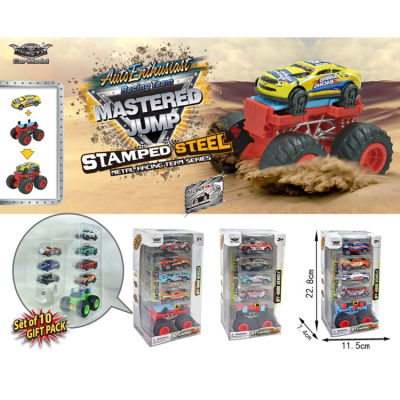
Hot Sale Diecast Model Car for Kids Plastic Pull Back Toy Car for Boys
$2.4087 - $2.7485
MOQ: 600 pieces


Shantou Nanhuang Toys Co., Ltd.
- Verified by TUVRHEINLAND
- Trading Company
- China Guangdong
- Lead time15 days
- Avg. response≤ 3h
Main productsToys
Main marketsSoutheast Asia/ Mideast,Europe

- Trading Company
- Jiangsu, China
- Lead time10 days
- Avg. response≤ 6h
Main productswhatsapp:15161989378,Silicone Toy,Squeeze Toy,Flippy chain toy,Educational Toy
Main marketsDomestic Market(15.00%), South America(15.00%), North America(15.00%), Southern Europe(10.00%), Northern Europe(10.00%), Central America(10.00%), Western Europe(10.00%), Eastern Europe(10.00%), Mid East(5.00%)
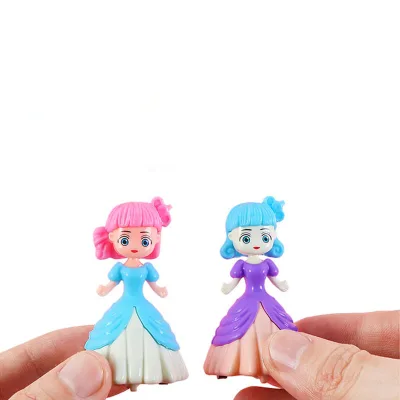
Promotional Gifts Plastic Funny Kids Toy Car Princess Dolls Pull Back Car for Girls Wholesale
$0.18 - $0.32
MOQ: 500 pieces
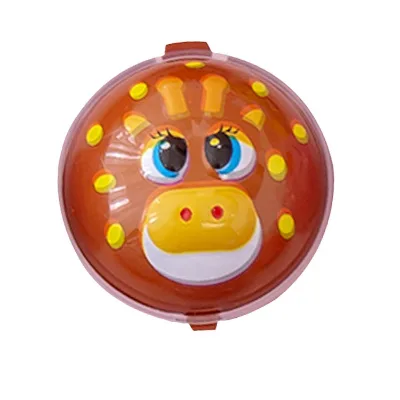
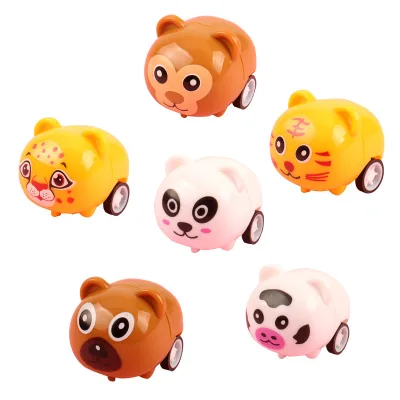
Top Selling Vehicles Animal Food Style Pull Back Car Cartoon Custom Car Toy
$0.0617 - $0.0823
MOQ: 500 pieces

- Verified by TUVRHEINLAND
- Trading Company,Manufacturer/Factory
- China Guangdong
- Lead time23 days
- Avg. response≤ 7h
Main productsToys, Children Toys, Track Car Toys, Candy Toys, Kid Play Tent, Small & Fun Toys, Family Toys, Boy Toys, Girl Toys, Plastic Toys
Main marketsSouth America,Eastern Europe,North America,Southeast Asia,Eastern Asia,Western Europe


Capsule Toy Mini Newest Factory Pull Back Toy Car Kids Gift Car Toys for Boy Car
$0.77
MOQ: 1000 Pieces


- Verified by SGS
- Trading Company
- China Guangdong
- Lead time15 days
- Avg. response≤ 3h
Main productsPlastic Toys, Educational Toys, Baby Toys, RC Toys, Pretend Play Toys, Doll Toys, Robot Toys, Summer Toys, Sport Toys
Main marketsSoutheast Asia/ Mideast,Europe

Plastic Racing Car Toys Children's Small Car Promotional Gift Toy Pull Back Car
$0.088 - $0.096
MOQ: 12000 Pieces

Plastic Mini Car Cheap Capsule Toy Promotional Gift for Kids Pull Back Mini Toy Car
$0.01 - $0.20
MOQ: 6000 Pieces

$0.072 - $0.088
MOQ: 25000 Pieces
Shaotou Chenghai Beyond Toys Firm
- Trading Company
- Guangdong, China
- Lead time30 days
- Avg. response≤ 14h
Main productsSmall toys,Party favors,Promotional toys,Educational toys,toy accessories
Main marketsNorthern Europe(20.00%), North America(15.00%), Southern Europe(10.00%), Western Europe(10.00%), Eastern Europe(10.00%), South Asia(5.00%), Africa(5.00%), South America(5.00%), Southeast Asia(5.00%), Eastern Asia(5.00%), Mid East(5.00%), Oceania(5.00%)

- Trading Company
- Guangdong, China
- Lead time0 days
- Avg. response≤ 4h
Main productsEDUCATION TOYS,RC TOYS,BO TOYS,BABY TOYS,SUMMER TOYS
Main marketsMid East(40.00%), Northern Europe(20.00%), Western Europe(20.00%), South America(10.00%), Africa(10.00%)
Ibeco Toys (Shenzhen) Co., Ltd.
- Manufacturer
- Guangdong, China
- Lead time0 days
- Avg. response≤ 21h
Main productsBouncy Balls,Bouncing Ball,Toy Capsules,Capsule Toys,Promotional Gift Toys
Main marketsDomestic Market(15.00%), Northern Europe(10.00%), Western Europe(10.00%), North America(10.00%), Southern Europe(10.00%), Southeast Asia(10.00%), Eastern Europe(10.00%), South America(10.00%), Eastern Asia(5.00%), South Asia(5.00%), Mid East(5.00%)

Guangdong qunlong technology co., ltd
- Manufacturer
- China Guangdong
- Lead time15 days
- Avg. response≤ 1h
Main productsOEM/Design Toys, Plastic Products
Main marketsDomestic

Huizhou Shenghui Plastic Product Co., Ltd
- Verified by SGS
- Trading Company
- China Guangdong
- Lead time30 days
- Avg. response≤ 4h
Main productsCustomized Plastic Figure, Plastic Toy, Plastic Figure
Main marketsSoutheast Asia/ Mideast

Hengjun Plastic Toys Manufactory
- Verified by CTI
- Manufacturer/Factory
- China Guangdong
- Lead time15 days
- Avg. response≤ 19h
Main productsEducational Toys, RC Toys, Bo Toys, Candy Toys, Die Cast Toys, Baby Toys, Summer Toys, Promotion Toys & Gifts, Pretend Play Toys, Outdoor & Sport Toys
Main marketsSouth America,Eastern Europe,Mid East,North America,Southeast Asia,Eastern Asia,Oceania,Western Europe

Food Shaped Toy Car Classic Pull Back Cars for Kids Fun Food Theme Racing Toys
$0.317 - $0.347
MOQ: 3780 Pieces

$0.317 - $0.347
MOQ: 3780 Pieces
Shantou Changxi Trading Co., Limited
- Trading Company
- Guangdong, China
- Lead time20 days
- Avg. response≤ 5h
Main productsEducational toys,Outdoor Toys,Pretend Play Toys,Baby Toys,Remote-controlled toys
Main marketsWestern Europe(25.00%), North America(20.00%), South America(15.00%), Northern Europe(5.00%), Domestic Market(3.00%), South Asia(3.00%), Oceania(3.00%), Southeast Asia(2.00%)

Ruijin Baibaole E-Commerce Co., Ltd.
- Verified by BV
- Trading Company
- China Jiangxi
- Lead time15 days
- Avg. response≤ 7h
Main productsToy, Educational Toy, Bubble Toy, Radio Control Toy, Building Block Toy, Children Toy, Plastic Toy, Outdoor Toy, Drawing Toy, DIY Toys
Main marketsNorth America
Shantou Denko Toys Co., Limited
- Manufacturer, Trading Company
- Guangdong, China
- Lead time30 days
- Avg. response≤ 11h
Main productsEducational Toys,Baby Toys,R/C Toys,Sport Toys,Plastic Toys
Main marketsWestern Europe(18.00%), Mid East(15.00%), South America(14.00%), Southeast Asia(13.00%), South Asia(11.00%), Domestic Market(8.00%), Oceania(8.00%), Eastern Asia(5.00%), North America(5.00%), Africa(3.00%)
Shantou Maxland Trading Co., Ltd.
- Verified by SGS Group
- Trading Company
- Lead time15 days
- Avg. response≤ 4h
Main productsPlayhouse Toys, Remote Control Toys, Baby Toys, Educational Toys, Sport Toys
Main marketsMid East(30%), South America(10%), Eastern Europe(10%)
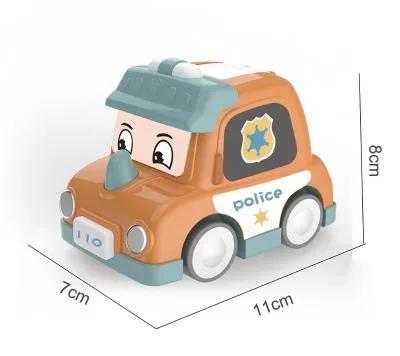
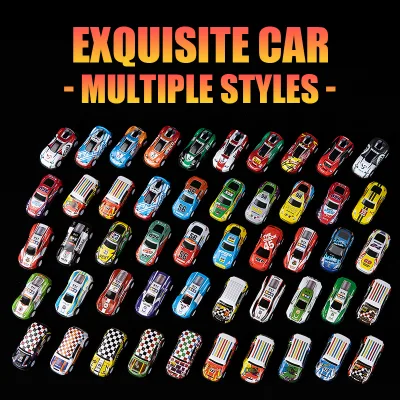
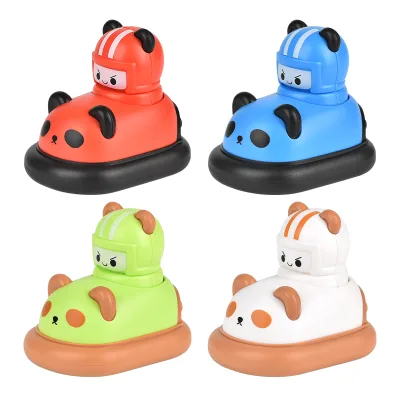
Plastic Mini Cartoon Bumper Car Promotional Friction Kids Pull Back Cars for Sale
$1.0329 - $2.8383
MOQ: 54 pieces
Shantou Chenghai Hengya Toys Co., Ltd.
- Trading Company
- Guangdong, China
- Lead time30 days
- Avg. response≤ 6h
Main productsR/C Toys,Baby Toys,Vehicle Toys,Sports Toys,Girl Toys
Main marketsNorth America(30.00%), Eastern Europe(20.00%), Western Europe(20.00%), Domestic Market(10.00%), South America(10.00%), Mid East(10.00%)
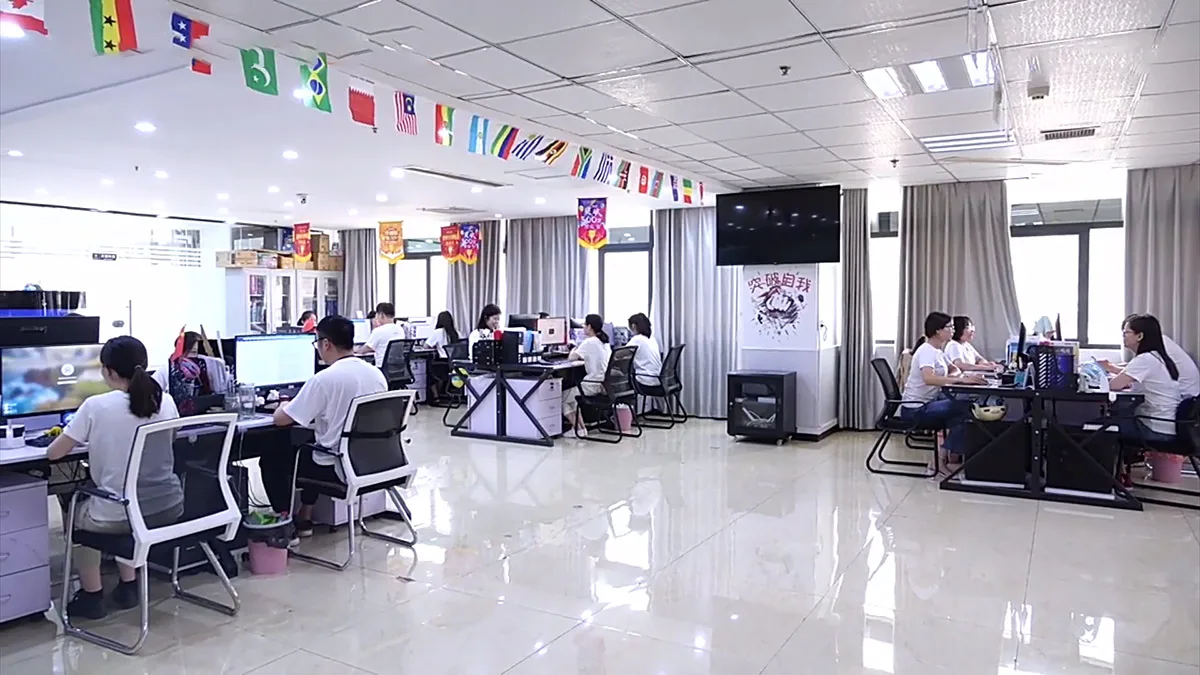
Shantou City Chengzhan Trade Ltd
- Trading Company
- Guangdong, China
- Lead time15 days
- Avg. response≤ 8h
Main productsDiecast toy,light up toys,RC toys,Bubble toys,Building Blocks
Main marketsEastern Europe(15.00%), Northern Europe(15.00%), Mid East(15.00%), Africa(10.00%), North America(10.00%), South America(5.00%), Central America(5.00%), Eastern Asia(5.00%), Southeast Asia(5.00%)
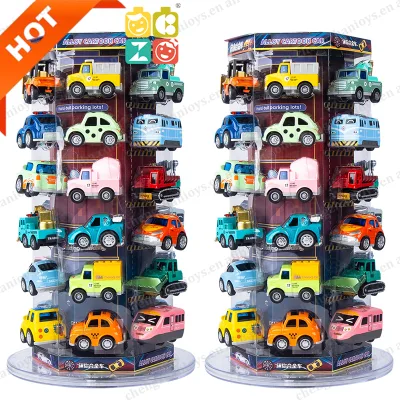
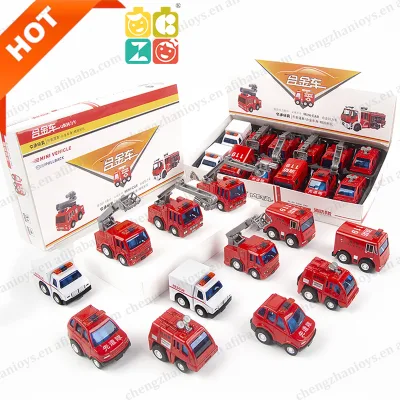
$24.5598 - $26.693
MOQ: 6 pieces
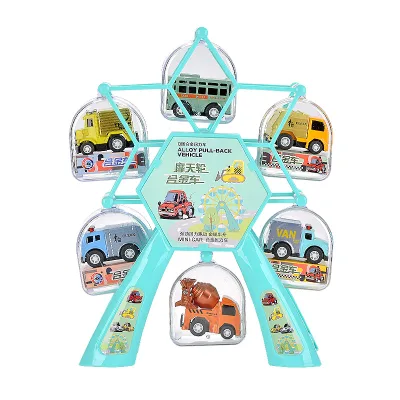
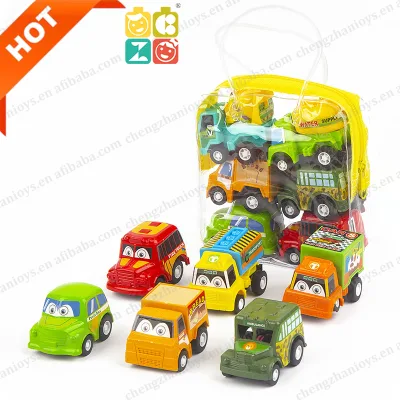
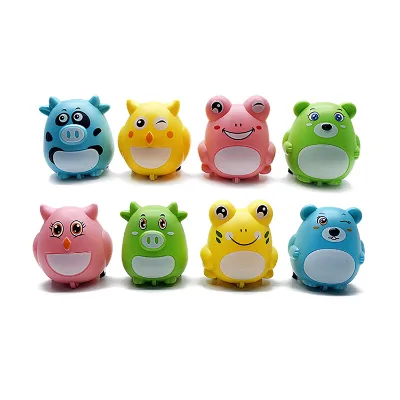
$5.1138 - $5.6392
MOQ: 36 pieces
Xinxiang Quchuang Toys Co., Ltd.
- Trading Company
- Henan, China
- Lead time10 days
- Avg. response≤ 7h
Main productsStationery Set,Notebooks & Writing Pads,Pencil Cases & bags,Pens,School Learning Kit
Main marketsNorth America(60.00%), Eastern Europe(15.00%), Southeast Asia(12.00%), Mid East(5.00%), Africa(5.00%), Eastern Asia(3.00%)
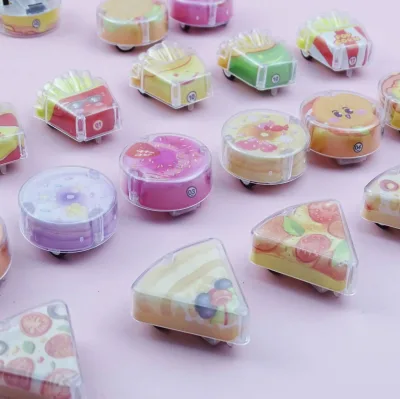
$0.07 - $0.10
MOQ: 100 pieces
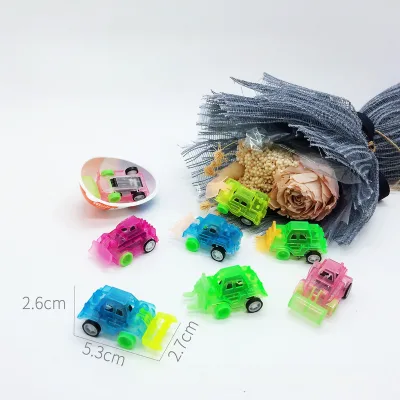
$0.0514 - $0.0719
MOQ: 500 pieces

Hebei Naqiang Automobile Industry Co., Ltd
- Verified by TUVRHEINLAND
- Manufacturer/Factory
- China Hebei
- Lead time30 days
- Avg. response≤ 2h
Main productsElectric Bike, E Bike, Scooter, Children Toy, Balance Bike, Sport Product, Motor Bike, Bike Spear Parts
Main marketsSouth America,Eastern Europe,Mid East,North America,Southeast Asia,Eastern Asia,Oceania,Western Europe,Africa




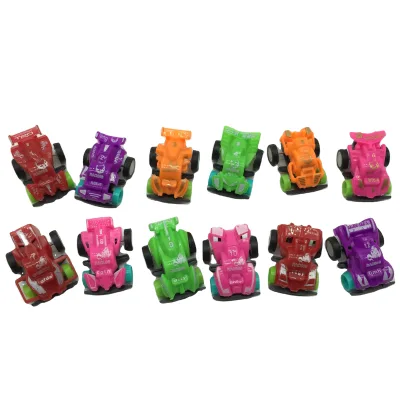
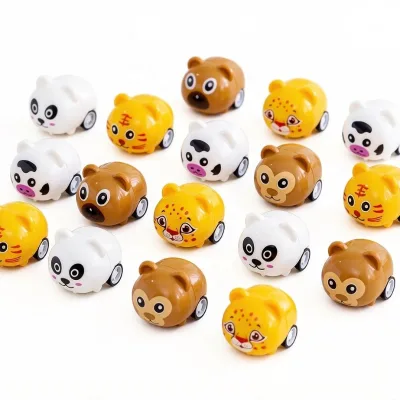


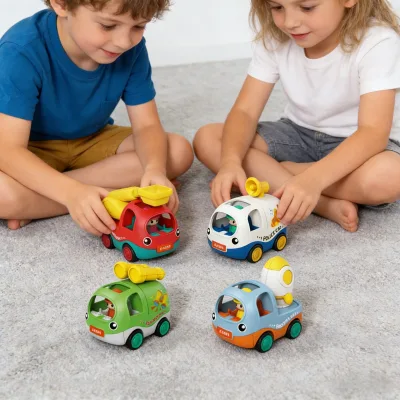
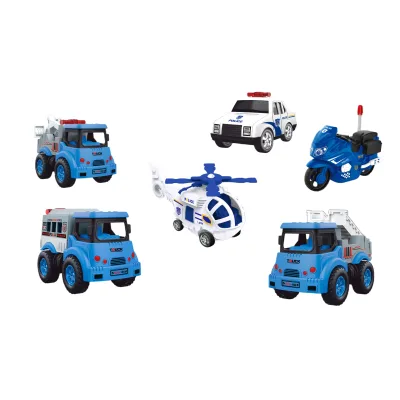




Comprehensive Sourcing Guide
Pull Back Cartoon Toy Car Supplier Concentration and Factory Types
The current supplier landscape for pull back cartoon toy cars reveals a distinct concentration in Guangdong, China, a region widely recognized for its robust manufacturing infrastructure and specialized supply chains for novelty and children’s items. This geographic clustering is not merely a coincidence but a result of decades of industrial development, where factories have evolved to support rapid prototyping and high-volume production of plastic-based toys. When evaluating potential partners, buyers should note that the majority of verified entities in this sector are located within this specific province, which offers logistical advantages for exporting global goods. The presence of these suppliers in Guangdong suggests a mature ecosystem where raw materials, such as PVC and other plastics, are readily available, reducing lead times and production costs. However, buyers must remain vigilant, as the concentration of suppliers in one region can also lead to intense competition, potentially affecting quality control if factories cut corners to maintain price competitiveness. Understanding this geographic reality helps in setting realistic expectations for shipping times and communication efficiency, as time zone differences with Guangdong are manageable for most international buyers. Furthermore, the density of suppliers in this area means that buyers have a wide array of options to choose from, allowing for detailed comparisons based on specific product attributes and service levels. It is crucial to verify the actual factory location rather than relying solely on the registered address, as some trading companies may list their office location while the manufacturing occurs elsewhere. This verification step ensures that the buyer is dealing with the true source of production, which is critical for maintaining consistent quality and addressing any manufacturing issues directly. The Guangdong cluster also benefits from established logistics networks, making it easier to arrange freight forwarding and customs clearance, which are essential for smooth international trade operations.
In terms of company types, the market features a mix of combined entities and trading companies, each offering distinct advantages for different sourcing strategies. Combined companies often provide a hybrid model that includes both manufacturing capabilities and trading services, allowing for greater flexibility in order sizes and customization options. These entities are typically equipped with Original Design Manufacturing (ODM) and Original Equipment Manufacturing (OEM) capabilities, enabling buyers to create unique products or brand their own designs. On the other hand, trading companies act as intermediaries, connecting buyers with multiple factories and offering a broader selection of products under one roof. While trading companies may not own the factories, they often have established relationships with manufacturers, which can facilitate smoother communication and faster response times. However, buyers should be aware that trading companies may add a markup to the final price, which could impact overall profitability. It is important to assess whether the added value of a trading company, such as consolidated shipping or multi-product sourcing, justifies the potential cost increase. For buyers seeking direct factory prices and deeper involvement in the production process, combined companies or pure manufacturers might be more suitable. Conversely, buyers who prioritize convenience and a wide product range may find trading companies more beneficial. The key is to align the supplier type with the buyer’s specific business model and operational needs. Understanding the nuances of each company type helps in making informed decisions that balance cost, quality, and service. Buyers should also consider the supplier’s main products to ensure they specialize in pull back cartoon toy cars, as generalist suppliers may lack the specialized expertise required for high-quality toy production. This specialization often translates to better product knowledge, improved quality control, and more innovative designs.
How to Verify Pull Back Cartoon Toy Car Suppliers
Verification is a critical step in the sourcing process, ensuring that the suppliers you engage with are legitimate and capable of meeting your business requirements. One of the primary indicators of a reliable supplier is their verification status, such as BV (Bureau Veritas) certification, which signifies that an independent third party has assessed the company’s business operations and compliance. Buyers should prioritize suppliers with such verifications, as they have undergone rigorous checks that reduce the risk of fraud or misrepresentation. Additionally, the presence of specific certifications on product listings, such as ISO or EN71, provides further assurance of quality and safety standards. These certifications are particularly important for toy products, as they indicate that the items meet international safety regulations, protecting both the brand and the end consumers. However, buyers should not rely solely on displayed certifications; it is advisable to request copies of the actual certificates and verify their validity with the issuing bodies. This due diligence helps in confirming that the supplier’s claims are accurate and up-to-date. Furthermore, checking the supplier’s response time can offer insights into their operational efficiency and customer service quality. A quick response time, such as under five hours, suggests that the supplier is attentive and responsive, which is crucial for resolving issues promptly during the sourcing process. Buyers should also examine the supplier’s main products to ensure they have a strong focus on pull back cartoon toy cars, as specialization often correlates with higher expertise and better product quality.
Another important aspect of verification is assessing the supplier’s production capabilities and history. Buyers should look for details regarding the supplier’s establishment year, which can provide context about their experience and stability in the market. Longer-established suppliers are often more reliable, as they have survived market fluctuations and built a reputation for quality. Additionally, examining the supplier’s capacity for customization, such as ODM and OEM services, can help determine their flexibility in meeting specific buyer requirements. Buyers should also verify the supplier’s location to ensure it matches the claimed manufacturing base, as some suppliers may misrepresent their origins to appear more attractive. This can be done by requesting factory audits or video tours, which provide visual evidence of the production environment and quality control processes. Furthermore, checking for any negative feedback or disputes in the supplier’s history can help identify potential red flags. Buyers should also consider the supplier’s use of escrow services, which offer an additional layer of security by holding payments until the goods are received and approved. This protects buyers from financial loss in case of non-delivery or significant quality issues. By combining these verification methods, buyers can build a comprehensive profile of each supplier, enabling them to make informed decisions and mitigate risks. It is essential to be thorough in this process, as the consequences of choosing an unreliable supplier can be severe, including damaged brand reputation and financial losses. Taking the time to verify suppliers properly is an investment that pays off in the long run by ensuring a smooth and successful sourcing experience.
What to Compare Across Pull Back Cartoon Toy Car Suppliers
When evaluating multiple suppliers for pull back cartoon toy cars, buyers must systematically compare key operational metrics to identify the best fit for their business needs. One of the most critical factors is the lead time, which indicates how long it takes for the supplier to produce and deliver the order. Suppliers with shorter lead times, such as three days, offer greater flexibility for rush orders and faster time-to-market, which can be a significant competitive advantage. However, buyers should also consider the trade-off between speed and quality, as excessively fast lead times may compromise production standards. Another important metric is the Minimum Order Quantity (MOQ), which determines the smallest order size a supplier is willing to accept. Suppliers with lower MOQs, such as 100 units, are more accessible for small businesses or those testing new products, while higher MOQs may be necessary for achieving better unit prices. Buyers should assess whether the supplier’s MOQ aligns with their inventory capacity and sales projections to avoid overstocking or stockouts. Additionally, comparing the price ranges across suppliers is essential for budget planning. Prices can vary significantly based on factors such as material quality, customization options, and order volume. Buyers should request detailed quotes that break down costs, including manufacturing, packaging, and shipping, to ensure transparency and avoid hidden fees. It is also important to consider the supplier’s response time, as quick communication is vital for resolving queries and negotiating terms efficiently. Suppliers with faster response times, such as under five hours, demonstrate better customer service and operational readiness.
Beyond these operational metrics, buyers should also compare the product specifications and customization options offered by each supplier. Details such as material composition, age recommendations, and safety certifications are crucial for ensuring the product meets market requirements and regulatory standards. For instance, some suppliers may offer PVC materials with specific safety certifications, while others may use different plastics with varying quality levels. Buyers should also examine the packaging options, as attractive and durable packaging can enhance product appeal and reduce damage during transit. Customization features, such as logo printing and color options, allow buyers to differentiate their products in the market, so suppliers with flexible customization capabilities are often preferred. Additionally, comparing the supplier’s main products can provide insights into their specialization and expertise. Suppliers who focus primarily on pull back cartoon toy cars are likely to have more refined designs and better quality control than generalist suppliers. Buyers should also consider the supplier’s location, as proximity to manufacturing hubs can impact shipping costs and lead times. Finally, evaluating the supplier’s use of escrow services and other payment security measures can help mitigate financial risks. By systematically comparing these factors, buyers can make data-driven decisions that balance cost, quality, and service, ultimately selecting the supplier that best supports their business objectives. This comparative approach ensures that buyers do not overlook critical details that could impact the success of their sourcing efforts.
Common Pull Back Cartoon Toy Car Sourcing Risks
Sourcing pull back cartoon toy cars from international suppliers involves several inherent risks that buyers must proactively manage to ensure a successful transaction. One of the most significant risks is quality inconsistency, which can arise from variations in manufacturing processes or material sourcing. Even with established suppliers, batches of products may differ in color, texture, or functionality, leading to customer dissatisfaction and returns. To mitigate this risk, buyers should request pre-production samples and conduct thorough quality inspections before approving mass production. Additionally, specifying detailed product specifications and quality standards in the contract can help hold suppliers accountable for meeting agreed-upon criteria. Another common risk is communication barriers, which can lead to misunderstandings regarding product requirements, delivery schedules, or payment terms. Language differences and cultural nuances can exacerbate these issues, making it essential for buyers to establish clear and consistent communication channels with their suppliers. Using visual aids, such as diagrams and photos, can help clarify complex requirements and reduce the likelihood of errors. Furthermore, buyers should be cautious of suppliers who are slow to respond or provide vague answers, as these behaviors may indicate underlying operational issues or lack of transparency.
Financial risks are also prevalent in international sourcing, particularly when dealing with suppliers who do not offer secure payment methods. Buyers should avoid making full upfront payments and instead use escrow services or letters of credit to protect their funds until the goods are received and verified. This ensures that the supplier is incentivized to deliver on time and meet quality standards. Additionally, buyers should be aware of potential hidden costs, such as customs duties, taxes, and shipping fees, which can significantly impact the total cost of ownership. These costs vary by destination and should be factored into the initial budgeting process to avoid unexpected expenses. Another risk is intellectual property infringement, where suppliers may produce counterfeit or unauthorized designs that violate brand rights. Buyers should ensure that their designs are properly protected and that suppliers have the necessary licenses to produce them. Finally, logistical risks, such as delays in shipping or damage during transit, can disrupt supply chains and affect customer satisfaction. Buyers should work with reliable freight forwarders and purchase insurance to mitigate these risks. By identifying and addressing these common risks, buyers can create a more resilient sourcing strategy that safeguards their business interests and ensures a positive supplier relationship.
Pull Back Cartoon Toy Car Regional Sourcing and Logistics
The geographic concentration of Pull Back Cartoon Toy Car suppliers in Guangdong, China, presents both opportunities and challenges for international buyers. This region is a major manufacturing hub, offering access to a wide range of suppliers with specialized expertise in toy production. The proximity of these suppliers to major ports, such as Shenzhen and Guangzhou, facilitates
FAQs
What is the typical lead time for pull back cartoon toy cars?
The typical lead time for these toys is 30 days, though some suppliers offer faster production cycles of just 3 days. Buyers should confirm specific timelines with the manufacturer before placing orders to ensure delivery aligns with project schedules and market demands.
What is the minimum order quantity for these toys?
Minimum order quantities vary significantly by product type. Standard pull back cars often require a minimum of 300 units, while mini versions may only need 100 units. Buyers must check the specific MOQ for each model to plan inventory and budgeting accurately.
Are these toys suitable for young children?
Yes, most pull back cartoon toy cars are designed for children aged 3 to 8 years. Some models are specifically recommended for ages 4 to 6 or 7 to 12. Always verify the age recommendation on the product label to ensure safety and appropriateness.
What materials are used to make these toys?
These toys are primarily constructed from durable PVC or general plastic materials. The use of PVC ensures flexibility and safety for children. Buyers should verify material specifications with suppliers to ensure compliance with international safety standards and quality expectations for the target market.
Do suppliers offer customization options for these toys?
Customization is generally available for many pull back cartoon toy cars. Suppliers often support OEM and ODM services, allowing for logo printing and design changes. Buyers should inquire about specific customization capabilities, such as simple color logo printing, to meet brand requirements.
Where are these toys manufactured?
These toys are predominantly manufactured in Guangdong, China. This region is a major hub for toy production, offering extensive supply chains and manufacturing expertise. Buyers sourcing from this location can benefit from established logistics networks and competitive pricing structures for bulk orders.
What certifications do these toys have?
Certifications vary by product, with some items holding ISO certification and others meeting EN71 standards. Buyers must verify the specific certification for each model to ensure compliance with local safety regulations. Always request valid test reports from suppliers before finalizing any purchase agreement.