Quartz Yoga Gemstone Bracelet Suppliers and Manufacturers
Compare 24 verified suppliers offering quartz yoga gemstone bracelets with details on location, lead times, and response times. Review product specifications like length and material, then contact suppliers directly to request samples or negotiate pricing; review the available evidence before requesting comparable quotations from suitable candidates.
Suppliers List
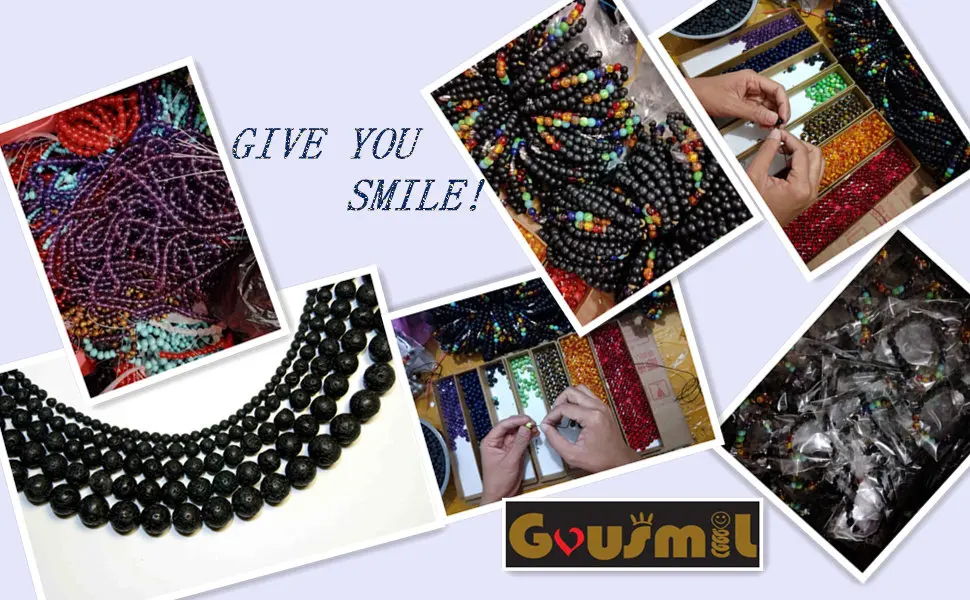
- Trading Company
- Zhejiang, China
- Lead time14 days
- Avg. response≤ 6h
Main productsBracelet,Necklace,Keychain,Lanyard,Earrings
Main marketsNorth America(30.0%), Southeast Asia(20.0%), Eastern Europe(20.0%), South America(20.0%), Africa(5.0%), Mid East(2.0%), Western Europe(1.0%), Eastern Asia(1.0%), Oceania(1.0%)
Yiwu Hanluan Jewelry Co., Ltd.
- Verified by SGS Group
- Trading Company
- Lead time15 days
- Avg. response≤ 2h
Main productsJewelry, Hats, Lanyard, keychian
Main marketsNorth America(80%), Western Europe(15%), Southeast Asia(3%)
Yiwu Shanmei Arts And Gifts Co., Ltd.
- Manufacturer, Trading Company
- Lead time旺季: "6 - 180":7,"> 180":"To be negotiated", 淡季: "6 - 180":7,"> 180":"To be negotiated"
- Avg. response≤ 5h
Main productsJewelry
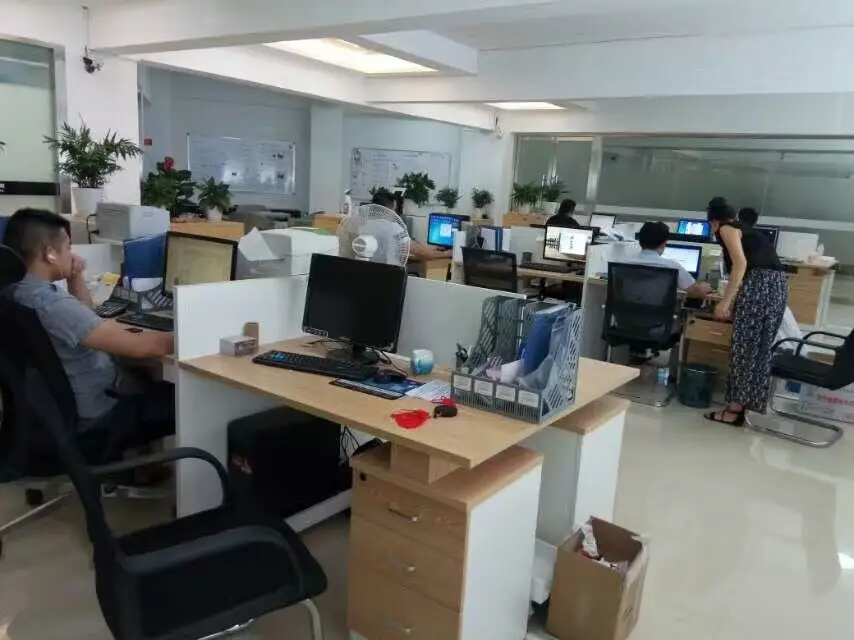
Yiwu Feiling Jewelry Co., Ltd.
- Trading Company
- Zhejiang, China
- Lead time15 days
- Avg. response≤ 3h
Main productsbracelet,necklace,earring,rings,sunglasses
Main marketsNorth America(30.0%), South America(15.0%), Central America(10.0%), Western Europe(8.0%), Eastern Europe(7.000000000000001%), Southern Europe(6.0%), Northern Europe(5.0%), Africa(5.0%), Southeast Asia(5.0%), Mid East(5.0%), South Asia(2.0%), Eastern Asia(2.0%)

East Sunrise Jewelry Co., Limited
- Verified by SGS
- Manufacturer/Factory
- China Guangdong
- Lead time23 days
- Avg. response≤ 15h
Main productsPendant, Necklace, Bracelet, Ring, Earring, Carving, Ornament, Loose Bead, Jewelry, Semi-Precious Stones
Main marketsSouth America,Eastern Europe,Mid East,North America,Southeast Asia,Eastern Asia,Oceania,Western Europe,Africa
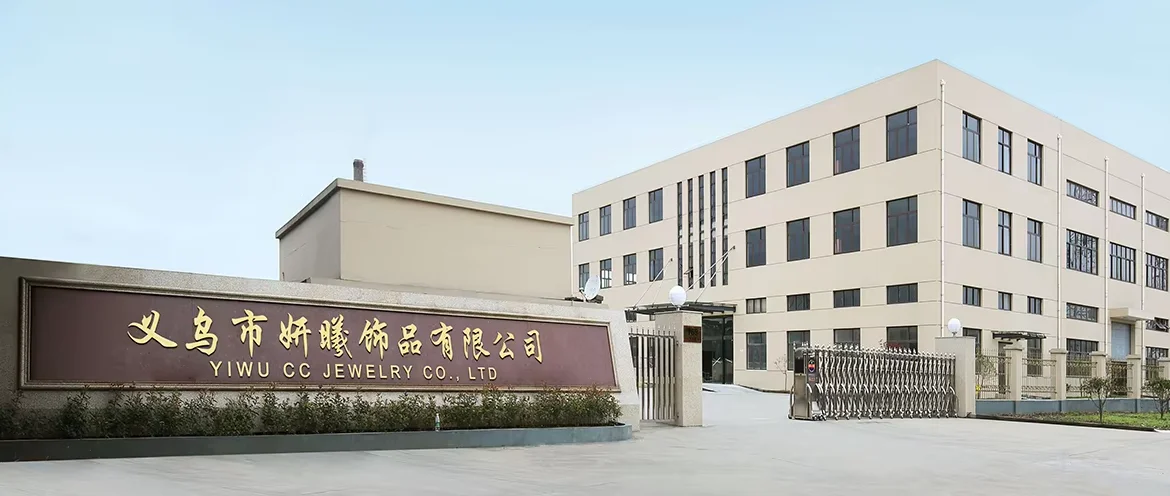
- Trading Company
- Zhejiang, China
- Lead time7 days
- Avg. response≤ 10h
Main productsGemstone Jewelry,Stainless Steel Jewelry,CZ Jewelry,Pearl Jewelry,Alloy Jewelry
Main marketsWestern Europe(25.0%), Northern Europe(15.0%), North America(5.0%), Eastern Europe(5.0%), South America(5.0%), Southeast Asia(5.0%), Africa(5.0%), Oceania(5.0%), Mid East(5.0%), Eastern Asia(5.0%), Central America(5.0%), Southern Europe(5.0%), South Asia(5.0%), Domestic Market(5.0%)

- Verified by SGS
- Trading Company
- China Zhejiang
- Lead time15 days
- Avg. response≤ 15h
Main productsMop, Kitchen Knife, Chopping Board, Blanket, Mosquito Net, Cushion, Slipper, Broom, Luggage, Educational Toy
Main marketsEurope,Australia

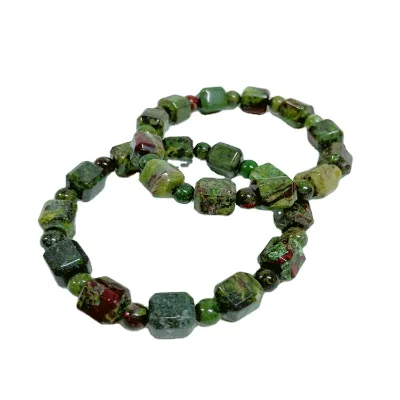
Jewelry Healing Stress Relief Oil Mala Lava Stone Rose Quartz Meditation Bracelet
$0.65 - $0.70
Moq: 1400


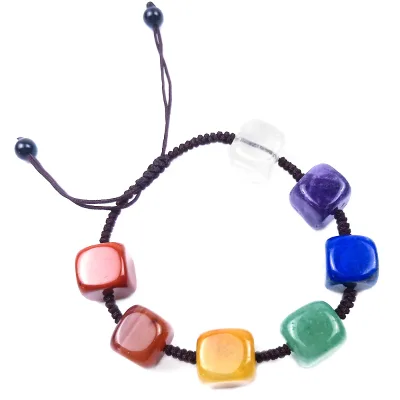
Accessory Energy Balancing Yoga Beads 7 Chakra Reiki Healing Crystals Stretch Bracelet
$0.65 - $0.70
Moq: 1400


Fujian Junqing Trade Co., Ltd.
- Verified by CTI
- Trading Company
- China Fujian
- Lead time15 days
- Avg. response≤ 4h
Main productsDesign Necklace, Design Earring, Design Bracelet Bangle, Design Hair Accessories, Shoes, Bags, Watches, Sunglasses, Home Decoration
Main marketsSoutheast Asia/ Mideast,Europe,North America

- Manufacturer, Trading Company
- Zhejiang, China
- Lead time20 days
- Avg. response≤ 5h
Main productsBracelet,Necklace,Anklet,Key Ring
Main marketsNorth America(59.599999999999994%), Western Europe(37.8%), Africa(1.6%), Northern Europe(0.5%), Oceania(0.5%)
Hebei Bestone Jewelry Co., Ltd.
- Manufacturer, Trading Company
- Lead time旺季: "1 - 50":15,"51 - 100":30,"101 - 500":35,"> 500":"To be negotiated", 淡季: "1 - 50":15,"51 - 100":30,"101 - 500":35,"> 500":"To be negotiated"
Main productsFashion Jewelry, DIY Beads & Findings, Apparel & Accessories, Home Decor, Facial Massage
Nanning Haosiqi Jewelry Company Ltd.
- Trading Company
- Guangxi, China
- Lead time7 days
- Avg. response≤ 2h
Main productsNatural Semi-precious stones,Natural Stone Pendant,Bracelet,Rings,Necklace
Main marketsNorth America(45.0%), South America(25.0%), Domestic Market(10.0%), Eastern Europe(5.0%), Mid East(5.0%), Oceania(5.0%), Southeast Asia(5.0%)
Yiwu Shanmei Arts And Gifts Co., Ltd.
- Manufacturer, Trading Company
- Lead time旺季: "5 - 10":7,"15 - 250":15,"> 250":"To be negotiated", 淡季: "5 - 10":7,"15 - 250":15,"> 250":"To be negotiated"
- Avg. response≤ 7h
Main productsGemstone Jewelry, Metal Jewelry, Jewelry Accessories, Sterling Sliver Jewelry, Gemstone Decorations

YIWU JINYE IMPORT AND EXPORT CO., LTD
- Verified by SGS
- Trading Company
- China Zhejiang
- Lead time15 days
- Avg. response≤ 24h
Main productsBangle, Wrist Band, Bracelet, Fashion Jewelry
Main marketsNorth America
- Verified by Intertek
- Manufacturer, Trading Company
- Lead time7 days
Main productsBeaded Jewelry, Natural Stone Bracelet, Fashion Necklace, Crystal Bracelets, Pearl Necklace
Main marketsNorth America(40%), Western Europe(35%), Oceania(10%)
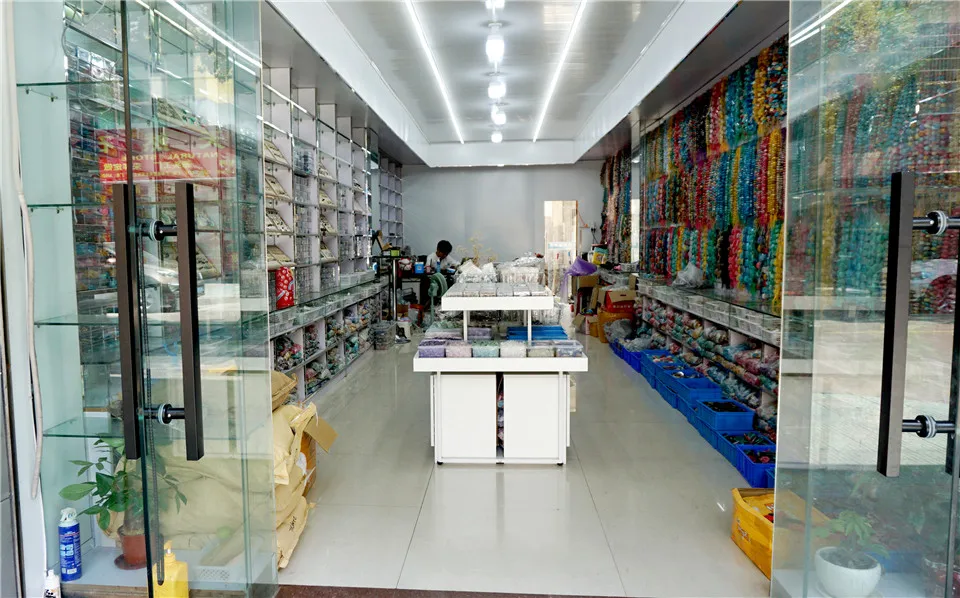
- Trading Company
- Zhejiang, China
- Lead time0 days
- Avg. response≤ 8h
Main productsNatural stone pendant,Natural stone necklace,Agate Pendant,Earrings,Arts and Crafts
Main marketsWestern Europe(40.0%), Southern Europe(20.0%), North America(20.0%), Eastern Europe(10.0%), South America(10.0%)

- Verified by SGS
- Trading Company
- China Zhejiang
- Lead time0 days
- Avg. response≤ 14h
Main productsTents, BBQ Grill, Luggage, Kids Toy, Fitness Equpments, Cookware, Kitchen Utensils and Gadgets, Yoga Mat, Bathroom Rugs, Pets Items
Main marketsSouth America,Eastern Europe,Mid East,North America,Southeast Asia,Eastern Asia,Oceania,Western Europe,Africa

Relief Reiki Yoga Anxiety Crystal Natural Stone Healing Chakra Bracelets for Women Men
$0.35 - $0.37
Moq: 2000


Shenzhen Marvel Electronic Co., Ltd.
- Verified by TUVRHEINLAND
- Trading Company
- China Guangdong
- Lead time15 days
- Avg. response≤ 8h
Main productsCustom Jewelry, Silver Jewelry, Earring, Necklace, Bracelet, Nose Ring, Jewelry Set, Fashion Jewelry, Brooch
Main marketsEurope,North America
Dongguan Huiying Art&crafts Co., Ltd.
- Manufacturer, Trading Company
- Guangdong, China
- Lead time20 days
- Avg. response≤ 6h
Main productsgifts,crafts,skin care products,face rollers,gua sha massagers
Main marketsWestern Europe(25.0%), North America(25.0%), Northern Europe(10.0%), Oceania(10.0%), Mid East(5.0%), Eastern Europe(5.0%), Central America(5.0%), Southeast Asia(3.0%), Eastern Asia(3.0%), South Asia(2.0%), Southern Europe(2.0%), South America(2.0%), Africa(2.0%), Domestic Market(1.0%)
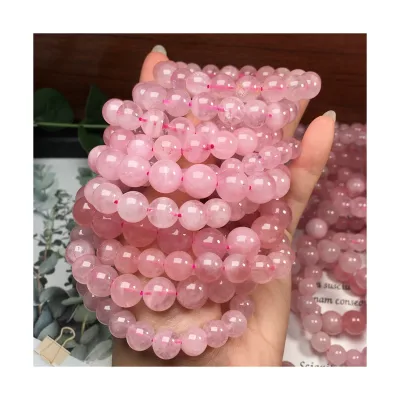
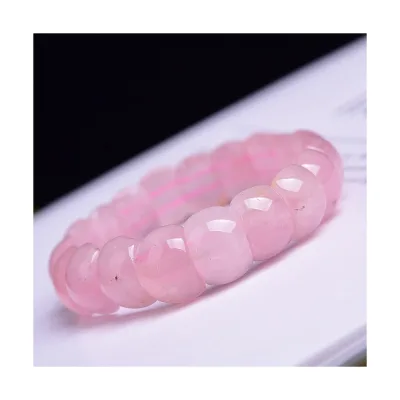
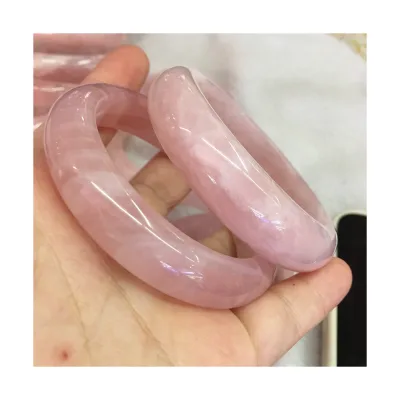
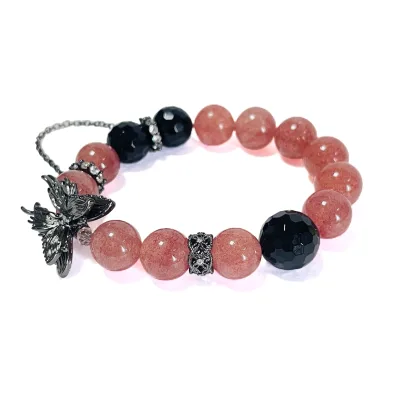
2026 Crystals Bracelets for Women - Spiritual Healing Gift Rose Quartz Bracelet
$1.00 - $1.99
Moq: 100

Dongguan weiyizao import and Export Co., Ltd.
- Verified by BV
- Trading Company,Manufacturer/Factory
- China Guangdong
- Lead time45 days
- Avg. response≤ 4h
Main productsUnderwear, Sportwear, Seamless Underwear, Mould Bra, Nursing Bra, Panty, Garment Accessories, Garment Decoration-Jewelry, Bra Strap, Belt
Main marketsSouth America,Eastern Europe,Mid East,North America,Southeast Asia,Eastern Asia,Oceania,Western Europe,Africa
- Verified by SGS Group
- Manufacturer, Trading Company
- Lead time15 days
- Avg. response≤ 1h
Main productsJade Roller, Jade Guasha, Hardware Massager, Jade Accessories, Jade Round Beads
Main marketsWestern Europe(25%), Domestic Market(25%), North America(20%)
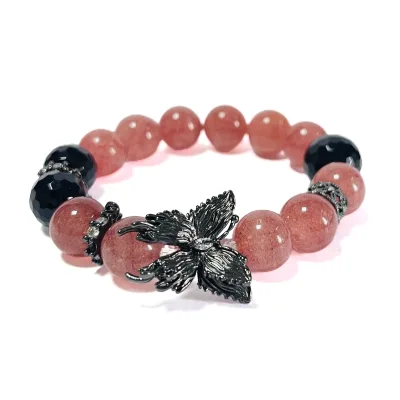
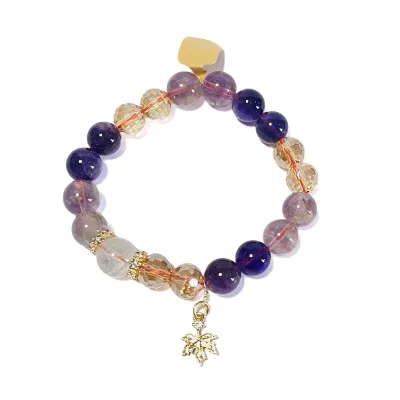
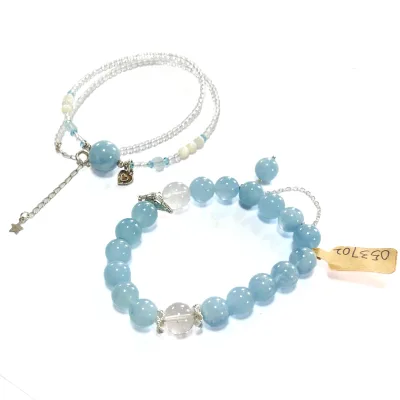
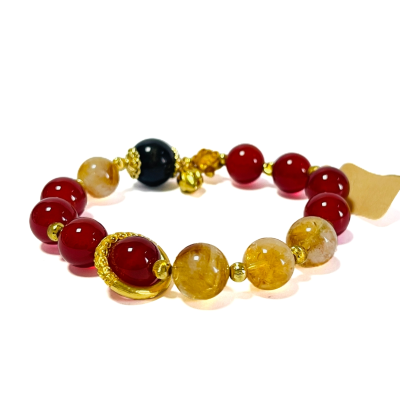
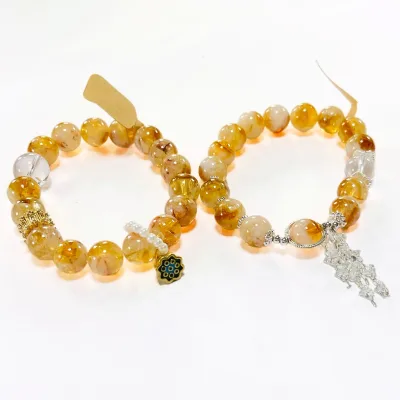
crystals healing stones jewelry
$2.50 - $5.00
Shenzhen Daoyun Trade Co., Ltd.
- Verified by TüVRheinland
- Trading Company
- Lead time7 days
- Avg. response≤ 4h
Main productsJewelry Box, Necklace, Bracelet, Rings, Earring
Main marketsNorth America(50%), Western Europe(20%), Southeast Asia(10%)
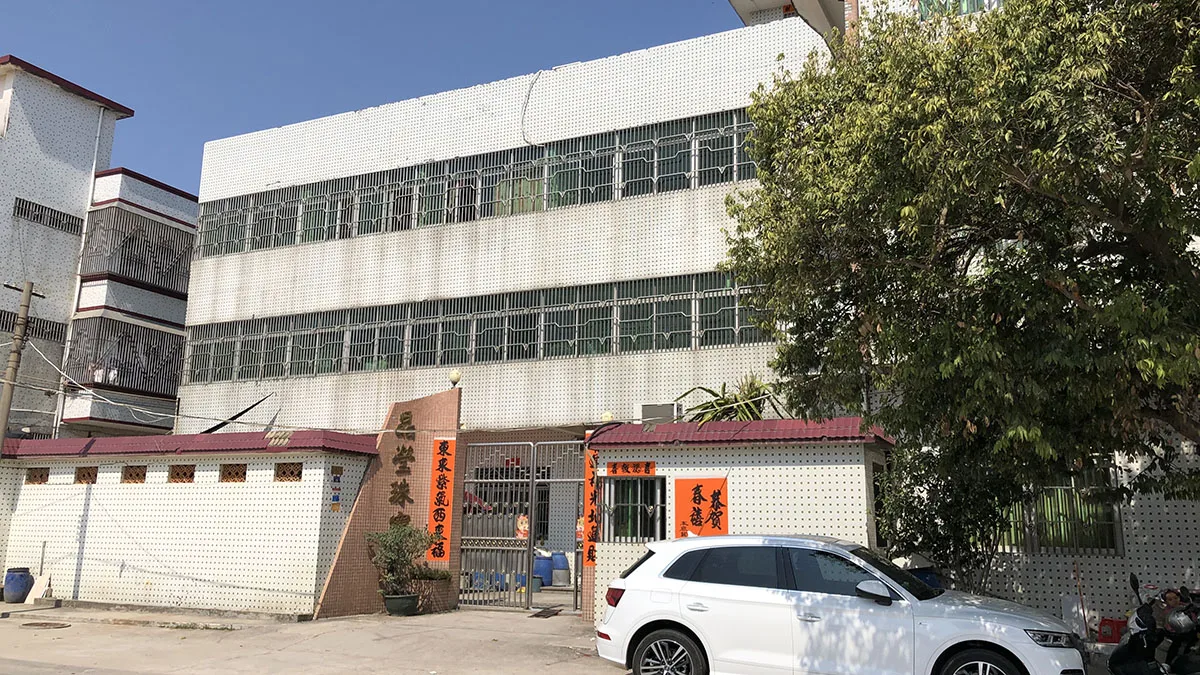
Guangzhou Liwan Jingcai Jewelry Firm
- Distributor/Wholesaler
- Guangdong, China
- Lead time7 days
- Avg. response≤ 6h
Main productsJewelry,Body Jewelry,Bracelets & Bangles,Loose Gemstone,Necklaces
Main marketsNorth America(40.0%), Western Europe(20.0%), Eastern Asia(20.0%), Eastern Europe(10.0%), Northern Europe(5.0%), Oceania(5.0%)
Yiwu Zhuofang Jewelry Co., Ltd.
- Verified by Intertek
- Manufacturer, Trading Company
- Lead time5 days
- Avg. response≤ 2h
Main productsNecklace , Earring, Rings, Bracelet , Brooch
Main marketsNorth America(45%), Northern Europe(13%), Mid East(13%)

Xiamen Yuxiang Magnetic Materials Technology Co., Ltd.
- Trading Company
- China Fujian
- Lead time23 days
- Avg. response≤ 6h
Main productsNdFeB Magnet, SmCo Magnet, AlNiCo Magnet, Ferrite Magnet, Rubber Magnet, Fridge Magnet, Magnetic Powder, Magnetic Compound, Magnetic Core, Magnetic Materials
Main marketsSouth America,Africa,Southeast Asia/ Mideast,East Asia(Japan/ South Korea),Europe,Australia,North America
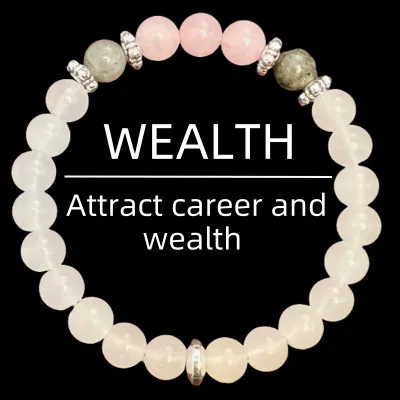
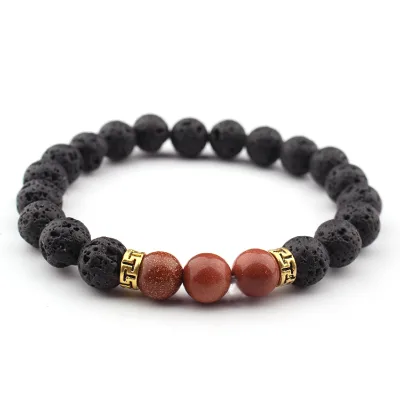
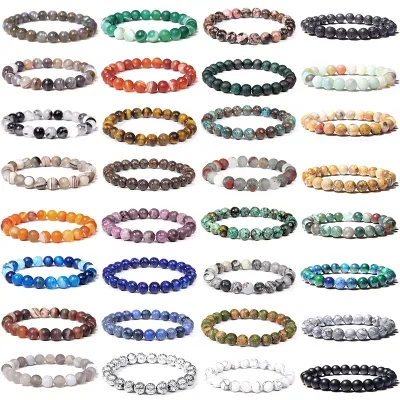
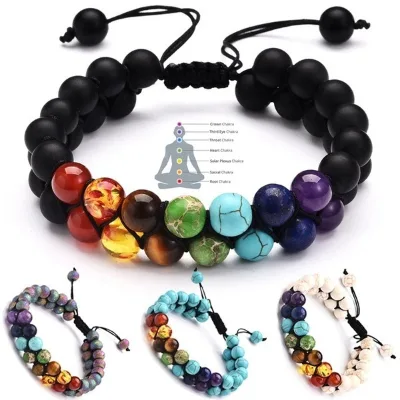


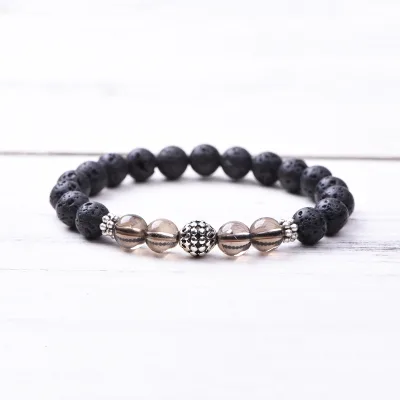
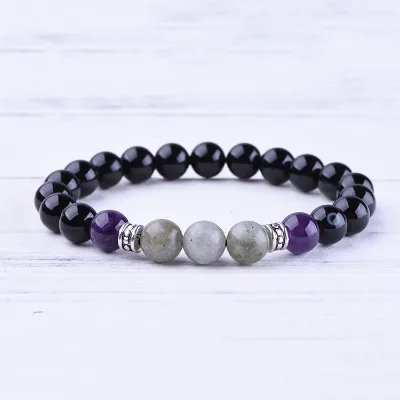
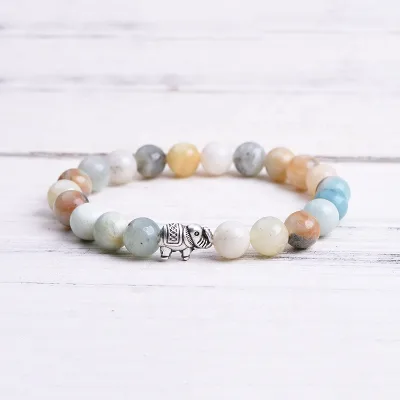


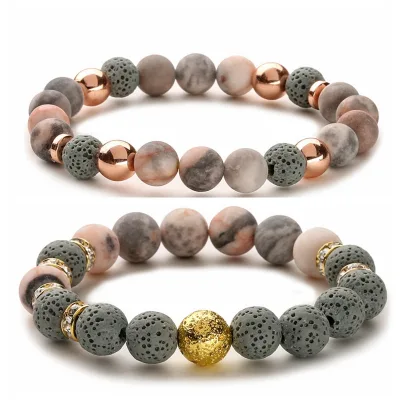
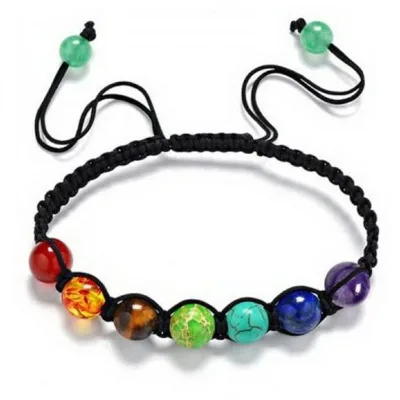
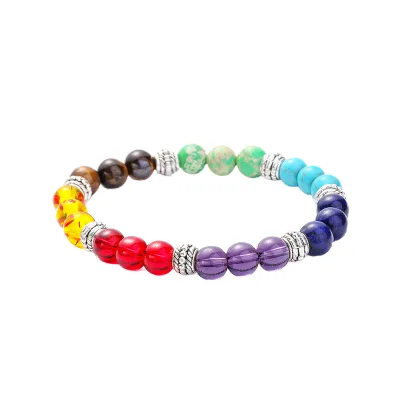
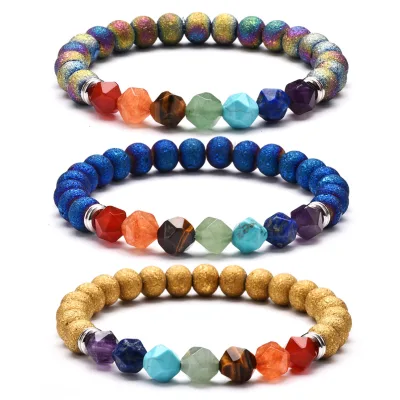
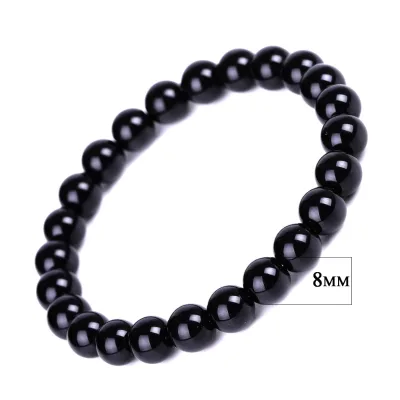


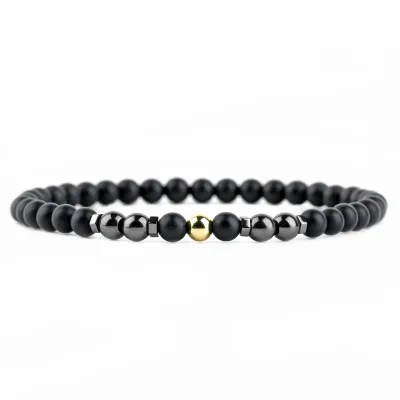
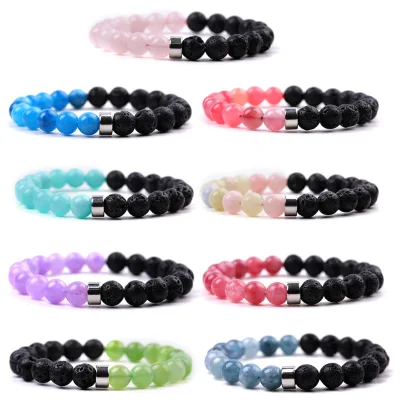
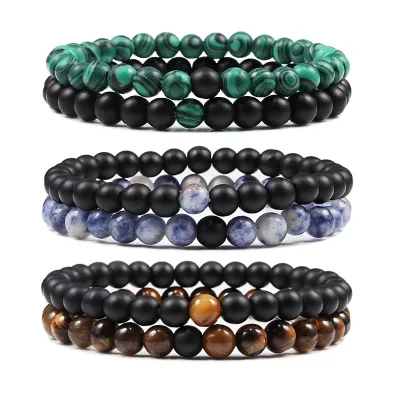
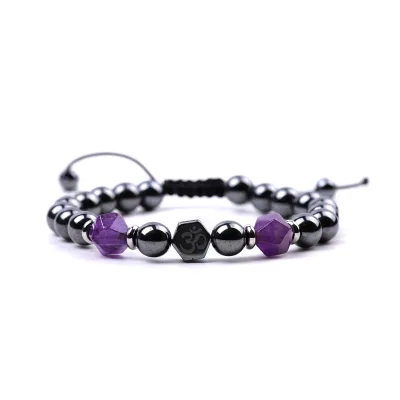



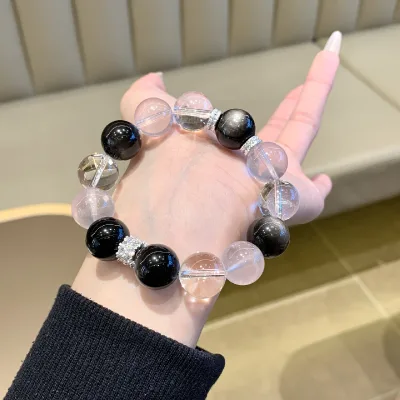

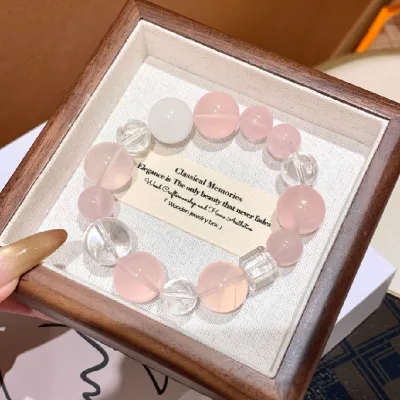
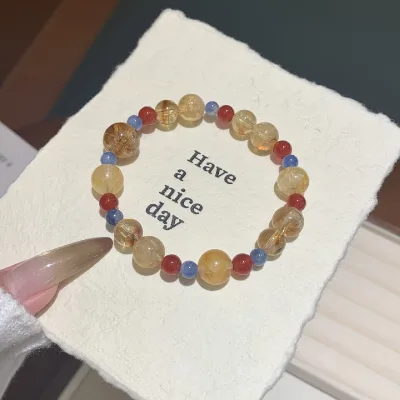
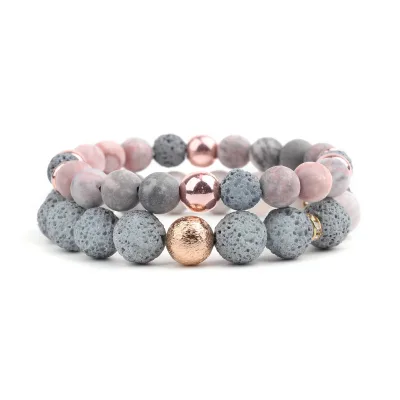


Comprehensive Sourcing Guide
Quartz Yoga Gemstone Bracelet Supplier Concentration and Factory Types
The supplier results for this category point strongly to Zhejiang, China as a documented production location, with product listings explicitly recording Zhejiang as the place of origin for beaded stone bracelets. This aligns with the broader reality that fashion jewelry and semi-precious stone beadwork concentrate in eastern China, where bead cutting, stone supply, elastic cord assembly and packaging sit close together. For buyers, this concentration matters because it shortens the chain between raw gemstone beads and finished Quartz Yoga Gemstone Bracelet styles, and because competing workshops within one region tend to benchmark against each other on price and finish quality. When listings do not state a location, treat that as a gap to close during inquiry rather than assuming regional proximity.
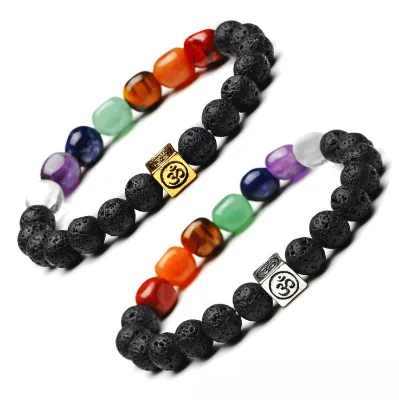
Supplier types in these results also vary. One documented company identifies as a Trading Company, which typically means design and sourcing capability without in-house stringing or stone processing. Other listings show manufacturer-style signals such as a stated supply ability of 12,000 pieces per day, model numbers, and detailed material breakdowns listing lava stone, alloy and turquoise alongside natural gemstone beads. Buyers should classify each candidate as factory, workshop-style producer, or trading intermediary before comparing quotes, because the same bracelet design can carry different margins and quality-control responsibilities depending on who actually assembles the product. Ask each supplier directly who performs stringing, knotting and final inspection, and request photos of the assembly floor rather than only catalog images of finished bracelets.
How to Verify Quartz Yoga Gemstone Bracelet Suppliers
Verification begins with the credentials actually displayed and ends with what you can independently confirm. In the current results, at least one supplier carries an SGS Group verification badge, and one product listing references a CNAS certificate type, which are meaningful starting signals but not substitutes for your own checks. Request the business license and cross-check the registered scope against jewelry manufacturing or trading, confirm the legal entity name matches the account you are messaging, and ask whether the SGS verification covers the specific entity or a parent company. For the CNAS reference, ask for the actual certificate document and the scope of testing it covers, since a certificate attached to one product does not automatically extend across a catalog.
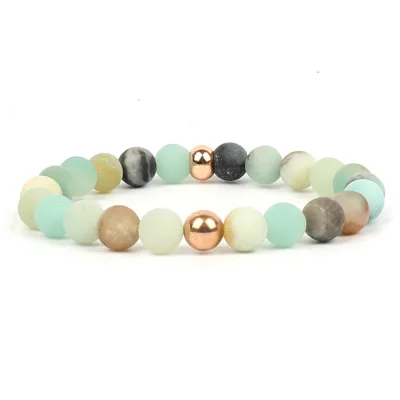
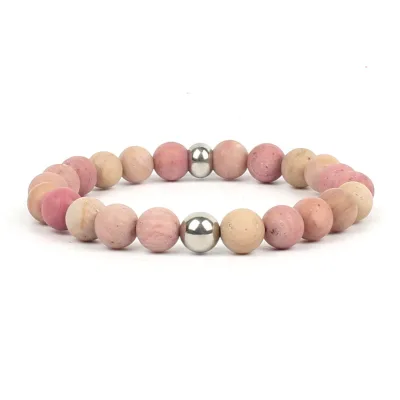
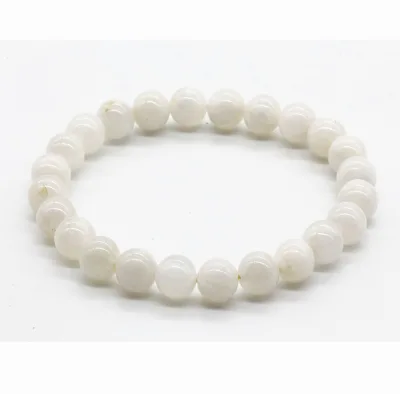
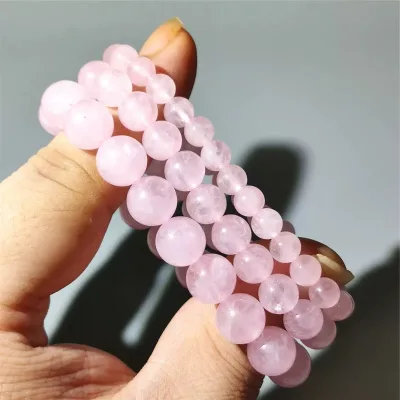
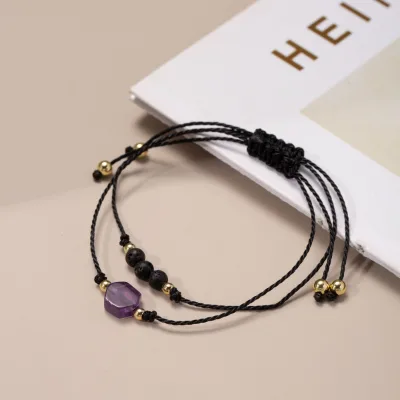
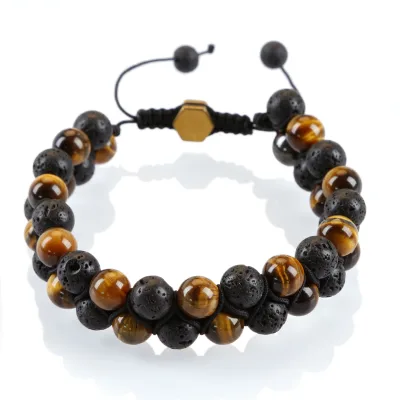
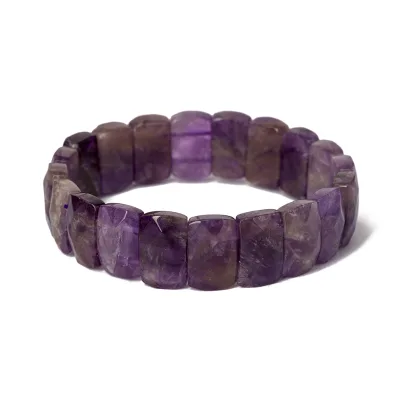
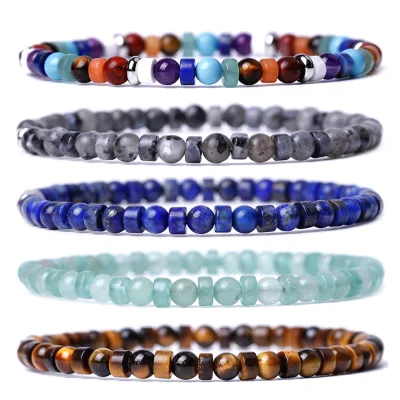
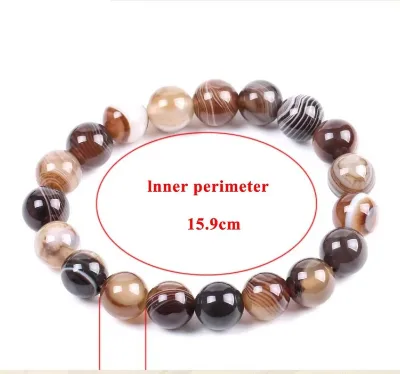
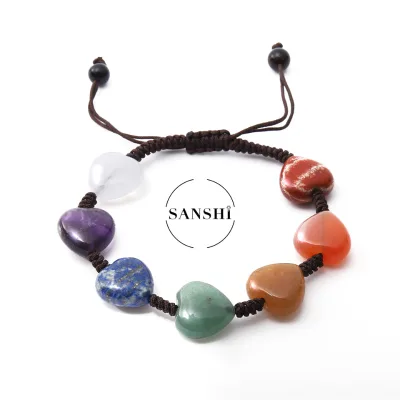
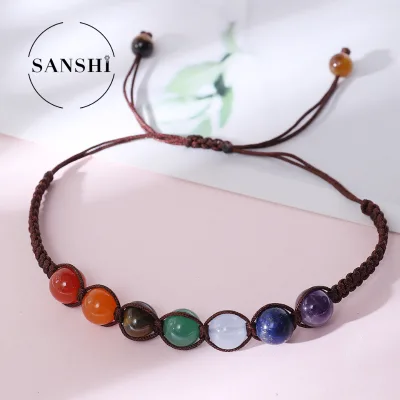
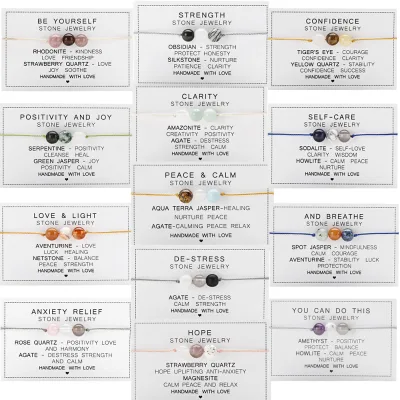
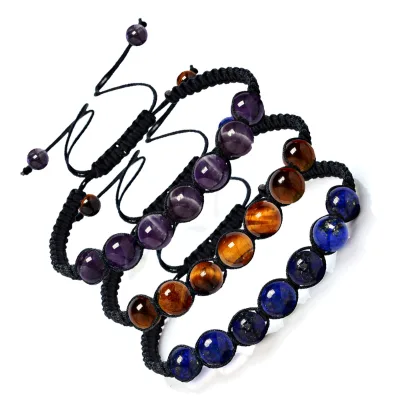
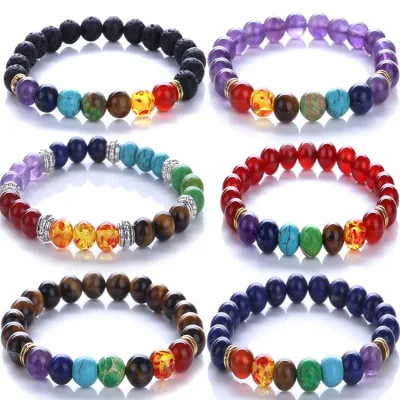
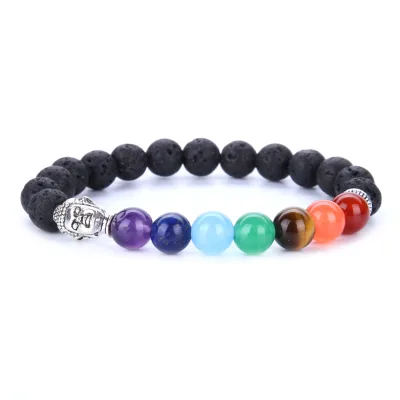
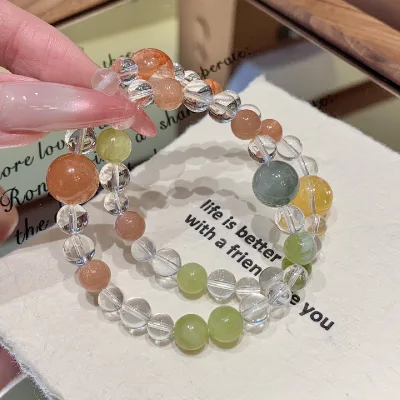
Beyond documents, verify product-level claims against samples. Listings in this category specify attributes such as 8mm bead diameter, 18.5cm or 18cm lengths, 16+5cm adjustable designs, and named stones including rose quartz, rhodochrosite, amazonite and matte tiger eye. Order samples of the exact Quartz Yoga Gemstone Bracelet SKUs you intend to buy, then weigh and measure them against the stated specifications, because stone type substitutions and bead-size downgrades are the most common discrepancies in this category. Photograph each sample beside the listing, and ask the supplier to confirm in writing which stone grade the quoted price assumes. Finally, verify responsiveness empirically: the displayed response times in these results range from 2 to 6 hours, so time several of your own messages across different days and weekdays before concluding that a supplier communicates reliably at your required pace.
What to Compare Across Quartz Yoga Gemstone Bracelet Suppliers
Build a comparison sheet using the attributes these listings actually surface, without assuming every supplier displays every field. Documented dimensions include lead time, with values of 14 and 15 days visible in the results; MOQ, where observed figures are as low as 10 and 12 pieces on specific bracelet SKUs; response time, with 2-hour and 6-hour figures shown; location, where Zhejiang appears repeatedly; and company type, such as the Trading Company label. Main products are another useful filter: some suppliers list bracelets, necklaces, keychains, lanyards and earrings, indicating breadth across small fashion accessories, which can matter if you plan to consolidate several accessory lines in one order. Establishment year, escrow status and third-party verification should be added as columns whenever a supplier's profile displays them.
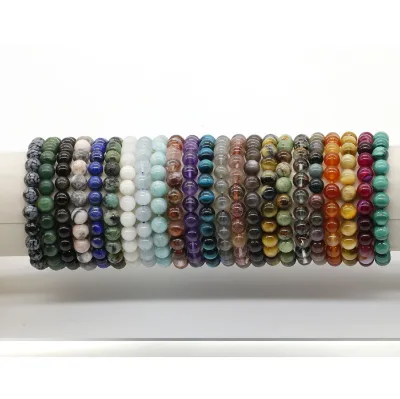
Price comparison needs structure because quoted ranges vary widely across comparable designs. The documented price bands for beaded stone bracelets in these results run from roughly $0.42 to $0.58 for a lava and turquoise chakra style, $0.69 to $0.85 for a rose quartz and sunstone healing bracelet, $0.80 to $1.60 for semi-precious gemstone yoga designs, and $1.28 to $1.38 for a double-layer adjustable chakra bracelet. Compare suppliers at the same specification level: same bead size, same stone type, same length and same closure or elastic construction. Also compare depth, not just width, by asking each supplier which colorways and stone variants they stock for repeat orders, since one listing documents more than twenty stone color options while others list only a handful. Capacity signals matter too; the 12,000 pieces per day figure demonstrates how throughput claims can differ from small-batch flexibility.
Common Quartz Yoga Gemstone Bracelet Sourcing Risks
The most frequent risk in this category is stone substitution. Listings name specific materials such as natural rose quartz, lava rock gemstone, agate, amazonite and rhodochrosite, and the price spread between documented SKUs shows how much cost depends on the stone itself. A supplier may quote against genuine quartz and later substitute dyed or reconstituted bead stock, especially at the lower end of the observed price range. Mitigate this by specifying stone grade in the purchase contract, requiring pre-production photos of actual strung beads rather than stock imagery, and retaining a sealed sample as the arbitration reference. Elastic cord quality is a second silent failure point: stretched-out bracelets generate returns even when the stones are correct, so request cord specifications and pull-test a sample batch.
Inconsistency between displayed attributes and delivered goods is another documented-pattern risk. One listing states Certificate Type: None, which tells you that certification cannot be assumed category-wide, while another references CNAS; do not generalize either way. Color variance across bead lots is inherent to natural stone, so agree on acceptable variation ranges before mass production, ideally with a signed color-tolerance reference. Reliability risks show up in the numbers: a 6-hour response time versus a 2-hour one may seem minor until a mid-production question stalls a shipment, and lead times of 14 or 15 days can extend materially during peak seasons. Trading Company structures add a handoff risk, since the intermediary may not control the stringing workshop. Finally, low MOQs near 10 to 12 pieces invite fragmented suppliers; confirm that the same quality controls apply to small trial orders and large repeat runs alike.
Quartz Yoga Gemstone Bracelet Regional Sourcing and Logistics
Where location data exists, use it to plan logistics rather than to generalize about quality. The documented origin for multiple bracelet listings in these results is Zhejiang, China, and one product record explicitly names Shanghai or Ningbo as ports of dispatch. That combination is logistically convenient: Zhejiang-based production feeding Shanghai or Ningbo ports supports comparatively short inland transit to vessel loading, which matters for sea freight consolidation and for keeping air-shipment cutoffs realistic during peak season. When a supplier profile lists no location, ask for the factory address and the intended dispatch port before quoting freight, because inland drayage from an unstated province can add cost and days that never appear in the unit price.
Plan the shipping mode around the product's physical profile. These listings document single gross weights as low as 0.022 kg and 0.030 kg per bracelet with compact package dimensions such as 8x8x0.8 cm and 10x8x2 cm, which makes this category dense and lightweight in cartons. That favors air freight for replenishment and sea freight for replenishment-scale programs, with opp-bag or poly-bag unit packaging as noted in at least one record. Confirm carton counts, master carton weight, and whether hanging cards or gift boxes change volumetric weight, since jewelry accessories are frequently quoted with packaging that doubles shipped volume. Ask each supplier to state their dispatch port, standard export carton configuration, and whether they handle export documentation directly or through an agent. For mixed accessory orders, note that suppliers listing bracelets, necklaces, keychains and lanyards can often consolidate cartons, reducing per-unit freight across your order.
Quartz Yoga Gemstone Bracelet Commercial Terms and Order Planning
Structure commercial terms around what the listings actually demonstrate. Observed MOQs in this category are low, with documented minimums of 10 and 12 pieces on individual bracelet SKUs, which enables genuine trial ordering before commitment. Use that: order small quantities across several suppliers, evaluate stone quality, cord strength and packaging, then scale with the best performer. Price negotiation should reference the documented bands — from roughly $0.42–$0.58 at the value end to $1.28–$1.60 for premium double-layer and semi-precious designs — as anchors, not as entitlements, since stone type, bead size and plating drive the spread. Quote payment terms, incoterms and currency in writing, and prefer secure payment mechanisms that hold funds until inspection, asking each supplier whether escrow-style protection is available on the platform they operate.
Order planning should map to the documented lead times of 14 and 15 days, treating those figures as production windows that exclude transit, holidays and pre-production sampling. Build a calendar that starts with sample approval, adds a written production window, then adds freight time for your chosen mode. Confirm reorder economics before the first shipment: ask whether the quoted price holds at your target reorder volume, which stone variants remain in stock, and what the response commitment is during production — the observed 2-hour and 6-hour response times set a reasonable expectation to state contractually. Document customization scope as well, since at least one supplier lists sample processing, graphic processing and customized on demand as research-and-development capabilities. Finally, align reorder cadence with stone lot variance: ordering larger, less frequent batches reduces color drift between shipments but raises inventory risk on a fashion-sensitive accessory line.
FAQs
What is the price range for yoga gemstone bracelets?
Prices for these bracelets typically range from $0.42 to $1.60 per unit. The final cost depends on the specific stone type, such as lava rock or rose quartz, and the order quantity. Buyers should expect lower unit prices when ordering larger volumes to maximize wholesale savings.
What is the minimum order quantity for these bracelets?
The minimum order quantity is generally between 10 and 12 pieces. This low threshold allows buyers to test product quality and market demand before committing to larger bulk orders. It is advisable to confirm the exact MOQ with the supplier before finalizing the purchase agreement.
How long does production take for these orders?
Standard lead times for manufacturing these bracelets are approximately 14 to 15 days. This timeframe covers material sourcing, bead stringing, and quality control checks. Buyers should plan their inventory accordingly and request a confirmed production schedule to ensure timely delivery for their specific market needs.
What materials are used in these yoga bracelets?
Common materials include natural stones like lava rock, rose quartz, amazonite, and rhodochrosite. Some designs also incorporate alloy components or elastic bands for stretchability. The jewelry is often marketed for its healing properties and suitability for yoga practice, appealing to wellness-focused consumers.
Where are these suppliers located?
Most suppliers offering these products are located in Zhejiang, China. This region is a known hub for jewelry manufacturing and accessory production. Buyers can expect efficient logistics through nearby ports like Shanghai or Ningbo, which facilitates smoother export processes for international orders.
How quickly do suppliers respond to inquiries?
Response times vary, with some suppliers replying within 2 hours and others taking up to 6 hours. Quick responses often indicate high operational efficiency and readiness to handle bulk orders. Buyers should prioritize suppliers with faster response rates to ensure smooth communication throughout the sourcing process.