Rectangular Permanent Magnetic Lifter Suppliers and Manufacturers
Source Rectangular Permanent Magnetic Lifter options from 26 verified suppliers. Compare key dimensions including lead times, MOQs, certifications, and response speeds. Review product specifications and request quotes directly to streamline your procurement process; review the available evidence before requesting comparable quotations from suitable candidates.
Updated
Suppliers List

- Manufacturer/Factory
- China Beijing
- Lead time0 days
- Avg. response≤ 21h
Main productsOverhead Travelling Crane, Gantry Crane, Winches, Rigging
Main marketsSouth America,Eastern Europe,Mid East,North America,Southeast Asia,Eastern Asia,Oceania,Western Europe,Africa

Hebei Yuying Hoisting Machinery Manufacturing Co., Ltd
- Verified by TUVRHEINLAND
- Combined
- China Hebei
- Lead time30 days
- Avg. response≤ 6h
Main productsChain Block, Lever Hoist, Electric Hoist, Chain, Manual Hydraulic Truck, Beam Clamp, Permanent Magnetic Lifter, Screw Jack
Main marketsEurope,North America

Ningbo Jiangbei Yongjiang Permanent Magnetic Lifter Factory
- Verified by BV
- Manufacturer/Factory,Group Corporation
- China Zhejiang
- Lead time23 days
- Avg. response≤ 8h
Main productsLifting Magnet, Magnetic Lifter, Magnet Lifter, Permanent Magnet Lifting, Magnetic Tool, Permanent Magnetic Lifters, Materials Handling Equipments, Magnetic Holder, Lifting Equipments, Magnet Base
Main marketsSouth America,Eastern Europe,Mid East,North America,Southeast Asia,Eastern Asia,Oceania,Western Europe,Africa


4000kg Lifting Magnet Lifters Permanent Magnetic Lifter 1 From CE Approved Factory
$1500.00
MOQ: 2 Pieces

Hebei Junnuo Hoist Machinery Co., Ltd
- Verified by SGS
- Combined
- China Hebei
- Lead time15 days
- Avg. response≤ 3h
Main productsChain Hoist, Lever Hoist, Electric Hoist, Forklifts, Pallet Truck, Jack, Winch, Magnetic Lifter, Crane, Fall Arrester
Main marketsDomestic

Shanghai Yiying Crane Machinery Co., Ltd.
- Verified by SGS
- Trading Company,Manufacturer/Factory
- China Shanghai
- Lead time23 days
- Avg. response≤ 4h
Main productsChain Hoists, Electric Hoists, Lever Hoist, Hand Pallet Truck, Manual Stacker, Electric Stacker, Jacks, Fork Lift, Electric Winch, Permanent Magnetic Lifter
Main marketsSouth America,Eastern Europe,Mid East,North America,Southeast Asia,Eastern Asia,Oceania,Western Europe,Africa


3.5 Times Lifting Magnetic Permanent Magnetic Lifter for Lifting Steel Plate
$133.00 - $136.00
MOQ: 10 Pieces
Hangzhou Guanhang Machinery Equipment Co., Ltd.
- Trading Company
- Zhejiang, China
- Lead time25 days
- Avg. response≤ 2h
Main productscargo trolley,webbing sling,ratchet strap,round sling,shackle
Main marketsEastern Europe(50.00%), South Asia(48.00%), South America(2.00%)
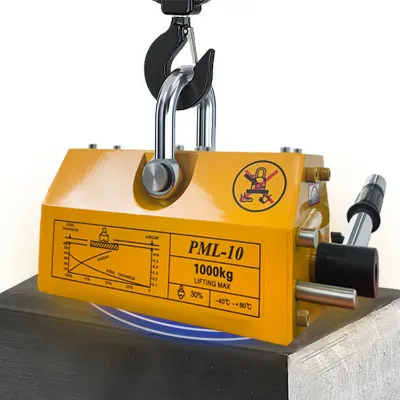
Permanent Magnet Lifter PML 400kg Permanent Magnet Lifter Tool Permanent Magnetic Magnetic Lifter
$61.1296 - $73.0287
MOQ: 1 pieces
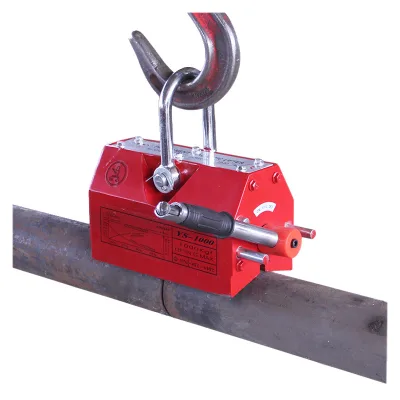
$115.4478 - $134.6924
MOQ: 1 pieces
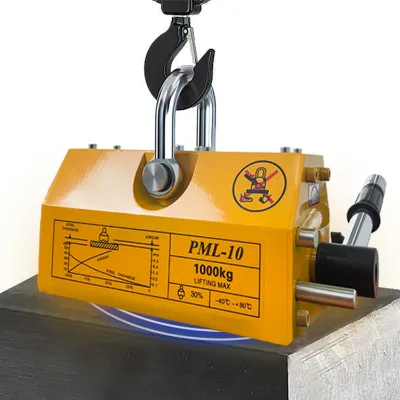
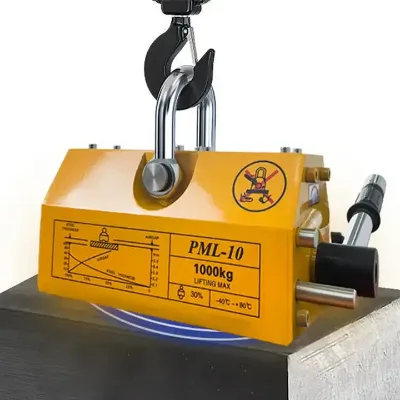
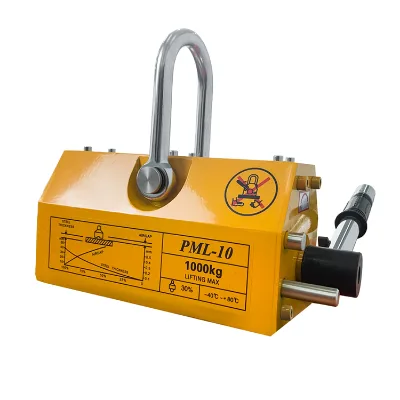
PML-100kg Lifting Magnet 3 Times Safety Factor Steel Plate Permanent Magnet Lifter for Ware House
$31.66 - $36.94
MOQ: 1 pieces
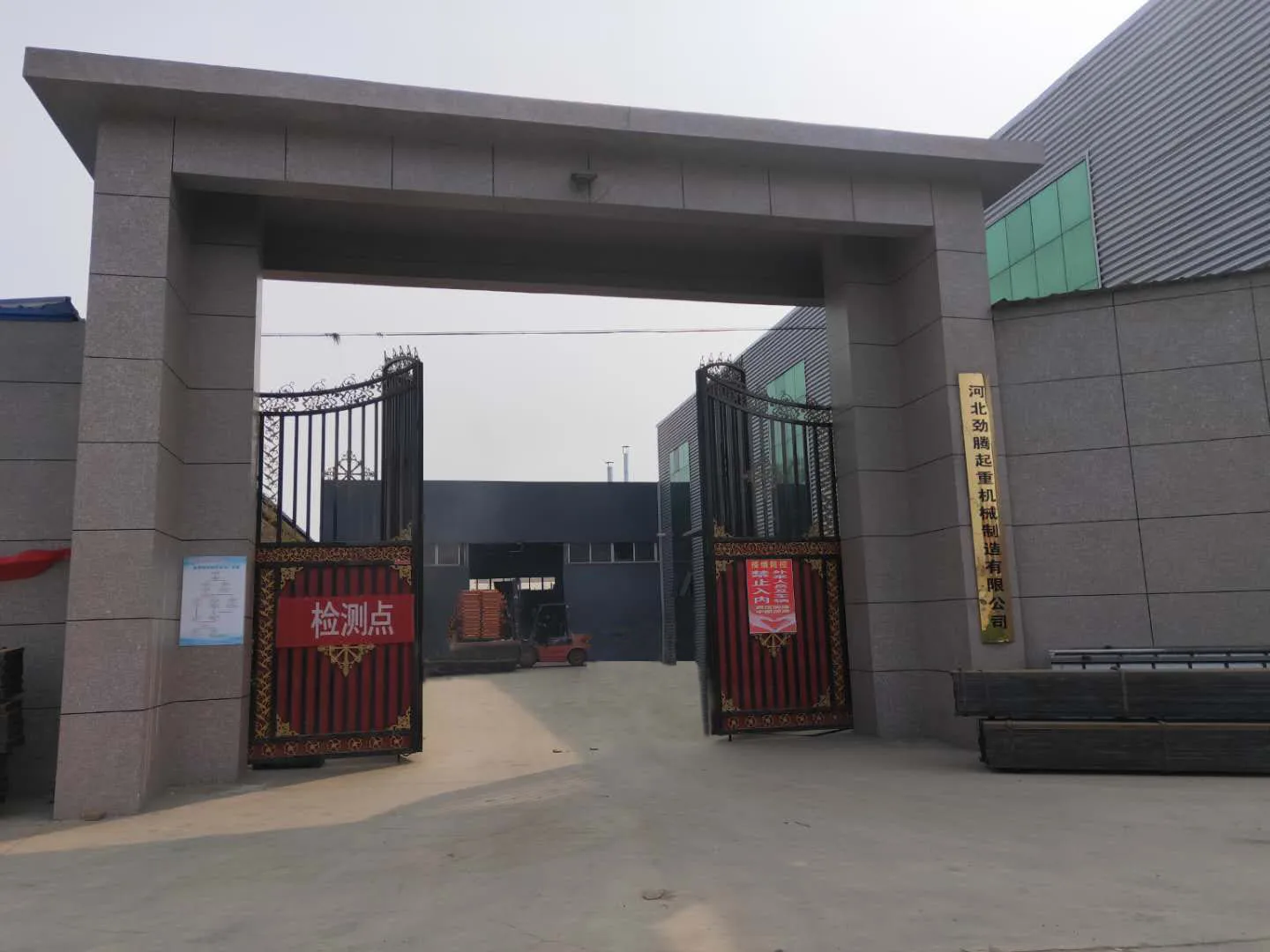
Hebei Jinteng Hoisting Machinery Manufacturing Co., Ltd.
- Manufacturer, Trading Company
- Hebei, China
- Lead time20 days
- Avg. response≤ 24h
Main productsMini Crane,Mobile Gantry Crane,Electric Hoist,Hand Pallet Truck,Cargo Trolley
Main marketsSoutheast Asia(30.00%), North America(30.00%), Eastern Europe(20.00%), Mid East(20.00%)
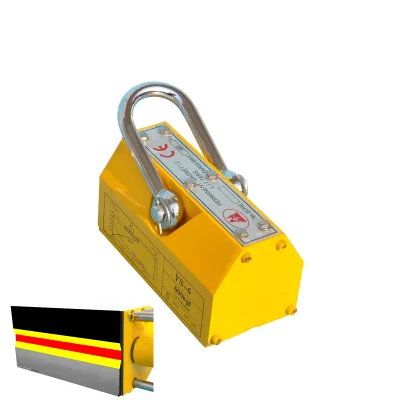
3 Tons Rectangular Pipe Steel Permanent Magnetic Lifter For Steel Plate Handling
$76.0641 - $83.9106
MOQ: 2 units
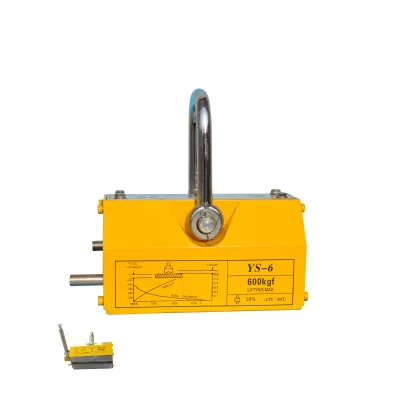
6000kg Permanent Magnetic Lifter/NdFeB magnet Lifter/magnetic plate lifter
$168.1324 - $194.7074
MOQ: 2 units
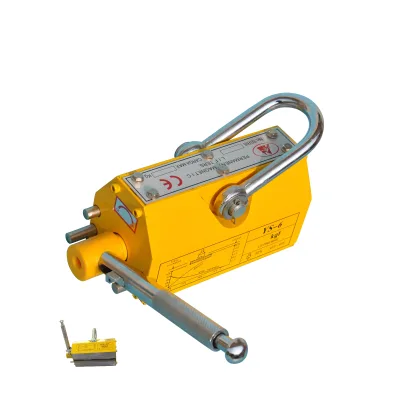
$136.1106 - $154.7567
MOQ: 2 units
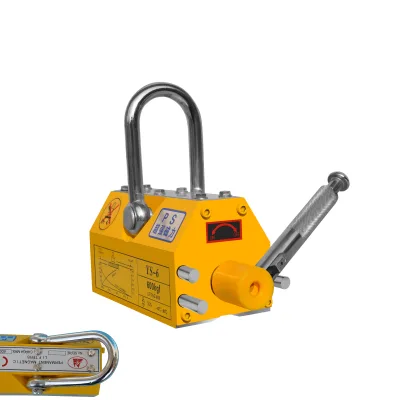
4000kg automatic permanent magnetic lifter for lifting big plate
$162.40 - $188.07
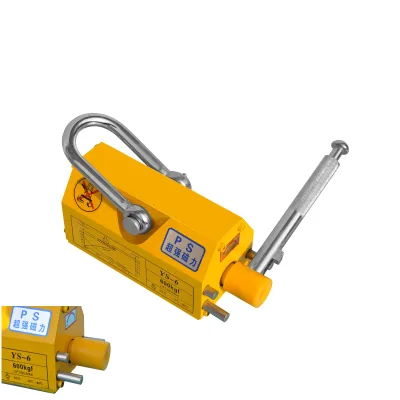
$103.0849 - $115.5914
MOQ: 2 units
Dailymag Magnetic Technology (Ningbo) Limited
- Verified by TüVRheinland
- Manufacturer, Trading Company
- Lead time15 days
- Avg. response≤ 6h
Main productsMagnetic Tools, Linear Actuator, Sharps Container, Neodymium Magnets, Magnetic Assembles
Main marketsNorth America(35%), Western Europe(24%), South America(8%)
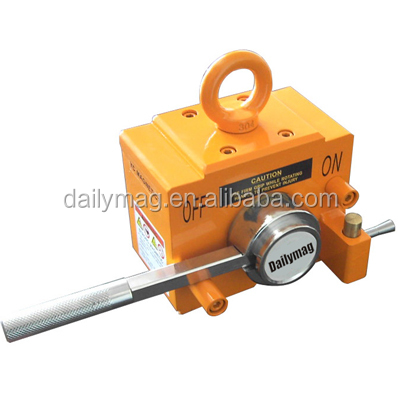
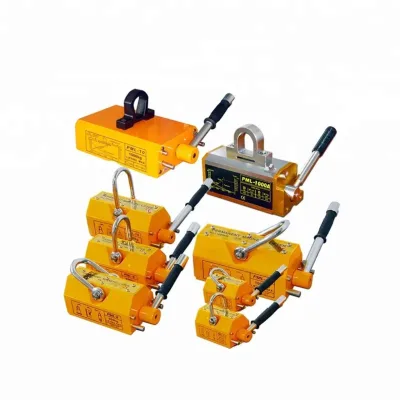
$20.00 - $150.00
MOQ: 1 Minimum
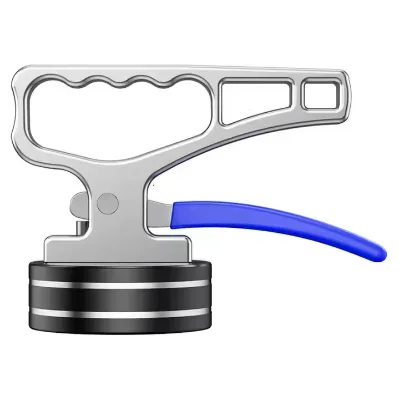
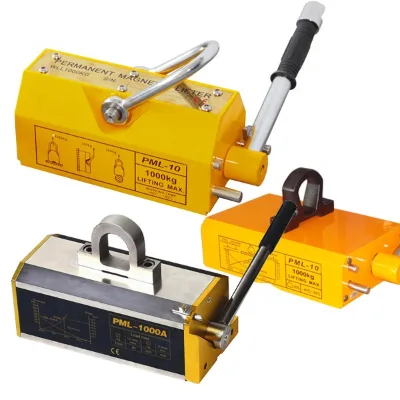
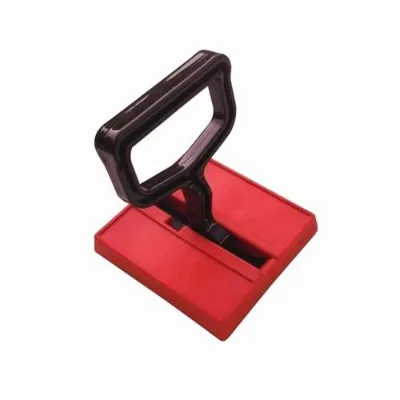
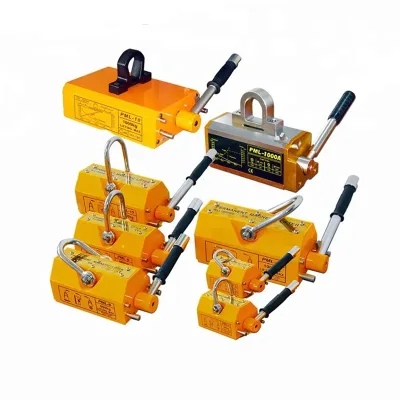

Hebei Jingong Machinery Co., Ltd.
- Verified by TUVRHEINLAND
- Combined
- China Hebei
- Lead time15 days
- Avg. response≤ 5h
Main productsMagnetic Lifter, Chain Block, Lever Block, Electric Hoist, Permanent Magnet Lifter, Load Chain, Aluminum Alloy Lever Block, Plain Trolley, Webbling Sling, Jack
Main marketsSoutheast Asia/ Mideast,Domestic,Europe,North America
Henan Yuzhong lifting Group Co., Ltd.
- Verified by Intertek
- Manufacturer, Trading Company
- Lead time30 days
Main productsDouble-girder Cranes, Gantry Cranes, Single-girder Cranes, Wire Rope Electric Hoists, Winch

Beijing Liediao Weiye Lifting Equipment Co., Ltd.
- Trading Company
- Beijing, China
- Lead time3 days
- Avg. response≤ 9h
Main productschain block,electric hoist,wire rope electric hoist,lever block,webbing sling
Main marketsDomestic Market(40.00%), Mid East(20.00%), North America(10.00%), South America(10.00%), Africa(6.00%), Central America(5.00%), Northern Europe(2.00%), Southeast Asia(1.00%), South Asia(1.00%), Southern Europe(1.00%), Eastern Europe(1.00%), Oceania(1.00%), Western Europe(1.00%), Eastern Asia(1.00%)
Deans Join Heavy Industry Co., Ltd.
- Manufacturer, Trading Company
- Henan, China
- Lead time0 days
- Avg. response≤ 1h
Main productsGantry Crane,Single/Double Beam Crane,Electric Lifting Scaffold Platform,Electric Hoist,Crane Accessories
Main marketsDomestic Market(85.00%), Eastern Europe(5.00%), Mid East(5.00%), Southeast Asia(5.00%)

Wealida Marine Power System (Suzhou) Co., Ltd.
- Verified by TUVRHEINLAND
- Manufacturer/Factory
- China Jiangsu
- Lead time90 days
- Avg. response≤ 4h
Main productsBow Thruster, Rudder Propeller, Deck Machinery, Winch, Windlass, Controllable Pitch Propeller, Tunnel Thruster, Lifejacket
Main marketsSouth America,Eastern Europe,Mid East,North America,Southeast Asia,Eastern Asia,Oceania,Western Europe,Africa

- Verified by BV
- Combined
- China Jiangsu
- Lead time15 days
- Avg. response≤ 7h
Main productsHoist, Electric Chain Hoist, Electric Hoist, Electric Wire Rope Hoist, Wire Rope Hoist, Manual Chain Hoist, Chain Hoist, Lever Hoist, Chain Block, Overhead Crane
Main marketsSouth America,Africa,Southeast Asia/ Mideast,East Asia(Japan/ South Korea),Domestic,Europe,Australia,North America
- Manufacturer, Trading Company
- Shandong, China
- Lead time20 days
- Avg. response≤ 1h
Main productsElectric Pallet Truck, Manual Forklift, Electric Forklift
Main marketsNorth America(28.00%), Domestic Market(24.00%), Mid East(16.00%), South America(13.00%), Southeast Asia(11.00%), Oceania(5.00%), Northern Europe(3.00%)
Hebei Hanming Hoisting Machinery Manufacture Co.,Ltd
- Manufacturer
- Hebei, China
- Lead time7 days
- Avg. response≤ 2h
Main productshand chain hoist,Hand Pallet Truck,lifting slings,Mini electric hoist,Electric Power Tool
Main marketsDomestic Market(100.00%)
Hebei Jingong Machinery Co., Ltd.
- Verified by TüVRheinland
- Manufacturer, Trading Company
- Lead time20 days
Main productsChain Block, Jack, Magnetic Lifter, Pallet Truck, Hand Winch
Main marketsEastern Europe(30%), South Asia(27%), Southeast Asia(10%)
Xinxiang Magicart Cranes Co., Ltd.
- Verified by SGS Group
- Trading Company
- Lead time60 days
- Avg. response≤ 2h
Main productsEngineering Construction Machinery, Material Handling, Lifting Attachments, Transport Vehicles, Lifting Equipment
Main marketsNorth America(30%), Domestic Market(15%), Western Europe(10%)
Hebei Hugo Machinery Crane Group Co., Ltd.
- Verified by SGS Group
- Manufacturer, Trading Company
- Lead time15 days
- Avg. response≤ 2h
Main productsHand Pallet Truck, Table Lifter, Manual Stacker, Electric Chain Hoist, Manual Hoist
Main marketsDomestic Market(90%), Southeast Asia(5%), North America(1%)
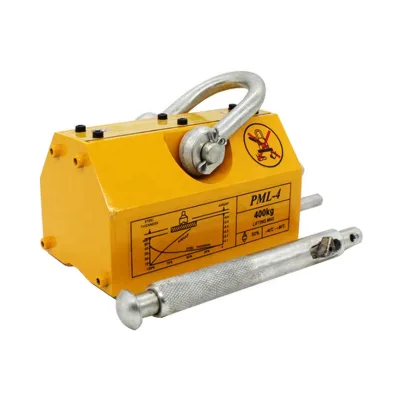
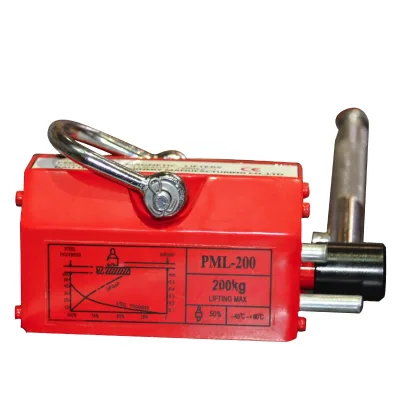
Trade Assurance 1ton 2 3 4 Ton Permanent Magnetic Lifter Using Lifting Magnet
$134.9616 - $259.541
MOQ: 1 sets

Yueyang Shengang Lifting Electromagnet Co., Ltd.
- Combined
- China Hunan
- Lead time23 days
- Avg. response≤ 2h
Main productsLifting Magnet, Lifting Electromagnet, Cable Reel, Permanent Magnetic Separator, Permanent Magnetic Lifter, Electromagnetic Separator, Nfeb Permanent Magnetic Lifter, Scraps Lifting Magnet, Magnetic Chuck, Crane Magnet
Main marketsSouth America,Africa,Southeast Asia/ Mideast,East Asia(Japan/ South Korea),Domestic,Europe,Australia,North America
- Verified by TüVRheinland
- Manufacturer, Trading Company
- Lead time7 days
- Avg. response≤ 2h
Main productsMagnetic Materials
Main marketsNorth America(30%), South America(20%), Eastern Europe(10%)
Hefei Qizhi Electronic Technology Co., Ltd.
- Verified by TüVRheinland
- Trading Company
- Lead time10 days
- Avg. response≤ 2h
Main productsNdfeb Magnet, Rubber Magnet, Magnetic Component, Linear Actuator, Motor
Main marketsEastern Europe(14%), South America(13%), Southern Europe(13%)
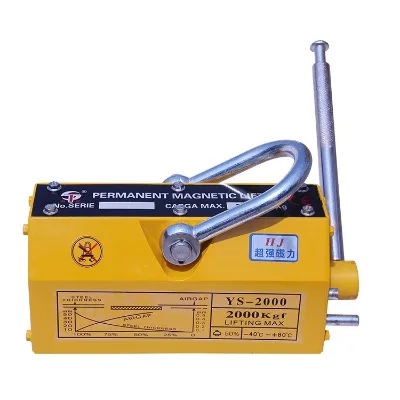
400kg Hand Permanent Magnetic Lifter Strong Flat Magnets Plate Permanent Lifting Magnet
$41.0712 - $205.3529
MOQ: 10 Minimum
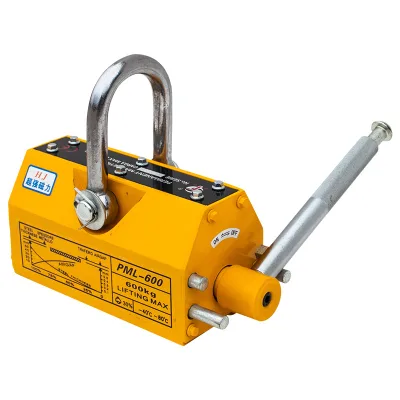
High Quality Permanent Magnetic Lifter 400KG 600KG 1000KG Strong Adsorption Easy to Carry
$40.00 - $200.00
MOQ: 10 Minimum
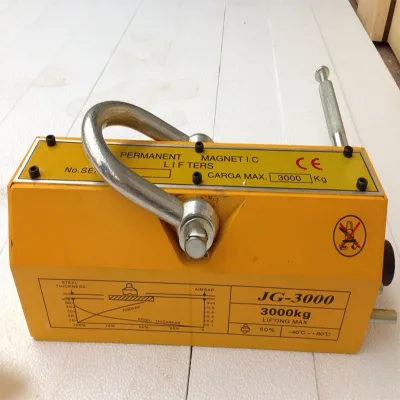
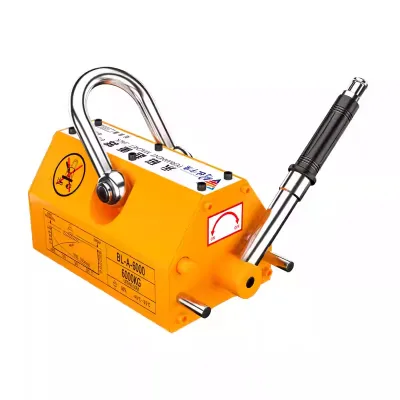
Baoding Chendiao Hoisting Machinery Manufacturing Co., Ltd.
- Manufacturer, Trading Company
- Hebei, China
- Lead time20 days
- Avg. response≤ 4h
Main productselectric hoist,ratchet tie down straps,chain block hoist,webbing sling,Hydraulic pallet truck
Main marketsDomestic Market(30.00%), Southeast Asia(15.00%), Mid East(10.00%), Africa(10.00%), Central America(5.00%), Western Europe(5.00%), South Asia(5.00%), South America(5.00%), Oceania(5.00%), North America(5.00%), Eastern Asia(3.00%), Eastern Europe(2.00%)
Henan Jinfuda Machinery Equipment Co., Ltd.
- Verified by TüVRheinland
- Trading Company
- Lead time0 days
- Avg. response≤ 3h
Main productsAgricultural Machinery, Food Machinery, Construction And Building Materials Machinery, Construction Machinery, Packaging Machinery
Main marketsAfrica(31%), Southeast Asia(30%), North America(15%)

Super Fisher Industries Co., Ltd.
- Verified by SGS
- Trading Company,Manufacturer/Factory
- China Zhejiang
- Lead time30 days
- Avg. response≤ 2h
Main productsRatchet Tie Down, Webbing Sling, Round Sling, Ratchet Buckle, Chain Block, Level Block, Wire Rope, Chain, Rigging, Shackle
Main marketsSouth America,Eastern Europe,Mid East,North America,Southeast Asia,Eastern Asia,Western Europe,Africa

High Quality Permanent Lifting Magnet Magnetic Lifter for Lifting Industry
$20.00 - $100.00
MOQ: 100 Pieces

Super Strong Permanent Magnetic Lifter for Crane Lifting Magnet Lifter
$20.00 - $100.00
MOQ: 100 Pieces

China Supplier Permanent Lifting Magnet Magnetic Lifter with CE Certified
$20.00 - $100.00
MOQ: 100 Pieces
Dailymag Magnetic Technology (ningbo) Limited
- Verified by SGS Group
- Trading Company
- Lead time15 days
- Avg. response≤ 16h
Main productsMagnetic Tools; Neodymium Magnets; Magnetic Assembles, Linear Actuator, Sharps Container
Main marketsNorth America(38%), Western Europe(24%), Mid East(8%)


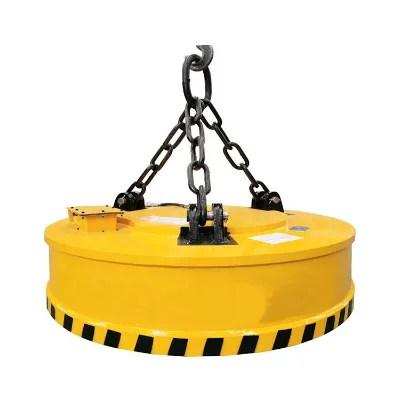
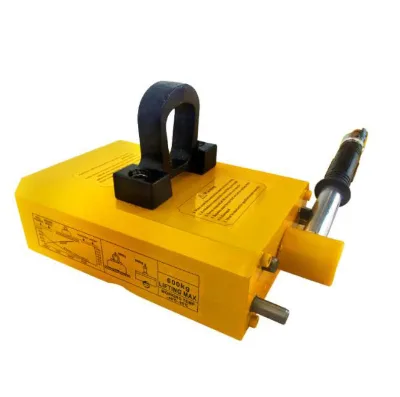
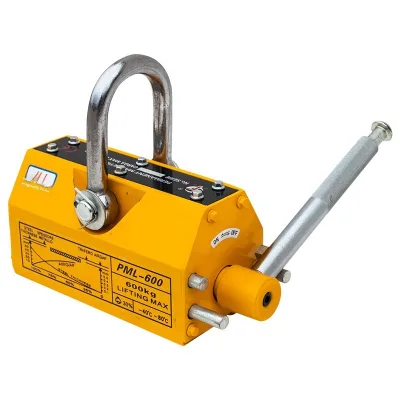
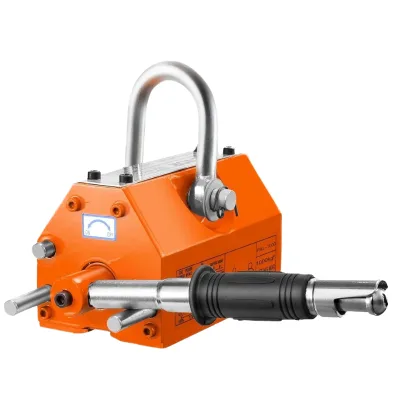


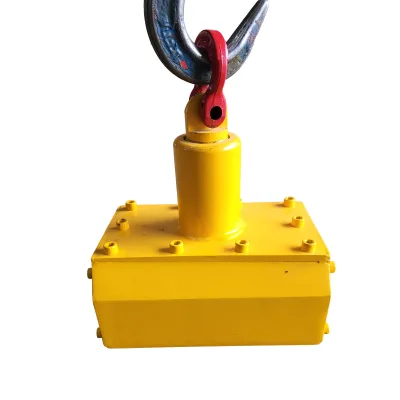
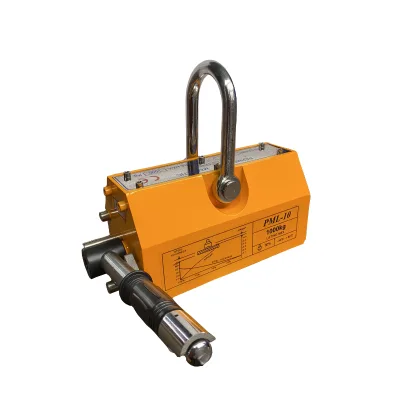
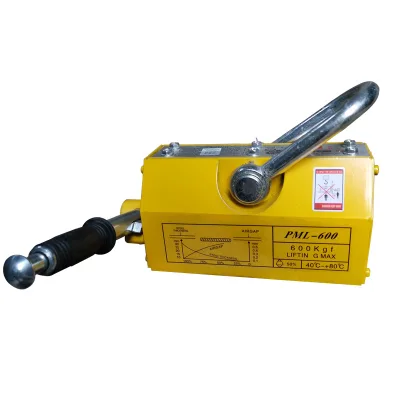
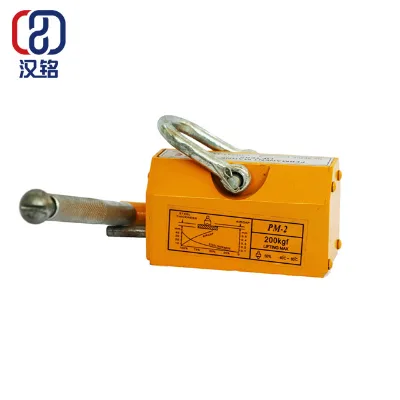
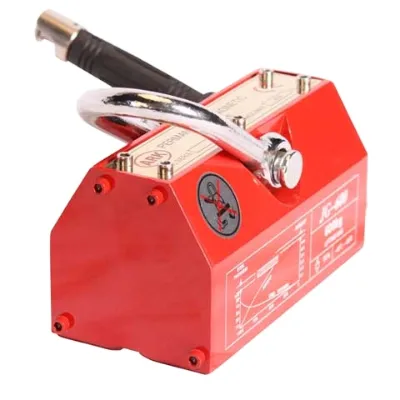
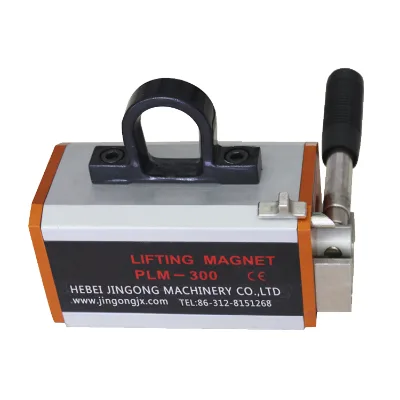
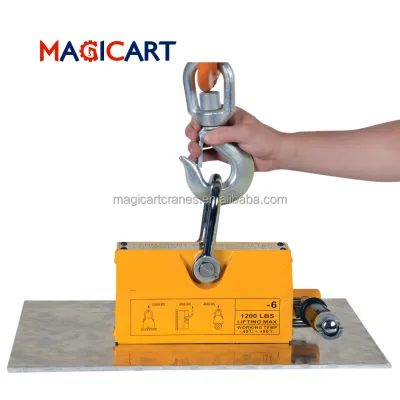
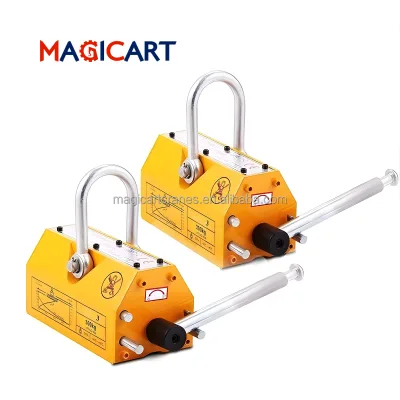
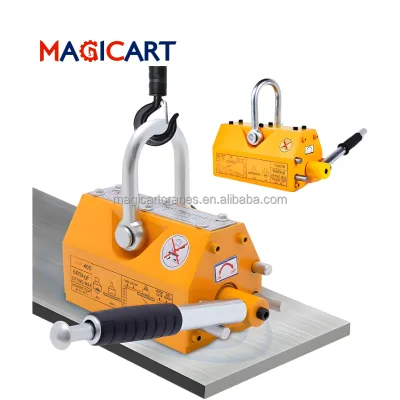
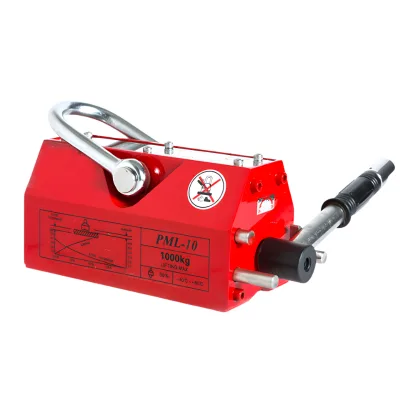
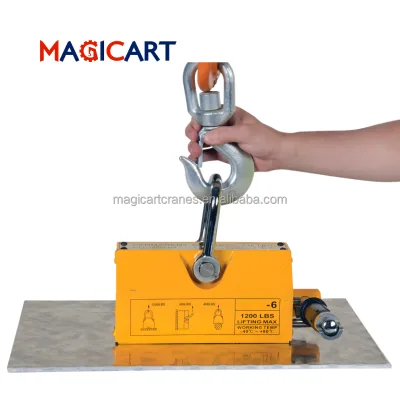


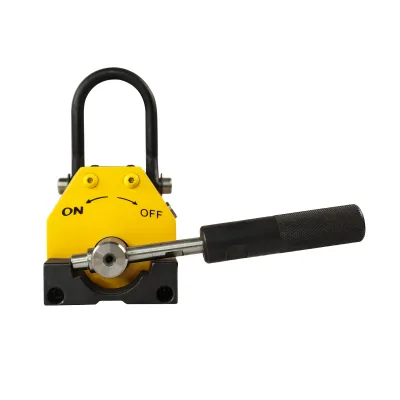
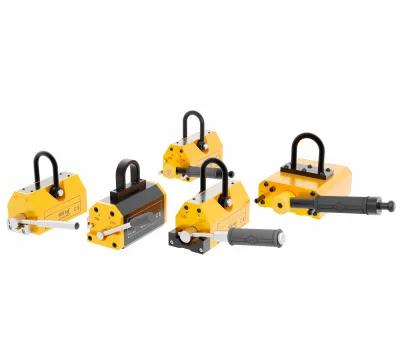
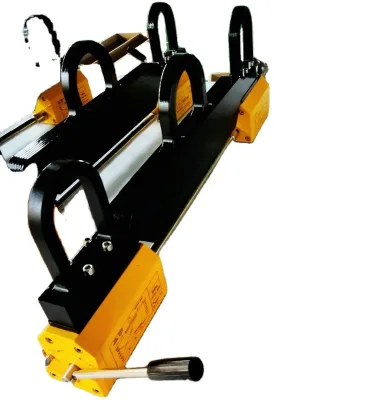
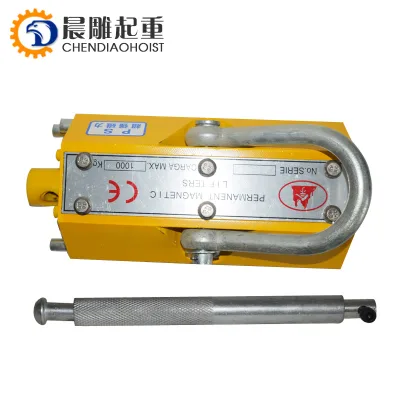
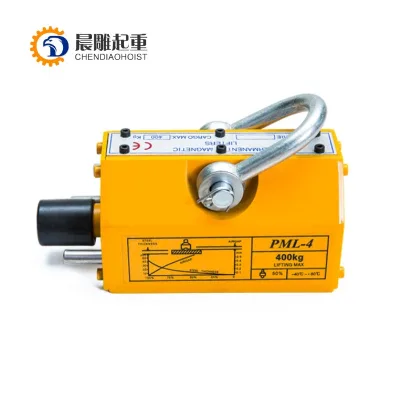
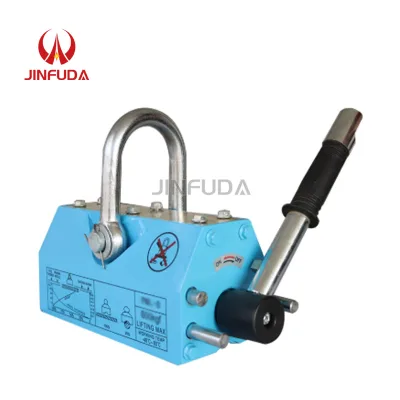
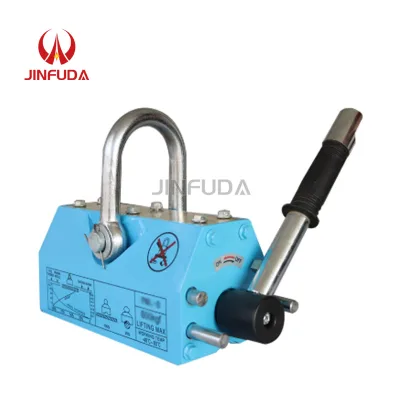
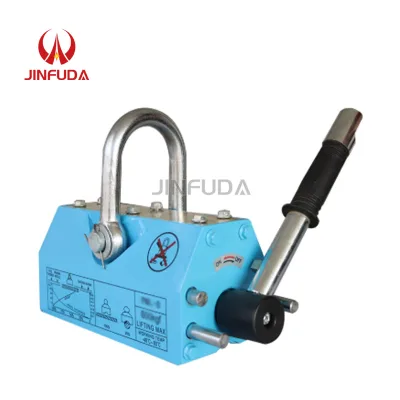
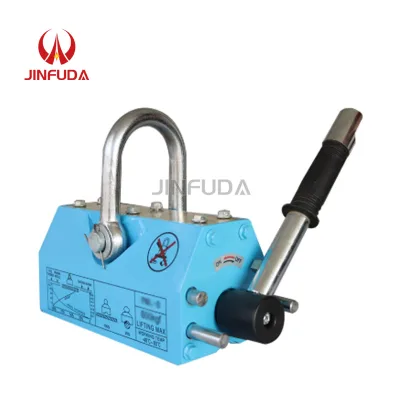
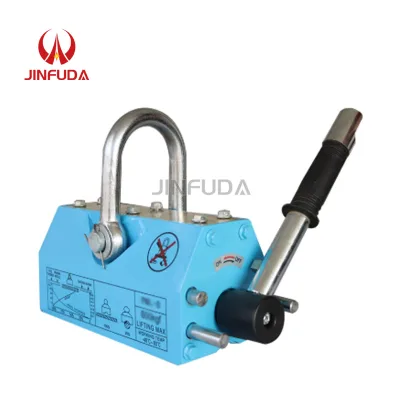
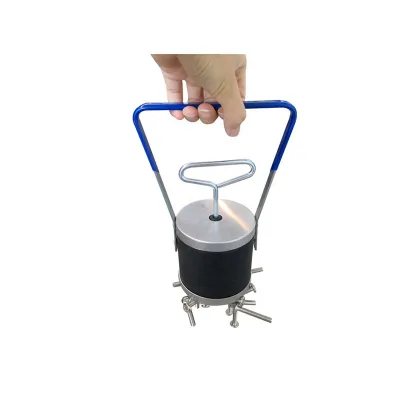
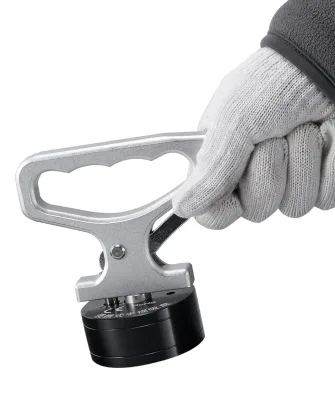
Comprehensive Sourcing Guide
Rectangular Permanent Magnetic Lifter Supplier Concentration and Factory Types
Suppliers offering the Rectangular Permanent Magnetic Lifter in the current results cluster in China, with observed locations including Beijing and Hebei, and individual product listings citing origins such as Hebei and Henan. These are plausible starting points for identifying manufacturing clusters, but you should treat displayed locations as a screening signal rather than proof of where production actually occurs. Some companies list headquarters in one province while manufacturing or warehousing happens elsewhere, so confirm the physical factory address, ask whether the listed location is an office or production site, and request a business license that matches the registered address. Within the observed results, supplier types include manufacturers/factories and combined operations that both manufacture and trade, which affects pricing, communication depth and flexibility on custom orders.
Factory type matters when assessing this category. A dedicated manufacturer is more likely to control magnet assembly, yoke machining and final testing in-house, which matters for lifting safety. Combined or trading-type suppliers may offer a wider catalog—other observed listings in this space also include overhead travelling cranes, gantry cranes, winches, chain blocks, lever hoists, electric hoists and rigging—which can simplify consolidated ordering but requires you to verify who actually builds the lifters. Ask each candidate whether they produce magnetic lifters as a core line or source them, and request evidence such as workshop photos, capacity ratings they manufacture routinely, and references from buyers in steel handling or fabrication.
How to Verify Rectangular Permanent Magnetic Lifter Suppliers
Verification should begin with documents rather than claims. In the observed results, one supplier holds a third-party verification badge from TÜV Rheinland and a system certification listing of ISO 9000 and ISO 9001; another product listing cites CE/GS certification and a CE and ISO certificate. None of these should be accepted at face value—ask for certificate copies, check the issuing body and validity dates, and confirm the certificate covers magnetic lifting devices specifically rather than the company generally. For any supplier without a displayed certification, treat that as an information gap to close directly with the supplier, not as a disqualifier or as evidence of poor quality.
Beyond paperwork, verify production capability. Ask for a machinery test report for the specific lifter model, since at least one observed listing notes that a machinery test report is not available—precisely the kind of gap you need to surface before ordering. Request video outgoing inspection, sample units for breakaway-force and rated-capacity checks, and details on core components. Response behavior is also a verifiable signal: observed response times in the results range from roughly five hours to nearly twenty-one hours, so measure how quickly and substantively each supplier answers technical questions. Finally, confirm years in operation, export experience with your destination market, and whether customization is genuinely available—the observed listings state customization is available, but you should test that claim with a concrete modification request before committing to volume.
What to Compare Across Rectangular Permanent Magnetic Lifter Suppliers
Build a comparison table using dimensions that appear in supplier listings: location, supplier type, main products, lead time, minimum order quantity, response time, verification status, certifications, and R&D capability such as own brand, OEM or ODM. In the observed data, one Hebei supplier lists a thirty-day lead time while another listing shows a zero-day lead time—a zero value usually means "not displayed" or immediate-dispatch stock rather than a genuine production promise, so clarify it before comparing. MOQs in the observed listings range from a single unit to ten units and up to one hundred units depending on the product, so MOQ differences can materially change your trial-order strategy.
Compare product-level facts too. Observed capacity ratings for permanent magnetic lifters span 100 kg to 5000 kg, with stated safety factors of 2.5 times, NdFeB magnet composition, zinc coating, and net weights and dimensions listed for specific models. Warranty terms differ—one listing shows a twelve-month warranty, another one year on core components—so normalize these into months of coverage when comparing. After-sales support also varies, with online support mentioned in one listing. Do not assume every supplier displays every attribute; where a field is missing, ask the supplier directly and record their answer with the date. Prioritize suppliers that answer technical questions—breakaway force, plate thickness requirements, temperature limits—with specifics rather than catalog copy, because those answers predict how they will handle a quality dispute.
Common Rectangular Permanent Magnetic Lifter Sourcing Risks
The biggest risk in this category is a mismatch between rated capacity and real-world lifting conditions. Listings advertise capacities from 100 kg to 5000 kg, but actual holding force depends on the thickness, flatness and surface condition of the steel being lifted. A supplier who does not ask about your application—plate thickness, surface treatment, temperature—may simply be reselling catalog stock. Require a stated safety factor (one observed listing cites 2.5 times) and a breakaway-force figure for the model you order, and validate both on a sample before mass production.
Other risks to manage: certification claims that cannot be substantiated, since displayed credentials such as CE, GS or ISO may apply to a different product line; missing machinery test reports, which one observed listing explicitly flags as not available; vague lead times, including a zero-day value that likely means unstated; and MOQ surprises, since observed MOQs range from one unit to one hundred units. Warranty ambiguity is another—twelve months versus one year on core components is not the same coverage, so define what is covered, who pays freight on replacements, and how claims are evidenced. Finally, packing and export-readiness matter: observed listings mention standard export packages, strong wooden boxes and wooden cases, but you should confirm packing meets your destination's handling and any ISPM-15 wood-treatment requirements, since inadequate packing is a frequent cause of damaged magnets and yokes on arrival.
Rectangular Permanent Magnetic Lifter Regional Sourcing and Logistics
The observed suppliers are concentrated in China, with listed locations in Beijing and Hebei and product origins cited in Hebei and Henan. Rather than assuming these provinces are fixed cluster homes, use a practical method to identify clusters: search for the product across multiple sourcing platforms, note which provinces appear repeatedly, then cross-check with customs-style product keyword data or industry directories. Once you have candidate clusters, shortlist suppliers physically located in them, because proximity to magnet material suppliers, machining capacity and export forwarders typically lowers both cost and lead time. Confirm the registered address against the actual factory address before planning any visit.
Logistically, permanent magnetic lifters are compact, heavy, high-value-per-kg items, so freight mode depends on order size: samples and small MOQ orders (one to ten units in the observed listings) suit express or air freight, while hundred-unit orders justify sea freight in the strong wooden cases or export packages that several observed listings describe. Ask each supplier which port they ship from, whether they handle export documentation, and what Incoterms they quote. Because magnets and steel assemblies are dense, dimensional weight rarely penalizes air shipment, but magnetic materials can trigger carrier handling questions—confirm the lifters are assembled magnet systems marketed as lifting tools, and request the supplier's experience shipping the same product line to your region. Also confirm the thirty-day-type lead times quoted by some suppliers include production only or production plus inland transport to port.
Rectangular Permanent Magnetic Lifter Commercial Terms and Order Planning
Plan your first order around the MOQ and lead-time data suppliers actually display, then negotiate from there. Observed listings show MOQs of one, five, ten and one hundred units and unit prices such as 30, 44, 100 and 300 dollars for specific lifter models—but these are listing prices for particular configurations, not a market benchmark. Collect quotes on identical capacity and safety-factor specifications before comparing, and confirm what the price includes: packing type, warranty length, test report and marking. A low unit price with a missing machinery test report is usually more expensive once inspection and rework are counted.
Structure commercial terms to match risk. For a first order, use a sample phase with measurable acceptance criteria (rated capacity, breakaway force, release function), then a small pilot order before scaling. Prefer payment structures that keep a meaningful balance until goods pass pre-shipment inspection; ask whether the platform or supplier offers escrow-style protection and what it actually covers, without assuming it exists. In the observed results, customization is stated as available on multiple listings and R&D capabilities include OEM, ODM and own-brand options—so if you need custom capacities, colors (yellow, orange and blue appear in listings) or branding, negotiate tooling, lead-time and minimum-volume implications in writing. Finally, lock in a delivery schedule against the quoted lead time, define delay remedies, and agree in advance on warranty claim evidence such as photos, serial numbers and video, so post-shipment disputes follow a path both sides accepted at order time.
FAQs
What is the price range for permanent magnetic lifters?
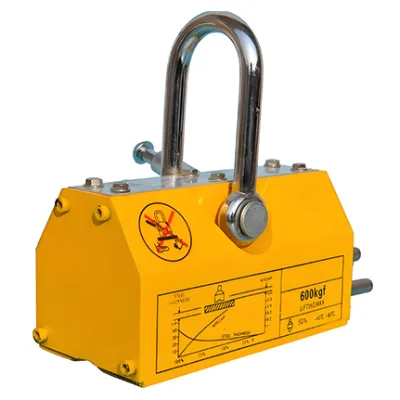
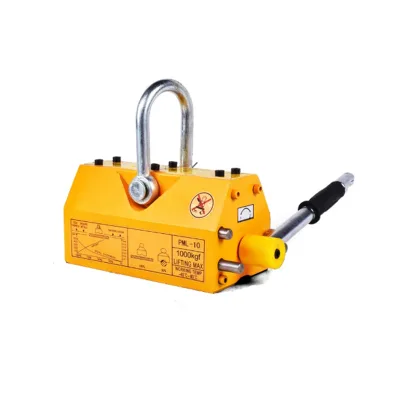
Prices vary significantly based on lifting capacity and specifications. For example, a 600kg model is listed at $30, while a 1000kg unit costs $300. Buyers should check specific product listings for exact pricing, as costs depend on the rated capacity and customization options available from the manufacturer.
What certifications do these magnetic lifters have?
Manufacturers typically provide CE and ISO certifications for their lifting equipment. Some products explicitly list CE/GS or ISO 9001 compliance. Buyers should verify specific certification documents for each model, as standards like CE are common for safety compliance in material handling applications involving permanent magnets.
What is the minimum order quantity for these lifters?
MOQs vary by supplier and product type. Some listings accept a minimum order of just one unit, while others require ten or even one hundred pieces. Buyers should review individual product pages to confirm the specific MOQ, as bulk orders often benefit from lower per-unit pricing structures.
Where are these magnetic lifters manufactured?
These products are primarily manufactured in China, with specific origins in Beijing, Hebei, and Henan provinces. Buyers can filter suppliers by these locations to find manufacturers with established production capabilities. The geographic concentration suggests a robust supply chain for industrial lifting equipment in these regions.
What is the typical response time for suppliers?
Supplier response times vary, with some reporting an average of around five hours and others taking over twenty hours. Buyers seeking quick quotes should prioritize suppliers with faster response metrics. Checking the response time metric helps ensure timely communication during the sourcing and negotiation process.
What is the lead time for production?
Lead times depend on the supplier and order volume. Some manufacturers report a lead time of thirty days, while others may have different schedules. Buyers should confirm production timelines directly with suppliers to align with project deadlines, as lead times can fluctuate based on current demand and customization requirements.
What capacities are available for these lifters?
Available capacities range widely, from 100kg up to 5000kg. Specific models include 600kg, 1000kg, and 5000kg variants. Buyers should select the appropriate capacity based on their material handling needs, ensuring the rated lifting capacity matches the weight of the objects to be lifted safely.