Recyclable Matt Lamination Tin Box Suppliers and Manufacturers
Source Recyclable Matt Lamination Tin Box options from 17 verified suppliers in China. Compare ISO certifications, FDA testing, lead times, and MOQs to find the right fit. Request quotes today; review the available evidence before requesting comparable quotations from suitable candidates.
Suppliers List

- Combined
- China Guangdong
- Lead time30 days
- Avg. response≤ 7h
Main productsTin Can
Main marketsSouth America,Africa,Southeast Asia/ Mideast,East Asia(Japan/ South Korea),Domestic,Europe,Australia,North America

Dongguan City Weimei Can(Manufactory) Co., Ltd.
- Manufacturer
- China Guangdong
- Lead time30 days
- Avg. response≤ 22h
Main productsTin Container, Tin Box, Tin Bucket, Tin Coaster, Tin Badge, Tin Tray, Tin Sign, Tin Pencil Case, Tin Clock, Tin Photo Frame
Main marketsEast Asia(Japan/ South Korea),Europe,North America


Rectangle Shape Metal Tin Storage Tin Can Tin Container Gift Packaging Tin Box
$0.30 - $0.35
MOQ: 5000 Pieces

Rectangle Shape Printing Tin Container Tin Cans Metal Box Packaging Tin Box
$0.41 - $0.46
MOQ: 5000 Pieces

Rectangle Shape Tin Box Printed Tin Box Tin Cans Metal Tin Box Tin Packaging
$0.31 - $0.36
MOQ: 5000 Pieces

Hot Sale Rectangle Tin Box Printed Tin Box Tin Cans Metal Tin Box Tin Packaging
$0.31 - $0.36
MOQ: 5000 Pieces

Rectangle Printing Metal Tin Gifts Packaging Tin Gift Tin Can Packaging Tin Box
$0.31 - $0.36
MOQ: 5000 Pieces

Anhui Avantis Packaging Technology Co., Ltd.
- Verified by CTI
- Trading Company
- China Anhui
- Lead time23 days
- Avg. response≤ 5h
Main productsGlass Bottle, Glass Container, Rolling Tray, Mylar Bag, Rolling Cone Tube, Plastic Joint Tubes, Glass Tube, Hinged Cap Vials, Child-Resistant Packaging, Sitz Bath
Main marketsSouth America,Africa,Southeast Asia/ Mideast,Europe,Australia,North America
Dongguan Kaisi Technology Co., Ltd.
- Verified by SGS Group
- Manufacturer, Trading Company
- Lead time20 days
- Avg. response≤ 2h
Main productsTin Box
Main marketsNorth America(50%), Oceania(20%), Western Europe(20%)

Brilliant Tin Box Manufacturing Co., Ltd.
- Trading Company
- China Guangdong
- Lead time30 days
- Avg. response≤ 6h
Main productsCustom Tin, Tin Box, Tin Can, Cookie Tin, Chocolate Tin, Tea Tin, Candy Tin, Biscuit Tin, Child Resistant Tin, Popcorn Tin
Main marketsSouth America,Southeast Asia/ Mideast,East Asia(Japan/ South Korea),Europe,Australia,North America

Chinapack Ningbo Import & Export Co., Ltd.
- Verified by SGS
- Trading Company,Manufacturer/Factory
- China Zhejiang
- Lead time23 days
- Avg. response≤ 18h
Main productsSnowboard, Water Bottle, Promotional Hats, Glass Bottle, Ski Set, Snowboot, Snowboard Binding, Home Sock, Hood, Scarf
Main marketsSouth America,Eastern Europe,North America,Southeast Asia,Eastern Asia,Oceania,Western Europe

Anhui Good Growing Technology Co., Ltd.
- Verified by SGS
- Trading Company
- China Anhui
- Lead time30 days
- Avg. response≤ 2h
Main productsPre Roll Tube, Child Proof Box, Child Resistant Jar, Mylar Bag, Smell Proof Bag, Flower Oil Bottle, Rolling Tray, Herb Grinder, Smoking Set, Ashtray and Other Products
Main marketsSouth America,Southeast Asia/ Mideast,Europe,North America

Custom Recyclable Two-Button Closure Child Resistant Hinged-Lid Tin Package Box
$0.25 - $0.85
MOQ: 1000 Pieces

Custom Printed Metal Tin Box Empty Hinged Tin Mini Portable Package Box
$0.17 - $0.59
MOQ: 1000 Pieces

Premium Secure Lid Square Metal Tin Box Customize Printing Tin Package Box
$0.17 - $0.59
MOQ: 1000 Pieces

Hangzhou Anyou Manufacturing Cans Co., Ltd.
- Combined
- China Zhejiang
- Lead time23 days
- Avg. response≤ 10h
Main productsTin Cans, Tinplate Cans, Mental Jar, Pop Can, Custom Iron Can, Irregular Cartoon Tumbler Money Coin Box Metal, Tin Bucket, Push and Pull Tin Box
Main marketsSouth America,Africa,Southeast Asia/ Mideast,East Asia(Japan/ South Korea),Domestic,Europe,Australia,North America

SG Packaging (Dongguan) Co., Ltd.
- Verified by SGS
- Combined
- China Guangdong
- Lead time15 days
- Avg. response≤ 5h
Main productsPackaging Materials, Packaging Molds, Packaging Equipment, Gift Box, Carton Box, Paper Bag, Insert Card, Corrugated Box, Plastic Tape, Poly Bag
Main marketsAfrica,Southeast Asia/ Mideast,East Asia(Japan/ South Korea),Europe,Australia,North America

Dongguan City Jinyuanbao Packing Industrial Co., Ltd.
- Verified by SGS
- Combined
- China Guangdong
- Lead time15 days
- Avg. response≤ 4h
Main productsCoffee Tea Tin Box/Tin Can, Candy Wax Tin Box/Tin Can, Christamas Gift Tin Box/Tin Can, Aluminum Tin Box/Tin Can, Cookie Biscuit Tin Box/Tin Can, Candy Sweet Tin Box/Tin Can, Lunch Tin Box/Tin Can, Tin Bucket/Tin Pail/Tin Tray
Main marketsEurope,North America

Shanghai Coffe Packing Group Co., Ltd.
- Verified by CTI
- Combined
- China Shanghai
- Lead time15 days
- Avg. response≤ 11h
Main productsPaper Gift Box, Carton Cardboard Box, Gift Box, Paper Box, Carton Box, Cardboard Box, Corrugated Box, Packaging Box, Paper Packaging, Paper Carton
Main marketsDomestic,Europe,Australia,North America


Custom Printing Iron Box Wholesales Printed Hinged Metal Tin Box Tin Container
$1.00 - $3.50
MOQ: 500 Pieces


Ningbo Anklun Imp. & Exp. Co., Ltd.
- Verified by SGS
- Trading Company
- China Zhejiang
- Lead time30 days
- Avg. response≤ 3h
Main productsBags and Suitcase, LED Lights and LED Torches, Umbrellas, Toys and Inflatable Items, Stationeries and Gifts, Keychains and Bottle Openers, Kitchenwares&Dishwares, Tools, Daily Necessities General Merchandises, Promotional Items Gifts and Goods
Main marketsEurope
Dongguan Jimei Metal Packaging Co., Ltd.
- Manufacturer, Trading Company
- Guangdong, China
- Lead time28 days
- Avg. response≤ 2h
Main productsTin Box,Aluminium Box,food grade tin packaging,food grade cosmetic packaging,food grade tin toy
Main marketsNorth America(40.00%), Western Europe(20.00%), Eastern Europe(20.00%), Southeast Asia(10.00%), Africa(10.00%)

Ningbo Pack Imp. & Exp. Co., Ltd.
- Verified by SGS
- Trading Company,Manufacturer/Factory
- China Zhejiang
- Lead time30 days
- Avg. response≤ 7h
Main productsAluminum Jar, Aluminum Bottle, Tin Box, Glass Dropper Bottle, Glass Tube, Paper Box, Paper Tube, Plastic Pop Top Tube, Plastic Bottle, Silicone Gummy Mold
Main marketsSouth America,Eastern Europe,Mid East,North America,Southeast Asia,Eastern Asia,Oceania,Western Europe,Africa

Dongguan City Huawei Hardware Products Co., Ltd.
- Verified by SGS
- Combined
- China Guangdong
- Lead time30 days
- Avg. response≤ 1h
Main productsTin Box, Tin Can, Food Tin Box, Tin Packing Box, Tea Tin Box, Cosmetic Tin Box, Candy Tin Box, Gift Tin Box, Cigarette Tin Box, Wine Tin Box
Main marketsSouth America

Eco Friendly Reusable Round Tin Box Perfect for Gift Packaging and Holiday Promotion
$0.62 - $0.95
MOQ: 5000 Pieces


Qingdao Xinte Packaging Co., Ltd.
- Verified by TUVRHEINLAND
- Trading Company,Manufacturer/Factory
- China Shandong
- Lead time15 days
- Avg. response≤ 6h
Main productsGlass Jar, Glass Bottles, Plastic Bags, Perfume Bottle, Dropper Bottles, Paper Box, Tin Box, Glass Syringe, Glass Tubes, Plastic Bottle
Main marketsSouth America,Eastern Europe,North America

Shanghai Forests Packaging Group Co., Ltd.
- Verified by CTI
- Combined
- China Shanghai
- Lead time15 days
- Avg. response≤ 9h
Main productsPaper Gift Box, Carton Cardboard Box, Gift Box, Paper Box, Carton Box, Cardboard Box, Corrugated Box, Packaging Box, Paper Packaging, Paper Carton
Main marketsDomestic,Europe,North America






Comprehensive Sourcing Guide
Recyclable Matt Lamination Tin Box Supplier Concentration and Factory Types
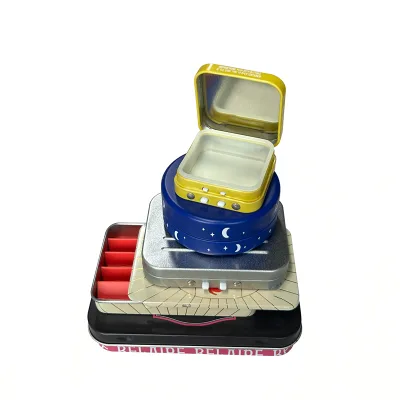
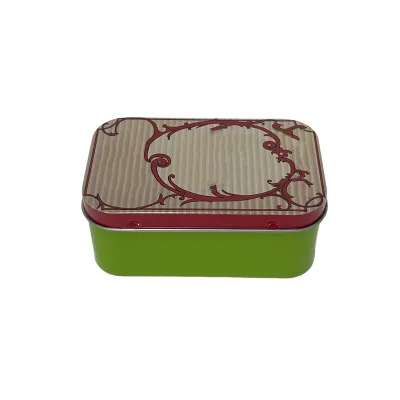
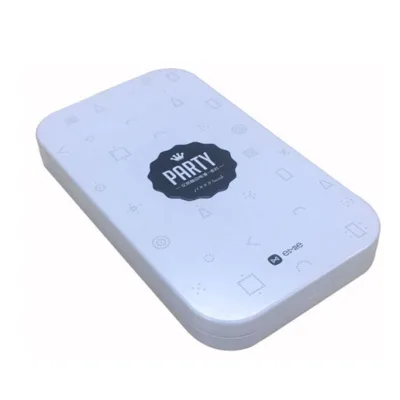
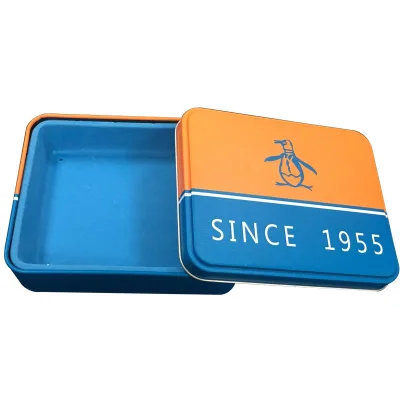
The current supplier landscape for recyclable matt lamination tin boxes shows a distinct concentration in China Guangdong, where manufacturing clusters for metal packaging are well-established. This region hosts a mix of combined entities and dedicated manufacturers capable of handling complex customization requests for sliding tin boxes, mint tins, and rectangular storage containers. Buyers observing these results should note that the primary production hubs are located in Dong Guan, a city known for its extensive metalworking infrastructure. When evaluating potential partners, it is crucial to distinguish between combined trading companies and pure manufacturers, as the latter often provide more direct control over the production process for items like tin buckets, coasters, and pencil cases.
Factory types vary significantly in their operational focus, with some specializing in ODM and OEM services for specific product lines such as tea tins or gum containers. The available data indicates that many suppliers offer a broad range of main products, including tin badges, photo frames, and signs, suggesting a versatile production capability. However, not every facility may possess the specific machinery required for matt lamination finishes or the precise thickness requirements like 0.23mm tinplate. Buyers must verify if a supplier's primary output aligns with their specific needs for recyclable materials and eco-friendly features. Understanding the company type helps in anticipating the level of technical support and customization flexibility available during the sourcing process.
How to Verify Recyclable Matt Lamination Tin Box Suppliers
Verification of suppliers begins with a rigorous check of their system certifications and product testing records, as these are critical for ensuring compliance with international safety standards. The current results show that many suppliers hold ISO9001:2015 certificates, while others provide additional credentials such as ISO, CE, BSCI, Sedex, and Brc. For food-grade applications, it is essential to confirm that the supplier can provide specific test results including FDA, LFGB, and En71-3 compliance. Buyers should request documentation proving that the tinplate material and any inks used for offset printing meet these rigorous safety thresholds before committing to an order.
Beyond certifications, buyers must validate the supplier's response time and production capacity to ensure they can meet project deadlines. The observed response times vary, with some suppliers responding within approximately 6.7 hours while others may take over 21 hours. A faster response time often indicates a more active sales team and better communication channels, which is vital for resolving issues related to custom designs or packaging specifications. Additionally, verifying the supplier's ability to handle ODM and OEM requests is necessary to confirm they can adapt their production lines for unique requirements. Buyers should also check if the supplier offers escrow services to protect their financial interests during the transaction process.
What to Compare Across Recyclable Matt Lamination Tin Box Suppliers
When comparing suppliers, the primary focus should be on lead times, minimum order quantities, and pricing structures, as these factors directly impact the overall cost and timeline of the project. The data indicates a lead time of approximately 30 days for production, which is a standard benchmark for metal packaging. However, buyers must confirm if this timeline includes the time required for mold creation or design approval, especially for customized items like sliding tin boxes or round tea containers. Minimum order quantities also vary, with some suppliers requiring orders as low as 5,000 pieces, while others may have different thresholds based on the complexity of the design or the specific product type.
Pricing is another critical dimension for comparison, with observed ranges varying from $0.11 to $0.78 per unit depending on the product model and specifications. Factors influencing these prices include the material thickness, such as 0.23mm tinplate, and the complexity of surface handling like varnishing or velvet foam inserts. Buyers should compare the price per unit against the included features, such as eco-friendly certifications or specific printing methods like CMYK offset printing. It is also important to consider the packaging details, such as whether items are packed in polybags or export cartons, as this affects shipping costs and product protection. A comprehensive comparison ensures that the selected supplier offers the best value without compromising on quality or delivery schedules.
Common Recyclable Matt Lamination Tin Box Sourcing Risks
One significant risk in sourcing recyclable matt lamination tin boxes is the potential mismatch between advertised certifications and actual product compliance. While many suppliers list certifications like ISO, BSCI, and FDA, buyers must ensure these apply specifically to the final product and not just the company's general quality management system. There is a risk that a supplier might claim eco-friendly status without providing verifiable evidence of the recyclability of the specific tinplate or lamination materials used. Buyers should demand third-party test reports for the specific batch of goods to confirm that the materials meet the claimed environmental and safety standards.
Another common risk involves the variability in response times and the potential for communication breakdowns during the customization process. Suppliers with slower response times, such as those taking over 21 hours, may delay critical design approvals or fail to address urgent production issues promptly. This can lead to missed deadlines and increased costs, particularly when dealing with complex shapes like rectangular or oval tins that require precise tooling. Additionally, there is a risk that the final product dimensions or weight may deviate from the specified standards, such as the 863223mm or 22013065mm sizes. Buyers must establish clear quality control protocols and inspection criteria to mitigate these risks before finalizing any orders.
Recyclable Matt Lamination Tin Box Regional Sourcing and Logistics
Sourcing from the China Guangdong region offers logistical advantages due to the established infrastructure for exporting metal packaging goods. The concentration of manufacturers in Dong Guan facilitates efficient supply chain management, as many suppliers are located near major ports and transportation hubs. This proximity reduces transit times and shipping costs for international buyers, making it easier to manage the logistics of large orders. However, buyers should verify the specific shipping terms and packaging methods, such as the use of export cartons or polybags, to ensure that the goods arrive in optimal condition. The regional cluster also allows for easier coordination of sample production and quality inspections.
Logistics planning must also account for the specific dimensions and weight of the tin boxes, which can impact freight costs and container utilization. Products like the 22013065mm rectangular tins or the D95*132mm round containers have different packing efficiencies compared to smaller items like mint tins. Buyers should calculate the total volume and weight of their order to optimize container loading and minimize shipping expenses. Additionally, understanding the lead time of 30 days is crucial for planning inventory levels and ensuring that goods arrive before the intended sales season. Buyers should also consider the potential for customs delays and ensure that all necessary documentation, including certificates of origin and compliance reports, is prepared in advance.
Recyclable Matt Lamination Tin Box Commercial Terms and Order Planning
Commercial terms for recyclable matt lamination tin boxes often include specific requirements for customization, payment structures, and delivery schedules. Buyers should clarify the customization options available, such as logo printing, embossing, or the inclusion of velvet foam trays, as these features can significantly affect the final price and production time. It is also important to confirm the payment terms, including whether escrow services are available to protect the buyer's funds until the goods are delivered and inspected. Clear communication regarding the customization process ensures that the final product meets the buyer's expectations and brand standards.
Order planning requires a detailed understanding of the minimum order quantities and the production lead times to avoid stockouts or overstocking. With a typical lead time of 30 days and MOQs starting at 5,000 pieces, buyers must plan their inventory needs well in advance. It is advisable to request a production schedule that outlines key milestones, such as design approval, material sourcing, and final inspection. Buyers should also consider the flexibility of the supplier to handle rush orders or changes in design specifications. By carefully planning the order timeline and communicating clearly with the supplier, buyers can ensure a smooth procurement process and timely delivery of high-quality recyclable tin boxes.
FAQs
What certifications do the tin boxes hold?
Many available tin boxes carry ISO9001:2015 certification. Some products also include CE, BSCI, Sedex, and Brc marks. Additional testing like FDA, LFGB, and En71-3 ensures safety for food and toy usage. Always verify specific certificates for your order requirements.
What is the minimum order quantity for these boxes?
The minimum order quantity typically starts at 5000 pieces for standard tin box models. This threshold applies to customized sliding tins and rectangular storage containers. Buyers should confirm exact MOQs with suppliers as bulk discounts may vary based on specific design choices.
How long does production take for custom orders?
Standard lead times for manufacturing custom tin boxes are around 30 days. This duration covers material sourcing, printing, and assembly processes. Expedited options may exist, but buyers must confirm current capacity with the supplier before finalizing delivery schedules for large volume orders.
Are these tin boxes suitable for food packaging?
Yes, many tin boxes are designed specifically for food packaging applications like tea and gum. They meet FDA and LFGB standards to ensure safety. The materials used are eco-friendly and durable, making them ideal for storing consumables while maintaining product freshness during transit.
What is the price range for these metal containers?
Prices for these metal containers range from 0.11 to 0.78 USD per unit depending on size and customization. Smaller sliding tins often cost less than larger rectangular storage boxes. Final pricing depends on order volume, printing requirements, and specific material thickness selected by the buyer.
Where are these tin boxes manufactured?
These tin boxes are manufactured in Guangdong, China, specifically in Dong Guan. The region is known for its metal packaging industry capabilities. Buyers can expect consistent quality standards due to the concentration of specialized manufacturers in this specific geographic location for export purposes.
Can I get custom printing on these boxes?
Custom printing is available for most tin box models including offset and embossing options. Buyers can choose from various shapes like rectangles or circles with specific dimensions. Surface handling includes varnishing and logo printing to meet unique branding requirements for gifts or retail packaging needs.