Eco-Friendly Recycled Tinplate Tin Can Suppliers and Manufacturers
Compare 23 verified suppliers of Eco-Friendly Recycled Tinplate Tin Can across locations, lead times, certifications, and pricing. Review product specifications like ISO standards and MOQs to select the right factory for your packaging needs today; review the available evidence before requesting comparable quotations from suitable candidates.
Suppliers List

Anhui Creative Packaging Technology Co., Ltd.
- Verified by BV
- Trading Company,Manufacturer/Factory
- China Anhui
- Lead time23 days
- Avg. response≤ 5h
Main productsGlass Jars, Glass Bottles, Glass Liquor/Beer/Oil Bottles, Glass Cosmetic/Perfume Bottles, Glass Cup, Candle Jar, Preform, Lids/Cap, Aluminum Cans, Wine Glass
Main marketsSouth America,Eastern Europe,Mid East,North America,Southeast Asia,Eastern Asia,Oceania,Western Europe,Africa
- Trading Company
- China Fujian
- Lead time0 days
- Avg. response≤ 2h
Main productsTomato Sauce, Chilli Sauce, Tomato Ketchup, Soy Sauce, Tomato Paste, Oyster Sauce, Canned Food, Empty Tin Can, Instant Noodles, Quick Cooking Noodles
Hainan Laizhi Industry Co., Ltd
- Verified by BV
- Trading Company
- China Hainan
- Lead time15 days
- Avg. response≤ 3h
Main productsBeverage, Carbonated Drink, Beer, Fruit Juice, Aluminum Can, Tin Can, Coffee, Energy Drink
Main marketsAfrica
- Verified by SGS
- Combined
- China Jiangsu
- Lead time15 days
- Avg. response≤ 13h
Main productsTin Can
Main marketsDomestic

Dongguan City Weimei Can(Manufactory) Co., Ltd.
- Manufacturer
- China Guangdong
- Lead time30 days
- Avg. response≤ 22h
Main productsTin Container, Tin Box, Tin Bucket, Tin Coaster, Tin Badge, Tin Tray, Tin Sign, Tin Pencil Case, Tin Clock, Tin Photo Frame
Main marketsEast Asia(Japan/ South Korea),Europe,North America

Round Shape Tin Can Metal Tin for Gifts Packaging Tin Gift Tin Can Container Tin Box
$0.48 - $0.58
MOQ: 5000 Pieces


Hefei Biopin Import & Export Trading Co., Ltd.
- Verified by BV
- Combined
- China Anhui
- Lead time30 days
- Avg. response≤ 7h
Main productsBeverage Can, Aluminum Eoe, Aluminum Can, Aluminum Beverage Can End, Aluminum Coil Stock for Can&End, Aluminum Can Body Stock, Aluminum Can End Stock, Aluminum Can Tab Stock, Aluminum Easy Open Can and End, Can End
Main marketsSouth America,Africa,Southeast Asia/ Mideast,East Asia(Japan/ South Korea),Europe,North America

FOSHAN BRILLIANT IMPORT & EXPORT CO., LTD
- Verified by SGS
- Manufacturer/Factory
- China Guangdong
- Lead time38 days
- Avg. response≤ 9h
Main productsAerosol Can, Aluminum Bottle, Aluminum Can, Hair Color Chart, Collapsible Aluminum Tube, Pepper Spray, Camping Gas Canister, Butane Gas Cartridge, Cosmetic Containers, Valve&Actuator&Cap
Main marketsSouth America,Eastern Europe,North America,Southeast Asia,Eastern Asia,Western Europe
Dongguan City Jinyuanbao Packing Industrial Co., Ltd.
- Verified by SGS
- Combined
- China Guangdong
- Lead time15 days
- Avg. response≤ 5h
Main productsCoffee Tea Tin Box/Tin Can, Candy Wax Tin Box/Tin Can, Christamas Gift Tin Box/Tin Can, Aluminum Tin Box/Tin Can, Cookie Biscuit Tin Box/Tin Can, Candy Sweet Tin Box/Tin Can, Lunch Tin Box/Tin Can, Tin Bucket/Tin Pail/Tin Tray
Main marketsEurope,North America

Ningbo Beixuan International Trading Co., Ltd.
- Verified by TUVRHEINLAND
- Manufacturer/Factory
- China Zhejiang
- Lead time15 days
- Avg. response≤ 10h
Main productsPlastic Bottle, Plastic Cup, Plastic Honey Jar, Plastic Food Container, Glass Juice/ Beverage Bottle, Glass Jar, Glass Wine Bottle, Glass Essential Oil Bottles, Cosmetic & Perfume Glass Bottles, Paper Cup
Main marketsSouth America,Eastern Europe,Mid East,North America,Southeast Asia,Eastern Asia,Oceania,Western Europe,Africa

Xiamen SIkun International Trading Co., Ltd.
- Verified by BV
- Trading Company,Manufacturer/Factory
- China Fujian
- Lead time0 days
- Avg. response≤ 9h
Main productsAluminum Can, Metal Tin Can, Twist-off Cap, Aluminum Cap, Aluminum Foil Peel-off Lid, Metal Can Lid


Customized Wholesale Eco-Friendly Harmless Tin Cans 8114# for Metal Canned Packaging
$0.13 - $0.15
MOQ: 100000 Sets

Food Grade 842# Tin Cans Easy Open Lid for Food Packaging Tin Cans Best Price
$0.01 - $0.13
MOQ: 100000 Sets

Suzhou Fansheng Plastic Manufacture Co., Ltd.
- Combined
- China Jiangsu
- Lead time23 days
- Avg. response≤ 16h
Main productsPlastic Bucket, Hollow Plate, Plastic Pail, Carton, Film, Adhesive Tape, Turnover Box, Strech Film, PVC Tape, Paper Box
Main marketsSouth America,Africa,Southeast Asia/ Mideast,East Asia(Japan/ South Korea),Domestic,Europe,Australia,North America

- Combined
- China Guangdong
- Lead time30 days
- Avg. response≤ 6h
Main productsTin Can
Main marketsSouth America,Africa,Southeast Asia/ Mideast,East Asia(Japan/ South Korea),Domestic,Europe,Australia,North America

$0.70 - $0.85
MOQ: 3000 Pieces

$0.53 - $0.59
MOQ: 3000 Pieces


TIANJIN JINYANG PACKING MATERIALS CO., LTD
- Verified by TUVRHEINLAND
- Trading Company
- China Tianjin
- Lead time15 days
- Avg. response≤ 19h
Main productsTinplate Aerosol Can Cone and Dome
Main marketsOthers(foreignTradeCapacity.exportBusinessCapacityMarketOther),Europe


198g Rectangular Tin Can for Luncheon Meat Packing
MOQ: 50000 Pieces
Hong Kong Youmeng Studio Limited
- Trading Company
- Hongkong_China Hongkong
- Lead time0 days
- Avg. response≤ 2h
Main productsWaste Water Treatment/ Waste Gas Treatment

Brilliant Tin Box Manufacturing Co., Ltd.
- Trading Company
- China Guangdong
- Lead time30 days
- Avg. response≤ 6h
Main productsCustom Tin, Tin Box, Tin Can, Cookie Tin, Chocolate Tin, Tea Tin, Candy Tin, Biscuit Tin, Child Resistant Tin, Popcorn Tin
Main marketsSouth America,Southeast Asia/ Mideast,East Asia(Japan/ South Korea),Europe,Australia,North America

Jiangxi Blue Eagle Technology Co., Ltd.
- Trading Company
- China Jiangxi
- Lead time23 days
- Avg. response≤ 25h
Main productsTin Can Making Machine, Tin Can Components, Finished Tin Cans, Seam Welding Machine, Spot Welding Machine, Gift Tin Can Production Lines, Tin Can Seamers, Food Can Sealing Machine, Easy Open Lids, Tinplate Slitter
Main marketsSouth America,Africa,Southeast Asia/ Mideast,East Asia(Japan/ South Korea),Domestic,Europe,Australia,North America

SG Packaging (Dongguan) Co., Ltd.
- Verified by SGS
- Combined
- China Guangdong
- Lead time15 days
- Avg. response≤ 5h
Main productsPackaging Materials, Packaging Molds, Packaging Equipment, Gift Box, Carton Box, Paper Bag, Insert Card, Corrugated Box, Plastic Tape, Poly Bag
Main marketsAfrica,Southeast Asia/ Mideast,East Asia(Japan/ South Korea),Europe,Australia,North America

ANHUI IDEA TECHNOLOGY CO., LTD
- Verified by TUVRHEINLAND
- Trading Company
- China Anhui
- Lead time23 days
- Avg. response≤ 5h
Main productsGlass Jar, Glass Bottle, Pet Preform, Aluminum Cans, Glass Cup, Bottle Caps Jar Lids, Candle Jars, Perfume Bottle, Cosmetic Bottle
Main marketsSouth America,Africa,Southeast Asia/ Mideast,East Asia(Japan/ South Korea),Europe,Australia,North America
Shandong Shuhao International Trade Co., Ltd.
- Verified by Intertek
- Manufacturer, Trading Company
- Lead time7 days
- Avg. response≤ 1h
Main productsTinplate, Tin can, Metal can
Main marketsEastern Asia(51%), North America(18%), Africa(15%)

Anhui Avantis Packaging Technology Co., Ltd.
- Verified by CTI
- Trading Company
- China Anhui
- Lead time23 days
- Avg. response≤ 5h
Main productsGlass Bottle, Glass Container, Rolling Tray, Mylar Bag, Rolling Cone Tube, Plastic Joint Tubes, Glass Tube, Hinged Cap Vials, Child-Resistant Packaging, Sitz Bath
Main marketsSouth America,Africa,Southeast Asia/ Mideast,Europe,Australia,North America

Shanghai P-Luck International Logistics Co., Ltd.
- Manufacturer, Trading Company
- Shanghai, China
- Lead time30 days
- Avg. response≤ 5h
Main products3-PC Can,2-PC Can
Main marketsSoutheast Asia(30.00%), North America(10.00%), Western Europe(10.00%), Eastern Europe(10.00%), Eastern Asia(10.00%), Central America(5.00%), South America(5.00%), Africa(5.00%), Mid East(5.00%), Northern Europe(5.00%), Southern Europe(5.00%)

Hangzhou Anyou Manufacturing Cans Co., Ltd.
- Combined
- China Zhejiang
- Lead time23 days
- Avg. response≤ 9h
Main productsTin Cans, Tinplate Cans, Mental Jar, Pop Can, Custom Iron Can, Irregular Cartoon Tumbler Money Coin Box Metal, Tin Bucket, Push and Pull Tin Box
Main marketsSouth America,Africa,Southeast Asia/ Mideast,East Asia(Japan/ South Korea),Domestic,Europe,Australia,North America

Shanghai Friend Metals Technology Co.,LTD
- Verified by CTI
- Trading Company
- China Shanghai
- Lead time30 days
- Avg. response≤ 20h
Main productsAluminum Cans, Aluminum Lid, Aluminum Coil, Food Aluminum Cans, Tinplate Cans, Pet Cans
Main marketsDomestic

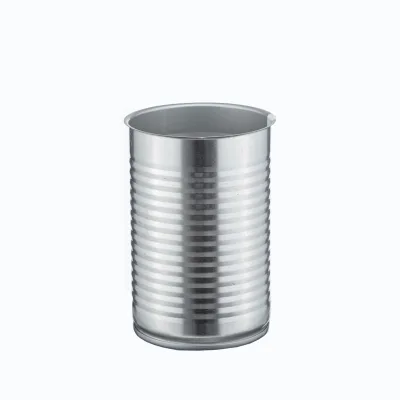
Eco-Friendly Cylindrical Metal Can for Sustainable Packaging Solutions
$0.23 - $0.45
MOQ: 10000 pieces

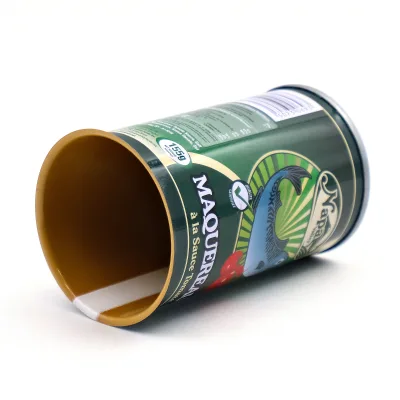
Eco-Friendly Custom Metal Tuna Can for Sustainable Packaging Solutions
$0.23 - $0.45
MOQ: 10000 pieces






Comprehensive Sourcing Guide
Eco-Friendly Recycled Tinplate Tin Can Supplier Concentration and Factory Types
Buyers searching this category will encounter suppliers based in several Chinese provinces, including Anhui, Fujian, Jiangsu and Hainan, and the supplier mix differs noticeably by region. Some listings come from companies that operate as both trading company and manufacturer or factory, which can simplify communication when you need custom printing or structural changes to a can. Others identify purely as trading companies, which may still be appropriate if they aggregate output from multiple factories, but you should confirm who actually produces the tinplate body and who applies the lacquer and printing. One supplier in this result set lists tin cans as its sole main product category, suggesting a focused metal packaging operation, while others list tin cans alongside unrelated lines.
The breadth of adjacent products is a useful signal. Suppliers whose main products are sauces, canned food, beverages or beer are often packaging buyers themselves and may resell or broker cans rather than manufacture them, whereas a listing whose main products are glass containers, aluminum cans, preforms, lids and caps plus tinplate cans points toward a packaging specialist. Because search results change, map your own concentration picture each time: record each supplier's self-declared company type, location and main products, then group them into focused packaging manufacturers, diversified packaging traders, and food or beverage companies selling packaging. That grouping determines which verification steps matter most for each shortlist tier.
How to Verify Eco-Friendly Recycled Tinplate Tin Can Suppliers
Verification should start with the attributes actually displayed on the listing and end with documents you request directly. In the current results, at least one supplier carries a third-party business verification badge, and system certifications such as ISO 9001 and QC 080000 are shown; another set of listings declares ISO, CE and CIQ certifications at the product level. Treat these as claims to confirm, not proof: ask for the certificate numbers, the issuing body and the scope, and check whether the certificate covers tinplate can manufacturing specifically rather than a different product line. For recycled-content claims specifically, no certification value appears in the supplied facts, so you must ask the supplier what documentation they can provide for recycled material content and verify it independently.
Beyond paperwork, verify capability and consistency. One supplier in these results offers OEM research and development capacity, which matters if you need custom sizes or printed artwork; ask every shortlisted supplier whether they can produce from your drawings or only from existing molds. Request samples, which one listing advertises as free, and inspect coating quality, internal lacquer and seam integrity. Check the declared production standard of each product model, since listings reference specific can standards and model numbers such as defined tinplate formats. Finally, confirm the manufacturing entity behind a trading company listing, ideally through a factory audit or video walkthrough, and match the business license name to the entity that will appear on your contract and invoices.
What to Compare Across Eco-Friendly Recycled Tinplate Tin Can Suppliers
Build a comparison table from the attributes suppliers actually display, without assuming every field is populated. Response time varies widely in this category: the current results show figures ranging from under two hours to more than four and a half, which affects how quickly you can resolve artwork, coating and sample questions. Quoted lead times also differ sharply, from effectively immediate availability on some listings to roughly two to three weeks and around half a month elsewhere; confirm whether lead time covers standard stock cans only or custom printed orders. Minimum order quantities span a large range, with observed listings at ten thousand pieces, one hundred thousand pieces and half a million pieces, so align MOQ with your demand forecast before shortlisting.
Price ranges on current listings run roughly from a few cents to just over a quarter of a US dollar per piece, reflecting size, coating, printing and order volume differences; compare quotes at the same specification, thickness and print count. Also compare certification claims (ISO alone versus ISO, CE and CIQ), customization availability, sample policy, declared material thickness, internal lacquer options and color printing capability, since one listing advertises one to seven color printing and multiple coating finishes. Company type, location and main products round out the table. Rank suppliers on fit rather than price alone: a low unit price at a half-million MOQ is worse than a mid price at ten thousand if your volumes are small.
Common Eco-Friendly Recycled Tinplate Tin Can Sourcing Risks
The most common risk is specification drift between sample and production. Listings declare body thickness ranges, lacquer types and external coating options, but production runs can substitute plain coating for printed, or a thinner body, unless your purchase agreement pins each attribute. A second risk is recycled-content ambiguity: eco friendly positioning appears in product keywords, but the supplied facts include no certification or test result for recycled material content, so a buyer who ships on the word "recyclable" or "eco friendly" without documented content data risks regulatory and customer-facing claims issues. Put the required content basis, evidence format and testing responsibility into the contract.
Third, mismatch risk between supplier type and need. A food or beverage seller listing empty cans may not control the production line, which lengthens problem resolution if coatings fail or seams leak. A supplier whose main products are glass bottles and jars may treat tin cans as a sideline, affecting tooling attention and reorder consistency. Fourth, logistics and quantity risks: very high MOQs lock you into large inventory, and pallet-based packing must be specified so cans arrive undented. Finally, certification decay risk: certificates shown on listings can lapse or be scoped to a different factory. Re-verify certificates annually, require the factory name on audit reports, and confirm the exact entity issuing invoices matches the verified entity before releasing deposits.
Eco-Friendly Recycled Tinplate Tin Can Regional Sourcing and Logistics
The supplied results point to several Chinese provinces as sourcing bases: Anhui, Fujian, Jiangsu and Hainan each appear as supplier locations, with different profiles. The Anhui-based supplier in this set combines glass and metal packaging products, carries ISO 9001 and QC 080000 system certifications, quotes a lead time of about twenty-three days and a response time of roughly four and a half hours. The Fujian-based listing is a trading company whose main products are sauces, canned food and empty tin cans, with a response time under two hours. The Hainan-based supplier lists beverages, beer and aluminum and tin cans, quotes about fifteen days lead time, and declares MOQs up to half a million pieces.
Use region as one input, not a verdict. Proximity to raw tinplate supply, port access and freight consolidation all affect landed cost, but the results here do not include shipping costs, so request freight quotes per supplier rather than assuming coastal provinces are cheaper. Note that pallet packing is explicitly declared on some listings, which simplifies container loading planning; confirm pallet dimensions and per-pallet counts early. Where lead time is displayed as zero or unusually low, clarify whether it refers to stock availability or production, and whether custom printed orders reset it. If you cannot find cluster data in your own results, identify clusters by mapping supplier locations against declared main products instead of relying on assumption.
Eco-Friendly Recycled Tinplate Tin Can Commercial Terms and Order Planning
Order planning in this category hinges on MOQ, price tiers and lead time interacting. Observed listings pair MOQs of ten thousand pieces with unit prices from roughly five to twenty cents, one hundred thousand pieces with prices around six to ten cents, and half a million pieces with prices from about three to twenty-eight cents depending on specification. Before committing, model two or three volume scenarios: a trial order at the lowest workable MOQ, a standard reorder, and an annual commitment that may unlock better pricing or dedicated tooling. Ask which price applies at which volume band and whether free samples are offered before the first paid order, as at least one listing advertises free samples.
Commercial terms to settle explicitly include deposit percentage, balance timing, quality acceptance criteria tied to declared thickness and coating, and remedies for dents or printing defects found on arrival. For custom printed cans, agree on artwork proofing, color references and who owns the printing plates. Given observed lead times from effectively zero to about twenty-three days, build safety stock around the slower end for custom orders and the faster end for stock items, and reconfirm lead time each quarter since displayed values may not update. Finally, align payment and inspection milestones: pay the balance only after inspection against the agreed standard, and keep the first order small enough that a failure is survivable while you validate the supplier's consistency.
FAQs
What makes a tinplate tin can eco friendly and recyclable?
Tinplate cans are considered eco friendly because tinplate steel is among the most recycled packaging materials worldwide, and the tin coating itself can be recovered during reprocessing. Recyclability depends on minimal plastic liners and separable components. Buyers should confirm the material specification, any food-grade coating used, and whether the supplier can document recycled content or compliance with local recycling standards.
What is the typical MOQ for custom printed tinplate cans?
Minimum order quantities commonly start around 10,000 pieces for smaller food-grade tins, though some high-volume beverage and packaging can listings list MOQs of 100,000 or even 500,000 pieces. The MOQ depends on can size, printing colors, and tooling. Buyers needing smaller trial quantities should ask suppliers about sample availability before committing to a full production run.
How long does production and delivery usually take?
Lead times for tinplate cans generally range from under a week to around 23 days depending on order size, customization, and current production schedules. Custom printing, special lacquers, or new tooling add time. Before ordering, request a written production timeline covering proofing, mass production, quality inspection, and shipping so the schedule aligns with your product launch dates.
Are food-grade tin cans safe for direct food contact?
Food-grade tinplate cans use internal lacquers such as gold, white, or aluminum finishes to prevent contact between food and bare metal. Listings frequently reference ISO certification and coatings suitable for items like seafood, sauces, coffee, and pet food. Buyers should request coating specifications, material safety documentation, and test reports to confirm suitability for their specific product and target market.
Can suppliers print custom logos and designs on tin cans?
Yes, many listings advertise customization with color printing ranging from one to seven colors, using methods like gravure printing, screen printing, and heat transfer. External coating options typically include plain finishes or printed artwork. Provide print-ready artwork early and request a pre-production sample or proof so colors, placement, and finish match your brand before mass production begins.
Do suppliers offer free samples before bulk orders?
Some tinplate can listings state that samples are free, which lets buyers evaluate material thickness, lid fit, printing quality, and coating before ordering. Even when the sample itself is free, shipping charges often apply and are paid by the buyer. Always confirm sample cost, courier terms, and how quickly a customized sample reflecting your artwork can be produced.
What product types suit tinplate tin cans?
Tinplate cans are used across food and beverage categories including coffee, cocoa, maca powder, pet food, sardines and other seafood, tomato paste, sauces, juice, milk powder, and edible oil. Decorative and gift uses are also common. Match can size, wall thickness, internal lacquer, and closure type to your product's shelf life, filling process, and transport conditions.
What certifications should I verify when sourcing tin cans?
Listings on this page reference ISO 9001, QC 080000, ISO, CE, and CIQ certifications, and some suppliers carry third-party verification. These indicate quality management and food-contact intent but do not replace your own checks. Request current certificates, confirm scope covers the specific can products, and ask for food-grade material declarations plus any testing relevant to your destination market.