Rose Gold Easter Egg Suppliers and Manufacturers in China
Explore 36 verified options for Rose Gold Easter Egg products from suppliers in Fujian and Zhejiang. Compare response times, lead times, and certifications like BSCI to find the right partner. Review product specifications and pricing to proceed with your sourcing needs.
Suppliers List
Fujian Dehua Liviceramic Co., Ltd
- Trading Company
- Fujian, China
- Lead time70 days
- Avg. response≤ 2h
Main productsCeramic home decor,Christmas decor item,Easter item,ceramic flower vase & pot,All season item
Main marketsWestern Europe(25.00%), Northern Europe(20.00%), Southern Europe(15.00%), Eastern Europe(15.00%), North America(10.00%), Oceania(10.00%), Domestic Market(5.00%)
Wenzhou Jiaming Craft Co., Ltd.
- Manufacturer
- Zhejiang, China
- Lead time40 days
- Avg. response≤ 7h
Main productskids arts&crafts,holiday ornaments
Main marketsSouthern Europe(9.09%), Northern Europe(9.09%), Central America(9.09%), Western Europe(9.09%), Eastern Asia(9.09%), Mid East(9.09%), Africa(9.09%), Southeast Asia(9.09%), Eastern Europe(9.09%), South America(9.09%), North America(9.09%)
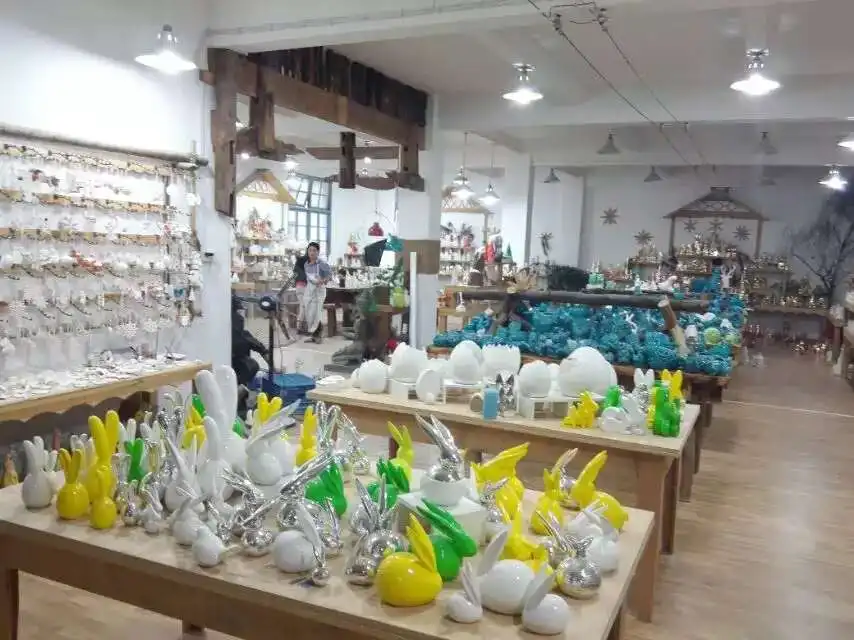
Dehua Beauty Rich Arts & Crafts Co., Ltd.
- Manufacturer, Trading Company
- Fujian, China
- Lead time30 days
- Avg. response≤ 9h
Main productsPolyresin crafts,Ceramic crafts,PVC crafts,Home decoration,Garden decoration
Main marketsEastern Europe(15.00%), North America(15.00%), South America(12.00%), Mid East(5.00%), Oceania(5.00%), South Asia(3.00%), Southern Europe(3.00%), Northern Europe(3.00%), Central America(3.00%), Western Europe(3.00%), Eastern Asia(3.00%), Domestic Market(3.00%), Southeast Asia(3.00%), Africa(2.00%)
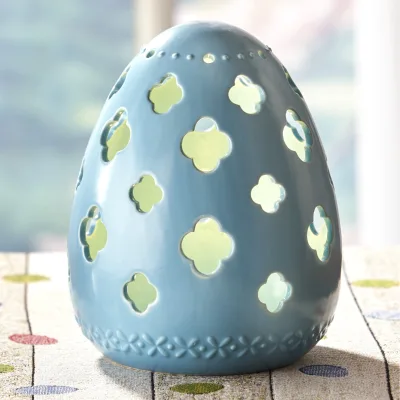
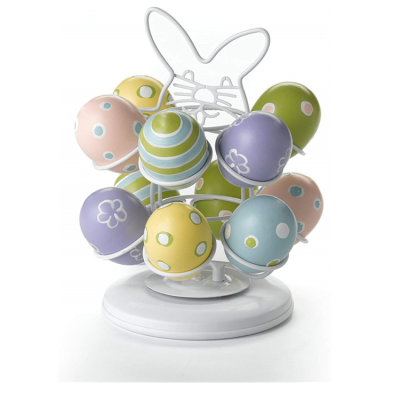
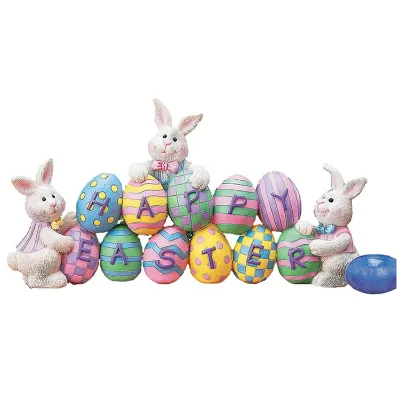
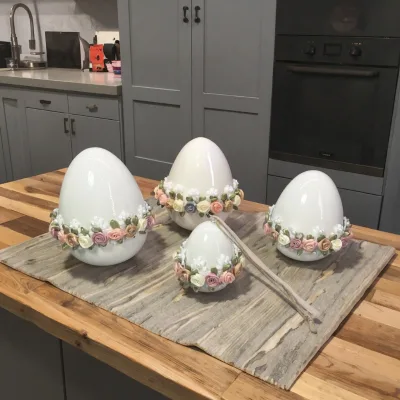
Resin Easter Egg Tabletop for Easter - Home Decor - Figurines - Molded - Easter
$6.45 - $6.95
MOQ: 500 pieces

Jinjiang Jiayi Supply Chain Management Co., Ltd.
- Verified by BV
- Trading Company
- China Fujian
- Lead time30 days
- Avg. response≤ 1h
Main productsGift, Shoe, Garment, Machine
Main marketsDomestic

Ningbo Hongchuang Commodity Co., Ltd.
- Verified by SGS
- Trading Company,Manufacturer/Factory
- China Zhejiang
- Lead time45 days
- Avg. response≤ 6h
Main productsStorage, Home Decoration, Kitchenware, Housewares, Gifts & Crafts, Office & School, Beauty & Personal Care, Festival Items, Wooden Photo Frame, Garden Tools
Main marketsSouth America,Eastern Europe,Mid East,North America,Southeast Asia,Eastern Asia,Oceania,Western Europe,Africa

Yiwu Hongzhuo Art&crafts Factory
- Manufacturer, Trading Company
- Zhejiang, China
- Lead time30 days
- Avg. response≤ 6h
Main productsCrystal Crafts,Beauty Tools,Massage Tools,Gemstone Carving,Jewelry & Accessories
Main marketsDomestic Market(100.00%)
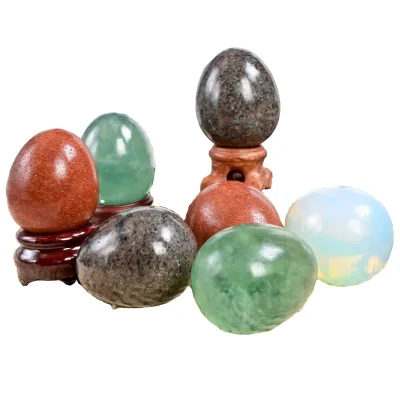
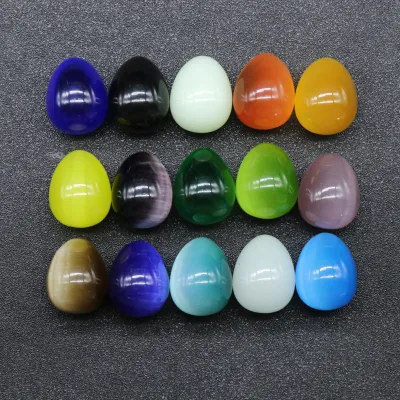
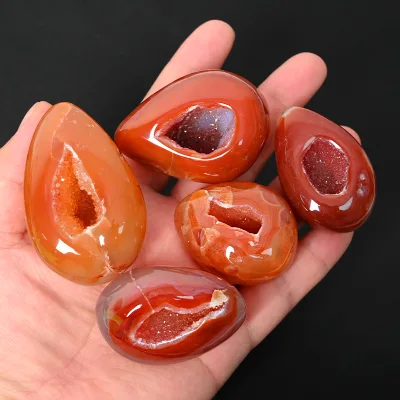
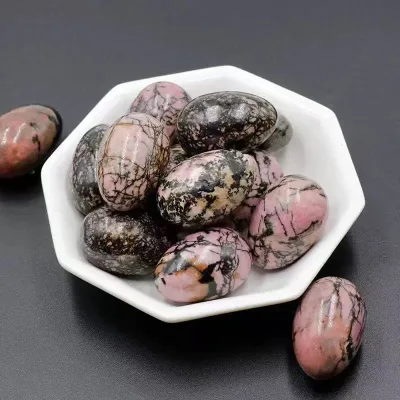
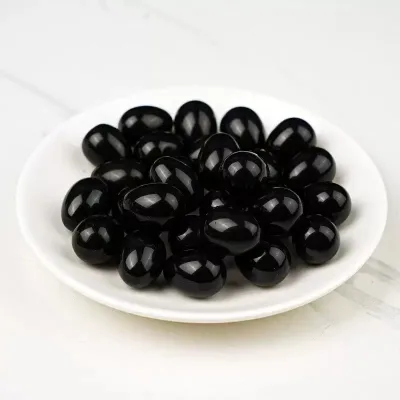
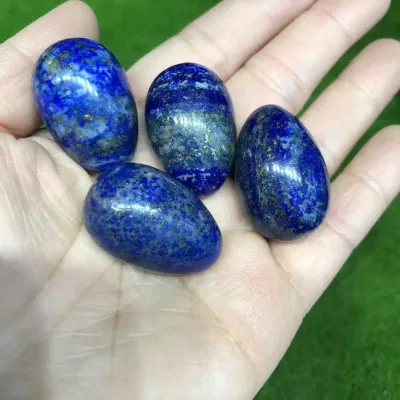
2026 Healing Bulk Mixed Semi Precious Opal Stone Eggs Crystal Eggs Natural Easter Bunny Egg
$1.00 - $9.00
MOQ: 100 Minimum
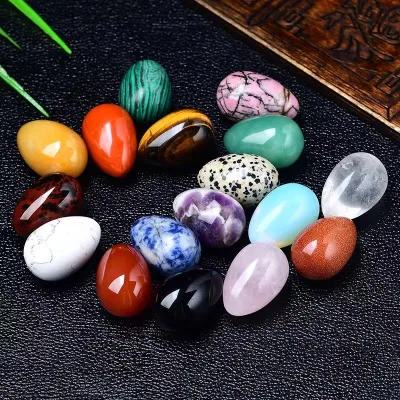
Small Egg Natural Stone Pink White Purple Ornaments Ore Egg Original DIY Crystal Eggs
$2.66 - $3.02
MOQ: 100 Minimum

- Trading Company
- Jiangsu, China
- Lead time10 days
- Avg. response≤ 5h
Main productswhatsapp:15161989378,Silicone Toy,Squeeze Toy,Flippy chain toy,Educational Toy
Main marketsDomestic Market(15.00%), South America(15.00%), North America(15.00%), Southern Europe(10.00%), Northern Europe(10.00%), Central America(10.00%), Western Europe(10.00%), Eastern Europe(10.00%), Mid East(5.00%)

- Trading Company
- China Zhejiang
- Lead time30 days
- Avg. response≤ 11h
Main productsHome Appliance, Cookware Set, Thermos, Home Storage, Furniture, Pet Supplies, Garden Tools, Outdoor Supplies, Baby Supplies, Houesehold Items
Main marketsSouth America,Africa,Southeast Asia/ Mideast,East Asia(Japan/ South Korea),Domestic,Europe,Australia,North America


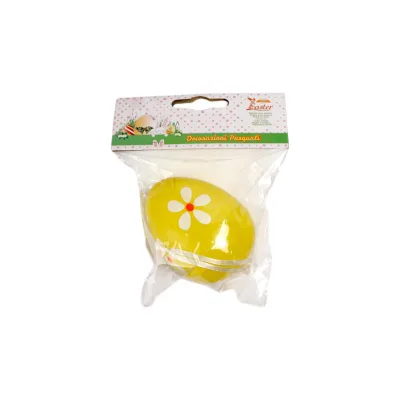
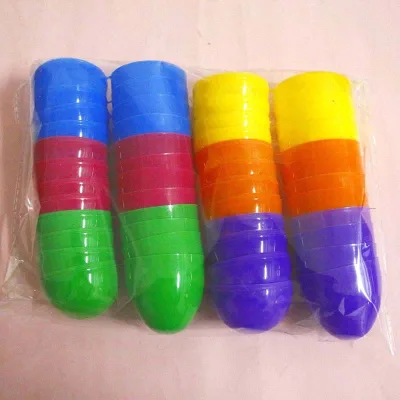
Simulation Decoration Openable Fillable Pattern Plastic Decorative Easter Eggs
$0.36 - $0.42
MOQ: 1000 Bags
Hefei Sublime International Co., Ltd
- Verified by BV
- Trading Company,Manufacturer/Factory
- China Anhui
- Lead time30 days
- Avg. response≤ 6h
Main productsParty Favour Items, Wooden Decoration, DIY Hobby, Paper Stationery, Wooden Crafts, Paper Crafts, Wooden Gifts, Honeycomb Ball, Tissue Pompon, Paper Bags
Main marketsSouth America,Eastern Europe,Mid East,North America,Eastern Asia,Oceania,Western Europe


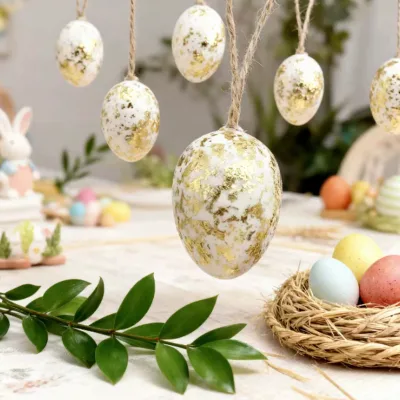
Easter Eggs Decorations Hanging Ornaments Paper Honeycomb for Party Supplies Indoor Outdoor
$0.40 - $0.43
MOQ: 1000 Pieces

ZHUHAI KAMEDA TECHNOLOGY CO., LTD
- Verified by BV
- Trading Company,Manufacturer/Factory
- China Guangdong
- Lead time23 days
- Avg. response≤ 9h
Main productsMeasuring Tools, Plastic Clips, Housewares Packing, Daily Necessities, Customizing PCB
Main marketsSouth America,Eastern Europe,Mid East,North America,Southeast Asia,Eastern Asia,Oceania,Western Europe,Africa

4cm Craft Styrofoam Easter Egg DIY Foam Egg for Holiday Party Decoration Easter Ornament
$0.02 - $0.03
MOQ: 10000 Pieces

10cm Craft Styrofoam Easter Egg DIY Foam Egg for Holiday Party Decoration Easter Ornament
$0.20 - $0.25
MOQ: 10000 Pieces

9cm Craft Styrofoam Easter Egg DIY Foam Egg for Holiday Party Decoration Easter Ornament
$0.15 - $0.20
MOQ: 10000 Pieces

8cm Craft Styrofoam Easter Egg DIY Foam Egg for Holiday Party Decoration Easter Ornament
$0.09 - $0.10
MOQ: 10000 Pieces

12cm Craft Styrofoam Easter Egg DIY Foam Egg for Holiday Party Decoration Easter Ornament
$0.23 - $0.35
MOQ: 10000 Pieces

6cm Craft Styrofoam Easter Egg DIY Foam Egg for Holiday Party Decoration Easter Ornament
$0.03 - $0.04
MOQ: 10000 Pieces
Ningbo Yinzhou Gel Houseware Factory
- Verified by Intertek
- Manufacturer, Trading Company
- Lead time30 days
- Avg. response≤ 5h
Main productsSeasonal Party Supplies, Theme Party Supplies, Balloon Set
Main marketsWestern Europe(50%), North America(35%), Southeast Asia(15%)
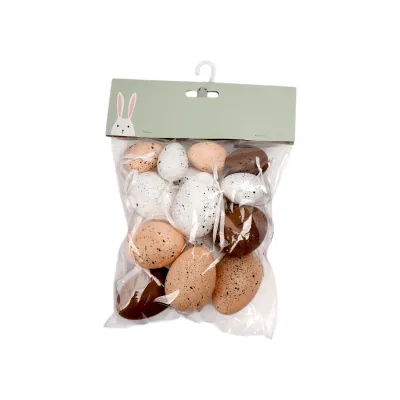
16pcs Colorful Simulated Hanging Plastic Easter Giant clear Easter Eggs Bulk Kit
$0.43 - $0.50
MOQ: 5000 sets
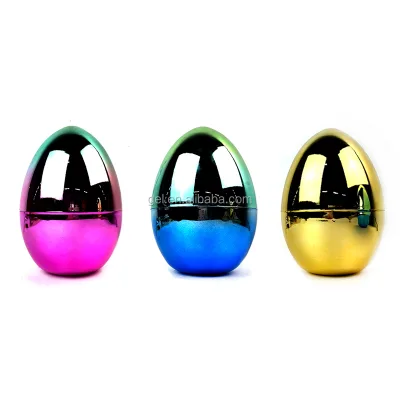
Giant Plastic Easter Prefilled Eggs for Holiday Decorations Festive Easter Celebrations Supplies
$0.13 - $0.15
MOQ: 5000 pieces
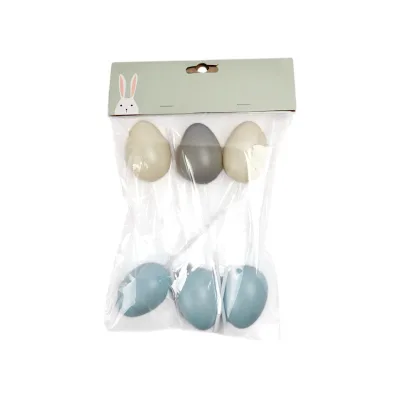
6pcs Colorful Easter Eggs Painted with Sticks Cute Kids Gifts for Easter Party Decor
$0.41 - $0.47
MOQ: 3000 sets
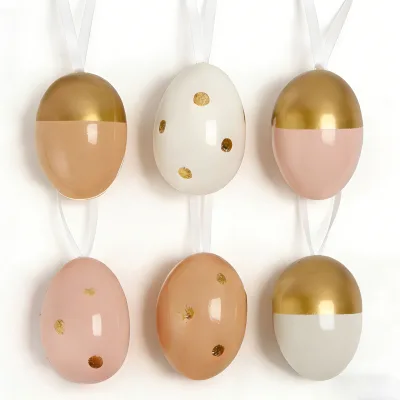
Sichuan Candle Rain Technology Co., Ltd
- Verified by SGS
- Trading Company,Manufacturer/Factory
- China Sichuan
- Lead time38 days
- Avg. response≤ 5h
Main productsScented Candles, Reed Diffusers, Aroma Burner, Candle Warmer, Gift Box, Car Diffuser, Massage Candle, Pillar Candle, Pole Candle, Aroma Diffuser
Main marketsSouth America,Eastern Europe,Mid East,North America,Southeast Asia,Eastern Asia

SI CHUAN C-DO DECORATION ENGINEERING CO.LTD
- Manufacturer, Trading Company
- Sichuan, China
- Lead time30 days
- Avg. response≤ 3h
Main productsLiving Room Wall Art,Bedroom Feature Wall Decor,Wedding & Event Decor,Commercial & Hospitality Decor,Kids Room & Nursery Decor
Main marketsSouth America(30.00%), North America(30.00%), Northern Europe(10.00%), Eastern Europe(10.00%), South Asia(5.00%), Southern Europe(5.00%), Southeast Asia(5.00%), Mid East(5.00%)
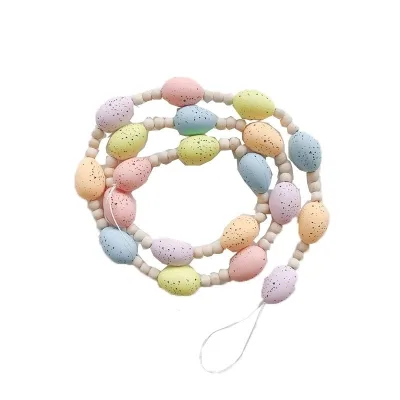
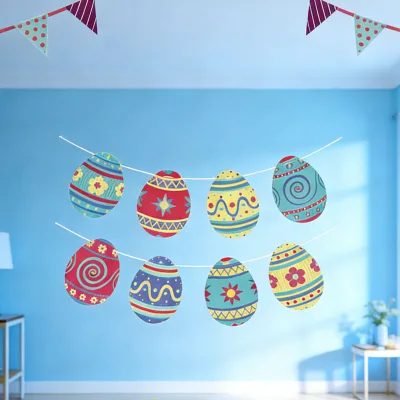
Easter String Eggs Beaded Eggs Hanging Through Simulated Eggs Easter Scene Arrangement
$1.40 - $1.68
MOQ: 10 Minimum
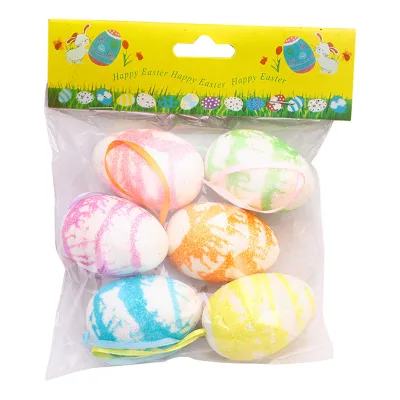
4*6cm Easter Egg DIY Painted Foam Particle Simulation Eggs 6pcs Holiday Hangings
$0.63 - $0.82
MOQ: 3 sets

Real Love Industrial Factory Groups
- Manufacturer, Trading Company
- Zhejiang, China
- Lead time0 days
- Avg. response≤ 1h
Main productsHardware,Fabrics,Bags,Toys,Materials
Main marketsSouth America(20.00%), North America(20.00%), Eastern Europe(10.00%), Northern Europe(8.00%), Central America(5.00%), Domestic Market(5.00%), Eastern Asia(5.00%), Mid East(5.00%), Oceania(5.00%), Southeast Asia(5.00%), Southern Europe(4.00%), Western Europe(3.00%), Africa(3.00%), South Asia(2.00%)

- Verified by SGS
- Trading Company
- China Zhejiang
- Lead time15 days
- Avg. response≤ 15h
Main productsChristmas Decoration, Christmas Tree, Christmas Gift, Party Decoration, Promotional Product, Festival Items, Gift, Valentine, Party Items, Halloween Decorations
Main marketsEurope,Australia


Cross-Border Wooden Decorations Spring Easter Eggs Bunny Hanging Ornaments
$0.44 - $0.50
MOQ: 2000 Bags

Promotional Hot Sale Holiday Party Supplies Decorations Easter Ornaments Egg
$0.08 - $0.10
MOQ: 10000 Pieces

Wholesale Easter Bunny Eggs Patio Decoration Party Hanging Scene Arrangement Garland
$2.34 - $2.63
MOQ: 380 Bags
Donghai Liuxiuli Crystal Factory
- Verified by SGS Group
- Trading Company
- Lead time0 days
- Avg. response≤ 2h
Main productsHealing Crystal Spheres, Feng Shui Weath Crystal, Rose Quartz Tower, Amethyst Geode, Natural Crystal Obelisk
Main marketsDomestic Market(100%)
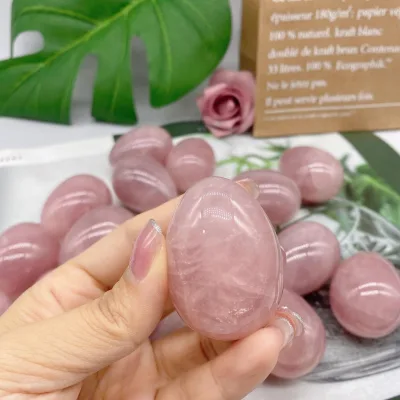
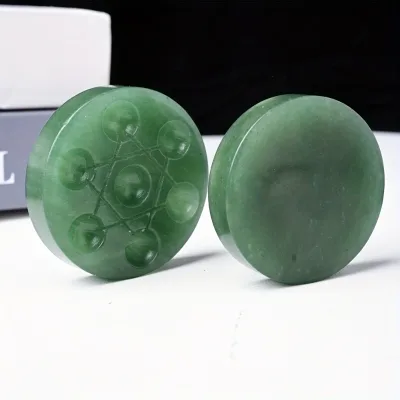
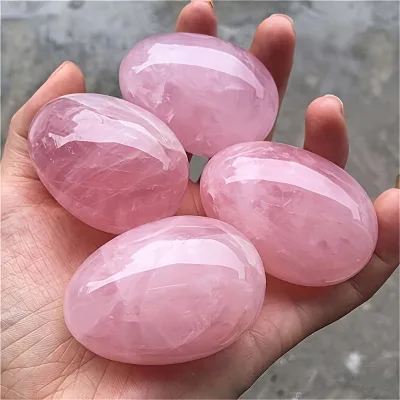
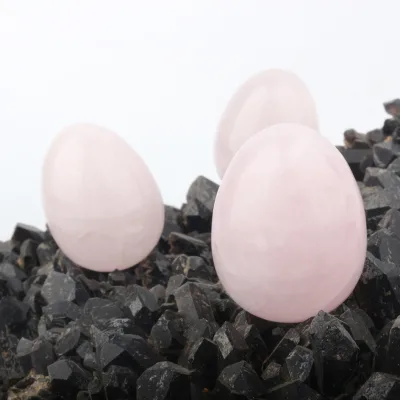
Wholesale Custom Crystals Yoni Egg Set Pink Natural Crystal Rose Quartz Yoni Eggs for Women
$3.29 - $6.89
MOQ: 1 Minimum
$7.68 - $33.77
MOQ: 1 Minimum
- Trading Company
- Zhejiang, China
- Lead time旺季: "1 - 10":7,"11 - 100":10,"101 - 1000":15,"> 1000":"To be negotiated", 淡季: "1 - 10":7,"11 - 100":10,"101 - 1000":15,"> 1000":"To be negotiated"
- Avg. response≤ 3h
Main productsFashion accessory,Promotional gift,Metal craft,Anime series accessories,Pet products
Main marketsNorth America(20.00%), South America(15.00%), Eastern Asia(10.00%), Domestic Market(10.00%), Africa(10.00%), Northern Europe(10.00%), Eastern Europe(10.00%), Southern Europe(6.00%), Western Europe(5.00%), Mid East(3.00%), Southeast Asia(1.00%)
Donghai Buildful Jewelry Co., Ltd.
- Verified by Intertek
- Manufacturer, Trading Company
- Lead time10 days
- Avg. response≤ 1h
Main productsCrystal Tumbled Gravel Stone, Crystal Handmade Pendant, Crystal Tower Point, Crystal Sphere Ball, Crystal Chakra Gift Box
Main marketsNorth America(48%), South America(22%), Oceania(8%)

Yiwu Shuangyuan Christmas Artware Co., Ltd.
- Verified by TUVRHEINLAND
- Combined
- China Zhejiang
- Lead time30 days
- Avg. response≤ 8h
Main productsChristmas Decoration, Christmas Tree, Christmas Ball, Christmas Santa, Christmas Ornament, Christmas Gift, Christmas Wreath
Main marketsOthers(foreignTradeCapacity.exportBusinessCapacityMarketOther)

Ceramic Colorful Easter Egg for Holiday Wedding Party Decoration Supplies Hook Ornament Craft Gifts
$0.95 - $0.98
MOQ: 10000 Pieces

Gold Bell Christmas Ornament Christmas Bell Ornaments Christmas Bell Necklace
$0.70 - $0.80
MOQ: 450 Sets
Amy & Benton Toys And Gifts Co., Ltd.
- Verified by SGS Group
- Manufacturer, Trading Company
- Lead time25 days
- Avg. response≤ 3h
Main productsParty Favors, Promotional Toys, Educational Toys, Bubble Toys, Kitchen Toy
Main marketsNorth America(20%), South America(10%), Oceania(10%)
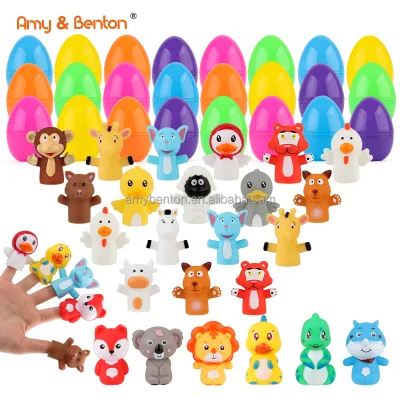
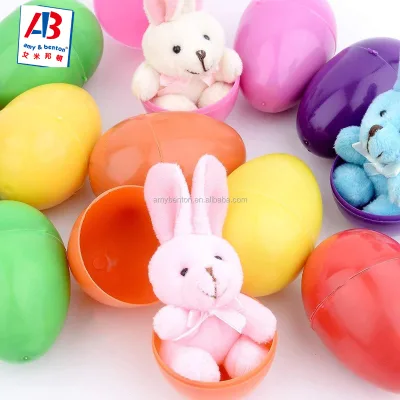
Party Favors Bunny Easter Eggs with Toys Inside
$0.04 - $0.05
Yiwu Gingerbread House E-Commerce Firm
- Trading Company
- Zhejiang, China
- Lead time5 days
- Avg. response≤ 2h
Main productsCrochet Flower,Crochet Plant,Crochet Pot,Crochet Doll,Crochet Accessories
Main marketsEastern Europe(20.00%), Northern Europe(18.00%), Western Europe(15.00%), Central America(15.00%), Southern Europe(11.00%), South America(5.00%), North America(5.00%), Africa(3.00%), Oceania(3.00%), Domestic Market(1.00%), South Asia(1.00%), Southeast Asia(1.00%), Mid East(1.00%), Eastern Asia(1.00%)

- Trading Company
- China Liaoning
- Lead time15 days
- Avg. response≤ 3h
Main productsArtificial Flowers, Christmas Decorations, Artifical Animal Decorations, Halloween Decorations, Wedding Decorations, Easter Decorations, Home Decorations, Artificial Green Plants, Valentines Day Decorations, Event Decorations
Main marketsEurope,North America

$2.06 - $5.96
MOQ: 100 Pieces

Xiamen Canghai Minghui Industry & Trade Co., Ltd.
- Verified by SGS Group
- Manufacturer, Trading Company
- Lead time7 days
- Avg. response≤ 1h
Main productsParty Supplies, Party Decorations, Cake Decorations, Home Decorations, Decor Painting
Main marketsNorth America(95%), Western Europe(3%), Eastern Europe(2%)
Shenzhen Hui Shi Da Technology Co., Ltd.
- Manufacturer, Trading Company, Agent
- Guangdong, China
- Lead time0 days
- Avg. response≤ 2h
Main productsComputer accessories,LED Series,Consumer Electronics,Auto and motorcycle parts,Cars motorcycles
Main marketsEastern Europe(22.10%), North America(20.50%), Western Europe(15.60%), South Asia(12.30%), South America(10.40%), Africa(9.50%), Northern Europe(8.60%), Southern Europe(1.00%)

YIWU JINYE IMPORT AND EXPORT CO., LTD
- Verified by SGS
- Trading Company
- China Zhejiang
- Lead time15 days
- Avg. response≤ 24h
Main productsBangle, Wrist Band, Bracelet, Fashion Jewelry
Main marketsNorth America


Plastic Printed Bright Easter Eggs, Over 3.15'' Tall Fillable Empty Eggs Bulks for Easter Hunt
$0.10 - $1.00
MOQ: 1000 Pieces

HK Nineup International Trading Limited
- Trading Company,Manufacturer/Factory
- China Fujian
- Lead time45 days
- Avg. response≤ 4h
Main productsRunning Shoes, Football Shoes, Outsole, Shoes Material, Ceramic Crafts, Shoe Machine, Golf Shoes
Main marketsSouth America,Eastern Europe,North America,Southeast Asia,Western Europe
Donghai County Dongqing Crystal Products Co., Ltd.
- Manufacturer, Trading Company
- Jiangsu, China
- Lead time15 days
- Avg. response≤ 1h
Main productsCrystal Crafts,crystal ball,crystaltower,skull,agate
Main marketsNorth America(50.00%), Oceania(22.00%), Southeast Asia(7.00%), Domestic Market(4.00%), Eastern Europe(3.00%), South America(3.00%), Central America(2.00%), Western Europe(2.00%), South Asia(2.00%), Mid East(2.00%), Northern Europe(1.00%), Eastern Asia(1.00%), Southern Europe(1.00%)

Ningbo General Union Co., Ltd.
- Verified by SGS
- Trading Company
- China Zhejiang
- Lead time45 days
- Avg. response≤ 10h
Main productsChristmas Tree, Party Supply, Christmas Ball, LED Light Strip, Halloween Product, Holiday Decoration, Santa Claus, Valentine's Day Product, Balloon Decoration, Birthday Decoration
Main marketsSouth America,Europe,North America

- Verified by TUVRHEINLAND
- Combined
- China Fujian
- Lead time15 days
- Avg. response≤ 21h
Main productsFridge Magnet, Decorative Hook, Metal Plaque, Wood Plaque, Wooden Photo Frame, Wood Chalkboard, Book Mark, Linen Painting, Canvas Box, Cup Coasters
Main marketsSouth America,Africa,Southeast Asia/ Mideast,East Asia(Japan/ South Korea),Europe,Australia,North America


High Demand Products to Sell Handmade Easter Decoration Printed Plastic Egg
$0.62 - $1.29
MOQ: 500 Pieces

Best Sale Small Party Accessories Polyfoam Easter Egg with Different Color
$0.60 - $1.20
MOQ: 1000 Pieces

Quanzhou Wutongcrafts Co., Ltd.
- Verified by CTI
- Manufacturer/Factory
- China Fujian
- Lead time30 days
- Avg. response≤ 7h
Main productsResin Figurine, Snow Globe, Fridge Magnets, Tourist Souvenirs, Garden Ornaments, Holiday Decorations, Madonna Statue, Bobble Head, Polyresin Statue, Polyresin Flower Pot
Main marketsSouth America,Eastern Europe,North America,Oceania,Western Europe,Africa
- Trading Company
- Zhejiang, China
- Lead time15 days
- Avg. response≤ 2h
Main productsBalloon,Celebration Party supplies,Party Decoration,Candle,Table Cloth
Main marketsWestern Europe(40.00%), North America(35.00%), South America(10.00%), Eastern Europe(10.00%), Eastern Asia(5.00%)
Shantou Ever Golden Trading Co., Ltd.
- Trading Company
- Guangdong, China
- Lead time50 days
- Avg. response≤ 4h
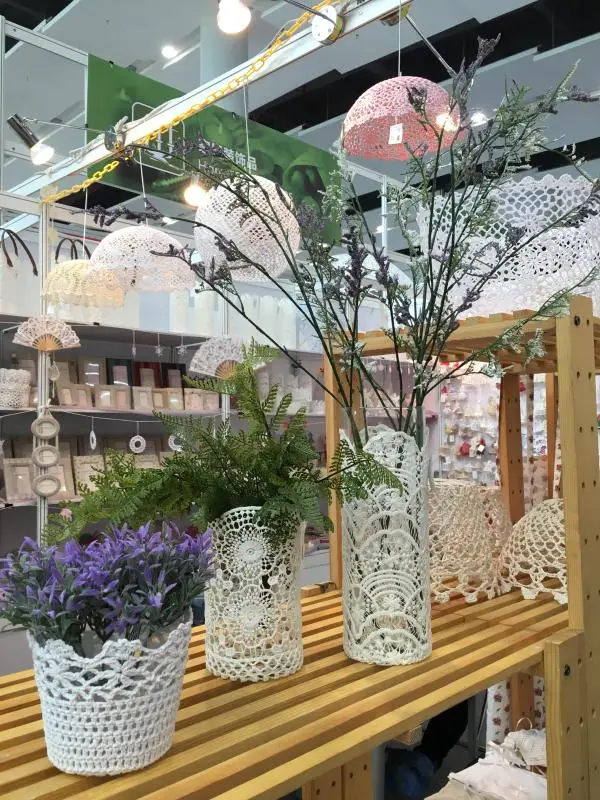
Main productsX-mas decoration,crocheted basket,lace item,crocheted coaster,baby born ceremony
Main marketsEastern Europe(20.00%), Western Europe(20.00%), South Asia(10.00%), Southern Europe(10.00%), Northern Europe(10.00%), North America(10.00%), Mid East(10.00%), Southeast Asia(10.00%)
Baoying Meilida Christmas Glass Crafts Factory
- Verified by Intertek
- Manufacturer, Trading Company
- Lead time20 days
- Avg. response≤ 6h
Main productsChristmas Ornaments, Glass Crafts
Main marketsNorth America(40%), Eastern Europe(22%), Western Europe(18%)

- Verified by BV
- Manufacturer/Factory
- China Hebei
- Lead time45 days
- Avg. response≤ 10h
Main productsChristmas Ball, Glass Christmas Balls/ Baubles/ Ornaments, Hand Painted Balls/ Baubles/ Ornaments, Hand Painted Christmas Ball Ornaments, Inside Hand Painted Christmas Ball Ornaments, Reverse Hand Painted Christmas Ball Ornaments, Hand Painted Christmas Tree Ornaments, Inside Painted Glass Balls/ Baubles/ Ornaments, Christmas Decoration Glass Crafts, Christmas/ Holiday Gifts/ Souvenirs/ Handicrafts
Main marketsSouth America,Eastern Europe,Mid East,North America,Southeast Asia,Eastern Asia,Oceania,Western Europe,Africa

Hand Painted Glass Egg Reverse Hand Painted Easter Eggs Inside Painted Glass Ornament Eggs
$3.00 - $5.50
MOQ: 500 Pieces

High-End Glass Easter Egg with Inner Painting for Easter Decoration Gifts
$3.00 - $5.50
MOQ: 500 Pieces
Yiwu Bairui House Festival Supplies Co., Ltd.
- Verified by Intertek
- Manufacturer, Trading Company
- Lead time30 days
- Avg. response≤ 5h
Main productsChristmas Ball, Christmas Decorations, Holiday Decorations, Easter Decorations, Halloween Decorations
Main marketsNorth America(50%), Western Europe(30%), Eastern Europe(15%)

Fuzhou Upinstar Import and Export Co., Ltd.
- Verified by TUVRHEINLAND
- Trading Company
- China Fujian
- Lead time15 days
- Avg. response≤ 13h
Main productsJewelry Handicrafts
Main marketsEurope,North America


















Comprehensive Sourcing Guide
Rose Gold Easter Egg Supplier Concentration and Factory Types
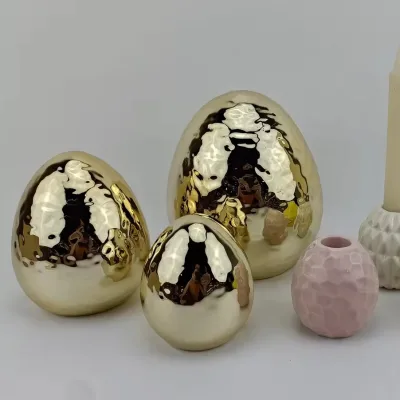
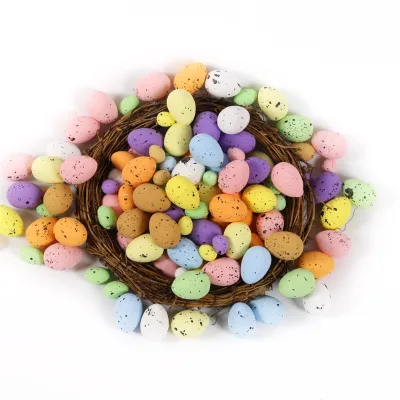
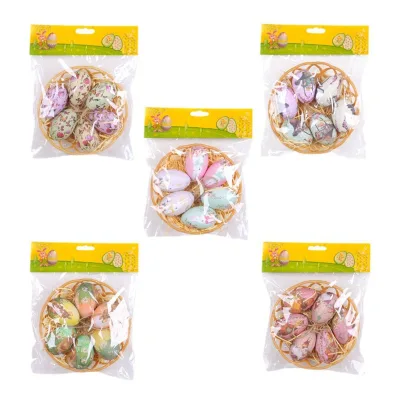
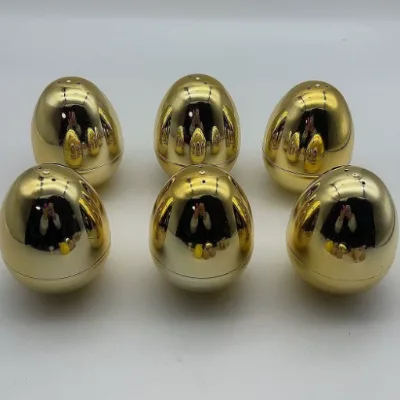
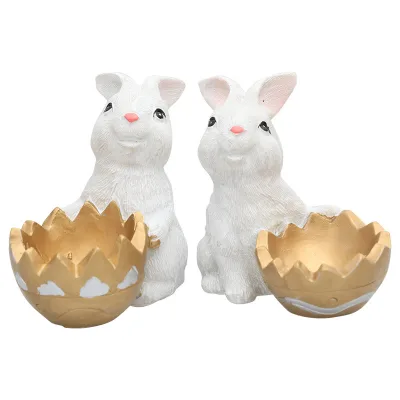
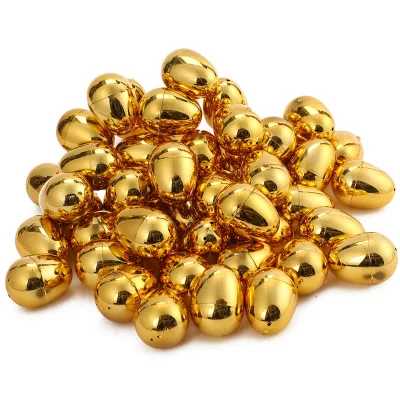
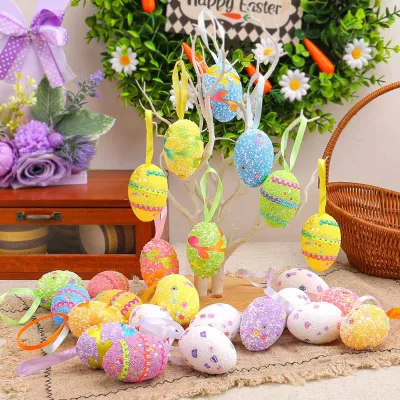
Current data indicates a concentration of suppliers in Fujian and Zhejiang provinces, China, where specific manufacturers and trading companies operate within the festive decor sector. In Fujian, suppliers are identified as trading companies specializing in ceramic home decor, including items like golden Easter eggs and flower vases, with a primary focus on all-season and holiday-specific merchandise. These entities often list main products that encompass ceramic flower pots and decorative eggs, suggesting a regional cluster dedicated to ceramic processing and festive packaging. Conversely, suppliers in Zhejiang are frequently categorized as manufacturers or hybrid entities combining manufacturing and trading capabilities, producing items ranging from polyresin crafts to foam-based holiday ornaments. This distinction is critical because a trading company in Fujian may source ceramic goods from various factories, whereas a manufacturer in Zhejiang might control the entire production line for foam or resin-based decorative eggs.
When evaluating the factory type, buyers must distinguish between pure trading companies and those with direct manufacturing capabilities, as this impacts quality control and customization flexibility. The observed data shows that some suppliers in the ceramic sector operate strictly as trading companies, which can streamline the procurement process for finished goods but may limit deep customization of the ceramic molding process. In contrast, manufacturers in Zhejiang often highlight advantages such as factory prices and direct control over materials like foam or polyresin, which are common for lightweight hanging decorations. Buyers should verify if a supplier claims to be a manufacturer by checking for specific production equipment or facility certifications, rather than relying solely on the company type label. Understanding this structural difference helps in predicting lead times and the ability to handle complex orders for rose gold finishes or specific ceramic glazes.
How to Verify Rose Gold Easter Egg Suppliers
Verification begins with scrutinizing the specific product attributes and certifications provided in the supplier's catalog, ensuring they align with the requested rose gold finish and material standards. For ceramic items, buyers should confirm the material composition and check for brand names like LIVI or specific model numbers that indicate established production lines. In the case of foam or polyresin products, verifying the material specification is essential, as some listings may describe foam eggs while the buyer requires ceramic or metal alternatives. Buyers must also look for system certifications such as BSCI, which indicates adherence to social compliance standards, though not all suppliers in the current dataset display this credential. If a supplier claims to be a manufacturer, requesting proof of facility ownership or production capacity is necessary to validate their operational status beyond the company type label.
Response time and lead time data serve as practical indicators of a supplier's reliability and operational efficiency during the verification process. The observed data shows response times ranging from two to nine days, with lead times varying significantly from thirty to seventy days depending on the product type and location. A supplier with a two-day response time in Fujian may offer faster communication for ceramic orders, while a manufacturer in Zhejiang might have a longer lead time of forty days due to production scheduling. Buyers should verify these metrics by initiating contact and measuring the actual response duration, as listed times can sometimes be averages rather than guarantees. Additionally, checking the product evidence for specific attributes like single package size, weight, and color options ensures the supplier can meet the precise requirements for rose gold finishes and dimensional specifications before committing to an order.
What to Compare Across Rose Gold Easter Egg Suppliers
Comparing suppliers requires a detailed analysis of minimum order quantities, pricing structures, and lead times to determine the most suitable partner for the specific order volume. The data reveals that ceramic Easter eggs often have a minimum order quantity of 400 pieces, with prices ranging from approximately 0.99 to 1.56 dollars per unit depending on the design and finish. In contrast, foam-based decorative eggs may have lower price points, starting around 0.40 dollars, but buyers must verify if the rose gold finish is included in this base price or if it incurs an additional cost. Lead times also vary significantly, with some suppliers offering thirty-day delivery for polyresin or foam items, while ceramic orders may require up to seventy days due to the firing and glazing processes involved. Buyers should create a comparison matrix that includes these variables to identify the most cost-effective and time-efficient option for their specific needs.
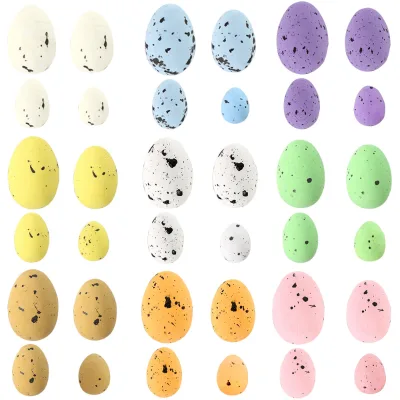
Beyond pricing and quantity, the main product focus and customization capabilities are critical factors in supplier comparison. Some suppliers specialize in ceramic home decor and all-season items, while others focus on specific holiday ornaments like hanging light eggs or vintage-style decorations. The ability to customize size, color, and branding is often highlighted in product attributes, with options for customized sizes and specific color palettes including gold, white, silver, and green. Buyers should compare the flexibility of these customization options, as some suppliers may offer personalized logos or specific packaging solutions, while others may have rigid standard offerings. Additionally, the single package size and gross weight are important for logistics planning, as larger or heavier items can significantly impact shipping costs and storage requirements. A thorough comparison ensures that the selected supplier can meet both the aesthetic and logistical demands of the Rose Gold Easter Egg order.
Common Rose Gold Easter Egg Sourcing Risks
One significant risk in sourcing rose gold Easter eggs is the discrepancy between the advertised material and the actual product received, particularly when dealing with ceramic versus foam or polyresin items. Some listings may describe a product as ceramic while the actual item is foam with a metallic finish, which can lead to quality issues and customer dissatisfaction. Buyers must carefully review the product attributes to confirm the material composition, ensuring that the rose gold finish is applied to the correct base material. Another risk involves the variability in lead times, which can extend beyond the stated thirty to seventy days due to production delays or supply chain disruptions. This is particularly relevant for ceramic items, which require longer curing and glazing times, potentially causing delays in meeting holiday deadlines.
Quality control inconsistencies are another major risk, especially when working with trading companies that may source from multiple factories without direct oversight. The observed data shows that some suppliers offer "factory price" advantages, but this does not guarantee consistent quality across all batches. Buyers should verify the presence of quality assurance measures, such as pre-shipment inspections or adherence to specific standards, to mitigate the risk of receiving defective products. Additionally, the lack of standardized certifications for all suppliers can lead to compliance issues, particularly if the buyer requires specific social or environmental standards. The risk of color variation is also notable, as the rose gold finish may differ in shade or durability depending on the supplier's application process. Buyers should request samples to verify the color accuracy and finish quality before placing a large order to avoid potential disputes and financial losses.
Rose Gold Easter Egg Regional Sourcing and Logistics
Regional sourcing in China offers distinct advantages and challenges depending on the province and the type of product being ordered. Suppliers in Fujian are primarily located in the ceramic manufacturing hub, which provides access to high-quality ceramic materials and established glazing techniques. However, the longer lead times of up to seventy days for ceramic items can impact the overall logistics timeline, requiring early planning to ensure timely delivery. In contrast, suppliers in Zhejiang are often manufacturers of foam and polyresin products, offering faster lead times of around thirty to forty days. This regional difference allows buyers to choose based on their specific product requirements and urgency, with Fujian being ideal for premium ceramic items and Zhejiang suitable for lightweight, mass-produced decorations.
Logistics planning must account for the varying package sizes and weights associated with different product types, as these factors directly influence shipping costs and handling requirements. Ceramic Easter eggs typically have larger single package sizes, such as 15x25x25 cm, and higher gross weights, which can increase freight charges and require specialized handling. Foam-based eggs, on the other hand, are often lighter and more compact, with package sizes like 15x15x8 cm, making them more cost-effective to ship. Buyers should calculate the total landed cost by considering both the product price and the shipping expenses, which can vary significantly based on the supplier's location and the product's physical characteristics. Additionally, the need for customized packaging or branding may add to the logistics complexity, requiring coordination with the supplier to ensure that all items are properly packed and labeled for international transport.
Rose Gold Easter Egg Commercial Terms and Order Planning
Commercial terms for Rose Gold Easter Egg orders often include specific payment methods and conditions that buyers must understand before finalizing a purchase. The observed data indicates that payment terms such as T/T (Telegraphic Transfer) are common, but buyers should verify if other methods like escrow are available to protect their interests. Lead times are a critical component of order planning, with ceramic items requiring up to seventy days and foam products needing only thirty to forty days. Buyers should factor in these timelines when scheduling production and shipping to ensure that the goods arrive before the Easter season. Additionally, the minimum order quantity of 400 pieces for ceramic items may require buyers to consolidate orders or negotiate with multiple suppliers to meet their volume requirements efficiently.
Order planning also involves careful consideration of customization options and branding requirements, which can impact both the cost and the production timeline. Suppliers often offer personalized logos and specific color options, but these customizations may extend the lead time or increase the unit price. Buyers should confirm the availability of these options and the associated costs before placing an order to avoid unexpected expenses. Furthermore, the single package size and gross weight are important for inventory management and storage planning, as larger or heavier items may require additional warehouse space. By thoroughly understanding the commercial terms and planning for customization and logistics, buyers can ensure a smooth procurement process and successful delivery of rose gold Easter eggs that meet their quality and timing expectations.
FAQs
What is the minimum order quantity for ceramic Easter eggs?
The minimum order quantity is typically 400 pieces for ceramic options. This standard applies to various styles including shiny golden and lighted designs. Buyers should confirm specific requirements with the supplier before placing an order to ensure production readiness.
How long does production take for ceramic Easter decorations?
Production lead times vary by supplier location and material. Ceramic items generally require around 70 days for completion. Foam-based ornaments may be produced faster, often within 30 to 40 days. Always verify current schedules with the manufacturer.
What materials are used for decorative Easter eggs?
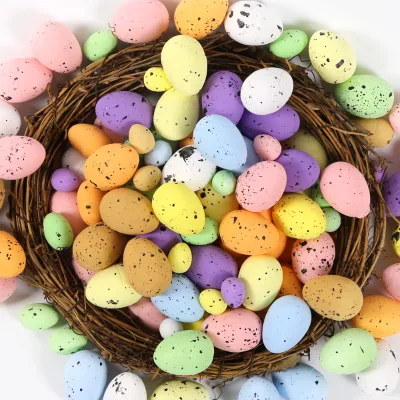
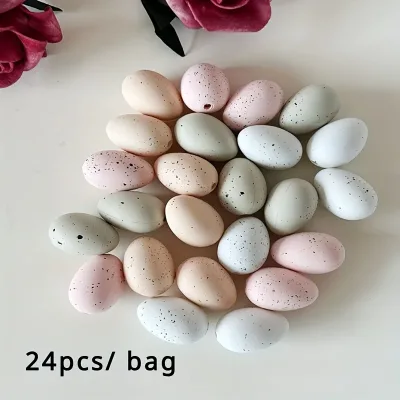
Suppliers offer products made from ceramic and foam materials. Ceramic options provide a premium feel suitable for home decoration, while foam items are lightweight and cost-effective. Both materials are available in various colors and finishes to match different festive themes.
What is the price range for ceramic Easter eggs?
Prices for ceramic Easter eggs range from approximately 0.99 to 7.99 USD per unit. The cost depends on the size, design complexity, and whether the item includes features like lighting. Bulk orders may influence the final unit price.
Where are these Easter egg suppliers located?
Manufacturers and trading companies are located in Fujian and Zhejiang provinces in China. These regions are known for producing home decor and festive supplies. Buyers can filter results by location to find suppliers closer to their preferred shipping routes.
How quickly do suppliers respond to inquiries?
Response times for inquiries vary between 2 and 9 hours. Faster response rates indicate active customer service teams ready to assist with custom orders. Checking response metrics helps buyers select reliable partners for timely communication throughout the sourcing process.