Regular Fit Denim Skirt Suppliers and Manufacturers in China
Explore 17 verified options for Regular Fit Denim Skirt from Guangdong factories and trading companies. Compare lead times, MOQs, response rates, and certifications like SGS or ErP before requesting samples or bulk quotes; review the available evidence before requesting comparable quotations from suitable candidates.
Updated
Suppliers List

Goldely Garment Import and Export Inc.
- Verified by SGS
- Trading Company
- China Guangdong
- Lead time15 days
- Avg. response≤ 5h
Main marketsNorth America


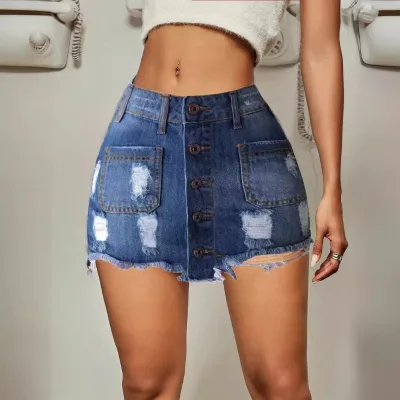
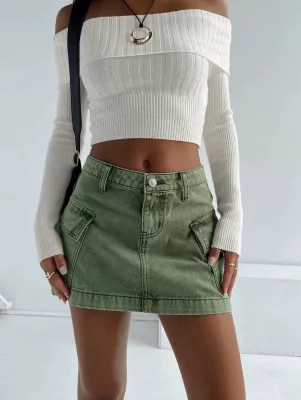
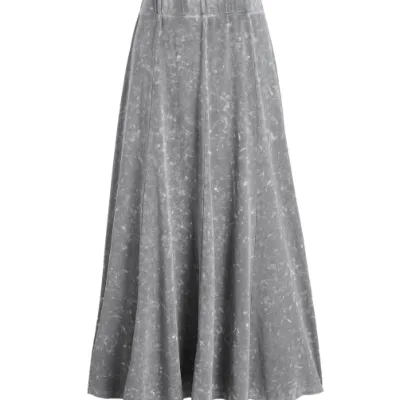
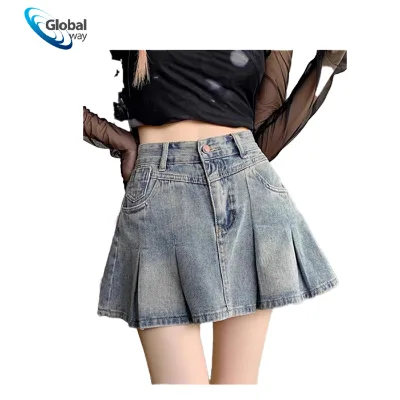
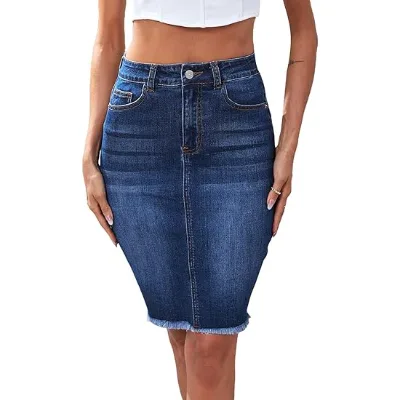
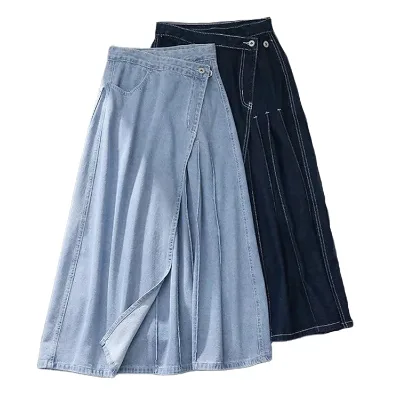
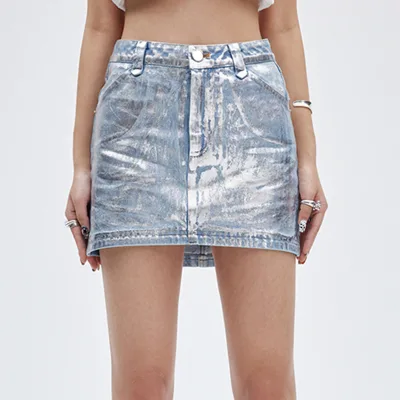
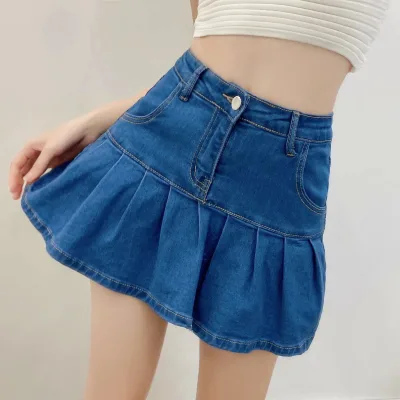
Trendy High-Waisted Denim Skirt with Classic Cut and Style Washed Denim Skirt for Spring
$14.00 - $16.00
MOQ: 100 piece

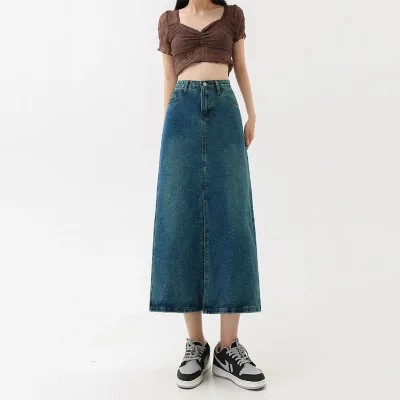
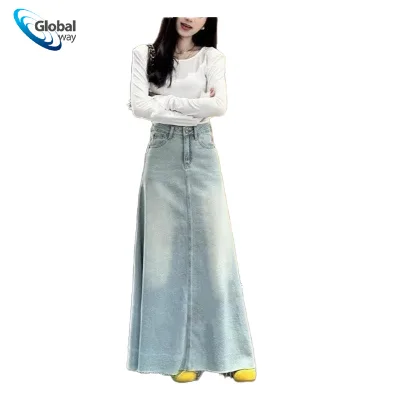
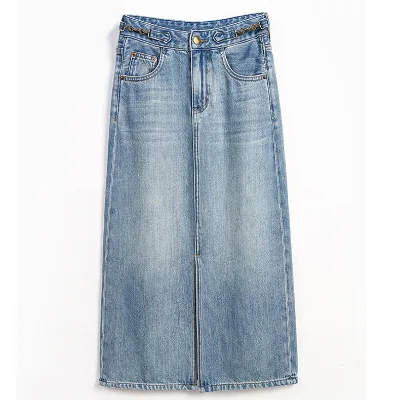
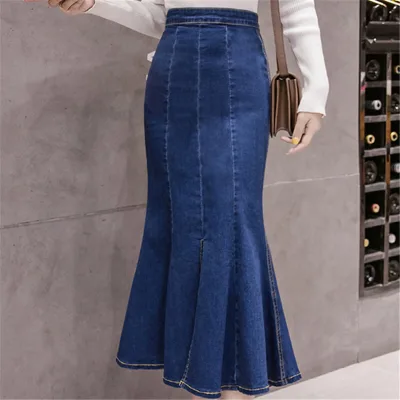
Fashionable Denim MIDI Skirt for Women High Waist, Pleated, Ideal for Daily Wear
$14.00 - $16.00
MOQ: 100 piece

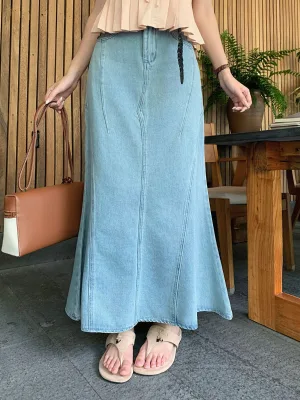
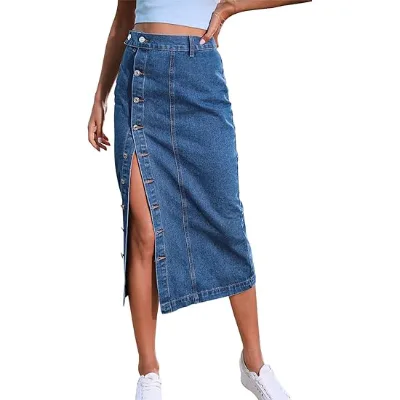
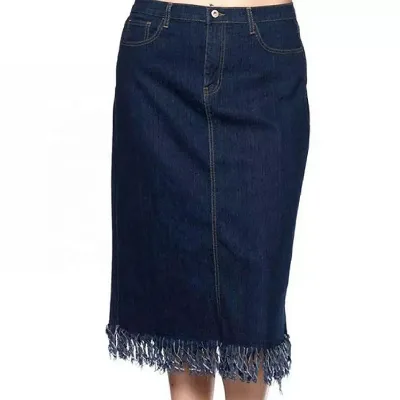
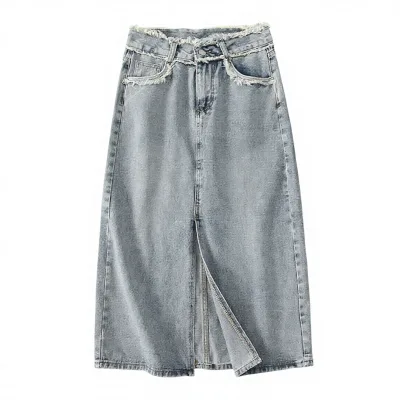
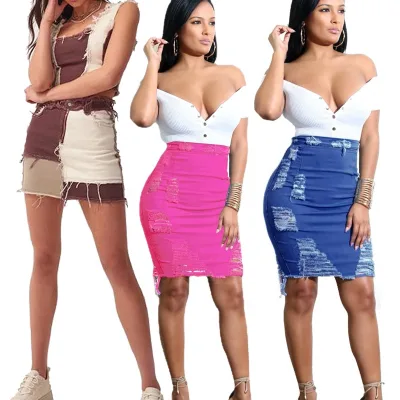
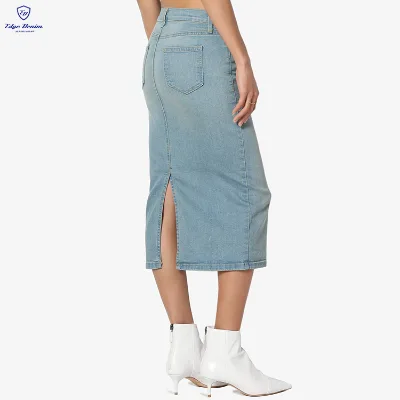
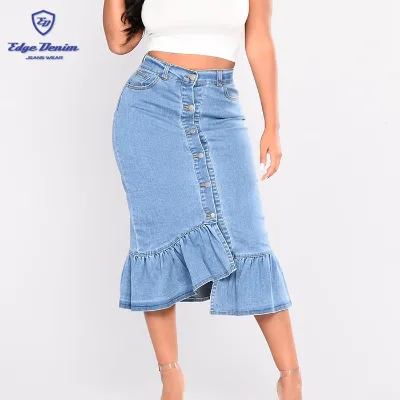
Women's Denim Skirt with Button Front, Pencil Style, Ideal for Daily Wear
$14.00 - $16.00
MOQ: 100 piece


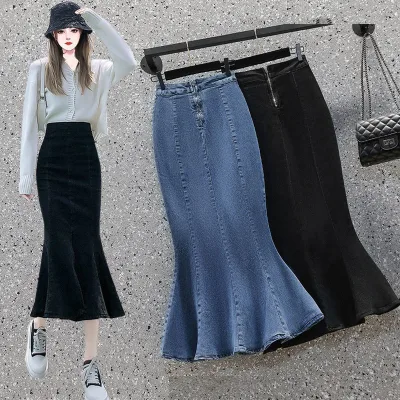
$14.00 - $16.00
MOQ: 100 piece

Shenzhen Jingrun Jewelry Co., Ltd.
- Manufacturer, Distributor/Wholesaler, Other
- Guangdong, China
- Lead time15 days
- Avg. response≤ 2h
Main productsStainless Steel Jewelry,Titanium Piercing Jewelry,925 Sterling Silver Jewelry,Copper Jewelry,Custom Jewelry
Main marketsNorth America(50.00%), South America(20.00%), Northern Europe(10.00%), Southeast Asia(10.00%), Eastern Europe(10.00%)
Guangzhou Gimily Fashion Co., Limited
- Trading Company
- Guangdong, China
- Lead time25 days
- Avg. response≤ 2h
Main productsDresses,Tops,Bottoms,Jacket,Crochet Cardigan
Main marketsNorth America(30.00%), Western Europe(20.00%), South America(20.00%), Oceania(15.00%), Mid East(5.00%), Eastern Europe(5.00%), Southeast Asia(5.00%)
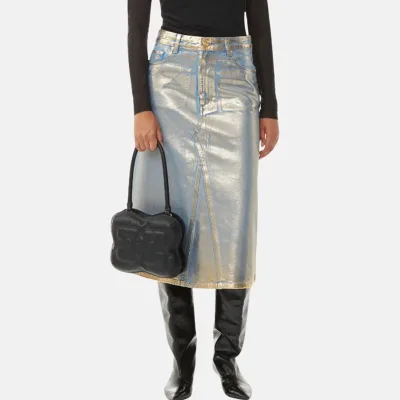
$34.1181 - $37.2184
MOQ: 100 pieces
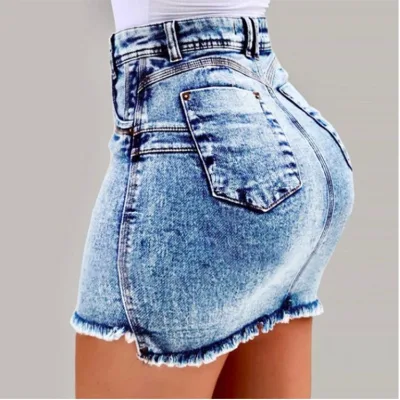
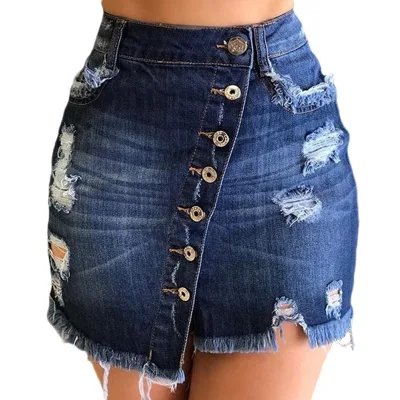
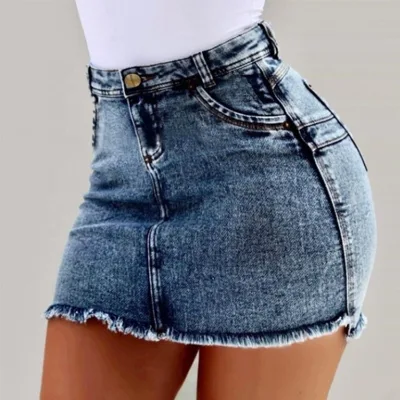
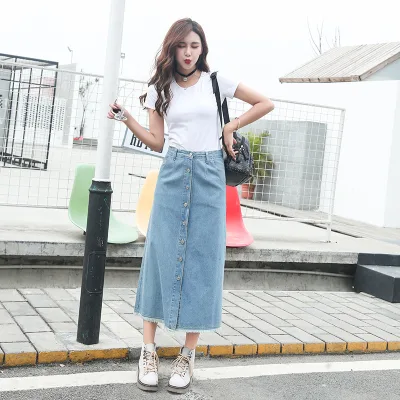
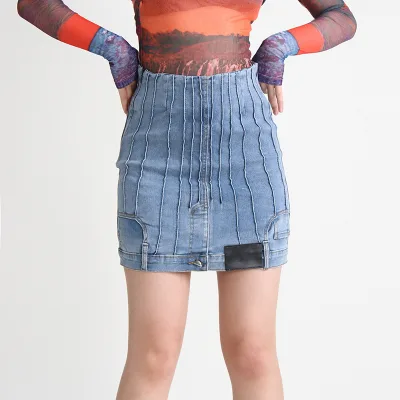
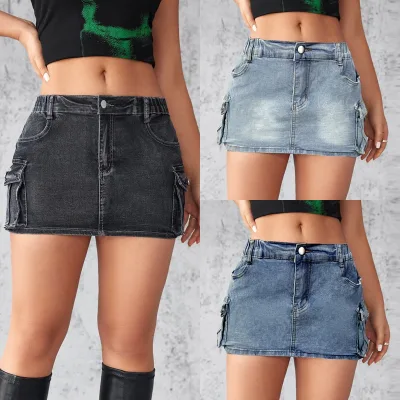
GIMILY Odm Custom Pleated Skirt European and American New Denim Skirt with Quality Assurance
$19.50 - $21.00
MOQ: 100

Isaiah Trading (Linyi) Co., Ltd.
- Verified by SGS
- Trading Company
- China Shandong
- Lead time60 days
- Avg. response≤ 2h
Main productsDenim Coat, Denim Jacket, Jeans, Western Shirt, Casual Coat, Denim Shirts, Trucker Jacket, Windbreaker Coat, Trench Coat, Women Jeans
Main marketsNorth America


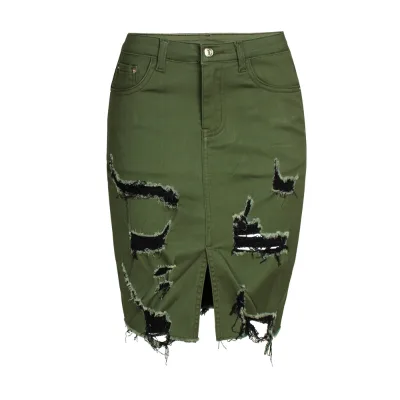
Women's Fashion Distressed Hole Washed Jeans Dress Zipper Front Slim Fit Denim Skirt
$9.20 - $15.00
MOQ: 500 PC


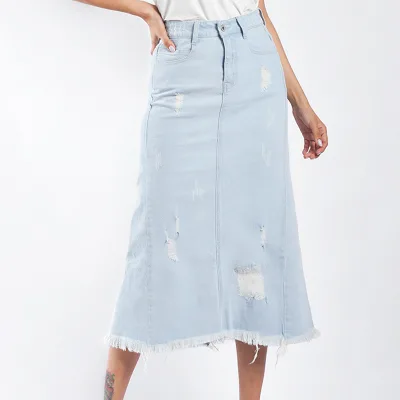
Women's Customized Autumn Blue Washed Jeans Dress Slim Fit A-Line Denim Skirt
$9.20 - $15.00
MOQ: 500 PC

Women's Autumn Dress Washed Blue Jeans Button Front Back Vent Straight Denim Skirt
$9.20 - $15.00
MOQ: 500 PC

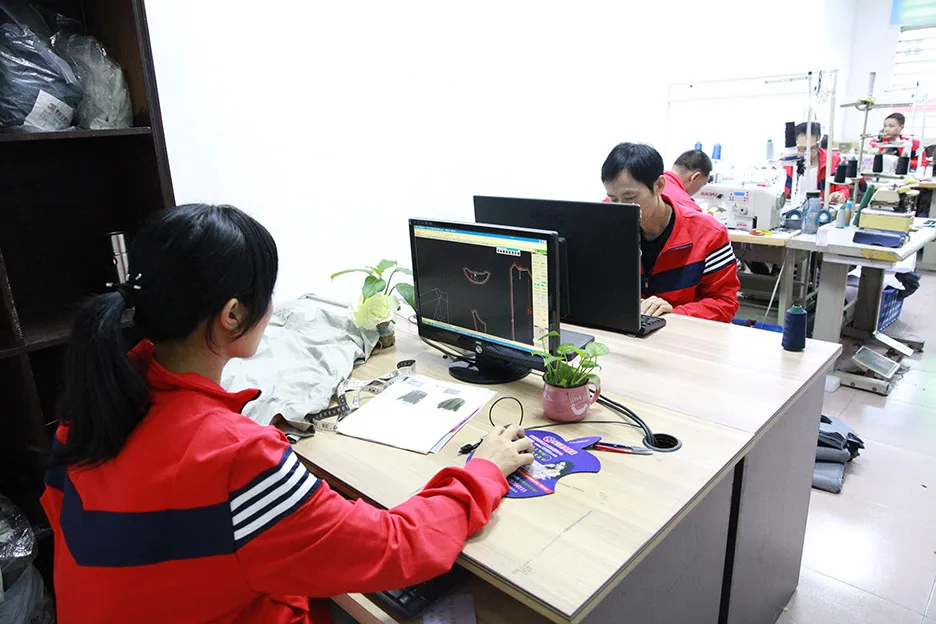
Shanghai Tiandian Fashion Co., Ltd.
- Manufacturer, Trading Company
- Shanghai, China
- Lead time30 days
- Avg. response≤ 15h
Main productsClothes,Shirts,skirts,pants,Blouses
Main marketsNorth America(40.00%), Eastern Europe(18.00%), Northern Europe(16.00%), Southern Europe(13.00%), Southeast Asia(7.00%), Western Europe(6.00%)
Shenzhen Hengliyuan Technology Co., Ltd.
- Trading Company
- Guangdong, China
- Lead time30 days
- Avg. response≤ 2h
Main productsCeramic Cup Set,Plastic Cup,Clothes,Party Products,Jewelry Earrings
Main marketsNorth America(50.00%), Mid East(25.00%), South America(25.00%)
Guangzhou Disai Garment Co., Ltd.
- Verified by TüVRheinland
- Manufacturer, Trading Company
- Lead time0 days
- Avg. response≤ 2h
Main productsDenim Jeans, Denim Jackets, Denim Shorts, Hoodie, T-shirt
Main marketsNorth America(50%), Eastern Europe(25%), Oceania(13%)
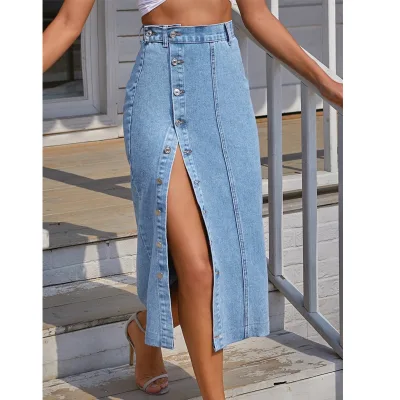
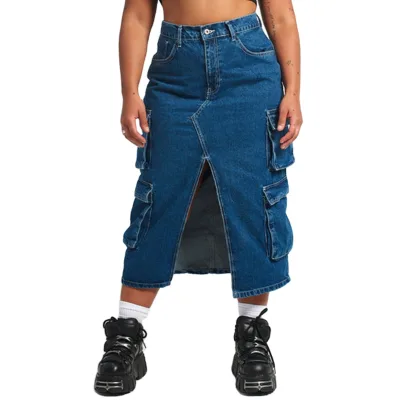
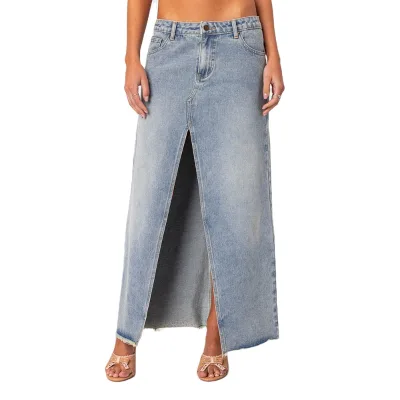
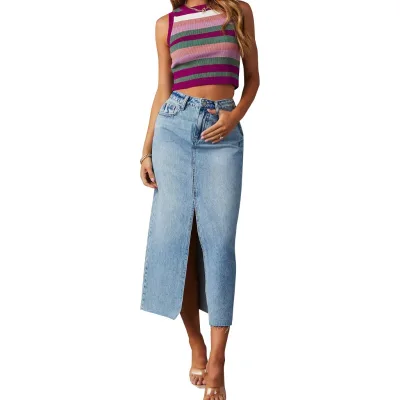
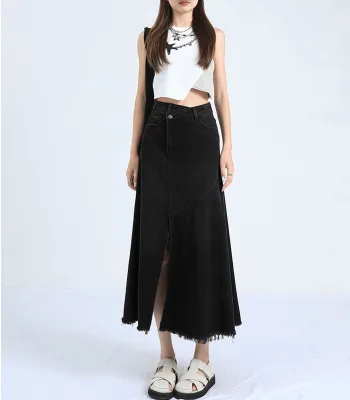
Custom Front Split Button up Denim High Waist Skirts Women Long Summer Jean Pencil Skirt
$11.3024 - $25.687
MOQ: 50 pieces
Goldely Garments Import And Export Inc.
- Verified by SGS Group
- Manufacturer, Trading Company
- Lead time40 days
- Avg. response≤ 4h
Main productsRib Shirt, Sweater, Jeans Wear, Satin Skirt, Hoodie
Main marketsNorth America(80%), Western Europe(8%), Domestic Market(3%)
Ningbo Hooya Imp. & Exp. Group Co., Ltd.
- Trading Company
- Zhejiang, China
- Lead time30 days
- Avg. response≤ 8h
Main productsGeneral Merchandise (Including Household Items,Kitchen Supplies,Cleaning Stuff,Baby Supplies,Hardware Tools
Main marketsSouth America(25.00%), North America(20.00%), Mid East(10.00%), Northern Europe(7.00%), Eastern Asia(6.00%), Southern Europe(6.00%), Central America(5.00%), Southeast Asia(5.00%), Eastern Europe(5.00%), Africa(5.00%), Western Europe(4.00%), South Asia(1.00%), Oceania(1.00%)
Dongguan Sunrise Garment Co., Ltd.
- Verified by Intertek
- Manufacturer, Trading Company
- Lead time25 days
- Avg. response≤ 1h
Main productsDresses, Pants, Tops, Sweater, Tracksuit
Main marketsNorth America(66%), Oceania(11%), Southern Europe(6%)

Guangzhou Shangqian Clothing Co. Ltd
- Verified by CTI
- Trading Company
- China Guangdong
- Lead time38 days
- Avg. response≤ 25h
Main productsChildren's Clothing
Main marketsEurope,North America
Guangzhou Ishang Apparel Co., Ltd.
- Manufacturer, Distributor/Wholesaler
- Guangdong, China
- Lead time30 days
- Avg. response≤ 3h
Main productsJacket,Pants,Hoodie,Tracksuit,Yoga
Main marketsCentral America(60.00%), Northern Europe(15.00%), South America(5.00%), North America(5.00%), Eastern Europe(4.00%), Western Europe(3.00%), Southern Europe(2.00%), South Asia(1.00%), Mid East(1.00%), Southeast Asia(1.00%), Africa(1.00%), Oceania(1.00%), Eastern Asia(1.00%)
Guangzhou Tuhao Apparel Trading Co., Ltd.
- Trading Company
- Guangdong, China
- Lead time75 days
- Avg. response≤ 3h
Main productsJeans,Jacket,Hoodies,Skirts,Shirts
Main marketsNorth America(70.00%), South Asia(5.00%), Central America(5.00%), Western Europe(5.00%), Mid East(5.00%), Southeast Asia(5.00%), South America(5.00%)
Guangzhou Kashing Fashion Garment Co.,Ltd.
- Manufacturer, Trading Company
- Guangdong, China
- Lead time40 days
- Avg. response≤ 6h
Main productsLadies Fashion Garment
Main marketsNorth America(80.00%), Western Europe(10.00%), Oceania(5.00%), Mid East(5.00%)

- Trading Company
- Hubei, China
- Lead time7 days
- Avg. response≤ 1h
Main productsWomens Clothes,Mens Clothes,Baby Kids Clothes,Maternity Clothes,American apparel african clothing
Main marketsNorth America(60.00%), Western Europe(30.00%), Southern Europe(5.00%), South America(5.00%)
Guangzhou Qian Cheng Da International Trading Co., Ltd.
- Trading Company, Agent, Distributor/Wholesaler
- Guangdong, China
- Lead time10 days
- Avg. response≤ 4h
Main productsMen underwear,sleepwear,shaper,swimwear,lingerie
Main marketsCentral America(25.00%), Southern Europe(10.00%), Northern Europe(10.00%), North America(10.00%), Africa(10.00%), Eastern Europe(10.00%), South America(10.00%), Western Europe(5.00%), Eastern Asia(5.00%), Mid East(5.00%)
Guangzhou Ruifeng Import And Export Trade Co., Ltd.
- Verified by SGS Group
- Trading Company
- Lead time1 days
- Avg. response≤ 3h
Main productsWoven Clothing, Men and Women Jeans Wear, Jacket, Kids Wear, Knitting Wear
Main marketsWestern Europe(40%), North America(35%), South America(5%)



Comprehensive Sourcing Guide
Regular Fit Denim Skirt Supplier Concentration and Factory Types
The current supplier landscape for regular fit denim skirts reveals a distinct concentration of manufacturing and trading entities within China, specifically in the Guangdong region. This geographic clustering is significant because it indicates a mature supply chain ecosystem where raw materials, dyeing facilities, and assembly lines are often co-located or in close proximity. Buyers evaluating suppliers should recognize that this regional density can facilitate faster communication and potentially lower logistics costs for finished goods, although it does not guarantee uniform quality across all vendors. The presence of suppliers in this specific province suggests that those looking for denim apparel should prioritize verifying the actual factory location rather than relying solely on the registered business address, as trading companies may list their headquarters in major hubs while operating production elsewhere.
Supplier types in this category vary significantly, ranging from pure trading companies to integrated manufacturers and distributors. Some suppliers identify primarily as trading companies, which may offer a broader range of styles but potentially less control over the production process. Others list themselves as manufacturers, distributors, or wholesalers, indicating a capability to handle larger volumes and potentially offer more competitive pricing on standard items. It is crucial for buyers to distinguish between these entity types because the implications for customization, quality control, and communication differ. A trading company might provide better service for small, mixed orders, while a manufacturer might be better suited for large, consistent runs of regular fit denim skirts. Understanding this distinction helps buyers align their sourcing strategy with their specific operational needs and volume requirements.
How to Verify Regular Fit Denim Skirt Suppliers
Verification is a critical step in mitigating risk when sourcing regular fit denim skirts, especially given the prevalence of trading companies that may not own their production facilities. Buyers should prioritize suppliers who have undergone third-party verification processes, such as SGS, which provides an additional layer of confidence regarding the supplier's legitimacy and operational capabilities. While system certifications like ErP may be present for some suppliers, indicating compliance with specific energy or environmental standards, the absence of such certifications does not necessarily imply non-compliance with all relevant regulations. Instead, buyers should view verification badges as a starting point for due diligence rather than a comprehensive guarantee of product quality or ethical manufacturing practices. It is advisable to cross-reference verification status with other data points to build a holistic view of the supplier's reliability.
Beyond verification badges, buyers should assess the supplier's responsiveness and transparency as key indicators of their operational health. Response times, such as those recorded at 4.61 hours or 2 hours, can serve as a proxy for the supplier's engagement level and organizational efficiency. A faster response time often correlates with a more agile supply chain, which is beneficial for managing lead times and addressing issues promptly. Additionally, buyers should inquire about the supplier's main product lines to ensure they have dedicated expertise in denim apparel rather than acting as a generalist. Suppliers whose main products include dresses, tops, and bottoms alongside denim skirts may have established workflows for this category, whereas those with unrelated main products might lack specialized knowledge. This targeted verification approach helps buyers identify partners who are genuinely equipped to handle the nuances of denim production.
What to Compare Across Regular Fit Denim Skirt Suppliers
When evaluating multiple suppliers for regular fit denim skirts, buyers must compare key commercial and operational metrics to determine the best fit for their business model. Lead times are a primary differentiator, with some suppliers offering a lead time of 15 days, while others may require 25 days or more for bulk production. These variations can significantly impact inventory planning and time-to-market, making it essential to align supplier capabilities with sales forecasts. Additionally, minimum order quantities (MOQs) vary widely, ranging from as low as 1 piece to 100 pieces or more. Buyers with smaller budgets or those testing new markets may prefer suppliers with lower MOQs, while those with established demand may leverage higher volumes to negotiate better terms. Understanding these thresholds helps buyers structure their orders efficiently and avoid unnecessary capital tie-up.
Price and customization options are also critical factors in supplier comparison. The price range for regular fit denim skirts can vary, with some suppliers offering prices around $6.00 to $7.00, while others may charge $14.00 to $16.00 or more. These price differences often reflect variations in material quality, such as the use of 100% organic cotton versus cotton/spandex blends, or the complexity of the design, such as pleated or high-waisted styles. Buyers should also assess the availability of customization services, including logo placement, digital printing, and silk screen printing. Suppliers that offer OEM services and flexible design options can provide greater value for brands seeking unique products. By systematically comparing lead times, MOQs, prices, and customization capabilities, buyers can make informed decisions that balance cost, speed, and product differentiation.
Common Regular Fit Denim Skirt Sourcing Risks
One of the primary risks in sourcing regular fit denim skirts is the potential discrepancy between sample quality and bulk production. Suppliers may provide high-quality samples that do not accurately represent the final product, leading to customer dissatisfaction and returns. This risk is particularly relevant when dealing with suppliers who have shorter sample times, such as 7-15 days, as rushed production can compromise attention to detail. Buyers should mitigate this risk by requesting pre-production samples and conducting thorough quality checks before authorizing bulk manufacturing. Additionally, the use of different materials or manufacturing techniques in bulk production compared to samples can lead to inconsistencies in fit, color, and durability. Establishing clear quality standards and conducting regular inspections can help ensure that the final products meet the expected specifications.
Another significant risk is the lack of transparency regarding the supply chain, particularly when dealing with trading companies. Buyers may not have visibility into the actual factory conditions, labor practices, or environmental compliance of the production facilities. This opacity can lead to reputational damage if issues arise later in the supply chain. To address this, buyers should request detailed information about the manufacturing process and, if possible, conduct factory audits or hire third-party inspection services. Furthermore, the reliance on a single supplier for regular fit denim skirts can create vulnerability to supply disruptions, such as raw material shortages or production delays. Diversifying the supplier base and maintaining open communication with multiple vendors can help mitigate these risks and ensure a more resilient supply chain.
Regular Fit Denim Skirt Regional Sourcing and Logistics
Sourcing regular fit denim skirts from the Guangdong region in China offers logistical advantages due to the area's well-developed infrastructure and proximity to major shipping ports. This geographic concentration allows for efficient consolidation of goods and potentially lower freight costs, especially for buyers shipping in larger volumes. However, buyers must also consider the implications of regional sourcing on lead times and customs clearance. While the proximity to ports can expedite shipping, it is essential to account for potential delays in production and documentation processing. Buyers should work closely with their suppliers to ensure that all export documentation is accurate and complete, minimizing the risk of customs holds or additional fees. Understanding the logistical landscape of the Guangdong region helps buyers plan their inventory and shipping schedules more effectively.
Logistics planning also involves selecting the appropriate shipping method based on order size and urgency. For smaller orders or urgent replenishments, air freight may be necessary, despite higher costs, to ensure timely delivery. Conversely, for larger, planned orders, sea freight offers a more cost-effective solution, albeit with longer transit times. Buyers should evaluate the total landed cost, including freight, insurance, and duties, to determine the most economical shipping strategy. Additionally, the choice of packaging, such as polybag and carton or individual PP bags, can impact shipping efficiency and product protection. Suppliers providing detailed packing specifications, such as package dimensions and weight, enable buyers to optimize container space and reduce shipping costs. By carefully considering these logistical factors, buyers can enhance the efficiency and cost-effectiveness of their sourcing operations.
Regular Fit Denim Skirt Commercial Terms and Order Planning
Effective order planning for regular fit denim skirts requires a clear understanding of commercial terms, including payment methods, delivery schedules, and return policies. Buyers should negotiate terms that align with their cash flow needs and risk tolerance, such as using escrow services for secure transactions or establishing credit terms with trusted suppliers. The availability of sample orders, often supported within 7 days, allows buyers to validate product quality before committing to larger purchases. This step is crucial for minimizing the risk of large-scale production errors and ensuring that the final products meet brand standards. Buyers should also clarify the terms for sample costs and whether they are deductible from bulk orders, as this can impact the overall cost structure.
In addition to payment and sample terms, buyers must plan for potential variations in production lead times and inventory management. Suppliers may offer different lead times for samples and bulk production, such as 7-15 days for samples and 20-30 days for bulk orders. These timelines should be factored into the overall production schedule to avoid stockouts or excess inventory. Buyers should also consider the flexibility of the supplier in handling rush orders or changes in design, as this can be valuable in responding to market trends. By establishing clear commercial terms and robust order planning processes, buyers can streamline their sourcing operations and enhance their ability to meet customer demand for regular fit denim skirts efficiently.
FAQs
What is the typical lead time for regular fit denim skirts?
Manufacturers generally require 15 to 30 days for bulk production of regular fit denim skirts. Some suppliers offer faster turnaround times, while others may need up to 30 days depending on order volume and customization requirements. Buyers should confirm specific timelines with the supplier before placing orders to ensure timely delivery.
What is the minimum order quantity for regular fit denim skirts?
Minimum order quantities vary significantly among suppliers, ranging from just one piece to 100 pieces. Many manufacturers set a standard MOQ of 100 pieces for regular fit denim skirts, while others support smaller trial orders. Buyers should verify the specific MOQ with the supplier to align with their inventory needs.
What materials are used in regular fit denim skirts?
Regular fit denim skirts are commonly crafted from cotton, cotton-spandex blends, or 100% organic cotton. These materials provide durability and comfort, with some options featuring warp knitting techniques. Buyers can choose between standard cotton blends for stretch or organic cotton for eco-friendly preferences when sourcing regular fit denim skirts.
Are regular fit denim skirts available for customization?
Yes, many suppliers offer customization services for regular fit denim skirts, including logo printing and design adjustments. Options often include digital printing, silk screen printing, or hot stamping. Buyers seeking branded apparel should confirm customization availability and associated costs with the supplier to ensure the final product meets their specific branding requirements.
What is the price range for regular fit denim skirts?
Prices for regular fit denim skirts typically range from $6.00 to $16.00 per piece. The cost depends on factors such as material quality, customization options, and order volume. Buyers should request detailed quotes from multiple suppliers to compare pricing structures and determine the most cost-effective option for their specific sourcing needs.
How quickly do suppliers respond to inquiries about regular fit denim skirts?
Supplier response times vary, with some responding within 2 hours and others taking up to 4.61 hours. Faster response times indicate active customer service teams ready to assist with sourcing regular fit denim skirts. Buyers should prioritize suppliers with quicker response rates to ensure efficient communication throughout the procurement process.
Where are regular fit denim skirts manufactured?
Most regular fit denim skirts are manufactured in Guangdong, China, a major hub for apparel production. Suppliers in this region offer diverse options, including OEM services and various fabric choices. Buyers sourcing from China should verify location details and production capabilities to ensure alignment with their quality and logistical requirements.