Reiki Healing Labradorite Bracelet Suppliers and Manufacturers
Source a Reiki Healing Labradorite Bracelet from 30 verified suppliers in Zhejiang, China. Compare response times, lead times, and MOQs to find the right partner. Contact suppliers directly to request samples and negotiate pricing; review the available evidence before requesting comparable quotations from suitable candidates.
Suppliers List
- Trading Company
- Zhejiang, China
- Lead time15 days
- Avg. response≤ 4h
Main productsFashion Jewelry,Fashion Accessory,Watch,Sunglasses,Hair Accessory
Main marketsNorth America(80.00%), Western Europe(3.00%), Eastern Asia(2.00%), Southern Europe(2.00%), Northern Europe(2.00%), Central America(2.00%), South America(2.00%), Eastern Europe(2.00%), South Asia(1.00%), Mid East(1.00%), Oceania(1.00%), Africa(1.00%), Southeast Asia(1.00%)
Yiwu Hanluan Jewelry Co., Ltd.
- Verified by SGS Group
- Trading Company
- Lead time15 days
- Avg. response≤ 2h
Main productsJewelry, Hats, Lanyard, keychian
Main marketsNorth America(80%), Western Europe(15%), Southeast Asia(3%)
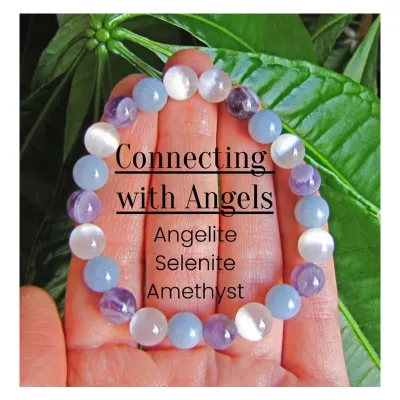
$2.64 - $3.19
MOQ: 30 pieces

- Trading Company,Manufacturer/Factory
- China Guangdong
- Lead time23 days
- Avg. response≤ 8h
Main productsGemstone, Jewelry, Gemstone Jewelry, Loose Gemstone Beads, Jewelry Rings, Jewelry Set, Jewellery Earrings, Pendant, Created Emerald, Cubic Zirconia
Main marketsSouth America,Eastern Europe,North America,Western Europe
- Trading Company
- Zhejiang, China
- Lead time15 days
- Avg. response≤ 2h
Main productsfashion accessories,hairbands,sunglasses,phone chains,men jewelry
Main marketsWestern Europe(20.00%), North America(20.00%), Africa(15.00%), Eastern Europe(15.00%), South America(10.00%), Northern Europe(10.00%), Southern Europe(5.00%), Southeast Asia(5.00%)

East Sunrise Jewelry Co., Limited
- Verified by SGS
- Manufacturer/Factory
- China Guangdong
- Lead time23 days
- Avg. response≤ 15h
Main productsPendant, Necklace, Bracelet, Ring, Earring, Carving, Ornament, Loose Bead, Jewelry, Semi-Precious Stones
Main marketsSouth America,Eastern Europe,Mid East,North America,Southeast Asia,Eastern Asia,Oceania,Western Europe,Africa

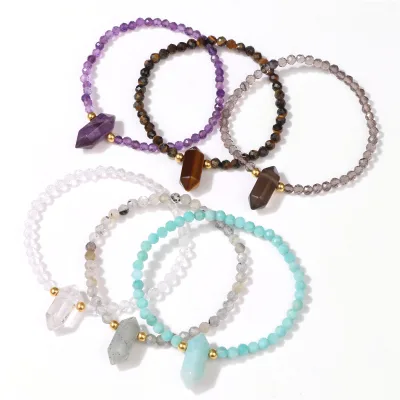
Fashion Crystal Stone Amethyst Tiger Eye Opalite Charming Power Bracelet
$1.00 - $1.30
MOQ: 100 Pieces

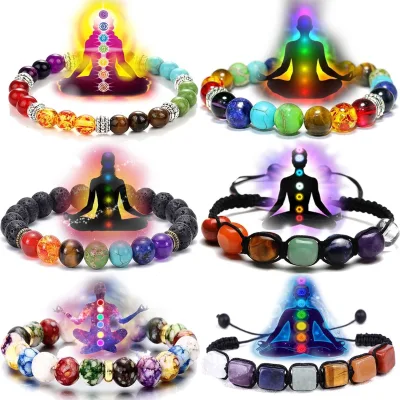
Natural Fashion Crystal Tiger Eye Sodalite Amethyst Beaded Jewelry Chakra Bracelet Bangle
$0.85 - $0.90
MOQ: 100 Pieces


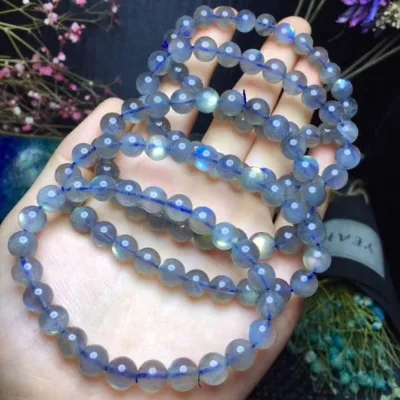
Semi Precious Stone Labradorite Moon Stone Bracelet
MOQ: 100 Pieces

Semi Precious Stone Natural 6mm Crystal Bracelet
MOQ: 100 Pieces

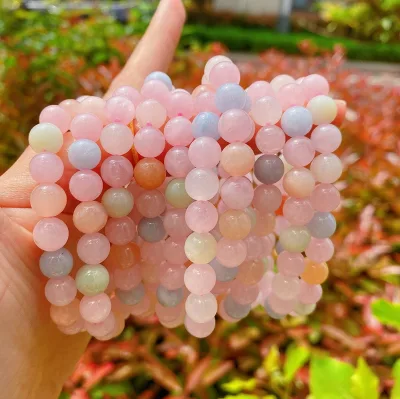
Natural Gemstone Morganite Beaded Bracelet
MOQ: 100 Pieces
Donghai Kindfull Crystal Product Co., Ltd.
- Manufacturer, Trading Company
- Lead time旺季: "1 - 200":50,"> 200":"To be negotiated", 淡季: "1 - 200":50,"> 200":"To be negotiated"
- Avg. response≤ 2h
Main productsCarving/Crystal Points/Crystal Palm/Crystal Sphere/Beauty Tools
Guangzhou Liwan District Gangyong Hui Gemstone Firm
- Manufacturer, Trading Company, Other
- Guangdong, China
- Lead time7 days
- Avg. response≤ 4h
Main productsCrafts,Jewelry,necklace,ring,Earrings
Main marketsNorth America(30.00%), Southeast Asia(25.00%), Eastern Europe(15.00%), Northern Europe(9.00%), Africa(5.00%), Western Europe(3.00%), South America(3.00%), Central America(3.00%), Mid East(2.00%), Domestic Market(1.00%), Eastern Asia(1.00%), South Asia(1.00%), Southern Europe(1.00%), Oceania(1.00%)
Donghai Pao Pao Mouse Jewelry Co., Ltd.
- Manufacturer, Trading Company
- Jiangsu, China
- Lead time15 days
- Avg. response≤ 1h
Main productsCrystal Jewelry Design, Crystal Carving, Crystal Sphere Tower, Crystal Chips Tumbled, Crystal Raw Specimen
Main marketsNorth America(34.00%), Eastern Europe(20.00%), Southeast Asia(14.00%), Africa(11.00%), South America(8.00%), Mid East(8.00%), Oceania(5.00%)

YIWU JINYE IMPORT AND EXPORT CO., LTD
- Verified by SGS
- Trading Company
- China Zhejiang
- Lead time15 days
- Avg. response≤ 24h
Main productsBangle, Wrist Band, Bracelet, Fashion Jewelry
Main marketsNorth America


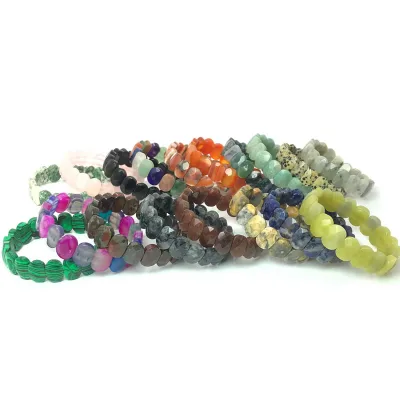
Natural Crystal Multi-Treasure Bracelet Nanjiang Carnelian Bracelet Lasurite Bracelet
$1.89 - $10.96
MOQ: 200 Pieces


Yiwu Shanmei Arts And Gifts Co., Ltd.
- Manufacturer, Trading Company
- Lead time旺季: "6 - 180":7,"> 180":"To be negotiated", 淡季: "6 - 180":7,"> 180":"To be negotiated"
- Avg. response≤ 4h
Main productsJewelry
Guangzhou Liwan Jingcai Jewelry Firm
- Distributor/Wholesaler
- Guangdong, China
- Lead time7 days
- Avg. response≤ 6h
Main productsJewelry,Body Jewelry,Bracelets & Bangles,Loose Gemstone,Necklaces
Main marketsNorth America(40.00%), Western Europe(20.00%), Eastern Asia(20.00%), Eastern Europe(10.00%), Northern Europe(5.00%), Oceania(5.00%)
- Trading Company
- Zhejiang, China
- Lead time7 days
- Avg. response≤ 3h
Main productsGemstone Jewelry,Stainless Steel Jewelry,CZ Jewelry,Pearl Jewelry,Alloy Jewelry
Main marketsWestern Europe(25.00%), Northern Europe(15.00%), North America(5.00%), Eastern Europe(5.00%), South America(5.00%), Southeast Asia(5.00%), Africa(5.00%), Oceania(5.00%), Mid East(5.00%), Eastern Asia(5.00%), Central America(5.00%), Southern Europe(5.00%), South Asia(5.00%), Domestic Market(5.00%)
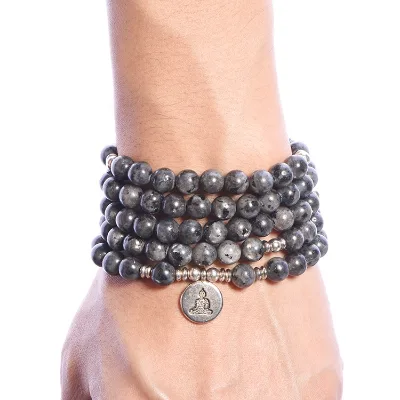
Gemstone Beaded Bracelet Black Labradorite Round Bracelet Black Color Bracelet
$2.72 - $2.86
MOQ: 20 pieces

- Verified by SGS
- Trading Company
- China Zhejiang
- Lead time15 days
- Avg. response≤ 18h
Main productsMop, Kitchen Knife, Chopping Board, Blanket, Mosquito Net, Cushion, Slipper, Broom, Luggage, Educational Toy
Main marketsEurope,Australia

Accessory Energy Balancing Yoga Beads 7 Chakra Reiki Healing Crystals Stretch Bracelet
$0.65 - $0.70
MOQ: 1400 Pieces

Jewelry Healing Stress Relief Oil Mala Lava Stone Rose Quartz Meditation Bracelet
$0.65 - $0.70
MOQ: 1400 Pieces

Meditation Relax Anxiety Yoga Healing Crystals Top Plaza Bead Chakra Bracelet
$0.80 - $1.00
MOQ: 1000 Pieces
Shenzhen Guangyuan Jewelry Co., Ltd.
- Verified by SGS Group
- Trading Company
- Lead time10 days
- Avg. response≤ 3h
Main productsBead Bracelet, Crystal Bracelet, Crystal Beads, Crystal Ring, Crystal Pendant
Main marketsNorth America(35%), Eastern Europe(15%), Western Europe(15%)
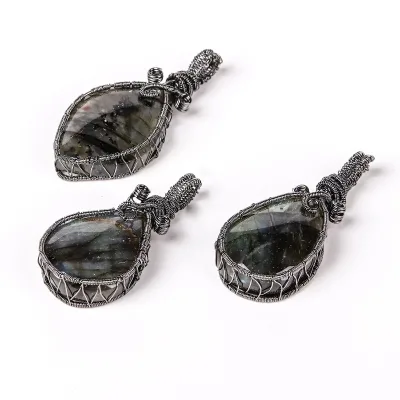
Natural Stone Irregular Shape Pendants Hand Craft Wire Wrap Labradorite Healing Reiki Pendant
$2.69 - $3.98
MOQ: 10 pieces
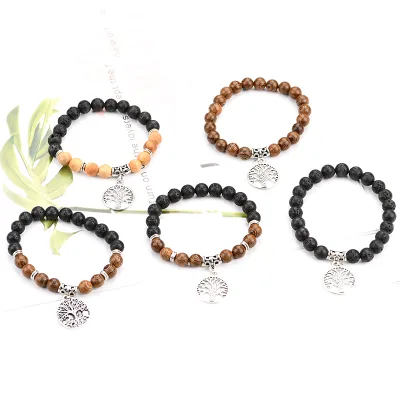
$0.55 - $0.69
MOQ: 20 strands
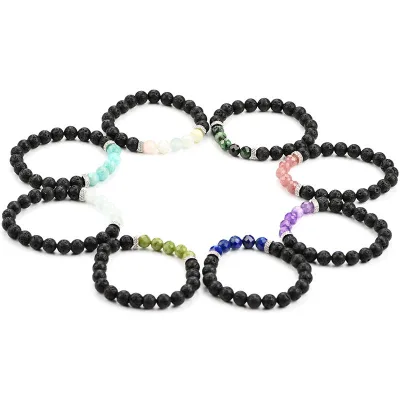
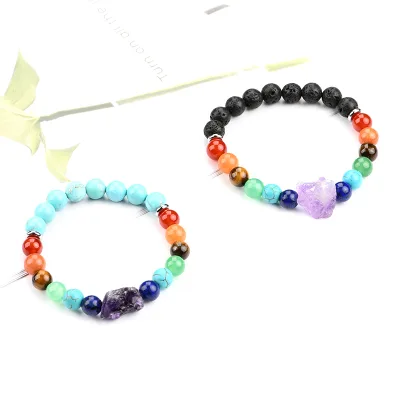
Donghai Futeng Jewelry Co., Ltd.
- Trading Company
- Jiangsu, China
- Lead time0 days
- Avg. response≤ 3h
Main productsCrystal Pillar, Crystal Ball, Crystal Bracelet, Crystal Ring
Main marketsNorth America(50.00%), Oceania(22.00%), Southeast Asia(7.00%), Domestic Market(4.00%), South America(3.00%), Eastern Europe(3.00%), South Asia(2.00%), Western Europe(2.00%), Central America(2.00%), Mid East(2.00%), Eastern Asia(1.00%), Southern Europe(1.00%), Northern Europe(1.00%)
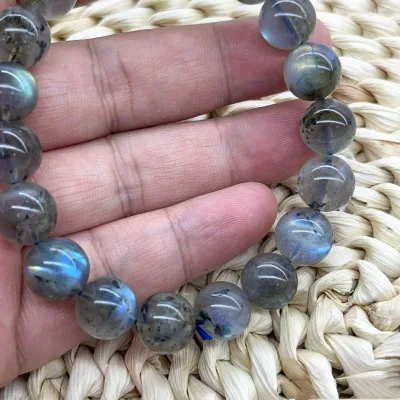
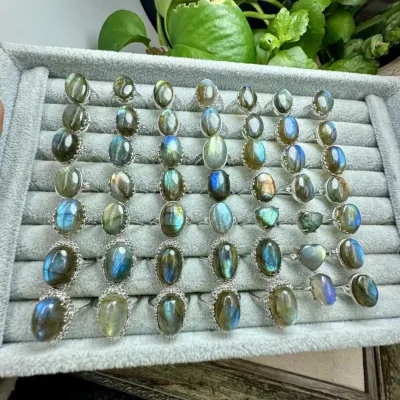
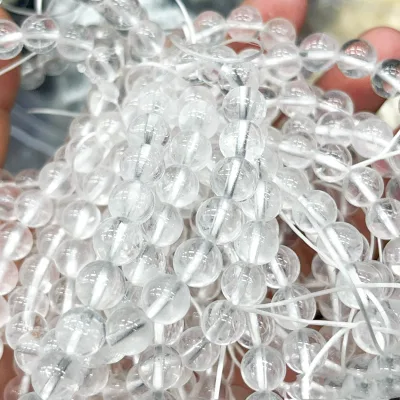
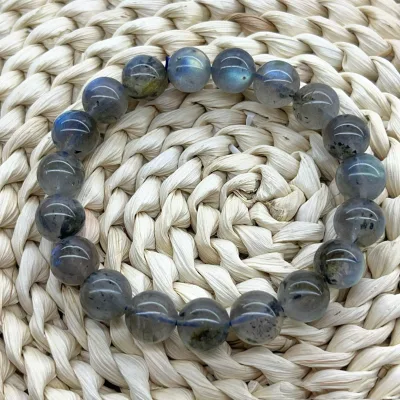
Crystal Stone Beaded Bracelets Crystal Beads Bracelet Healing Bangle Labradorite
$10.21 - $16.33
MOQ: 1
Guangzhou Gui Jing Crafts Co., Ltd
- Verified by TüVRheinland
- Trading Company
- Lead time60 days
- Avg. response≤ 6h
Main productsCrystal Gift Box, Crystal Animals Sphere Point Carving, Crystal Tumble Gravel Stone, Crystal Healing Chakra Pendant, Crystal Tower Tree
Main marketsNorth America(50%), Southeast Asia(20%), Domestic Market(15%)

- Verified by SGS
- Trading Company
- China Zhejiang
- Lead time0 days
- Avg. response≤ 18h
Main productsTents, BBQ Grill, Luggage, Kids Toy, Fitness Equpments, Cookware, Kitchen Utensils and Gadgets, Yoga Mat, Bathroom Rugs, Pets Items
Main marketsSouth America,Eastern Europe,Mid East,North America,Southeast Asia,Eastern Asia,Oceania,Western Europe,Africa

Relief Reiki Yoga Anxiety Crystal Natural Stone Healing Chakra Bracelets for Women Men
$0.35 - $0.37
MOQ: 2000 Pieces


Lava Rock 7 Chakras Crystals and Healing Stones 8mm Yoga Beaded Chakra Bracelets for Women
$0.44 - $0.46
MOQ: 2000 Pieces

Yiwu Hongzhuo Art&crafts Factory
- Manufacturer, Trading Company
- Zhejiang, China
- Lead time30 days
- Avg. response≤ 6h
Main productsCrystal Crafts,Beauty Tools,Massage Tools,Gemstone Carving,Jewelry & Accessories
Main marketsDomestic Market(100.00%)
Donghai Vardy Crystal Company Limited
- Trading Company
- Jiangsu, China
- Lead time10 days
- Avg. response≤ 2h
Main productscrystal points and wands,crystal spheres,crystal clusters,gemstone carving,mineral specimens
Main marketsWestern Europe(30.00%), North America(25.00%), South America(12.00%), Eastern Europe(12.00%), Northern Europe(11.00%), Oceania(6.00%), Mid East(4.00%)
$3.91 - $4.62
MOQ: 10 pieces
- Verified by Intertek
- Manufacturer, Trading Company
- Lead time7 days
- Avg. response≤ 2h
Main productsBeaded Jewelry, Natural Stone Bracelet, Fashion Necklace, Crystal Bracelets, Pearl Necklace
Main marketsNorth America(40%), Western Europe(35%), Oceania(10%)
- Verified by TüVRheinland
- Manufacturer, Trading Company
- Lead time7 days
- Avg. response≤ 2h
Main productsFashion Jewelry
Main marketsNorth America(75%), South America(8%), Southeast Asia(7%)
Yiwu City Youtu Jewelry Co., Ltd.
- Trading Company
- Zhejiang Province, China
- Lead time15 days
- Avg. response≤ 3h
Main productscrystal keychain,leather keychain,genuine leather bracelet,metal pendants necklace,stainless steel neckalce
Main marketsSouthern Europe(10.00%), Northern Europe(10.00%), Central America(10.00%), Western Europe(10.00%), Mid East(10.00%), Africa(10.00%), Southeast Asia(10.00%), Eastern Europe(10.00%), South America(10.00%), North America(10.00%)
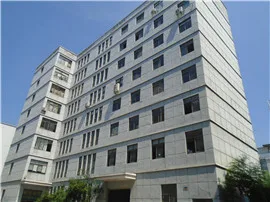
Yiwu City Hancai Import And Export Co., Ltd.
- Trading Company
- Zhejiang, China
- Lead time7 days
- Avg. response≤ 2h
Main productsJewelry,watch,brooch,crown,keychain
Main marketsEastern Europe(20.00%), South America(20.00%), North America(20.00%), Southeast Asia(10.00%), Domestic Market(5.00%), Northern Europe(5.00%), Central America(5.00%), Western Europe(5.00%), Mid East(5.00%), Africa(5.00%)
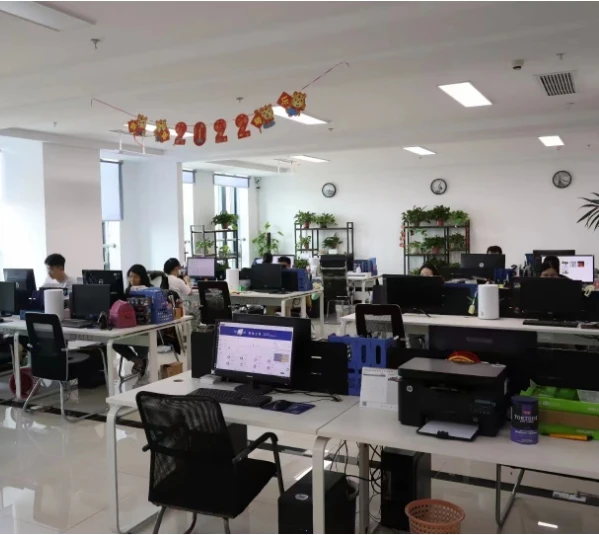
Lianyungang Fream Crystal Products Co., Ltd.
- Manufacturer, Trading Company
- Jiangsu, China
- Lead time12 days
- Avg. response≤ 1h
Main productsCrystal carvings,Crystal towers,Crystal tumbled stones,Crystal specimens,Healing crystal stones
Main marketsNorth America(27.00%), Western Europe(15.00%), Northern Europe(9.00%), Oceania(9.00%), Domestic Market(6.00%), Southeast Asia(5.00%), South Asia(5.00%), Southern Europe(5.00%), Eastern Europe(5.00%), Mid East(5.00%), South America(4.00%), Central America(3.00%), Eastern Asia(2.00%)

Fujian Junqing Trade Co., Ltd.
- Verified by CTI
- Trading Company
- China Fujian
- Lead time15 days
- Avg. response≤ 3h
Main productsDesign Necklace, Design Earring, Design Bracelet Bangle, Design Hair Accessories, Shoes, Bags, Watches, Sunglasses, Home Decoration
Main marketsSoutheast Asia/ Mideast,Europe,North America


$1.15 - $2.00
MOQ: 20 Pieces
Donghai Kindfull Crystal Product Co., Ltd.
- Verified by Intertek
- Manufacturer, Trading Company
- Lead time5 days
- Avg. response≤ 2h
Main productsCrystal Heart,Crystal Ornaments,Crystal Point,Crystal Sphere,Raw Stone Specimen
Main marketsWestern Europe(30%), North America(20%), Oceania(20%)

Xiamen Yuxiang Magnetic Materials Technology Co., Ltd.
- Trading Company
- China Fujian
- Lead time23 days
- Avg. response≤ 8h
Main productsNdFeB Magnet, SmCo Magnet, AlNiCo Magnet, Ferrite Magnet, Rubber Magnet, Fridge Magnet, Magnetic Powder, Magnetic Compound, Magnetic Core, Magnetic Materials
Main marketsSouth America,Africa,Southeast Asia/ Mideast,East Asia(Japan/ South Korea),Europe,Australia,North America
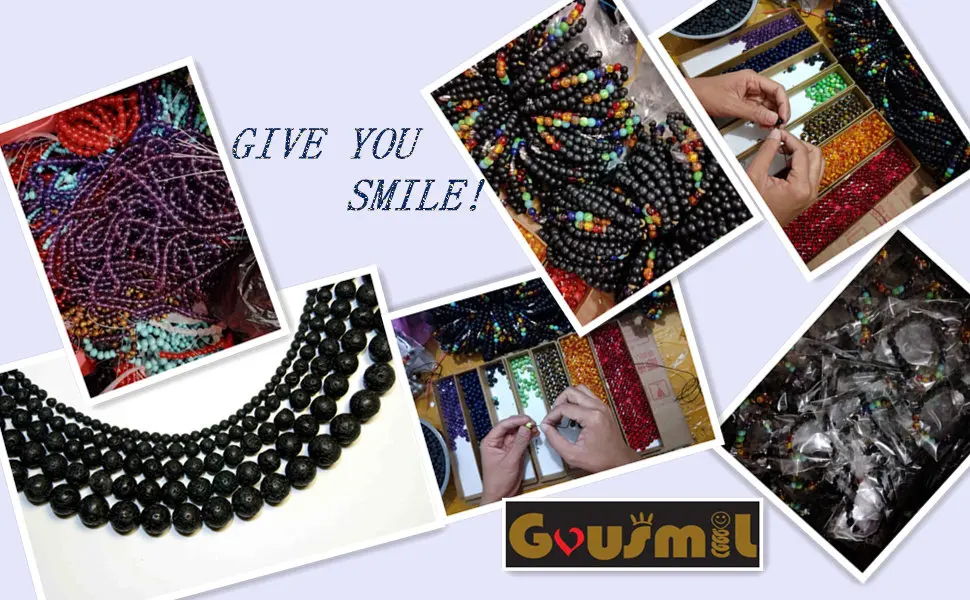
- Trading Company
- Zhejiang, China
- Lead time14 days
- Avg. response≤ 6h
Main productsBracelet,Necklace,Keychain,Lanyard,Earrings
Main marketsNorth America(30.00%), Southeast Asia(20.00%), Eastern Europe(20.00%), South America(20.00%), Africa(5.00%), Mid East(2.00%), Western Europe(1.00%), Eastern Asia(1.00%), Oceania(1.00%)

Yiwu Phonbon Import & Export Co., Ltd.
- Trading Company
- Zhejiang, China
- Lead time15 days
- Avg. response≤ 6h
Main productsmedal,lapel pin,metal coins,cross,rosary
Main marketsWestern Europe(16.67%), Southeast Asia(16.67%), Southern Europe(15.00%), Eastern Europe(15.00%), South America(10.00%), Africa(5.00%), Northern Europe(5.00%), Central America(5.00%), North America(5.00%), Mid East(3.00%), Eastern Asia(2.00%), South Asia(1.00%), Oceania(0.66%)
Dongguan Huiying Art&crafts Co., Ltd.
- Manufacturer, Trading Company
- Guangdong, China
- Lead time20 days
- Avg. response≤ 5h
Main productsgifts,crafts,skin care products,face rollers,gua sha massagers
Main marketsWestern Europe(25.00%), North America(25.00%), Northern Europe(10.00%), Oceania(10.00%), Mid East(5.00%), Eastern Europe(5.00%), Central America(5.00%), Southeast Asia(3.00%), Eastern Asia(3.00%), South Asia(2.00%), Southern Europe(2.00%), South America(2.00%), Africa(2.00%), Domestic Market(1.00%)


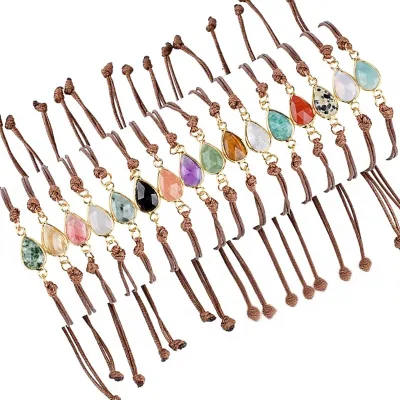
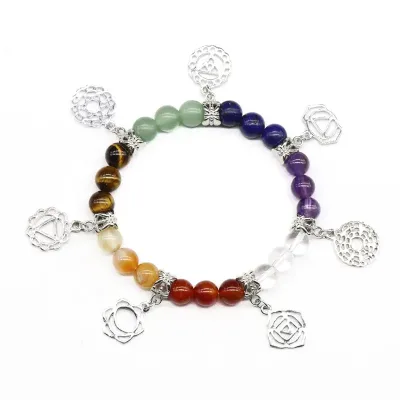
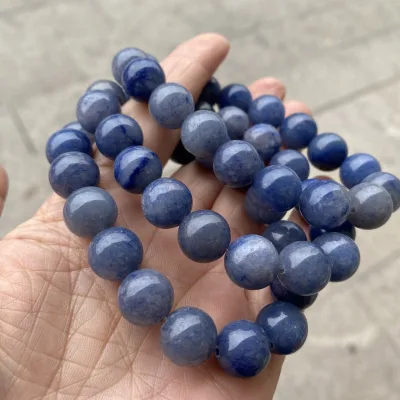
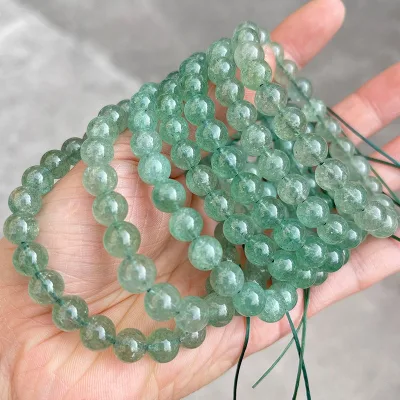

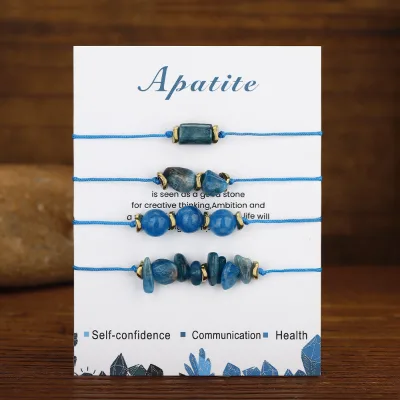
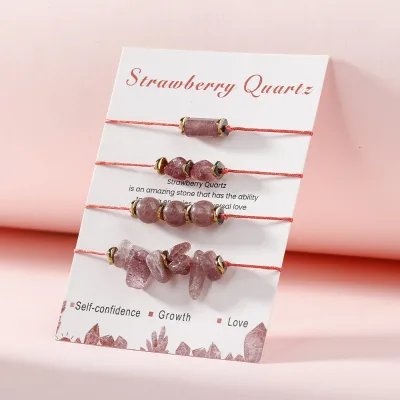
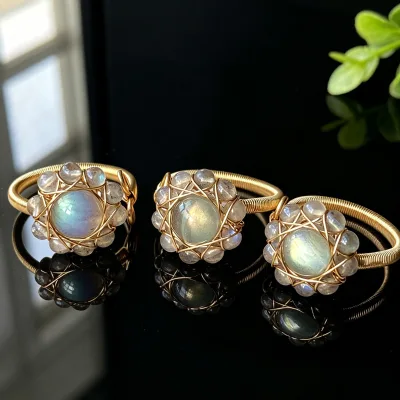
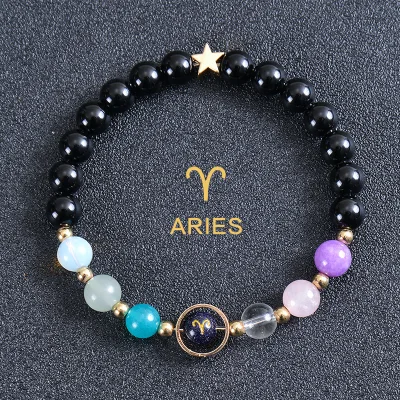


Comprehensive Sourcing Guide
Reiki Healing Labradorite Bracelet Supplier Concentration and Factory Types
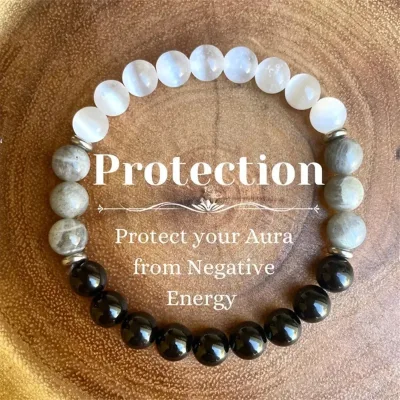
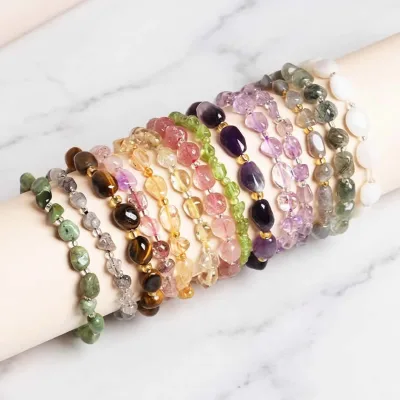
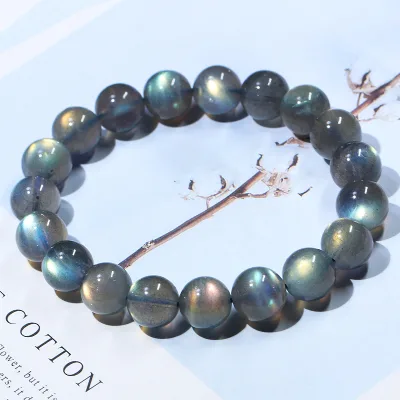
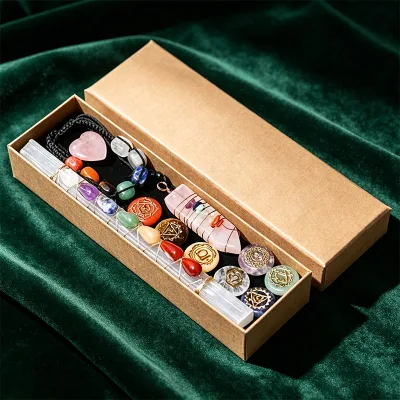
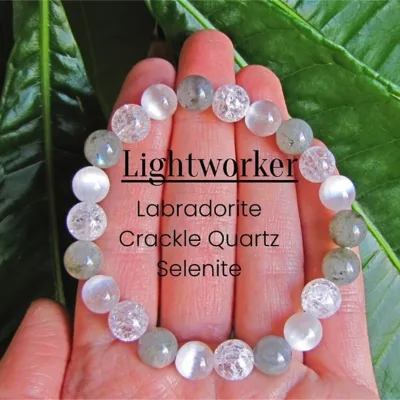
The available data indicates a concentration of suppliers in Zhejiang, China, for products like natural stone beaded bracelets and Reiki energy jewelry. This region appears to host trading companies that source fashion jewelry, accessories, and watches, often listing items such as black tourmaline, selenite, and labradorite beads. These entities typically operate as trading companies rather than direct manufacturers, suggesting they aggregate goods from various workshops before selling to international buyers. The presence of multiple product listings with Zhejiang as the place of origin confirms this cluster as a primary hub for this specific category of healing crystal jewelry.
Buyers should verify if a supplier is a trading company or a factory by examining their company type and main product scope. Many listed suppliers offer a broad range of items including hats, lanyards, and keychains alongside jewelry, which often signals a trading operation rather than a specialized stone workshop. To identify true manufacturing clusters, buyers must request proof of factory ownership or visit the facility to confirm production capabilities. Relying solely on the listed location is insufficient; confirming the actual production site ensures the buyer understands the supply chain depth and potential for customization in the Reiki healing bracelet market.
How to Verify Reiki Healing Labradorite Bracelet Suppliers
Verification begins with checking for third-party appraisal certificates, as some product listings explicitly mention "Third Party Appraisal" for stone quality. While many items list "None" for certificate types, the presence of SGS Group verification on certain supplier profiles provides a baseline for trust. Buyers must distinguish between suppliers who offer genuine certification and those who do not, as this directly impacts the authenticity of the labradorite and other gemstones used in Reiki bracelets. Always request the specific certificate document to confirm the stone's origin and treatment status before committing to an order.
Response time and sample availability are critical metrics for assessing supplier reliability and communication efficiency. Data shows response times ranging from two to four hours, with some suppliers offering sample processing and graphic processing capabilities. A supplier that provides samples within 7-10 working days demonstrates a structured production workflow, whereas those without clear sample policies may lack quality control. Buyers should prioritize suppliers who explicitly state they provide samples and offer OEM/ODM services, as this indicates a willingness to engage in a detailed verification process before mass production begins.
What to Compare Across Reiki Healing Labradorite Bracelet Bracelet Suppliers
When comparing suppliers, focus on the Minimum Order Quantity (MOQ) and unit price ranges to determine financial feasibility. Listings show MOQs varying significantly, from as low as 3 pieces for standard beaded bracelets to 30 pieces for specialized Reiki energy items. Price points also fluctuate, with some bracelets listed between $0.58 and $1.55, while others range from $2.64 to $3.19. Buyers must align these figures with their budget and volume requirements, ensuring that the selected supplier can meet their specific order size without imposing prohibitive minimums that exceed their initial market testing needs.
Lead times and response speeds are equally vital for planning inventory and managing customer expectations. The observed lead times for production can be up to 15 days, while sample times may take 7-10 working days. Suppliers with faster response times, such as those responding within two hours, often indicate a more agile operation capable of handling urgent requests. Buyers should compare these operational metrics alongside the supplier's main product focus; a company specializing in fashion jewelry may have different lead times compared to one focusing on custom Reiki healing items, affecting the overall timeline for order fulfillment.
Common Reiki Healing Labradorite Bracelet Sourcing Risks
One significant risk involves the inconsistency of product attributes, particularly regarding stone quality and certification. Many listings indicate "None" for certificate types, leaving the authenticity of the labradorite and other stones unverified. Without a third-party appraisal, buyers risk receiving products that do not meet the claimed Reiki healing properties or material standards. It is essential to verify the "Main Stone" description against physical samples, as terms like "Other" or generic descriptions can mask lower-quality substitutes that fail to deliver the expected energy or aesthetic value.
Another risk is the variability in packaging and shipping reliability, which can affect the final product condition upon arrival. Some suppliers list single package sizes as small as 1x2x1 cm, while others use 5x5x5 cm boxes, indicating inconsistent packaging standards. This variation can lead to damage during transit or increased shipping costs if the packaging is not optimized. Buyers must confirm the packing method, such as OPP bags or custom boxes, and ensure the supplier has a track record of secure shipping to prevent loss or damage, especially for delicate beaded items that require careful handling.
Reiki Healing Labradorite Bracelet Regional Sourcing and Logistics
Sourcing from Zhejiang, China, offers logistical advantages due to established export infrastructure, but buyers must account for specific regional shipping dynamics. The concentration of trading companies in this province means that goods often pass through multiple hands before reaching the final destination, potentially adding layers to the supply chain. Buyers should verify the exact shipping origin and transit times, as the distance from the factory to the port can impact the overall lead time. Understanding the regional logistics network helps in predicting delivery schedules and managing inventory levels effectively.
Logistics planning must also consider the specific requirements for shipping fragile items like beaded bracelets. The data shows varying single gross weights, from 0.020 kg to 0.025 kg, which influences freight costs and packaging needs. Buyers should discuss shipping methods with the supplier to ensure that the chosen method protects the jewelry from breakage during transit. Additionally, verifying the supplier's experience with international shipping to the buyer's specific region can mitigate risks related to customs delays or incorrect documentation, ensuring a smoother delivery process for the Reiki healing bracelets.
Reiki Healing Labradorite Bracelet Commercial Terms and Order Planning
Commercial terms should be clearly defined regarding payment methods, escrow usage, and return policies to protect both parties. While some suppliers may offer escrow services, buyers must confirm the specific terms and conditions before making any payments. It is crucial to establish a clear agreement on how disputes will be handled, especially if the received goods do not match the provided samples or descriptions. Buyers should also inquire about the supplier's policy on defective items and whether they offer replacements or refunds for products that fail to meet the agreed-upon quality standards.
Order planning requires a strategic approach to managing MOQs and production schedules to avoid stockouts or overstocking. With MOQs ranging from 3 to 30 pieces, buyers can start with smaller orders to test the market before scaling up. However, they must also consider the lead time of up to 15 days for production and the additional time required for shipping. By aligning their order volume with the supplier's capacity and lead times, buyers can maintain a steady flow of inventory while minimizing the risk of delays. Careful planning ensures that the Reiki healing bracelet business remains responsive to market demands without incurring unnecessary costs.
FAQs
What is the minimum order quantity for reiki healing labradorite bracelets?
The minimum order quantity varies by supplier and specific product design. Some listings accept orders as low as 3 pieces, while others require a minimum of 10 or 30 pieces. Buyers should check the specific product page for the exact MOQ applicable to their chosen style and material configuration.
Where are these bracelets typically manufactured?
Most suppliers offering these items are located in Zhejiang, China. This region is a known hub for fashion jewelry and accessory manufacturing. Buyers can verify the place of origin on individual product listings to ensure the location matches their sourcing preferences and logistical requirements.
What is the typical lead time for these orders?
Standard lead times for these bracelets are approximately 15 days. However, sample processing may take 7 to 10 working days. Buyers should confirm the exact production schedule with the supplier, as lead times can vary based on order volume and customization requirements.
What materials are used in these bracelets?
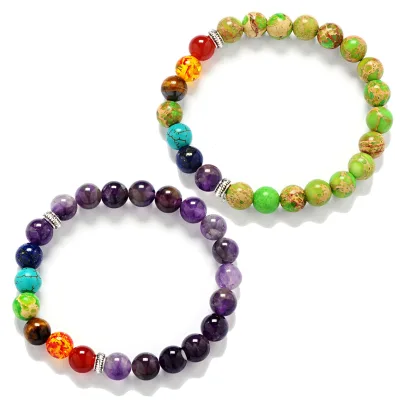
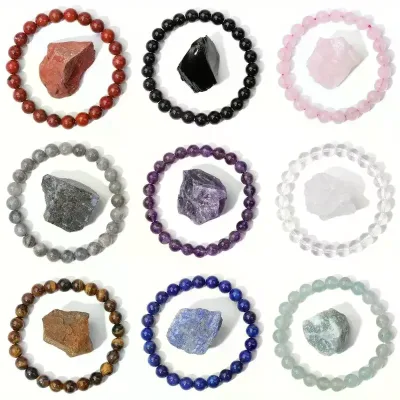
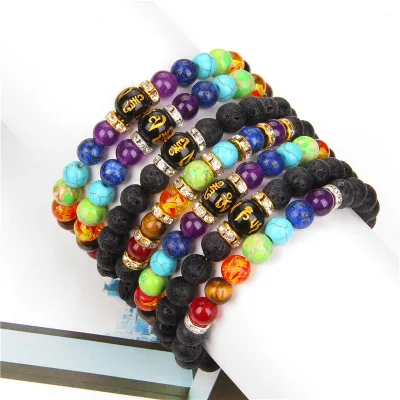
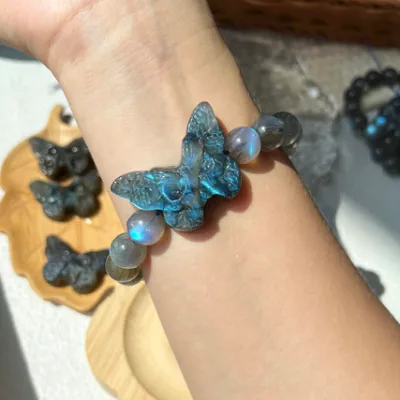
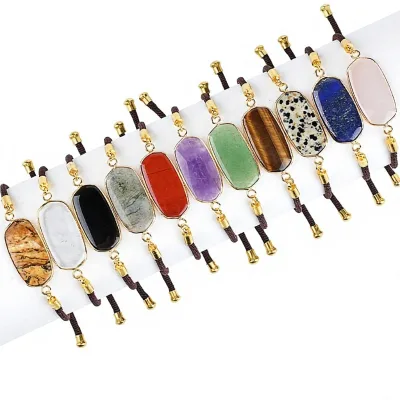
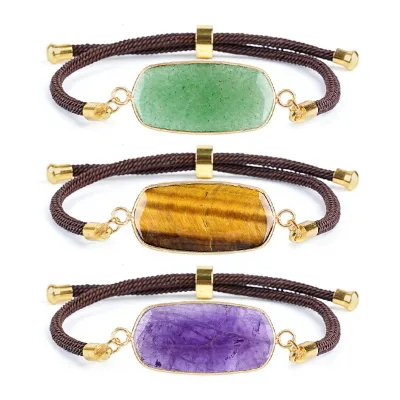
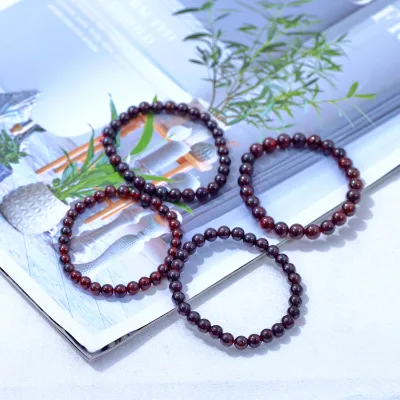
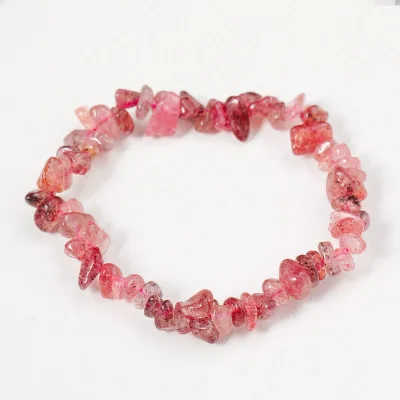
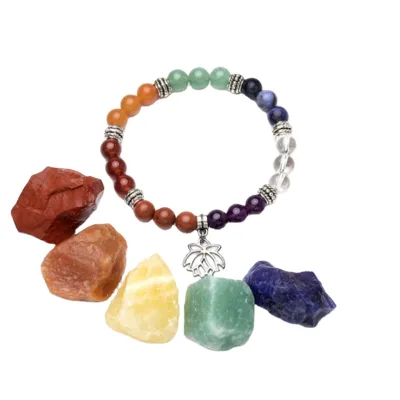
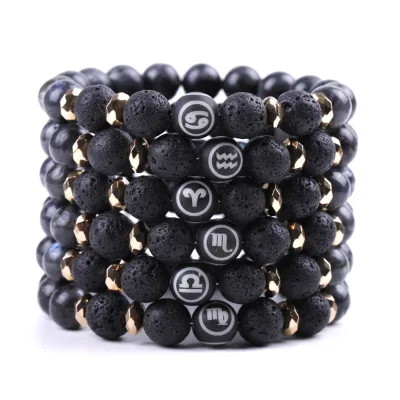
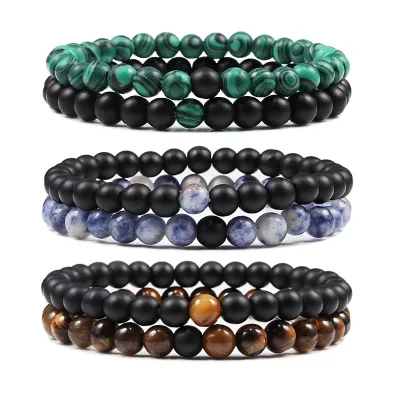
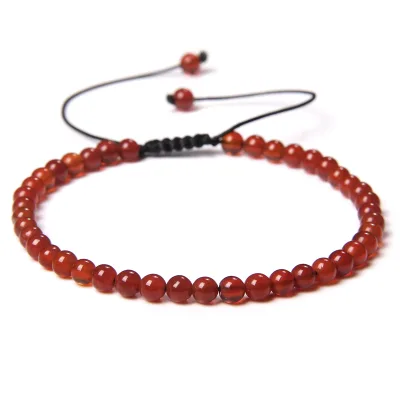
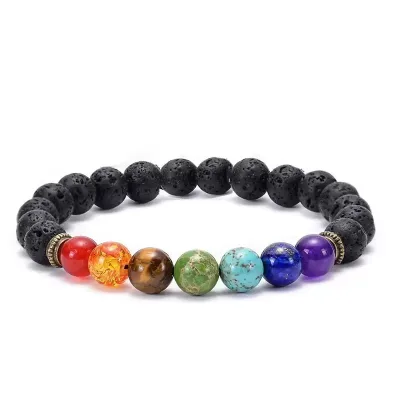
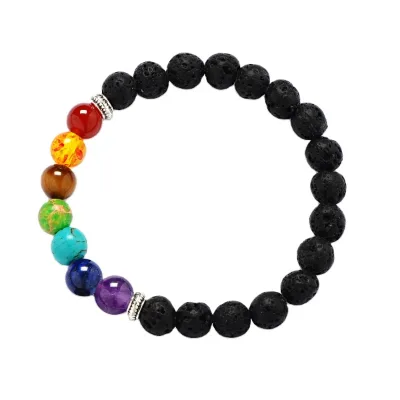
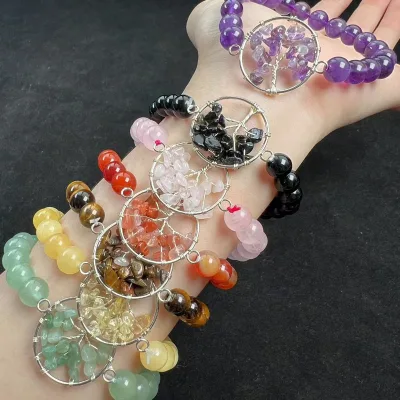
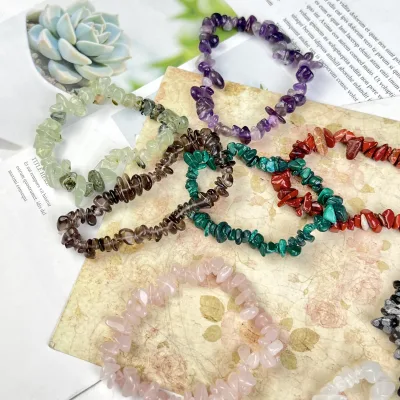
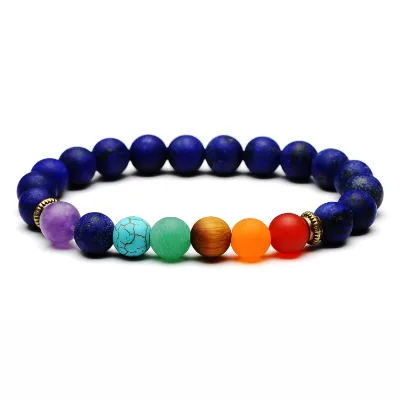
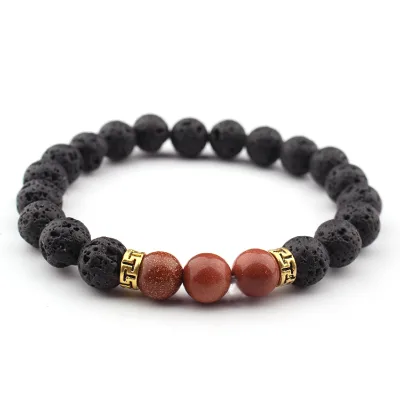
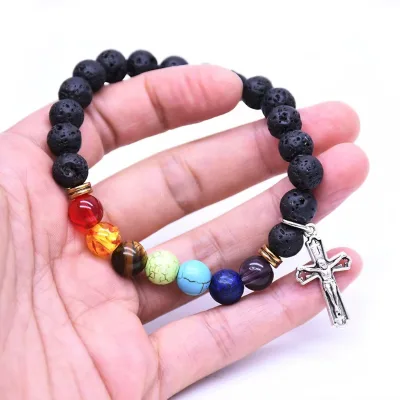
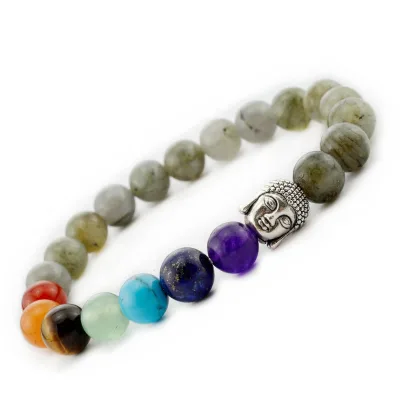
These bracelets are primarily made from natural stones, including labradorite, tiger eye, amethyst, and lava stone. Some designs feature geometric patterns or beaded styles. The materials are often marketed as environmentally friendly and suitable for reiki healing practices, with no plating applied to the natural stones.
Are these bracelets suitable for unisex wear?
Yes, many of these bracelets are designed for unisex wear. They are often marketed as suitable for both men and women, featuring neutral colors and adjustable sizes. Buyers can find styles that cater to various preferences, including boho, trendy, and traditional beaded designs.
What is the price range for these bracelets?
Prices for these bracelets typically range from $0.58 to $3.19 per piece. The cost depends on the specific materials, design complexity, and order quantity. Buyers can find options starting at lower price points for basic designs and higher prices for more intricate or premium stone combinations.
Do suppliers offer customization services?
Yes, many suppliers offer OEM and ODM services. Buyers can request customized designs, including specific stone combinations, packaging, and branding. Sample processing is available for custom orders, allowing buyers to review the product before placing a larger bulk order.