Remanufactured LED Taillights Suppliers and Manufacturers
Explore 27 verified suppliers offering Remanufactured LED Taillights with varying lead times, response speeds, and certifications. Compare dimensions, MOQs, and warranty terms to select the right factory for your needs; review the available evidence before requesting comparable quotations from suitable candidates.
Suppliers List

Difanmax Tech Lianyungang Co., Ltd.
- Verified by BV
- Manufacturer/Factory
- China Jiangsu
- Lead time23 days
- Avg. response≤ 3h
Main productsConsumer Electronics, Kinesiology Tape Adhesive Tapes, Industrial Tools, Home & Garden, Gifts & Crafts, Sport Products Entertainment, Health & Medical, Auto Parts E-Bike Auto Tools & Components, Clothes Apparel, Bicycle Hardware Laboratory Measuring Protective
Main marketsSouth America,North America,Southeast Asia,Oceania,Western Europe

K-Lite (Shanghai) Industrial Co., Ltd.
- Verified by TUVRHEINLAND
- Trading Company
- China Shanghai
- Lead time30 days
- Avg. response≤ 7h
Main productsReflector, Motorcycle LED Lamps, Road Markers, Vehicle Lamps, Trailer LED Lamps, Pedestrian Reflector, Light Guide Strip, Road Stud, Auto Parts, Headlamp
Main marketsSoutheast Asia/ Mideast,East Asia(Japan/ South Korea)

Light Trucks Tail Lamps LED Tail Light Combination Tail Lights LED Truck Lights
$5.00 - $7.00
MOQ: 50 Pieces

Truck Parts Truck Lights Combination Tail Lights LED Trailer Light Taillights
$13.00 - $16.00
MOQ: 50 Pieces


Truck Accessories Tail Light Assembly Aftermarket Taillights LED Trailer Light Truck LED Lights
$5.00 - $10.00
MOQ: 50 Pieces


Changzhou Saiyao Auto Parts Co., Ltd.
- Manufacturer
- Jiangsu, China
- Lead time30 days
- Avg. response≤ 2h
Main productsTruck headlights,truck tail lights,vehicle LED side lights,vehicle modified lights,Halogen lamp
Main marketsSouth America(40.00%), Eastern Europe(30.00%), North America(20.00%), Eastern Asia(10.00%)
Guangzhou Jstar Industry and Trade Co., Ltd.
- Trading Company
- Guangdong, China
- Lead time15 days
- Avg. response≤ 1h
Main productsTruck Side light,Truck tail light,LED work light bar,Led warning light,LED headlight
Main marketsNorth America(25.00%), South America(12.00%), Mid East(10.00%), South Asia(5.00%), Southern Europe(5.00%), Northern Europe(5.00%), Central America(5.00%), Western Europe(5.00%), Eastern Asia(5.00%), Eastern Europe(5.00%), Oceania(5.00%), Africa(5.00%), Southeast Asia(5.00%), Domestic Market(3.00%)
Guangzhou Hongbao Automobile Accessories Co., Ltd.
- Verified by TüVRheinland
- Manufacturer, Trading Company
- Lead time10 days
- Avg. response≤ 2h
Main productsSteering Wheel Cover, Car Mats, Car Sunshade, Neck Pillow And Square Pillow, Car Seat Cover
Main marketsMid East(30%), North America(20%), South America(10%)
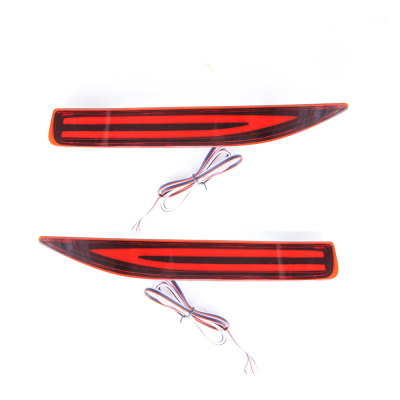
LED Tail Lights Indicator Rear Brake Light Rear Bumper Reflector Tail Lamps
$18.38 - $19.85
MOQ: 20 sets
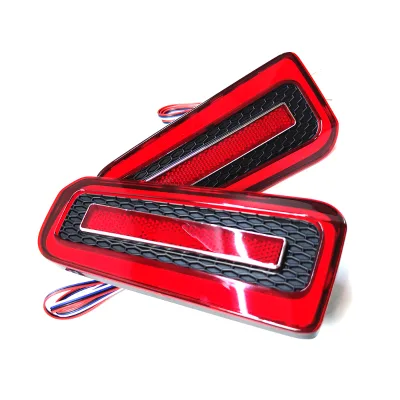
Hangzhou lizhong shengteng Auto Parts Co., Ltd.
- Verified by TUVRHEINLAND
- Trading Company
- China Zhejiang
- Lead time23 days
- Avg. response≤ 8h
Main productsAuto Bumper, Auto Rear Bumper Cover, Auto Rear Mirror, Auto Hood, Auto Head Lamp, Auto Cooling Fan Cover, Auto Radiator
Main marketsSouth America,Eastern Europe,Mid East,North America,Southeast Asia,Eastern Asia,Western Europe

Shanghai Huaqi Industrial Co., Ltd.
- Verified by TUVRHEINLAND
- Trading Company
- China Shanghai
- Lead time15 days
- Avg. response≤ 6h
Main productsCar Mats, Seat Cover, Car Cover, Wiper Blade, Air Compressor, Steering Wheel Cover, Car Lock, Baby Mirror, Car Jack, Racing Seat
Main marketsSouth America,Africa,Southeast Asia/ Mideast,Europe,Australia,North America

Shanghai Anma Industry Co., Ltd.
- Trading Company
- China Shanghai
- Lead time30 days
- Avg. response≤ 5h
Main productsCar Accessories, Car Spare Parts, Car Tools, Car Interior Accessories, Car Exterior Accessories, Car Electrical Accessories, Car Lights, Car Mirror, Car Emergency Kits, Car Care Products
Main marketsSouth America,Others(foreignTradeCapacity.exportBusinessCapacityMarketOther),Southeast Asia/ Mideast,Europe,North America
Hangzhou Fortek Electronics Co., Limited
- Trading Company
- Zhejiang, China
- Lead time10 days
- Avg. response≤ 4h
Main productsTruck Lights,Side Marker,Bus Lights,Trailer Lights,Truck Accessories
Main marketsNorth America(30.00%), Western Europe(20.00%), Southern Europe(10.00%), Northern Europe(10.00%), South America(10.00%), Eastern Europe(10.00%), Oceania(5.00%), South Asia(1.00%), Eastern Asia(1.00%), Africa(1.00%), Central America(1.00%), Southeast Asia(1.00%)
TIANJU AUTOLIGHTS (GUANGZHOU) CO., LTD.
- Verified by SGS
- Trading Company
- China Guangdong
- Lead time30 days
- Avg. response≤ 5h
Main productsAuto Lamp, Car Lamp, Tail Lamp
Main marketsOthers(foreignTradeCapacity.exportBusinessCapacityMarketOther),Domestic

Premium Full LED Sequential Brake Modified Waterproof Auto Rear Car Taillight
$124.18 - $153.06
MOQ: 4 Pieces

$196.00 - $216.00
MOQ: 10 Pieces

$156.00 - $215.00
MOQ: 10 Pieces

Ningbo Langyan International Trade Co., Ltd.
- Trading Company
- China Zhejiang
- Lead time30 days
- Avg. response≤ 6h
Main productsAuto Motorcycle and Trailer Parts, Tools&Hardware, Outdoors&Promotion Items, Toys, Stationery, Daily Use, Arts & Crafts
Main marketsSouth America,Southeast Asia/ Mideast,Europe,Australia,North America
- Verified by SGS
- Trading Company
- China Zhejiang
- Lead time15 days
- Avg. response≤ 19h
Main productsCar Mat, Car Air Freshener, Car Seat Cover, Steering Wheel Cover, Car Phone Holder, Car Roof Tent, Car Sunshade, Jerry Can
Main marketsEurope,Australia


Factory Price 20 * 47mm Decoding LED High-Power Steering Brake Tail Lights
$4.40 - $4.95
MOQ: 300 Pieces

Factory Price Car LED High Brightness Turn Signal Tail Light Rear Stoplight
$2.51 - $2.82
MOQ: 400 Pieces


Guangzhou Jinkunhao Automotive Parts Co., Ltd.
- Verified by TUVRHEINLAND
- Trading Company
- China Guangdong
- Lead time0 days
- Avg. response≤ 20h
Main productsAutomotive Electrical System, Body Kit, Front Light, Hood, Interior Modification Parts of The Car
Shanghai Anma Industry Co., Ltd.
- Trading Company
- Lead time旺季: "1 - 1000":31,"1001 - 2000":35,"> 2000":"To be negotiated", 淡季: "1 - 1000":31,"1001 - 2000":35,"> 2000":"To be negotiated"
- Avg. response≤ 4h
Main productsInteriror Accessories,Exterior Accessories,Electrical Accessories,Car Tools,Car Lighting

- Verified by TUVRHEINLAND
- Combined
- China Zhejiang
- Lead time30 days
- Avg. response≤ 15h
Main productsPower Inverter, Battery Charger, LED Lamp, Lock
Main marketsSouth America,East Asia(Japan/ South Korea),Europe,North America


Factory Truck LED Rear Tail Light Truck Combination Universal Reverse Tail Lamp
$18.00 - $20.00
MOQ: 1000 Pieces

Truck Trailer Exterior Accessories LED Tail Light Brake Rear Lamp Modified Rear Lights
$10.00 - $11.00
MOQ: 1000 Pieces
Renqiu Xinxuanyi Lighting Manufacturing Co., Ltd.
- Verified by SGS
- Combined
- China Hebei
- Lead time15 days
- Avg. response≤ 6h
Main productsLED Taillight, LED Warning Light, LED Car Lights, LED Truck Taillight, LED Working Lamp, LED Indicator Light, LED Roof Light
Main marketsSoutheast Asia/ Mideast

Changzhou Super Auto Parts Co., Ltd.
- Verified by CTI
- Combined
- China Jiangsu
- Lead time30 days
- Avg. response≤ 4h
Main productsAuto Lamp, Auto Mirror, Auto Parts, Bus Lamp, Bus Mirror, Bus Parts, Truck Light, Truck Mirror, Truck Parts, Bus Light
Main marketsSouth America,Southeast Asia/ Mideast,Europe,Australia
Xiamen Longhuitong Automobile Technology Co., Ltd.
- Verified by TUVRHEINLAND
- Combined
- China Fujian
- Lead time60 days
- Avg. response≤ 3h
Main productsSpecial Truck, Chassis, Bus, Bus Part, Electric Auto Part, Garbage Truck, Pick up, Van, Tricycle, Air Pump Oil Pump Four in One Charging Station V
Main marketsSoutheast Asia/ Mideast
Shandong Syys Industrial &Commercial Co., Ltd.
- Verified by TUVRHEINLAND
- Trading Company
- China Shandong
- Lead time15 days
- Avg. response≤ 12h
Main productsAutoparts, Bus Spare Parts, Automotive, Bearing
Main marketsEurope


Commercial Vehicle Headlights – Sturdy Construction & Reliable Performance
$60.30 - $63.00
MOQ: 2 Pieces
Guangzhou Fdn Autolighting Company Limited.
- Verified by SGS
- Manufacturer/Factory
- China Guangdong
- Lead time0 days
- Avg. response≤ 2h
Main productsLED COB Work Lights, LED COB Work Pods, LED COB Light Bars, LED COB Tail Lights, LED COB Signal Lights/Warning Lights, LED COB Interior Lights, LED Headlights, LED Motorcycle Lights, LED Fog/Driving Lights, LED Strip Lights/Decaroation Lights

LED Car Light Truck Side Marker Light Truck Light Systems Truck Tail Light
$1.00 - $2.00
MOQ: 500 Pieces


Changzhou LangNuo Auto Parts Manufacturing Co.,LTD
- Verified by TUVRHEINLAND
- Manufacturer/Factory
- China Jiangsu
- Lead time38 days
- Avg. response≤ 5h
Main productsBodykit, Spoiler, Front Lip, Tail Lamp, Radiator Support, Grille, LED Lamp
Main marketsSouth America,Eastern Europe,Mid East,North America,Southeast Asia,Eastern Asia,Oceania,Western Europe,Africa


High-Quality Auto Parts Car Light LED Rear Tail Lamp for Glb 2021-2022
$100.00 - $120.00
MOQ: 10 Pieces

Pingxiang Bowang Industry Co.,Ltd.
- Verified by TUVRHEINLAND
- Manufacturer/Factory
- China Jiangxi
- Lead time15 days
- Avg. response≤ 2h
Main productsLED Car Light, LED Marker Light, LED Work Light, Truck Lamp, Trailer Light, Tail Light, High Mount Brake Light, Whip Light, Boat Light, RV Light
Main marketsSouth America,Eastern Europe,Mid East,North America,Southeast Asia,Eastern Asia,Oceania,Western Europe,Africa


7440 7441 7443 7444 992 Car Auto Back up Reverse Lamp Brake Lights Tail Lamp
$2.98 - $4.89
MOQ: 100 Pieces
Anhui Fengyuan Equipment Technology Co., Ltd.
- Trading Company,Manufacturer/Factory
- China Anhui
- Lead time23 days
- Avg. response≤ 24h
Main productsTrailer, Truck Trailer, Container Trailer, Semi Trailer, Flatbed Trailer, Lowbed Trailer, Fence Trailer, Dump Trailer, Bulk Cement Trailer, Fuel Tanker
Main marketsSouth America,Mid East,North America,Southeast Asia,Eastern Asia,Oceania,Africa
Guangzhou Hexiangrun Electronic Technology Co., Ltd.
- Manufacturer, Trading Company
- Guangdong, China
- Lead time0 days
- Avg. response≤ 5h
Main productsled ambient light,Led running light,Led flashing light,Led car spoiler light,Led star light
Main marketsNorth America(30.00%), Southeast Asia(10.00%), Northern Europe(10.00%), Mid East(10.00%), Central America(5.00%), Western Europe(5.00%), Eastern Europe(5.00%), South America(5.00%), Africa(3.00%)
Songlin Technology (Hubei) Co., Ltd.
- Verified by TüVRheinland
- Manufacturer, Trading Company
- Lead time7 days
- Avg. response≤ 3h
Main productsAuto Parts, Engine Assembly & Spare Parts, Truck Parts, Construction Machinery Parts, New Energy Accessories
Main marketsEastern Europe(18%), South America(15%), Southeast Asia(10%)

Trade Assurance Custom Led Tail Light Assembly 81.25225.6464 Good Performance Auto Parts Tail Lamp
$16.68 - $20.57
MOQ: 5 pieces

Reasonable Price Auto Lighting Systems Led Combination Light 81.25225.6465
$15.57 - $20.57
MOQ: 5 pieces

Wenzhou Haibang Industrial Co., Ltd.
- Verified by TUVRHEINLAND
- Combined
- China Zhejiang
- Lead time30 days
- Avg. response≤ 5h
Main productsLightbars, Lightheads, Beacon Lights, Speakers Sirens, Anti-Riot Helmets, Anti-Riot Shields, Warning Lights, Police&Security Equipment Products, LED Work Lamp, LED Flood Lights
Main marketsSoutheast Asia/ Mideast,Domestic,North America

JINAN GUYUE AUTO PARTS CO., LTD.
- Verified by SGS
- Trading Company
- China Shandong
- Lead time15 days
- Avg. response≤ 7h
Main productsFAW Sinotruck Shacman Beiben Truck Spare Part, Bus Spare Parts, Light Truck Spare Parts, Tyre, Construction Machinery, Fuwa Ror BPW Trailer Spare Parts
Main marketsAfrica,Southeast Asia/ Mideast,North America




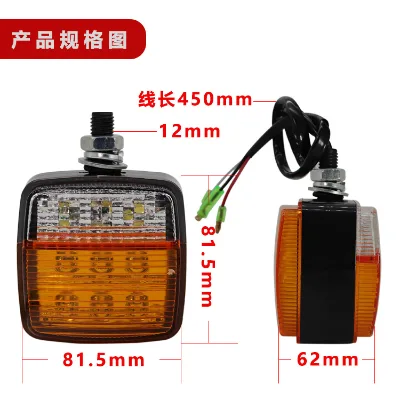


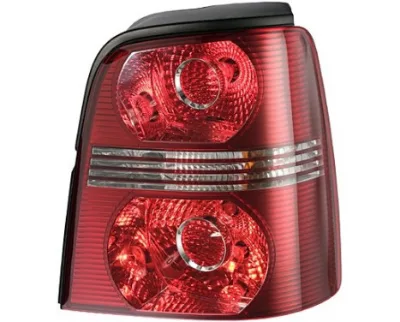
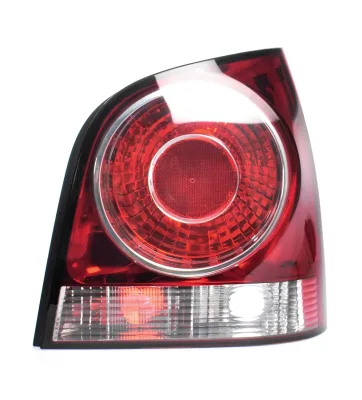


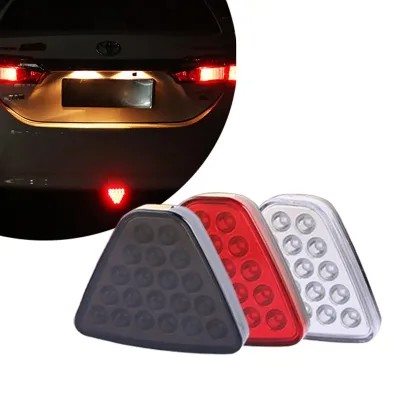


Comprehensive Sourcing Guide
Remanufactured LED Taillights Supplier Concentration and Factory Types
The current supplier landscape for Remanufactured LED Taillights shows a distinct concentration of manufacturing capabilities within specific Chinese provinces, with Jiangsu emerging as a primary hub for production facilities. Data indicates that several verified manufacturers and factories are located in Jiangsu, China, specializing in vehicle lighting systems and auto parts. These entities often list main products that include truck headlights, tail lights, and vehicle modified lights, suggesting a specialized cluster for automotive lighting components. While some suppliers operate as trading companies, the presence of manufacturer-type entities in Jiangsu implies a direct supply chain for custom and standard LED tail light assemblies. Buyers should prioritize identifying these factory-type suppliers when seeking direct manufacturing relationships, as they typically offer OEM and ODM capabilities alongside their own branding options.
In contrast to the manufacturing clusters, trading companies also appear in the results, often located in Shanghai or other regions, focusing on a broader range of vehicle accessories. These trading entities may aggregate products from various factories, offering a wider selection of items like reflectors, road markers, and trailer LED lamps alongside the core taillight products. The distinction between a manufacturer and a trading company is critical for buyers evaluating the depth of technical support and customization potential. Manufacturers in Jiangsu often provide specific product attributes such as LED chip origins and voltage ratings, whereas trading companies might focus on logistics and variety. Buyers must verify the company type to ensure they are engaging with the appropriate entity for their specific sourcing needs, whether that involves direct factory customization or a broader catalog of aftermarket parts.
How to Verify Remanufactured LED Taillights Suppliers
Verification of suppliers in the Remanufactured LED Taillights sector relies heavily on third-party audit reports and specific certification badges displayed in the supplier profile. The available data highlights that some suppliers hold BV verification status, while others possess TUVRHEINLAND verification, indicating different levels of external scrutiny regarding their business operations and product quality. These verification badges serve as a primary indicator of a supplier's legitimacy and operational stability. Buyers should look for these specific verification marks to confirm that the supplier has undergone independent assessment. Additionally, the presence of system certifications like ISO9001:2015 for certain suppliers suggests adherence to international quality management standards, which is particularly relevant for automotive lighting components that require consistent performance and safety.
Beyond verification badges, buyers must scrutinize the specific product certifications listed for individual LED tail light models to ensure regulatory compliance for their target markets. Product evidence shows that some tail light assemblies carry certifications such as CCC, E-mark, and DOT, which are essential for selling vehicles in China, Europe, and North America respectively. The absence of these specific certifications on a product listing should prompt immediate inquiry, as they are not universal across all suppliers. Furthermore, the response time metric provides a tangible measure of supplier engagement, with some entities showing response times under three hours while others take significantly longer. A fast response time often correlates with a more active and reliable supply chain, whereas a slow response may indicate a trading company with less direct control over production schedules.
What to Compare Across Remanufactured LED Taillights Suppliers
When evaluating multiple suppliers for Remanufactured LED Taillights, the lead time is a critical variable that directly impacts inventory planning and order fulfillment speed. The observed data reveals a range of lead times, with some suppliers indicating a 23-day production window while others require up to 30 days. This variation necessitates a careful comparison to align supplier capabilities with the buyer's delivery deadlines. Buyers should not assume all suppliers operate on the same timeline; instead, they must request specific lead time estimates for their order volume and customization requirements. The difference between a 23-day and a 30-day lead time can significantly affect the overall cost of goods and the ability to meet market demand, making this a primary factor in supplier selection.
Another essential dimension for comparison is the Minimum Order Quantity (MOQ) and the associated pricing structure, which varies significantly across different product models and suppliers. Current evidence shows MOQs ranging from as low as 10 units for specific LED tail lamps to 500 units for other combination tail light models. This disparity allows buyers to assess which suppliers can accommodate their initial order size without requiring excessive capital investment. Additionally, the price per unit fluctuates based on the product specifications, with some models priced around $1.77 while others reach $16.00. Buyers must compare these price points against the product attributes, such as waterproof ratings, warranty periods, and material quality, to determine the true value proposition. A lower price with a high MOQ might be less attractive than a slightly higher price with a flexible MOQ and better warranty terms.
Common Remanufactured LED Taillights Sourcing Risks
One significant risk in sourcing Remanufactured LED Taillights involves the potential mismatch between product specifications and actual market requirements, particularly regarding certification and durability. While some product listings explicitly state certifications like CCC, E-mark, and DOT, others may lack this information entirely, creating uncertainty about regulatory compliance in the buyer's destination country. Relying on general product descriptions without verifying specific certification documents can lead to customs delays or product rejection. Buyers must treat the listed certifications as preliminary claims that require validation through official documentation before finalizing any purchase agreement. The absence of clear certification data on a product page should be treated as a red flag requiring immediate clarification from the supplier.
Another prevalent risk is the inconsistency in product quality and warranty terms, which can vary widely between different suppliers and even between different models from the same supplier. Evidence shows warranty periods ranging from one year to 18 months, with some products offering no explicit warranty information. This variability suggests that the reliability of the LED components and the assembly quality are not standardized across the market. Buyers must carefully review the warranty terms and the specific material specifications, such as the LED chip origin and waterproof ratings like IP67, to gauge the expected lifespan of the product. A supplier offering a short warranty or vague material details may indicate lower quality control standards, increasing the risk of high return rates and customer dissatisfaction in the long term.
Remanufactured LED Taillights Regional Sourcing and Logistics
The regional distribution of suppliers for Remanufactured LED Taillights is heavily concentrated in China, with specific clusters in Jiangsu and Shanghai offering distinct logistical advantages. Suppliers located in Jiangsu often benefit from proximity to manufacturing hubs, which can streamline the production process and reduce internal logistics costs. In contrast, suppliers in Shanghai may leverage their status as a major port city to facilitate international shipping and export documentation. Buyers should consider the location of the supplier when calculating total landed costs, as shipping times and freight rates can vary based on the origin point. Understanding the specific location of the factory or trading company allows for more accurate estimation of delivery timelines and potential transit risks.
Logistics planning must also account for the packaging standards and dimensions provided in the product evidence, which directly influence shipping efficiency and cost. Product attributes indicate that items are packed in cartons, PP bags, or on pallets, with standard dimensions varying from small boxes to larger palletized shipments. For example, some tail light assemblies are packed in cartons measuring 20.37.57cm, while others require larger packaging like 43.523.535cm. These dimensions are critical for optimizing container loading and minimizing shipping expenses. Buyers should request detailed packing lists and dimensions from the supplier to ensure that their logistics partners can plan the most efficient transport method. Ignoring these packaging specifics can lead to wasted space in shipping containers and unnecessary increases in freight costs.
Remanufactured LED Taillights Commercial Terms and Order Planning
Commercial terms for Remanufactured LED Taillights often include specific customization options that allow buyers to tailor products to their brand requirements. The available data confirms that customization is available for many LED tail light models, enabling buyers to request specific branding, packaging, or technical modifications. This flexibility is a key advantage for buyers looking to differentiate their product offerings in the market. However, the extent of customization and the associated costs must be clearly defined in the commercial agreement. Buyers should verify the scope of OEM and ODM services offered by the supplier, including whether they can produce their own brand or if they are limited to modifying existing models. Clear communication regarding customization limits is essential to avoid misunderstandings during the production phase.
Order planning must also factor in the response time and communication efficiency of the supplier, as these elements directly impact the speed of order processing and issue resolution. The observed response times vary, with some suppliers responding in under three hours and others taking significantly longer. A fast response time is indicative of a supplier who is actively managing their inventory and production schedules, which is crucial for maintaining a smooth supply chain. Buyers should prioritize suppliers with quick response times to ensure that any questions regarding order status, production delays, or quality issues are addressed promptly. Additionally, the establishment year and company type can provide insight into the supplier's stability and experience, helping buyers make informed decisions about long-term partnerships and order volume commitments.
FAQs
What is the typical lead time for LED tail lights?
The typical lead time for LED tail lights is 23 days based on current supplier data. Some suppliers offer a 30-day lead time for specific models. Buyers should verify exact delivery windows with the manufacturer before placing orders to ensure timely arrival.
Are these LED tail lights available for customization?
Yes, customization is available for many LED tail light models listed. Suppliers offer OEM and ODM services with own branding options. Buyers can request specific packing or standard dimensions to match their vehicle requirements during the negotiation phase with the factory.
What certifications do the LED tail lights hold?
Certifications include CCC, E-mark, and DOT for various truck and automotive models. Some suppliers also hold ISO9001:2015 system certification. Buyers must verify specific product certifications against their local market regulations before finalizing any purchase agreement with the supplier.
What is the minimum order quantity for these lights?
Minimum order quantities vary by product, ranging from 10 to 500 units. Specific models like the LT120 require only 10 units, while others need 500. Buyers should check the MOQ for each specific model to ensure it fits their inventory planning needs.
Where are the manufacturers of these lights located?
Manufacturers are primarily located in Jiangsu and Shanghai, China. Some products originate from Zhejiang or Zhengjiang regions. Buyers should confirm the exact factory location to assess shipping costs and logistics capabilities for their specific sourcing requirements.
What is the warranty period for these LED lights?
Warranty periods range from 1 year to 18 months depending on the model. Some LED tail lights offer a 1-year warranty, while others provide 18 months of coverage. Buyers should confirm the specific warranty terms for the selected product before completing the transaction.
What is the price range for these LED tail lights?
Prices range from approximately 1.77 to 16.00 USD per unit based on current listings. Specific models like the T110 are priced at 8.00 USD, while others vary. Buyers should request a detailed quote to confirm the final price including shipping and taxes.