Universal Fitment Taillight Suppliers and Manufacturers
Explore 22 verified suppliers offering Universal Fitment Taillight options with varying lead times, certifications, and response speeds. Buyers can compare locations in China, MOQs, and product specifications like voltage and material before requesting quotes; review the available evidence before requesting comparable quotations from suitable candidates.
Suppliers List
Xiamen Longhuitong Automobile Technology Co., Ltd.
- Verified by TUVRHEINLAND
- Combined
- China Fujian
- Lead time60 days
- Avg. response≤ 2h
Main productsSpecial Truck, Chassis, Bus, Bus Part, Electric Auto Part, Garbage Truck, Pick up, Van, Tricycle, Air Pump Oil Pump Four in One Charging Station V
Main marketsSoutheast Asia/ Mideast
Guangzhou Fdn Autolighting Company Limited.
- Verified by SGS
- Manufacturer/Factory
- China Guangdong
- Lead time0 days
- Avg. response≤ 2h
Main productsLED COB Work Lights, LED COB Work Pods, LED COB Light Bars, LED COB Tail Lights, LED COB Signal Lights/Warning Lights, LED COB Interior Lights, LED Headlights, LED Motorcycle Lights, LED Fog/Driving Lights, LED Strip Lights/Decaroation Lights

Universal Truck Taillight Tail Light Rear Light Car Light Turn Brake Signal Light Auto Lamp
$1.50 - $2.00
MOQ: 500 Pieces

Universal Truck Taillight Tail Light Position Rear Light Car Light Turn Brake Signal Light Auto Lamp
$1.50 - $2.00
MOQ: 500 Pieces
Huamaoji Construction Machinery Trading (beijing) Co., Ltd.
- Trading Company
- Beijing, China
- Lead time10 days
- Avg. response≤ 10h
Main productsshovel,Machete,Undercarriage Part,Rubber track,Diesel Engine Assy
Main marketsAfrica(30.00%), Eastern Asia(20.00%), Domestic Market(10.00%), Southeast Asia(7.00%), Oceania(6.00%), South America(5.00%), Mid East(5.00%), South Asia(5.00%), Eastern Europe(2.00%), North America(2.00%), Southern Europe(2.00%), Northern Europe(2.00%), Central America(2.00%), Western Europe(2.00%)
Guangzhou Hongbao Automobile Accessories Co., Ltd.
- Verified by TüVRheinland
- Manufacturer, Trading Company
- Lead time10 days
- Avg. response≤ 2h
Main productsSteering Wheel Cover, Car Mats, Car Sunshade, Neck Pillow And Square Pillow, Car Seat Cover
Main marketsMid East(30%), North America(20%), South America(10%)
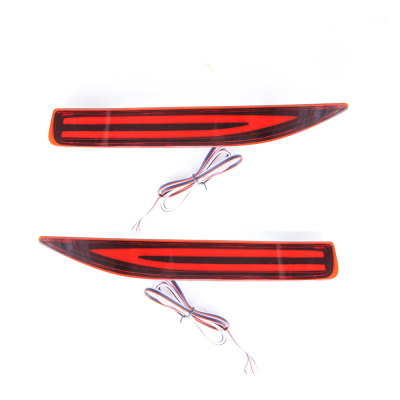
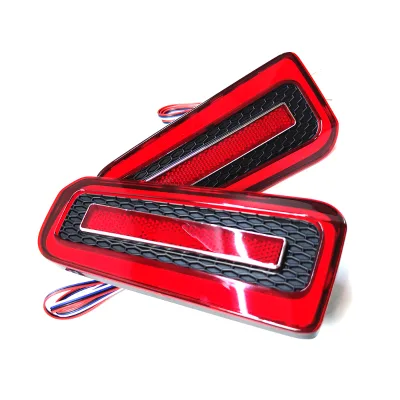
LED Tail Lights Indicator Rear Brake Light Rear Bumper Reflector Tail Lamps
$18.37 - $19.83
MOQ: 20 sets
Hangzhou lizhong shengteng Auto Parts Co., Ltd.
- Verified by TUVRHEINLAND
- Trading Company
- China Zhejiang
- Lead time23 days
- Avg. response≤ 8h
Main productsAuto Bumper, Auto Rear Bumper Cover, Auto Rear Mirror, Auto Hood, Auto Head Lamp, Auto Cooling Fan Cover, Auto Radiator
Main marketsSouth America,Eastern Europe,Mid East,North America,Southeast Asia,Eastern Asia,Western Europe


Taillight Factory X02-41330012 Outer Taillight R Right Taillight for Car Parts
$5.00 - $30.00
MOQ: 10 Pieces

Guangzhou Mosaike Modification Accessories Co., Ltd.
- Verified by TUVRHEINLAND
- Trading Company
- China Guangdong
- Lead time15 days
- Avg. response≤ 8h
Main productsMotorcycle Part, Motorcycle Accessories, Motorcycle Components, Motorcycle Spare Part, Motorcycle Taillight, Motorcycle Body Part, Motorcycle Headlight, Motorcycles Pedal, Motorcycle Modifications, Motorcycle Decoration
Main marketsSoutheast Asia/ Mideast,North America

Shanghai Anma Industry Co., Ltd.
- Trading Company
- China Shanghai
- Lead time30 days
- Avg. response≤ 5h
Main productsCar Accessories, Car Spare Parts, Car Tools, Car Interior Accessories, Car Exterior Accessories, Car Electrical Accessories, Car Lights, Car Mirror, Car Emergency Kits, Car Care Products
Main marketsSouth America,Others(foreignTradeCapacity.exportBusinessCapacityMarketOther),Southeast Asia/ Mideast,Europe,North America
Chongqing Tonghetong Auto Parts Co., Ltd.
- Trading Company
- Chongqing, China
- Lead time0 days
- Avg. response≤ 3h
Main productsHeadlight,Bumper,Grille,Fender,Fog lamp
Main marketsSoutheast Asia(40.00%), Mid East(30.00%), Northern Europe(20.00%), Africa(10.00%)
- Verified by SGS
- Trading Company
- China Zhejiang
- Lead time15 days
- Avg. response≤ 19h
Main productsCar Mat, Car Air Freshener, Car Seat Cover, Steering Wheel Cover, Car Phone Holder, Car Roof Tent, Car Sunshade, Jerry Can
Main marketsEurope,Australia

Lian Sheng (Xiamen) Import & Export Co., Ltd.
- Verified by SGS
- Trading Company,Manufacturer/Factory
- China Fujian
- Lead time98 days
- Avg. response≤ 5h
Main productsAuto Lamp, Auto Side Mirror, Auto Grille, Auto Body Part, Auto Bumper, Auto Mirror, Car Body Kit, Auto Fender, Auto Light, Auto Accessories
Main marketsSouth America,Eastern Europe,Mid East,North America,Southeast Asia,Eastern Asia,Oceania,Western Europe,Africa

Hight Quality Auto Lights Tail Lamp for Sailing 2007 Tail Light Car Accessories
$6.58 - $7.68
MOQ: 100 Pieces

Auto Front Head Lamp for Fit′ 03 USA
MOQ: 20 Pieces
CHONGQING POWERLAND MACHINERY CO., LTD.
- Verified by CTI
- Trading Company
- China Chongqing
- Lead time15 days
- Avg. response≤ 1h
Main productsEGR Valve, Sensor, Ignition Coil, Solenoid Valve, Electric Fan, Electric Vacuum Pump, Gasket, Plug, Bumper, Grille

K-Lite (Shanghai) Industrial Co., Ltd.
- Verified by TUVRHEINLAND
- Trading Company
- China Shanghai
- Lead time30 days
- Avg. response≤ 8h
Main productsReflector, Motorcycle LED Lamps, Road Markers, Vehicle Lamps, Trailer LED Lamps, Pedestrian Reflector, Light Guide Strip, Road Stud, Auto Parts, Headlamp
Main marketsSoutheast Asia/ Mideast,East Asia(Japan/ South Korea)

Zibo Baiwang Machinery Co., Ltd.
- Trading Company,Manufacturer/Factory
- China Shandong
- Lead time23 days
- Avg. response≤ 10h
Main productsBrake Discs Pad, Brake Drum S-Camshafts, Auto Brake Parts, Auto Parts for Byd Chery Jetour Tiggo, Milking Machine, Machining Parts, Auto Accessories, Secondhand Used Cars, Auto Parts of HOWO FAW Dongfeng Foton Haval, Accessories for Maxus Mg Baic Wuling
Main marketsSouth America,Eastern Europe,Mid East,North America,Southeast Asia,Eastern Asia,Oceania,Western Europe,Africa
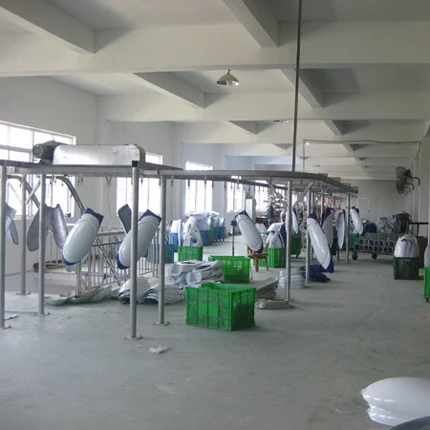
Danyang Ronny Lighting Co., Ltd.
- Manufacturer, Trading Company
- Jiangsu, China
- Lead time10 days
- Avg. response≤ 19h
Main productsstreet light,LED street light,LED highbay light,LED garden light,LED floodlight
Main marketsWestern Europe(25.00%), Southeast Asia(20.00%), Mid East(15.00%), Domestic Market(10.00%), Eastern Asia(10.00%), North America(10.00%), Eastern Europe(5.00%), Africa(5.00%)

Changzhou Super Auto Parts Co., Ltd.
- Verified by CTI
- Combined
- China Jiangsu
- Lead time30 days
- Avg. response≤ 5h
Main productsAuto Lamp, Auto Mirror, Auto Parts, Bus Lamp, Bus Mirror, Bus Parts, Truck Light, Truck Mirror, Truck Parts, Bus Light
Main marketsSouth America,Southeast Asia/ Mideast,Europe,Australia

JINAN GUYUE AUTO PARTS CO., LTD.
- Verified by SGS
- Trading Company
- China Shandong
- Lead time15 days
- Avg. response≤ 7h
Main productsFAW Sinotruck Shacman Beiben Truck Spare Part, Bus Spare Parts, Light Truck Spare Parts, Tyre, Construction Machinery, Fuwa Ror BPW Trailer Spare Parts
Main marketsAfrica,Southeast Asia/ Mideast,North America
Qingdao Phillaya International Trading CO.,LTD
- Verified by SGS
- Trading Company
- China Shandong
- Lead time15 days
- Avg. response≤ 14h
Main productsTrailer Accessory, Trailer Axle, Trailer Part, Trailer SKD/SKD, Truck Parts, Trailer Suspension, Trailer Landing Gear, Trailer Body, Trailer Spare Parts
Main marketsAfrica
Ningbo Joy International Trade Co., Ltd.
- Verified by BV
- Trading Company
- China Zhejiang
- Lead time30 days
- Avg. response≤ 7h
Main marketsEurope


Wholesale Auto Parts Car Spare Parts Car Lights Headlamp Auto Lamp Auto Headlight
$400.00 - $500.00
MOQ: 1 Sets


Danyang Xiatian Auto Parts Co., Ltd.
- Verified by SGS
- Trading Company
- China Jiangsu
- Lead time0 days
- Avg. response≤ 6h
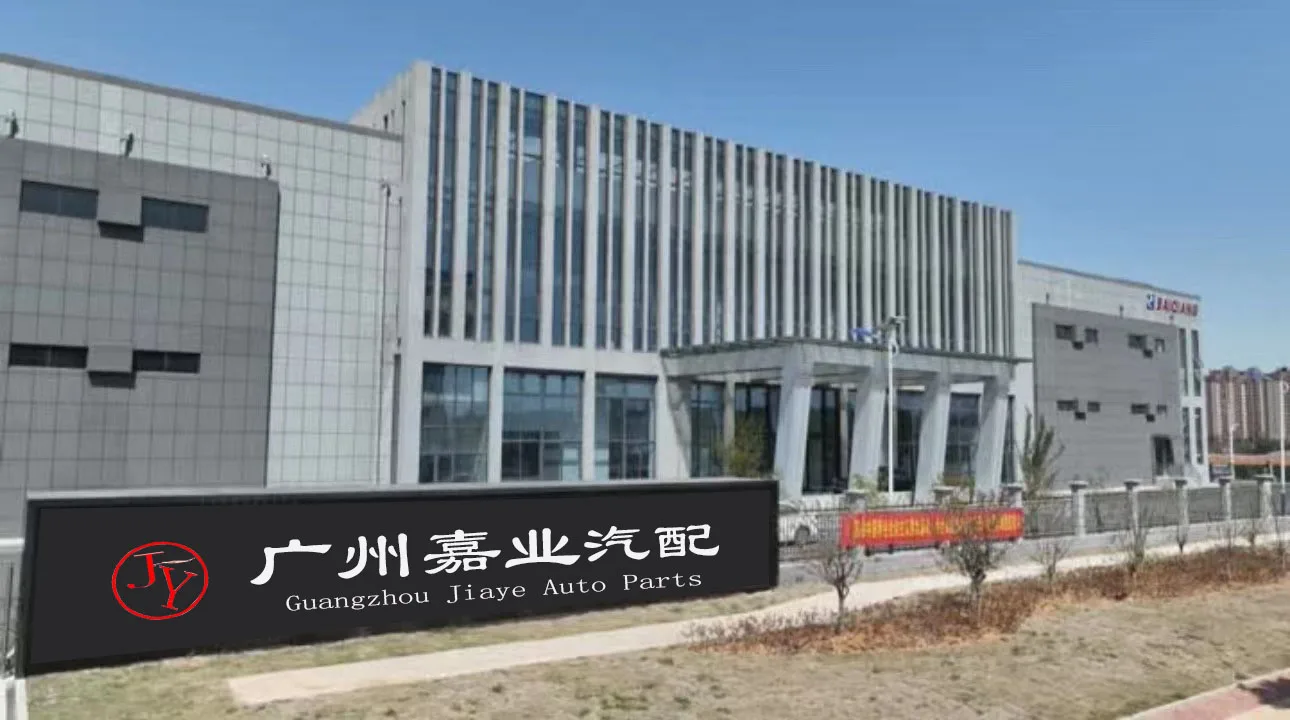
Guangzhou Jiaye Auto Parts Co., Ltd.
- Trading Company, Distributor/Wholesaler
- Guangdong, China
- Lead time15 days
- Avg. response≤ 5h
Main productsFront bumper,hub,Fender,the front axle,headlight
Main marketsNorth America(35.00%), South America(30.00%), Central America(13.00%), Eastern Europe(10.00%), Southeast Asia(5.00%), Africa(5.00%), Oceania(1.00%), Western Europe(1.00%)

Changzhou Dingfeng Auto Lamps Co., Ltd.
- Manufacturer
- China Jiangsu
- Lead time0 days
- Avg. response≤ 18h
Main productsAuto Lamp

Pingxiang Bowang Industry Co.,Ltd.
- Verified by TUVRHEINLAND
- Manufacturer/Factory
- China Jiangxi
- Lead time15 days
- Avg. response≤ 2h
Main productsLED Car Light, LED Marker Light, LED Work Light, Truck Lamp, Trailer Light, Tail Light, High Mount Brake Light, Whip Light, Boat Light, RV Light
Main marketsSouth America,Eastern Europe,Mid East,North America,Southeast Asia,Eastern Asia,Oceania,Western Europe,Africa






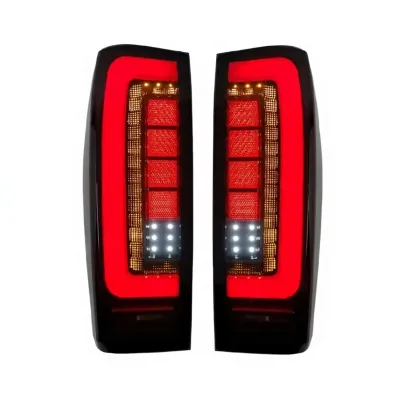
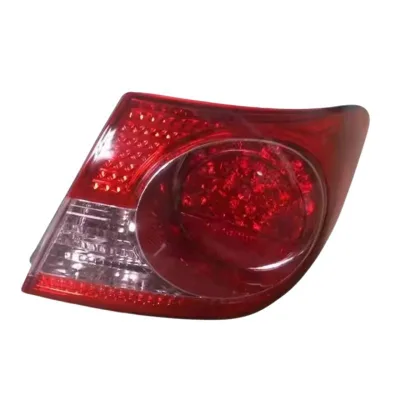
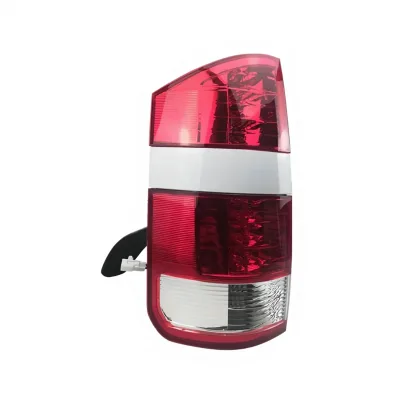
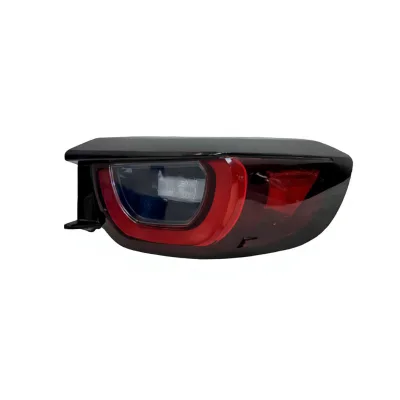




Comprehensive Sourcing Guide
Universal Fitment Taillight Supplier Concentration and Factory Types
When sourcing Universal Fitment Taillight products, buyers will encounter several distinct supplier types on B2B platforms, and recognizing the differences early prevents wasted inquiry time. Manufacturer/factory listings typically present themselves as production operations, and some carry third-party verification badges such as SGS or TÜV Rheinland, which indicate an on-site or document-based assessment rather than a guarantee of product quality. Combined companies—those operating both manufacturing and trading functions—are also common in this category, and one Fujian-based example in current results lists a broad main-product range spanning trucks, buses, chassis, and electric auto parts alongside lighting items. Trading companies appear as well; one Beijing-based listing identifies itself as a trading company with main products far removed from lighting, such as undercarriage parts and diesel engines, yet still offers taillight modification accessories.
Concentration signals should come from verified facts, not assumptions. In the current results, listed locations include Fujian, Guangdong, and Beijing, which tells a buyer that relevant suppliers are not confined to a single province. Rather than presuming a cluster, check each supplier's stated location, company type, and main-product list for alignment with lighting. A supplier whose main products are seat covers or mats but who offers one taillight SKU deserves different scrutiny than one whose catalog centers on LED tail lights, signal lights, and work lights. Use these displayed dimensions as your first filter before contacting anyone.
How to Verify Universal Fitment Taillight Suppliers
Verification begins with the credentials a supplier chooses to display, but you must understand what each one actually attests. Third-party verification marks such as TÜV Rheinland or SGS generally confirm that the company was audited for identity, operational status, or factory existence—not that its taillights pass photometric or durability tests. System certifications like an ISO9001:2015 certificate, which appears on a Fujian combined-company listing in current results, indicate a quality management framework rather than compliance for a specific lamp model. Product-level attributes require equal care: one Guangdong factory listing displays a CCC certification on a universal truck taillight, but CCC applies to products sold in China and does not substitute for destination-market approvals.
Practical verification should therefore combine displayed evidence with your own checks. Confirm the legal business name and location match across the platform profile and any invoice or contract you receive. For a taillight specifically, request the actual test documentation for waterproofing claims—one listing advertises IP68 and a 50,000-hour lifespan, figures you should ask to substantiate with reports. Verify voltage compatibility claims against your vehicle fleet; current results show both 12V-implied passenger applications and explicit 24V bus and truck lighting, so a mismatch here is a real functional risk. Finally, ask whether the verified entity is the actual producer or an intermediary, since trading companies can legitimately add value but change your communication and warranty pathway. Document every claim in writing before funds move.
What to Compare Across Universal Fitment Taillight Suppliers
Build a comparison sheet from attributes suppliers actually display, accepting that not every listing shows every field. Lead time is a primary differentiator: current results range from a Fujian combined company quoting 60 days, to a Beijing trading company at 10 days, to a Guangdong factory showing zero, which usually means the field is unfilled rather than instant shipping—always confirm in writing. Response time is another measurable field; figures in the results span roughly 1.58 to 10 hours, and faster response typically predicts smoother sampling and issue resolution during a production run.
MOQ comparison matters enormously in this category because entry points differ widely: one listing shows a minimum order of just 1 piece at a unit price range of 80–90, while another requires 500 pieces at 1.50–2.00 per unit, and a Beijing tools listing states a 2-piece MOQ at 200 per unit. These structures suit different buyer profiles—sample validation, small retrofit batches, or volume fleet programs—so match MOQ to your actual demand rather than chasing the lowest unit price. Also compare main-product breadth, company type, verification badges, and establishment history where shown, since a lighting-focused Guangdong factory with ODM/OEM capacity serves a different need than a diversified trading company. Record which fields are missing per supplier, and treat gaps as questions to ask, not silent negatives.
Common Universal Fitment Taillight Sourcing Risks
The most frequent risk in this category is specification ambiguity on universal-fitment claims. "Universal" in listings—one Guangdong product explicitly states Universal Fitment—means the lamp is not designed for a specific vehicle model, so wiring connectors, mounting hole patterns, and lens dimensions must be checked against your application before ordering. A listing showing dimensions like 456×120×11.6mm gives you a checkable figure; use it. Another risk is conflating product-level and company-level credentials: a CCC mark on one SKU says nothing about other products in the catalog, and an ISO9001:2015 system certificate does not certify individual lamp performance.
Misreading attribute fields creates quieter but costly errors. A zero lead time usually means data is missing, not speed. Voltage mismatches are common because results include both 24V bus/truck lighting and general automotive items—ordering 24V lamps for a 12V fleet renders them unusable. Packing terms can also be vague; one listing says packing follows "the provisions of the business contract," which leaves fragility protection entirely to your negotiation, a genuine concern for polycarbonate lenses. Finally, diversified suppliers whose main products are unrelated to lighting may be reselling rather than stocking, causing longer actual availability than quoted. Mitigate by requesting samples against written specifications, confirming connector types and base types (one listing specifies an H5W base), and insisting that all agreed attributes—voltage, material, waterproof rating, dimensions—appear in the proforma invoice.
Universal Fitment Taillight Regional Sourcing and Logistics
Regional understanding should rest only on what supplier profiles actually state. In current results, relevant suppliers list locations in Fujian, Guangdong, and Beijing, so this category cannot be mapped to a single province. Guangdong appears with a dedicated lighting factory whose main products are LED COB work lights, tail lights, signal lights, headlights, and related automotive lighting—an alignment between location, specialization, and product category that generally simplifies technical communication. Fujian appears with a combined manufacturing-trading company whose catalog is much broader, centered on trucks, buses, and chassis parts, which suggests lighting is one line among many. Beijing appears only with a trading company whose core products sit outside lighting.
For logistics planning, the practical variables are shipment origin, quoted lead time, and product fragility. Because suppliers sit in different provinces, freight consolidation from multiple suppliers requires coordinating pickup points, and quoted lead times in the results range from 10 to 60 days—a spread wide enough to change your inventory planning. Taillights combine plastic lenses, wiring, and in LED versions sensitive electronics, so carton quality, inner packaging, and drop-test expectations should be agreed before production; one listing explicitly leaves packing to contract terms, meaning nothing is protected unless you specify it. Confirm whether the supplier handles export documentation directly or works through an agent, and whether the quoted lead time starts at deposit, at sample approval, or at production release.
Universal Fitment Taillight Commercial Terms and Order Planning
Order planning for universal fitment taillights should start from the MOQ and price structures visible in listings, then negotiate outward. The spread in current results is instructive: 1-piece minimums at 80–90 per unit allow zero-risk sampling of a premium LED assembly; 2-piece minimums at 200 per unit suit modification-shop buyers; 500-piece minimums at 1.50–2.00 per unit define a volume pathway with a factory whose product attributes include customizable color and packing. Calculate landed cost at your realistic annual volume before committing, because unit-price gaps of this magnitude usually reflect different constructions, materials, and certification levels, not just margin.
Commercial terms to lock in writing include: exact unit price tiers at defined quantities; the lead-time start trigger and penalty or remedy for delay; payment structure that protects you proportionally to supplier risk—newer or unverified suppliers justify more conservative terms; and packing specifications naming carton strength, inner trays, and labeling. Confirm whether OEM/ODM customization—offered by at least one factory in the results—carries tooling or artwork charges and who owns resulting molds. For repeat programs, request a written validity period on pricing since LED component costs move. Finally, reconcile every negotiated attribute against the original listing data—model numbers such as those shown in current listings, voltage, base type, dimensions—so the contract version is the binding one and platform descriptions cannot drift between order cycles.
FAQs
What does universal fitment mean for a taillight?
Universal fitment means the taillight is designed without a vehicle-specific mounting pattern, so it can be installed on many trucks, buses, or trailers. Buyers should confirm mounting hole spacing, wiring connector type, and voltage before ordering. Requesting dimensional drawings and sample units helps verify compatibility with your fleet before committing to volume purchases.
What voltage should I choose for truck or bus taillights?
Most heavy trucks and buses use 24V lighting systems, and many universal taillights listed for commercial vehicles are rated at 24V. Passenger cars typically use 12V, so confirm your vehicle's electrical system first. Mixing voltages can cause dim output or premature failure, so always match the taillight rating to your application.
What is a typical minimum order quantity for universal taillights?
MOQs vary widely by product and supplier type. Some listed universal taillights have MOQs as low as 1 or 2 pieces for sample or small orders, while factory-direct COB models may require 500 pieces. Ask each supplier for the current MOQ, and consider ordering a sample first to evaluate quality before scaling up.
How much do universal fitment taillights cost?
Prices depend on materials and features. Listed examples range from about 1.5 to 2 US dollars for basic COB truck taillights, 10 to 15 dollars for LED combination lamps, and up to 80 to 90 dollars for larger LED assemblies with fog light functions. Request quotes based on your quantity and specification requirements.
Which certifications should I verify when sourcing taillights?
Ask suppliers for evidence of relevant certifications such as CCC for products sold in China, plus any E-mark or DOT approval required in your destination market. Some suppliers also hold ISO9001:2015 quality management certificates. Always request copies of current certificates and verify their validity rather than relying on listing claims alone.
Are custom taillight designs or private labeling available?
Many suppliers list customization as available, and some hold ODM and OEM capability. Options can include color, packaging, and specification adjustments. Confirm which customization stages require tooling fees, what the minimum quantity is for custom orders, and how long samples take. Written confirmation of your drawings and requirements protects both parties.
How important is waterproof rating for a taillight?
Very important, because taillights face rain, road spray, and pressure washing. Some listed universal truck taillights specify IP68 waterproofing, which indicates strong protection against dust and water ingress. Ask suppliers to state the exact IP rating for your chosen model and confirm how the rating was tested before placing a bulk order.
How can I check a supplier's reliability before ordering?
Review verification status, such as third-party inspections by TUV Rheinland or SGS, and check the supplier type, since factories and trading companies differ in pricing and flexibility. Compare average response times, which range from under two hours to ten hours in current listings. Request references, verify business licenses, and start with a trial order.