Robot Gripper Suppliers and Manufacturers in China
Source 21 Robot Gripper suppliers from Guangdong and Jiangsu. Compare specifications like stroke, voltage, and certifications such as CE. Verify lead times and response rates to select the right partner; review the available evidence before requesting comparable quotations from suitable candidates.
Suppliers List

Hitbot Technology (Shenzhen) Co., Ltd.
- Manufacturer, Trading Company, Distributor/Wholesaler
- Guangdong, China
- Lead time30 days
- Avg. response≤ 5h
Main productsRobot arm,Robot gripper,Robot manipulator,Linear actuator,Industrial robot
Main marketsEastern Asia(60.00%), Domestic Market(20.00%), North America(10.00%), Western Europe(10.00%)
Jinan Aotto Automation Co., Ltd.
- Manufacturer, Trading Company
- Shandong, China
- Lead time30 days
- Avg. response≤ 7h
Main productsMachine guard fence,Impact barrier,Pneumatic gripper,EOAT(end of arm tooling),Tool changer
Main marketsDomestic Market(35.00%), Northern Europe(15.00%), Western Europe(15.00%), Mid East(10.00%), Oceania(10.00%), Southeast Asia(10.00%), Eastern Asia(5.00%)
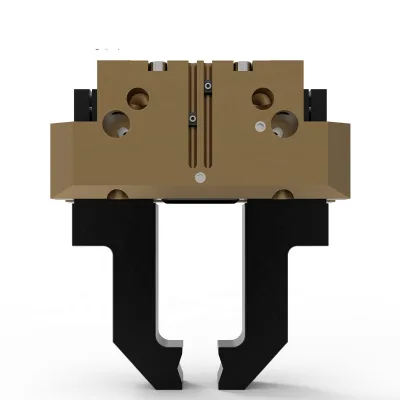


Robotic Gripper for Robotic Arm End Effector
$85.00 - $90.00


Two-finger Flat Manipulator for Industrial Robot Grippers
$85.00 - $90.00
Qingdao Haibaili Automation Technology Co., Ltd.
- Verified by TüVRheinland
- Manufacturer, Trading Company
- Lead time0 days
Main productsIndustrial Robot
- Trading Company
- Hong Kong S.A.R.
- Lead time30 days
- Avg. response≤ 19h
Main productssoftware,robot,industiral solution
Main marketsEastern Asia(60.00%), Western Europe(40.00%)
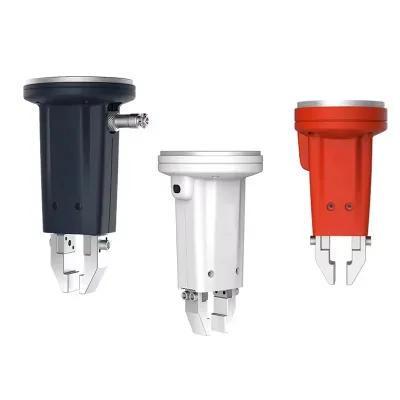
Cheap Collaborative Telescopic Mechanical Robot Arm Clamp Parallel Gripper Arm
$490.00 - $520.00
MOQ: 1
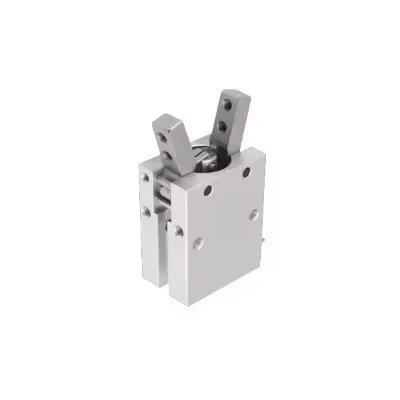
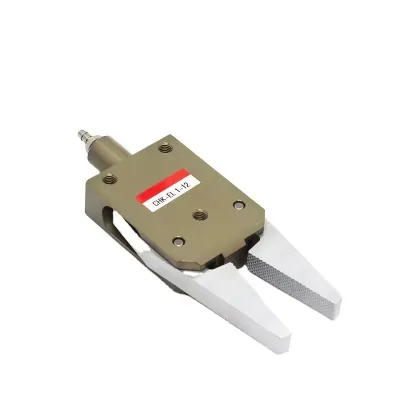
Type Automatic Manipulator Accessories Pneumatic Fixture Small Robot Cylinder Holder
$42.00 - $49.00
MOQ: 1
Henan Sincerely Industrial Co., Ltd.
- Manufacturer, Trading Company
- Henan, China
- Lead time10 days
- Avg. response≤ 2h
Main productsfarm machinery,agricultural machinery,forklift,animal husbandry machinery,grass cutters
Main marketsSouth America(20.00%), South Asia(10.00%), Africa(10.00%), Eastern Asia(10.00%), Southern Europe(8.00%), Western Europe(6.00%), Northern Europe(5.00%), Central America(5.00%), Southeast Asia(5.00%), North America(5.00%), Mid East(5.00%), Oceania(4.00%), Domestic Market(4.00%), Eastern Europe(3.00%)
Shenzhen Jinxinda Hardware Products Co., Ltd.
- Verified by TüVRheinland
- Manufacturer, Trading Company
- Lead time7 days
Main productsCNC Machining Parts, Pneumatic Components, Stainless Steel Water Pipe Joint, Vacuum Chuck, Silicone Rubber Products
Main marketsEastern Europe(30%), Southeast Asia(20%), North America(10%)

Shandong Cyber CNC Group Co., Ltd.
- Manufacturer, Trading Company
- Shandong, China
- Lead time15 days
- Avg. response≤ 3h
Main productsRobot, CNC Cutting Machine
Main marketsSouth America(15.00%), Domestic Market(15.00%), Central America(10.00%), Africa(10.00%), Mid East(8.00%), North America(8.00%), Southeast Asia(7.00%), Eastern Asia(6.00%), South Asia(5.00%), Northern Europe(5.00%), Oceania(3.00%), Eastern Europe(3.00%), Western Europe(3.00%), Southern Europe(2.00%)
Dr.Industrial Robotic Technology Ltd.
- Verified by SGS Group
- Trading Company
- Lead time0 days
Main productsIndustrial Robot Arm Working Station, Robot Positioner, Collaborative Robots, Robot Track Rail, Robot Parts
Main marketsEastern Europe(35%), North America(15%), Southeast Asia(15%)
Shenzhen Inspire Robots Technology Co., Ltd.
- Manufacturer
- Guangdong, China
- Lead time10 days
- Avg. response≤ 4h
Main productsDexterous Robot Hands,Robot Hands,Humanoid Hands,Micro Linear Servo Actuator,Mini Linear Actuator
Main marketsDomestic Market(40.00%), North America(15.00%), Northern Europe(10.00%), South Asia(5.00%), Eastern Europe(5.00%), Western Europe(5.00%), Eastern Asia(5.00%), Mid East(5.00%), Oceania(5.00%), South America(5.00%)

- Trading Company
- China Guangdong
- Lead time23 days
- Avg. response≤ 6h
Main productsCobot, Collaborative Robot, Aubo Cobot, Welding Robot, Painting Robot, Scara Robot, Delta Robot, Glue Dispensing Machine, Cartesian Robot, UR Cobot
Main marketsSouth America,Africa,Southeast Asia/ Mideast,East Asia(Japan/ South Korea),Europe,Australia,North America

Dh AG 95 Grippers for Collaborative Robot Similar with Gripper Electric Gripper Welding
$1000.00 - $7000.00
MOQ: 1 Pieces

3kgs Collbrative Robot Gripper Robotiq on Robot Linkage-Type Adaptive Grippers Phnematic Gripper
$1000.00 - $7000.00
MOQ: 1 Pieces

Electric Robot Gripper Open and Closing Gripper
MOQ: 1 Pieces

Hotsale Robot Gripper Servo Electric Gripper
MOQ: 1 Pieces

SHANDONG UNITY ROBOTICS CO., LTD.
- Verified by SGS
- Manufacturer
- China Shandong
- Lead time30 days
- Avg. response≤ 3h
Main productsIndustrial Robot, Parallel Robot, Boxing Machine, Parallel Robot Boxing Workstation, Collaborative Palletizing Workshop, Intelligent Packing System, Four Axis Palletizing and Unpacking Machine, Pasteurization Line, Robot Arm, Upgrating of Producing Line

Soft Gripping Robotic for Universal Robot Collaborative Robot Cobot Arm
$5000.00 - $50000.00
MOQ: 1 Pieces

Versatile Soft Grippers for Collaborative Robotic Palletizing Tasks
$8000.00 - $15000.00
MOQ: 1 Pieces

Vacuum Grippers High Quality Good Price Collaborative Robots Soft Grippers
$8000.00 - $15000.00
MOQ: 1 Pieces

Parallel Robot Manipulator Robot Arm Gripper Intelligent Robotics Arm Loading and Unloading
$2000.00 - $15000.00
MOQ: 1 Pieces

Suzhou Egroeco Industry Co. Ltd
- Trading Company
- China Jiangsu
- Lead time15 days
- Avg. response≤ 2h
Main productsSoft Robotic Gripper, Pneumatic Gripper, Eoat, Robot, Industrial Equipment, End of Arm Tooling
Main marketsSoutheast Asia/ Mideast,East Asia(Japan/ South Korea),Europe,Australia,North America


Collaborative Robot Arm Pneumatic Finger Soft Gripper Two Beaks High Speed and Precision
$35.00 - $90.00
MOQ: 1 Pieces

Universal Collaborative Robot Arm Pneumatic Finger Soft Gripper Two Beaks High Speed and Precision
$35.00 - $90.00
MOQ: 1 Pieces

Collaborative Robot Arm Pneumatic Finger Soft Gripper High Speed and Precision Robotics
$35.00 - $90.00
MOQ: 1 Pieces

Soft Robotic with Collaborative Robotic Arm High Speed and High Precision Assembly Sucker Gripper
$35.00 - $90.00
MOQ: 1 Pieces

Benson Intelligent Equipment (Shandong) Co., Ltd.
- Verified by BV
- Combined
- China Shandong
- Lead time23 days
- Avg. response≤ 1h
Main productsPacking Machinery, Packaging Machinery
Main marketsDomestic,North America
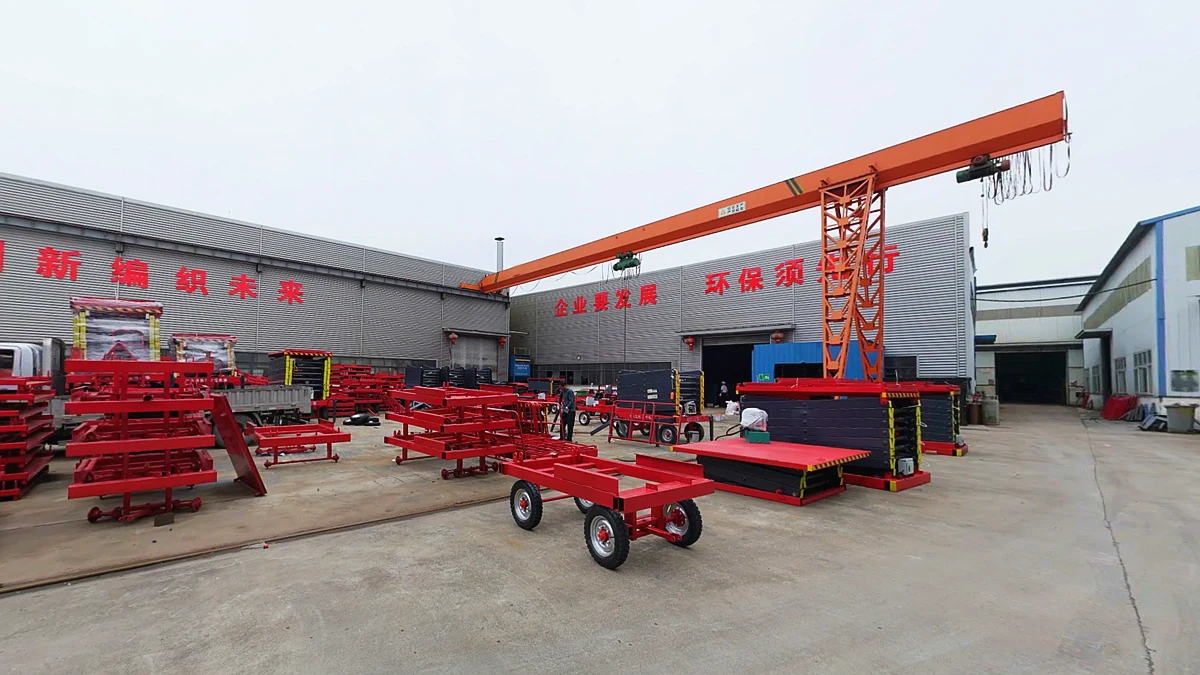
Henan Gain Hydraulic Machinery Co., Ltd.
- Trading Company
- Henan, China
- Lead time7 days
- Avg. response≤ 1h
Main productsLift,car shock absorber,Auto parts,Logistics handling equipment,car brake
Main marketsDomestic Market(40.00%), North America(25.00%), Eastern Europe(15.00%), Western Europe(10.00%), South America(5.00%), Mid East(5.00%)
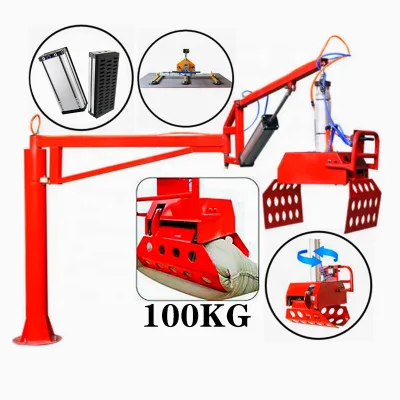
$308.28 - $513.80
MOQ: 1 pieces
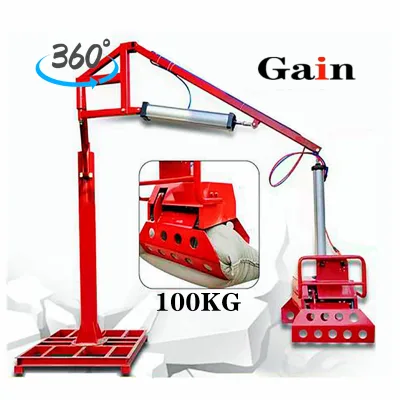
$500.00 - $900.00
MOQ: 1 pieces


Ningbo Jecsany Electrical Equipment Co., Ltd.
- Verified by SGS
- Trading Company
- China Zhejiang
- Lead time30 days
- Avg. response≤ 3h
Main productsVacuum Circuit Breaker, Surge Arrester, Fuse Cutout, Polymer Insulator, Isolate Disconnector, Power Electrical Fitting, Cable Wire Terminals, Aerial Electrical Fittings, Strapping Band, LED Light
Main marketsSouth America,Africa,Southeast Asia/ Mideast,Domestic,Europe

Dr. Industrial Robot Technology Co., Ltd.
- Verified by CTI
- Trading Company
- China Shanghai
- Lead time45 days
- Avg. response≤ 2h
Main productsIndustrial Robot, Cobot, Welding Robot, Collaborative Robot, Palletizing Robot, Welding Positioner, Suction Cup, Robot Gripper, Manipulator, Robot Linear Track
Main marketsSoutheast Asia/ Mideast,Europe,North America

Collaborative Robot Self Adaptation Two Finger Electric Grippers Stroke 120mm Grip Force 40n
$800.00 - $1000.00
MOQ: 1 Pieces

Industrial Robot Suction and Holding Integrated Gripper Pneumatic Clamp Force Controlled
$2100.00 - $2500.00
MOQ: 1 Pieces

Suzhou Buswille Intelligent Technology Co., Ltd.
- Verified by TUVRHEINLAND
- Combined
- China Shanghai
- Lead time15 days
- Avg. response≤ 2h
Main productsWelding Robot, Electric Screwdriver, Collaborative Robot Arm, Industrial Robot Arm, Industrial Camera
Main marketsDomestic


Industrial Slim-Type Electric Parallel Flexible Robot Pneumatic Finger Manipulator Gripper
$630.00 - $650.00
MOQ: 1 Pieces


Good Robot (Shandong) Automation Equipment Co., Ltd.
- Trading Company
- China Shandong
- Lead time0 days
- Avg. response≤ 3h
Main productsIndustrial Robots, Welding Robots, Handling Robots, Robot Rails, Positioners

High Precision Pneumatic Robot Grippers for Industrial Automation and Material Handling
$900.00 - $1800.00
MOQ: 1 Pieces

Customizable Electric Robot Grippers with Adjustable Stroke for Assembly Line Applications
$900.00 - $1800.00
MOQ: 1 Pieces
Ningbo Fenghua Gogo Automatic Trading Company Limited
- Trading Company
- Lead time旺季: "1 - 1000":15,"> 1000":"To be negotiated", 淡季: "1 - 1000":15,"> 1000":"To be negotiated"
Main productsMechanical Parts, Auto Parts, Electric Parts, Pneumatic, Valve

Dongguan Taize Intelligent Technology Co., Ltd.
- Verified by SGS
- Manufacturer/Factory
- China Guangdong
- Lead time15 days
- Avg. response≤ 3h
Main productsGlass Vacuum Lifter, Suction Cup Lifter, Vacuum Tube Lifter, Glass Suction Lifter, Glass Sucker Lifter, Vacuum Cup Lifter, Panel Sheet Metal Slab Lifter, Jib Crane, Loading Machine, Flexible Overhead Jib Crane
Main marketsSouth America,Eastern Europe,Mid East,North America,Southeast Asia,Eastern Asia,Western Europe

Beijing Zhongping Technology Co., Ltd.
- Verified by SGS
- Trading Company
- China Beijing
- Lead time15 days
- Avg. response≤ 3h
Main productsPLC, VFD, Breaker, Inverter, Switch, Pump, Hydraulic
Main marketsOthers(foreignTradeCapacity.exportBusinessCapacityMarketOther),Southeast Asia/ Mideast,Domestic,Europe

Japanese Precision Pneumatic Robot Gripper for Electric Pick-and-Place with Lightweight Grippers
$1.00 - $9999.00
MOQ: 1 Pieces

Air-Powered Soft Robotic Gripper for Rigid-Jaw Handling with Adjustable Grip Force Grippers
$1.00 - $9999.00
MOQ: 1 Pieces


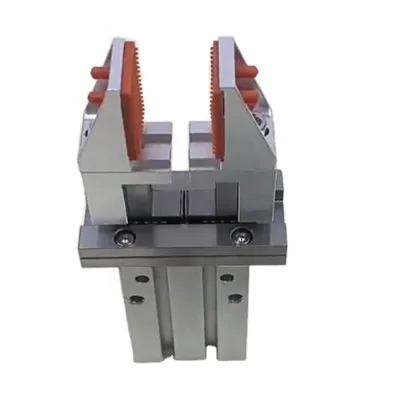


Comprehensive Sourcing Guide
Robot Gripper Supplier Concentration and Factory Types
The current supplier landscape for robot grippers reveals a diverse mix of company types, including manufacturers, trading companies, and distributors or wholesalers. This variety suggests that buyers can access products through different channels, each offering distinct advantages in terms of pricing, customization, and supply chain stability. Manufacturers typically provide direct access to production capabilities, allowing for greater control over quality assurance and potential customization of core components such as PLCs, gearboxes, and motors. Trading companies, on the other hand, may offer a broader portfolio of compatible parts and faster access to off-the-shelf solutions, leveraging their network to aggregate inventory from multiple sources. Distributors and wholesalers often focus on volume sales and established logistics, making them suitable for buyers seeking immediate availability of standard models. Understanding these distinctions is crucial for aligning supplier selection with specific project requirements, whether the priority is bespoke engineering or rapid deployment of proven hardware.
Geographic concentration plays a significant role in the availability and specialization of Robot Gripper suppliers. Evidence indicates that a notable portion of suppliers are located in Guangdong, China, a region known for its robust manufacturing ecosystem and industrial machinery clusters. This concentration facilitates efficient supply chains for components like servo motors and electronic control units, which are critical for the performance of electric and collaborative robot grippers. Additionally, some product origins are listed as Jiangsu, China, highlighting another key industrial hub for precision machinery and automation components. Buyers should consider these regional strengths when evaluating potential partners, as proximity to manufacturing hubs can influence lead times, shipping costs, and the ease of conducting factory audits. The presence of suppliers in these specific regions suggests a mature supply chain infrastructure, but it also necessitates careful verification of individual supplier capabilities to ensure they meet specific technical and quality standards.
How to Verify Robot Gripper Suppliers
Verifying the legitimacy and capability of Robot Gripper suppliers requires a multi-layered approach that goes beyond basic profile reviews. Buyers should prioritize suppliers who provide tangible evidence of product quality and operational transparency. For instance, the availability of machinery test reports and video outgoing-inspection services serves as a strong indicator of a supplier’s commitment to quality control. These documents and visual proofs allow buyers to assess the functional integrity of the grippers before committing to large orders. Additionally, checking for relevant certifications, such as CE and FCC, is essential for ensuring compliance with international safety and electromagnetic compatibility standards, particularly for products intended for use in regulated markets. Suppliers that proactively provide these certifications demonstrate a higher level of professionalism and adherence to global regulatory requirements, reducing the risk of customs delays or product rejection.
Beyond documentation, direct engagement with suppliers is a critical verification step. Buyers should evaluate the supplier’s response time, as a quick and detailed reply often reflects a well-organized sales and technical support team. A response time of five days or less, as observed in some results, suggests a responsive communication channel, which is vital for resolving technical queries and negotiating terms efficiently. Furthermore, buyers should inquire about the supplier’s establishment year and production capacity to gauge their market experience and scalability. Suppliers with a longer track record and higher annual production capacities, such as those capable of producing thousands of units per year, are generally more reliable for long-term partnerships. It is also advisable to verify the supplier’s business type, whether they are a manufacturer or a trading company, to understand their direct involvement in the production process and their ability to handle custom orders or technical modifications.
What to Compare Across Robot Gripper Suppliers
When evaluating multiple Robot Gripper suppliers, buyers must compare a range of technical and commercial attributes to identify the best fit for their application. Key technical specifications to compare include the gripper’s stroke length, clamping force, and recommended gripping weight, as these parameters directly impact the suitability of the product for specific tasks. For example, some models offer a stroke of 8mm with a clamping force of 8-20N, suitable for delicate handling, while others provide a 90mm stroke with higher force capabilities for heavier loads. Additionally, the voltage requirements, such as 24V±10%, and the type of motor used, whether servo or standard, are critical for integration with existing robotic systems. Buyers should also compare the accuracy and repeatability of the grippers, with some models boasting an accuracy of ±0.02mm, which is essential for high-precision automation tasks. These technical comparisons ensure that the selected gripper meets the precise operational demands of the intended application.
Commercial terms and logistical factors are equally important in the comparison process. Buyers should compare lead times, which can vary significantly between suppliers, with some offering a standard lead time of 30 days. This information is crucial for production planning and inventory management. Pricing is another key differentiator, with costs ranging from approximately $380 to $900 depending on the model and specifications. Buyers should also compare warranty terms, with many suppliers offering a one-year warranty, and after-sales support options, such as online video technical support. Payment terms, such as T/T, and the availability of escrow services can also influence the decision, providing varying levels of financial security. By systematically comparing these technical and commercial attributes, buyers can make informed decisions that balance performance, cost, and risk, ensuring a successful procurement outcome.
Common Robot Gripper Sourcing Risks
Sourcing robot grippers involves several potential risks that buyers must proactively manage to ensure a smooth procurement process. One significant risk is the mismatch between technical specifications and actual product performance. Without thorough verification, buyers may receive grippers that do not meet the required stroke, force, or accuracy standards, leading to production delays and additional costs for replacements. This risk is heightened when dealing with trading companies or suppliers with less transparent quality control processes. To mitigate this, buyers should insist on detailed technical datasheets and, if possible, request samples for testing before placing bulk orders. Additionally, the risk of intellectual property infringement or counterfeit products exists, particularly when sourcing from unverified suppliers. Buyers should verify the authenticity of brand names and certifications to avoid legal issues and ensure the reliability of the components.
Another common risk is the variability in lead times and shipping reliability. Suppliers may promise short lead times but fail to deliver on schedule due to production bottlenecks or logistical issues. This can disrupt the buyer’s production timeline and impact customer satisfaction. To address this, buyers should establish clear communication channels and request regular updates on production status. Furthermore, the risk of inadequate after-sales support can arise if the supplier lacks the technical expertise to assist with installation or troubleshooting. Buyers should verify the availability of comprehensive support services, including online video technical support and spare parts availability, to ensure long-term operational continuity. By identifying and addressing these risks early in the sourcing process, buyers can build more resilient supply chains and minimize the potential for costly disruptions.
Robot Gripper Regional Sourcing and Logistics
Regional sourcing strategies can significantly impact the efficiency and cost-effectiveness of procuring robot grippers. Suppliers located in industrial hubs like Guangdong and Jiangsu in China benefit from established logistics networks and proximity to component suppliers, which can reduce lead times and shipping costs. Buyers should consider the geographic location of suppliers when evaluating shipping options and customs procedures. For instance, sourcing from Guangdong may offer faster access to ports and more frequent shipping schedules, which is advantageous for time-sensitive projects. However, buyers must also account for potential tariffs and import duties, which can vary based on the country of origin and the specific trade agreements in place. Understanding these logistical factors helps buyers optimize their supply chain and minimize total landed costs.
Logistics planning also involves coordinating with suppliers to ensure proper packaging and handling of sensitive electronic components. Robot grippers often contain delicate parts such as servo motors and PLCs, which require careful packaging to prevent damage during transit. Buyers should verify that suppliers use appropriate packaging materials and methods, such as single package sizes that protect the product while optimizing container space. Additionally, buyers should consider the supplier’s experience with international shipping and their ability to provide necessary documentation, such as commercial invoices and packing lists, to facilitate smooth customs clearance. By aligning regional sourcing decisions with logistical capabilities, buyers can enhance supply chain resilience and ensure timely delivery of robot grippers to their facilities.
Robot Gripper Commercial Terms and Order Planning
Effective order planning for robot grippers requires careful consideration of commercial terms and financial arrangements. Buyers should negotiate clear payment terms, such as T/T, and explore the availability of escrow services to protect their financial interests. Escrow services provide a secure transaction mechanism, releasing funds only when the buyer confirms receipt and satisfaction with the goods. This is particularly important for first-time buyers or large orders, as it reduces the risk of fraud or non-delivery. Additionally, buyers should clarify the warranty terms, ensuring that the supplier offers a comprehensive one-year warranty and clear procedures for claiming repairs or replacements. Understanding the warranty coverage and after-sales support options is crucial for managing long-term operational costs and ensuring the reliability of the purchased equipment.
Order planning also involves forecasting demand and aligning it with supplier production capacities. Buyers should assess the supplier’s annual production capacity, such as 20,000 pieces per year, to ensure they can meet the buyer’s volume requirements without compromising quality or lead times. For larger orders, buyers may need to schedule production in advance and coordinate with the supplier to manage inventory levels. Additionally, buyers should consider the MOQ (Minimum Order Quantity) and pricing tiers, as these can influence the cost-effectiveness of the purchase. By developing a robust order planning strategy that accounts for commercial terms, production capacity, and logistical constraints, buyers can optimize their procurement process and achieve better value from their Robot Gripper suppliers.
FAQs
What is the price range for robot grippers?
Prices for robot grippers typically range from $380 to $900 per unit. The final cost depends on the specific model, stroke length, and clamping force required. Buyers should check individual product listings for exact pricing tiers and bulk order discounts available from suppliers.
What is the typical lead time for orders?
The standard lead time for manufacturing robot grippers is approximately 30 days. This duration allows for production, quality testing, and packaging. Buyers should confirm specific delivery schedules with suppliers, as rush orders or custom configurations may alter these timelines significantly.
What certifications do these grippers have?
Many robot grippers are certified with CE and FCC standards to ensure safety and compliance. Some models also provide machinery test reports and video outgoing inspections. Buyers should verify specific certification documents with suppliers to ensure they meet local regulatory requirements for their operations.
What is the warranty period for these products?
Most robot grippers come with a one-year warranty covering manufacturing defects. This warranty typically includes online video technical support for troubleshooting. Buyers should review the specific warranty terms provided by each supplier to understand coverage limits and claim procedures for their purchased units.
Where are these robot grippers manufactured?
These robot grippers are primarily manufactured in Guangdong and Jiangsu, China. Suppliers in these regions offer various models with different specifications. Buyers can filter search results by location to find suppliers closer to their logistics hubs or with specific regional manufacturing capabilities.
What is the response time for supplier inquiries?
Suppliers typically respond to inquiries within 5 hours. This quick response time helps buyers get quotes and technical details faster. Buyers should expect prompt communication when contacting manufacturers or trading companies for Robot Gripper specifications, pricing, and sample availability requests.