Ring Spun Gradient Cake Yarn Suppliers and Manufacturers
Source 12 verified Ring Spun Gradient Cake Yarn suppliers in China Jiangsu. Compare response times, lead times, MOQs, and certifications like GRS and OEKO-TEX. Review product specs and request quotes directly from manufacturers; review the available evidence before requesting comparable quotations from suitable candidates.
Suppliers List

Xuzhou Seagor Import and Export Co., Ltd.
- Verified by TUVRHEINLAND
- Combined
- China Jiangsu
- Lead time30 days
- Avg. response≤ 15h
Main productsPolyester Cotton Yarn, Viscose Yarn, Nep Yarn, Core Spun Yarn, Lurex Yarn, Blend Yarn, Tencel Yarn, Grs Yarn, Recycled Yarn, Regenerated Yarn
Main marketsOthers(foreignTradeCapacity.exportBusinessCapacityMarketOther),Europe,North America

Suzhou Hanyun New Material Technology Co., Ltd.
- Verified by TUVRHEINLAND
- Manufacturer/Factory
- China Jiangsu
- Lead time23 days
- Avg. response≤ 3h
Main productsYarn, Recycled Yarn, Polyester Yarn, Nylon Yarn, Poly Yarn, Chemical Yarn, Cotton Yarn
Main marketsSouth America,Eastern Europe,Mid East,North America,Southeast Asia,Eastern Asia,Oceania,Western Europe,Africa


100%Viscose Yarn Ring Spun Yarn
MOQ: 24000 kg

Shanghai Charmkey Textile Co., Ltd.
- Verified by BV
- Trading Company
- China Shanghai
- Lead time23 days
- Avg. response≤ 7h
Main productsYarn, Blended Yarn, Fancy Yarn, Acrylic Yarn, Cotton Yarn, Wool Yarn, Chenille Yarn, Chunky Yarn, T Shirt Yarn, Polyester Yarn
Main marketsEurope

- Verified by CTI
- Trading Company
- China Fujian
- Lead time30 days
- Avg. response≤ 25h
Main products100% Polyester Yarn, Polyester Spun Yarn, DTY, FDY, POY, T/C Yarn, T/R Yarn, Viscose Yarn, Polyester Staple Fiber, Blended Yarn
Main marketsSoutheast Asia/ Mideast,East Asia(Japan/ South Korea),Europe

Zhangjiagang Fengkai Textile Technology Co., Ltd.
- Verified by SGS
- Manufacturer/Factory
- China Jiangsu
- Lead time45 days
- Avg. response≤ 25h
Main productsPolyester Fiber and Yarn, Polypropylene Fiber, Nylon Fiber and Yarn, Chemical Fiber Production Equipment and Accessor
Main marketsSouth America,Eastern Europe,Mid East,North America,Eastern Asia,Oceania,Western Europe,Africa
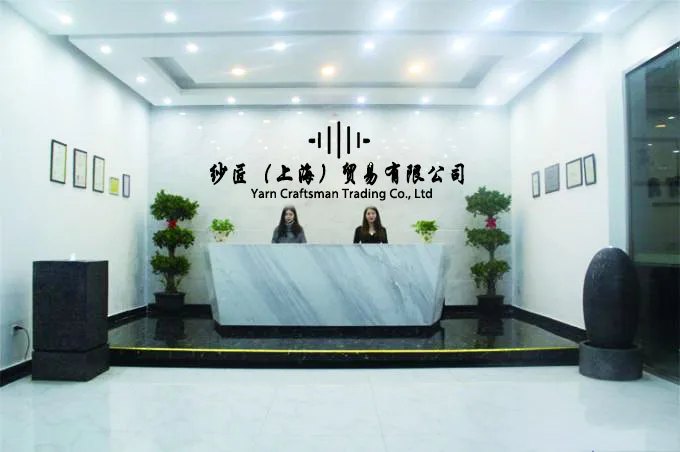
Yarn Craftsman Trading (Shanghai) Co., Ltd.
- Trading Company
- Shanghai, China
- Lead time30 days
- Avg. response≤ 13h
Main productsfancy yarn,woven blanket,wool yarn,knitting tool,baby accessories
Main marketsEastern Asia(40.00%), South America(20.00%), Southern Europe(15.20%), Eastern Europe(13.80%), Domestic Market(10.00%), Southeast Asia(1.00%)
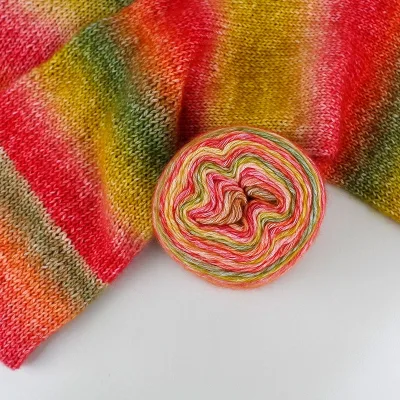
2024 Blended Cake Yarn 60%cotton 30%acrylic 10%wool Color Spun Fancy Yarn for Hand Knitting
$2.04 - $3.06
MOQ: 1 pieces
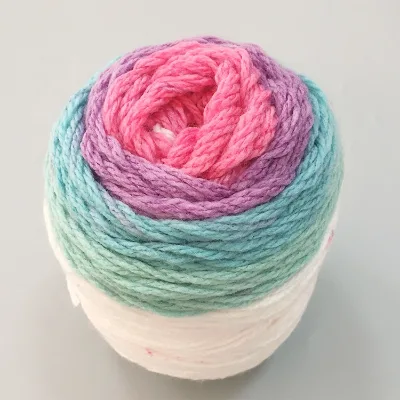

Shenzhen Huali Textile Co., Ltd.
- Verified by SGS
- Manufacturer/Factory,Group Corporation
- China Guangdong
- Lead time30 days
- Avg. response≤ 3h
Main productsPolyester Yarn, Sewing Thread, Weaving Yarn, Viscose, Filament Yarn, Blended Yarn
Main marketsSouth America,Eastern Europe,Mid East,North America,Southeast Asia,Eastern Asia,Oceania,Western Europe,Africa
Shanghai Charmkey Textile Co., Ltd.
- Verified by TüVRheinland
- Trading Company
- Lead time20 days
- Avg. response≤ 3h
Main productsCake Yarn, Rainbow Yarn, Velvet Yarn, Acrylic Knitting Yarn, Air Yarn
Main marketsNorth America(17%), Western Europe(16%), Oceania(12%)
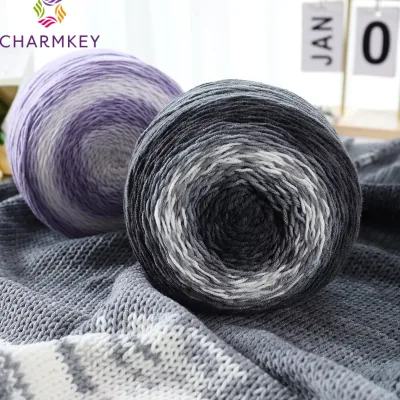
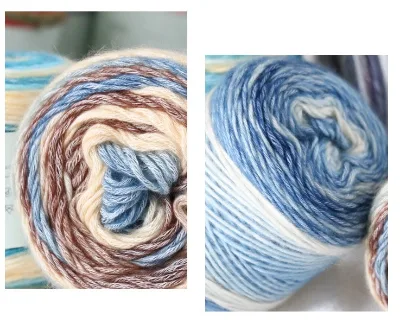
Hot Selling Wholesale Fancy Chunky Jumbo Blended Mohair Cake Yarn for Crocheting.
$2.30 - $3.30
MOQ: 25 pieces
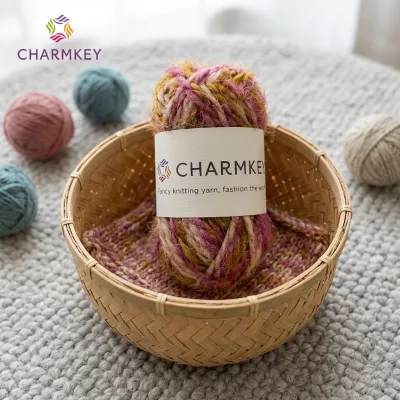
Shanghai Charmkey Textile Co., Ltd.
- Trading Company
- Lead time旺季: "1 - 2000":35,"2001 - 10000":60,"> 10000":"To be negotiated", 淡季: "1 - 2000":35,"2001 - 10000":60,"> 10000":"To be negotiated"
- Avg. response≤ 3h
Main productsChenille Yarn, Polyester Yarn, Acrylic Yarn, Wool Yarn, Blended Yarn
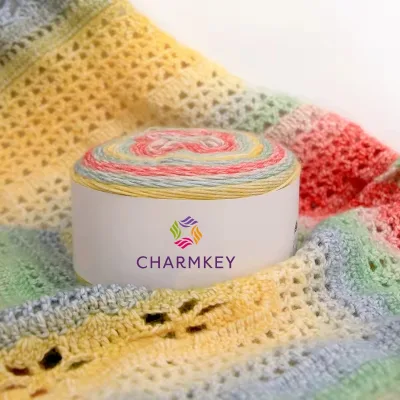
$1.90 - $2.30
MOQ: 500 pieces
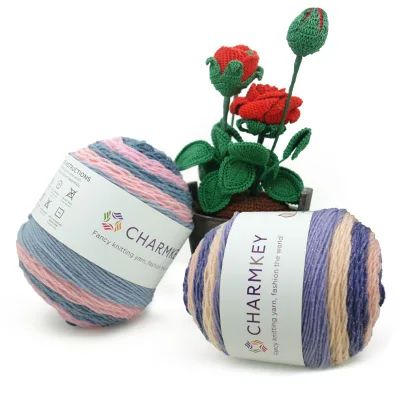
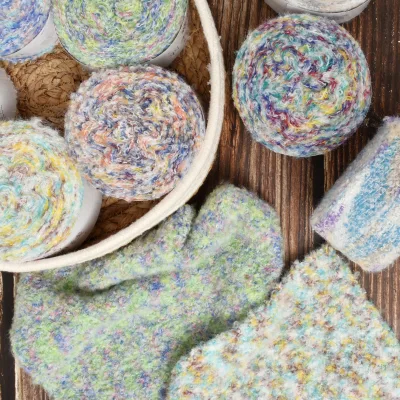
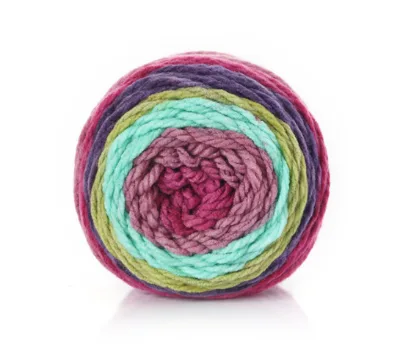
Best Quality 100gram/ball Gradient Color Yarn Cake for Handmade Knitting Garments
$2.04 - $2.20
MOQ: 100

Shanghai Hoyia Textile Co., Ltd.
- Trading Company
- Shanghai, China
- Lead time15 days
- Avg. response≤ 6h
Main productshand made yarn,fancy yarn,crochet yarn,knit yarn,yarn
Main marketsDomestic Market(30.00%), Northern Europe(25.00%), Eastern Asia(10.00%), North America(10.00%), South America(5.00%), Central America(4.00%), Eastern Europe(3.00%), South Asia(3.00%)
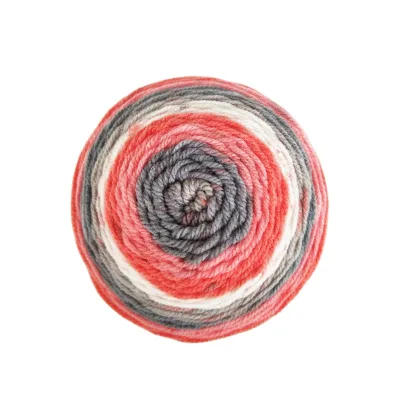
Manufacturers Wholesale colorful Fancy Rainbow Cake Ball Yarn for hand knitting or machines crochet
$2.04 - $2.55
MOQ: 100 pieces
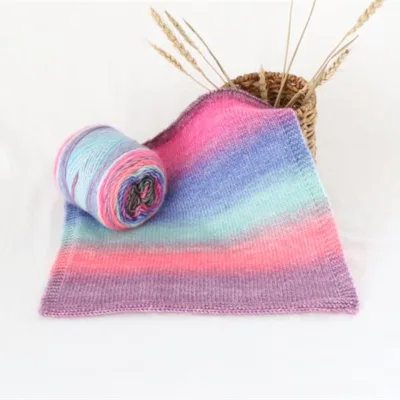
Hot Sales 1/2.3NM Soft Super Chunky RAINBOW Cake Yarn for Hand Knitting Scarf, Hat, Shawl, Sweater
$16.32 - $17.34
MOQ: 500 kilograms

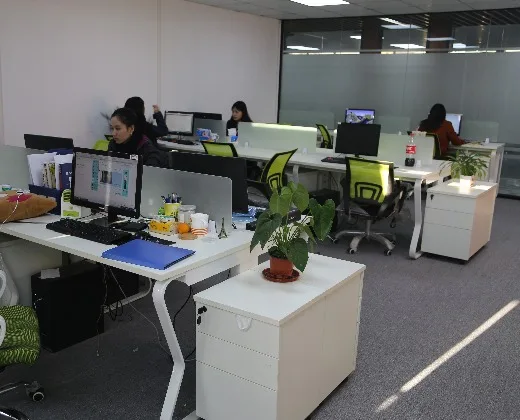
QINGDAO BRILLIANT PLASTIC CO., LTD.
- Manufacturer/Factory
- China Shandong
- Lead time0 days
- Avg. response≤ 15h
Main productsRope, Webbing, Twine, Tape, Belt, Hardware, Tools, Accessory, Strap, Thread
Main marketsSouth America,Eastern Europe,Mid East,North America,Western Europe,Africa
Hebei Guzhong Trading Co., Ltd.
- Trading Company
- Hebei, China
- Lead time7 days
- Avg. response≤ 5h
Main productscrochet yarn,crochet toys,baby teether,crochet rattles,macrame cord
Main marketsNorth America(40.00%), Northern Europe(30.00%), Oceania(20.00%)


Comprehensive Sourcing Guide
Ring Spun Gradient Cake Yarn Supplier Concentration and Factory Types
Current data indicates a concentration of suppliers in China Jiangsu, a region known for textile manufacturing capabilities. This location hosts a mix of combined entities and manufacturer/factory types, offering diverse production models for buyers seeking Ring Spun Gradient Cake Yarn. The presence of combined company types suggests some suppliers may integrate trading and manufacturing functions, while others operate strictly as factories. This structural variety allows buyers to access different levels of control over the production process, from direct factory engagement to trading company facilitation.
When evaluating these entities, buyers should note that main products often include Polyester Cotton Yarn, Viscose Yarn, and various blend options alongside the specific gradient cake yarn requirements. Some suppliers list capabilities in ODM, OEM, and own brand development, indicating flexibility in customization. However, not all suppliers in this region may possess the specific machinery for gradient dyeing or cake formation. Buyers must verify if the specific factory type aligns with their volume needs and technical specifications, as the general presence of a location does not guarantee every supplier offers the exact gradient product required.
How to Verify Ring Spun Gradient Cake Yarn Suppliers
Verification is critical when sourcing Ring Spun Gradient Cake Yarn, as the market contains both verified and unverified entities. Some suppliers display TUVRHEINLAND verification status, which serves as a tangible indicator of third-party assessment. Buyers should prioritize suppliers with this specific verification badge to ensure a baseline of operational legitimacy. Additionally, system certifications like ISO 9001 or specific product certifications such as GRS, Oeko Tex, Organic, and BCI provide further evidence of quality management and material compliance. These credentials are essential for confirming that the yarn meets international safety and environmental standards.
Beyond certifications, response time serves as a practical metric for supplier reliability. Data shows response times varying significantly, with some suppliers responding in under three hours while others take over fourteen hours. A faster response time often correlates with better communication channels and operational efficiency. Buyers should also check for established years, though this specific data point is not universally available in current results. Instead, focus on the availability of detailed product attributes like fiber length, structure, and usage patterns. Confirming that a supplier can provide specific details on ring spun structures and single or multi-ply configurations is a strong indicator of their technical competence and product knowledge.
What to Compare Across Ring Spun Gradient Cake Yarn Suppliers
Comparing suppliers requires a systematic review of key operational dimensions, starting with lead times and minimum order quantities. Lead times in the current dataset range from ten days to thirty days, with some suppliers offering twenty-three days. Buyers must align these timelines with their production schedules, as a ten-day lead time offers significant flexibility compared to a thirty-day window. Similarly, MOQs vary widely, with some suppliers requiring as little as one unit while others demand 24,000 units. Understanding these thresholds is vital for determining whether a supplier fits the buyer's order volume and inventory strategy.
Price and product specifications form another critical comparison layer. Prices for related yarn products range from approximately $1.20 to $5.00 per unit, though specific pricing for gradient cake yarn may differ. Buyers should compare the price ranges against the material composition, such as 100% Viscose, 100% Polyester, or 100% Cotton. Additionally, features like anti-pilling, eco-friendly status, and recycled content should be matched against the buyer's sustainability goals. The availability of customization options and the specific technical attributes, such as coarseness and pattern type, must also be evaluated to ensure the final product meets the exact design requirements for the intended knitting or weaving application.
Common Ring Spun Gradient Cake Yarn Sourcing Risks
One significant risk involves the discrepancy between advertised capabilities and actual production capacity. While some suppliers claim ODM and OEM capabilities, the specific ability to produce gradient effects on cake yarns requires specialized dyeing and spinning equipment. Buyers must verify that the supplier's main products explicitly include the specific gradient or cake forms they require, rather than assuming general yarn production covers this niche. The presence of standard certifications like GRS or Oeko Tex does not automatically guarantee the supplier can execute complex gradient dyeing processes without defects or color bleeding.
Another risk lies in the variability of response times and communication reliability. A supplier with a response time of over fourteen hours may delay critical order confirmations or issue resolution. In fast-moving textile markets, such delays can disrupt production schedules and lead to missed deadlines. Furthermore, the lack of standardized pricing across different product types can lead to budget overruns if the buyer does not clearly define the material and technical specifications. Buyers should be cautious of suppliers who do not provide clear details on packing standards or product models, as this ambiguity can result in receiving goods that do not match the ordered specifications.
Ring Spun Gradient Cake Yarn Regional Sourcing and Logistics
Sourcing from China Jiangsu offers logistical advantages due to the region's established textile infrastructure and port access. However, buyers must account for the specific lead times associated with this location, which can range from ten to thirty days depending on the supplier's current workload. The distance from the factory to the port and the efficiency of local logistics providers will directly impact the total delivery time to the buyer's destination. Understanding these regional dynamics helps in planning inventory levels and managing cash flow effectively.
Logistics planning also involves verifying the packing standards and shipping units. Current data indicates packing options such as PP bags, carton boxes, or specific weight standards like 25kg per bag. Buyers should confirm that the packaging is suitable for long-distance shipping to prevent damage to the yarn during transit. Additionally, the origin of the product, confirmed as China in the data, affects customs duties and import regulations in the buyer's country. Buyers should work with freight forwarders who are familiar with textile imports from this specific region to ensure smooth clearance and timely delivery of the Ring Spun Gradient Cake Yarn.
Ring Spun Gradient Cake Yarn Commercial Terms and Order Planning
Commercial terms for Ring Spun Gradient Cake Yarn often include specific payment structures and order planning requirements. Buyers should expect MOQs that can vary from single units to thousands of units, necessitating careful financial planning. For smaller orders, suppliers with lower MOQs may be more suitable, while larger volume buyers might negotiate better terms with suppliers requiring higher minimums. The price range observed, from $1.20 to $5.00, suggests that volume discounts may be available, but buyers must verify these terms before committing to an order.
Order planning must also consider the customization availability and product attributes. Since customization is listed as available for many products, buyers should clarify the timeline and costs associated with customizing the gradient effect or yarn structure. The lead time of ten to thirty days must be factored into the overall production schedule, ensuring that the yarn arrives well before the knitting or weaving phase begins. Buyers should also verify the specific product models and standards, such as 30D-1200D or specific counts like 50s, to ensure the ordered yarn matches the technical requirements of their final textile products.
FAQs
What yarn types are available from these suppliers?
Suppliers offer Polyester Cotton Yarn, Viscose Yarn, Nep Yarn, Core Spun Yarn, Lurex Yarn, Blend Yarn, Tencel Yarn, Grs Yarn, Recycled Yarn, and Regenerated Yarn. Many also provide specific Ring Spun options for knitting and weaving applications.
What are the typical lead times for orders?
Lead times vary between 10 days and 30 days depending on the specific product and order volume. Some suppliers list a standard lead time of 30 days, while others can deliver specialized items like Melange Yarn within 10 days.
What certifications do the suppliers hold?
Certifications include ISO 9001, GRS, Oeko Tex, Organic, and BCI. Some suppliers are verified by TUVRHEINLAND, and product attributes often list GRS or Oeko Tex compliance for specific yarn types like Viscose or Polyester.
What is the minimum order quantity for yarn?
Minimum order quantities range from 1 unit to 24,000 units depending on the product. Specific items like 100% Viscose Ring Spun Yarn require 500 units, while other Polyester options may require 5,000 or 24,000 units.
Where are these yarn manufacturers located?
The suppliers are located in China, specifically in the Jiangsu region. All listed products originate from China, and the main manufacturing facilities are situated within this specific province to support textile production.
What is the price range for ring spun yarn?
Prices vary significantly based on material and specifications. Viscose yarn ranges from 1.20 to 5.00, while Polyester options range from 1.36 to 4.00. Some specific listings show fixed prices like 2.55 or 2.88 per unit.
How quickly do suppliers respond to inquiries?
Response times vary among suppliers, with some responding in approximately 2.44 hours and others taking around 14.61 hours. Buyers should expect different response speeds depending on the specific manufacturer and their current workload.
Can suppliers provide custom or OEM services?
Yes, suppliers offer OEM, ODM, and own brand capabilities. Customization is available for many products, allowing buyers to specify patterns, fiber lengths, and coarseness levels for their specific knitting or weaving needs.