Roof Mount Solar Photovoltaic Bracket Suppliers and Manufacturers
Compare 26 verified suppliers offering Roof Mount Solar Photovoltaic Bracket options with varying lead times, certifications, and response speeds. Review product specifications like wind load and material types before requesting samples or quotes; review the available evidence before requesting comparable quotations from suitable candidates.
Updated
Suppliers List

Tianjin Vieworld International Trade Co., Ltd.
- Verified by SGS
- Combined
- China Tianjin
- Lead time15 days
- Avg. response≤ 2h
Main marketsOthers(foreignTradeCapacity.exportBusinessCapacityMarketOther)

Jiaxing Goshen Hardware Co., Ltd.
- Trading Company,Manufacturer/Factory
- China Zhejiang
- Lead time23 days
- Avg. response≤ 4h
Main productsFasteners, Bolts, Nuts, Screws, Stainless Steel Screw, Threaded Rod, Stainless Steel Bolt, Customized Bolt, Washer, Carriage Bolt
Main marketsSouth America,Eastern Europe,Mid East,North America,Southeast Asia,Eastern Asia,Oceania,Western Europe,Africa


High Quality Hot Selling Aluminum Roof Bracket Photovoltaic Panel Solar Mounting Bracket
$0.02 - $0.05
MOQ: 1000 Pieces


Jiangyin Sinpo Metal Co., Ltd.
- Verified by TUVRHEINLAND
- Trading Company
- China Jiangsu
- Lead time23 days
- Avg. response≤ 14h
Main productsSolar Panel System, Solar System, Solar Power System, Sola Energy System, Solar Mounting System, Solar Panel, Solar Inverter, Solar Pump, Solar Module, Solar Roof Brackets
Main marketsDomestic

Solar Panel Mounting Bracket Home Roof PV Installlation Photovoltaic Solar Bracket
$0.031 - $0.059
MOQ: 1000 W


Photovoltaic System Solar Mounting System Solar Bracket Solar Panels Tile Rooftop Mounting Structure
$0.031 - $0.059
MOQ: 1000 W

Photovoltaic Solar Panel Mounting Bracket for Tile Roof Home Solar Power System
$0.031 - $0.059
MOQ: 1000 W

Factory Direct Photovoltaic Bracket Solar Panel Bracket Solar Mounting Bracket
$0.045 - $0.082
MOQ: 1000 W


Jiaxing Haina Fastener Co., Limited
- Verified by TUVRHEINLAND
- Trading Company,Manufacturer/Factory
- China Zhejiang
- Lead time23 days
- Avg. response≤ 7h
Main productsBolts, Nuts, Screws, Washer, Roof Hook, Steel Channel, Aluminum Accessories, Ground Screw, Threaded Rod &Stud Bolts
Main marketsSouth America,Eastern Europe,Mid East,North America,Southeast Asia,Eastern Asia,Oceania,Western Europe,Africa

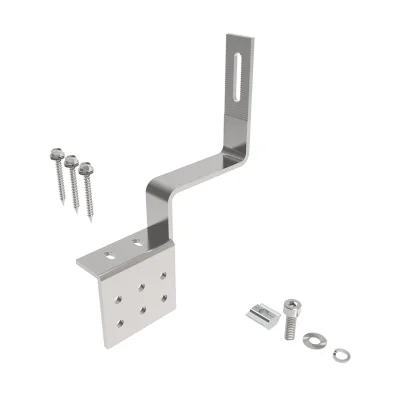
Tile Roof Mounting Bracket Solar Panel Mount Bracket Solar Hook Structure Bracket
$18.00 - $20.00
MOQ: 100 Pieces

Easy Installation Solar Panel Mount Bracket Tile Roof Solar Mounting Solution
$20.00 - $25.00
MOQ: 100 Pieces

Stainless Steel Solar Panel Mount Adjustable Solar Bracket for Roof Mounting
$0.10 - $0.50
MOQ: 100 Pieces

Aluminum PV Mounting Adjustable Roof Solar Bracket for Solar Structure Mounting System
$0.01 - $0.50
MOQ: 100 Pieces

Xiamen Kingsolar New Energy Tech. Co., Ltd
- Verified by BV
- Combined
- China Fujian
- Lead time23 days
- Avg. response≤ 2h
Main productsSolar Brackets, Solar Mounting System, Solar PV, Carport Solar, Roof Solar, Ground Solar, Tile Roof Solar, Ground Screw, Solar Walkway, Fence
Main marketsAfrica,Southeast Asia/ Mideast,East Asia(Japan/ South Korea),Europe,North America
Jiangsu Suyan Lighting Technology Co., Ltd.
- Trading Company
- Jiangsu, China
- Lead time7 days
- Avg. response≤ 2h
Main productssolar panel,solar system,solar street light,solar insecticidal lamp,Battery
Main marketsDomestic Market(24.00%), North America(13.00%), South America(9.00%), Eastern Europe(8.00%), South Asia(7.00%), Southeast Asia(6.00%), Eastern Asia(6.00%), Western Europe(6.00%), Africa(5.00%), Mid East(4.00%), Oceania(4.00%), Northern Europe(3.00%), Central America(3.00%), Southern Europe(2.00%)

Cangzhou Onot Technology Co., Ltd.
- Verified by SGS
- Trading Company,Manufacturer/Factory
- China Hebei
- Lead time15 days
- Avg. response≤ 1h
Main productsWiggle Wire, Telescopic Mast, Lock Channel, Garage, Weed Control Fabric, Film Rolling Device, Sunshade Net Clips, Greenhouse Rack and Pinion, Greenhouse Ventilation, Garage Canopy Tent
Main marketsSouth America,Eastern Europe,Mid East,North America,Southeast Asia,Eastern Asia,Oceania,Western Europe,Africa

Galvanized Photovoltaic Bracket Adjustable Single & Double Solar Photovoltaic Roof Bracket
$0.88 - $0.90
MOQ: 500 Meters

$0.88 - $0.90
MOQ: 500 Meters
Xiamen 9sun Solar Technology Co., Ltd.
- Verified by TüVRheinland
- Trading Company
- Lead time15 days
- Avg. response≤ 4h
Main productsSolar Mounting Aluminum Structure
Main marketsDomestic Market(85%), South Asia(10%), Southeast Asia(5%)
Anhui Koodsun Technology Co., Ltd
- Verified by TüVRheinland
- Manufacturer, Trading Company
- Lead time0 days
- Avg. response≤ 2h
Main productsSolar Energy System, Lithium Iron Phosphate Battery, Solar Energy Storage System, Solar Inverter, Solar Panel
Main marketsAfrica(20%), Mid East(15%), Western Europe(15%)
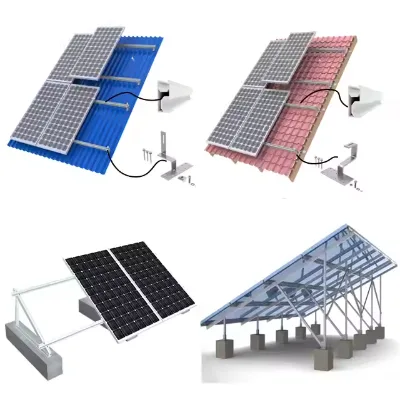
Multi Purpose Solar Mounting Brackets Compatible with Major Roof Types Universal Fit
$0.0411
MOQ: 10 Minimum
Hebei Tuoerlu New Energy Technology Co., Ltd.
- Trading Company
- Hebei, China
- Lead time0 days
- Avg. response≤ 2h
Main productsSolar Energy Bracket, Fasteners, Roof Hook, Aluminum Alloy Guide Rail Bracket, Aluminum Alloy Adjustable Bracket
Main marketsNorth America(30.00%), Africa(10.00%), South America(10.00%), Oceania(5.00%), Eastern Europe(5.00%), Southeast Asia(5.00%)
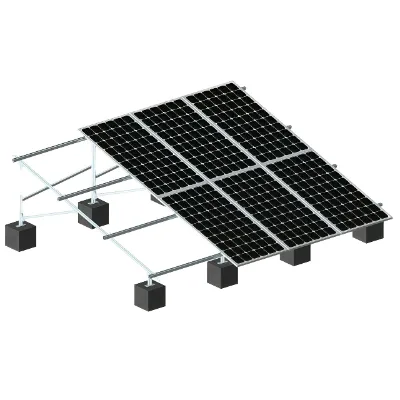
$0.0105 - $0.1257
MOQ: 100 pieces
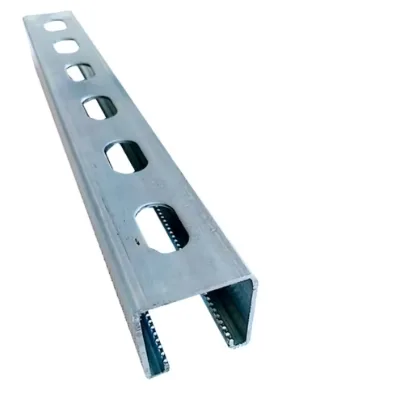
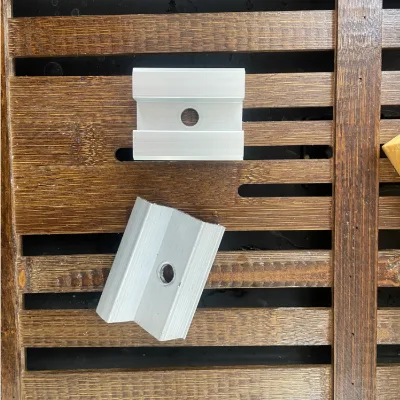
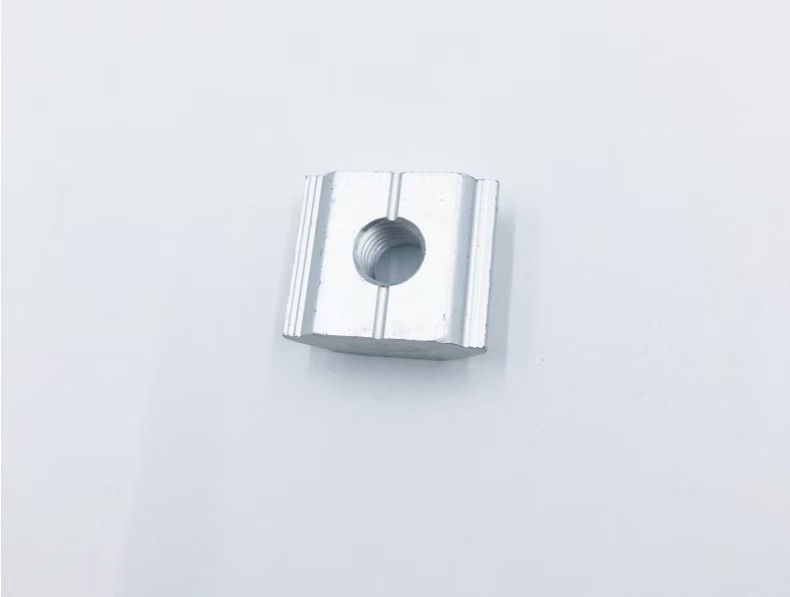
$0.0206 - $0.1557
MOQ: 100 pieces
Zhangjiagang Ever Faith Industry Co., Ltd.
- Verified by TüVRheinland
- Trading Company
- Lead time30 days
Main productsSolar Carport System, Solar Mounting System, Light Guage Steel House, Unistrut And Drywall System
Main marketsMid East(30%), Western Europe(25%), Eastern Europe(10%)
$0.8189 - $1.5344
MOQ: 100 kilograms
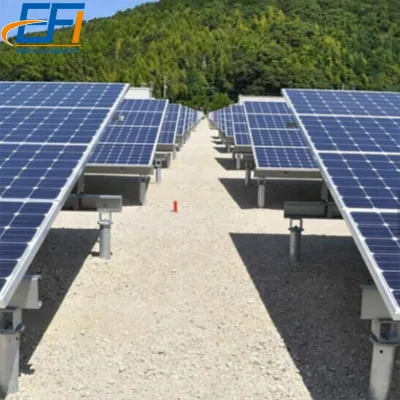
Tianjin Ju Cai Hui Xin Industry & Trade Co., Ltd
- Manufacturer, Trading Company
- Tianjin, China
- Lead time30 days
- Avg. response≤ 5h
Main productsSolar panels, Ground solar installation systems, Solar inverters, Solar related accessories
Main marketsNorth America(18.00%), Southern Europe(12.00%), Western Europe(12.00%), Domestic Market(11.00%), Mid East(11.00%), Northern Europe(8.00%), Southeast Asia(6.00%), Eastern Europe(5.00%), South America(4.00%), Eastern Asia(3.00%), Oceania(3.00%), South Asia(3.00%), Africa(2.00%), Central America(2.00%)
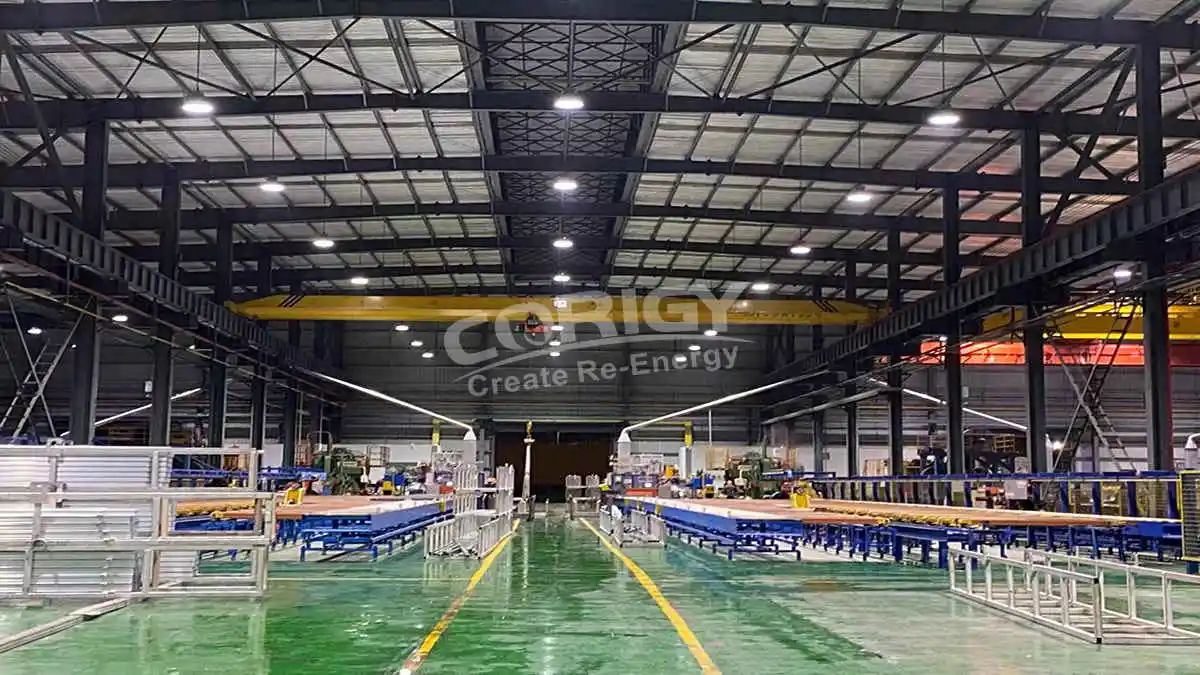
Xiamen Corigy New Energy Technology Co., Ltd.
- Manufacturer
- Fujian Province, China
- Lead time15 days
- Avg. response≤ 4h
Main productsGround Mounting Bracket,Roof Mounting Bracket,Solar Components,Solar Carport Structure,Adjustable Solar Mounting Structure
Main marketsSouthern Europe(15.00%), Western Europe(15.00%), Southeast Asia(15.00%), Mid East(10.00%), Africa(10.00%), Eastern Asia(10.00%), South Asia(5.00%), Eastern Europe(5.00%), Northern Europe(5.00%), South America(5.00%), North America(5.00%)
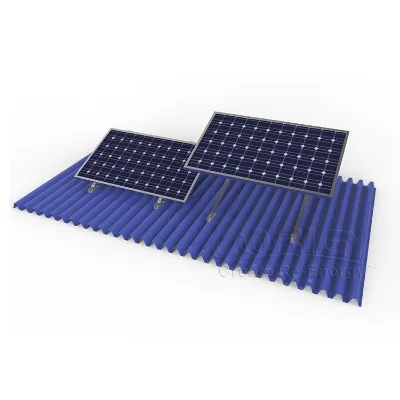
$37.2454 - $41.3831
MOQ: 25 kilowatts
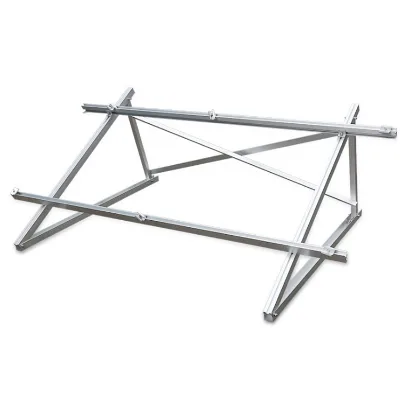
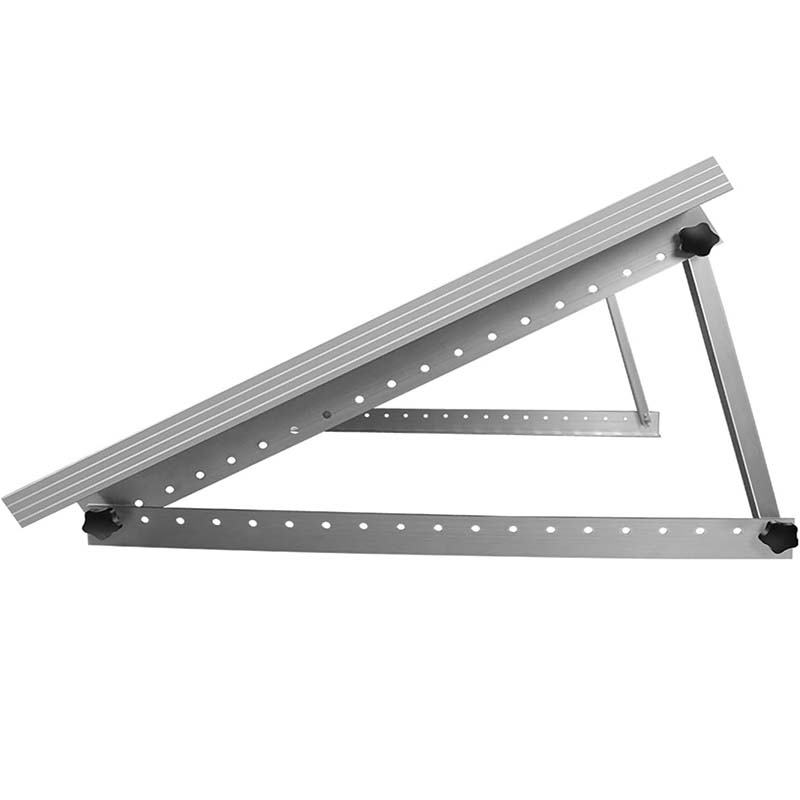
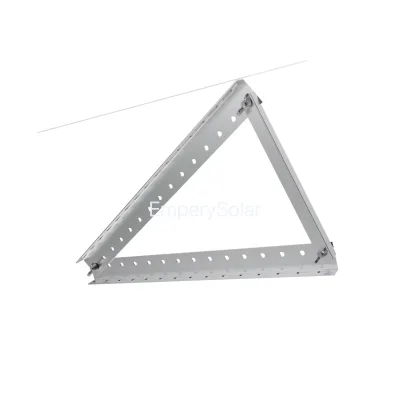
Hot Sale Aluminium Solar Rooftop Triangle Bracket Ground Mount Solar Panel Mounting Brackets
$56.395 - $76.9009
MOQ: 200 kilowatts
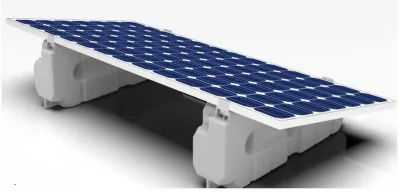
Filled-Water Plastic Ballasted Solar Mounting Bracket
$26.00 - $27.00
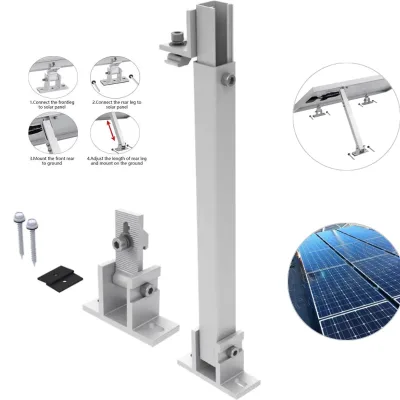
Xiamen Bristar Technology Co., Ltd.
- Verified by Intertek
- Trading Company
- Lead time10 days
- Avg. response≤ 1h
Main productsSolar Mounting Bracket Accessories, Solar Ground Mounting System, Solar File Roof Mounting System, Solar Metal Roof Mounting System, Solar Carport Mounting System
Main marketsSouthern Europe(40%), South America(30%), Oceania(10%)

Xiamen Solar First Energy Technology Co., Ltd.
- Verified by BV
- Trading Company
- China Fujian
- Lead time23 days
- Avg. response≤ 3h
Main productsSolar Mounting
Main marketsSouth America,Africa,Southeast Asia/ Mideast,East Asia(Japan/ South Korea),Europe,Australia,North America


Wholesale Rooftop Solar Panel Mounts Roof Bracket Metal Roof Solar Mounting
$0.025 - $0.049
MOQ: 5000 Watt


Henan Zhongyu Yonghui Electric Co., Ltd.
- Verified by Intertek
- Trading Company
- Lead time0 days
- Avg. response≤ 1h
Main productsCable Tray, Threading Steel Pipe, Seismic Support, Bus Duct, Screw Rod
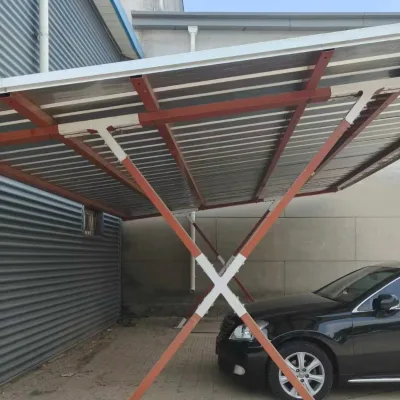
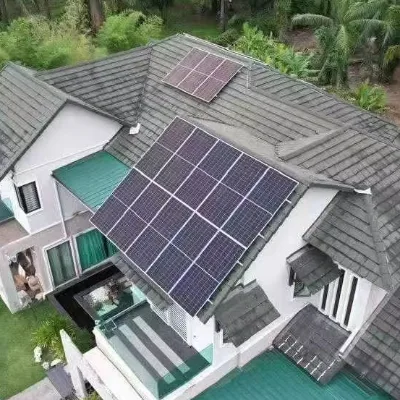
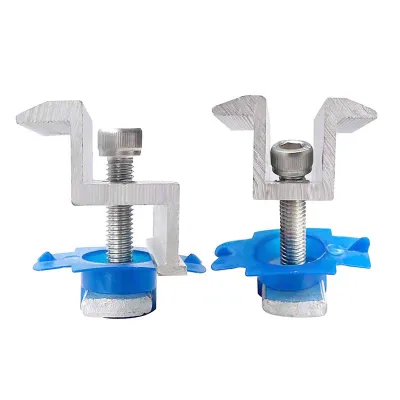
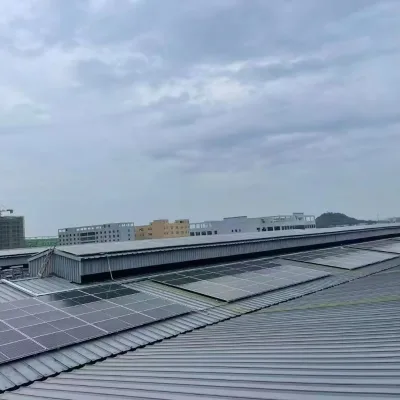
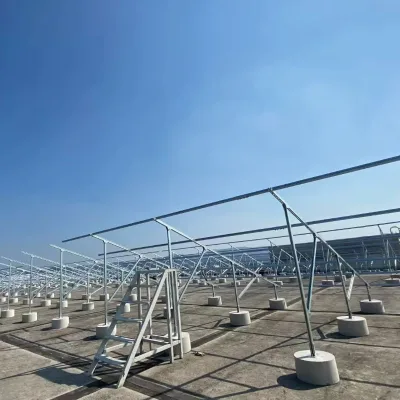
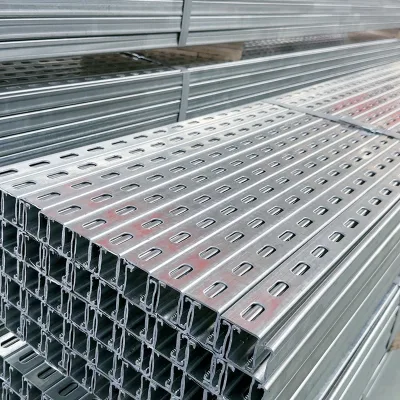
Cold Rolled Galvanized C-Channel Steel Bracket for Photovoltaic Support Solar Power System
$0.05 - $0.08
MOQ: 5 sets
Qingdao Allrun New Energy Co., Ltd.
- Verified by SGS Group
- Trading Company
- Lead time7 days
- Avg. response≤ 2h
Main productsSolar Panel, Solar system, Wind turbines, Permanent Magnet Generator, Solar Water Pump
Main marketsNorth America(21%), Southeast Asia(11%), Oceania(11%)
Xiamen Amoy Solar Technology Co., Ltd.
- Manufacturer, Trading Company, Distributor/Wholesaler
- Fujian, China
- Lead time0 days
- Avg. response≤ 3h
Main productssolar mounting,solar support,mount system,aluminium profile,Photovoltaic parts
Main marketsSoutheast Asia(30.00%), North America(15.00%), Northern Europe(10.00%), Central America(10.00%), Western Europe(10.00%), Southern Europe(10.00%), Eastern Europe(10.00%), Oceania(5.00%)
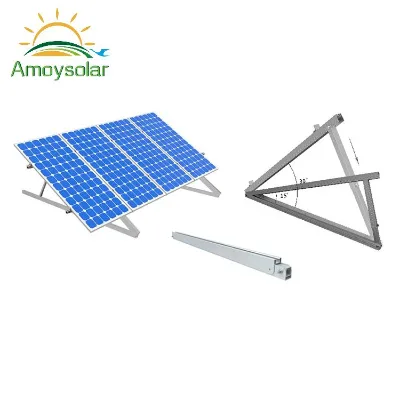
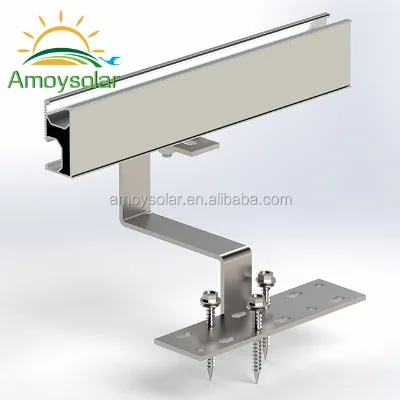
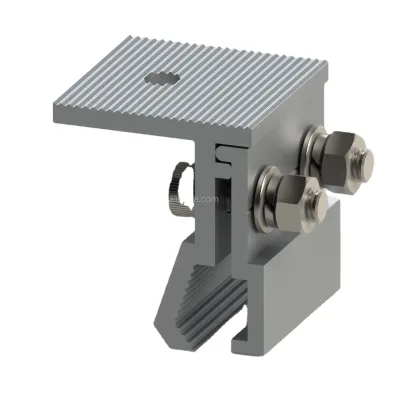
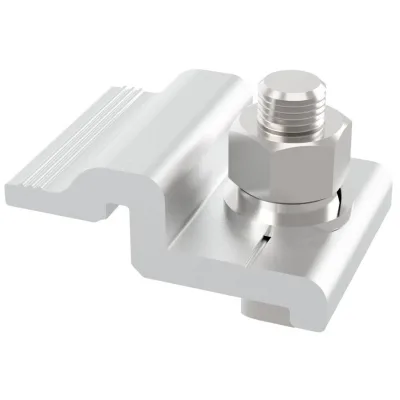
Solar Panel Bracket Kalzip Roof Clamp Metal Roof Mounting Clamp Seaming Clamps
$2.0434 - $2.1452
MOQ: 100 pieces
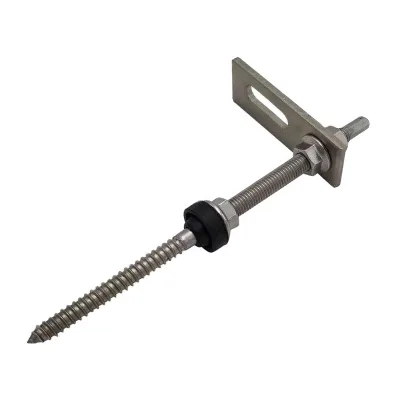
Xiamen Empery Solar Technology Co., Ltd.
- Manufacturer, Trading Company
- Lead time旺季: "1 - 1500":15,"> 1500":"To be negotiated", 淡季: "1 - 1500":15,"> 1500":"To be negotiated"
- Avg. response≤ 1h
Main productsAluminium Solar Mounting Bracket, Aluminium Solar Mounting Accessories, Iron Solar Mounting Bracket, Iron Solar Mounting Accessories, Solar Energy System
- Verified by TüVRheinland
- Manufacturer, Trading Company
- Lead time旺季: "1 - 1000000":20,"> 1000000":"To be negotiated", 淡季: "1 - 1000000":20,"> 1000000":"To be negotiated"
- Avg. response≤ 1h
Main productsSolar Mounting System
Xiamen Empery Solar Technology Co., Ltd.
- Verified by TüVRheinland
- Manufacturer, Trading Company
- Lead time30 days
- Avg. response≤ 2h
Main productsAluminium Solar Mounting Bracket, Aluminium Solar Mounting Accessories, Iron Solar Mounting Bracket, Iron Solar Mounting Accessories, Solar Energy System
Main marketsSoutheast Asia(25%), Mid East(20%), North America(15%)
Xiamen Huafei New Energy Co., Ltd.
- Verified by SGS Group
- Trading Company
- Lead time0 days
- Avg. response≤ 2h
Main productsSolar Bracket, Solar Mounting System
Main marketsSouth America(20%), North America(10%), Eastern Europe(10%)
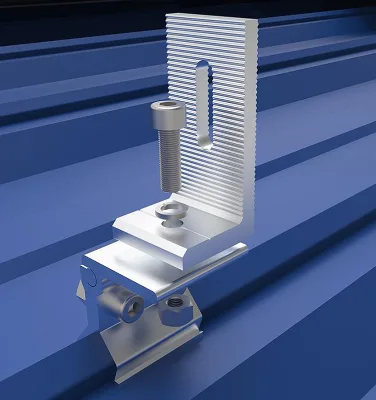
PV Metal Clamp Home Pitched Tin Roof Solar Mounting Bracket Solar Clamps
$0.9775 - $1.0299
MOQ: 100 pieces
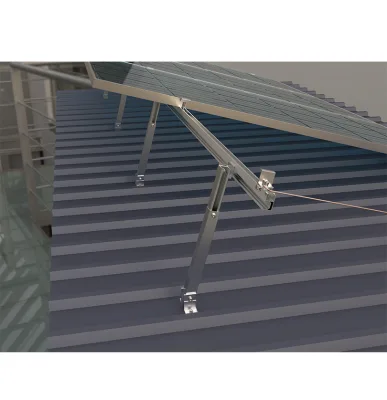
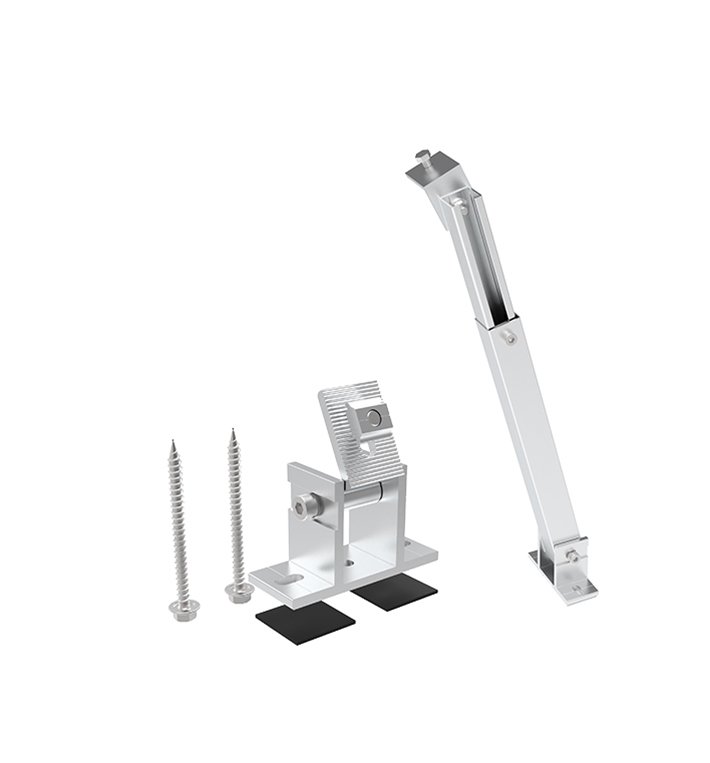
- Trading Company
- Zhejiang, China
- Lead time15 days
- Avg. response≤ 6h
Main productsSolar Panel,Solar Charge Controller,Lithium Ion Battery,inverter,solar system
Main marketsWestern Europe(20.00%), Eastern Europe(20.00%), Northern Europe(10.00%), South America(10.00%), Central America(10.00%), Eastern Asia(7.00%), Oceania(5.00%), Africa(5.00%), Southern Europe(3.00%), Mid East(3.00%), Domestic Market(3.00%), South Asia(2.00%), North America(2.00%)
Hebei Jinbiao Construction Materials Tech Corp., Ltd.
- Manufacturer, Trading Company
- Lead time旺季: "10 - 10000":31,"> 10000":"To be negotiated", 淡季: "10 - 10000":31,"> 10000":"To be negotiated"
- Avg. response≤ 2h
Main productsSolar Bracket, Mesh Fence, Noise Barrier, Solar Carport
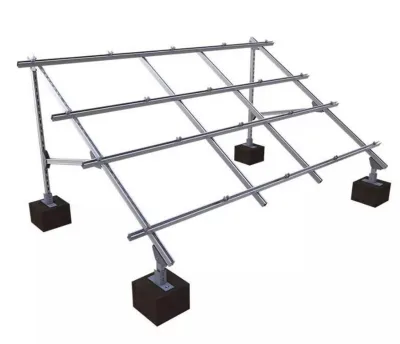
$0.1025 - $0.3084
MOQ: 100 kilowatts
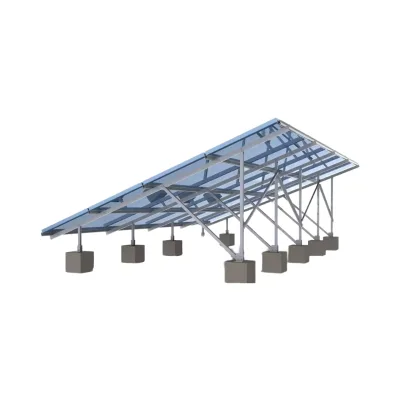
$0.1025 - $0.3084
MOQ: 10 kilowatts
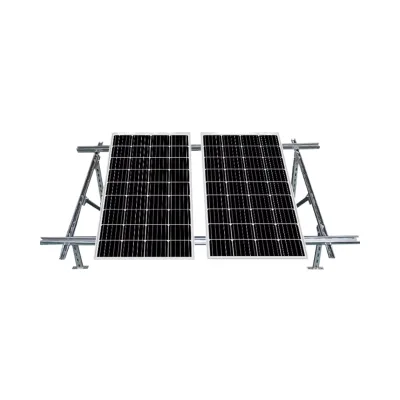
Best-Selling Custom Carbon Steel Ground Mounting Bracket for Solar Panel Support Heavy Cut-Processed
$0.1028 - $0.3084
MOQ: 10 kilowatts

Tianjin Jucai Huixin Industry and Trade Co., Ltd.
- Verified by SGS
- Combined
- China Tianjin
- Lead time15 days
- Avg. response≤ 2h
Main productsSolar Bracket, Solar Bracket Structure, Solar Carport, Solar Carport Structure, Solar Carport Parking, Solar Mounting Structure, Solar Mounting Bracket, Solar Ground Mount, Solar Mounting System, Solar Ground Mounting Structure
Main marketsAfrica,Southeast Asia/ Mideast,Domestic,North America

Nantong Gamko New Energy Co., Ltd.
- Verified by SGS
- Trading Company,Manufacturer/Factory
- China Jiangsu
- Lead time15 days
- Avg. response≤ 6h
Main productsSolar Panel, Solar System, Solar Inverter, Cable, Solar Bracket, Solar Air Condition, Solar Controller, PV Connector, Solar Refrigerator, Solar Battery
Main marketsEastern Europe,Mid East,Eastern Asia,Western Europe,Africa


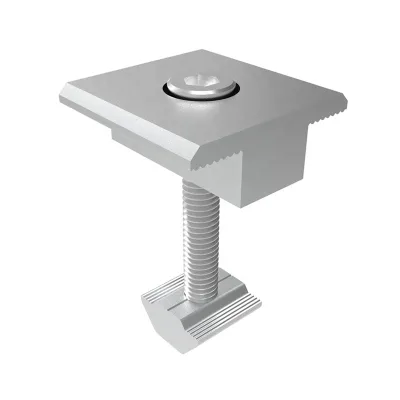
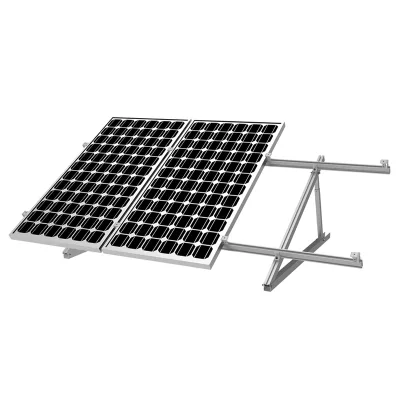
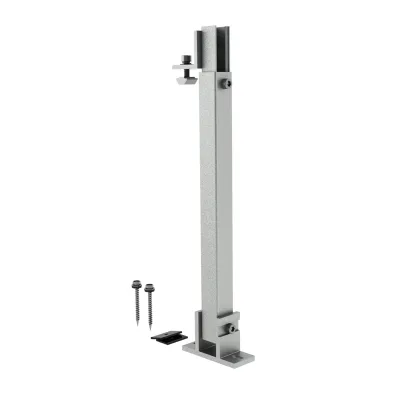


Comprehensive Sourcing Guide
Roof Mount Solar Photovoltaic Bracket Supplier Concentration and Factory Types
When searching for Roof Mount Solar Photovoltaic Bracket suppliers, buyers will notice that results often cluster by region, but you should not assume every listing sits inside a known manufacturing hub. Some results on this page do identify location explicitly, such as suppliers based in Tianjin, Zhejiang, and Jiangsu in China, and each of those regions carries a distinct supplier profile. Tianjin listings here are tied to a combined company type with solar mounting brackets as the visible product line. Zhejiang results include fastener-focused companies operating as both trading company and manufacturer, which matters because roof mounting hardware overlaps heavily with bolts, screws, and stainless steel components. Jiangsu entries skew toward trading companies whose main products span full solar systems, inverters, and mounting structures.
Where a location is not displayed, treat cluster identification as a verification task rather than an assumption. Ask each candidate directly where production occurs, whether the site is a factory or an outsourced arrangement, and whether bracket fabrication happens in-house or through a partner. Company type labels also vary: combined manufacturer-trader operations, pure trading companies, and factories each create different accountability for tooling, coating, and packing. A fastener manufacturer with an own brand and OEM capability may handle stainless roof hooks well, while a solar-system trading company may coordinate brackets sourced from several workshops. Match the supplier type to your need for customization, traceability, and volume before narrowing your shortlist.
How to Verify Roof Mount Solar Photovoltaic Bracket Suppliers
Verification should start with the attributes actually displayed in supplier results, because these are the only claims you can treat as evidence at this stage. On this page, some suppliers carry third-party verification badges such as SGS or TÜV Rheinland, while others show only system certifications like ISO 9001 or combined ISO 9001 and ISO 14001 registration. A verification badge and a management-system certificate are different signals: the badge indicates the platform had the company audited or documented, whereas the certificate relates to quality or environmental management. Neither substitutes for a product-level assessment of welds, coating thickness, or load behavior on your specific roof profile.
Confirm every credential directly. Request the certificate number and validity dates for any ISO registration a supplier quotes, and check whether the certificate covers the manufacturing site that will actually produce your brackets rather than a different entity. Some listings here also state OEM capability, which you can test by asking for a customization sample and reviewing drawing turnaround. Product listings may reference material specifications, surface treatments such as anti-corrosion treatment, and loading capacity described against local wind and snow standards; ask for the calculation basis behind those statements. Finally, verify responsiveness and consistency: one supplier on this page shows a response time of about one and a half hours, another around three and a half hours, and a trading company around thirteen hours. Record actual reply patterns across your inquiry, not just the advertised figure.
What to Compare Across Roof Mount Solar Photovoltaic Bracket Suppliers
Build a comparison table from the supplier-label dimensions that results actually expose, and leave blanks where a supplier displays nothing rather than guessing. Useful columns include location, company type, verification status, system certifications, response time, stated lead time, MOQ, main products, and OEM or own-brand capability. On this page, lead times differ noticeably: one Tianjin supplier lists a fifteen-day lead time, while a Zhejiang fastener-focused company lists twenty-three days, and individual product pages may quote delivery windows such as five to thirty days. An MOQ also ranges widely here, from as low as ten pieces on one bracket listing to 100 or 1,000 pieces elsewhere, so align MOQ with your pilot-order size before shortlisting.
Beyond labels, compare product-level evidence. Listings on this page describe ground brackets with channel models such as 41×41 or 41×52 profiles, silver finish, anti-corrosion surface treatment, logo packaging customization, and sample availability, while others describe roof bracket types in aluminum alloy with stated wind load and snow load figures. Compare whether a supplier's portfolio actually matches roof mounting rather than only ground mounting, since some keywords here cover both. Main products are another comparator: a fastener specialist listing bolts, nuts, screws, and threaded rods may be strongest on clamps and hooks, while a full solar-system trader may coordinate complete kits. Weigh response speed together with technical answer quality, because fast but vague replies signal a forwarding desk rather than engineering support.
Common Roof Mount Solar Photovoltaic Bracket Sourcing Risks
The most common risk is assuming that a bracket designed for one roof type transfers to another. Listings on this page mix roof brackets, ground brackets, and generic mounting supports under overlapping keywords, so a supplier appearing in a roof-mount search may primarily fabricate ground structures. Confirm the actual product type, the channel profile dimensions, and whether the supplier has produced brackets for your roofing material, whether metal sheet, tile, or flat membrane. A second risk is unverified load claims: some listings state loading capacity according to local wind and snow standards without identifying which jurisdiction's standard applies. Require the design basis in writing before approving drawings.
Price-band confusion is another trap. Bracket listings here range from fractions of a cent per component to roughly two dollars per unit, reflecting different product forms, materials, and packaging units rather than comparable quotes. Always normalize quotes to the same unit, material grade, finish, and packing configuration. Third, watch for customization gaps: a listing offering logo packaging does not guarantee dimension customization, so distinguish cosmetic branding from engineering changes. Fourth, verify the certificate-to-product link, since a company-level ISO registration does not prove each bracket batch was inspected. Finally, do not treat a single verification badge as blanket assurance; SGS or TÜV Rheinland verification of the company profile still leaves product conformity untested. Mitigate by requiring pre-shipment inspection and documented material traceability for fasteners and rails alike.
Roof Mount Solar Photovoltaic Bracket Regional Sourcing and Logistics
Regional sourcing decisions should rest on the locations actually stated in supplier results rather than on assumed cluster maps. This page shows three Chinese provinces represented: Tianjin, Zhejiang, and Jiangsu. Tianjin's listed supplier combines manufacturing and trading with a short stated lead time of fifteen days, which can matter for replacement orders. Zhejiang's entries come from fastener and bracket manufacturers with OEM programs and dual trading-factory roles, and their product pages mention delivery windows of roughly five to thirty days and three to twenty days depending on the item. Jiangsu's trading company focuses on complete solar systems and quotes longer response times, suggesting coordination rather than direct production.
Logistics planning should account for packing formats stated in the listings, which include plastic bag plus export carton, bag plus carton plus pallet, and carton plus pallet configurations. Bracket rails and channels are long, awkward freight, so confirm whether suppliers can bundle, palletize, and container-load efficiently, and who arranges loading. Where results show aluminum alloy construction, weight savings can reduce freight cost compared with steel, but confirm corrosion compatibility with your environment. For suppliers that do not display a location, request it early, because freight quoting, port proximity, and any regional quality-inspection visit all depend on it. Also confirm production location separately from company registration address, since a trading company registered in one province may ship from a factory in another.
Roof Mount Solar Photovoltaic Bracket Commercial Terms and Order Planning
Order planning should begin with the MOQ and price evidence visible in results, then adjust through negotiation with realistic anchors. This page shows MOQs of ten, one hundred, and one thousand units across different bracket listings, and unit prices spanning roughly $0.012–$0.03, $0.01–$0.05, $0.031–$0.059, and $2.10–$2.30 depending on the product form. Treat each price band as belonging to a specific product and packaging unit; never average across listings. Some suppliers state customization options such as logo packaging and sample availability, with one Zhejiang entry advertising free samples and custom sizes, so factor sample cost and lead time into your first-order budget.
Commercial terms worth clarifying include payment methods, which one listing here states as T/T, L/C, Western Union, and Moneygram, and delivery windows, which range from fifteen days to multi-week spans across these suppliers. Confirm Incoterms, whether escrow or platform protection is available for your transaction, and what documentation ships with the goods, including packing lists and material certificates. Plan orders around stated lead times plus buffer: if a supplier quotes a five-to-thirty-day range, anchor your schedule near the upper bound for first orders with customization. For repeat orders, negotiate framework pricing tied to the specific model numbers quoted, such as channel profiles or custom roof brackets, and specify inspection rights, replacement terms for coated surfaces damaged in transit, and a defined defect-claim window before you release production payment.
FAQs
What is the price range for roof mount solar brackets?
Roof mount solar brackets typically range from $0.01 to $0.06 per unit depending on material and customization. Prices vary based on whether the bracket is made from aluminum alloy or stainless steel. Buyers should verify specific pricing for their required load capacity and wind resistance standards before placing orders.
What certifications are available for solar mounting brackets?
Manufacturers offer brackets certified under ISO 9001, ISO 9000, CE, and ISO 14001 standards. These certifications ensure quality management and environmental compliance for industrial applications. Buyers should request valid certificates to verify that the products meet international safety and manufacturing requirements for photovoltaic systems.
What is the typical lead time for solar brackets?
Lead times generally range from 15 to 30 days for production and delivery. Some suppliers offer faster turnaround times of 3 to 20 days for standard items. Buyers should confirm exact delivery schedules with suppliers to ensure timely installation of their solar energy projects.
What is the minimum order quantity for solar brackets?
Minimum order quantities vary significantly, ranging from 10 units to 1000 units depending on the supplier and product type. Some manufacturers allow small trial orders, while others require bulk purchases. Buyers should check specific MOQ requirements to align with their project scale and budget constraints.
Where are solar mounting brackets typically manufactured?
Solar mounting brackets are primarily manufactured in China, with key production hubs in Tianjin, Zhejiang, and Jiangsu provinces. These regions offer established supply chains for aluminum and stainless steel components. Buyers can source directly from these locations to benefit from competitive pricing and efficient logistics.
What materials are used for solar roof brackets?
Common materials include aluminum alloy and stainless steel, chosen for durability and corrosion resistance. Aluminum brackets are lightweight and suitable for various roof types, while stainless steel offers enhanced strength. Suppliers provide options with anti-corrosion treatments to ensure long-term performance in diverse environmental conditions.