Roof Foil Roll Decoiler Suppliers and Manufacturers
Source 22 verified suppliers for Roof Foil Roll Decoiler equipment. Compare key dimensions including ISO and CE certifications, lead times ranging from 30 to 60 days, and pricing between $4,500 and $12,000. Request quotes directly to evaluate OEM capabilities and response times.
Suppliers List

Cangzhou Nexus Machinery Co., Ltd.
- Trading Company,Manufacturer/Factory
- China Hebei
- Lead time45 days
- Avg. response≤ 5h
Main productsRoll Forming Machine, Tile Making Machine, Metal Sheet Cutting/Bending Machine, Steel Purlins Forming Machine, Light Guage Roll Forming Line, Highway Guardrail Roll Forming Equipment, Rolling Shutter Door Forming Machine, Floor Deck/Decking Sheet Roll Forming Machine, Decoiler/Uncoiler Machine, Stacker/Levelling Machine/Punching Machine
Main marketsSouth America,Eastern Europe,Mid East,North America,Southeast Asia,Eastern Asia,Oceania,Western Europe,Africa

Hebei Zizhuo Machinery Manufacturing Co., Ltd.
- Combined
- China Hebei
- Lead time60 days
- Avg. response≤ 6h
Main productsRoll Forming Machine, Stud Roll Forming Machine, Roofing Sheet Making Machine, Track Forming Machine, Steel Tile Forming Machine, Ridge Cap Forming Machine, Hydraulic Decoiler, C Z Purlin Forming Machine, Roller Shutter Slat Forming Machine, Cold Roll Forming Machine
Main marketsSouth America,Africa,Southeast Asia/ Mideast,Domestic,North America


Automatic Steel Coil Decoiler with Expanding Mandrel Hydraulic Decoiler Roofing Sheet Metal Decoiler
$5000.00 - $9000.00
Moq: 1


Cangzhou Hener Machinery Co., Ltd.
- Verified by SGS
- Trading Company
- China Hebei
- Lead time30 days
- Avg. response≤ 7h
Main productsRoll Forming Machine
Main marketsSoutheast Asia/ Mideast


5-20 Tons Hydraulic Decoiler with Coil Car Full-Automatic Metal Roof Sheet Decoiler
Contact supplier
Moq: 1


Henan Randro Machinery Equipment Co., Ltd
- Verified by SGS
- Trading Company
- China Henan
- Lead time60 days
- Avg. response≤ 3h
Main productsRoof Roll Forming Machine, Roofing Sheet Making Machine, Machine Tool, Rain Gutter Making Machine, C Purlin Forming Machine, Building Materials Making Machine, Unistrut Forming Machine, C Channel Making Machine
Main marketsSoutheast Asia/ Mideast

Tianjin Haixing Imp. & Exp. Co., Ltd.
- Verified by BV
- Combined
- China Tianjin
- Lead time30 days
- Avg. response≤ 3h
Main productsRoof Roll Forming Machine, Light Steel Keel Machine, Floor Deck Machine, Purlin Machine, Cable Tray Machine, Solar Channel Machine, Rack Forming Machines, Cut to Length Machine, Steel Coil Slitting Machine, Shutter Door Roll Forming Machine
Main marketsSouth America,Africa,Southeast Asia/ Mideast,East Asia(Japan/ South Korea),Europe,Australia,North America

Dongying Besco Machine Tool Limited
- Verified by TUVRHEINLAND
- Combined
- China Shandong
- Lead time30 days
- Avg. response≤ 3h
Main productsPunching Machine, Nc Servo Feeder System, Mechanical Power Press, Aluminum Foil Container Production Line, Aluminum Bottle Cap Production Line, Pneumatic Punching Machine, Punching Machine Metal Production Line, Stamping Mould, Press Brake, CNC Laser Cutting Machine
Main marketsSouth America,Africa,Others(foreignTradeCapacity.exportBusinessCapacityMarketOther),Southeast Asia/ Mideast,Europe


Automatic Coil Steel Strip Hydraulic Uncoiler Decoiler for Roll Forming Machine
$530.00 - $2200.00
Moq: 1

Coiler Decoiler 500kg Hydraulic Coil Uncoiler Machine Steel Coil Decoiling Machine
$530.00 - $2200.00
Moq: 1


Zhangjiagang City Saibo Science & Technology Co., Ltd.
- Verified by CTI
- Trading Company,Manufacturer/Factory
- China Jiangsu
- Lead time38 days
- Avg. response≤ 4h
Main productsRoll Forming Machine, High-Frequency Welding Pipe Machine, Slitting&Cut to Length Machine, Forming Machinery, Roofing Roll Forming Machine, Metal Roll Forming Machine, Cold Roll Forming Machine, Glazed Tile Roll Forming Machine, Purlin Roll Forming Machine, CZ Purlin Machine
Main marketsSouth America,Eastern Europe,Mid East,North America,Southeast Asia,Eastern Asia,Oceania,Western Europe,Africa


Hydraulic Double Head Uncoiler Decoiler for Light Keel Roll Forming Machine
$10000.00 - $15000.00
Moq: 1

Heavy Steel Coils 20tons Hydraulic Decoiler with Coil Car for Roofing panel Roll Forming Machine
$20000.00 - $25000.00
Moq: 1

15tons Hydraulic Decoiler for Roll Forming Machine with Steel Loading Coil Car
$20000.00 - $25000.00
Moq: 1

Zhengzhou Dream Machinery Co., Ltd.
- Trading Company
- Henan, China
- Lead time7 days
- Avg. response≤ 3h
Main productsQuilting Machine,Hydraulic baling Machine,Brick Making Machine,Soap Making Machine,bag printing Machine
Main marketsSouth America(20.0%), North America(20.0%), Africa(10.0%), Southeast Asia(10.0%), Eastern Europe(10.0%), Oceania(7.000000000000001%), South Asia(5.0%), Southern Europe(5.0%), Central America(5.0%), Western Europe(2.0%), Eastern Asia(2.0%), Mid East(2.0%), Northern Europe(2.0%)

HEBEI XINNUO ROLL FORMING MACHINE CO., LTD.
- Verified by TUVRHEINLAND
- Combined
- China Hebei
- Lead time30 days
- Avg. response≤ 3h
Main productsRoll Forming Machine, Purlin Forming Machine, Sandwich Panel Production Line, Floor Deck Roll Forming Machine, Shutter Door Forming Machine, Stud and Track Forming Machine, Ridge Cap Roll Forming Machine, Roof Tile Making Machine, Car Panel Roll Forming Machine, Stone Coated Metal Roofing Production Line
Main marketsSouth America,Africa,Southeast Asia/ Mideast,East Asia(Japan/ South Korea),Europe,Australia,North America

Cangzhou Dixin Roll Forming Machine Co., Ltd.
- Combined
- China Hebei
- Lead time30 days
- Avg. response≤ 7h
Main productsRoll Forming Machine, Bending Machine, Cutting Machine, Automatic Uncolier, Sandwich Panel Production Line, Levelling Machine, Crimping Machine, Double Layer Roll Forming Machine, Slitting Machine, Shearing Machine
Main marketsSouth America,Africa,Southeast Asia/ Mideast,East Asia(Japan/ South Korea),Domestic,Europe,North America

Dongguan Arida Machinery Equipment Co., Ltd.
- Verified by TUVRHEINLAND
- Manufacturer/Factory
- China Guangdong
- Lead time38 days
- Avg. response≤ 6h
Main productsBolt Making Machine, Nut Making Machine, High Speed Press Machine, Thread Rolling Machine, Nut Tapping Machine, Servo Feeder Machine, Roller Feeder Machine, Decoiler Machine, Screw Nut Die and Tool, Power Press Related Machines
Main marketsSouth America,Eastern Europe,Mid East,Southeast Asia,Eastern Asia,Oceania,Western Europe,Africa

Hangzhou Zhongyuan Machinery Factory
- Verified by BV
- Manufacturer/Factory
- China Zhejiang
- Lead time60 days
- Avg. response≤ 5h
Main productsRoll Forming Machine, Cold Roll Forming Machine, Metal Roofing Machine, Metal Deck Roll Forming Machine, Purlin Roll Forming Machine, Roll Former, Roll Forming Equipment, Step Tile Roll Forming Machine, Guardrail Roll Forming Machine, Maquina PARA Lamina
Main marketsSouth America,Eastern Europe,Mid East,North America,Southeast Asia,Eastern Asia,Oceania,Western Europe,Africa

Cangzhou Zhongheng Machine Manufacture Co., Ltd.
- Verified by TUVRHEINLAND
- Combined
- China Hebei
- Lead time30 days
- Avg. response≤ 6h
Main productsRoof Roll Forming Machine, Slitting Line, Stud and Track Forming Machine, Glazed Tile Forming Machine, CZ Purlin Forming Machine, Deck Floor Forming Machine, Gutter Roll Forming Machine
Main marketsEurope,North America

12 Tons Hydraulic Decoiler for Galvanized Steel Roof Sheet Coil Roll Forming Machine
$8000.00 - $9000.00
Moq: 1


Hydraulic Decoiler with Car Automatic Steel Coil Uncoiler for Roll Forming Line
$7000.00 - $15000.00
Moq: 1


5-30 Ton Hydraulic Decoiler & Recoiler, Automatic Steel Coil Uncoiler for Roof Panel Production
$7500.00 - $8000.00
Moq: 1

Tianjin Haixing Imp & Exp Co., Ltd.
- Verified by Intertek
- Manufacturer, Trading Company
- Lead time20 days
- Avg. response≤ 1h
Main productsRoof & Wall Roll Forming Machine,Light Steel Keel Roll Forming Machine,Cable Tray Roll Forming Machine,Roll Forming Machine For Solar Structure,Leveling Slitting Production Line
Main marketsSouth America(30%), Eastern Europe(20%), Southeast Asia(10%)
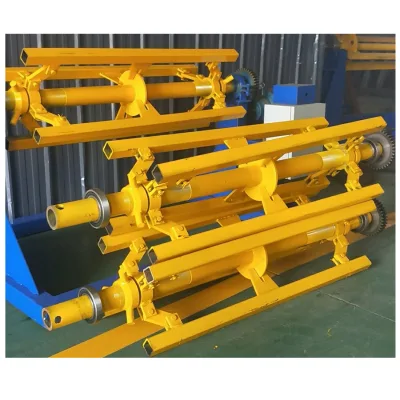
5 Tons Roofing Coil Manual Decoiler
$200.00 - $350.00
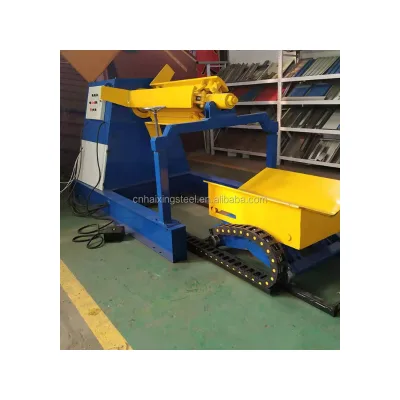
Best Price Decoiler Machine Sheet Metal Decoiler Mandrel Automatic Uncoiler Machine
$12500.00 - $18500.00

Botou Shengrui Roll Forming Machinery Co., Ltd.
- Trading Company,Manufacturer/Factory
- China Hebei
- Lead time105 days
- Avg. response≤ 4h
Main productsRoll Forming Machine, Roof Sheets Machine, C Purline Roll Forming Machine, Z Purline Machine, Sandwich Panel Roll Forming Machine, Wall Panel Roll Forming Machine, Shutter Door Forming Machine, Corrugated Roofing Sheets Machine, Cutting Machine, Roll Former
Main marketsSouth America,Eastern Europe,Mid East,North America,Southeast Asia,Eastern Asia,Oceania,Western Europe,Africa

Hydraulic Decoiler Hydraulic Hydraulic Decoiler Hydraulic Steel Coil Decoiler for Sale
$8500.00 - $9000.00
Moq: 1

HAIXING (TIANJIN) INTELLIGENT EQUIPMENT CO., LTD
- Verified by SGS Group
- Manufacturer, Trading Company
- Lead time20 days
- Avg. response≤ 1h
Main productsRoof & Wall Roll Forming Machine, Light Steel Keel Roll Forming Machine, Cable Tray Roll Forming Machine, Roll Forming Machine For Solar Structure, Leveling slitting production line
Main marketsSouth America(20%), Africa(20%), Southeast Asia(15%)
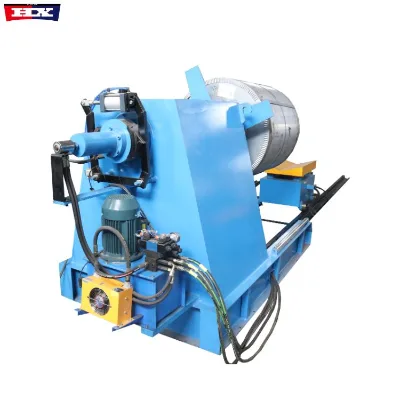
2-Ton Fully Automatic 530mm Max Shaft Inner Diameter Hydraulic Reel Decoiler
$1620.00 - $2000.00
Moq: 1
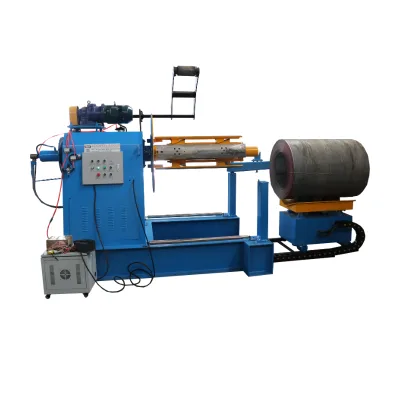
$5500.00 - $7500.00

XIAMEN ZHENG LIMING METALLURGICAL MACHINERY CO., LTD.
- Verified by TUVRHEINLAND
- Combined
- China Fujian
- Lead time45 days
- Avg. response≤ 4h
Main productsRoll Forming Machine, PU Sandwich Panel Production Line, Steel Framing System Production Line
Main marketsSouth America,Africa,Southeast Asia/ Mideast,East Asia(Japan/ South Korea),Domestic,Europe,Australia,North America

Cangzhou Zunsheng Import and Export Co., Ltd.
- Manufacturer/Factory
- China Hebei
- Lead time23 days
- Avg. response≤ 7h
Main productsLight Gauage Steel Roll Forming Machine, Roof Sheet Forming Machine, Slitting Line, Sandwich Panel Production Line, Bending and Cutting Machine, Floor Deck Roll Forming Machine, Roler Shutter Door Roll Forming Machine
Main marketsSouth America,Eastern Europe,Mid East,North America,Southeast Asia,Eastern Asia,Oceania,Western Europe,Africa

Hangzhou WILLING INTERNATIONAL CO., LTD.
- Verified by BV
- Trading Company,Manufacturer/Factory
- China Zhejiang
- Lead time60 days
- Avg. response≤ 1h
Main productsSteel Roof Tile Roll Forming Machine, Corrugated Steel Sheet Roll Forming Machine, C/Z Purlin Roll Forming Machine, Steel Deck Roll Forming Machine, Slitting Line, Cut to Length Line, Press Brake, Shearing Machine, PPGI Gi PPGL Gl, Aluminium Coil
Main marketsSouth America,Eastern Europe,Mid East,North America,Southeast Asia,Eastern Asia,Oceania,Western Europe,Africa

Customized Decoiler Uncoiler Machine for Metal Steel Coil Decoiling Machine
$2000.00 - $20000.00
Moq: 1

Metal Sheet Decoiling Machine for Steel Coil Electric Uncoiler Machine Decoiler
$2000.00 - $20000.00
Moq: 1

Hydraulic Decoiler for Colored Steel Tiles Feeding Width for Building Materials
$2000.00 - $20000.00
Moq: 1
Tianjin Hengrunhe International Trade Co., Ltd.
- Trading Company
- Tianjin, China
- Lead time30 days
- Avg. response≤ 2h
Main productssteel profile,steel profile accessories,steel profile machine
Main marketsSouth America(30.0%), Mid East(15.0%), Eastern Asia(10.0%), North America(10.0%), Oceania(10.0%), Central America(10.0%), Eastern Europe(10.0%), Africa(5.0%)
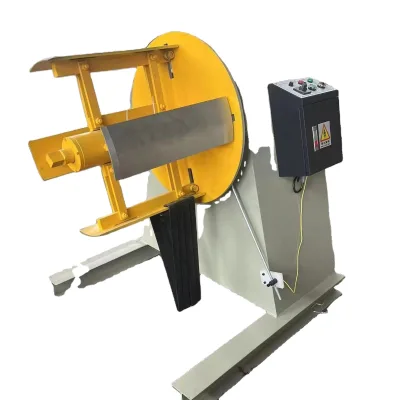
500kgs Coiler Decoiler Light Duty for Steel Strips
$435.00 - $735.00
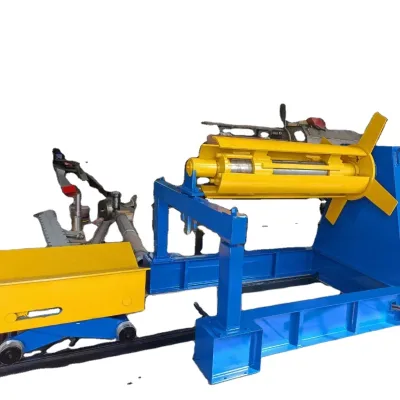
1500mm Width Automatic Hydraulic Steel Sheet Decoiler
$999.00 - $3999.00
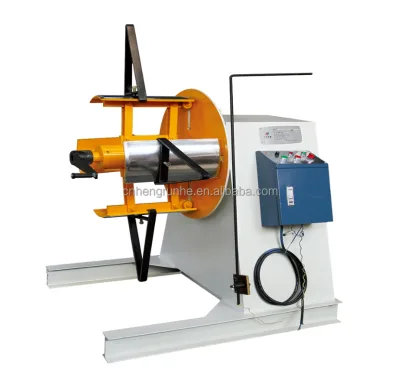
5T Hydraulic for Roll Forming Decoiler Machine
$435.00 - $735.00
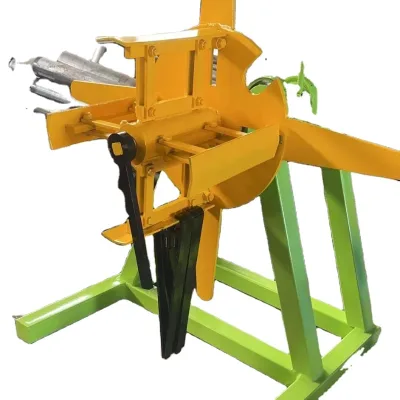
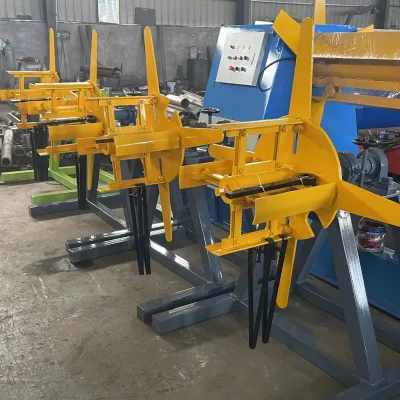
2Tons Manual Metal Decoiler for Drywall Profile Machine
$435.00 - $735.00

Hebei Moran Environmental Protection Technology Corp.
- Trading Company
- China Hebei
- Lead time30 days
- Avg. response≤ 4h
Main productsCold Rolling Mill, Milling Machine, 5- Stand Cold Continuous Rolling, Cold Rolling Mill Machine, Non Acid Leaning Steel Tape Equipment, 4 -High Leveling Machine, Cold Rolling Pickling Line, 650mm Tension Leveling Machine, Leveling Machine, Rolling Mill Machine
Main marketsSoutheast Asia/ Mideast

Botou Kefa Roll Forming Machine Co., Ltd.
- Combined
- China Hebei
- Lead time30 days
- Avg. response≤ 6h
Main productsRoll Forming Machine, Slitting Line, Cut to Length Line, Punching Line, Plate Roll Machine
Main marketsSoutheast Asia/ Mideast,North America




Comprehensive Sourcing Guide
Roof Foil Roll Decoiler Supplier Concentration and Factory Types
Current data indicates a concentration of manufacturing activity in China, specifically within the Hebei and Henan provinces. These regions host a mix of trading companies and manufacturers that produce roll forming equipment, including tile making machines, metal sheet cutting tools, and various decoiler units. The presence of facilities in Cangzhou, Hebei, suggests a localized industrial cluster for heavy machinery components. Buyers should verify if a specific factory operates within these known industrial zones to ensure proximity to supply chains for steel and metal processing equipment.
The supplier landscape includes entities classified as trading companies, manufacturers, and combined operations. Some suppliers list main products such as roll forming machines, stud roll forming machines, and hydraulic decoilers, while others focus on specific components like PPGI coil decoilers. It is essential to distinguish between a pure trading entity and a factory with direct production capacity, as this affects customization capabilities and quality control. The available data shows that many suppliers offer both OEM and ODM services, indicating a capacity for tailored manufacturing rather than just reselling standard inventory.
How to Verify Roof Foil Roll Decoiler Suppliers
Verification begins with checking for recognized system certifications such as ISO 9001, which appears in the product attributes of several decoiler listings. Some suppliers also display ISO and CE certifications, which are critical for ensuring that the machinery meets international safety and quality standards. Buyers must confirm that these certifications are current and valid for the specific model being purchased, as the presence of a certificate does not guarantee the quality of every unit produced. Additionally, verification of the supplier's business type, whether they are a manufacturer or a trading company, is a primary step in establishing credibility.
Response time and verification status provide further insight into supplier reliability. Data shows response times ranging from approximately 2.28 to 6.52 hours, with some suppliers holding SGS verification status. A faster response time often correlates with better communication channels and more active sales teams, which is vital for resolving technical queries quickly. Buyers should also look for evidence of product attributes like "New" condition and specific technical specifications such as hydraulic pressure ratings or power consumption. These details serve as tangible proof of the supplier's ability to deliver functional, ready-to-use equipment rather than generic descriptions.
What to Compare Across Roof Foil Roll Decoiler Suppliers
When evaluating options, buyers should compare lead times, which vary significantly across the market. Observed lead times range from 30 days to 60 days, with some suppliers offering faster turnaround for specific models. This variation directly impacts project scheduling and inventory planning, making it a critical factor in supplier selection. Alongside lead times, the minimum order quantity (MOQ) is another key metric. While some listings indicate an MOQ of 1 unit, others may have different thresholds that affect the total cost of ownership for smaller procurement needs.
Price and customization capabilities are equally important dimensions for comparison. Product listings show price ranges from 4,500 to 12,000 units of currency, depending on the model and specifications. Buyers must analyze whether the lower price point includes necessary features like hydraulic systems or coil cars, or if these are add-ons. Furthermore, the availability of customization is a differentiator; some suppliers explicitly state that customization is available for standard models, while others may offer limited flexibility. Comparing these factors helps identify suppliers that offer the best balance of cost, speed, and technical adaptability for specific project requirements.
Common Roof Foil Roll Decoiler Sourcing Risks
One significant risk involves the discrepancy between advertised specifications and actual product delivery. While product attributes list features like "Recycle" capability or specific power ratings, the physical delivery may not match these claims if the supplier lacks rigorous quality control. Buyers must be cautious of vague descriptions such as "Nacked" or "Nude" packing, which may indicate insufficient protection during transit. This lack of standardized packaging can lead to damage upon arrival, resulting in costly repairs or delays in setting up the roll forming line.
Another risk is the potential for misalignment between the supplier's claimed capacity and their actual production output. Although many suppliers list OEM and ODM capabilities, the actual ability to meet large volume orders within the stated lead time is not guaranteed. The variation in response times suggests that some suppliers may be overwhelmed or understaffed, leading to communication breakdowns. Additionally, relying solely on online certifications without physical verification can expose buyers to counterfeit or substandard machinery. It is crucial to validate that the supplier can consistently deliver the specific technical parameters, such as hydraulic pressure or coil width, required for the intended application.
Roof Foil Roll Decoiler Regional Sourcing and Logistics
Sourcing from China, particularly from Hebei and Henan provinces, offers access to a dense network of machinery manufacturers. These regions are known for their industrial infrastructure supporting metal forming equipment, which can streamline the logistics of sourcing heavy machinery like decoilers. However, the distance from these manufacturing hubs to international ports introduces variables in shipping times and costs. Buyers should account for the fact that products originate from specific cities like Cangzhou, which may influence the final delivery schedule and freight charges.
Logistics planning must also consider the physical dimensions and weight of the decoiler units. Product attributes indicate standard sizes ranging from 2.8 meters to 6.5 meters in length, with weights varying from 2.5 tons to 20 tons depending on the model. These dimensions require specialized shipping arrangements, such as flat rack containers or open top containers, to ensure safe transport. The packing method, whether described as a wooden box, container, or nude packing, directly impacts the loading efficiency and protection of the goods. Buyers need to coordinate closely with freight forwarders to ensure that the chosen shipping method aligns with the specific dimensions and weight of the ordered decoiler.
Roof Foil Roll Decoiler Commercial Terms and Order Planning
Commercial terms regarding payment and warranty are essential components of the order planning process. While specific warranty periods are mentioned for some models, such as a two-year warranty, buyers must confirm the exact terms before finalizing the purchase. The availability of customized voltage and power supply options, such as 380V 50Hz, requires clear communication to ensure compatibility with the buyer's local electrical infrastructure. Failure to specify these requirements accurately can lead to equipment that is incompatible with the site's power grid, necessitating expensive modifications.
Order planning should also factor in the total power consumption and load capacity of the decoiler. Specifications like a total power of 5.5kw+4kw or a load capacity of 8 tons are critical for determining the necessary site preparation and energy infrastructure. Buyers must verify that the supplier's stated capacity matches their production needs, as underestimating these requirements can lead to operational bottlenecks. Additionally, the inclusion of accessories like coil cars or hydraulic systems should be explicitly detailed in the commercial agreement to avoid unexpected costs. Clear documentation of these technical and commercial details ensures a smoother transaction and successful implementation of the machinery.
FAQs
What is the typical lead time for roof foil roll decoilers?
Lead times vary by supplier, ranging from 30 to 60 days based on the specific manufacturer. Some suppliers in Hebei offer a 30-day turnaround, while others may require up to 60 days for production and shipping. Buyers should confirm the exact delivery schedule before placing an order.
Do suppliers offer customization for hydraulic decoiler machines?
Yes, customization is available for many hydraulic decoiler models listed in the search results. Buyers can request specific voltage, coil width, or capacity adjustments to match their production line needs. Always verify the customization options directly with the supplier to ensure compatibility.
What certifications do these roof foil roll decoilers hold?
Many suppliers provide machines certified under ISO 9001 standards, with some offering additional CE certification. These certifications indicate compliance with international quality and safety requirements. Buyers should request valid certification documents to verify the specific standards met by the equipment they intend to purchase.
What is the minimum order quantity for these decoiler machines?
The minimum order quantity is typically one unit for most hydraulic decoiler models available from these suppliers. This allows buyers to test the equipment without committing to large bulk orders. However, pricing and shipping terms may vary depending on the specific supplier and order volume.
Where are these Roof Foil Roll Decoiler manufacturers located?
Manufacturers are primarily located in China, specifically in Hebei and Henan provinces. Some products originate from Cangzhou in Hebei. Buyers should verify the exact factory location to assess shipping costs and logistics requirements for importing the machinery to their destination country.
What is the price range for a hydraulic decoiler machine?
Prices for hydraulic decoilers range from 4,500 to 12,000 USD depending on capacity and features. Lower capacity models start around 4,500 USD, while heavy-duty units with coil cars can reach 12,000 USD. Buyers should compare specific product specifications to determine the accurate cost for their needs.
How quickly do suppliers typically respond to inquiries?
Response times vary among suppliers, with some responding within 2.28 hours and others taking up to 6.52 hours. Faster response times often indicate higher availability or dedicated sales teams. Buyers should expect a response within a few hours but should follow up if no reply is received.