Room Spray Bottle Suppliers and Manufacturers
Source 22 verified suppliers for Room Spray Bottle packaging. Compare dimensions including location, lead time, MOQ, and certifications. Review product specs and request quotes to streamline your procurement process; review the available evidence before requesting comparable quotations from suitable candidates.
Suppliers List

OLILA (GUANGZHOU) COSMETIC PACKAGE CO., LTD.
- Trading Company,Manufacturer/Factory
- China Guangdong
- Lead time45 days
- Avg. response≤ 9h
Main productsCosmetic Packaging, Perfume Bottles, Perfume Cap, Spray Cap, Aerosol Can, Aerosol Valve, Cream Jars, Cosmetic Packages, Perfume Bottle Caps, Olila Cosmetic Containers
Main marketsSouth America,Eastern Europe,Mid East,North America,Southeast Asia,Eastern Asia,Oceania,Western Europe,Africa

guangzhou huaxin plastic product co.ltd
- Verified by CTI
- Combined
- China Guangdong
- Lead time30 days
- Avg. response≤ 4h
Main productsPlastic Tube, Cosmetic Tube, Soft Tube, Plastic Tube Packaging, PE Tube, Clear Plastic Tube, Hand Cream Tube, Eye Cream Tube, Pet Bottle, Cosmetic Jar
Main marketsSouth America,Africa,Southeast Asia/ Mideast,East Asia(Japan/ South Korea),Domestic,Europe,Australia,North America
- Verified by TUVRHEINLAND
- Trading Company,Manufacturer/Factory
- China Jiangsu
- Lead time23 days
- Avg. response≤ 4h
Main productsMedal, Coin, Lapel Pin, PVC Patch, Embroidery Patch, Keychain, Button Badge, Silicone Wristband, Lanyards, Gift
Main marketsSouth America,Eastern Europe,Mid East,North America,Oceania,Western Europe
Ningbo Refiner Imp. & Exp. Co., Ltd.
- Verified by BV
- Trading Company,Manufacturer/Factory
- China Zhejiang
- Lead time23 days
- Avg. response≤ 11h
Main productsAll Plastic Trigger Sprayer, Oblique Pump Trigger Sprayer, Foam Pump, Lotion Pump, Mist Sprayer, Cream Pump, Plastic Cap, Plastic Bottle
Main marketsSouth America,Eastern Europe,Mid East,North America,Southeast Asia,Eastern Asia,Oceania,Western Europe,Africa


White Color Nice Quality Hair Spray Bottle Continuous Room Freshener Bottle
$0.52 - $0.57
MOQ: 10000 Pieces

Direct Factory Hair Spray Bottle Air Cleaner Spray Bottle Continuous Spray
$0.52 - $0.57
MOQ: 10000 Pieces
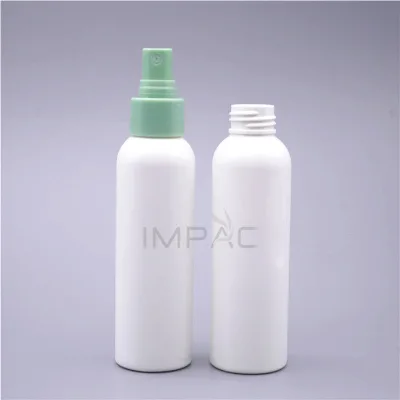
Impac International Trading Co., Ltd. (zhangjiagang)
- Verified by Intertek
- Trading Company
- Lead time30 days
- Avg. response≤ 5h
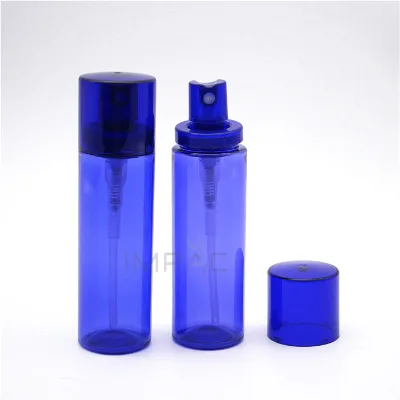
Main productsAcrylic Bottles And Jars, Plastic Bottles And Jars, Glass Bottles And Jars, Cosmetic Packaging, Spray Bottles
Main marketsNorth America(45%), Western Europe(25%), South America(8%)
Difanmax Tech Lianyungang Co., Ltd.
- Verified by BV
- Manufacturer/Factory
- China Jiangsu
- Lead time23 days
- Avg. response≤ 4h
Main productsConsumer Electronics, Kinesiology Tape Adhesive Tapes, Industrial Tools, Home & Garden, Gifts & Crafts, Sport Products Entertainment, Health & Medical, Auto Parts E-Bike Auto Tools & Components, Clothes Apparel, Bicycle Hardware Laboratory Measuring Protective
Main marketsSouth America,North America,Southeast Asia,Oceania,Western Europe
Yuyao Yuge Commodity Packing Co., Ltd.
- Verified by SGS
- Combined
- China Zhejiang
- Lead time15 days
- Avg. response≤ 9h
Main productsLotion Pump, Trigger Sprayer, Plastic Cap, Cosmetic Packaging
Main marketsSouth America,Europe,Australia,North America

Water Spray Mist Bottle Plastic Plastic Perfume Spray Bottle Plastic Spray Bottle
$0.11
MOQ: 5000 pieces


Qingdao Art Fortune Imp/Exp Co., Ltd.
- Verified by TUVRHEINLAND
- Trading Company
- China Shandong
- Lead time30 days
- Avg. response≤ 5h
Main productsScented Candle, Reed Diffuser, Glass Jar Candle, Flameless LED Wax Candle, Candle and Home Fragrance, Tealight Candle, Candle Holder, Candle Gift Set, Handmade Pillar Candle, Tin Candle
Main marketsAfrica
Yuyao Luhang Daily Necessities Co., Ltd.
- Verified by TUVRHEINLAND
- Combined
- China Zhejiang
- Lead time23 days
- Avg. response≤ 9h
Main productsTrigger Sprayer, Lotion Pump, Fine Mist Sprayer, Sprayer Pen&Card Sprayer, Treatment Pump, Foam Pump, Nail&Cleaning Pump, Plastic Cap, Airless Bottle, Bottle
Main marketsSouth America,Others(foreignTradeCapacity.exportBusinessCapacityMarketOther),Southeast Asia/ Mideast,Domestic


Spray Pump Bottle Aluminum Facial Cleanser Cosmetic Storage Perfume Aluminum Bottle
$0.32 - $0.35
MOQ: 10000 Pieces


Yuyao Zhuoxin Import & Export Co., Ltd.
- Trading Company,Manufacturer/Factory
- China Zhejiang
- Lead time0 days
- Avg. response≤ 9h
Main productsTrigger Sprayer, Lotion Pump, Mist Sprayer, Cream Pump, Plastic Vacuum Bottle, Plastic Acrylic Jar, Plastic Cap, Card/Pen Perfume Sprayer, Lipstick Case, Cream Jar
Main marketsSouth America,Eastern Europe,Mid East,North America,Southeast Asia,Eastern Asia,Oceania,Western Europe,Africa
Ningbo Subir Commodity Co., Ltd
- Verified by TUVRHEINLAND
- Combined
- China Zhejiang
- Lead time30 days
- Avg. response≤ 24h
Main productsSpray Bottle, Credit Card Spray Bottle, Card Spray Bottle, Refillable Spray Bottle, Hand Sanitizing Spray Bottle, Perfume Tester, Perfume Vials, Perfume Spray Bottle, Pocket Spray Bottle, Plastic Bottle
Main marketsEurope,North America

Ningbo Beixuan International Trading Co., Ltd.
- Verified by TUVRHEINLAND
- Manufacturer/Factory
- China Zhejiang
- Lead time15 days
- Avg. response≤ 10h
Main productsPlastic Bottle, Plastic Cup, Plastic Honey Jar, Plastic Food Container, Glass Juice/ Beverage Bottle, Glass Jar, Glass Wine Bottle, Glass Essential Oil Bottles, Cosmetic & Perfume Glass Bottles, Paper Cup
Main marketsSouth America,Eastern Europe,Mid East,North America,Southeast Asia,Eastern Asia,Oceania,Western Europe,Africa

ningbo crown commodity co.,ltd
- Verified by SGS
- Combined
- China Zhejiang
- Lead time30 days
- Avg. response≤ 25h
Main productsPerfume Sprayer, Lotion Pump, Trigger Sprayer, Pet Bottle, Cosmetic Package, Eyeliner Package
Main marketsAfrica,Southeast Asia/ Mideast,Europe,North America

Ningbo Passen Technology Co., Ltd.
- Verified by BV
- Trading Company
- China Zhejiang
- Lead time30 days
- Avg. response≤ 9h
Main productsWide Mouth Jar, Cosmetic Bottle, Plastic Bottle, Cosmetic Jar, Cosmetic Packaging, Aluminum Bottle, Cream Jar, Plastic Packaging, Aluminum Jar, Lotion Bottle
Main marketsSouth America,Africa,Southeast Asia/ Mideast,East Asia(Japan/ South Korea),Europe,Australia,North America

Jinjiang Jiaxing Import and Export Co., Ltd.
- Verified by CTI
- Manufacturer/Factory
- China Fujian
- Lead time120 days
- Avg. response≤ 1h
Main productsShoes, Slipper, Clothes, Promotion Gifts, Silicone Products, Outdoor Sports Products, Bags, Fashion Accessories, Consumer Electronics
Main marketsSouth America,Eastern Europe,Mid East,North America,Southeast Asia,Eastern Asia,Oceania,Western Europe,Africa
YUYAO YIHE COMMODITY CO., LTD.
- Verified by TUVRHEINLAND
- Manufacturer/Factory
- China Zhejiang
- Lead time23 days
- Avg. response≤ 3h
Main products20ml Pocket Perfume Bottle with Caps, Trigger Sprayer, Lotion Pump, Mist Sprayer, Pet Bottle, Disc Top Cap, Flip Top Cap, Foam Sprayer, Foam Sprayer Bottle, Perfume Sprayer
Main marketsSouth America,Eastern Europe,Mid East,North America,Southeast Asia,Eastern Asia,Oceania,Western Europe
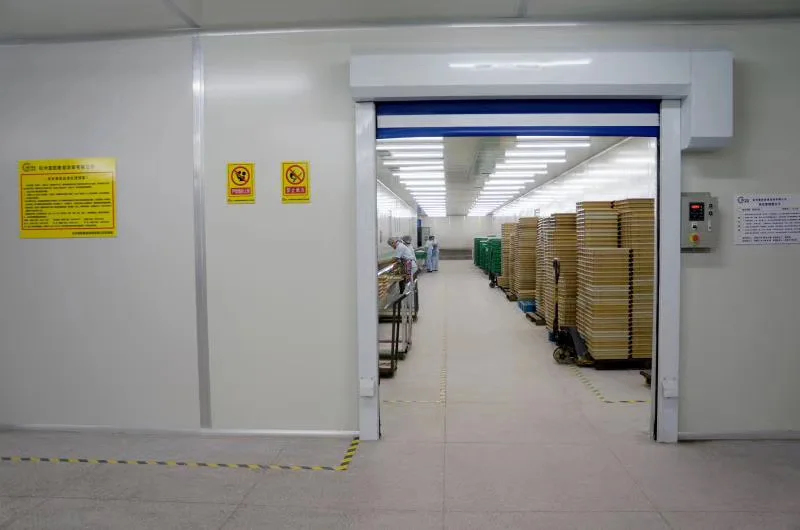
Hangzhou Deve Packaging Co., Ltd.
- Manufacturer, Trading Company
- Zhejiang, China
- Lead time25 days
- Avg. response≤ 2h
Main productsplastic bottle,cosmetic glass bottle,perfume bottle,spray bottle,Foam Bottle
Main marketsEastern Europe(35.00%), North America(27.70%), South Asia(11.93%), South America(9.00%), Mid East(7.20%), Domestic Market(5.00%), Oceania(4.17%)
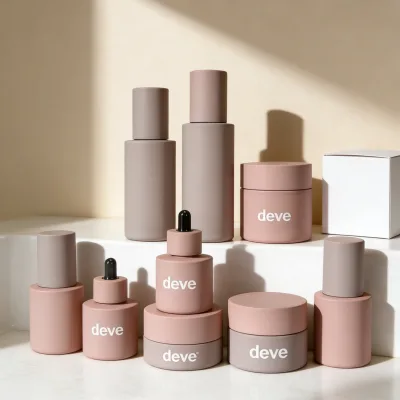
Custom New Design Cosmetic Room Spray Bottles with Bamboo Pump Lid 30ml 50ml 100ml 50g
$0.37 - $0.90
MOQ: 100 pieces
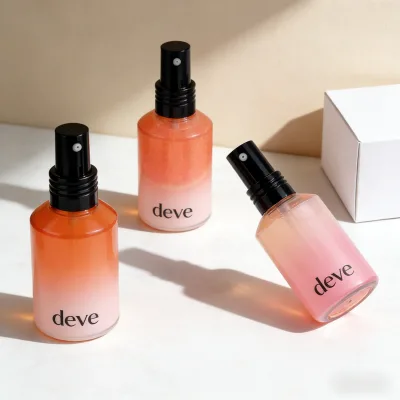

- Verified by CTI
- Trading Company
- China Zhejiang
- Lead time30 days
- Avg. response≤ 3h
Main productsAirless Bottle, Glass Bottle, Comb, Cosmetic Packaging, Food Packaging, Sprayer, Lotion Pump Machine, Gift, Roll on Ball
Main marketsAfrica,Southeast Asia/ Mideast

Ningbo Langyi Plastic Industry Co., Ltd.
- Verified by TUVRHEINLAND
- Combined
- China Zhejiang
- Lead time23 days
- Avg. response≤ 3h
Main productsCosmetic Packaging, Trigger Sprayer, Mist Sprayer, Lotion Pump, Cream Pump, Cosmetic Bottle, Acrylic Bottle, Airless Bottle, Cream Jar, Packaging Bottles
Main marketsSouth America,Southeast Asia/ Mideast,Europe

Ningbo Fantasy Packaging Co., Ltd.
- Verified by SGS
- Trading Company,Manufacturer/Factory
- China Zhejiang
- Lead time23 days
- Avg. response≤ 5h
Main productsLotiton Pump, Trigger Sprayer, Mini Sprayer, Foam Pump, Mist Sprayer, Card Sprayer, Plastic Cap, Plastic Jar, Plastic Bottle, Airless Bottle
Main marketsSouth America,Eastern Europe,Mid East,North America,Southeast Asia,Eastern Asia,Oceania,Western Europe,Africa
The TNN Development Limited China
- Verified by TUVRHEINLAND
- Trading Company
- China Liaoning
- Lead time30 days
- Avg. response≤ 2h
Main productsRing Pull Cap, Glass Bottle, Pet Preform, Beverage Production Line, Trigger Sprayer, Bottle Cap, Crown Cap, I-Beam Crossmember, Blow Molding Machine, PVC Pet Rigid Film
Main marketsAfrica


Shampoo Lotion Pump Bottle with Pump Shampoo Bottles Plastic Lotion Pumps
$0.04 - $0.07
MOQ: 10000 pieces

Ningbo YMS Imp & Exp Co., Ltd.
- Trading Company
- China Zhejiang
- Lead time45 days
- Avg. response≤ 8h
Main productsLipstick Case, Cosmetic Compact, Lip Gloss Case, Mascara Tube, Eyeliner Bottle, Cosmetic Pen, Acrylic Jar, Cosmetic Pot, Loose Powder Container, Airless Lotion Bottle
Main marketsSouth America,Southeast Asia/ Mideast,Europe




Comprehensive Sourcing Guide
Room Spray Bottle Supplier Concentration and Factory Types
Current data indicates a concentration of manufacturers and trading companies operating within China, specifically in the Guangdong, Jiangsu, and Zhejiang provinces. These regions host facilities capable of producing glass and plastic room spray bottles, with Guangdong suppliers often listing cosmetic packaging and perfume bottles as primary outputs. Some entities in these clusters operate as combined trading and manufacturing entities, offering both OEM and ODM services for custom designs. The presence of specific product attributes like glass materials and plastic triggers suggests a mature supply chain for diverse bottle types, ranging from standard 50ml units to larger 200ml containers.
Buyers should verify the specific factory type before engaging, as some suppliers are trading companies while others are direct manufacturers. The distinction matters for pricing and customization control, with manufacturers often providing more direct engineering support for mold development. Evidence shows some suppliers offer own brands like Olila alongside standard OEM services, indicating varying levels of vertical integration. When evaluating potential partners, look for explicit statements regarding their production capacity and whether they handle the entire process from raw material sourcing to final packaging. This verification ensures the supplier can meet specific volume requirements without relying on third-party intermediaries for core manufacturing steps.
How to Verify Room Spray Bottle Suppliers
Verification processes for Room Spray Bottle suppliers often involve checking for third-party audit reports and system certifications. Available data points include ISO 9001, ISO 14001, and specific verification badges from organizations like CTI, TÜV Rheinland, and BV. These credentials serve as indicators of quality management systems and safety standards, though buyers must confirm the current validity of these certificates directly with the supplier. A supplier claiming ISO 9001 certification should provide a valid certificate number that can be cross-referenced with the issuing body to ensure the facility is not merely a trading entity without production oversight.
Response time and service availability are also critical verification metrics for assessing supplier reliability. Data shows response times ranging from approximately 3.25 to 10.40 hours, with some suppliers explicitly offering 24-hour online services. A faster response time often correlates with better communication channels and more active account management, which is vital for resolving issues during the sampling phase. Buyers should test the communication channel by asking specific technical questions about bottle sealing types or material composition. If a supplier cannot provide immediate, detailed answers regarding their product specifications, it may indicate a lack of technical depth or reliance on generic sales scripts rather than engineering expertise.
What to Compare Across Room Spray Bottle Suppliers
When comparing suppliers, lead time and minimum order quantity (MOQ) are primary differentiators that impact inventory planning and cash flow. Current observations reveal lead times varying from 15 to 45 days, with some suppliers offering expedited options of 30 days or less. MOQs also differ significantly, with some glass bottle suppliers requiring 10,000 units while plastic trigger sprayer manufacturers may accept orders as low as 5,000 units. Buyers must align these constraints with their sales forecasts to avoid overstocking or facing production delays that could disrupt market availability.
Material composition and customization capabilities form another essential comparison dimension for Room Spray Bottle sourcing. Suppliers offer products in glass, PP plastic, and PET materials, each with distinct properties regarding weight, clarity, and chemical resistance. Some vendors provide full customization for labels, cap colors, and spray mechanisms, while others may limit options to standard configurations. Pricing also varies based on these factors, with glass bottles ranging from $0.15 to $0.48 per unit and plastic options showing different price bands. Evaluating the total cost of ownership requires factoring in the cost of customization, packaging standards, and the specific sealing types like pump sprayers or mist nozzles required for the intended product application.
Common Room Spray Bottle Sourcing Risks
One significant risk involves the discrepancy between advertised lead times and actual production schedules. While some suppliers list a standard lead time of 30 days, others may extend this to 45 days depending on material availability or order volume. Buyers who do not account for these variations risk missing critical market windows, especially for seasonal product launches. It is essential to confirm the lead time in writing and understand what factors, such as mold creation or raw material shortages, could cause further delays beyond the initial estimate provided during the inquiry phase.
Another risk pertains to the accuracy of product specifications and material claims. Suppliers may list materials as "Glass" or "Plastic" but fail to specify the exact grade or thickness, which affects durability and leak resistance. There is also a risk regarding the sealing type, as pump sprayers and mist nozzles must be compatible with the specific liquid formulation being packaged. If a supplier claims a product is leak-proof without providing test data or certification, the buyer may face product failure in the field. Verifying the actual physical properties of the sample before mass production is crucial to mitigate these risks and ensure the final product meets safety and performance standards.
Room Spray Bottle Regional Sourcing and Logistics
Sourcing from China offers access to established manufacturing clusters in Guangdong, Jiangsu, and Zhejiang, each with specialized capabilities. Guangdong suppliers often focus on cosmetic packaging and glass bottles, while Zhejiang and Jiangsu facilities may specialize in plastic triggers and sprayers. Understanding these regional specializations helps buyers target the right suppliers for their specific material needs. However, logistics from these inland and coastal provinces can vary in complexity, with shipping times and costs influenced by the specific port of origin and the chosen freight method.
Buyers must also consider the impact of regional logistics on overall lead times and costs. While some suppliers offer standard packing cartons, others may use inner trays and PE bags for added protection, affecting the volume and weight of the shipment. The origin location, whether Guangdong or Jiangsu, determines the distance to major shipping ports, which can influence transit times to international destinations. Additionally, suppliers in different regions may have varying relationships with freight forwarders, potentially offering better rates or more reliable shipping schedules. Evaluating the logistics network of a supplier is as important as evaluating their production capabilities to ensure a smooth supply chain from factory to final destination.
Room Spray Bottle Commercial Terms and Order Planning
Commercial terms for Room Spray Bottle orders often include specific pricing structures based on volume and customization levels. Current data indicates price ranges from $0.11 to $0.48 per unit, with lower prices typically associated with higher order volumes and standard configurations. Buyers should negotiate based on the total landed cost, including packaging, shipping, and any potential tariffs, rather than focusing solely on the unit price. Understanding the payment terms and escrow options is also vital for securing the transaction, as some suppliers may require deposits before production begins.
Order planning must account for the specific MOQs and production capacities of the selected supplier. With MOQs ranging from 100 to 10,000 units, buyers need to balance their initial order size with their long-term demand projections. Suppliers with higher capacities may offer better unit economics but require larger commitments, while those with lower MOQs provide flexibility for testing new markets. Additionally, buyers should plan for the time required for sampling and approval, as this can add weeks to the overall timeline before mass production starts. Clear communication regarding these commercial terms and planning horizons ensures a successful partnership and minimizes the risk of unexpected costs or delays.
FAQs
What materials are available for room spray bottles?
Suppliers offer glass and plastic options for room spray bottles. Glass bottles are available with pump sprayers and come in 50, 100, or 200ml sizes. Plastic variants include PP materials suitable for continuous spray applications and fine mist designs for various cleaning needs.
What is the minimum order quantity for these bottles?
Minimum order quantities vary by material and design. Glass cosmetic bottles typically require 10,000 units per order. Plastic trigger sprayers and fine mist bottles may start at 5,000 units. Some sports water spray bottles have a lower threshold of 100 units for specific models.
How long does production take for custom orders?
Production lead times range from 15 to 45 days depending on the supplier and product type. Plastic spray bottles often have a lead time of 15 to 30 days. Glass cosmetic packaging and specialized metal caps may require up to 45 days for manufacturing and quality checks.
Are customization services like logo printing available?
Yes, customization is available for most bottle types including logo printing and color selection. Suppliers offer OEM and ODM services for plastic and glass bottles. Customizable features include tube length, cap styles, and specific volume standards like 50ml or 120ml for different market requirements.
What certifications do the suppliers hold?
Suppliers hold various certifications including ISO 9001, ISO 14001, and BSCI. Some manufacturers are verified by third parties like CTI, TÜV Rheinland, and BV. Additional certifications may include CE, GMP, and OHSAS 18001 depending on the specific factory and product line being sourced.
Where are the manufacturers located?
Manufacturers are located in China, specifically in Guangdong, Jiangsu, and Zhejiang provinces. Guangdong suppliers focus on cosmetic packaging and glass bottles. Jiangsu and Zhejiang facilities often produce plastic trigger sprayers and sports water bottles with various sealing types and customization options.
What is the price range for bulk orders?
Prices vary based on material and volume. Glass spray bottles range from 0.15 to 0.48 USD per unit. Plastic cosmetic spray bottles are priced between 0.11 and 0.19 USD. Sports water spray bottles with mist functions cost between 1.20 and 3.78 USD depending on capacity and features.