Rose Antiperspirant Gel Deodorant Suppliers and Manufacturers
Explore 20 verified suppliers offering Rose Antiperspirant Gel Deodorant with options for OEM, ODM, and private labeling. Compare response times, lead times, MOQs, and certifications like ISO 22716 and GMPC to find the right partner. Contact suppliers directly to request samples and negotiate pricing.
Suppliers List
Guangzhou Yilong Cosmetics Co., Ltd.
- Manufacturer, Trading Company
- Lead time旺季: "1 - 1000":31,"> 1000":"To be negotiated", 淡季: "1 - 1000":31,"> 1000":"To be negotiated"
- Avg. response≤ 3h
Main productsOral care, Deodorant & Antiperspirant, Facial care, Body lotion, Men's care

GUANGZHOU BEAUTY COSMETICS CO., LIMITED
- Verified by BV
- Trading Company
- China Guangdong
- Lead time30 days
- Avg. response≤ 22h
Main productsBody Lotion, Soap, Face Cream, Body Scrub, Suncare, Shampoo
Main marketsAfrica,North America


Private Label Organic Natural Deodorant Antiperspirant Man and Woman Underarm Body Deodorant
$1.25 - $1.35
MOQ: 5000 Pieces


Private Label Deodorant Feature Natural Deodorant Antiperspirant Roll on for Body
$1.25 - $1.35
MOQ: 5000 Pieces
Guangzhou Haishi Biological Technology Co., Ltd.
- Verified by TüVRheinland
- Manufacturer, Trading Company
- Lead time30 days
- Avg. response≤ 3h
Main productsFace Cream, Face Serum, Mouthwash, Tattoo Care, Deodorant
Main marketsNorth America(70%), Southeast Asia(6%), Oceania(4%)
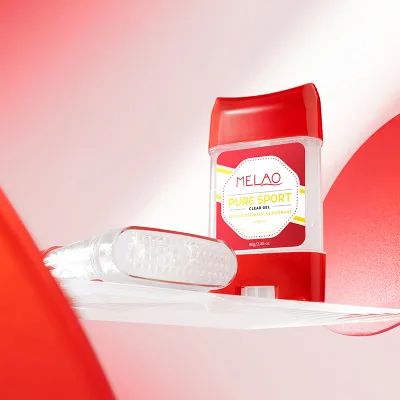
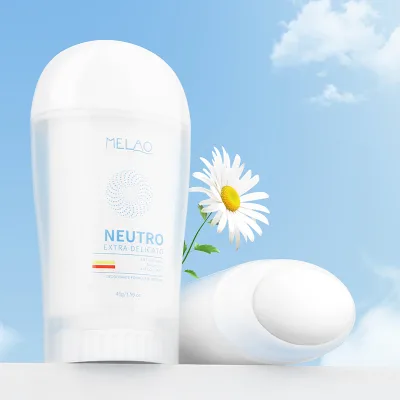
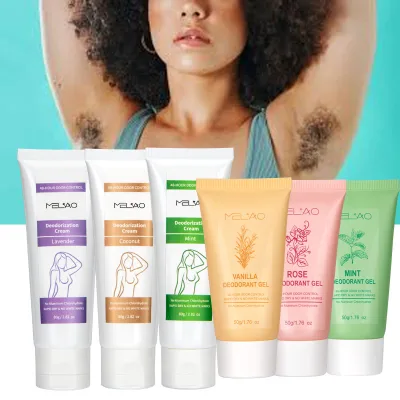
Deodorant Factory Wholesale Natural Gel Deodorant Melao Deodorant Gel Odorless Scent 80g for Men
$1.25 - $1.99
MOQ: 1000 pieces


GUANGZHOU BANGTING COSMETICS CO., LTD.
- Verified by TUVRHEINLAND
- Combined
- China Guangdong
- Lead time30 days
- Avg. response≤ 20h
Main productsFacial Cleansing Products, Facial Care, Eye Care, Collagen Eye Mask, Shampoo, Hair Mask, Eye Cream, Hair Essential Oil, Shower Gel, Body Lotion
Main marketsSoutheast Asia/ Mideast


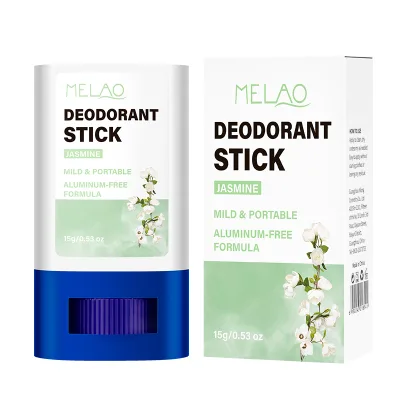
Aloe Vera Deodorant Antiperspirant Stick Natural Gentle Formula Plant Deodorant for Underarm
$0.50 - $1.40
MOQ: 100 pieces

Guangzhou Konnor Daily Necessities Co., Ltd.
- Verified by TUVRHEINLAND
- Trading Company
- China Guangdong
- Lead time30 days
- Avg. response≤ 3h
Main productsInsecticide, Mosquito Spray, Air Freshener, Insecticide Spray, Washing Powder, Mosquito-Repellent Incense, Insect Repellent, Insect Killer Spray, Starch Spray, Cold Water Starch
Main marketsSouth America,Domestic,North America


Deodorant Body Spray Antiperspirant, Body Deodorant and Deodorant Stick Spray
$0.50 - $2.00
MOQ: 10000 Pieces

Deodorant Spray Antiperspirant Spray Body Excellent Skin Care Wholesale Deodorant Body Spray
$0.50 - $2.00
MOQ: 10000 Pieces
Guangzhou Biosphere Cosmetics Co., Ltd.
- Verified by SGS Group
- Manufacturer, Trading Company
- Lead time15 days
- Avg. response≤ 7h
Main productsFace Care Products, Body Care Products, Skin Care Set, Hair Care Products, Make Up Products
Main marketsSoutheast Asia(35%), North America(25%), Domestic Market(15%)
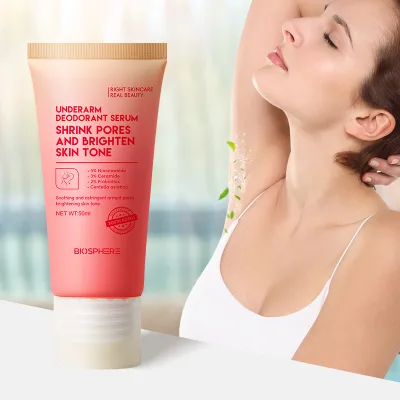
Private Label Organic Natural Deodorant Antiperspirant Armpit Body Fragrance Deodorant
$0.92 - $1.02
MOQ: 5000
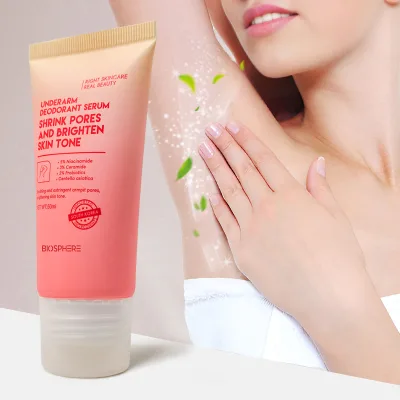
$0.92 - $1.02
MOQ: 5000 pieces

Zhejiang Qianfei Enterprise Co., Ltd.
- Combined
- China Zhejiang
- Lead time45 days
- Avg. response≤ 18h
Main productsBody Mist, Body Lotion, Body Cream, Perfume, Body Spray, Body Splash, Fragrance Mist, Hand Sanitizer, Fragrance, Hand Cream
Main marketsSouth America,Southeast Asia/ Mideast,Europe


Original Brand Deodorant Antiperspirant Body Spray & Body Mist for Wholesale
$1.20 - $1.30
MOQ: 1000 Pieces

Guangzhou Danjia Cosmetics Co., Ltd.
- Verified by BV
- Manufacturer/Factory
- China Guangdong
- Lead time0 days
- Avg. response≤ 19h
Main productsDizao Facial Masks, Breast Enlarging Cream Slimming Cream, Dizao Foot Mask, Bb Cream, Breast Enlarging/ Hip up /Slimming Cream, Facial Cleanser, Body Lotion, Razor Shaving Cream, Facial Cream, Hand Cream
Main marketsSouth America,Eastern Europe,Mid East,North America,Southeast Asia,Eastern Asia,Oceania,Western Europe,Africa

Ningbo Kylin Packaging Solutions Co., Ltd.
- Verified by TUVRHEINLAND
- Manufacturer/Factory
- China Zhejiang
- Lead time23 days
- Avg. response≤ 8h
Main productsTrigger Sprayer, Lotion Pump, Fine Mist Sprayer, Plastic Cap, Dropper, Cream Pump, Airless, Glass Bottle, Alum. Bottle, Mini Trigger
Main marketsSouth America,Eastern Europe,North America,Oceania,Western Europe

Body Natural Deodorant & Antiperspirant Packaging Spray Deodor Deodorant Stick
$0.18 - $0.73
MOQ: 2000 Pieces


Luxury Fragrance Deodorant Roll on Antiperspirant Women Men Underarm Plastic Solid Deodorant Stick
$0.18 - $0.73
MOQ: 2000 Pieces

Guangzhou Beaver Cosmetic Co., Ltd.
- Verified by BV
- Combined
- China Guangdong
- Lead time30 days
- Avg. response≤ 4h
Main productsHair Care, Hair Styling, Hair Building Fiber, Hair Smoothing Treatment, Body Care, Hand Care, Pet Care
Main marketsAfrica,Others(foreignTradeCapacity.exportBusinessCapacityMarketOther),Southeast Asia/ Mideast,East Asia(Japan/ South Korea),Europe,Australia,North America

Suzhou Darpool Import and Export Co., Ltd.
- Verified by BV
- Trading Company
- China Jiangsu
- Lead time15 days
- Avg. response≤ 2h
Main productsShampoo, Body Lotion
Main marketsSoutheast Asia/ Mideast

Non Staining Deodorant Roll on Uses Advanced Clear Gel to Prevent Ugly Yellow Marks
$0.60 - $1.00
MOQ: 5000 Pieces

Non Staining Deodorant Roll on Uses Clear Gel Technology to Eliminate Yellow Residue Forever
$0.60 - $1.00
MOQ: 5000 Pieces

Gentle Roll on Deodorant with Unscented Formula Is Perfect for Those Sensitive to Fragrances
$0.60 - $1.00
MOQ: 5000 Pieces

Liquid Roll on Deodorant with Quick Dry Formula Eliminates The Sticky Feeling Completely
$0.60 - $1.00
MOQ: 5000 Pieces

Gentle Roll on Deodorant with Oat Extract Calms and Soothes Sensitive Underarm Skin
$0.60 - $1.00
MOQ: 5000 Pieces

Gentle Roll on Deodorant with pH Balanced Formula for Sensitive Skin Daily Care
$0.60 - $1.00
MOQ: 5000 Pieces

SUZHOU LONGLIFU IMP. & EXP. CO., LTD.
- Verified by TUVRHEINLAND
- Manufacturer/Factory
- China Jiangsu
- Lead time23 days
- Avg. response≤ 7h
Main productsDaily Chemicals, Skin Care Products, Hair Care Products, Oral Care, Household Cleaning Products, Cosmetics, Animal Care, Perfume, Pet Care Products
Main marketsSouth America,Mid East,Southeast Asia,Eastern Asia,Western Europe,Africa
Tianjin Hodaf Technology Co., Ltd.
- Verified by SGS Group
- Manufacturer, Trading Company
- Lead time5 days
- Avg. response≤ 2h
Main productsFoot Mask, Foot Patch, Under Eye Pad, Heat Pack, Steam Eye Mask
Main marketsNorth America(30%), Eastern Europe(30%), Southeast Asia(20%)

Shandong Shiyi Trading Co., Ltd.
- Verified by CTI
- Trading Company
- China Shandong
- Lead time15 days
- Avg. response≤ 13h
Main productsHealth and Care, Cosmetics
Main marketsAfrica,Europe,North America

Deodorant Lotion Long-Lasting Fragrance Deodorant Body Lotion for Underarms Odor Removal
$0.40 - $0.53
MOQ: 50 Pieces

- Trading Company
- Hong Kong S.A.R.
- Lead time3 days
- Avg. response≤ 6h
Main productsfacial mask,Essence liquid,emulsion,Facial cleanser,Skincare products
Main marketsDomestic Market(40.00%), North America(12.00%), Western Europe(10.00%), Mid East(8.00%), Southern Europe(8.00%), Eastern Europe(5.00%), South Asia(5.00%), Southeast Asia(5.00%), South America(2.00%), Africa(1.00%), Eastern Asia(1.00%), Northern Europe(1.00%), Oceania(1.00%), Central America(1.00%)

Shandong Vianor Pharma Co., Ltd.
- Verified by BV
- Combined
- China Shandong
- Lead time30 days
- Avg. response≤ 2h
Main productsNasal Inhaler Vaporub Stick Aromatherapy Refesh, Pet Care Shampoo Paw Balm Oral Care, Personal Care Household Toothpaste Mouth Wash, Cosmetic Factory Body Care Lotion Hair, Sport Care Pain Relief Muscle Care Spray, Healthy Care Natural Essential Oil Embrocation, Aromatic Stick Medicated Essential Oil Vapo Pad, Healthy Nutrition and Dietary Supplements, Daily Beauty Care Skin Care Body Oil Lube Oil, Patches Pain Relief Blister Plaster Bandage
Main marketsSoutheast Asia/ Mideast,North America

Natural Deodorant Body Organic Deodorant Stick All Day Scent Odor Protection
$0.65 - $1.68
MOQ: 1000 Pieces

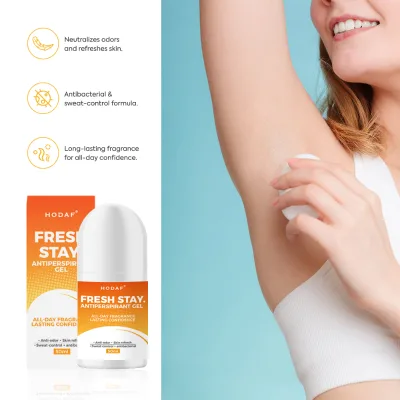
Long-Lasting Body Deodorant Antiperspirant Roll-on High Quality Factory for Women or Men
$0.50 - $1.00
MOQ: 10000 Pieces
Yuncheng Zeren Biotechnology Co., Ltd.
- Verified by TüVRheinland
- Trading Company
- Shanxi, China
- Lead time3 days
- Avg. response≤ 3h
Main productsFeminine Products, Soap
Main marketsNorth America(80%), Western Europe(20%)

Ningbo Titan Trading Co., Ltd.
- Verified by CTI
- Trading Company
- China Zhejiang
- Lead time23 days
- Avg. response≤ 11h
Main productsPerfume, Cosmetic, Makeup
Main marketsAfrica,Southeast Asia/ Mideast,Europe,Australia,North America
Yiwu Fushami Biotechnology Co., Ltd
- Manufacturer, Trading Company
- Zhejiang, China
- Lead time15 days
- Avg. response≤ 5h
Main productsShampoo,Toothpaste,Body lotion,Hand sanitizer,Face cream
Main marketsEastern Europe(15.00%), South America(15.00%), North America(15.00%), Domestic Market(5.00%), South Asia(5.00%), Southern Europe(5.00%), Northern Europe(5.00%), Central America(5.00%), Western Europe(5.00%), Eastern Asia(5.00%), Mid East(5.00%), Oceania(5.00%), Africa(5.00%), Southeast Asia(5.00%)
Guangzhou Elov Cosmetics Co., Ltd.
- Verified by SGS Group
- Manufacturer, Trading Company
- Lead time20 days
- Avg. response≤ 6h
Main productsMask, Eye Pad, Body Cream, Facial and Body Spray, Foot and Hand Mask
Main marketsDomestic Market(40%), North America(12%), Western Europe(10%)
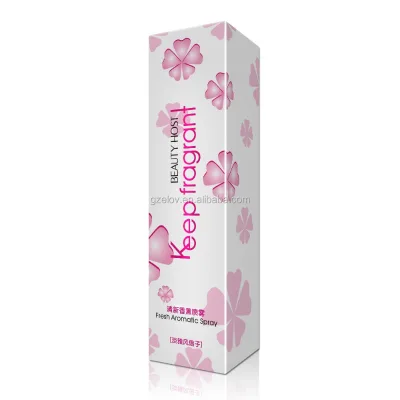
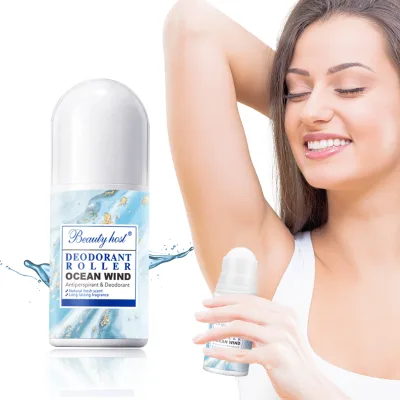
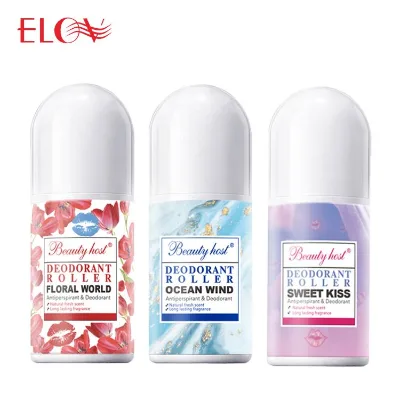
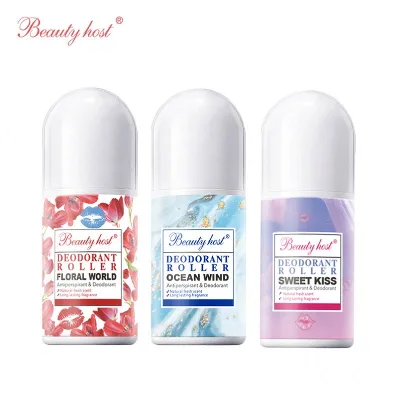
Private Label Factory Supplier Best Natural Ocean Deodorant Roller Underarm Antiperspirant 50g
$0.50 - $0.63
MOQ: 144 pieces




Comprehensive Sourcing Guide
Rose Antiperspirant Gel Deodorant Supplier Concentration and Factory Types
The current supplier landscape for Rose Antiperspirant Gel Deodorant reveals a distinct concentration of manufacturing activity within Guangdong, China, specifically in the Guangzhou region. Evidence indicates that multiple product listings originate from this specific province, suggesting a localized cluster where raw material access and logistics infrastructure support high-volume production. Buyers should prioritize verifying the specific factory address within this region, as the data points to Guangdong as the primary place of origin for the observed inventory. This geographic concentration often implies a mature supply chain for cosmetic ingredients, yet it requires buyers to confirm that the specific facility handling their order is physically located there rather than merely listing it as a dispatch point.
Regarding company structures, the available data distinguishes between two primary supplier types: Manufacturers and Trading Companies. Some listings explicitly identify as manufacturers with over eighteen years of experience, while others are categorized as trading companies. This distinction is critical for understanding the directness of the supply chain. A manufacturer typically offers more control over the production process and formulation, whereas a trading company may aggregate products from various factories. Buyers must verify the actual company type for each potential partner, as the service capabilities, such as OEM and ODM customization, vary significantly between these two models. The presence of both types in the results suggests a competitive market where buyers can choose based on their need for direct factory interaction versus a broader product portfolio.
How to Verify Rose Antiperspirant Gel Deodorant Suppliers
Verification of suppliers in this category requires a rigorous check of third-party credentials and internal production capabilities. The data shows that some suppliers hold specific certifications such as ISO 22716, GMPC, GMP, and Halal, while others display verification badges from organizations like BV or TüVRheinland. Buyers should not assume all suppliers possess these credentials; instead, they must request current certificates for the specific facility producing the rose antiperspirant gel. The presence of a certification like CPNP or SCPN is particularly relevant for European market entry, but its absence does not automatically disqualify a supplier if they can provide alternative compliance documentation. It is essential to cross-reference the listed certification numbers with the issuing body to ensure authenticity before proceeding with any commercial agreement.
Beyond external certifications, buyers must assess the supplier's response time and established track record as indicators of reliability. The observed response times vary, with some suppliers showing a rapid response capability of three days, while others may take significantly longer, such as twenty-one days. A longer response time does not necessarily indicate poor quality but may reflect a different operational scale or staffing model. Additionally, evidence of establishment years, such as claims of eighteen or twenty years of experience, should be treated as a starting point for due diligence rather than a guaranteed fact. Buyers should ask for proof of these tenure claims, such as business license dates or historical export records, to validate the supplier's longevity and stability in the market before committing to a partnership.
What to Compare Across Rose Antiperspirant Gel Deodorant Suppliers
When evaluating potential partners, buyers must compare specific operational metrics including lead times, minimum order quantities, and pricing structures. The data indicates that lead times can be consistent at thirty-one days for smaller orders, but for quantities exceeding one thousand pieces, the time becomes subject to negotiation. This variability requires buyers to clarify the exact timeline for their specific order volume before signing a contract. Furthermore, minimum order quantities (MOQ) differ significantly across listings, ranging from five hundred pieces to five thousand pieces. A supplier with a lower MOQ might be more suitable for testing the market, while a higher MOQ supplier may offer better unit economics for established brands. Buyers should calculate the total cost of ownership, including the impact of these MOQs on inventory holding costs, rather than focusing solely on the per-unit price.
Pricing and customization capabilities form another critical comparison dimension. The observed price range for similar products spans from approximately $0.66 to $1.99 per unit, depending on the formulation and packaging. Buyers must determine if the lower price points correspond to chemical-based ingredients or if they reflect a different volume tier. Additionally, the availability of OEM, ODM, and private label services varies; some suppliers offer full customization of fragrance and formula, while others may only provide standard options. The evidence shows that some products feature specific attributes like being aluminum-free or vegan, which can command a premium. Buyers should compare the scope of customization offered against their brand requirements, ensuring that the supplier can deliver the specific rose scent profile and texture required for their target demographic without compromising on quality or regulatory compliance.
Common Rose Antiperspirant Gel Deodorant Sourcing Risks
One significant risk in sourcing Rose Antiperspirant Gel Deodorant involves the discrepancy between claimed ingredients and actual formulations. The data presents conflicting information regarding ingredients, with some products listing herbal or natural plant extracts while others specify chemical ingredients like aluminum chlorohydrate. This inconsistency poses a risk for brands marketing natural or organic products, as a supplier might switch formulations or fail to disclose the presence of specific chemicals. Buyers must explicitly request a full ingredient declaration and a Certificate of Analysis (CoA) for every batch to ensure the product matches the marketing claims. Relying solely on the product description provided on a listing page is insufficient, as these descriptions may not reflect the actual composition of the goods being manufactured.
Another critical risk relates to the reliability of supply capacity and the potential for production delays. While some suppliers claim a supply ability of one hundred thousand pieces per month, this figure may not account for peak season constraints or raw material shortages. The lead time data suggests that for orders over one thousand pieces, the timeline is negotiable, which introduces uncertainty into the supply chain planning. If a supplier fails to meet their stated capacity during a high-demand period, it could lead to stockouts and missed sales opportunities. Buyers should verify the supplier's current production load and ask for a detailed production schedule. It is also prudent to have a contingency plan, such as identifying a secondary supplier, to mitigate the risk of disruption if the primary partner cannot fulfill the order volume within the agreed timeframe.
Rose Antiperspirant Gel Deodorant Regional Sourcing and Logistics
The primary sourcing region identified in the data is Guangdong, China, with Guangzhou frequently cited as the port of dispatch. This location offers logistical advantages due to its proximity to major shipping lanes and established infrastructure for exporting cosmetics. However, buyers must verify the specific port of dispatch for each supplier, as some may list Guangzhou while others might use different nearby ports. The single package dimensions and gross weights provided in the data, such as 5.4x5.4x11 cm and 0.056 kg, are essential for calculating freight costs and optimizing container loading. Buyers should use these specific dimensions to model their shipping scenarios, ensuring that the packaging design is compatible with standard logistics requirements to avoid unexpected surcharges or damage during transit.
Logistics planning must also account for the variability in shipping terms and the potential for hidden costs. While the data provides basic weight and size information, it does not specify Incoterms or the specific shipping methods used by each supplier. Buyers should clarify whether the quoted price includes freight or if it is an ex-works price, as this significantly impacts the final landed cost. Additionally, the lead time of thirty-one days mentioned for standard orders must be factored into the total transit time, which includes customs clearance and inland transportation. Buyers should request a detailed breakdown of the shipping process from the supplier, including the estimated time for customs documentation and the specific carrier used. Understanding these logistics details is crucial for accurate inventory planning and ensuring that the Rose Antiperspirant Gel Deodorant arrives on time for market launch.
Rose Antiperspirant Gel Deodorant Commercial Terms and Order Planning
Commercial terms for Rose Antiperspirant Gel Deodorant orders often include specific conditions regarding payment, samples, and customization. The data indicates that some suppliers offer sample processing and graphic processing services, which are vital for product development. Buyers should confirm the cost and lead time for these samples, as they are a prerequisite for finalizing the bulk order. Additionally, the availability of private label services suggests that suppliers are willing to adapt packaging and branding, but the terms for these customizations must be clearly defined in the contract. Buyers need to establish clear specifications for the rose fragrance and gel texture to ensure the final product meets their quality standards before mass production begins.
Order planning must also consider the shelf life and storage requirements of the product. The evidence shows a shelf life of three years for some listed products, which is a standard duration for cosmetic items. However, buyers should verify if this shelf life applies to the specific formulation they are ordering, as different ingredients may degrade at different rates. Storage conditions, such as temperature and humidity, can also affect the stability of the gel deodorant. Buyers should include clauses in their purchase agreements regarding the handling and storage of goods during transit and warehousing. Furthermore, the negotiation of lead times for large orders, particularly those exceeding one thousand pieces, should be a priority to ensure that production schedules align with market demand and promotional calendars.
FAQs
What is the typical lead time for ordering Rose Antiperspirant Gel Deodorant?
The standard lead time is 31 days for orders between 1 and 1000 units during peak or off-peak seasons. For quantities exceeding 1000 pieces, the delivery schedule requires direct negotiation with the supplier to confirm specific dates based on current production capacity and logistics availability.
What are the minimum order quantities for Rose Antiperspirant Gel Deodorant products?
Minimum order quantities vary by product, with some listings requiring 501 pieces while others set the threshold at 1000 or 5000 units. Buyers should verify the specific MOQ for each item, as requirements depend on the manufacturer, product form, and customization options selected for the order.
Which certifications do suppliers of Rose Antiperspirant Gel Deodorant hold?
Some verified suppliers hold ISO 22716, GMPC, GMP, HALAL, and Declaration of Conformity certifications. Others may have TüVRheinland verification or BV status. Buyers must check individual supplier profiles to confirm which specific standards apply to their requested Rose Antiperspirant Gel Deodorant products.
Where are the manufacturers of Rose Antiperspirant Gel Deodorant located?
Manufacturers are primarily located in Guangdong, China, with dispatch ports in Guangzhou. This region hosts both trading companies and manufacturers offering various forms of deodorant. Buyers should confirm the exact origin and port details for each specific product listing before placing an order.
What is the price range for Rose Antiperspirant Gel Deodorant per unit?
Unit prices typically range from 0.66 to 1.99 USD depending on the product specifications and order volume. Specific listings show prices between 1.25 and 1.74 USD for certain gel variants. Final pricing depends on the selected model, quantity, and whether customization services like OEM or ODM are included.
How quickly do suppliers respond to inquiries about Rose Antiperspirant Gel Deodorant?
Response times vary among suppliers, with some responding within 3 hours and others taking up to 21.69 hours. Buyers should expect different reply speeds based on the specific company type and current workload. Checking the response time metric on each supplier profile helps set realistic expectations for communication.
What ingredients are commonly used in Rose Antiperspirant Gel Deodorant?
Ingredients include natural herbal plant extracts, aluminum chlorohydrate, and baking soda in aluminum-free formulas. Some products feature rose, vanilla, or mint scents. Buyers should review the ingredient list for each item to ensure it meets their specific formulation requirements and safety standards.