Satin Stainless Steel Wash Basin Suppliers and Manufacturers
Explore 21 verified suppliers offering satin stainless steel wash basins with ISO 9001 certification and OEM capabilities. Compare lead times, MOQs, and response times to find the right factory for your needs. Contact suppliers directly to request quotes; review the available evidence before requesting comparable quotations from suitable candidates.
Suppliers List

Ningbo Jingjiang Metal Products Co., Ltd.
- Verified by CTI
- Manufacturer/Factory
- China Zhejiang
- Lead time0 days
- Avg. response≤ 4h
Main productsDeep Drawing Deep Drawn, Metal Enclosure, Stainless Steel Milk Barrel, Commercial Sink, Dental Autoclave Chamber, Stainless Steel Beer Keg, Wheel Hubcaps, Stainless Steel Wc Toilet, Stainless Steel Wash Basin, Stainless Steel Hopper


Modern Simple Style Stainless Steel 304 Brushed Wash Basin for Household
$43.25 - $50.32
MOQ: 100 pieces


Zhongshan Homes Kitchenware Co., Ltd.
- Verified by SGS
- Trading Company
- China Guangdong
- Lead time30 days
- Avg. response≤ 4h
Main productsKitchen Sink, Sink Mixer Tap, Mixer Tap, Water Mixer Tap, Hot and Cold Mixer Faucet, Mixer Shower System, Bathroom Accesories, Drainage and Basket, Hand Wash Basin Kitchen Sink, Wash Sink
Main marketsSoutheast Asia/ Mideast,Europe,North America
Guangdong Siyeano Sanitary Technology Co., Ltd.
- Verified by BV
- Manufacturer/Factory
- China Guangdong
- Lead time23 days
- Avg. response≤ 2h
Main productsCeramic Wash Basin, Bathroom Basin, Sink, Toilet, Wc
Main marketsSouth America,Eastern Europe,Mid East,North America,Southeast Asia,Eastern Asia,Oceania,Western Europe,Africa

High Quality Stainless Steel Wash Basin Sink Stainless Steel Wash Basin for Bathroom
$78.00 - $80.50
MOQ: 1 Pieces


Jiangmen Anruiqi Kitchen and Bathroom Co., Ltd.
- Verified by CTI
- Trading Company
- China Guangdong
- Lead time15 days
- Avg. response≤ 3h
Main productsKitchen Sink, Basin Sink, Faucet, Shower Set, Bathroom Hardware Set, Mirror, Artificial Grass
Main marketsDomestic,Europe

Stainless Steel Column Basin with Storage Tank Integrated Floor-Type Wash Basin
$150.00 - $180.00
MOQ: 2 pieces


Foshan ZOOKV Kitchen-Bath Co., Ltd.
- Verified by TUVRHEINLAND
- Combined
- China Guangdong
- Lead time23 days
- Avg. response≤ 6h
Main productsFaucet, Showers, Bathroom Accessories, Floor Drain, Public Bathroom Fittings, Kitchen Faucet, Kitchen Sink, Angle Valve, Flush Valve, Stainless Steel Sanitary Ware
Main marketsDomestic,North America

ZHONGSHAN JSD KITCHEN & BATH CO., LTD.
- Verified by SGS
- Combined
- China Guangdong
- Lead time30 days
- Avg. response≤ 1h
Main productsKitchen Sink
Main marketsSouth America,East Asia(Japan/ South Korea),Europe


Luxury Modern Round Stainless Steel Countertop Wash Basin Bathroom Basin Sink
$55.00 - $60.00
MOQ: 10 sets

Jinglan-Hainan Trading Co., Ltd
- Trading Company
- China Hainan
- Lead time0 days
- Avg. response≤ 3h
Main productsCleanroomequipment

Foshan Laishang Yuding Building Materials Co., Ltd
- Verified by SGS
- Combined
- China Guangdong
- Lead time15 days
- Avg. response≤ 1h
Main productsStainless Steel Decorative Lines, Stainless Steel Tile Finishing Strip, Stainless Steel Skirting Board, Stainless Steel T-Shaped Bar, Stainless Steel Grating, Stainless Steel Screen Partition, Stainless Steel Wine Cabinet
Main marketsDomestic

Shaoxing Anruiqi Home Co., Ltd.
- Trading Company
- Zhejiang, China
- Lead time0 days
- Avg. response≤ 2h
Main productsbasin,faucet,kitchen sinks,bathroom hardware set,shower set
Main marketsWestern Europe(30.00%), North America(30.00%), Eastern Europe(20.00%), Southeast Asia(10.00%), South Asia(5.00%), Oceania(5.00%), Mid East(5.00%)

Jiangsu Fuyou Medical Equipment Co., Ltd.
- Verified by CTI
- Trading Company,Manufacturer/Factory
- China Jiangsu
- Lead time23 days
- Avg. response≤ 1h
Main productsOperating Table, Operating Light, Operating Pendant, Electrosurgical Unit, Steam Sterilizer, Blood Analyzer, Electric Tourniquet., Manufacturer., Hospital Bed, Modular Operating Room.
Main marketsSouth America,Eastern Europe,Mid East,North America,Southeast Asia,Eastern Asia,Oceania,Western Europe,Africa
- Verified by TUVRHEINLAND
- Combined
- China Guangdong
- Lead time15 days
- Avg. response≤ 12h
Main productsStainless Steel Faucet, Stainless Steel Bathroom Accessories, Stainless Steel Sink, Shower, Basin Faucet, Kitchen Faucet, Water Tap, Floor Drain, Kitchen Ink, Sink
Main marketsEurope


Premium Stainless Steel Wash Basin Ideal for Modern Bathrooms Rustresistant
$79.00 - $85.00
MOQ: 20 Pieces

Elegant Stainless Steel Wash Basin with Horizontal Stripes for Sophisticated European Bathrooms
$79.00 - $85.00
MOQ: 20 Pieces


Round Bathroom Sink Toilet Counter Top 304 Stainless Steel Wash Hand Basin
$72.00 - $80.00
MOQ: 20 Pieces
Zhongshan Ibey Kitchen&Bathroom Co., Ltd
- Verified by BV
- Combined
- China Guangdong
- Lead time30 days
- Avg. response≤ 1h
Main productsStainless Steel Sink, Kitchen Sink, Sink, Handmade Sink
Main marketsSouth America,Africa,Southeast Asia/ Mideast,East Asia(Japan/ South Korea),Europe,North America

Jiangmen Yide Technology Kitchen & Sanitary Ware Co., Limited
- Verified by CTI
- Combined
- China Guangdong
- Lead time30 days
- Avg. response≤ 2h
Main productsSink, Kitchen Sink, Stainless Steel Sink, Handmade Sink, Pressed Sink, Machine Sink
Main marketsDomestic


Modern SUS304 Stainless Steel Counter Top Vessel Sink Gold Wash Basin for Bathroom
$50.00 - $56.00
MOQ: 50 Pieces
Zhongshan Liangshunyu Kitchen Supplies Co., Ltd.
- Verified by SGS
- Combined
- China Guangdong
- Lead time23 days
- Avg. response≤ 2h
Main marketsOthers(foreignTradeCapacity.exportBusinessCapacityMarketOther)


Premium Quality Rectangular Stainless Steel Washbasin for Modern Homes
$10.00 - $12.00
MOQ: 100 pieces

Shandong Wilk Kitchen Equipment Co., Ltd
- Verified by SGS
- Trading Company
- China Shandong
- Lead time15 days
- Avg. response≤ 2h
Main productsStainless Steel Worktable, Stainless Steel Sink, Stainless Steel Shelf, Commercial Rice Steamer, Commercial Gas Stove, Refrigeration Equipment, Western Kitchen Equipment, Bakery Equipment, Cleaning&Sterilizing Equipment, Changing Room Equipment
Main marketsSoutheast Asia/ Mideast

Huakang Medical Technology (Tianjin) Co., Ltd.
- Verified by TUVRHEINLAND
- Combined
- China Tianjin
- Lead time15 days
- Avg. response≤ 4h
Main productsNurse Call System, Bed Head Unit, Medical Gas Outlet, PVC Handrail, Stainless Steel Sink, Stainless Steel Cabinet, Nurse Paging System, Bed Head Panel, Wired Call System, Surgical Sink
Main marketsOthers(foreignTradeCapacity.exportBusinessCapacityMarketOther),Domestic

Taizhou Bolang Kitchenware Co., Ltd.
- Verified by TUVRHEINLAND
- Combined
- China Zhejiang
- Lead time30 days
- Avg. response≤ 18h
Main productsSink, Stainless Steel Sink, Kitchen Sink, Kitchenware, Stainless Steel Basin, Kitchen Basin, Topmount Sink, Double Sink, Undermount Sink, Single Sink
Main marketsSouth America,Southeast Asia/ Mideast,Europe

Stainless Steel Wash Sink with Cabinet
MOQ: 1 Pieces

Stainless Steel Wash Sink with Cabinet
MOQ: 1 Pieces

Stainless Steel Wash Sink with Cabinet
MOQ: 1 Pieces

Stainless Steel Wash Sink with Cabinet
MOQ: 1 Pieces

Stainless Steel Wash Sink with Cabinet
MOQ: 1 Pieces

Single Bowl Different Color of Wash Basin Sink
MOQ: 100 Pieces

FOSHAN L'OASIS SANITARY WARE CO.,LTD
- Verified by SGS
- Trading Company
- China Guangdong
- Lead time30 days
- Avg. response≤ 6h
Main productsBasin, Toilet, Urinal, Bidet, Squatting Pan, Water Tank, Faucet, Shower, Bathtub, Shower Room
Main marketsDomestic

ZIBO DERICH IMPORT AND EXPORT CO., LTD.
- Verified by SGS
- Trading Company
- China Shandong
- Lead time15 days
- Avg. response≤ 2h
Main productsRefrigerator, Freezer, Cooler, Deep Freezer, Workbench, Sink, Shelf/Rack, Cabinet, Cart/Trolley, Grease Trap
Main marketsAfrica
Guangdong Jiange Ceramic Co., Ltd.
- Verified by BV
- Combined
- China Guangdong
- Lead time30 days
- Avg. response≤ 2h
Main productsWashbasin, Toilet, Bathroom Faucet, Art Basin, Wall Hung Toilet, Floor Drain, Shower Set, Shower Hand, Wall Hung Basin, Smart Toilet
Main marketsSoutheast Asia/ Mideast

Shandong Boxing Wangquan Commercial Kitchenware Co., Ltd.
- Verified by SGS
- Combined
- China Shandong
- Lead time15 days
- Avg. response≤ 2h
Main productsStainless Steel Sink, Stainless Steel Table, Shelf, Stainless Steel Cabinet / Locker, Stainless Steel Cart and Trolley, Stinless Steel Tableware / Utensils
Main marketsDomestic


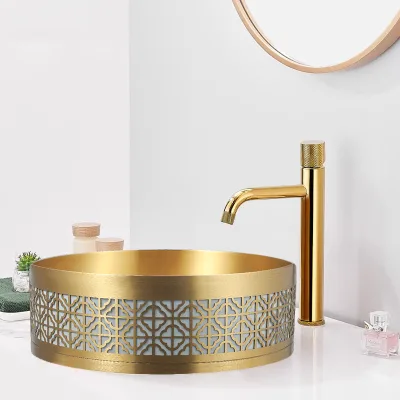
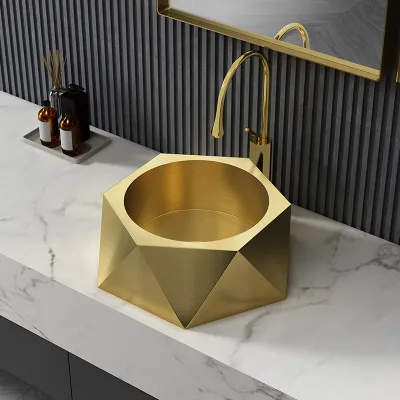


Comprehensive Sourcing Guide
Satin Stainless Steel Wash Basin Supplier Concentration and Factory Types
The available data indicates that manufacturers of satin stainless steel wash basins are concentrated in the Zhejiang province of China, specifically within regions like Ningbo and Jiaxing. This geographic clustering suggests a mature industrial ecosystem where suppliers leverage local supply chains for raw materials and specialized metalworking equipment. Buyers should prioritize verifying the specific city of operation, as facilities in Ningbo often focus on deep drawing and sheet metal fabrication, while others in Zhejiang may specialize in commercial sinks or medical-grade basins. The presence of multiple product lines, including metal enclosures and wheel hubcaps, indicates that many factories operate as versatile manufacturers capable of handling diverse stainless steel projects beyond just bathroom fixtures.
Most suppliers in this category identify as manufacturers or factories rather than trading companies, which often implies direct control over the production process and quality assurance. The observed company types include entities offering OEM, ODM, and own-brand services, suggesting a capacity for customization ranging from simple logo application to full product design. When evaluating these factories, buyers should look for evidence of in-house capabilities such as deep drawing, cold stamping, and surface treatment processes like brushing or polishing. The concentration of these specific manufacturing capabilities in Zhejiang provides a logistical advantage for sourcing, but buyers must confirm that the specific factory has the machinery to produce the required satin finish and dimensional tolerances for their specific basin models.
How to Verify Satin Stainless Steel Wash Basin Suppliers
Verification of suppliers requires a multi-layered approach focusing on third-party certifications and response metrics rather than self-reported claims. The data shows that some suppliers hold ISO 9001 system certification and have undergone verification by CTI, which serves as a tangible indicator of quality management systems. Buyers should request current copies of these certificates and verify the scope to ensure it explicitly covers the manufacturing of stainless steel wash basins and related metal stamping parts. Additionally, checking the response time, which can be as low as 3.56 hours for some active suppliers, provides insight into the operational efficiency and communication readiness of the factory. A fast response time often correlates with a well-stocked inventory or a streamlined production scheduling system.
Beyond certifications, buyers must scrutinize the specific product attributes listed in the supplier's catalog to ensure they match the required specifications for a satin finish. The observed product evidence includes detailed attributes such as surface treatment types, tolerances of 0.1mm, and specific processing methods like deep drawing or separation processes. It is critical to confirm that the supplier explicitly states "Satin Finishing" or "Brushed" as the surface treatment for the specific model being sourced, as some listings may offer polished or sprayed finishes instead. Buyers should also verify the "Customization" status, ensuring the supplier supports logo application and custom dimensions if required. Relying on these concrete data points rather than general marketing claims helps mitigate the risk of receiving products that do not meet the technical requirements for a Satin Stainless Steel Wash Basin.
What to Compare Across Satin Stainless Steel Wash Basin Suppliers
When comparing potential partners, buyers should focus on quantifiable metrics such as minimum order quantities, lead times, and monthly production capacities to determine supply chain compatibility. The observed data reveals a wide range in MOQs, with some suppliers requiring 100 units while others demand 1000 or 500 units, directly impacting the initial investment and inventory risk. Lead times vary significantly, with some entries showing zero days while others imply longer production cycles based on the complexity of the deep drawing or stamping process. Buyers must calculate the total cost of ownership by combining the unit price, which ranges from approximately 43 to 125 units of currency, with the MOQ requirements to find the most economical option for their specific volume needs.
Production capacity and service capabilities are equally critical dimensions for comparison, as they dictate the ability to scale orders during peak demand. The data indicates monthly production capacities ranging from 3000 to 5000 pieces, which helps buyers assess whether a supplier can handle large-scale orders without causing delays. Additionally, the availability of after-sales support and the ability to provide custom OEM or ODM services should be weighed against the supplier's core product focus. Some suppliers specialize in medical-grade basins with specific tolerances, while others focus on commercial or household sinks. Buyers should create a comparison matrix that lists these specific attributes side-by-side to identify which supplier offers the best balance of cost, capacity, and customization flexibility for their project requirements.
Common Satin Stainless Steel Wash Basin Sourcing Risks
One significant risk in sourcing satin stainless steel wash basins is the inconsistency in surface treatment quality, which can lead to visible defects or uneven finishes. The product evidence lists various surface treatments including brushing, polishing, and spraying, but the specific "satin" finish requires precise control over the abrasive process. If a supplier lacks the specific machinery or expertise for deep drawing and subsequent satin finishing, the final product may exhibit scratches, color variations, or incorrect texture. Buyers must verify that the supplier has a proven track record of producing the specific surface finish requested, rather than relying on generic descriptions that might not accurately reflect the final product quality.
Another critical risk involves the discrepancy between stated specifications and actual product dimensions or material thickness. The data shows tolerances of 0.1mm and specific thicknesses like 1.0mm, but variations in raw material quality or machining precision can lead to parts that do not fit standard installations. Furthermore, the reliance on third-party verification like CTI is not universal across all suppliers, meaning some may lack independent quality audits. Buyers should be cautious of suppliers who do not provide detailed product attributes such as the number of holes, installation type, or specific material grades. Without these concrete details, there is a high probability of receiving basins that are incompatible with existing plumbing fixtures or fail to meet the durability standards required for commercial or medical applications.
Satin Stainless Steel Wash Basin Regional Sourcing and Logistics
Sourcing from the Zhejiang province in China offers distinct logistical advantages due to the region's established infrastructure for metal fabrication and export. The concentration of manufacturers in cities like Ningbo and Jiaxing allows for efficient consolidation of orders, as many suppliers are located near major ports and transportation hubs. This proximity reduces inland freight costs and shortens the time required to move goods from the factory floor to the shipping container. Buyers should verify the specific origin location listed for each product, as facilities in Ningbo may have different shipping partners or customs clearance efficiencies compared to those in other parts of Zhejiang. Understanding the specific regional logistics capabilities of a supplier can significantly impact the overall delivery timeline and cost structure.
Packaging standards also vary by region and supplier, influencing the safety of the goods during transit. The observed data includes packaging methods such as carton boxes, wooden pallets, and plastic bags, which are essential for protecting the satin finish from scratches and damage. Buyers must ensure that the packaging specifications, such as the use of wooden pallets for heavy loads or specific carton dimensions, align with their shipping requirements and destination port regulations. Inconsistent packaging can lead to product damage, resulting in financial losses and delayed projects. Therefore, buyers should explicitly confirm the packing details, including the use of protective materials and the stability of the pallets, before finalizing the order to ensure the satin stainless steel wash basins arrive in pristine condition.
Satin Stainless Steel Wash Basin Commercial Terms and Order Planning
Commercial terms for satin stainless steel wash basins often include specific requirements for customization, payment structures, and after-sales support that must be clearly defined before order placement. The data indicates that customization is available for many suppliers, including logo support and custom sizes, but these services may incur additional costs or require longer lead times. Buyers should negotiate clear terms regarding the timeline for custom mold creation, especially for deep drawing processes that require simple single process dies. Additionally, the availability of after-service support is a key factor, as it ensures that any issues with the basins can be addressed promptly. Understanding the specific terms for customization and support helps in planning the project timeline and budget effectively.
Order planning must account for the varying MOQs and production capacities observed across different suppliers to ensure a steady supply chain. With MOQs ranging from 100 to 1000 units and monthly capacities between 3000 and 5000 pieces, buyers need to align their order volumes with the supplier's capabilities to avoid bottlenecks. It is also essential to consider the lead time, which can vary from zero days to longer periods depending on the complexity of the order and the current production load. Buyers should plan for potential delays by ordering well in advance and maintaining a buffer stock. By carefully analyzing the commercial terms and aligning them with the supplier's production capacity, buyers can optimize their inventory levels and ensure a reliable supply of high-quality satin stainless steel wash basins.
FAQs
What is the price range for satin stainless steel wash basins?
Prices for satin stainless steel wash basins typically range from 43.25 to 125.71 units per piece. Specific costs depend on the model, size, and customization options selected. Buyers should verify exact pricing based on their required quantity and specific product attributes before placing an order.
What are the minimum order quantities for these basins?
Minimum order quantities vary significantly by product, ranging from 50 to 1000 pieces. Some models require a minimum of 50 units, while others demand 100 or 1000 pieces. Buyers must check the specific MOQ for each item to ensure their order meets the supplier's production requirements.
Are these basins available for customization and branding?
Yes, customization is available for many satin stainless steel wash basins, including logo support and custom sizes. Suppliers offer OEM and ODM services to meet specific design needs. Buyers can request tailored solutions for shape, installation type, and surface treatment to match their project specifications.
Where are these stainless steel basins manufactured?
These basins are manufactured in China, specifically in the Zhejiang province. Some products originate from Ningbo, while others come from general Zhejiang locations. Buyers should confirm the exact place of origin for each product to understand shipping logistics and potential regional advantages.
What certifications do the manufacturers hold?
Manufacturers of these basins often hold ISO 9001 system certification. This indicates adherence to quality management standards for production processes. Buyers should verify specific certification documents for each supplier to ensure compliance with their own quality assurance requirements and industry standards.
How quickly can suppliers respond to inquiries?
Suppliers typically respond to inquiries within an average of 3.56 hours. This response time helps facilitate quick communication regarding product details and order status. Buyers can expect relatively fast engagement when contacting verified manufacturers for immediate sourcing needs.
What is the monthly production capacity for these basins?
Monthly production capacities vary by supplier, with some capable of producing 3000 to 5000 pieces. This capacity ensures steady supply for large orders. Buyers should confirm the specific monthly output of their chosen supplier to guarantee timely delivery for their project timelines.