Fiber Optic Veterinary Laryngoscope Suppliers and Manufacturers
Explore 20 verified suppliers offering Fiber Optic Veterinary Laryngoscope options from China Guangdong, Anhui, and Jiangsu. Compare response times, lead times, certifications, and pricing to source the right equipment for animal care needs today; review the available evidence before requesting comparable quotations from suitable candidates.
Suppliers List

Guangzhou MeCan Medical Limited
- Verified by CTI
- Combined
- China Guangdong
- Lead time15 days
- Avg. response≤ 3h
Main productsColor Doppler Ultrasound Scanner, Patient Monitor, Medical Fridge, Medical X-ray Machine, X-ray Film Processor, Colonoscope, Hospital Bed, Medical Freezer, Ventilator, Anaesthesia Machine
Main marketsAfrica,Southeast Asia/ Mideast
Hefei Golden Brains Optical Instrument Co., Ltd.
- Manufacturer, Trading Company
- Anhui, China
- Lead time0 days
- Avg. response≤ 6h
Main productsLED woods lamp,electromagnetic radiation detector,DEBENT ENDOSCOPY DETECTOR,DS-100VETBP DOPPLER,DM-A BIO-VIDEO MICROSCOPE BINOCULAR
Main marketsDomestic Market(7.14%), South Asia(7.14%), Southern Europe(7.14%), Northern Europe(7.14%), Central America(7.14%), Western Europe(7.14%), Eastern Asia(7.14%), Mid East(7.14%), Oceania(7.14%), Africa(7.14%), Southeast Asia(7.14%), Eastern Europe(7.14%), South America(7.14%), North America(7.14%)
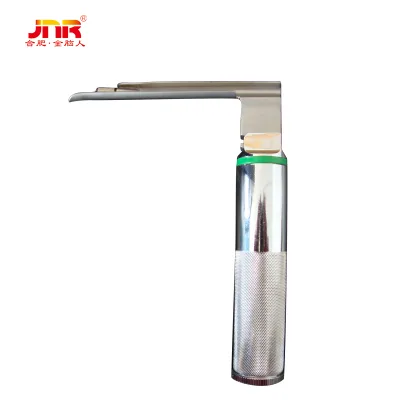
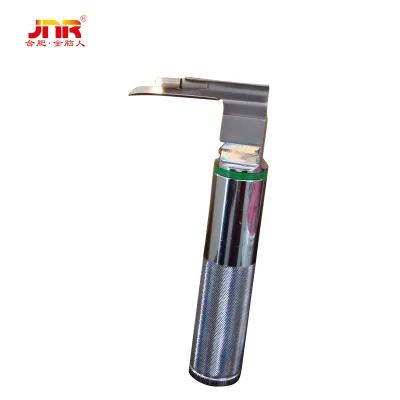
Durable Fiber Optic Veterinary Laryngoscope Set - Portable and Efficient for Animal Care
$190.00 - $200.00
MOQ: 1
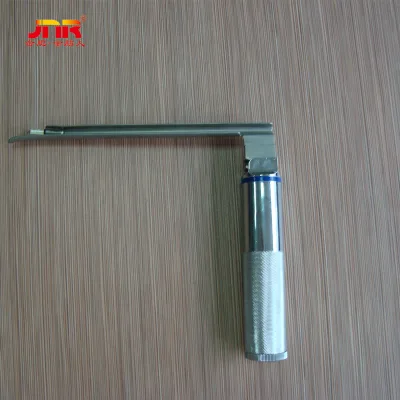
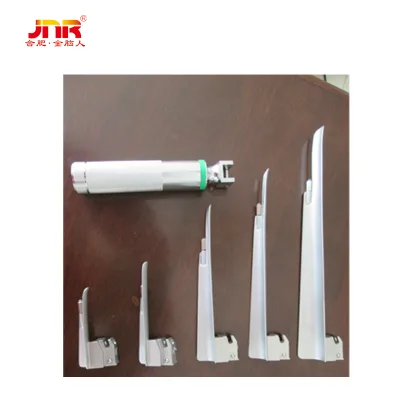

Healicom Medical Equipment Co., Ltd.
- Trading Company
- China Jiangsu
- Lead time23 days
- Avg. response≤ 4h
Main productsAutoclave, Ultrasound Scanner, Infant Products, Dental Equipment, X-ray Machines, Anesthesia Machine, Ventilator, Hospital Furniture, Patient Monitor
Main marketsSouth America,Africa,Southeast Asia/ Mideast,Europe,Australia,North America


Stainless Steel Optical Fiber Type Handle Veterinary Laryngoscope for Animal Clinic
$100.00 - $130.00
MOQ: 1 Pieces

GUANGZHOU ICLEAR HEALTHCARE LIMITED
- Verified by SGS
- Trading Company,Manufacturer/Factory
- China Guangdong
- Lead time15 days
- Avg. response≤ 11h
Main productsMedical Imaging Equipment, Ivd Products Supplies, Ent Products, Laboratory Equipment, Chinese Traditional Medicine Treatment Equipment, Hospital Comsumbles, Medical Equipment, Healthcare Products, Surgical Equipment and Instruments, Veterinary Products
Main marketsSouth America,Eastern Europe,Mid East,North America,Southeast Asia,Eastern Asia,Oceania,Western Europe,Africa

Veterinary Clinic Animal Anesthesia Laryngoscope Lamp Laryngoscope and Fiber Optic Laryngoscope
$10.00 - $400.00
MOQ: 1 Sets


IVETWELL Animal Medical Limited
- Verified by SGS
- Trading Company
- China Beijing
- Lead time15 days
- Avg. response≤ 1h
Main productsVeterinary Medcial Equipment
Main marketsSoutheast Asia/ Mideast


Professional Veterinary Fiber Optic Laryngoscope for Small Animal Anesthesia Airway Management
$200.00 - $260.00
MOQ: 1 Sets


High-Quality Reliable Reusable Fiber Optic Laryngoscope for Medical Use
$800.00 - $1500.00
MOQ: 1 Sets

Advanced Veterinary Flexible Endoscope for Multi-Angle Animal Viewing
$9999.00 - $10999.00
MOQ: 1 Sets

- Verified by CTI
- Trading Company
- China Jiangsu
- Lead time15 days
- Avg. response≤ 15h
Main productsClinical Lab Equipment, Rehabilitation Equipment, Surgical Equipment, Medical Furniture, Medical Scales, X-ray Machine, Medical Disposables, Oxygen Concentrator, Medical Equipment, Medical Consumables
Main marketsSouth America,Africa,Southeast Asia/ Mideast,Europe,Australia


Fiber Optic Anesthesia Laryngoscope for Small Animal Operation Surgery (MS-LA500FV)
$29.00 - $299.00
MOQ: 1 Pieces


Ms-La500fv Fiber Optic Anesthesia Laryngoscope for Small Animal Operation Surgery
$29.00 - $299.00
MOQ: 1 Pieces


Medical Fiber Optic Laryngoscope with High Quality Blade Kits (MS-LA300H)
$29.00 - $299.00
MOQ: 1 Pieces

FOSHAN CONCERN MEDICAL EQUIPMENT CO.,LTD.
- Manufacturer/Factory
- China Guangdong
- Lead time15 days
- Avg. response≤ 9h
Main productsOperation Equipment, Lab Equipment, Veterinary Equipment, Ultrasound, X-ray Room Equipment, Dental Equipment, Sterilization Equipment, Mortuary Equipment, Hospital Furniture, Gynecology & Obstetrics Equipment
Main marketsSouth America,Mid East,North America,Southeast Asia,Eastern Asia,Oceania,Africa

- Verified by BV
- Trading Company
- China Shanghai
- Lead time15 days
- Avg. response≤ 2h
Main productsVeterinary Endoscope, Veterinary Monitor, Equine Endoscope for Horse, Veterinary Ultrasound, Large Animal Operating Table for Equine, Veterinary Laparoscope, Veterinary X-ray Machine, Veterinary Anesthesia Machine, Veterinary Chemistry Analyzer, Veterinary Hematology Analyzer
Main marketsSouth America,Africa,Southeast Asia/ Mideast,Europe,Australia,North America

GUANGZHOU LEYTE MEDICAL EQUIPMENT CO LIMITED
- Trading Company
- China Guangdong
- Lead time15 days
- Avg. response≤ 9h
Main productsECG Machine, Patient Monitor, Ultrasound Machine
Main marketsSouth America,Africa,Southeast Asia/ Mideast


LTNS23C Medical Difficult Intubation Larynx Reusable Flexible Tip Fiber Optic Laryngoscopes
$150.00 - $380.00
MOQ: 1 Sets

Foshan JIALIANDA Medical Apparatus Co., Ltd.
- Combined
- China Guangdong
- Lead time30 days
- Avg. response≤ 6h
Main productsEnt Treatment Unit, Ent Patient Unit, Ent Workstation Unit, Ent Unit, Ent Endoscope, Ent Endoscope Camera, Ent Microscope, Flexible Laryngoscope, Ent Cold Light Source, Headlight
Main marketsAfrica,Southeast Asia/ Mideast,Europe


$500.00 - $5000.00
MOQ: 1 Sets

Guangzhou Yueshen Medical Equipment Co., Ltd.
- Trading Company,Manufacturer/Factory
- China Guangdong
- Lead time15 days
- Avg. response≤ 12h
Main productsMedical X-ray Machine, Veterinary Equipment, Medical Equipment, Hospital Furinture, B Ultrasound Scanner, Portable X-ray Machine, Mobile X Ray Machine, Medical C-Arm X Ray Machine, ECG, Monitor
Main marketsSouth America,Eastern Europe,Mid East,North America,Southeast Asia,Eastern Asia,Oceania,Western Europe,Africa

NANJING ARCHMED MEDICAL EQUIPMENT CO., LTD.
- Verified by SGS
- Trading Company
- China Jiangsu
- Lead time15 days
- Avg. response≤ 11h
Main productsX-ray Machine, Medical Equipment, Medical Instrument, Hospital Furniture, Surgery & ICU Equipment, Laboratory Equipment
Main marketsSouth America,Africa

Guangzhou Kind Rain Medical Co., Ltd.
- Verified by TUVRHEINLAND
- Trading Company,Manufacturer/Factory
- China Guangdong
- Lead time23 days
- Avg. response≤ 5h
Main productsLatex Foley Catheter, Silicone Foley Catheter, Endotracheal Tube, Reinforced Endotracheal Tube, Tracheostomy Tube, Male External Catheter, Nelaton Catheter, Urine Bag, Suction Catheter, Stomach Tube
Main marketsSouth America,Eastern Europe,Mid East,North America,Southeast Asia,Eastern Asia,Oceania,Western Europe,Africa


Advanced Precision Optical Video Laryngoscope for Hospital Intubation
$959.00 - $1110.17
MOQ: 200 Pieces


Advanced Portable 3-Inch Video Laryngoscope for Medical Professionals
$459.00 - $531.35
MOQ: 200 Pieces


Jiangsu Maijun Medical Technology Co., Ltd.
- Verified by SGS
- Combined
- China Jiangsu
- Lead time15 days
- Avg. response≤ 4h
Main productsLaryngoscope, Video Laryngoscope, Bronchoscope, Sugical Pendant, Surgical Lamp, Surgical Table, Bed Head Unit
Main marketsSouth America,Africa,Others(foreignTradeCapacity.exportBusinessCapacityMarketOther),Southeast Asia/ Mideast,Domestic,Europe,Australia


High Definition Video Laryngoscope for Surgery Airway Examination and Intubation
$350.00 - $500.00
MOQ: 1 Sets

Hospital Grade Video Laryngoscope for Anesthesia and Clinical Airway Management
$500.00 - $2500.00
MOQ: 1 Sets

Guangzhou YKndt enterprise Co.,Ltd
- Verified by SGS
- Trading Company
- China Henan
- Lead time15 days
- Avg. response≤ 2h
Main productsEndoscope, Industry Videoscope, Pipe Inspection Camera, Industry Crawler Robots, Solar Street Light, Pipelines Crawler, Industry Borescopes, Solar LED Lights, Industry Video Endoscopy, Industrial Snakecamera
Main marketsSoutheast Asia/ Mideast,North America

Flexible Ent Animal Vet Video Endoscope Veterinary Laryngoscope for Pets Animal
$1000.00 - $2600.00
MOQ: 1 Sets

$1000.00 - $2600.00
MOQ: 1 Sets

$100.00 - $1890.00
MOQ: 1 Sets


Henan Forever Medical Co., Ltd.
- Trading Company
- China Henan
- Lead time15 days
- Avg. response≤ 8h
Main productsBiochemistry Analyzer, Surgical Gown, Face Mask, Endoscope, Surgical Pilers, Film Image Equipment, Hemadialysis Machine, Urine Analyzer, Medical Refrigerator, Medical Atomizer
Main marketsSouth America,Africa,Southeast Asia/ Mideast,Domestic,Europe,North America

Suzhou Thriving Medical Equipment Corp.
- Verified by SGS
- Trading Company,Manufacturer/Factory
- China Jiangsu
- Lead time23 days
- Avg. response≤ 11h
Main productsHospital Bed, Medical Equipment, Autoclave, Stretcher, Bed Head Unit, Electric Bed, Funeral Products, Ultrasound Scanner, Nurse Call System, Operating Light
Main marketsSouth America,Eastern Europe,Mid East,North America,Southeast Asia,Eastern Asia,Oceania,Western Europe,Africa

Cheap Price Animal 4.5 Inch Display Veterinary Anesthesia Video Laryngoscope for Sale
$650.00 - $680.00
MOQ: 1 Pieces

Animal Intubation Endoscope Veterinary Video Laryngoscope with 5 Reusable Blades
$650.00 - $680.00
MOQ: 1 Pieces

- Verified by SGS
- Trading Company
- China Henan
- Lead time30 days
- Avg. response≤ 4h
Main productsEndoscope, Vessel Sealing, Ultrasonic Scalpel System, Electrosurgical Unit, Biopsy Needle
Main marketsSouth America,Southeast Asia/ Mideast,Domestic,Europe,North America

Good Quality Optical Surgery Equipment Laryngoscope Handheld Video Laryngoscope with Blade
$50.00 - $350.00
MOQ: 1 Pieces

$500.00 - $2000.00
MOQ: 1 Pieces

Guangdong Power on Mould Co., Ltd.
- Verified by TUVRHEINLAND
- Combined
- China Guangdong
- Lead time30 days
- Avg. response≤ 2h
Main productsPlastic Products
Main marketsEurope


Advanced Medical Digital Video Laryngoscope for Efficient Airway Management
$499.00 - $500.00
MOQ: 10 Unit

Shandong Clearsight International Trade Co, . Ltd
- Verified by SGS
- Trading Company
- China Shandong
- Lead time15 days
- Avg. response≤ 3h
Main marketsDomestic


Professional Endoscope for Veterinary Pet Minimally Invasive Treatment
$3699.00 - $4999.00
MOQ: 1 Pieces


Comprehensive Sourcing Guide
Fiber Optic Veterinary Laryngoscope Supplier Concentration and Factory Types
Current data indicates that suppliers offering fiber optic veterinary laryngoscopes are concentrated in specific Chinese provinces, with Guangdong and Anhui emerging as primary hubs for this equipment. Fact records show a distinct split in company types, where some entities operate as combined manufacturers and trading companies, while others function strictly as trading firms. This structural diversity suggests that buyers may encounter different levels of direct factory control depending on the specific supplier profile. For instance, one observed supplier in Guangdong lists a mix of medical devices including ultrasound scanners and patient monitors alongside veterinary instruments, indicating a broad product portfolio rather than a specialized veterinary focus.
In contrast, suppliers located in Anhui appear to specialize more heavily in veterinary-specific tools, with main products explicitly listing veterinary laryngoscopes and related diagnostic equipment. The presence of both manufacturer and trading company types in the results implies that buyers must distinguish between direct production capabilities and intermediary sales channels. While some suppliers claim ODM and OEM capacities, others may rely on external manufacturing partners. Buyers should verify the actual factory location and ownership structure before assuming direct production capabilities, as the supply chain for these medical devices can vary significantly between a dedicated veterinary instrument maker and a general medical equipment trader.
How to Verify Fiber Optic Veterinary Laryngoscope Suppliers
Verification of supplier credibility requires checking specific trust signals and certification statuses provided in the supplier profile. Current records show that some suppliers have undergone verification by third-party agencies like CTI, which adds a layer of confidence regarding their business legitimacy. However, system certifications for certain suppliers are listed as NIL, meaning buyers cannot assume universal compliance with international medical standards without further inquiry. It is critical to request specific product certifications, such as ISOCE, which appears in product attributes for some laryngoscope models, rather than relying solely on general company verification status.
Buyers must also scrutinize the product evidence provided to ensure it matches the specific veterinary requirements. Product attributes often list detailed specifications like outer diameter, tip bending range, and material composition, which serve as tangible proof of the supplier's technical capability. For example, some listings specify a waterproof feature and a precise working length, which are essential for veterinary applications. If a supplier claims to be a manufacturer but lacks detailed product attributes or has a generic company type, the buyer should request factory audit reports or video tours. Relying on the presence of a brand name like JNR or specific model numbers is insufficient; the buyer must confirm that the supplier can consistently reproduce these exact specifications for future orders.
What to Compare Across Fiber Optic Veterinary Laryngoscope Suppliers
When evaluating multiple suppliers, the response time and lead time are critical operational metrics that directly impact project timelines. Data shows response times varying from approximately 2.6 hours to 6 hours, with lead times ranging from immediate availability to 23 days. A supplier with a 15-day lead time may be suitable for standard orders, whereas a 23-day lead time could indicate a more complex production process or lower capacity. Buyers should compare these figures against their own urgency requirements, noting that a faster response time does not always correlate with a shorter production lead time. It is essential to ask for a confirmed production schedule rather than relying on the average response metric alone.
Minimum Order Quantity (MOQ) and pricing structures also vary significantly across the supplier base, influencing the total cost of ownership. Some suppliers offer an MOQ of just one set, making them accessible for small clinics or trial orders, while others may have different thresholds. Price ranges observed span from roughly 120 to 20,000 units of currency, reflecting differences in material quality, such as stainless steel versus metal, and feature sets like electronic versus fiber optic capabilities. Buyers must compare the price per unit against the specific attributes listed, such as the inner diameter of the biopsy channel or the range of tip bending. A lower price point might indicate a simpler design, so the buyer must ensure that the cost savings do not compromise the durability or functionality required for veterinary examinations.
Common Fiber Optic Veterinary Laryngoscope Sourcing Risks
One significant risk involves the discrepancy between claimed certifications and actual product compliance. While some product attributes list ISOCE certification, other supplier profiles show system certifications as NIL, creating uncertainty about the regulatory status of the equipment. Buyers face the risk of receiving products that do not meet local veterinary medical standards if they do not explicitly verify the specific certification for the model they intend to purchase. The absence of a universal certification label means that each product batch must be individually validated, and relying on a general company claim can lead to compliance failures during import or clinical use.
Another risk stems from the variability in product specifications and material quality across different suppliers. Listings may describe similar items, such as a "veterinary laryngoscope," but the actual materials can range from stainless steel to generic metal, and the functional attributes like tip bending angles may differ. A supplier might advertise a flexible laryngoscope with a 130-degree bending range, while another offers a different specification that is less suitable for specific animal procedures. Without a standardized comparison of technical attributes, buyers risk ordering equipment that is incompatible with their existing veterinary protocols. This inconsistency necessitates a rigorous review of the product attributes sheet for every order to ensure the physical dimensions and functional capabilities match the clinical needs.
Fiber Optic Veterinary Laryngoscope Regional Sourcing and Logistics
Geographic location plays a pivotal role in determining shipping costs and delivery reliability for these medical devices. Suppliers are currently identified in regions such as Guangdong, Anhui, and Jiangsu, each presenting different logistical profiles. Guangdong-based suppliers often have established export infrastructure, which can facilitate smoother shipping processes for international buyers. However, the specific origin of the product, such as Guangzhou or Anhui, must be confirmed to accurately calculate freight charges and transit times. Buyers should verify the exact place of origin listed in the product attributes, as this determines the customs clearance requirements and potential tariffs applicable to the shipment.
Logistics planning must also account for the packaging standards specified by the supplier. Product attributes frequently mention "Standard Package for Export" or "Export Standard Packaging for Air and Sea," which are crucial for protecting delicate optical instruments during transit. If a supplier does not specify the packaging details, there is a risk of damage to the fiber optic components, which are sensitive to impact and moisture. Buyers should explicitly confirm that the packaging includes shock absorption and moisture protection, especially for long-distance shipping. Additionally, the lead time of 0 to 23 days affects the overall logistics timeline, requiring buyers to coordinate with freight forwarders well in advance to ensure the equipment arrives before the scheduled veterinary procedures or inventory restocking dates.
Fiber Optic Veterinary Laryngoscope Commercial Terms and Order Planning
Commercial terms regarding customization and warranty are essential factors in the final order planning process. Some suppliers indicate that customization is available, allowing buyers to tailor the laryngoscope to specific veterinary needs, while others may offer standard models only. The presence of a warranty, such as a one-year warranty listed for certain veterinary instruments, provides a safety net for equipment failures. Buyers must clarify the scope of this warranty, including whether it covers the fiber optic cable or just the handle, and understand the process for claiming repairs or replacements. Without clear warranty terms, the long-term cost of ownership can increase significantly if the equipment requires frequent maintenance.
Order planning should also consider the after-sales service capabilities of the supplier. Product attributes sometimes list "Online Technical Support" as a service feature, which is valuable for troubleshooting issues that arise during veterinary examinations. However, the availability of this support and the response time for technical queries must be confirmed before placing a large order. Buyers should also verify the shelf life of the product, as some listings specify a one-year shelf life, which impacts inventory management strategies. Planning for a buffer stock is advisable to account for potential delays in production or shipping, ensuring that the veterinary clinic or hospital maintains a continuous supply of essential diagnostic tools without interruption.
FAQs
What is the price range for fiber optic veterinary laryngoscopes?
Prices for these devices typically range from $120 to $20,000 depending on specifications. Basic stainless steel sets for dogs and cats start around $120 to $200. Advanced electronic models with flexible scopes and biopsy channels can cost up to $20,000, reflecting higher technical capabilities and durability for clinical use.
What is the minimum order quantity for these instruments?
The minimum order quantity is generally one set for most suppliers. This low MOQ allows clinics to purchase single units for immediate use or trial. It supports flexible procurement strategies for veterinary practices that need specific models without committing to large bulk orders, ensuring cost-effective inventory management for small to medium facilities.
Where are these veterinary laryngoscopes manufactured?
Manufacturing locations include Guangdong and Anhui provinces in China. Products from Guangdong often feature electronic components and flexible fiber optics, while Anhui suppliers provide durable stainless steel sets. Both regions offer competitive pricing and export-standard packaging, ensuring reliable supply chains for international veterinary equipment buyers seeking quality medical instruments.
How quickly do suppliers respond to inquiries?
Response times vary between 2.62 and 6 hours across different suppliers. Faster responses, around 2.62 hours, are typical for combined companies in Guangdong, while others may take up to 6 hours. Quick communication ensures that buyers receive timely quotes and technical details, facilitating efficient decision-making for urgent veterinary equipment procurement needs.
What certifications are available for these medical devices?
Some flexible fiber optic laryngoscopes carry ISOCE certification, indicating compliance with specific quality standards. Buyers should verify system certifications directly with suppliers, as not all products display explicit system-level approvals. Checking for ISOCE or similar marks helps ensure the device meets safety and performance requirements for professional veterinary medical examinations and procedures.
What is the typical lead time for delivery?
Lead times range from 0 to 23 days depending on the supplier type. Some manufacturers offer immediate availability with zero lead time, while trading companies may require up to 23 days for processing and shipping. Understanding these timelines helps clinics plan inventory effectively, ensuring they have necessary tools ready for animal hospital operations without delays.