Self Healing Color Changing Vinyl Suppliers and Manufacturers
Source 27 verified suppliers offering Self Healing Color Changing Vinyl with ISO9001:2015 certification and OEM capabilities. Compare key dimensions including lead times, MOQs, and response rates to identify suitable partners. Review product specifications and request samples to validate quality.
Suppliers List

Shanghai Yongguan Adhesive Products Corp., Ltd.
- Verified by TUVRHEINLAND
- Combined
- China Shanghai
- Lead time30 days
- Avg. response≤ 9h
Main productsMasking Tape, Cloth Tape, Duct Tape, Adhesive Tapes, Tape, Double Side Cloth Tape, Cleaning Tape, PE Waring Film, Kraft Tape, OPP Tape
Main marketsSouth America,East Asia(Japan/ South Korea),Europe,North America

Self Healing Strong Tensile Strength Car Body Color Changing Wrap Car Vinyl
$75.00 - $95.00
MOQ: 10 Rolls

Factory Direct Sell Color Paint Protection Film Color Changing Film Car Wrap Vinyl
$75.00 - $95.00
MOQ: 10 Rolls

Glossy Matt Pattern Design Self Adhesive Vinyl Color Cutting PVC Vinyl Sticker
$0.45 - $0.60
MOQ: 5000 Square Meters

BROADSIGN NEW MATERIALS (SUZHOU) CO., LTD.
- Verified by TUVRHEINLAND
- Trading Company,Manufacturer/Factory
- China Jiangsu
- Lead time30 days
- Avg. response≤ 7h
Main productsColor Vinyl, Sign Making Vinyl, Chrome Mirror Vinyl, Digital Print Self Adhesive Vinyl, Cold Laminated Film, One Way Vision, Transfer Film, PVC Vinyl, PVC Film, Sticker Vinyl
Main marketsSouth America,Eastern Europe,Mid East,North America,Southeast Asia,Western Europe,Africa


Calendered Monomeric Self Adhesive Color Vinyl Plotter Cutting Vinyl
$0.50 - $0.65
MOQ: 3660 Square Meters

Guangzhou Color Card Technology Co., Ltd
- Verified by BV
- Manufacturer/Factory
- China Guangdong
- Lead time15 days
- Avg. response≤ 3h
Main productsCar Film, Ppf TPU Tph Paint Protective Film, Car Window Film, Vinyl Wrap Film, Construction Film
Main marketsSouth America,Eastern Europe,Mid East,North America,Southeast Asia,Eastern Asia,Oceania,Western Europe,Africa


$75.00 - $90.00
MOQ: 1 Rolls

Car Wrapping Color Change Super Bright Color Changing Film Red Color Car Vinyl Wrap Decorative
$75.00 - $90.00
MOQ: 1 Rolls


Car Wrapping Film Color Change Matt Color Changing Film Green Color Car Vinyl Wrap Decorative Wrap
$75.00 - $90.00
MOQ: 1 Rolls


Shanghai Chihuan Advanced Material Technology Co., Ltd.
- Verified by SGS
- Trading Company,Manufacturer/Factory
- China Shanghai
- Lead time15 days
- Avg. response≤ 6h
Main productsCar Film, Paint Protection Film, Ppf, Car Wrap, Car Window Film, Window Tint Film, Sputtering Film, Ppf Film, Solar Film, Car Wrap Film
Main marketsSouth America,Eastern Europe,Mid East,North America,Southeast Asia,Eastern Asia,Oceania,Western Europe,Africa

Custom Gradient Vehicle Wrap Printing Film Glossy Anti-Scratch Auto Body Self Healing Color Changing
$89.00 - $169.00
MOQ: 1 Rolls

Pink Car Wrap Vinyl Wrapping Car Body Self Adhesive Sand Proof Color Changing Vinyl Wrap Roll
$69.00 - $129.00
MOQ: 1 Rolls

Car Wrap Vinyl Self Adhesive Vinyl Film Green Color Change Vinyl Stickers Car Wrapping Film
$89.00 - $129.00
MOQ: 1 Rolls

Factory Pink Car Vinyl Stickers Full Vehicle Vinyl Film Color Changing PVC Vinyl Wrap Film
$69.00 - $129.00
MOQ: 1 Rolls

Sounda New Materials Co., Ltd.
- Trading Company,Manufacturer/Factory
- China Shanghai
- Lead time15 days
- Avg. response≤ 13h
Main productsPVC Tarpaulin, PVC Flex Banner, Self adhesive Vinyl, PVC Form Board, PVC Hollow Sheet
Main marketsSouth America,Eastern Europe,Mid East,North America,Southeast Asia,Eastern Asia,Oceania,Western Europe,Africa

Shanghai JUTU New Materials Technology Limited
- Verified by BV
- Trading Company,Manufacturer/Factory
- China Shanghai
- Lead time23 days
- Avg. response≤ 5h
Main productsFlex Banner, Self Adhesive Vinyl, PVC Foam Board, Polyester Canvas, Acrylic Sheet, Decorative Vinyl, Wall Paper, Window Film, Colored Vinyl, Reflective Sheeting
Main marketsSouth America,Eastern Europe,Mid East,North America,Southeast Asia,Eastern Asia,Oceania,Western Europe,Africa

Oriency Sign Technology Industry Co., Ltd.
- Verified by BV
- Combined
- China Shanghai
- Lead time30 days
- Avg. response≤ 5h
Main productsFlex Banner, Self Adhesive Vinyl, LED Display, PVC Foam Board, Canvas, Flag Material, Eco-Solvent Medias, Printing Materials, Panel Products, Sign Media
Main marketsSoutheast Asia/ Mideast,East Asia(Japan/ South Korea),Europe,Australia,North America

Vinyl Air Bubble Free Car Wrap Vinyl Car Color Changing Film Car Body Sticker Wrap Vinyl Roll
$0.35 - $0.42
MOQ: 100 Square Meters


High-Quality Blacback and White Self Adhesive Vinyl for International Buyers
$0.25 - $0.30
MOQ: 20 Rolls


Guangzhou Richangjing Optoelectronic Co., Ltd.
- Verified by TUVRHEINLAND
- Combined
- China Guangdong
- Lead time15 days
- Avg. response≤ 2h
Main productsCar Film, Paint Protection Film, TPU Ppf, Ppf, Window Film, Window Tint, Vinyl Wrap Film, Headlight Film, Car Sticker, Vinyl Wrap
Main marketsNorth America

Hot Sale Cars Wrap Vinyl Highlight Ocean Green Wrapping Film Customization Car Color Changing Film
$89.10 - $129.20
MOQ: 1 Rolls

Top Grade Air Release Quick Install Color Changing Vinyl Wrap Car Wrapping Film
$89.10 - $129.20
MOQ: 1 Rolls

Hot Products Improve Gloss Color Change Film Vehicle Sticker Auto Vinyl Car Wrap Film
$89.60 - $129.20
MOQ: 1 Rolls

Factory Wholesale 1.52*18 M PVC Black Rich Color Changing Car Wrap Vinyl Sticker Auto Film
$89.10 - $129.20
MOQ: 1 Rolls

Guangzhou Fortune Digital Technology Co., Ltd.
- Manufacturer/Factory
- China Guangdong
- Lead time15 days
- Avg. response≤ 4h
Main productsAdvertising Materials, Roll up Stand, Flex Banner, Vinyl, PP Film, Light Box, X Banner, Cold Lamination Film, Pop up, Promotion Table
Main marketsMid East,North America,Southeast Asia,Oceania,Africa

Glossy Matte Self Adhesive Customized Vinyl Sticker Roll Full Color Color Cutting Vinyl
$0.40 - $0.60
MOQ: 50 Square Meters


Shanghai Hanker Industrial Co., Ltd.
- Verified by TUVRHEINLAND
- Combined
- China Shanghai
- Lead time15 days
- Avg. response≤ 5h
Main productsSelf Adhesive Vinyl, One Way Vision, Color Cutting Vinyl, Cold Lamination Film, Ultra Clear Pet Film, Aluminum Foil Sticker, Magnetic Sheets, Window Film, Floor Stickers, Wall Paper
Main marketsSoutheast Asia/ Mideast


Cars Wrap Vinyl Highlight Car Wrapping Film Customization Stickers Car Color Changing Film
$0.35 - $0.50
MOQ: 1000 Square Meters

Car Color Changing Protection Sticker Full Vehicle Body Self Adhesive Vinyl Wrapping Film
$0.35 - $0.50
MOQ: 1000 Square Meters

Self Adhesive Vinyl Car Color Change Film for Ultimate Protection
$0.35 - $1.50
MOQ: 2000 Square Meters


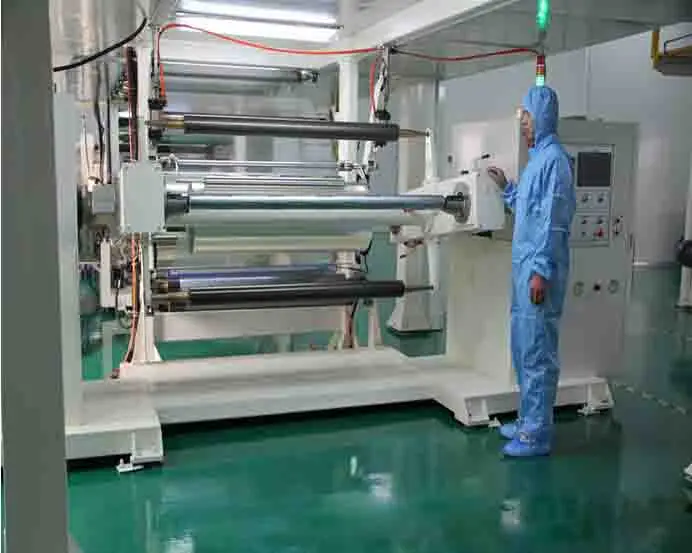
Guangzhou Zhengcai Print Co., Ltd.
- Manufacturer, Trading Company
- Guangdong, China
- Lead time5 days
- Avg. response≤ 3h
Main productsCar Wrap Vinyl/Car Paint Protection Film/Custom Car Wrap Vinyl/Car Light Tint Film/Car Sticker
Main marketsNorth America(30.00%), Western Europe(30.00%), Domestic Market(20.00%), Southeast Asia(20.00%)
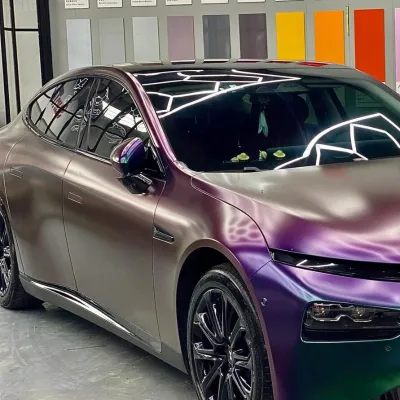
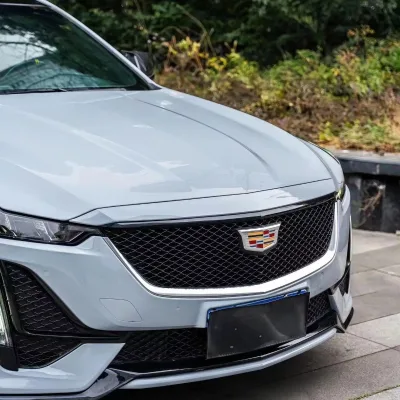
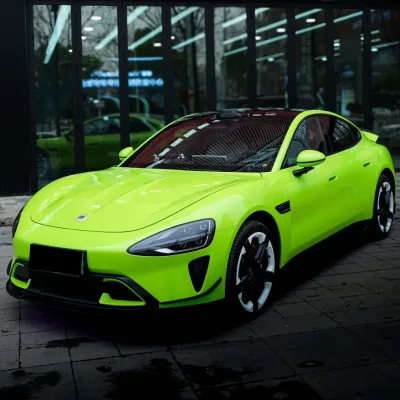
$99.00 - $138.00
MOQ: 10 Minimum


Jiaxing Eachsign New Material Co., Ltd.
- Verified by BV
- Trading Company
- China Zhejiang
- Lead time15 days
- Avg. response≤ 5h
Main productsSelf Adhesive Vinyl, Car Wrap Vinyl, Flex Banner, Display Stand, PVC Tarpaulin, PE Tarpaulin, Canvas, PVC Foam Board, Acrylic Sheet, Aluminum Composite Panel
Main marketsSouth America,Africa,Southeast Asia/ Mideast,East Asia(Japan/ South Korea),Europe,Australia,North America

$0.64 - $0.88
MOQ: 1000 Square Meters

$0.64 - $0.88
MOQ: 1000 Square Meters

$0.64 - $0.88
MOQ: 1000 Square Meters


Factory Wholesale PVC Color Cutting Self Adhesive Vinyl for Car Wrap
$0.60 - $1.25
MOQ: 1000 Square Meters

Glossy Color Cutting Vinyl Colored Film Self Adhesive Vinyl for Decoration
$0.60 - $1.25
MOQ: 1000 Square Meters

Guangxi Zhongmo International Trade Co., Ltd.
- Verified by CTI
- Trading Company
- China Guangxi
- Lead time15 days
- Avg. response≤ 7h
Main marketsDomestic


Self-Healing Vinyl Wrap Film Color-Changing Auto Sticker for Whole Car Wrapping
$410.00 - $450.00
MOQ: 1 Rolls
Guangzhou Dmis Film Technology Co.,ltd
- Verified by Intertek
- Trading Company
- Lead time5 days
Main productsSolar Window Film, Paint Protection Film, Safety Security Window Film, Building Window Film, Car Headlight Tint Film
Main marketsNorth America(15%), South America(15%), Mid East(15%)

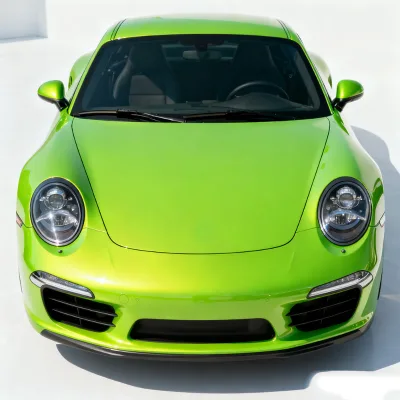


Car Wrap Full Body Wholesale Auto Color Changing Film Car Vinyl Wrap
$280.00 - $380.00

Jiangsu Koofilm Technology Co., Ltd.
- Verified by TUVRHEINLAND
- Trading Company
- China Jiangsu
- Lead time15 days
- Avg. response≤ 4h
Main productsCar Film, Paint Protection Film, Car Wrap Film, Car Window Film, Windshield Film, Color Ppf, Smart Film, Self Adhesive Vinyl, Anti Scratch Film, TPU Film
Main marketsSouth America,Africa,Southeast Asia/ Mideast,Europe,Australia,North America

Best Anti-Scratch Self Healing TPU 8 Mil Color Car Vinyl Paint Protective Film
$400.00 - $450.00
MOQ: 1 Rolls

Shanghai Hoho Industry Co., Ltd.
- Verified by SGS Group
- Manufacturer, Trading Company
- Lead time10 days
Main productsClear Paint Protection Film, Color Paint Protection Film, Window Film, Car Wrap Vinyl, Smart Film
Main marketsEastern Europe(15%), Oceania(15%), Domestic Market(15%)
Guangzhou Gwf New Material Co., Ltd.
- Verified by SGS Group
- Manufacturer, Trading Company
- Lead time15 days
Main productsClear Paint Protection Film, Color Paint Protection Film, Automotive Window Film, Car Wrap Vinyl, Building Window Film
Main marketsNorth America(30%), Mid East(30%), South America(20%)

Shanghai Cosy Industrial Co., Ltd.
- Trading Company
- China Shanghai
- Lead time15 days
- Avg. response≤ 15h
Main productsPVC Foam Board, Acrylic Sheet, ABS Engraving Sheet, Paper Foam Board, Flex Banner, Self Adhesive Vinyl, PP Hollow Sheet, Aluminum Composite Panel, Canvas, Roll up
Main marketsSoutheast Asia/ Mideast,Domestic,Europe,North America

Glossy Film Car Wrap Color Changing Sticker with High Quality for Decoration
$85.00 - $90.00
MOQ: 100 Rolls


Guangzhou Colorcard Technology Co., Ltd.
- Verified by SGS Group
- Trading Company
- Lead time30 days
Main productsCar Window Film, Car Paint Protective Film, Vinyl Wrap Film
Main marketsNorth America(8%), South America(8%), Eastern Europe(8%)
Guangzhou Anolly Advanced Materials Co., Ltd.
- Verified by TüVRheinland
- Manufacturer, Trading Company
- Lead time7 days
Main productsCutting Vinyl, Car Wrap Film, Self Adhesive Vinyl, Window Film
Main marketsNorth America(10%), Mid East(10%), Southeast Asia(9%)

Suzhou Jinlan Nanotechnology Co., Ltd.
- Verified by TUVRHEINLAND
- Combined
- China Jiangsu
- Lead time15 days
- Avg. response≤ 3h
Main productsWindow Film, Paint Protection Film, Color Wrapping Film, Fire Proof Film, Dyed Film, Building Window Fim, Nano Ceramic Film, Pdlc Smart Film, Car Window Film
Main marketsSoutheast Asia/ Mideast,Domestic

Shanghai Yunsai Technology Co., Ltd.
- Verified by BV
- Manufacturer/Factory
- China Shanghai
- Lead time23 days
- Avg. response≤ 12h
Main productsSelf Adhesive Vinyl Sticker, High Quality Inkjet Sticker, Printable Vinyl Sticker, Label Sticker, Inkjet Label Sticker, Memjet Label Sticker, Inkjet Vinyl Sticker, Inkjet Sticker Paper, Inkjet Printable Sticker, Inkjet Photo Paper Sticker
Main marketsSouth America,Eastern Europe,North America,Southeast Asia,Africa


Color Changing Vinyl Permanent Pack Vinyl Temperature Sensitive Self-Adhesive Vinyl Stickers
$1.68 - $1.79
MOQ: 100 sheets

- Verified by SGS
- Manufacturer/Factory
- China Zhejiang
- Lead time15 days
- Avg. response≤ 2h
Main productsPVC Flex Banner, Frontlit Banner Backlit Flex, Coated Fabric, Tarpaulin, Self Adhesive Vinyl & One Way Vision, Cotton Canvas Polyester Canvas Polycotton, PVC Foam/Celuka Board, Acrylic Sheet, PP Hollow Board, Sublimation Textile Fabric
Main marketsEastern Europe,Oceania,Western Europe,Africa

Guangzhou Anolly Advanced Materials Co., Ltd.
- Combined
- China Guangdong
- Lead time15 days
- Avg. response≤ 4h
Main productsSelf Adhesive Vinyl
Main marketsSouth America,Africa,Southeast Asia/ Mideast,East Asia(Japan/ South Korea),Domestic,Europe,Australia,North America

Wuxi Zero Distance Automotive Service Co., Ltd
- Verified by CTI
- Manufacturer/Factory
- China Jiangsu
- Lead time15 days
- Avg. response≤ 6h
Main productsCar Film, TPU Ppf, TPU Color Ppf, Window Film, Car Light Film, Chameleon Window Film, PVC Color Film
Main marketsSouth America,Eastern Europe,Mid East,North America,Southeast Asia,Eastern Asia,Oceania,Western Europe,Africa

Self-Healing Car Paint Protection Film Body Color Changing Hot Fix Roll Shape
$268.00 - $415.00
MOQ: 1 Rolls


Multi-Color Anti-Scratch and Anti-Fouling Paint Protection Film Color Change Film
$268.00 - $415.00
MOQ: 1 Rolls


Ultra Matte Auto Wrapping Vinyl PVC Car Wrap Color Film Body Color Change
$280.00 - $387.00
MOQ: 1 Rolls
Ganzhou Rongdi Manufacturing Co., Ltd.
- Verified by Intertek
- Manufacturer, Trading Company
- Lead time30 days
Main productsPaint Protection Film, Vinyl Car Warp, Window Tint Film, Exhaust Pipe, Exhaust System
Main marketsNorth America(60%), Mid East(20%), Western Europe(10%)

- Verified by TUVRHEINLAND
- Trading Company
- China Guangdong
- Lead time15 days
- Avg. response≤ 5h
Main productsCar Wrap Vinyl, Carbon Fiber Vinyl, Paint Protection Film, Permanent Adhesive Vinyl, Graphic Cutting Vinyl, DIY Craft Vinyl, Heat Transfer Vinyl, Self Adhesive Vinyl, Reflective Sheeting, Window Glass Film
Main marketsOthers(foreignTradeCapacity.exportBusinessCapacityMarketOther),Southeast Asia/ Mideast,Europe,North America




Comprehensive Sourcing Guide
Self Healing Color Changing Vinyl Supplier Concentration and Factory Types
The current supplier landscape for Self Healing Color Changing Vinyl reveals a diverse mix of manufacturing and trading entities. High-confidence location data points to clusters in Shanghai, Jiangsu, and Guangdong, indicating that production is not limited to a single industrial hub. Buyers should investigate whether a supplier operates as a combined entity, a pure manufacturer, or a trading company, as this distinction impacts cost structures and quality control capabilities. For instance, combined companies often handle both raw material processing and final assembly, while trading companies may aggregate products from multiple factories to offer broader color ranges. Understanding the specific factory type is crucial because it determines the level of customization available for film thickness, adhesive types, and roll dimensions.
When assessing factory types, look for evidence of Research and Development capacity, such as OEM or ODM capabilities. Suppliers with strong R&D departments can modify the self-healing layer or adjust the color-changing mechanism to meet specific environmental conditions. In contrast, trading companies might focus on stock availability and faster turnaround times for standard products. Buyers should request detailed organizational charts or factory visit reports to verify the actual production lines. This step helps distinguish between a true manufacturer who controls the extrusion and coating processes and a reseller who simply repackages finished goods. Clarifying the factory type early prevents misunderstandings about minimum order quantities and the ability to handle custom specifications for large-scale vehicle wrapping projects.
How to Verify Self Healing Color Changing Vinyl Suppliers
Verification is critical when sourcing Self Healing Color Changing Vinyl due to the specialized nature of the material. Start by checking third-party verification badges, such as those from TUV Rheinland or BV, which indicate that the supplier has undergone independent audits. These certifications provide a baseline level of trust regarding the company’s operational integrity and quality management systems. Additionally, review system certifications like ISO9001:2015 and ISO14001:2015, which demonstrate adherence to international standards for quality and environmental management. While these certificates are positive indicators, they do not guarantee product performance, so they should be part of a broader due diligence process rather than the sole basis for selection.
Beyond formal certifications, buyers should request sample batches to test the self-healing properties and color-changing effects under controlled conditions. Verify the material composition, ensuring it matches the claimed PVC or PET base, and check the adhesive type, such as solvent-based or permanent acrylic. Request test reports for UV resistance, scratch resistance, and heat insulation, as these attributes are vital for automotive applications. If the supplier claims specific durability metrics, such as outdoor longevity, ask for the methodology used to determine these figures. Cross-referencing the supplier’s claimed capabilities with their actual product listings and customer reviews helps build a comprehensive picture of their reliability and technical competence.
What to Compare Across Self Healing Color Changing Vinyl Suppliers
Comparing suppliers requires a structured approach to evaluate key performance indicators. Lead time is a significant factor, with observed ranges varying from 15 to 30 days depending on the supplier’s production capacity and order size. Shorter lead times may indicate higher inventory levels or more efficient production lines, but buyers should confirm whether these timelines include quality control and packaging. Response time is another metric, with some suppliers responding within two hours while others take up to eight hours. Faster response times often correlate with better customer service and more agile communication, which is essential for resolving technical queries or adjusting order specifications during the production process.
Minimum Order Quantities (MOQ) also vary significantly, ranging from single rolls to thousands of units, depending on the product type and customization level. Standard color-changing films may have lower MOQs, while custom-cut vinyl stickers might require larger batches to justify setup costs. Buyers should compare the price per unit against the MOQ to determine the total cost of ownership. Additionally, examine the main products listed by each supplier to ensure they specialize in automotive films rather than general packaging materials. Specialization often leads to better quality control and deeper technical knowledge. Finally, consider the supplier’s location, as proximity to major shipping ports can influence logistics costs and delivery reliability for international orders.
Common Self Healing Color Changing Vinyl Sourcing Risks
Sourcing Self Healing Color Changing Vinyl carries specific risks related to material consistency and application performance. One major risk is the variability in the self-healing layer’s effectiveness, which can degrade over time due to UV exposure or temperature fluctuations. Buyers should be wary of suppliers who do not provide detailed data on the material’s lifespan or resistance to environmental stressors. Another risk involves adhesive failure, where the film may peel or bubble after installation, especially if the glue is not compatible with the vehicle’s surface. To mitigate this, request samples for adhesion testing on different substrates, including painted metal and plastic, to ensure long-term durability.
Supply chain disruptions are another potential risk, particularly for suppliers relying on imported raw materials or specialized adhesives. Delays in raw material procurement can extend lead times and affect production schedules. Buyers should ask about the supplier’s inventory management practices and their contingency plans for supply interruptions. Additionally, there is a risk of misrepresentation regarding the material’s composition, such as claiming a PET base when the product is actually PVC. This discrepancy can affect the film’s flexibility, durability, and environmental impact. Conducting independent lab tests on samples can help verify the material’s true composition and ensure it meets the required specifications for automotive use.
Self Healing Color Changing Vinyl Regional Sourcing and Logistics
Regional sourcing for Self Healing Color Changing Vinyl is influenced by the location of manufacturing clusters and logistics infrastructure. Suppliers in Shanghai, Jiangsu, and Guangdong offer distinct advantages based on their proximity to major ports and industrial networks. Shanghai, for example, provides excellent access to international shipping routes, which can reduce transit times for overseas buyers. Jiangsu is known for its robust manufacturing base, offering a wide range of vinyl products with competitive pricing. Guangdong, particularly the Pearl River Delta, is a hub for automotive accessories, making it a strategic location for sourcing car-specific films. Understanding these regional strengths helps buyers optimize their supply chain and reduce logistics costs.
Logistics considerations also include packaging and shipping methods. Vinyl rolls are typically packed in carton boxes or pallets to protect them from moisture and physical damage. Buyers should confirm the supplier’s packaging standards and ensure they meet international shipping requirements. For air freight, which is faster but more expensive, the weight and volume of the rolls must be carefully calculated to avoid excessive costs. Sea freight is more economical for large orders but requires longer transit times. Buyers should also consider the impact of customs clearance and import duties, which can vary by destination country. Planning for these logistical factors in advance helps ensure smooth delivery and minimizes the risk of delays or additional expenses.
Self Healing Color Changing Vinyl Commercial Terms and Order Planning
Negotiating commercial terms for Self Healing Color Changing Vinyl requires attention to payment structures, warranty conditions, and order flexibility. Payment terms often include options such as Letter of Credit, T/T, or escrow services, each with different risk profiles for buyers and suppliers. Escrow services can provide an additional layer of security by holding payment until the goods are delivered and inspected. Buyers should clarify the warranty terms, particularly regarding the self-healing and color-changing properties, to ensure they are covered in case of defects. A typical warranty might range from two to three years, depending on the supplier and the product’s intended use.
Order planning should account for production cycles and inventory management. Buyers should establish a clear timeline for order placement, production, and delivery, including buffer periods for quality control and shipping. For large orders, consider splitting the shipment into multiple batches to manage cash flow and reduce the risk of receiving defective goods. Additionally, negotiate terms for sample orders, which can be used to test the product’s performance before committing to a larger purchase. Free samples are often available, but buyers should confirm the terms and any associated costs. By carefully planning the order and negotiating favorable commercial terms, buyers can ensure a smooth and cost-effective sourcing process for Self Healing Color Changing Vinyl.
FAQs
What does Self Healing Color Changing Vinyl actually do?
It changes a vehicle's body color while its top coating can recover from light scratches when exposed to heat such as sunlight or warm water. Most products listed as self healing also advertise UV proof, sand proof, heat insulation and anti scratch functions. Performance depends on film thickness, adhesive quality and installation, so request specification sheets before ordering.
What is a typical MOQ for car wrap vinyl rolls?
Minimum order quantities vary widely by product type and supplier. Some car wrap films list an MOQ of just 1 roll, while other vinyl products show MOQs of 10 rolls or 5000 square meters for cutting vinyl. Confirm the exact MOQ, roll size and unit price range with each supplier before placing a trial order.
What sizes and materials are common for self healing car wrap film?
A common listed standard is 1.52 by 18 meters per roll, made from PVC for tinted film products, while some color change wraps use PET with removable glue. Widths around 1.52 meters allow installation without seams on most panels. Check the exact material, thickness and removability details on the product specification before comparing quotes.
How fast can suppliers ship Self Healing Color Changing Vinyl?
Lead times among listed suppliers range from about 15 to 30 days depending on the factory and order size. Some manufacturers advertise response times of roughly 2 to 8 hours, which helps speed up quotations. Always confirm current production schedules, since peak season orders may extend these standard lead times.
Which certifications should I verify when sourcing car wrap vinyl?
Look for suppliers holding ISO 9001 quality management certification and check for third-party verification such as TUV Rheinland or Bureau Veritas badges on their profiles. Product listings may also reference RoHS compliance. Certificates should be current and matched to the factory producing your film, so request copies during quotation.
Can I get customization such as custom colors or OEM production?
Many listed suppliers advertise customization as available and support OEM or ODM services, with some operating their own brands. Color change wraps are typically offered according to a color chart, and cutting vinyl can be produced in glossy or matte finishes. Discuss minimum quantities, artwork requirements and sample availability before committing to customized production.