Self Heating Heated Foot Insole Suppliers and Manufacturers
Source 23 verified suppliers for Self Heating Heated Foot Insole products. Compare key dimensions including Henan, China location, CE and ISO certifications, MOQs from 1 to 500 pairs, and lead times of 15 to 25 days. Review pricing and response times to identify suitable partners.
Suppliers List
Puyang Degren Medical Instrument Co., Ltd.
- Manufacturer, Trading Company
- Henan, China
- Lead time25 days
- Avg. response≤ 9h
Main productsPhysical Therapy Equipment,Rehab Therapy Supplies,Dental Apparatus,Dental Consumables,Medical Surgical Supplies
Main marketsEastern Europe(30.0%), North America(30.0%), Domestic Market(10.0%), Mid East(10.0%), South America(10.0%), Southern Europe(3.0%), Western Europe(3.0%), Oceania(1.0%), Eastern Asia(1.0%), Northern Europe(1.0%), Africa(1.0%)
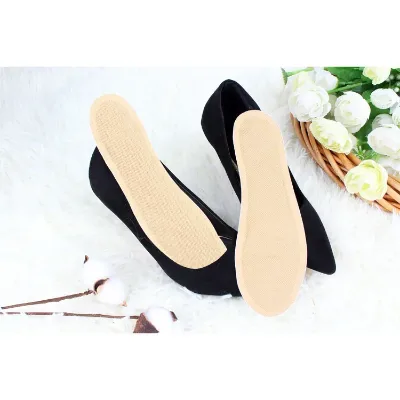
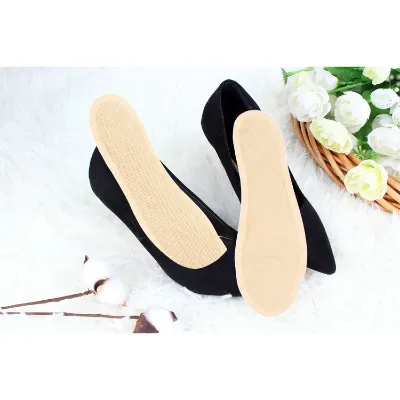
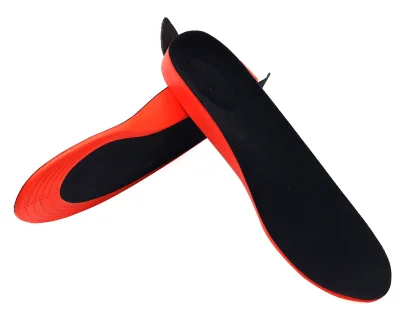
Instant Self-heating Warm Foot Insoles Foot Insoles Thermoplastic Carbon Fiber Insoles
$0.12 - $0.13
MOQ: 1 units
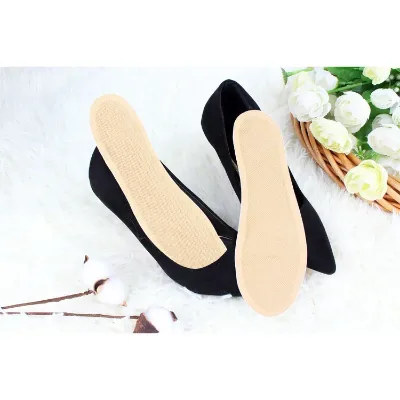
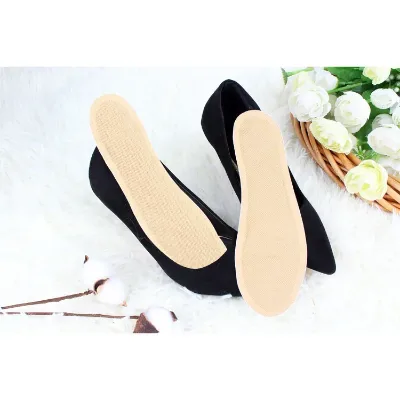
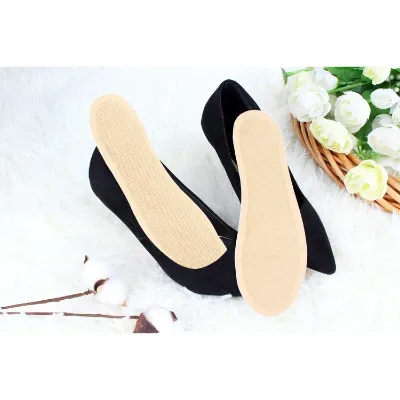
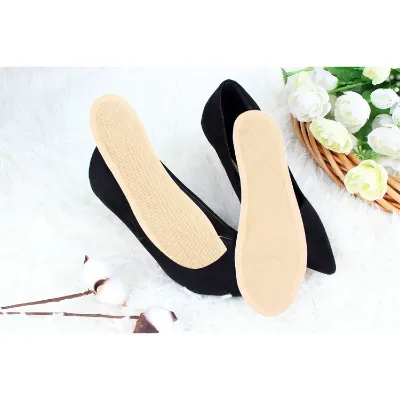
Disposable Self-heating Winter Outdoor Foot Heating Insoles Toe Warmers with Natural Ingredients
$0.12 - $0.13
MOQ: 1 units
Henan Bangni Biological Engineering Co., Ltd.
- Verified by SGS Group
- Manufacturer, Trading Company
- Lead time15 days
- Avg. response≤ 4h
Main productsWarm Insoles, Height Increase Insoles, Orthotic Insoles, Sport Insoles, Work Insoles
Main marketsDomestic Market(45%), North America(35%), Eastern Europe(5%)
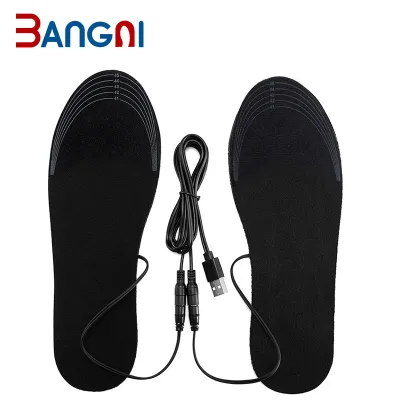
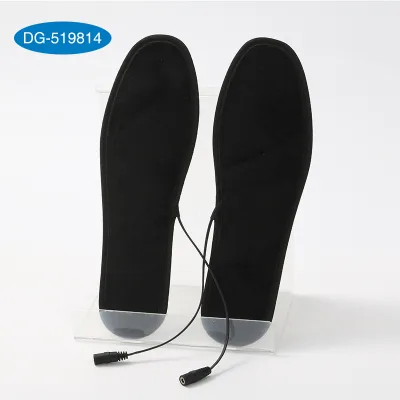
Electric Thermoformed Foot Heated Inner Sole Winter Thermal Self-heating Insoles
$2.00 - $2.70
MOQ: 500
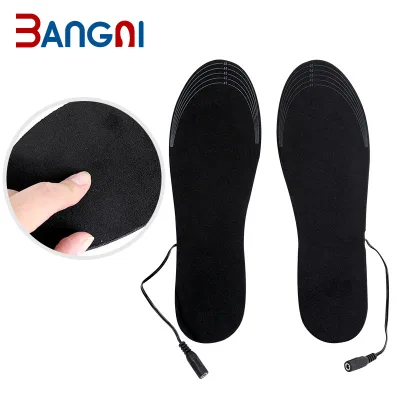
Wholesale Hot Sale Usb Electric Foot Warmer Heated Warm Insole for Winter Outdoor
$2.00 - $2.70
MOQ: 500
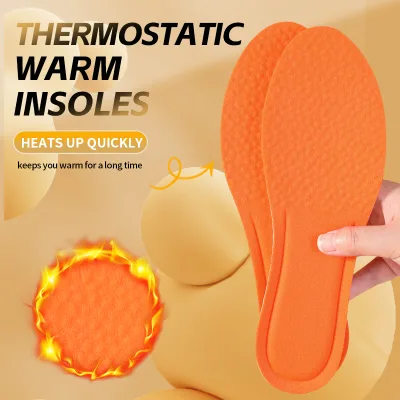

Ningbo Multi Channel Co., Ltd.
- Trading Company
- China Zhejiang
- Lead time23 days
- Avg. response≤ 15h
Main productsFirst Aid Kit, Wound Dressing, Bandage, Outdoor Emergency Supplies, Hot/Cold Therapy, Surgery Supplies, Laboratory Supplies, Medical Devices, Anethesia Breathing Supplies, Daily Care
Main marketsSouth America,Southeast Asia/ Mideast,East Asia(Japan/ South Korea),Europe,North America

Instant Self Heating Keep Your Feet Hot Whole Day Foot Warm Toe Warmer Shoe Insoles Pad
$0.05 - $0.20
MOQ: 1000 Pieces

$0.32 - $0.34
MOQ: 1000 Pieces

Toe Warmer Heating Insole Heat Patch High Quality Foot Warm Pad Adhesive Warmer Pads for Foot
$0.05 - $0.20
MOQ: 1000 Pieces

Nanchang ICE BEAR Cooling and Warming Household Products Co., Ltd.
- Manufacturer/Factory
- China Jiangxi
- Lead time45 days
- Avg. response≤ 9h
Main productsCooling Mat, Dog Pool, Pet Pad, Dog Cooling Vest, Dog Cooling Bed, Cooling Cap, Cooling Scarf, Splash Pad, Heating Pad
Main marketsEastern Europe,North America

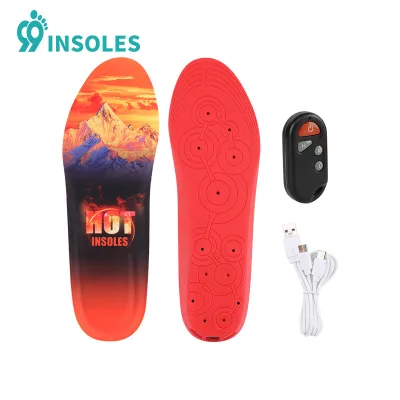
USB Warm Electric Shoes Outdoor Sports Feet Warmer Insoles Heated Insoles
$2.80 - $4.80
MOQ: 100 Pieces

Electric Heated Soles Warming Insoles Far Infrared Shoe Warmers Heating Insoles
$2.80 - $4.80
MOQ: 100 Pieces


Electric Warm Heating Boot Insole Feet Warmer Pads Rechargeable Heated Insoles
$2.80 - $4.80
MOQ: 100 Pieces

Hebei Houde Hanfang Medical Devices Group Co., Ltd.
- Verified by SGS Group
- Manufacturer, Trading Company
- Lead time10 days
- Avg. response≤ 2h
Main productsFoot Patch, Hydrogel Patch, Scar Removal Patch, Non Woven Fabric Patch, Beauty Personal Care Products
Main marketsDomestic Market(60%), North America(11%), Eastern Europe(9%)
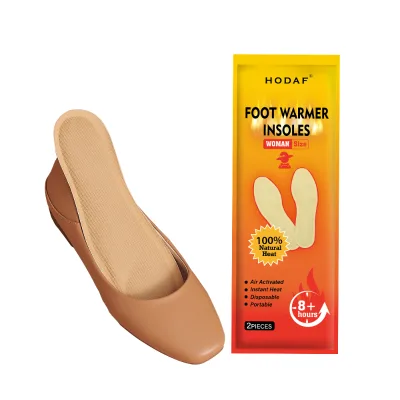
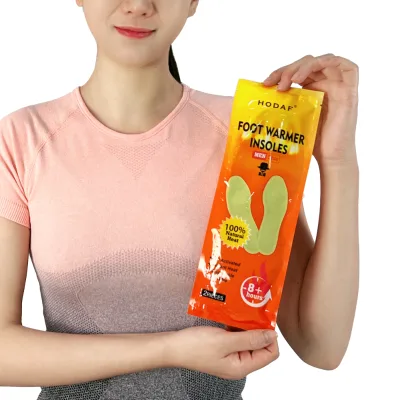
Wholesale Feet Warmer Insoles Iron Self-heating Promotional Hot Pack Foot Warmer Heating Pad OEM
$0.20 - $0.26
MOQ: 1 bags
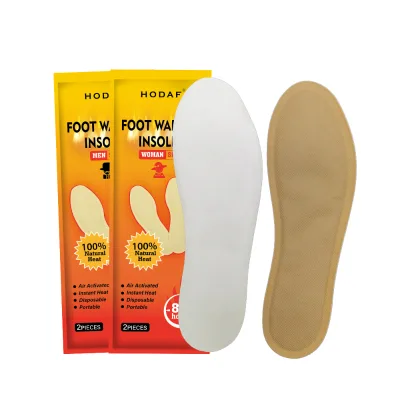
Insole Foot Heating Pad U Shape Toe Warmer Patch Adhesive Air Heat Pad for Shoes
$0.22 - $0.26
MOQ: 100 pairs
Hebei Houde Hanfang Medical Devices Group Co., Ltd.
- Verified by SGS Group
- Manufacturer, Trading Company
- Hebei, China
- Lead time10 days
- Avg. response≤ 1h
Main productsTransdermal Nutrition, Non Woven Fabric Patch, Sleep & Respiratory, Warmer Heating Pad, Body Contouring
Main marketsDomestic Market(60%), North America(11%), Eastern Europe(9%)

LUOYANG WEIERJIAN BIOTECHNOLOGY CO., LTD.
- Verified by BV
- Manufacturer/Factory
- China Henan
- Lead time30 days
- Avg. response≤ 2h
Main productsPain Relief Patch, Ointment, Topical Care Products, External Use, Nutritional Supplements, Pet Products, Pet Chews, Personal Care Products
Main marketsSouth America,Eastern Europe,Mid East,North America,Southeast Asia,Eastern Asia,Oceania,Western Europe,Africa

Long Lasting Self Heating Foot Warmers Hot Sale Winter Insoles Cold Feet
$0.22 - $0.25
MOQ: 1000 pieces


Ultra Thin Self Heating Adhesive Disposable Foot Warmers 8 Hours Hot Pad Insole
$0.22 - $0.25
MOQ: 1000 pieces


Winter Warm Products Self-Heating Insoles Heating Foot Warmer Stick Pads
$0.22 - $0.25
MOQ: 1000 pieces

Female Disposable Self Heating Thermal Foot Warmers Portable Shoe Insoles Daily Winter Walking
$0.22 - $0.25
MOQ: 1000 pieces
Tianjin Hodaf Technology Co., Ltd.
- Verified by SGS Group
- Manufacturer, Trading Company
- Lead time5 days
- Avg. response≤ 2h
Main productsFoot Mask, Foot Patch, Under Eye Pad, Heat Pack, Steam Eye Mask
Main marketsNorth America(30%), Eastern Europe(30%), Southeast Asia(20%)
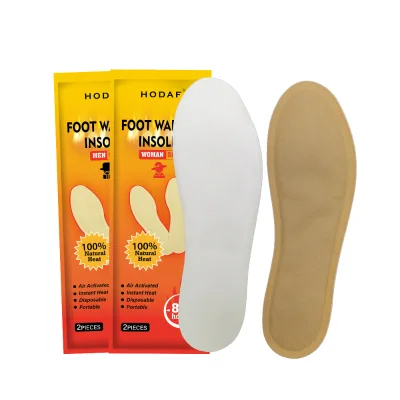
Fast Heating Self Heated Insoles Foot Body Warmer Pads Instant Heat Patch Foot Warmer
$0.10 - $0.12
MOQ: 10000
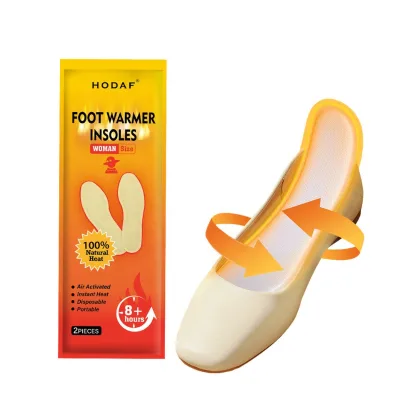
Self-Heating Foot Warmer Insoles Graphene Heating Insoles 3-Second Fast Warm-Up, Ultra-Thin
$0.14 - $0.16
MOQ: 10000 pairs
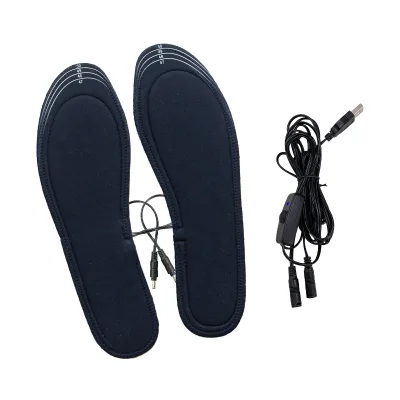
$3.07 - $3.80
MOQ: 1000 pairs
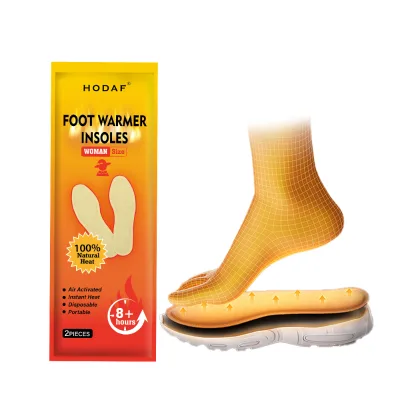
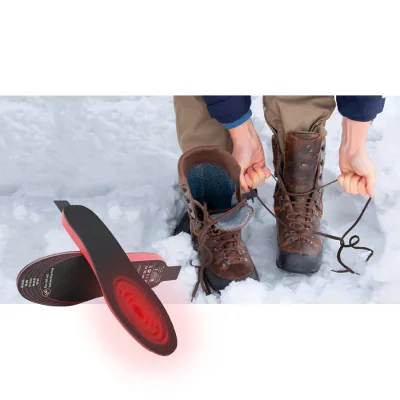
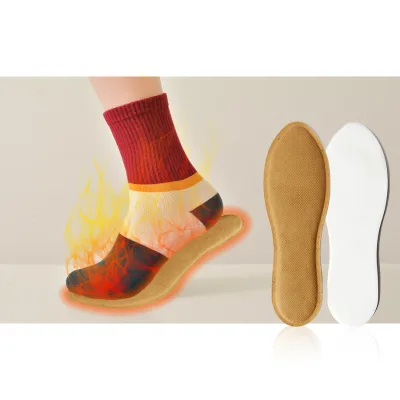
OEM High - Efficiency Self - Heating Foot Warmer Insoles Keep Your Feet Toasty in Winter 4-6H
$0.10 - $0.12
MOQ: 10000 pairs
- Verified by Intertek
- Manufacturer, Trading Company
- Lead time30 days
- Avg. response≤ 3h
Main productsinsole, Shoe, shoe accessories, shoe material, shoe tree
Main marketsWestern Europe(34%), North America(33%), Eastern Europe(24%)
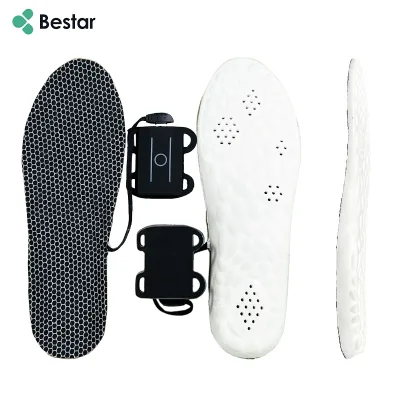
$12.00 - $15.00
MOQ: 500 pairs
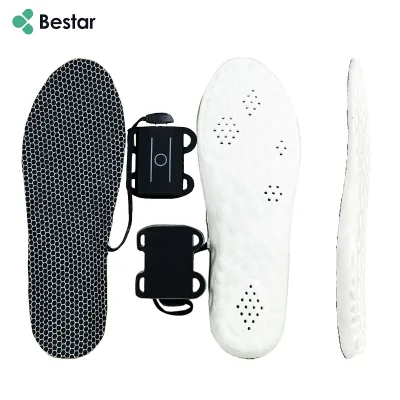
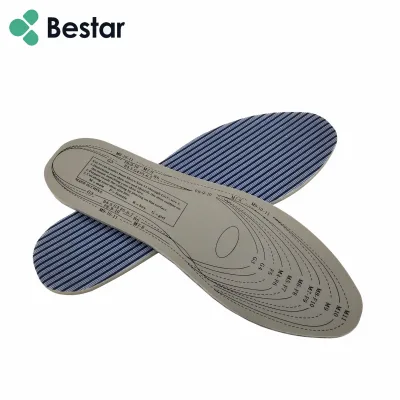
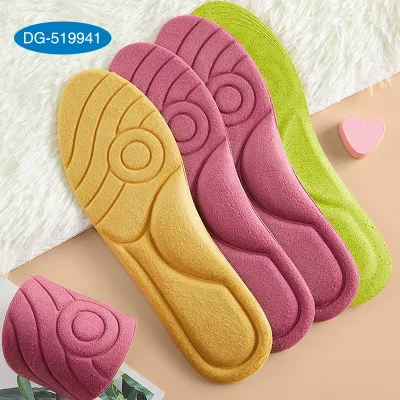
Foot Pain Relief Shearable Anti-slip Memory Foam Insole Latex Warm Insole
$0.79 - $0.99
MOQ: 500 pairs
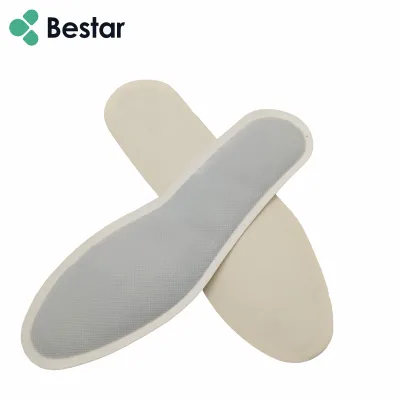
$0.36 - $0.59
MOQ: 3000 pairs
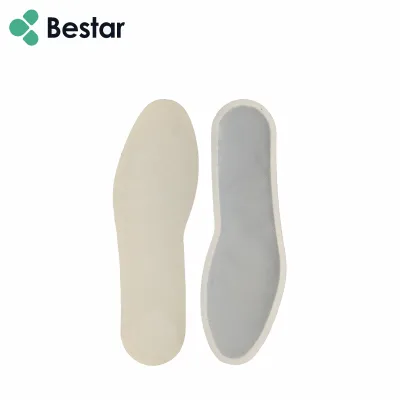
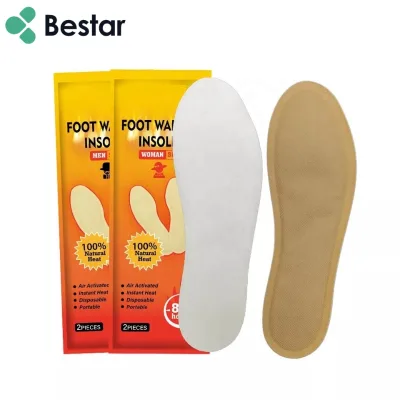
Custom Wholesale Hot Selling Disposable Insoles Warm Insole Patch Air Activated Heating Insoles
$0.13 - $0.31
MOQ: 500 pairs

Jiangsu Meilan Medical Devices Co., Ltd
- Verified by BV
- Combined
- China Jiangsu
- Lead time45 days
- Avg. response≤ 2h
Main marketsSoutheast Asia/ Mideast,Europe,North America

Disposable Heat Insole Self Foot Toe Warmer Heating Insole Heat Pad Patch
$0.14 - $0.17
MOQ: 10000 piece


Comfortable Heat Pads Portable Self-Heating Simple Operation Toe Insole Foot Warmer
$0.20 - $0.24
MOQ: 10000 Pieces

OEM Portable Self-Heating Toe Insole Foot Warmer Suitable for All Ages
$0.13 - $0.17
MOQ: 10000 Pieces

Self-Heating Simple Operation Comfortable Toe Insole Foot Warmer Suitable for All Ages
$0.13 - $0.17
MOQ: 10000 Pieces

Custom Heated Foot Toe Warmer Patch Selfheating Disposable Foot Warmers
$0.22 - $0.25
MOQ: 10000 piece
Hebei Feifan Biotechnology Co., Ltd.
- Verified by Intertek
- Manufacturer, Trading Company
- Lead time10 days
- Avg. response≤ 3h
Main productsSteam Eye Mask, Foot Patch, Shipping Warmer Patch, Cooling Patch, Warm Patch
Main marketsDomestic Market(35%), North America(20%), Eastern Asia(10%)

Qingdao Anlone Biotechnology Co., Ltd.
- Verified by SGS
- Combined
- China Shandong
- Lead time30 days
- Avg. response≤ 2h
Main productsHand Warmer, Body Wamer, Knee Warmer, Waist / Shoulder Warmer, Moisture Absorber, Odor Elimator, Drain Cleaner, Washing Machine Cleaner, Natural Insect Repellent, Anti Itch Lotion
Main marketsSoutheast Asia/ Mideast,East Asia(Japan/ South Korea),Europe

8hours Super-Cozy Disposable Warmer Insole for Warm and Snug Feet Heating Foot Pad
$0.15 - $0.20
MOQ: 50 Pieces

Ultra-Warm 8hours Insole for Cozy and Toasty Feet Foot Warmer Self Heating Patch Heating Pad Pack
$0.15 - $0.20
MOQ: 50 Pieces

Foot Warmer Pad Safe Natural Self Heating Warming Insole for Winter Warm Size Custom Available
$0.15 - $0.20
MOQ: 50 Pieces

High Quality Self-Heating Foot Toe Warmer Insole Patch Warming Pack Heating
$0.15 - $0.20
MOQ: 50 Pieces

OEM Factory Disposable Warmer Patch Toe Warmer Foot Insole Self Heating Warming Heating Pad
$0.15 - $0.20
MOQ: 50 Pieces

Self-Heating Feet Warmer Patch Insole Air Activated Instant Heating Body Warming Pack
$0.15 - $0.20
MOQ: 50 Pieces

Ningbo Kangbeien Heatlh Tech. Co., Ltd.
- Verified by SGS
- Combined
- China Zhejiang
- Lead time30 days
- Avg. response≤ 6h
Main marketsDomestic
Dongguan Lee-Mat Sports Technology Co., Ltd.
- Manufacturer, Trading Company
- Guangdong, China
- Lead time20 days
- Avg. response≤ 1h
Main productsOrthotic Insole,Oven Insole,Heated Gloves,Heated Socks,Orthotic Sandals
Main marketsDomestic Market(43.0%), North America(25.0%), Oceania(25.0%), Western Europe(7.000000000000001%)
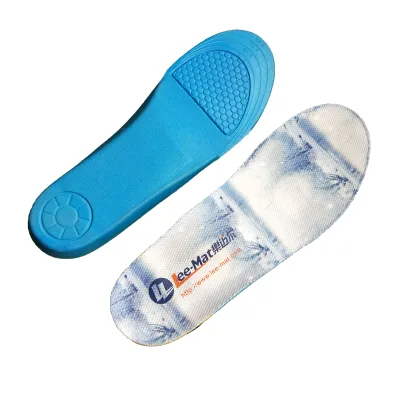
Thermal Heated Insoles Foot Warmer in Winter Rechargeable Battery Heating Shoe Sole
$32.00
MOQ: 1000 Minimum
- Trading Company
- Taiwan, China
- Lead time30 days
- Avg. response≤ 5h
Main productsCarbon fiber heated Apparels,Heated Accessories,Heated Medicare far infrared Wrap,Heated Gloves,Heated Safety Jacket
Main marketsNorth America(30.0%), Western Europe(25.0%), Eastern Europe(15.0%), Southeast Asia(10.0%), Northern Europe(6.0%), Domestic Market(5.0%), Southern Europe(3.0%), South America(2.0%), Central America(2.0%), Mid East(2.0%)
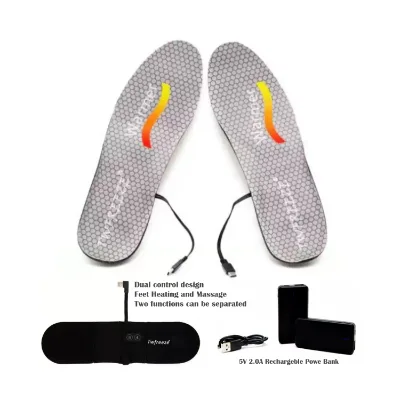
$9.20 - $18.20
MOQ: 1 Minimum
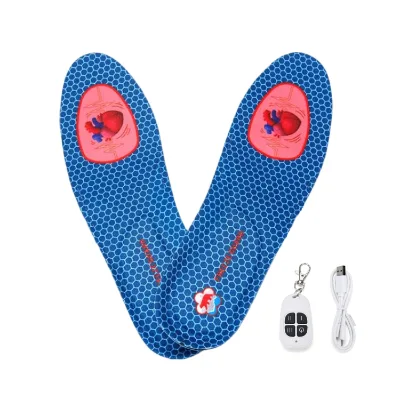
$15.35 - $28.65
MOQ: 1 Minimum
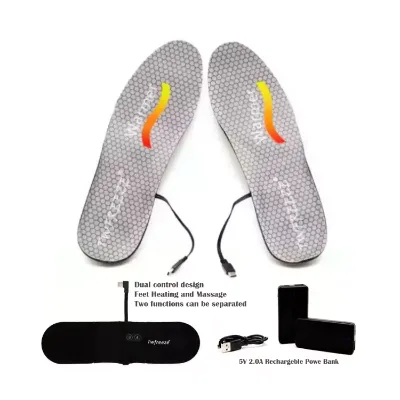
Contact supplier

Yangzhou Runtong International Trading Co., Ltd.
- Verified by TUVRHEINLAND
- Trading Company
- China Jiangsu
- Lead time30 days
- Avg. response≤ 2h
Main productsShoe Insole, Shoe Polish, Shoe Brush, Shoe Tree, Shoe Cleaner, Shoe Lace, Shoe Deodorizer, Shoe Freshener, Shoe Horn
Main marketsSouth America,Southeast Asia/ Mideast,Europe,Australia,North America


Customizable Runtong Self-Heating Non-Woven Fabric Unisex Sports Insoles Comfort Foot Warmers
$0.12 - $0.18
MOQ: 200 Pieces

Hot Selling Wholesale Gray White Foot Warmer Inserts Winter Warm Felt Insoles
$0.32 - $0.39
MOQ: 1000 Pairs


Chongqing Xiaoai Technology Co., Ltd.
- Verified by CTI
- Combined
- China Chongqing
- Lead time23 days
- Avg. response≤ 1h
Main productsFoot Scanner, Foot Pressure Detection and Insoles Customizatio, Gait Analysis Treadmill, Foot Pressure Plate, Spine Scanner, Orthopedic Insole, Heat Moldable Orthotic Insole
Main marketsDomestic


Custom Heat Moldable Insoles Foot Protection Shoe Sole Flat Foot Orthotic Insoles
$7.50 - $8.50
MOQ: 100 Pairs


Fu Jian Yue Te Advanced Material Technology Co., Ltd.
- Verified by SGS
- Combined
- China Fujian
- Lead time15 days
- Avg. response≤ 1h
Main marketsDomestic
- Verified by Intertek
- Manufacturer, Trading Company
- Lead time30 days
- Avg. response≤ 2h
Main productsHeated Insoles, Heated Gloves, Heated Socks, Heated Clothing, Heating Pad
Main marketsNorth America(45%), Eastern Europe(24%), Western Europe(13%)
Ningbo Beiduoen Health Tech. Co., Ltd.
- Manufacturer, Trading Company
- Zhejiang, China
- Lead time30 days
- Avg. response≤ 5h
Main productsPosture Corrector, Ankle Brace, Knee Support & Wrist Support, Bunion Corrector, Sports Insole
Main marketsSouth America(25.0%), Eastern Europe(20.0%), North America(18.0%), Western Europe(17.0%), Eastern Asia(10.0%), Oceania(5.0%), Africa(2.0%), Mid East(2.0%), Central America(1.0%)
Henan Xinyongtai Medical Technology Co., Ltd.
- Manufacturer, Trading Company
- Henan, China
- Lead time20 days
- Avg. response≤ 4h
Main productsHealthcare Products,Beauty Care Products,Foot Patch,Functional Patch,Medical Gauze
Main marketsNorth America(20.0%), Southern Europe(10.0%), Eastern Europe(10.0%), Western Europe(10.0%), Domestic Market(5.0%), South Asia(5.0%), Southeast Asia(5.0%), Northern Europe(5.0%), Central America(5.0%), South America(5.0%), Eastern Asia(5.0%), Mid East(5.0%), Oceania(5.0%), Africa(5.0%)
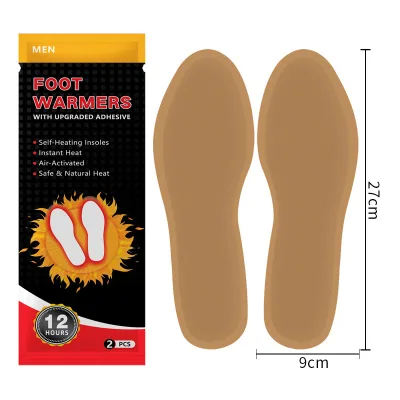
Self-heating Insole for Men and Women's Foot Warmer U-shaped Foot Warmer Support Custom Foot Warmer
$0.31 - $0.51
MOQ: 500 bags
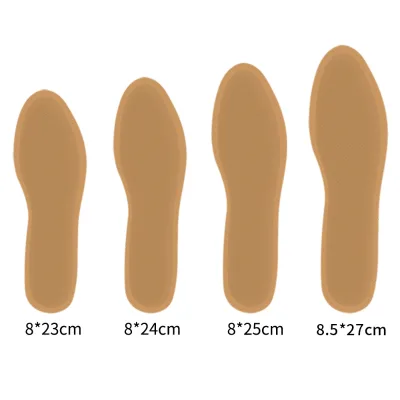
One Time Fast Heating Natural Warm comfort for 12 Hours of Spontaneous Heat High Temperature Insoles
$0.31 - $0.51
MOQ: 500 bags
Dongguan Jianhui Shoes Co., Ltd.
- Verified by SGS Group
- Manufacturer, Trading Company
- Lead time20 days
- Avg. response≤ 3h
Main productsSport Insoles , Orthotic Insoles , Height Increase Insoles , EVA Insoles , Kids insoles and Footcare Series
Main marketsNorth America(40%), Western Europe(20%), Southern Europe(10%)

Yancheng JY Industrial Technology Co., Ltd.
- Verified by SGS
- Manufacturer/Factory
- China Jiangsu
- Lead time0 days
- Avg. response≤ 3h
Main productsSafety Shoes, Food Grade Silicone Kitchenware, Steel Toe Caps, Protective Vest Protective Helmet, High-Temperature Steam Cleaner Shoe Washer


Jyg005 Unisex USB Warm Electric Shoes Outdoor Sports Feet Warmer Insoles Heated Insoles
$17.00 - $17.40
MOQ: 200 Pairs

Jyg005electric Warming Insoles Far Infrared Shoe Warmers USB Heating Insoles Battery Heated Insoles
$17.00 - $17.40
MOQ: 200 Pairs

Jyg005electric Warm Heating Boot Insole Feet Warmer Pads Rechargeable Heated Insoles
$17.00 - $17.40
MOQ: 200 Pairs



Comprehensive Sourcing Guide
Self Heating Heated Foot Insole Supplier Concentration and Factory Types
Current data indicates a concentration of manufacturing activity in Henan, China, for suppliers offering self-heating heated foot insoles. This region appears as the primary place of origin for multiple product listings, including thermoplastic carbon fiber insoles and electric thermoformed variants. Buyers observing this geographic clustering should note that suppliers in this area often list diverse main products such as physical therapy equipment, dental apparatus, and general medical surgical supplies alongside their core heating insole offerings. The presence of both manufacturers and trading companies within this location suggests a mixed supply chain where some entities produce goods while others facilitate distribution.
When evaluating factory types, it is essential to distinguish between direct manufacturers and trading companies based on their stated capabilities. Some suppliers explicitly list company types as manufacturers, while others operate as trading companies, which may affect their ability to customize molds or control production timelines directly. Evidence shows that certain entities possess specific R&D capacities for sample processing and graphic processing, indicating a stronger manufacturing base. However, without explicit confirmation of a specific facility's ownership, buyers must verify whether the supplier is the actual producer or an intermediary. This distinction is critical for understanding who controls the quality assurance processes and the final product specifications for heated insoles.
How to Verify Self Heating Heated Foot Insole Suppliers
Verification of supplier credentials requires a careful review of available certifications and third-party audit results. Several product listings in the current results display Quality Certifications such as CE, ISO 9001, BSCI, ISO 14001, and ISO 45001. These standards suggest that the suppliers have undergone specific assessments regarding quality management, environmental impact, and occupational health and safety. Additionally, some suppliers are marked as verified by SGS Group, which provides an external layer of validation regarding their business legitimacy. Buyers should prioritize suppliers who can provide current documentation for these specific certifications rather than relying on general claims, as the presence of these marks indicates adherence to international standards for medical and personal care equipment.
Response time and verification status are also critical indicators of supplier reliability during the evaluation phase. Data shows response times varying between 4 and 9 hours, which can influence the speed of initial negotiations and sample requests. A faster response time often correlates with a more active sales team and potentially better communication channels for resolving technical queries about heating mechanisms. Furthermore, the availability of Trade Assurance or similar escrow services, indicated by payment terms like Western Union or TT, offers a layer of financial protection. Buyers should confirm that the supplier accepts these secure payment methods and verify their verification status through independent channels before committing to any order, ensuring that the entity is legitimate and capable of fulfilling the contract.
What to Compare Across Self Heating Heated Foot Insole Suppliers
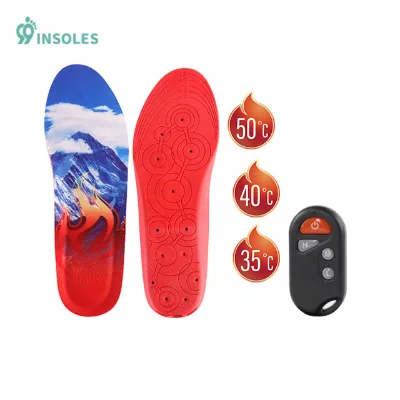
Comparing suppliers requires a detailed analysis of Minimum Order Quantities (MOQ) and lead times, which vary significantly across the market. Current evidence reveals MOQs ranging from as low as 1 piece for certain trial orders to 500 pairs for bulk electric heated insoles. Lead times also differ, with some suppliers indicating a 15-day production window while others suggest 25 days. Buyers must align these constraints with their inventory needs and cash flow; a low MOQ supplier might be ideal for testing market demand, whereas a supplier with a shorter lead time is better suited for urgent restocking. It is vital to compare these specific numbers directly rather than assuming uniformity, as the cost structure and production capacity often dictate these thresholds.
Product attributes and pricing structures provide another essential dimension for comparison. Prices for self-heating insoles can range from approximately $0.12 to $2.70 per unit, depending on the technology, such as disposable chemical heating versus electric heating pads. Material composition also varies, with options including EVA, Flannel, Foam, and E-TPU, each offering different comfort and durability profiles. Buyers should compare the specific functions listed, such as "Keep warm" or "Height Increase," and verify if the supplier offers OEM or ODM services for custom branding. Additionally, checking the shelf life, which is noted as 2 years for some items, and the availability of free samples for one pair can help determine the long-term viability and cost-effectiveness of the partnership.
Common Self Heating Heated Foot Insole Sourcing Risks
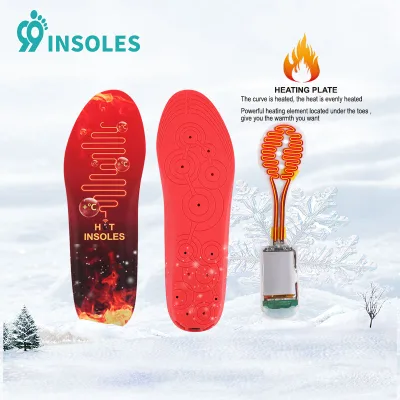
One significant risk involves the inconsistency of product specifications and the potential for mismatched expectations regarding heating performance. Listings describe various heating mechanisms, including air-activated disposable patches and electric thermoformed insoles, which serve different use cases. A buyer might inadvertently order a disposable patch expecting a reusable electric insole, or vice versa, leading to product failure. The variation in materials, such as the use of thermoplastic carbon fiber versus simple EVA foam, further complicates the assessment of durability and heat retention. Without clear, standardized testing data provided by the supplier, buyers face the risk of receiving products that do not meet the specific thermal requirements of their target market.
Another risk pertains to the reliability of the supply chain and the potential for delays in production or shipping. While some suppliers list lead times of 15 days, others indicate 25 days, and these figures can fluctuate based on raw material availability or order volume. The reliance on a single geographic cluster in Henan, China, could pose a logistical risk if regional disruptions occur, affecting the entire supply chain. Furthermore, the presence of trading companies alongside manufacturers introduces a layer of complexity where communication gaps might lead to errors in order fulfillment. Buyers must mitigate these risks by establishing clear communication protocols and verifying the supplier's capacity to handle volume spikes without compromising quality or delivery schedules.
Self Heating Heated Foot Insole Regional Sourcing and Logistics
Sourcing from the identified region of Henan, China, offers specific logistical advantages and challenges that buyers must navigate. The concentration of suppliers in this area suggests a mature local ecosystem for producing medical and personal care equipment, which can streamline the initial sourcing process. However, buyers should be aware that shipping times and costs will depend heavily on the specific port of departure and the chosen logistics partner. The single package sizes and weights listed, such as 54x30x30 cm for certain insoles, indicate that packaging dimensions can vary widely, impacting freight calculations. Understanding these physical attributes is crucial for accurate cost estimation and ensuring that the final delivered price remains competitive.
Logistics planning must also account for the specific nature of the products, which include items with varying shelf lives and storage requirements. Some self-heating insoles have a shelf life of 2 years, while others are disposable and may have different storage constraints. Buyers should verify if the supplier offers customized packing options, as this can significantly affect the efficiency of loading and unloading during transit. Additionally, the availability of services like 24-hour online support can be beneficial for resolving any logistical issues that arise during the shipping process. It is advisable to discuss freight terms explicitly, such as FOB or CIF, to ensure that the buyer understands their responsibilities regarding insurance and customs clearance for goods originating from this specific region.
Self Heating Heated Foot Insole Commercial Terms and Order Planning
Commercial terms for self-heating heated foot insoles often include flexible payment options and specific service agreements that buyers should carefully review. Evidence shows that suppliers accept various payment methods, including PayPal, Western Union, TT, and Trade Assurance, providing multiple avenues for financial security. The availability of free samples for one pair is a common practice, allowing buyers to test product quality before committing to larger orders. However, buyers must clarify the conditions under which these samples are provided and whether shipping costs are covered. Understanding these terms is essential for managing initial costs and ensuring that the supplier is willing to support the evaluation phase of the procurement process.
Order planning should be guided by the specific MOQs and customization capabilities offered by the supplier. While some suppliers accept orders as low as 1 piece, others require a minimum of 50 or 500 pairs, which dictates the scale of the initial investment. Customization options, such as accepting customized logos or specific packaging, are frequently available, but these services may come with additional costs or longer lead times. Buyers should plan their orders to align with the supplier's production capacity and lead times, which range from 15 to 25 days. By understanding these commercial constraints, buyers can create a realistic timeline for product launch and inventory management, ensuring that they can meet market demand without overextending their resources or facing unexpected delays.
FAQs
What is the minimum order quantity for self heating insoles?
Minimum order quantities vary by product type. Some suppliers offer single pieces for trial, while others require 50 pairs or 500 pairs for bulk orders. Buyers should check specific product listings to confirm the exact MOQ before placing an order.
How long does it take to receive heated foot insoles?
Lead times for these products typically range from 15 to 25 days depending on the supplier and order volume. Some manufacturers may offer faster processing for sample orders, but standard production runs usually require at least two weeks for completion and shipping.
Are self heating insoles available from manufacturers in Henan?
Yes, multiple suppliers located in Henan, China, manufacture and supply self heating insoles. These facilities produce various types including electric, disposable, and thermoplastic options. Buyers can verify the specific location and production capacity directly on the supplier profile pages.
What certifications do these heated insole suppliers hold?
Suppliers often hold certifications such as CE, ISO 9001, BSCI, and ISO 14001. These credentials indicate compliance with quality management and safety standards. Buyers should verify the specific certificates listed for each product to ensure they meet their regional regulatory requirements.
Can I get a sample of the heated insoles before bulk buying?
Many suppliers offer free samples for one pair to allow buyers to test quality. Some may charge for shipping or require a bulk order commitment. Buyers should check the sample policy on individual product pages to confirm availability and any associated costs.
What is the price range for wholesale self heating insoles?
Prices for these items generally range from 0.12 to 2.70 USD per unit depending on material and features. Basic disposable versions are cheaper, while electric or custom molded options cost more. Bulk orders often qualify for lower unit prices within this range.
How quickly do suppliers respond to inquiries about insoles?
Response times for supplier inquiries typically range from 4 to 9 hours. Faster response rates indicate active sales teams ready to assist with customization or urgent orders. Buyers can expect prompt communication when contacting verified manufacturers directly through the platform.