Self-Lighting Life Buoy Suppliers and Manufacturers
Compare 11 suppliers of Self-Lighting Life Buoy products on location, response time, lead time, certifications, MOQ and pricing. Review listed product specifications such as buoyancy, weight options and EC or CCS certificates, then request quotes and samples to verify suitability before ordering.
Suppliers List

NINGBO MERCE TECHNOLOGY CO., LTD.
- Verified by TUVRHEINLAND
- Trading Company,Manufacturer/Factory
- China Zhejiang
- Lead time23 days
- Avg. response≤ 4h
Main productsLifejacket, Floating Pontoon, Inflatable Fender, Lifebuoy, Pilot&Embarkation Ladder, Liferaft, Breathing Apparatus, Load Test Waterbag, Lifeline, Used Marine Appliance
Main marketsSouth America,Eastern Europe,Mid East,North America,Southeast Asia,Eastern Asia,Oceania,Western Europe,Africa

Jiangsu Baizhou Safety Technology Co., Ltd.
- Combined
- China Jiangsu
- Lead time15 days
- Avg. response≤ 4h
Main productsLife Jacket, Inflatable Life Jacket, Life Buoy, Rescue Tube, FRP Box, Fire Hose Box, Scba
Main marketsSouth America,Africa,Southeast Asia/ Mideast,East Asia(Japan/ South Korea),Domestic,Europe,Australia,North America

Zhenjiang Matchau Marine Equipment Co., Ltd.
- Verified by TUVRHEINLAND
- Trading Company,Manufacturer/Factory,Group Corporation
- China Jiangsu
- Lead time23 days
- Avg. response≤ 4h
Main productsWater Weight Bag, Life Boat, Life Raft, Life Jacket, Rescue Boat, Single Arm Davit, Davit, Crane, Rubber Fender, Anchor Chain
Main marketsSouth America,Eastern Europe,Mid East,North America,Southeast Asia,Eastern Asia,Oceania,Western Europe,Africa

Chongqing Gathering Marine Equipment Co., Ltd.
- Verified by BV
- Trading Company,Manufacturer/Factory
- China Chongqing
- Lead time45 days
- Avg. response≤ 5h
Main productsLifesaving, Marine Equipment, Fire Fighting Equipment, Bow Thruster, Diesel Engine, Azimuth Thruster, Fifi System, Water Treatment Equipment, Oily Water Separator, Marine Sewage Treatment Equipment
Main marketsSouth America,Eastern Europe,Mid East,North America,Southeast Asia,Eastern Asia,Oceania,Western Europe,Africa
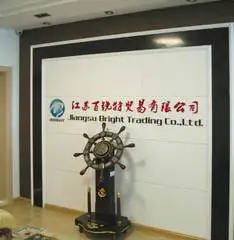
Jiangsu Bright Trading Co., Ltd.
- Trading Company
- Jiangsu, China
- Lead time15 days
- Avg. response≤ 6h
Main productsPollution prevention equipment,Fire fighting equipment,Life-saving equipment,Diving equipment,Marine equipment
Main marketsDomestic Market(50.00%), Southeast Asia(7.00%), South Asia(7.00%), Mid East(6.00%), North America(5.00%), Eastern Asia(5.00%), Oceania(5.00%), Eastern Europe(3.00%), Southern Europe(3.00%), Western Europe(3.00%), Central America(2.00%), Northern Europe(2.00%), Africa(1.00%), South America(1.00%)
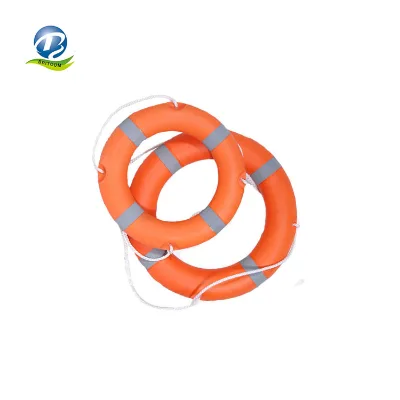
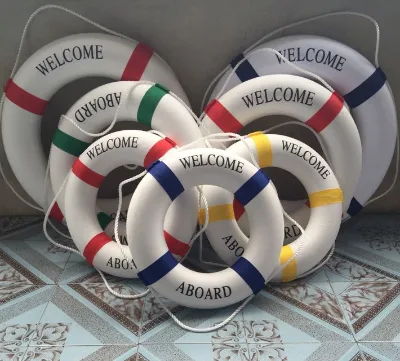
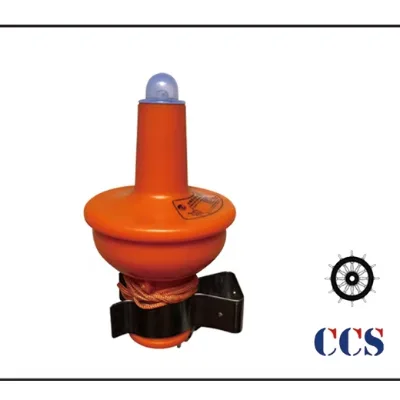
$10.00 - $30.00
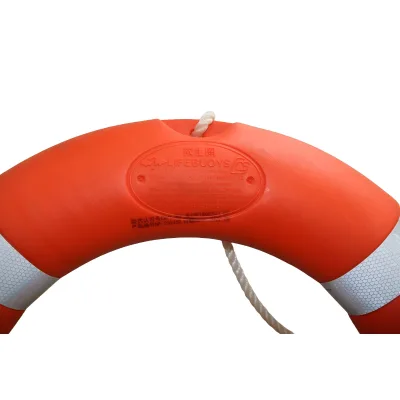

Jingjiang Trust Trading Co., Ltd.
- Trading Company
- China Jiangsu
- Lead time30 days
- Avg. response≤ 8h
Main productsWinch, Ancor Chain, Life Boat, Ship Models, Ladder, Window, Heating Treatment Fixtures, Bathroom Cabin Unit, Propeller & Shaft, Galvanized Steel Plank
Main marketsSouth America,Africa,Others(foreignTradeCapacity.exportBusinessCapacityMarketOther),Southeast Asia/ Mideast,East Asia(Japan/ South Korea),Domestic,Europe,Australia,North America
Shanghai Dehuan Industry Co., Ltd.
- Manufacturer, Trading Company
- Lead time旺季: "1 - 50":10,"> 50":"To be negotiated", 淡季: "1 - 50":10,"> 50":"To be negotiated"
- Avg. response≤ 7h
Main productsLife Jacket,Marine Fire Fighting Equipment,Life Raft,Marine Life-saving Equipment,Water rescue products

- Trading Company,Manufacturer/Factory
- China Guangdong
- Lead time23 days
- Avg. response≤ 3h
Main productsBow Thrusters, Windlasses, Winches, Capstan, Lifeboat, Mooring Bollards, Centrifugal Pumps, Gangway Ladder, Accommodation Ladder, Panama Chocks
Main marketsSouth America,Eastern Europe,Mid East,North America,Southeast Asia,Eastern Asia,Oceania,Western Europe,Africa

Beijing Topsky Century Holding Co., Ltd.
- Manufacturer
- China Beijing
- Lead time0 days
- Avg. response≤ 10h
Main productsSecurity and Protection Equipment, Speical Force Device, Public Security Equipment, See Through Wall Radar, Silent Drill, Gas Detector, Measure Equipment, Personal Protection, Firefighting Equipment, Rescue Tools
Jiangsu Yasi Security Technology Co., Ltd.
- Verified by Intertek
- Manufacturer, Trading Company
- Jiangsu, China
- Lead time0 days
- Avg. response≤ 23h
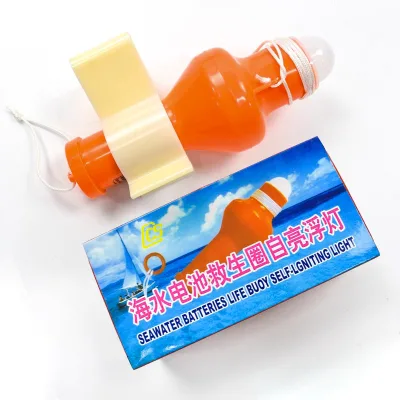
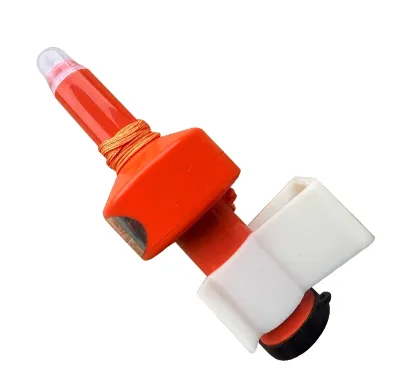
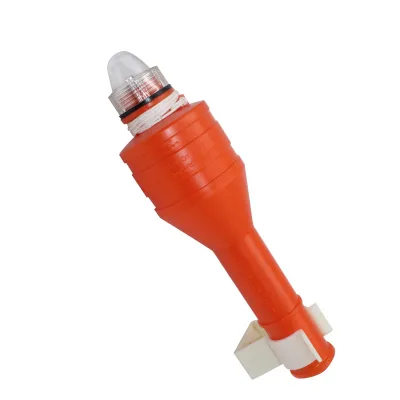
Main productsWater Rescue Equipment, Firefighting Equipmen, Marine Equipment
Main marketsDomestic Market(50%), Southeast Asia(15%), North America(10%)
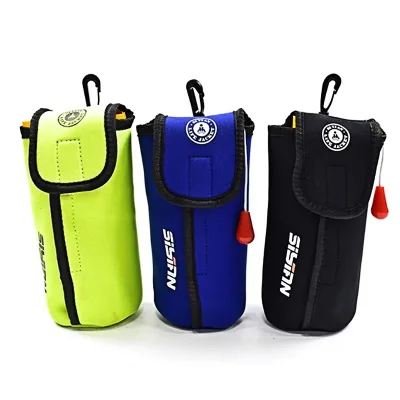
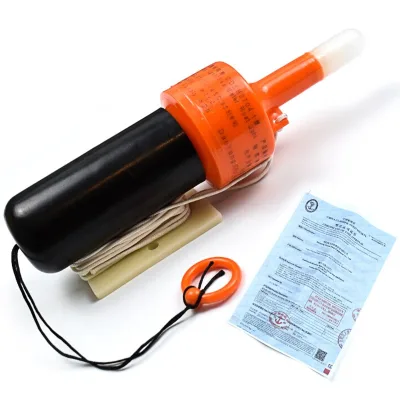
$5.70 - $6.21
MOQ: 10 pieces

SHANDONG XINCHENG PIPE CO., LTD.
- Verified by BV
- Combined
- China Shandong
- Lead time15 days
- Avg. response≤ 12h
Main productsDredging Floats, Buoys, Rotational Moulding, Dredging Pipe, Fishing Boat, Farm Machinery Ceiling, Rotomolded Tank, Rubber Hose, Customized Rotomolded Products
Main marketsSouth America,Southeast Asia/ Mideast,Domestic,North America


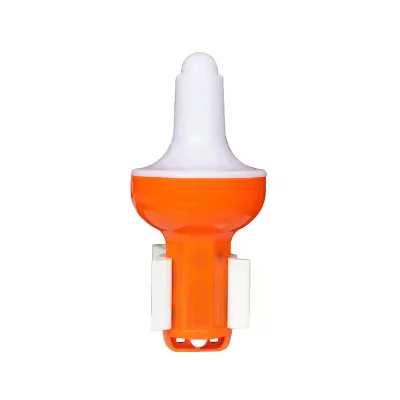


Comprehensive Sourcing Guide
Self-Lighting Life Buoy Supplier Concentration and Factory Types
The available data indicates that manufacturers and trading companies offering marine safety equipment are concentrated in specific Chinese provinces, with Zhejiang and Jiangsu emerging as primary hubs for life-saving appliances. Factories in these regions often list diverse product lines including life jackets, inflatable fenders, and various buoyancy aids alongside life buoys. When evaluating potential partners, buyers should verify if the supplier operates as a pure manufacturer or a trading company, as this distinction impacts direct factory access and pricing structures. The presence of ISO 9001 certification among some entities suggests a baseline for quality management systems, though specific factory capabilities for self-lighting mechanisms require deeper technical verification.
Buyers must distinguish between suppliers offering standard life buoys and those capable of integrating self-lighting features, as the latter often requires specialized assembly lines or component sourcing. The observed supplier types include combined entities that may handle both production and trading, which can streamline communication but complicate direct factory audits. Since specific establishment years are not universally provided in the current results, buyers should request this data to assess long-term stability and experience with marine safety standards. Understanding the factory type is critical because trading companies might source from multiple manufacturers, potentially affecting consistency in the self-lighting ignition systems required for compliance.
How to Verify Self-Lighting Life Buoy Suppliers
Verification of suppliers begins with checking for recognized third-party audit reports, such as those from TÜV Rheinland, which appear in the current results for certain entities. These audits provide a layer of confidence regarding the supplier's operational integrity and adherence to declared standards. Buyers should specifically request evidence of product certifications like GL/EC and CCS, which are listed for life buoys in the data, to ensure the self-lighting components meet international maritime safety requirements. Without explicit confirmation of these certifications for the specific self-lighting model, buyers must treat the product as unverified until documentation is provided.
Response time metrics, such as the observed 3.66-hour average for some suppliers, can serve as a proxy for operational responsiveness and communication reliability. A fast response time suggests a dedicated sales team capable of addressing technical queries about self-lighting mechanisms promptly. However, buyers should not rely solely on this metric and must verify the actual technical competence of the support staff. It is essential to confirm that the supplier can provide detailed test reports for the self-lighting ignition system, as general safety certifications do not automatically cover the specific functionality of the light source.
What to Compare Across Self-Lighting Life Buoy Suppliers
When comparing suppliers, lead time is a critical factor, with observed ranges varying from 15 to 23 days for standard marine equipment. For self-lighting life buoys, which may involve more complex assembly, buyers should confirm if these lead times apply or if additional time is needed for the lighting components. Minimum Order Quantities (MOQ) also vary significantly, with some suppliers offering as low as 1 piece for specific lines while others require 50 pieces. This variation allows buyers to select partners that align with their inventory strategy, whether for small-scale procurement or large-scale fleet outfitting.
Price ranges observed in the data span from approximately $3.20 to $15.00, though these figures often reflect standard life buoys rather than specialized self-lighting versions. Buyers must clarify if the quoted price includes the self-lighting unit and its associated battery or chemical activation system. Additionally, comparing customization options is vital, as some suppliers offer OEM services while others may only provide standard models. The ability to customize the buoy's color, weight, or certification markings can be a decisive factor in selecting a supplier that meets specific regulatory or operational needs.
Common Self-Lighting Life Buoy Sourcing Risks
One significant risk involves the discrepancy between general product certifications and specific self-lighting performance standards. While many suppliers list broad certifications like ISO or CCS, these may not explicitly cover the ignition reliability or duration of the self-lighting feature. Buyers must ensure that the specific model they intend to purchase has been tested for the self-lighting function under relevant maritime conditions. Relying on general safety equipment certifications without verifying the specific lighting component can lead to non-compliance with international safety regulations during inspections.
Another risk is the variability in supply chain transparency, particularly when trading companies are involved. If a supplier acts as an intermediary, the actual manufacturing location and quality control processes for the self-lighting mechanism may be obscured. This lack of visibility can result in inconsistent product quality or delays if the upstream manufacturer faces production issues. Buyers should demand clear information about the origin of the self-lighting components and the specific factory where the final assembly takes place to mitigate these supply chain uncertainties.
Self-Lighting Life Buoy Regional Sourcing and Logistics
The primary sourcing regions identified in the data are Zhejiang and Jiangsu, both located in China. These provinces host a concentration of marine equipment manufacturers, offering logistical advantages for shipping to global markets. Buyers sourcing from these regions should be aware of the specific port infrastructure and shipping routes available from these locations to optimize freight costs and delivery times. The proximity of these manufacturing hubs to major shipping lanes can facilitate faster export processes, provided that all necessary export documentation is prepared correctly.
Logistics planning must also account for the specific packaging requirements of self-lighting life buoys, which may include hazardous materials regulations due to the lighting components. Some suppliers list packaging as PP bags or cartons, but the specific handling instructions for the self-lighting unit must be confirmed to ensure safe transport. Buyers should verify if the supplier has experience in shipping these specialized items internationally, as improper handling can damage the ignition mechanism. Understanding the regional logistics capabilities helps in estimating accurate delivery timelines and managing potential customs clearance issues.
Self-Lighting Life Buoy Commercial Terms and Order Planning
Commercial terms regarding payment and order planning should be scrutinized carefully, especially when dealing with suppliers offering low MOQs like 1 piece. While low minimums offer flexibility, they may come with higher unit prices or stricter payment terms to offset the administrative costs of small orders. Buyers should negotiate clear terms that balance cost efficiency with the need for quality assurance, particularly for self-lighting components that require rigorous testing. The observed price ranges suggest that volume discounts may be available, so planning larger orders could yield better commercial outcomes.
Order planning must also consider the sample time, which is noted as 2 days for some suppliers, indicating a capacity for rapid prototyping or sample production. This speed can be advantageous for verifying the self-lighting functionality before committing to a larger order. However, buyers should ensure that the sample process includes a full technical review of the lighting system, not just a visual inspection. Establishing a clear timeline for sample approval and mass production is essential to avoid delays, especially when coordinating with maritime safety schedules that may have strict deadlines for equipment deployment.
FAQs
What certifications do the life buoys have?
The life buoys carry GL/EC and CCS certifications for marine safety compliance. Some models also include ISO, CE, and CCS approvals depending on the specific product type. Buyers should verify the exact certificate for their required application before ordering.
What is the minimum order quantity for life buoys?
Minimum order quantities vary by product type, ranging from one piece for floating lifelines to fifty pieces for plastic rescue buoys. Standard life buoys typically require a minimum of five units. Buyers must check specific product listings to confirm the exact MOQ.
How long does it take to receive the order?
Lead times for these marine safety products range from fifteen to twenty-three days depending on the supplier and order volume. Some suppliers offer faster sample times of two days for specific items. Buyers should confirm the exact delivery schedule with the supplier.
Are custom sizes and colors available for life buoys?
Customization is available for life buoys, including specific weights and dimensions based on the model. Safety orange is the standard color, but other options may be discussed. Buyers should request details on customization limits and any additional costs for tailored specifications.
What is the price range for self lighting life buoys?
Prices for life buoy products range from approximately three dollars to fifteen dollars per unit depending on the model and specifications. Specific self-lighting variants may fall within the six to ten dollar range. Buyers should verify current pricing for the exact product they need.
Where are these life buoy manufacturers located?
Manufacturers are located in Zhejiang and Jiangsu provinces in China. These regions are known for producing marine safety equipment including life buoys and rescue lines. Buyers can filter search results by these specific locations to find nearby suppliers.
Do suppliers offer OEM and ODM services?
Yes, many suppliers provide OEM and ODM services for life buoys and related marine equipment. Some also offer their own brands like MERCE. Buyers should confirm if the supplier can produce custom branded products or modify existing designs to meet specific requirements.