Sensor Control ABS Cabinet Light Suppliers and Manufacturers
Compare 19 verified suppliers offering Sensor Control ABS Cabinet Light with varying lead times, response speeds, and certifications. Review product specs like lumens and battery types, then request quotes to confirm pricing and customization options; review the available evidence before requesting comparable quotations from suitable candidates.
Suppliers List

Ningbo Chain-Home Machinery Co., Ltd.
- Trading Company
- China Zhejiang
- Lead time30 days
- Avg. response≤ 13h
Main productsFlashlight, Headlamp, Working Lamp, Sensor Light, Camping Lantern, Keychain Light, Solar Lamp, Bicycle Light, CREE Light, Crank Lamp
Main marketsEast Asia(Japan/ South Korea),Europe,North America

SHENZHEN FITLED LIGHTING CO., LTD.
- Combined
- China Guangdong
- Lead time30 days
- Avg. response≤ 8h
Main productsLED Sensor Light, Sensor Switch, Light Profile, LED Cabinet Light, LED Caravan Light
Main marketsSouth America,Southeast Asia/ Mideast,East Asia(Japan/ South Korea),Europe,Australia,North America


$0.90 - $1.70
MOQ: 200 Pieces


12 Volt 24V Sensor Light Kitchen Cabinet Light IR Distance Sensor Cabinet Light Door Detector Sensor
$3.29 - $3.65
MOQ: 200 Pieces

LED Cabinet Light Infrared Sensor LED Light Wireless Motion Sensor PIR Sensor Door Sensor Switch
$3.50 - $4.50
MOQ: 200 Pieces

LED Down Light LED Under Cabinet Light LED Puck Light Sensor Wardrobe Lights 3color and Dimmable
$0.99 - $1.90
MOQ: 200 Pieces

Ningbo Light International Trade Co., Ltd
- Trading Company,Manufacturer/Factory
- China Zhejiang
- Lead time45 days
- Avg. response≤ 1h
Main productsAC LED Work Light, Rechargeable LED Work Light, Halogen Work Light, Emergency Light, Exit Sign, Flashlight, Shop Light, Bicycle Light, LED Camping Light, Solar LED Light
Main marketsSouth America,Eastern Europe,Mid East,North America,Southeast Asia,Eastern Asia,Oceania,Western Europe,Africa


Light Sensor Remote Control Color Temperature Adjustable LED Cabinet Lamp
$4.50 - $4.80
MOQ: 200 Pieces

Ningbo Haishu Kaiau Electronics Co., Ltd.
- Trading Company,Manufacturer/Factory
- China Zhejiang
- Lead time23 days
- Avg. response≤ 17h
Main productsPIR Sensor, Microwave Sensor, Photocell Sensor, LED Sensor Ceiling Light, LED Sensor Flood Light, LED Sensor Night Light, Solar LED Security Light, Sensor Lamp Holder, Remote Control Socket, LED Solar Light
Main marketsSouth America,Eastern Europe,Mid East,North America,Southeast Asia,Eastern Asia,Oceania,Western Europe,Africa

Anhui Lanyou Lighting Technology Co., Ltd.
- Verified by BV
- Trading Company
- China Anhui
- Lead time15 days
- Avg. response≤ 7h
Main productsLED Sign, LED Bulb, LED Light, Project Design
Main marketsSouth America,Southeast Asia/ Mideast,East Asia(Japan/ South Korea),Europe,Australia

Dongguan Light Shines Electric Lighting Co.,Ltd
- Combined
- China Guangdong
- Lead time30 days
- Avg. response≤ 12h
Main productsLED Cabinet Light
Main marketsSoutheast Asia/ Mideast,North America

Ningbo Miclion LED Lighting Co., Ltd.
- Trading Company,Manufacturer/Factory
- China Zhejiang
- Lead time23 days
- Avg. response≤ 25h
Main productsLED Mirror, LED Mirror for Bathroom, Bathroom Mirror, Mirror Light Bathroom, LED Mirror Light, LED Cabinet Light, Cabinet Light, Light Mirror, LED Wall Mirror
Main marketsSouth America,Eastern Europe,Mid East,North America,Western Europe


LED Closet Light Wireless Rechargeable Motion Sensor Under Cabinet Light China Manufacturer
$4.00 - $5.00
MOQ: 1000 Pieces


Fuzhou Sansheng Industry and Trade Co., Ltd.
- Verified by CTI
- Combined
- China Fujian
- Lead time30 days
- Avg. response≤ 9h
Main productsPorcelain Lamp Holder Insulator Knife Swith, Fuse Holder Plastic Lamp Holder
Main marketsDomestic
Shenzhen Highstar Electrical Co., Ltd.
- Verified by TüVRheinland
- Manufacturer, Trading Company
- Lead time30 days
- Avg. response≤ 1h
Main productsBaby White Noise Machine, White Noise Machine, Sunrise Alarm Clock, White Noise Machine With Wireless Charger, Night Light
Main marketsDomestic Market(30%), Western Europe(15%), North America(10%)
Zhongshan Leidu Lighting Electric Appliance Factory
- Verified by SGS Group
- Manufacturer, Trading Company
- Lead time15 days
- Avg. response≤ 3h
Main productsLED Magnetic Track Light, LED Track Light, LED Down Light, LED Spot Light, LED Wall Lamp
Main marketsEastern Europe(30%), South America(13%), Western Europe(10%)

Zhongshan Aier Lighting Technology Co., Ltd
- Verified by SGS
- Combined
- China Guangdong
- Lead time15 days
- Avg. response≤ 7h
Main productsLED Tube Light, LED Ceiling Light, LED Panel Light, Magnetic Track Light, High Bay Light, Street Light, Flood Light, Solar Light, Ceiling Fan
Main marketsSouth America,Africa,Southeast Asia/ Mideast,East Asia(Japan/ South Korea),Europe,North America

NINGBO YICHEN ELECTRIC CO., LTD.
- Trading Company,Manufacturer/Factory
- China Zhejiang
- Lead time0 days
- Avg. response≤ 7h
Main productsLED Flashlight, Head Lamp, Camping Lantern, Solar Flashlight, Rechargeable Flashlight, High Power Flashlight, Keychain Flashlight, LED Tweezer, Xenon Flashlight, Shopping Trolley
Shenzhen Frio Technology Co., Ltd.
- Verified by SGS Group
- Trading Company
- Lead time7 days
- Avg. response≤ 4h
Main productsNight Light, Flashlight, Headlamp, Working Light, Hearing Aid
Main marketsNorth America(60%), South America(10%), Southern Europe(6%)
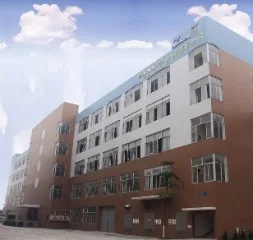
Foshan Weistai Electric Co., Ltd.
- Manufacturer
- Guangdong, China
- Lead time30 days
- Avg. response≤ 9h
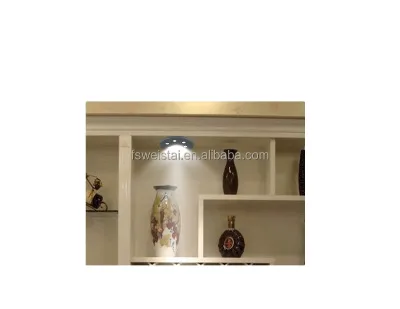
Main productsLED Cabinet Light,LED Bathtub Light,LED Spa light,Underwater light,under Bed light
Main marketsNorthern Europe(23.14%), Western Europe(13.98%), North America(12.69%), Mid East(9.11%), Domestic Market(9.02%), Eastern Asia(8.66%), South America(7.52%), Southern Europe(6.90%), Oceania(3.35%), Eastern Europe(2.51%), Southeast Asia(1.67%), South Asia(0.56%), Africa(0.56%), Central America(0.33%)
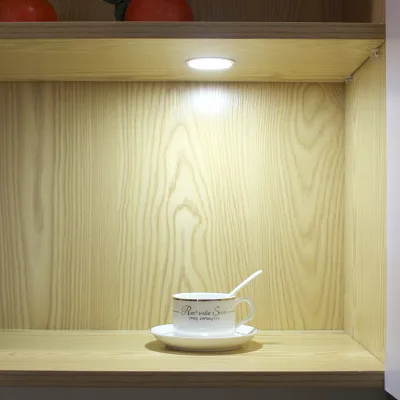
Modern LED Cabinet Light with Built-in Sensor & App Control Hand-Sweeping Induction for Living Room
$3.12 - $6.43
MOQ: 50 Minimum
Ningbo Fullright Electronic Co., Ltd.
- Manufacturer, Trading Company
- Zhejiang, China
- Lead time20 days
- Avg. response≤ 24h
Main productsSmart Lamp, BT Speaker, Wireless Charger, Table Lamp, Floor Lamp
Main marketsNorth America(50.00%), Western Europe(20.00%), Eastern Asia(20.00%), Oceania(10.00%)

Huizhou Homelighting Technology Co., Ltd.
- Verified by BV
- Trading Company,Manufacturer/Factory
- China Guangdong
- Lead time0 days
- Avg. response≤ 9h
Main productsTable Lamp, Wall Lamp, Floor Lamp, Hotel Lamp, Tiffany Lamp, Lampshade, Chandelier Lamp
Main marketsSouth America,Eastern Europe,Mid East,North America,Southeast Asia,Eastern Asia,Oceania,Western Europe,Africa


Under Cabinet Lights, 40 LED Rechargeable Light Indoor Hotel Closet Motion Sensor Lighting
$3.00 - $6.00
MOQ: 100 Pieces
Shenzhen Boyoud Industry Co., Ltd.
- Trading Company
- Guangdong, China
- Lead time20 days
- Avg. response≤ 2h
Main productsMole Repeller,Pest Repeller,Mosquito Killer,Bird Spike,Sensor Light
Main marketsNorth America(40.00%), Western Europe(20.00%), Southern Europe(15.00%), Eastern Europe(10.00%), Northern Europe(5.00%), Oceania(5.00%), Eastern Asia(5.00%)

- Combined
- China Guangdong
- Lead time23 days
- Avg. response≤ 4h
Main productsLED Strip Light, LED Light Bar, LED Neon Lighting, Light Box, Neon Sign, Power Supply, LED Cabinet Light, LED Power Track, LED Track Light, LED Shelf Light
Main marketsEast Asia(Japan/ South Korea),Domestic,Europe,Australia,North America
Ningbo Jelo Outdoor Goods Co., Ltd.
- Verified by TüVRheinland
- Trading Company
- Lead time30 days
- Avg. response≤ 3h
Main productsCamping Light, Knives & Tools, Head Torch, Flash Light, Survival Gear
Main marketsNorth America(21%), Western Europe(21%), South America(8%)




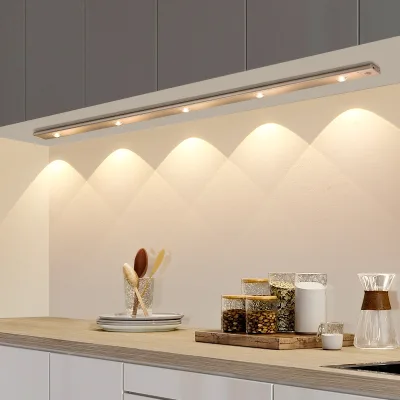
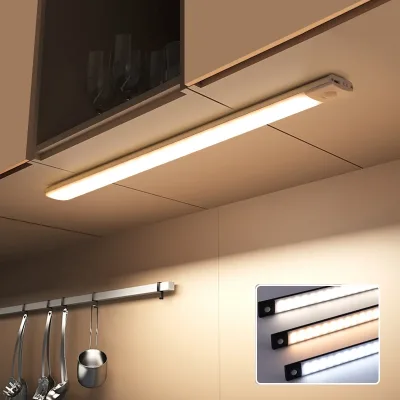
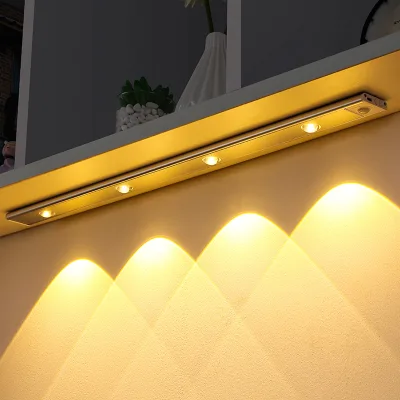
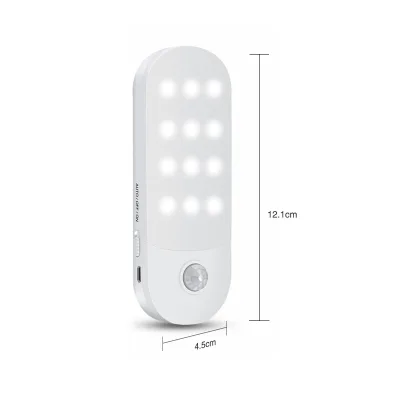


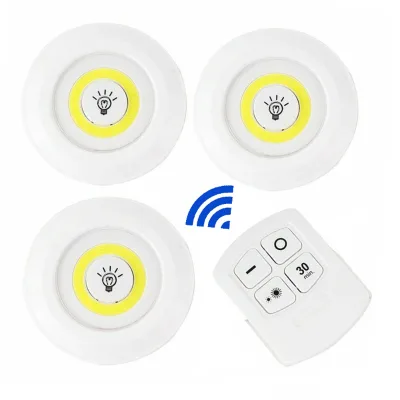
Comprehensive Sourcing Guide
Sensor Control ABS Cabinet Light Supplier Concentration and Factory Types
The current supplier landscape for sensor control ABS cabinet lights reveals a distinct concentration of manufacturing and trading entities within specific Chinese provinces. Evidence indicates that suppliers are located in Zhejiang and Guangdong, with Ningbo and Ninghai appearing as specific origin points for certain product lines. These regions host a mix of company types, including trading companies and combined entities that may offer both manufacturing and trading services. Some suppliers list their main products to include a broad range of lighting solutions such as flashlights, headlamps, and various sensor lights, suggesting that cabinet lights are often part of a larger portfolio rather than a sole specialization.
When evaluating the factory types, buyers should note that not all suppliers are direct manufacturers. The data shows trading companies and combined entities operating in this space, which can influence pricing structures and communication flows. A combined entity might offer OEM and ODM capabilities alongside their own brand products, whereas a trading company primarily facilitates the exchange between manufacturers and buyers. It is crucial to verify the actual production capacity and whether the supplier manages the assembly of ABS components and sensor integration in-house or sources these from third parties. This distinction affects quality control and the ability to customize product specifications like size, battery type, and sensor distance.
How to Verify Sensor Control ABS Cabinet Light Suppliers
Verification of suppliers requires a systematic approach to confirm the authenticity of their claims regarding location, capabilities, and product specifications. Buyers should request proof of the stated origin, such as Ningbo or Ninghai, and cross-reference this with business licenses or factory audit reports. For suppliers claiming to be combined entities or manufacturers, asking for photos of the production line, specifically focusing on the assembly of ABS bodies and the integration of motion sensors, is essential. The presence of certifications like CE, ETL, or RoHS on specific product models, such as the FDL115-S or DMG107-A, should be validated through official certification documents rather than relying solely on product listings.
Response time and communication efficiency are also critical verification metrics. The data indicates response times ranging from approximately 7 to 13 hours, which can vary significantly between suppliers. A supplier with a faster response time may indicate a more active sales team or better operational efficiency, but this should be balanced against the depth of their technical knowledge. Buyers should test the supplier's ability to answer specific technical questions about the sensor angle, lumens output, and battery configurations. Additionally, checking for the availability of customization services is vital, as many suppliers list this as an available feature, but the actual implementation process and lead times for custom orders must be confirmed before proceeding.
What to Compare Across Sensor Control ABS Cabinet Light Suppliers
Comparing suppliers requires a detailed analysis of key operational dimensions such as lead time, minimum order quantity, and pricing structures. Lead times for these products can vary, with some suppliers indicating a standard production window of around 30 days. Buyers must compare this against their own inventory needs and the urgency of their orders. Minimum order quantities also differ significantly; some listings show an MOQ of just one unit, while others require orders of 200 units or more. This variance directly impacts the feasibility of small-batch testing versus large-scale procurement, and buyers should align their order volume with the supplier's specific thresholds to avoid unnecessary costs.
Pricing and product specifications are another critical area for comparison. The observed price ranges for similar sensor cabinet lights span from approximately $0.90 to $4.00 per unit, depending on features like LED type, battery capacity, and material composition. Suppliers offering aluminum alloy bodies with higher lumens may command a higher price point compared to those using ABS plastic with lower wattage LEDs. Buyers should also compare the included accessories, such as remote controls, mounting clips, and battery types, as these add value to the final product. Ensuring that the quoted price includes all necessary components and that the customization options are clearly defined will help in making an accurate cost-benefit analysis across different supplier proposals.
Common Sensor Control ABS Cabinet Light Sourcing Risks
One of the primary risks in sourcing sensor control ABS cabinet lights is the discrepancy between advertised specifications and actual product performance. Suppliers may list attributes like sensor distance, lumens, or battery life that do not match the physical product upon delivery. For instance, a product might be advertised with a 3-5 meter sensor distance, but the actual performance could be limited to 3 meters or less in real-world conditions. Buyers must mitigate this risk by requesting pre-shipment samples to test the sensor functionality, battery longevity, and light output under various conditions before committing to a large order.
Another significant risk involves the reliability of certifications and compliance standards. While some products list certifications like CE, ETL, or RoHS, others may show "NIL" or lack specific documentation. Relying on unverified claims can lead to compliance issues in the destination market, potentially resulting in customs delays or product recalls. Buyers should insist on seeing valid certification certificates for the specific batch of goods being ordered. Furthermore, the risk of inconsistent quality control in combined entities or trading companies cannot be overlooked, as these suppliers may not have direct oversight over the manufacturing process, leading to variations in product quality and finish.
Sensor Control ABS Cabinet Light Regional Sourcing and Logistics
Sourcing from the identified regions of Zhejiang and Guangdong offers logistical advantages due to the established infrastructure for exporting lighting products. These provinces are home to major ports and have a dense network of logistics providers experienced in handling electronic goods. The specific origin points like Ningbo and Ninghai are known for their manufacturing clusters, which can facilitate faster production and shipping times. However, buyers must verify the exact shipping terms and lead times associated with these locations, as transit times can vary based on the destination country and the specific port of loading.
Logistics planning should also account for the packaging requirements of these products. The data indicates that products are often packed in color boxes, display boxes, or cartons with brown boxes, which can affect the volume and weight of the shipment. Buyers need to calculate the total shipping cost based on the packaging dimensions and the number of units per container. Additionally, the use of aluminum alloy and ABS materials may require specific handling during transit to prevent damage. Coordinating with the supplier to ensure that the packaging meets international shipping standards and protects the sensitive sensor components is essential for a smooth delivery process.
Sensor Control ABS Cabinet Light Commercial Terms and Order Planning
Commercial terms for sensor control ABS cabinet lights often include specific conditions regarding payment, customization, and order planning. Buyers should clarify the payment terms, such as whether escrow services are available or if direct bank transfers are required. The availability of customization is a key factor, with many suppliers offering options for product material, size, and battery configuration. However, the lead time for customized orders may extend beyond the standard 30-day window, so buyers must plan their order timeline accordingly to avoid delays in receiving the goods.
Order planning should also consider the minimum order quantities and the potential for bulk discounts. While some suppliers offer low MOQs, larger orders may unlock better pricing tiers. Buyers should negotiate based on their projected volume and the specific requirements of their market. It is also important to discuss the warranty and after-sales support policies, as these can vary significantly between trading companies and combined entities. Establishing clear communication channels and agreeing on a timeline for production and delivery will help ensure that the order is fulfilled according to the buyer's expectations and commercial goals.
FAQs
What is the typical lead time for sensor cabinet lights?
The typical lead time for these products is 30 days based on current supplier data. Buyers should confirm specific delivery schedules with individual vendors as production capacity varies. Some suppliers may offer expedited options depending on order volume and customization requirements.
What is the minimum order quantity for ABS sensor lights?
Minimum order quantities vary significantly among suppliers, ranging from 1 unit to 200 units. Some vendors accept small trial orders of just one piece, while others require bulk purchases of 200 units for standard pricing. Buyers must check specific product listings to determine the exact MOQ.
Are these lights available with CE and RoHS certifications?
Yes, several products listed include CE and RoHS certifications as standard compliance. Some specific models also carry ETL certification for additional market access. Buyers should verify the certification documents for each specific product model before placing large orders to ensure regulatory compliance.
What is the price range for motion sensor cabinet lights?
Prices for these lights generally range from 0.90 to 4.00 USD per unit depending on specifications. Lower prices often correspond to basic models with standard features, while higher prices reflect advanced materials or customizations. Buyers should compare specific product attributes to understand the price drivers.
Where are the manufacturers of these lights located?
Manufacturers are primarily located in China, specifically in Zhejiang and Guangdong provinces. Ningbo is also noted as a specific origin point for certain product models. Buyers can expect shipping times and logistics costs to be influenced by these specific regional locations within China.
How quickly do suppliers typically respond to inquiries?
Response times for suppliers vary, with observed averages around 7 to 13 hours. Some suppliers demonstrate faster engagement with response times near 7 hours, while others may take up to 13 hours. Buyers should expect prompt communication but should verify current availability for immediate assistance.
Can these lights be customized for specific needs?
Customization is available for many of the listed sensor cabinet light models. Suppliers offer options for different sizes, materials, and packaging configurations to meet specific buyer requirements. Buyers should discuss their exact customization needs directly with the supplier to confirm feasibility and any associated costs.