Semi Dull Nylon 6 Fiber Suppliers and Manufacturers
Compare 18 verified suppliers offering Semi Dull Nylon 6 Fiber with details on location, lead times, and certifications. Review product specifications like linear density and fiber length to select the right source for your textile needs; review the available evidence before requesting comparable quotations from suitable candidates.
Suppliers List

- Verified by TUVRHEINLAND
- Trading Company,Manufacturer/Factory
- China Anhui
- Lead time15 days
- Avg. response≤ 5h
Main productsConcrete PP Fiber, Acrylic Resin, Chlorinated Polypropylene, Water Based Acrylic Resin, Polypropylene Fiber
Main marketsSouth America,Eastern Europe,Mid East,North America,Southeast Asia,Eastern Asia,Western Europe,Africa

Tianjin Glory Tang New Material Co., Ltd.
- Verified by SGS
- Trading Company
- China Tianjin
- Lead time15 days
- Avg. response≤ 7h
Main productsYarn, Fiber, Nonwoven, Boppfilm, BOPET Film, Polyester Yarn, Plugging Agent, Defoamers, Fabric, Eco-Friendly Nonwoven Fabric
Main marketsSouth America,Others(foreignTradeCapacity.exportBusinessCapacityMarketOther),Southeast Asia/ Mideast,East Asia(Japan/ South Korea),Europe,North America
Tianjin GT New Material Technology Co., Ltd.
- Manufacturer
- Lead time旺季: "1 - 300":31,"301 - 5000":32,"5001 - 20000":33,"> 20000":"To be negotiated", 淡季: "1 - 300":31,"301 - 5000":32,"5001 - 20000":33,"> 20000":"To be negotiated"
- Avg. response≤ 3h
Main productsPolyester Staple Fiber,PLA Fiber,PP Fiber,Filament & Yarn,Bamboo Fiber
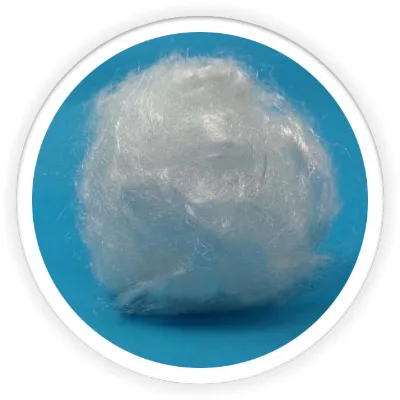
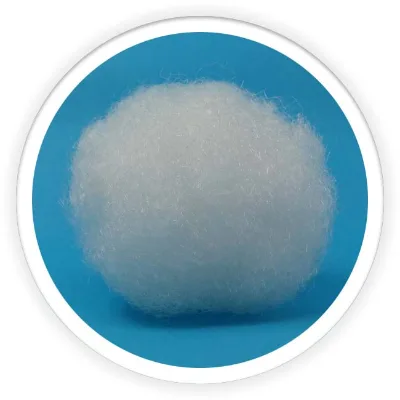
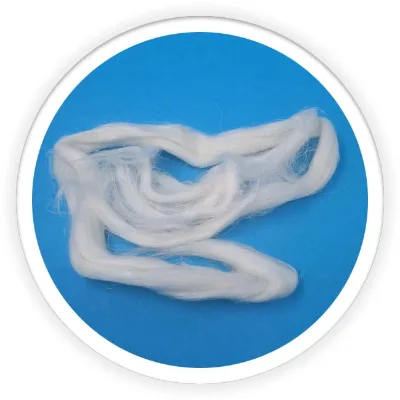
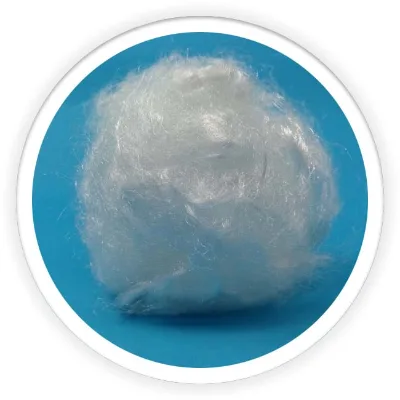
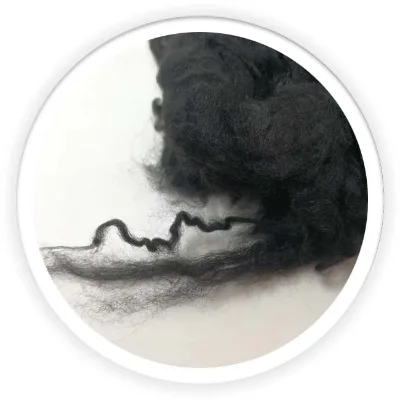
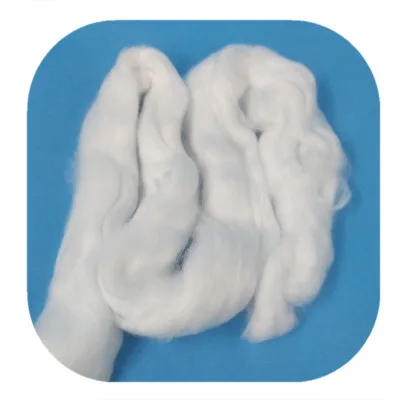
3D Semi Dull PA 6 Polyamide Nylon 6 Staple Fiber Top for Wool Blend Yarn Spinning
$1.98 - $2.12
Moq: 240

Zhangjiagang Fengkai Textile Technology Co., Ltd.
- Verified by SGS
- Manufacturer/Factory
- China Jiangsu
- Lead time45 days
- Avg. response≤ 25h
Main productsPolyester Fiber and Yarn, Polypropylene Fiber, Nylon Fiber and Yarn, Chemical Fiber Production Equipment and Accessor
Main marketsSouth America,Eastern Europe,Mid East,North America,Eastern Asia,Oceania,Western Europe,Africa

Suzhou Hanyun New Material Technology Co., Ltd.
- Verified by TUVRHEINLAND
- Manufacturer/Factory
- China Jiangsu
- Lead time23 days
- Avg. response≤ 3h
Main productsYarn, Recycled Yarn, Polyester Yarn, Nylon Yarn, Poly Yarn, Chemical Yarn, Cotton Yarn
Main marketsSouth America,Eastern Europe,Mid East,North America,Southeast Asia,Eastern Asia,Oceania,Western Europe,Africa

Zhuji Zhuotai Import and Export Co., Ltd.
- Verified by TUVRHEINLAND
- Trading Company
- China Zhejiang
- Lead time15 days
- Avg. response≤ 7h
Main productsNylon or Polyester DTY Yarn, Spandex Air Covered Yarn, Polyester or Nylon High Stretch Yarn, Viscose Filament Color Yarn, Dyed Yarn, Wool Blended Spun Yarn, Spandex Yarn, Rubber Thread, PP Yarn, Acrylic Yarn
Main marketsSouth America,Africa,Others(foreignTradeCapacity.exportBusinessCapacityMarketOther),Southeast Asia/ Mideast,Europe,North America

Kunshan Yulong Textile Co., Ltd.
- Verified by TUVRHEINLAND
- Manufacturer/Factory
- China Jiangsu
- Lead time45 days
- Avg. response≤ 8h
Main productsFabric, Outdoor Fabric, Stretch Fabric, Nylon Fabric, Polyester Fabric, Functional Fabric, Antistatic Fabric, Recycled Fabric, Bonded Fabric, Garment Fabric
Main marketsSouth America,Eastern Europe,Mid East,North America,Southeast Asia,Eastern Asia,Oceania,Western Europe,Africa


Waterproof Compound Semi Dull Nylon Spandex Bonded Recycled Tricot with White PU
$2.80 - $3.30
Moq: 1200

Semi Dull Nylon Spandex Bonded Knitted Breathable Compound Fabric with White PU
$2.80 - $3.30
Moq: 1200

Tianjin Greentech Chemical Fiber Co., Ltd.
- Manufacturer, Trading Company
- Tianjin, China
- Lead time10 days
- Avg. response≤ 3h
Main productsPolyester fiber,PP fiber,Nonwoven,Filament,Yarn
Main marketsSouth Asia(30.0%), North America(10.0%), Eastern Europe(10.0%), South America(10.0%), Northern Europe(8.0%), Central America(5.0%), Western Europe(5.0%), Southeast Asia(5.0%), Mid East(5.0%), Africa(5.0%), Oceania(3.0%), Southern Europe(2.0%), Eastern Asia(1.0%), Domestic Market(1.0%)

Suzhou Xinhai New Material Co., Ltd.
- Manufacturer/Factory
- China Jiangsu
- Lead time23 days
- Avg. response≤ 9h
Main productsYarn, DTY, FDY, POY, Recycled Yarn, Spandex Yarn, Special Yarn, Ity Yarn, Cationic Yarn
Main marketsSouth America,Eastern Europe,Mid East,North America,Southeast Asia,Eastern Asia,Oceania,Western Europe,Africa

Suzhou Chunsheng Environmental Protection Fiber Co., Ltd.
- Verified by TUVRHEINLAND
- Trading Company,Manufacturer/Factory,Other
- China Jiangsu
- Lead time15 days
- Avg. response≤ 7h
Main productsRecycled Yarn, Recycled Nylon, Yarn, Biodegradable Yarn, Functional Yarn, Polyester, RPET, PLA, Monofilament, Ppolyester Yarn
Main marketsSouth America,Eastern Europe,Mid East,North America,Southeast Asia,Eastern Asia,Oceania,Western Europe,Africa
Tianjin Glory Tang Hi-Tech Fiber Co., Ltd.
- Manufacturer, Trading Company
- Tianjin, China
- Lead time20 days
- Avg. response≤ 4h
Main productspolyester staple fiber,PLA fiber,dope dyed polyester fiber,nonwoven,filament
Main marketsSouth Asia(20.0%), Western Europe(15.0%), North America(12.0%), Domestic Market(10.0%), Northern Europe(10.0%), South America(9.0%), Eastern Europe(5.0%), Southeast Asia(5.0%), Oceania(3.0%), Mid East(3.0%), Africa(2.0%), Eastern Asia(2.0%), Central America(2.0%), Southern Europe(2.0%)
Suzhou Qiaoke Environmental Protection Fiber Co., Ltd.
- Verified by SGS
- Trading Company,Manufacturer/Factory,Group Corporation
- China Jiangsu
- Lead time23 days
- Avg. response≤ 1h
Main productsTwist Yarn, Polyester Yarn FDY/DTY/POY, Nylon FDY/DTY/POY/HOY, Cationic Polyester, Streched Yarn, Ity, Covered Yarn, FDY, DTY, Spandex Yarn
Main marketsSouth America,Eastern Europe,Mid East,North America,Southeast Asia,Eastern Asia,Oceania,Western Europe,Africa

Beijing Tongyizhong New Material Technology Corporation
- Verified by TUVRHEINLAND
- Combined
- China Beijing
- Lead time15 days
- Avg. response≤ 8h
Main productsUHMWPE Fiber, Bulletproof Vest, Ballistic Helmet, Ud Sheet, Body Armor Plate, Armor Plate, Police Equipment, Cut-Resistant Glove, Bulletproof Helmet, PE Ud
Main marketsSouth America,Africa,Southeast Asia/ Mideast,East Asia(Japan/ South Korea),Domestic,Europe,North America

Ningbo Yinzhou Xindew Textile Co., Ltd.
- Trading Company
- China Zhejiang
- Lead time15 days
- Avg. response≤ 11h
Main productsKnitting Needles, Knitting Looms, Knitting Crochet Hook Set, Acrylic Yarn, Elastic Tape, Zipper, Thread, Hook and Loop, Baby Blankets, Baby Bibs
Main marketsSouth America,Africa,Southeast Asia/ Mideast,East Asia(Japan/ South Korea),Domestic,Europe,Australia,North America
Suzhou Bangyi Textile Technology Co., Ltd.
- Verified by SGS
- Trading Company
- China Jiangsu
- Lead time30 days
- Avg. response≤ 19h
Main productsPolyester Mother Yarn, Nylon Mono Yarn, Mother Yarn Splitting Machine, Mother Yarn Sectional Split Warping Machine, Nylon Polyester Mother Yarn, Polyester Mono Yarn, Split Warping Machine, Warping Machine, Fabric, Yarn
Main marketsOthers(foreignTradeCapacity.exportBusinessCapacityMarketOther)

Suzhou Finetex Science and Technology Corporation Limited
- Manufacturer/Factory
- China Jiangsu
- Lead time15 days
- Avg. response≤ 3h
Main productsPolyester Yarn, Recycled Yarn, Twisted Yarn, Ity Yarn, Sph Yarn, Cey Yarn, Recycled Fabric, Textile Garment Fabric, Jackets and Down Jackets Fabric, Chiffon Fabric
Main marketsSouth America,Eastern Europe,Mid East,North America,Southeast Asia,Eastern Asia,Oceania,Western Europe,Africa

- Trading Company,Manufacturer/Factory
- China Zhejiang
- Lead time30 days
- Avg. response≤ 13h
Main productsFabric, Trimming, Lace, Tape, Zipper, Sewing Thread, Button, Scissors, Garments Accessories, Sewing Machine Parts
Main marketsSouth America,Eastern Europe,Mid East,North America,Southeast Asia,Eastern Asia,Oceania,Western Europe,Africa

- Verified by TUVRHEINLAND
- Trading Company,Manufacturer/Factory
- China Shandong
- Lead time23 days
- Avg. response≤ 2h
Main productsPolypropylene Yarn, Tyre Cord Fabric, Nylon Yarn, Belting Fabric, Polyester Yarn, Chafer Fabric, Liner Fabric
Main marketsSouth America,Eastern Europe,Mid East,North America,Southeast Asia,Eastern Asia,Oceania,Western Europe,Africa






Comprehensive Sourcing Guide
Semi Dull Nylon 6 Fiber Supplier Concentration and Factory Types
Suppliers of Semi Dull Nylon 6 Fiber in the current results cluster in two Chinese provinces: Anhui and Tianjin. That is a meaningful signal, because these listings show that staple nylon fiber production and export trading coexist in both regions rather than being confined to a single famous textile city. Anhui-based entries combine fiber manufacturing with related chemical products such as acrylic resin and polypropylene fiber, which suggests vertically linked chemical-fiber operations. Tianjin entries lean toward trading companies whose product spans yarn, nonwovens, films, and polyester, indicating broad-line textile raw material exporters that broker nylon 6 alongside many other goods.
The supplier type labels matter more than the province names. Manufacturer/factory entries can support custom denier and cut-length requests and typically advertise OEM and ODM capability, while trading companies add a layer that may help with consolidated shipments of mixed textile inputs but may distance you from the actual spinning line. Use the location and company-type fields on each listing to build a shortlist deliberately: pair at least one factory-type supplier with one trading company so you can compare technical responsiveness and commercial flexibility. Do not assume concentration equals capability; some Anhui listings actually feature nylon 66 staple fiber rather than nylon 6, so confirm the polymer type on every product page before you add a supplier to your comparison set.
How to Verify Semi Dull Nylon 6 Fiber Suppliers
Verification on these platforms is uneven, so treat displayed credentials as a starting audit rather than proof. The current results show two different third-party verification badges, one from TÜV Rheinland and one from SGS, applied to different suppliers. Check which body assessed each supplier and what scope was audited, because a verified badge typically confirms company existence and basic operations, not the quality of every fiber grade listed. One entry also displays system certifications, ISO 9001 and GMP, which address process control and are worth requesting certificates for directly, with matching company names and validity dates.
Beyond platform labels, run your own checks. Ask for a business license and confirm the registered scope covers synthetic fiber manufacture or export. Request recent test reports specific to semi dull nylon 6 staple fiber, covering linear density, tenacity, elongation, and shrinkage, and verify they reference the exact denier you plan to buy. One listing here states a standard of 100% polyamide fiber; ask each supplier how that claim is tested and certified. Finally, order a paid sample lot before committing, since sample handling reveals whether the supplier can actually pick, pack, and document fiber accurately. Suppliers that resist basic documentation requests at the inquiry stage rarely improve after you pay a deposit.
What to Compare Across Semi Dull Nylon 6 Fiber Suppliers
Build a comparison sheet using the attributes actually displayed on listings, without assuming every supplier shows every field. Useful dimensions in the current results include response time (observed values around 4.71 and 6.14 hours on different suppliers), lead time (one entry shows 15 days), MOQ, company type, verification body, and location. Response speed is a fair proxy for inquiry handling discipline; a supplier replying in under five hours will likely manage production questions faster than one taking more than six, though you should test this with your own timed inquiries rather than trusting a static number.
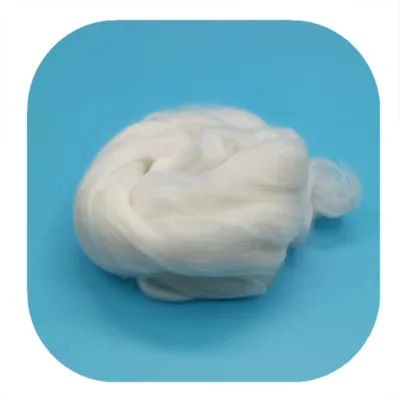
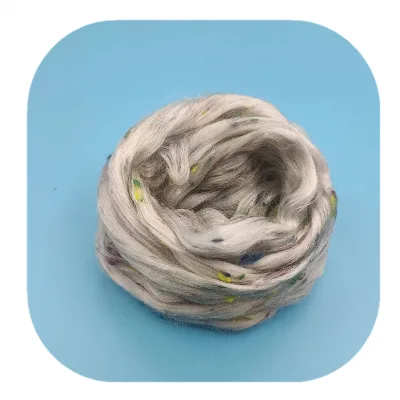
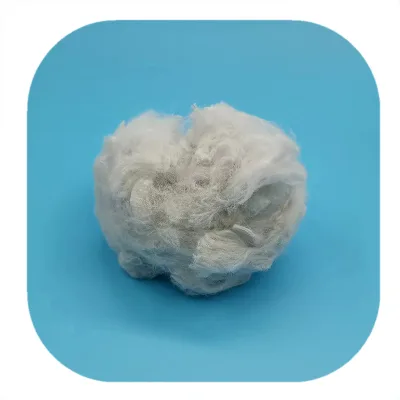
Then compare technical and commercial specifics side by side. Product pages here reveal usable comparison fields: linear density ranges of 1.5D to 3D, fiber lengths of 38 to 65mm, bale weights of 210 or 220 kilograms, packing formats, customization availability, and explicit use cases such as spinning and nonwovens. Prices in the results range from roughly 1.60 to 6.29 per kilogram depending on grade and format, and MOQs range from 260 to 3000 units, so normalize all quotes to a per-kilogram, delivered basis before ranking. Also compare product breadth: a supplier listing only semi dull nylon 6 offers focus, while one spanning PA6, PA66, and blends offers flexibility for future reformulations. Rank suppliers on both responsiveness and specification match, not price alone.
Common Semi Dull Nylon 6 Fiber Sourcing Risks
The most frequent risk in this category is polymer confusion. The current results contain both nylon 6 and nylon 66 staple fiber listings, and both appear in semi dull form with similar denier ranges. Nylon 66 often commands a premium and behaves differently in dyeing and heat settings, so a buyer who specifies "semi dull nylon fiber" without stating the polymer type risks receiving whichever grade the supplier has in stock. Put PA6, the linear density, the cut length, and the luster level in every purchase order, and reject any proforma invoice that restates the product only as generic nylon fiber.
Second, watch for specification drift between the listing and the delivered bale. Listings here show packing at 210 or 220 kilograms per bale and standard references such as 1.5D 38MM; confirm these exact values appear on the contract, and agree on sampling and arbitration procedures for denier variation, oil content, and moisture regain. Third, note stated limitations: some listings show no after-sales service, which means quality claims after delivery will be hard to enforce. Fourth, beware of trading companies relisting factory products with copied specifications; ask who physically produces the fiber and whether you may audit. Finally, do not assume customization is free—several listings mark customization as available, but none state tooling or minimum-lot costs for special deniers.
Semi Dull Nylon 6 Fiber Regional Sourcing and Logistics
Both observed sourcing regions, Anhui and Tianjin, sit inland or port-adjacent in China, which affects freight structure more than product quality. Tianjin's proximity to a major northern seaport generally simplifies container loading for overseas buyers, while inland Anhui suppliers may truck fiber to a coastal port before export. Neither listing in the current results displays an FOB port, so confirm the loading port, container type, and who arranges trucking and customs at the quotation stage. Also note that some Anhui suppliers ship mixed chemical products, which can affect how containers are stuffed and documented.
Bale weights of 210 to 220 kilograms, as shown in the results, let you estimate container loading: calculate how many bales fit a 20-foot or 40-foot container at your target density, and ask suppliers for their standard loading plans rather than assuming. One Tianjin listing references a 40 HQ loading weight of about 15,120 kilograms, illustrating how suppliers document fill; ask every candidate for equivalent figures. Lead-time expectations also belong here: a 15-day lead time appears on one supplier, and one Tianjin entry states delivery within 15 days, but production queues for customized deniers can differ, so confirm lead time against your specific specification. Finally, verify bale packaging—PP bags or woven bags—will survive ocean transit and stacking without contamination of the semi dull filament surface.
Semi Dull Nylon 6 Fiber Commercial Terms and Order Planning
Structure your first orders to limit exposure while you validate a supplier. With observed MOQs ranging from 260 to 3000 units and per-kilogram prices roughly between 1.60 and 6.29, plan a pilot order near the supplier's stated minimum, priced at the higher end of the quoted band, then negotiate scale pricing after inspection results come back clean. One listing offers a 500-gram sample; use paid samples plus a small first lot rather than jumping to a full container. Confirm which price basis applies—ex-works, FOB, or CIF—since the displayed figures are not self-explanatory, and normalize freight into your comparison.
Payment terms deserve explicit negotiation. None of the current results display payment method, escrow availability, or establishment year, so request these directly: ask each supplier for trade references, the year of incorporation, and whether the platform or a bank can hold funds against inspection approval. Specify in the contract the linear density tolerance, cut length, luster, polymer type (PA6), bale weight, packing format, lead time, and remedy terms for off-spec fiber. Build a reorder calendar around the confirmed 15-day lead times where applicable, but keep buffer stock for your first two cycles. Finally, document every agreed attribute in writing before deposit, because the absence of after-sales service on some listings makes pre-shipment clarity your only real protection.
FAQs
What is the price range for Semi Dull Nylon 6 Fiber?
The price range for Semi Dull Nylon 6 Fiber typically falls between $1.60 and $6.29 per unit. Specific pricing depends on the product type, such as top fiber or filament yarn. Buyers should verify exact costs based on order volume and customization requirements before placing an order.
What is the minimum order quantity for these fibers?
Minimum order quantities vary by product, ranging from 260 to 3000 units. For example, semi dull top fiber requires a minimum of 260 units, while filament yarn requires 3000 units. Buyers must check the specific product listing to confirm the applicable MOQ for their sourcing needs.
Where are these suppliers located?
Suppliers for Semi Dull Nylon 6 Fiber are located in China, specifically in Anhui and Tianjin provinces. These regions host both trading companies and manufacturers. Buyers can filter results by these locations to align with logistics preferences or regional sourcing strategies for their textile raw materials.
What certifications do these suppliers hold?
Suppliers hold various certifications including ISO 9001, GMP, and verification from TÜV Rheinland or SGS. These credentials indicate adherence to quality management systems and safety standards. Buyers should verify specific certification documents to ensure compliance with their industry requirements and regulatory standards for textile raw materials.
What is the typical lead time for delivery?
The typical lead time for delivery is approximately 15 days. Some suppliers specify delivery within 15 days for certain products like filament yarn. Buyers should confirm exact lead times with suppliers, as production schedules and order volumes may affect the final delivery timeline for Semi Dull Nylon 6 Fiber.
What are the key features of Semi Dull Nylon 6 Fiber?
Key features include high strength, abrasion resistance, anti-static properties, and breathability. The fiber is available in staple or filament forms with linear densities ranging from 1.5D to 3D. These characteristics make it suitable for spinning, non-woven fabrics, and blended yarns requiring durability and comfort in textile applications.