Preschool Kids Tea Cup Set Suppliers and Manufacturers
Compare 20 verified suppliers offering preschool kids tea cup sets with details on lead times, response times, and certifications. Review product attributes like age groups and materials to select the right factory for your needs; review the available evidence before requesting comparable quotations from suitable candidates.
Suppliers List
- Manufacturer, Trading Company
- Lead time旺季: "1 - 120":15,"121 - 1000":22,"1001 - 2000":25,"> 2000":"To be negotiated", 淡季: "1 - 120":15,"121 - 1000":22,"1001 - 2000":25,"> 2000":"To be negotiated"
- Avg. response≤ 1h
Main productsSilicone kitchen item, Silicone ice tray, Silicone basket, Silicone mats, Silicone baby feeding set
Changchun Golden Seed Agricultural Products Co., Ltd.
- Verified by SGS Group
- Manufacturer, Trading Company
- Lead time10 days
- Avg. response≤ 2h
Main productsGinseng, Extract, Pine Nut, Black Fungus, Herbal Tea
Main marketsNorth America(15%), Eastern Europe(15%), Southeast Asia(15%)

Wenzhou Cathylin International Trade Co., Ltd.
- Verified by TUVRHEINLAND
- Trading Company
- China Zhejiang
- Lead time15 days
- Avg. response≤ 13h
Main productsFlatware, Cutlery, Kitchen Tools, Tableware, Cookware, Bakeware, Drinkware
Main marketsNorth America

Ningbo Gusta Stationery Co., Ltd.
- Verified by BV
- Trading Company
- China Zhejiang
- Lead time30 days
- Avg. response≤ 8h
Main productsPencil Case, Stationery Set, Bag, Toys, Office Supplies, Arts & Crafts, Housewares, Silicone Product, School Bag, Travel Bag
Main marketsEast Asia(Japan/ South Korea),Europe,North America

Guangzhou Garbo International Trading Co., Ltd.
- Verified by TUVRHEINLAND
- Trading Company,Manufacturer/Factory
- China Guangdong
- Lead time45 days
- Avg. response≤ 6h
Main productsGlassware, Glass Cup, Glass Mug, Glass Bowl, Glass Candy Jar, Glass Pitcher, Glass Ice Cream Cup and Ice Bucket, Opal Glassware, Stainless Steel Cutlery, Ceramic Dinnerware
Main marketsSouth America,Eastern Europe,Mid East,North America,Southeast Asia,Eastern Asia,Oceania,Western Europe,Africa
- Verified by SGS Group
- Manufacturer, Trading Company
- Lead time20 days
- Avg. response≤ 4h
Main productsSilione beach set, Silicone bath toys, Silicone suction toys, Silicone doctor toys, Silicone educational toys
Main marketsNorth America(50%), Domestic Market(30%), Western Europe(15%)
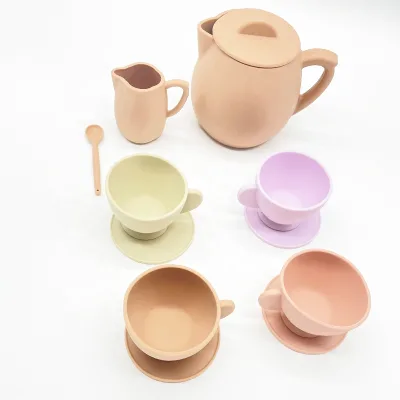
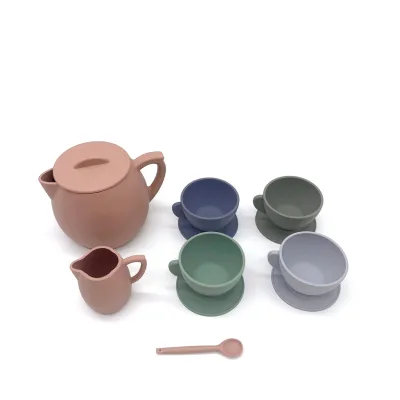
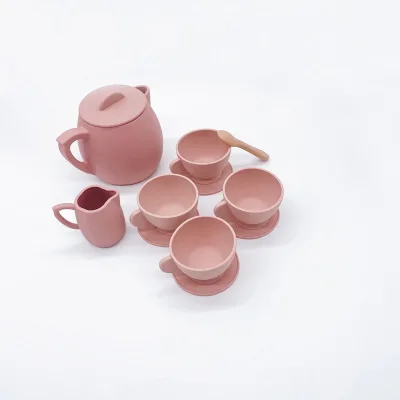
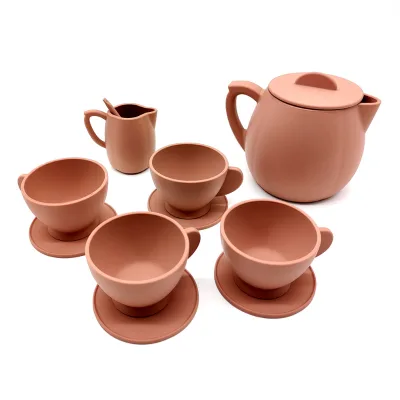
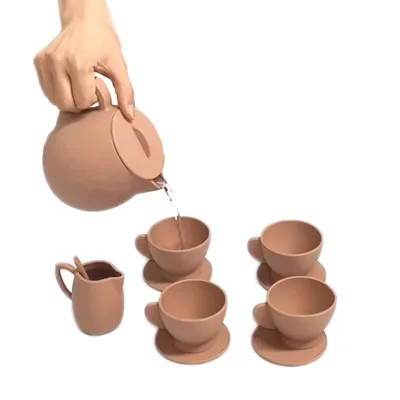
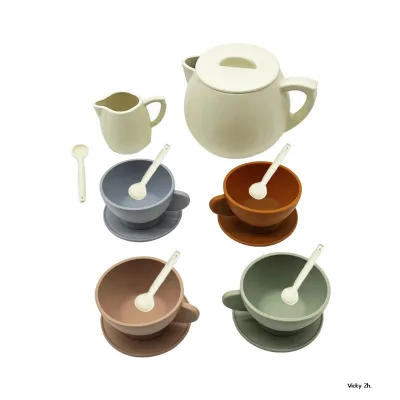
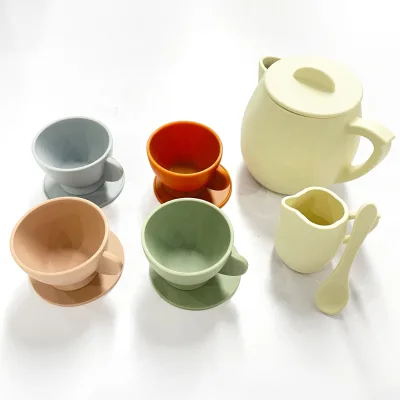
NEW Silicone Baby Tea Cup Set,Silicone Toy Tea Set
$3.99 - $5.00

Xiamen Ebei Import & Export Co., Ltd.
- Verified by CTI
- Trading Company,Manufacturer/Factory
- China Fujian
- Lead time45 days
- Avg. response≤ 2h
Main productsEco-Friendly Products, Bamboo Tableware, Bamboo Furniture, Bamboo Kitchenware, Bamboo Office Supply, Bamboo Fibre Products, Biodegradable Products, Bamboo Towel, Solar Energy Products, Bamboo Garden Products
Main marketsSouth America,Eastern Europe,Mid East,North America,Southeast Asia,Eastern Asia,Oceania,Western Europe,Africa


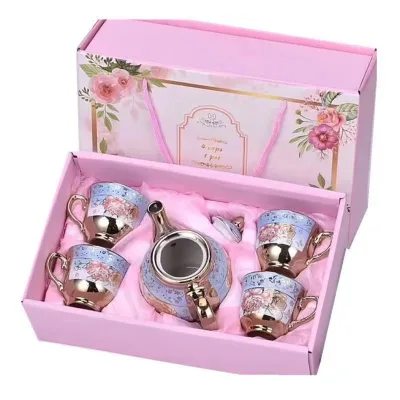
Bamboo Portable Travel Tea Set Tea Cup Pot Box Set
MOQ: 500 Sets

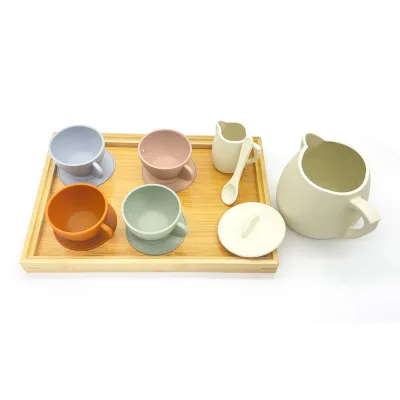
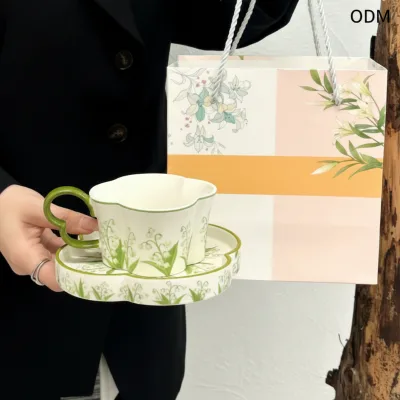
Ceramic Tea Pot Tea Cup Set Drink Set with Bamboo Tray
MOQ: 500 Pieces

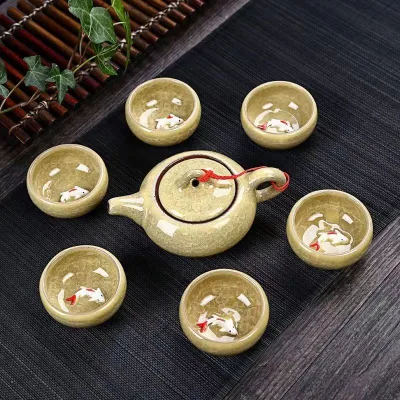
Bamboo Serving Tea Tray Small Glass Cups Set
MOQ: 500 Sets
Chaozhou City Cha'an District Fengtang Town Sai Si Ceramics Factory
- Verified by CTI
- Combined
- China Guangdong
- Lead time30 days
- Avg. response≤ 6h
Main productsMugs, Ceramic Tissue Boxes, Ceramic Pet Bowls, Ceramic Vases
Main marketsDomestic

$2.00 - $4.00
MOQ: 1000 Pieces

Hot Sale Cartoon Animal Ceramic Cup with Tray and Spoon Cute Children Breakfast Cup
$2.00 - $4.00
MOQ: 1000 Pieces
Longyan Zhanling Industry and Trade Co., Ltd.
- Manufacturer/Factory
- China Fujian
- Lead time150 days
- Avg. response≤ 4h
Main productsStainless Steel Cup, Customized Cup, Stainless Steel Cup & Mug, Double Wall Stainless Steel Cup, Customized Stainless Steel Cup, Water Bottle, Tumbler, Stainless Steel Water Bottle, Stainless Steel Bottle, Whiskey Glass
Main marketsSouth America,Eastern Europe,Mid East,North America,Southeast Asia,Eastern Asia,Oceania,Western Europe,Africa

Dongguan Jiehao Technology Co., Ltd.
- Verified by CTI
- Manufacturer/Factory
- China Guangdong
- Lead time90 days
- Avg. response≤ 4h
Main productsPlastic Toys, Vinyl Toys, Silicon Toys, Educational Toys, Intelligent Toy, Toys, Plastic Doll, Soft PVC Toys, 2D Soft PVC Keychain Toys, Blowing Toys
Main marketsSouth America,Eastern Europe,Mid East,North America,Southeast Asia,Eastern Asia,Oceania,Western Europe,Africa

Wenzhou Guanmin Import and Export Co., Ltd.
- Verified by BV
- Trading Company,Manufacturer/Factory
- China Zhejiang
- Lead time120 days
- Avg. response≤ 6h
Main productsShopping Bag, Cooler Bag, Notebook, Pen, Color Pencil, Lanyard, Beach Ball, Umbrella, Sunshade, Air Freshener
Main marketsSouth America,Eastern Europe,Mid East,North America,Southeast Asia,Eastern Asia,Western Europe
Shandong Taike Environmental Protection Technology Co., Ltd
- Verified by SGS
- Combined
- China Shandong
- Lead time15 days
- Avg. response≤ 19h
Main productsFood Containers, Toy
Main marketsDomestic

- Verified by BV
- Trading Company
- China Zhejiang
- Lead time30 days
- Avg. response≤ 4h
Main productsWooden Toys, Educational Toys, Indoor and Outdoor Game, Kitchen and Food, Role Play, Learning Toys, Ride on Cars, Blocks and Puzzles, Train Set, Doll House
Main marketsEurope
Xiamen Dashing Jewelry Co., Ltd.
- Verified by TüVRheinland
- Trading Company
- Lead time0 days
- Avg. response≤ 6h
Main productsDrinkware, Party Supplies, Home Decoration, Garden Supplies
Main marketsNorth America(50%), Africa(20%), Mid East(20%)
Hangzhou Jinchengyu Industry And Trad Co., Ltd.
- Manufacturer, Trading Company
- Zhejiang, China
- Lead time30 days
- Avg. response≤ 1h
Main productsStainless Steel Bottle,Thermos Water Bottle,Plastic Water Bottle,Glass Series Product,Home Decorations
Main marketsNorth America(30.00%), South Asia(25.00%), Southern Europe(20.00%), Eastern Europe(10.00%), Western Europe(10.00%), Southeast Asia(5.00%)
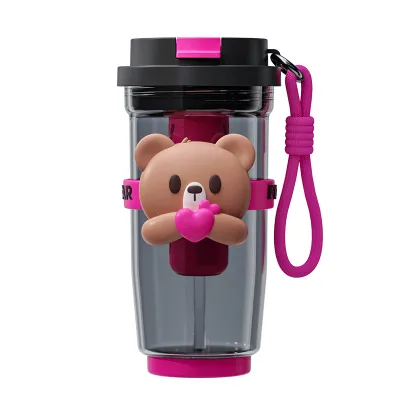
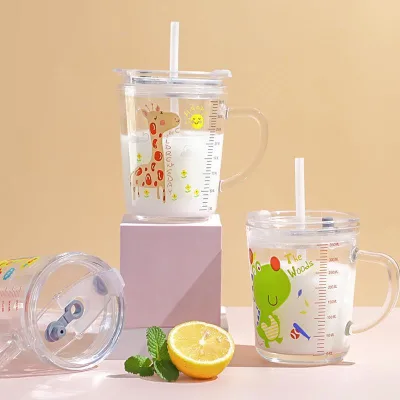
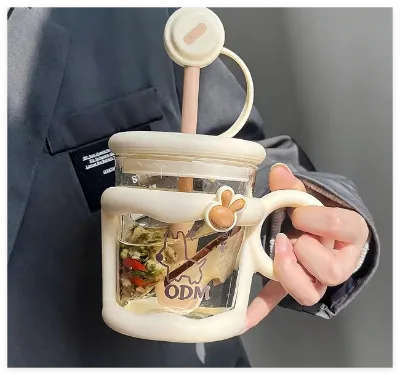
Cartoon Milk Cup with Scale Children's Glass Water Cup Brewing Powdered Milk Cute Breakfast Cup
$0.39 - $0.58
MOQ: 2 pieces
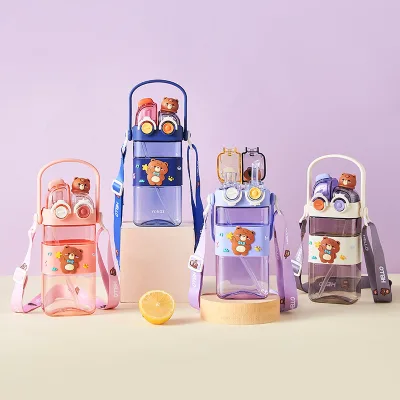
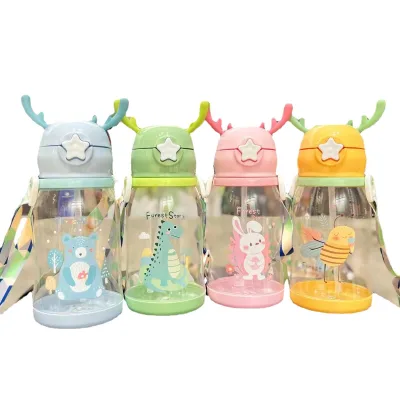
New cartoon water cup children high-capacity antler plastic cup student gift straw cup wholesale
$0.47 - $0.99
MOQ: 2 pieces
Ningbo East Packaging Technology Co., Ltd.
- Verified by BV
- Trading Company
- China Zhejiang
- Lead time23 days
- Avg. response≤ 3h
Main productsDisposable Gloves, Nitrile Gloves, Vinyl Gloves, Latex Gloves, Food Packaging, Disposable Tableware, PPE Products, Packaging & Labels, Flashlights, General Consumer Products
Main marketsDomestic


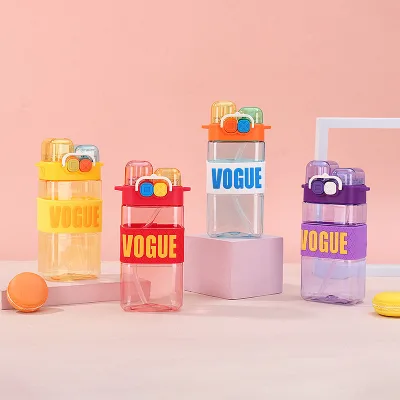
Coffee Water Cup for Boys and Girls High Value Portable Summer Plastic Special Cup
$1.55 - $1.70
MOQ: 100 Pieces


$0.03 - $0.06
MOQ: 10000 Pieces
Xuzhou Honghua Glass Technology Co., Ltd.
- Verified by CTI
- Combined
- China Jiangsu
- Lead time15 days
- Avg. response≤ 3h
Main productsGlass Bottle, Glass Jar, Candle Jar, Lunch Box, Glassware, Class Cup
Main marketsSouth America,Africa,Others(foreignTradeCapacity.exportBusinessCapacityMarketOther),Southeast Asia/ Mideast,East Asia(Japan/ South Korea),Domestic,Europe,Australia,North America

Wholesale Kids Straw Cup Double Drinking Gift Glass with Hand Gift Set Lovely Water Bottle
$0.15 - $0.25
MOQ: 1000 Pieces

Zhangjiagang Boxin Network Technology Co., Ltd.
- Trading Company
- Jiangsu, China
- Lead time30 days
- Avg. response≤ 3h
Main productsWater Bottle,Thermos,Tumbler Cups,Mug,Thermos Bottle
Main marketsNorth America(35.00%), South America(25.00%), Southeast Asia(10.00%), Eastern Europe(5.00%), Mid East(5.00%), Northern Europe(5.00%), Domestic Market(5.00%), Africa(5.00%), Eastern Asia(3.00%), Central America(2.00%)

Jinjiang Jiaxing Import and Export Co., Ltd.
- Verified by CTI
- Manufacturer/Factory
- China Fujian
- Lead time120 days
- Avg. response≤ 1h
Main productsShoes, Slipper, Clothes, Promotion Gifts, Silicone Products, Outdoor Sports Products, Bags, Fashion Accessories, Consumer Electronics
Main marketsSouth America,Eastern Europe,Mid East,North America,Southeast Asia,Eastern Asia,Oceania,Western Europe,Africa

Taizhou Shike Plastics Co., Ltd.
- Verified by CTI
- Trading Company
- China Zhejiang
- Lead time23 days
- Avg. response≤ 5h
Main productsBamboo Fiber Kids Set, Bamboo Fiber Stainless Steel Cup, Bamboo Fiber Dinner Set, Bamboo Fiber Dinnerware, Bamboo Fiber Coffee Cup, Bamboo Fiber Plate, Bamboo Fiber Bowl, Bamboo Fiber Tray, Sports Water Bottle, Alkaline Water Bottle
Main marketsSoutheast Asia/ Mideast,East Asia(Japan/ South Korea),Domestic,Europe,Australia,North America

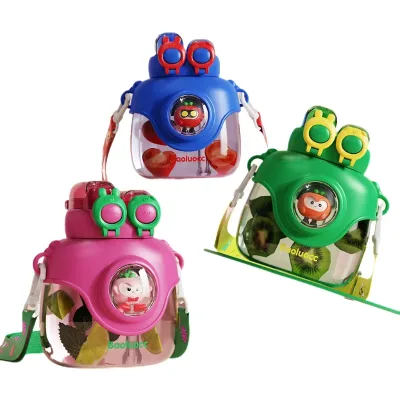
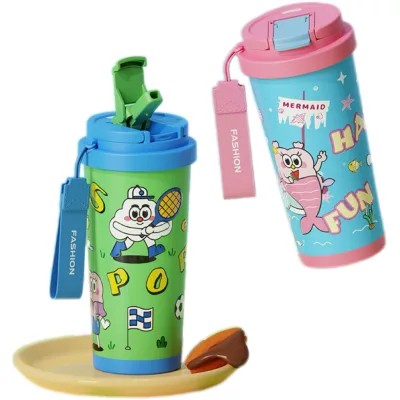
2023 Hot Sale Double Drink Cup Children's Cute Straw Cup Plastic Drink Water Bottle for Kids School
$1.65 - $1.70
MOQ: 3000 Pieces





Comprehensive Sourcing Guide
Preschool Kids Tea Cup Set Supplier Concentration and Factory Types
The current supplier landscape for preschool kids tea cup sets reveals a mix of manufacturers and trading companies offering silicone-based play items. Evidence indicates that production facilities are located in specific regions such as Chongqing and Guangdong, China, where silicone kitchen and toy manufacturing clusters exist. These locations are associated with products like silicone tea sets designed for children aged 0 to 13 years. Buyers should verify if a supplier operates as a direct manufacturer or a trading company, as this distinction impacts control over production quality and customization capabilities. The presence of both entity types suggests a diverse supply chain where some suppliers may source from factories while others manage the entire production process in-house.
When evaluating the concentration of these suppliers, it is crucial to note that main product lines often include silicone kitchen items, ice trays, and baby feeding sets alongside tea play sets. This diversification suggests that many factories possess the necessary molding and silicone processing equipment to handle various toy categories. However, the specific location of a factory cannot be assumed for every supplier without explicit verification in their profile. Buyers must look for clear indicators of origin, such as "Place of Origin: Chongqing, China" or "Guangdong, China," to confirm the manufacturing base. Understanding whether a supplier is a manufacturer or a trading company helps in assessing their ability to handle complex orders and their proximity to raw material sources for silicone production.
How to Verify Preschool Kids Tea Cup Set Suppliers
Verification of suppliers for preschool kids tea cup sets requires checking specific credentials and response metrics provided in the search results. Some suppliers display verification status from recognized groups like SGS, which serves as a concrete indicator of third-party assessment. Response times are also a critical metric, with some suppliers showing a response time of 1 or 2, indicating high availability for communication. Buyers should prioritize suppliers who provide these specific response numbers and verification badges, as they suggest a commitment to service and quality assurance. It is essential to confirm that the supplier's claimed verification matches the actual data provided in their profile before proceeding with any engagement.
In addition to verification badges, buyers must examine the product attributes to ensure they match safety and quality expectations. Evidence shows that some products are labeled as BPA-free and phthalate-free, which are critical standards for children's toys. The presence of specific model numbers and detailed material descriptions, such as "Silicone" and "High Quality," helps in validating the product's authenticity. However, not all suppliers may list every attribute, so buyers should request detailed specifications if they are missing. The ability to provide clear information about age groups, such as "0 to 24 Months" or "5 to 7 years," is another key factor in verifying that the supplier understands the target market and safety requirements for preschool-aged children.
What to Compare Across Preschool Kids Tea Cup Set Suppliers
Comparing suppliers involves analyzing key operational dimensions such as lead times, minimum order quantities, and pricing structures. Lead times vary significantly based on order volume and seasonality, with some suppliers indicating specific durations for different quantity ranges. For instance, lead times might be 15 days for smaller orders and extend to 25 days for larger batches, with quantities over 2000 requiring negotiation. Buyers should compare these timelines against their own project schedules to ensure timely delivery. Additionally, minimum order quantities (MOQ) can differ, with some suppliers requiring as few as 1 unit while others set a floor of 120 units. Understanding these thresholds is vital for budgeting and inventory planning.
Pricing and customization options are also critical comparison points. The data shows price ranges for silicone tea sets, with minimum prices starting around 4.65 and maximums reaching up to 8.00 per unit. Buyers must compare these figures to determine the most cost-effective option while considering the quality of materials used. Customization features, such as logo printing, embossing, or debossing, are available from some suppliers, allowing for brand differentiation. However, the availability of custom colors and specific packaging sizes, like 20x15x11 cm, varies by supplier. Evaluating these factors side-by-side helps buyers identify the supplier that best aligns with their specific commercial and logistical needs.
Common Preschool Kids Tea Cup Set Sourcing Risks
One significant risk in sourcing preschool kids tea cup sets is the potential mismatch between product descriptions and actual safety standards. While some listings mention BPA-free and phthalate-free materials, buyers must verify these claims through independent testing or supplier documentation. Relying solely on product keywords without concrete evidence can lead to receiving non-compliant goods. Additionally, the variation in age group specifications, ranging from infants to older children, requires careful attention to ensure the product is suitable for the intended demographic. Mislabeling age groups can result in safety hazards and regulatory non-compliance, making thorough verification of product attributes essential before placing an order.
Another risk involves the inconsistency in lead times and order fulfillment capabilities. Suppliers may provide different lead times based on order volume, with some requiring negotiation for large quantities. This variability can disrupt supply chains if not managed correctly. Furthermore, the distinction between manufacturers and trading companies can affect the reliability of delivery schedules. Trading companies might face additional delays due to their reliance on third-party factories. Buyers should assess the supplier's track record and response times to gauge their ability to meet deadlines. Ensuring that the supplier has a clear understanding of the production process and can provide accurate timelines is crucial for mitigating these risks.
Preschool Kids Tea Cup Set Regional Sourcing and Logistics
Regional sourcing for preschool kids tea cup sets often centers on manufacturing hubs in China, specifically in provinces like Chongqing and Guangdong. These regions are known for their silicone processing capabilities and toy manufacturing infrastructure. Buyers should verify the specific location of the factory to understand the logistics involved in shipping. Products originating from these areas may have different shipping costs and transit times compared to those from other regions. Understanding the geographic origin helps in estimating delivery schedules and potential customs duties. Additionally, the proximity of the factory to major ports can influence the efficiency of the supply chain.
Logistics planning must account for the packaging dimensions and weight of the products. Evidence indicates that single package sizes can vary, with some sets measuring 18x12x11 cm and others 25x12x11.5 cm. The gross weight also differs, ranging from 0.6 kg to 0.8 kg per set. These factors impact shipping costs and container utilization. Buyers should calculate the total volume and weight of their order to optimize freight costs. Furthermore, the availability of custom packaging options, such as specific box sizes or branding, can affect the logistics process. Coordinating with the supplier to ensure packaging meets shipping requirements is essential for a smooth delivery experience.
Preschool Kids Tea Cup Set Commercial Terms and Order Planning
Commercial terms for preschool kids tea cup sets include pricing structures, payment conditions, and order planning strategies. Prices vary based on order quantity and customization, with ranges observed from 4.65 to 8.00 per unit. Buyers should negotiate terms that align with their budget and volume expectations. Minimum order quantities, such as 120 units, may require careful planning to avoid overstocking or underordering. Understanding the MOQ helps in determining the optimal order size to balance cost efficiency with inventory management. Additionally, suppliers may offer different pricing tiers for larger orders, which can be leveraged to reduce unit costs.
Order planning also involves considering the lead times and production schedules. Suppliers may have different lead times depending on the season and order volume, with some requiring negotiation for large batches. Buyers should plan their orders well in advance to accommodate these timelines. Customization options, such as logo printing or color selection, may extend the production time. It is important to communicate these requirements clearly to the supplier to avoid delays. Furthermore, verifying the supplier's ability to handle custom orders and their response to inquiries is crucial for successful order execution. Effective communication and clear planning ensure that the final product meets the buyer's expectations and arrives on time.
FAQs
What is the minimum order quantity for silicone tea sets?
The minimum order quantity for silicone tea sets is 120 units. Some suppliers offer lower quantities starting from just one unit for flavored tea products. Buyers should verify specific MOQ requirements with each manufacturer before placing an order to ensure compliance with their production capabilities.
How long does it take to receive orders during peak seasons?
During peak seasons, lead times range from 15 to 25 days depending on order volume. Orders between 121 and 1000 units take 22 days, while larger orders of 1001 to 2000 units require 25 days. Quantities exceeding 2000 units require negotiation for specific delivery schedules.
Are these silicone tea sets safe for toddlers and young children?
Yes, these silicone tea sets are designed for children aged 0 to 13 years. They are made from high-quality silicone material and are often BPA and phthalate free. The products are suitable for pretend play and tea party activities, ensuring safety for toddlers and preschoolers.
Can I customize the color and logo on the tea sets?
Suppliers welcome customization for both colors and logos. Any color or custom color is available for the tea sets. Logos can be added via embossing, debossing, printing, or silk screen methods. This allows buyers to create unique branding for their specific market needs.
Where are the silicone tea sets manufactured?
The silicone tea sets are manufactured in China, specifically in Chongqing and Guangdong provinces. These locations are known for producing high-quality silicone kitchen items and toys. Buyers can expect products to originate from these established manufacturing hubs in the region.
What is the price range for a single silicone tea set?
The price for a single silicone tea set ranges from approximately 4.65 to 8.00 USD. Some flavored tea products are priced lower, starting around 1.02 USD. The final cost depends on the specific product type, order quantity, and customization options selected by the buyer.
Do suppliers offer OEM and ODM services for tea sets?
Yes, suppliers welcome OEM and ODM services for silicone tea play sets. This allows buyers to request custom designs and manufacturing processes. The service supports creating unique products tailored to specific brand requirements while maintaining high quality standards for the final tea party play items.