Semi Smoked Sequential Turn Light Suppliers and Manufacturers
Explore 33 verified options for Semi Smoked Sequential Turn Light suppliers and manufacturers. Compare locations, response times, lead times, certifications, and pricing to find the right partner. Contact suppliers directly to request quotes and verify product specifications; review the available evidence before requesting comparable quotations from suitable candidates.
Suppliers List
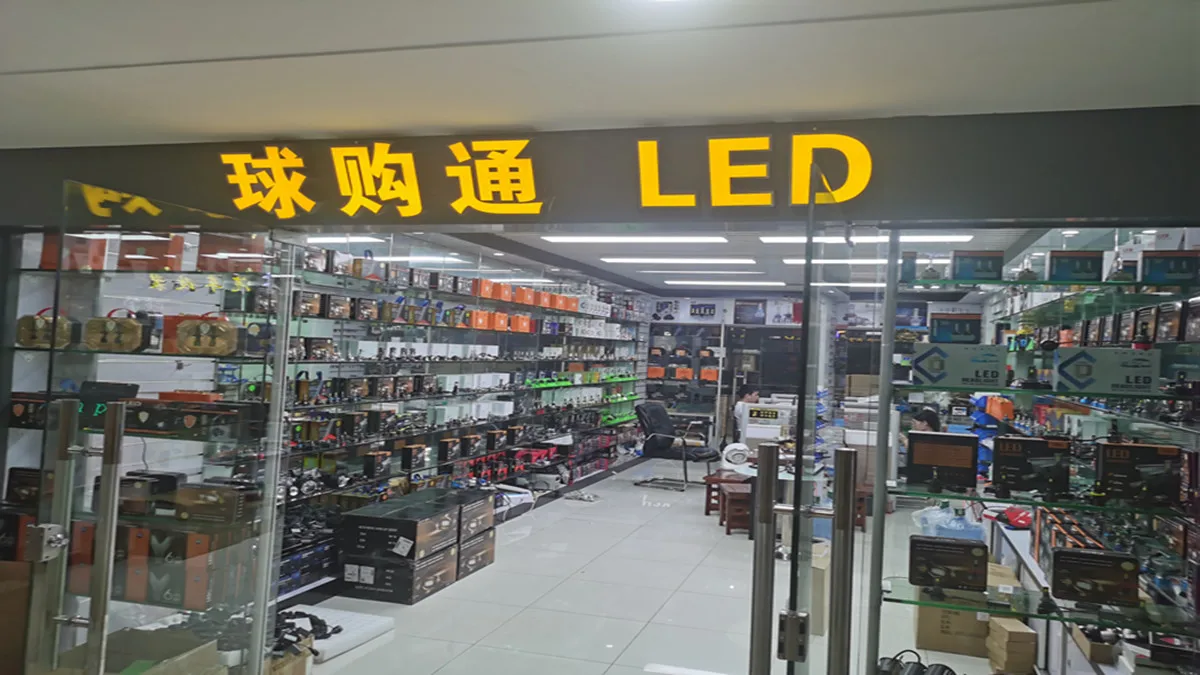
Guangzhou QiuGouTong Trading Co., Ltd.
- Manufacturer, Trading Company, Distributor/Wholesaler
- Guangdong, China
- Lead time7 days
- Avg. response≤ 7h
Main productsCar headlight,Car working light,High power headlight,Lens headlight,Car running light assembly
Main marketsNorth America(30.00%), Northern Europe(20.00%), Southern Europe(5.00%), Central America(5.00%), Western Europe(5.00%), Eastern Asia(5.00%), Mid East(5.00%), Oceania(5.00%), Africa(5.00%), Southeast Asia(5.00%), South America(5.00%), Eastern Europe(5.00%)
Anhui Light Industries International Co., Ltd.
- Verified by SGS
- Trading Company
- China Anhui
- Lead time30 days
- Avg. response≤ 20h
Main productsConstruction Machinery Parts, Heavy Truck Parts, Undercarriage Parts
Main marketsNorth America
Shenyang Eager Trading Co.,Ltd.
- Verified by TUVRHEINLAND
- Trading Company
- China Liaoning
- Lead time15 days
- Avg. response≤ 3h
Main productsElectric Delivery Van, Electric Delivery Truck, Electric Logistic Refrigerated Van, Mini Bus, LED Auto Lights, DC EV Charger, Electric Wheelbarrow, Solar Electric Car
Main marketsSoutheast Asia/ Mideast,Europe

Ningbo Beilun Bonsen Auto Electron Co., Ltd.
- Verified by BV
- Trading Company,Manufacturer/Factory
- China Zhejiang
- Lead time38 days
- Avg. response≤ 8h
Main productsLED Trail Tail Lights, LED Headlights Bulb, Car Wash Machine, Low Pressure Die Casting Machine, Laptop Stand, Seasoning Meat Syringe, Stainless Steel Heating Manifold, Brazed Plate Heat Exchanger
Main marketsSouth America,Eastern Europe,Mid East,North America,Southeast Asia,Eastern Asia,Oceania,Western Europe,Africa

Round LED Combination Tail Light Rear Indicator Reverse Brake Turn Signal Light
$4.20 - $4.52
MOQ: 200 Pieces


Taizhou Hosi Auto Parts Co., Ltd.
- Manufacturer
- Zhejiang, China
- Lead time7 days
- Avg. response≤ 5h
Main productsAuto Parts, Car Body Parts, Tail Light, Headlight
Main marketsNorth America(30.00%), South America(20.00%), Western Europe(10.00%), South Asia(5.00%), Southern Europe(5.00%), Eastern Asia(5.00%), Central America(5.00%), Africa(5.00%), Eastern Europe(5.00%), Mid East(5.00%), Southeast Asia(5.00%)
Guangzhou Bestop Electronic Co., Ltd.
- Manufacturer
- Guangdong, China
- Lead time10 days
- Avg. response≤ 5h
Main productsheadlight module,DRL light source,headlight ballast,DRL LED module,headlight computer driver
Main marketsNorth America(30.00%), Western Europe(20.00%), South America(20.00%), Southeast Asia(10.00%), Eastern Europe(5.00%), Africa(5.00%)
Guangzhou Hongy Trading Co., Ltd.
- Trading Company
- guangdong, China
- Lead time10 days
- Avg. response≤ 2h
Main productsLED Headlight,car led light,3.0 bi led,Hid kit,hid ballast
Main marketsCentral America(30.00%), North America(30.00%), Mid East(20.00%), Western Europe(20.00%)

Guangzhou Fdn Autolighting Company Limited.
- Verified by SGS
- Manufacturer/Factory
- China Guangdong
- Lead time0 days
- Avg. response≤ 2h
Main productsLED COB Work Lights, LED COB Work Pods, LED COB Light Bars, LED COB Tail Lights, LED COB Signal Lights/Warning Lights, LED COB Interior Lights, LED Headlights, LED Motorcycle Lights, LED Fog/Driving Lights, LED Strip Lights/Decaroation Lights


$4.50 - $5.00
MOQ: 500 Pieces


Round COB Truck Rear Tail Light Taillight Turn Signal Reverse Brake Stop Lamp Tractor
$4.50 - $5.00
MOQ: 500 Pieces

Shenzhen Chengming Technologies Co., Ltd.
- Trading Company
- Guangdong, China
- Lead time7 days
- Avg. response≤ 2h
Main productsCar LED Lights,Home LED Lights,Household Light,Car Xenon Kit,Pinball led
Main marketsSouthern Europe(10.00%), Northern Europe(10.00%), Central America(10.00%), Western Europe(10.00%), Eastern Asia(10.00%), Africa(10.00%), Southeast Asia(10.00%), Eastern Europe(10.00%), South America(10.00%), North America(10.00%)

Shenzhen Hongrun Vehicle Parts Co., Ltd.
- Verified by SGS
- Trading Company
- China Guangdong
- Lead time30 days
- Avg. response≤ 25h
Main productsLED Trailer Light, Trailer LED Lamp, Excavator Part, Trailer Spare Part, Air Bag and Air Spring, Volvo Truck Part, Scania Truck Part, Daf Truck Part, Excavator Undercarriage Part, Bulldozer Part
Main marketsSoutheast Asia/ Mideast,Australia

Shanghai Anma Industry Co., Ltd.
- Trading Company
- China Shanghai
- Lead time30 days
- Avg. response≤ 5h
Main productsCar Accessories, Car Spare Parts, Car Tools, Car Interior Accessories, Car Exterior Accessories, Car Electrical Accessories, Car Lights, Car Mirror, Car Emergency Kits, Car Care Products
Main marketsSouth America,Others(foreignTradeCapacity.exportBusinessCapacityMarketOther),Southeast Asia/ Mideast,Europe,North America

Shanghai Huaqi Industrial Co., Ltd.
- Verified by TUVRHEINLAND
- Trading Company
- China Shanghai
- Lead time15 days
- Avg. response≤ 6h
Main productsCar Mats, Seat Cover, Car Cover, Wiper Blade, Air Compressor, Steering Wheel Cover, Car Lock, Baby Mirror, Car Jack, Racing Seat
Main marketsSouth America,Africa,Southeast Asia/ Mideast,Europe,Australia,North America
Guangzhou Fetonauto Technology Co., Ltd.
- Verified by SGS Group
- Trading Company
- Gd, China
- Lead time10 days
- Avg. response≤ 2h
Main productsLED Side Marker Lights, LED Mirror Turn Signal Lights, LED License Plate Lights, LED Welcome Lights, LED Strobe Lights
Main marketsDomestic Market(14%), North America(10%), Central America(10%)

Hangzhou Riji Technology Co., Ltd.
- Verified by SGS
- Trading Company,Manufacturer/Factory,Group Corporation
- China Zhejiang
- Lead time45 days
- Avg. response≤ 14h
Main productsMotorcycle Spare Parts & Accessories, Scooter Spare Parts & Accessories, ATV/UTV Spare Parts & Accessories
Main marketsSouth America,Eastern Europe,Mid East,North America,Southeast Asia,Eastern Asia,Oceania,Western Europe,Africa
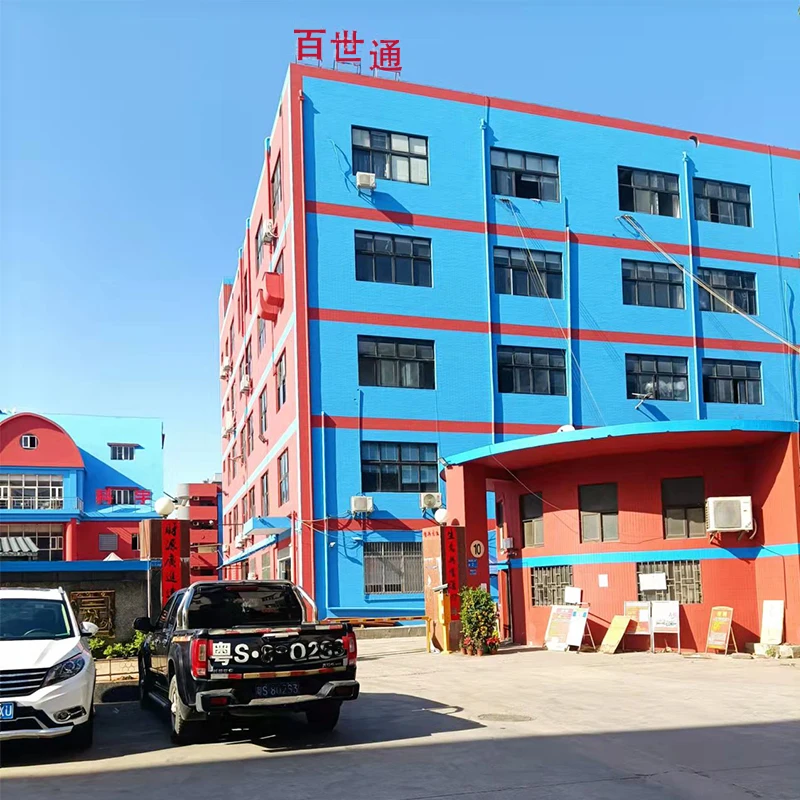
Dongguan Bestoem Lighting Co., Ltd.
- Manufacturer, Trading Company
- Guangdong, China
- Lead time15 days
- Avg. response≤ 2h
Main productstruck led lights,led car light,Led light for motorcyle,led boat light,trailer lights
Main marketsWestern Europe(40.00%), Northern Europe(10.00%), Southern Europe(10.00%), North America(10.00%), Eastern Europe(10.00%), Domestic Market(5.00%), Southeast Asia(5.00%), South America(5.00%), Central America(2.00%), Mid East(2.00%), South Asia(1.00%)

Guangzhou Asend Auto Accessory Co., Ltd.
- Manufacturer, Trading Company, Distributor/Wholesaler
- Guangdong, China
- Lead time5 days
- Avg. response≤ 2h
Main productsOff-road led and accessories,motorcycle led and accesories,led work light,E-bike led light,Agricultural machinery lights
Main marketsNorth America(30.00%), South America(20.00%), Eastern Europe(15.00%), Western Europe(10.00%), Eastern Asia(5.00%), Southeast Asia(5.00%), Oceania(3.00%), Domestic Market(3.00%), Northern Europe(2.00%), South Asia(2.00%), Southern Europe(2.00%), Mid East(1.00%), Central America(1.00%), Africa(1.00%)
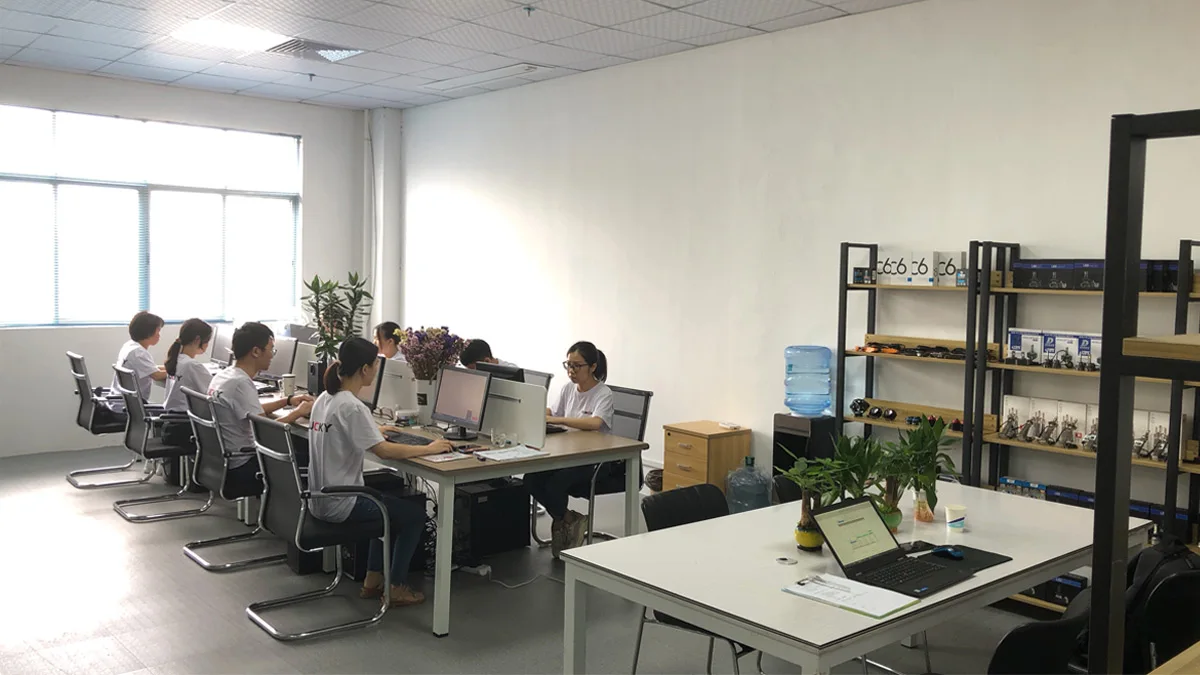
Guangzhou Ilucky Electronic Technology Co., Ltd.
- Manufacturer, Trading Company
- Guangdong, China
- Lead time7 days
- Avg. response≤ 1h
Main productsCar LED Headlight,Auto LED Bulb,Car LED Projector,LED License Plate Lamp,LED Turn Signal
Main marketsEastern Europe(30.00%), North America(20.00%), South America(20.00%), Central America(5.00%), Western Europe(5.00%), Southeast Asia(5.00%), Northern Europe(3.00%), Southern Europe(2.00%), Mid East(2.00%), Oceania(2.00%), South Asia(2.00%), Eastern Asia(2.00%), Domestic Market(1.00%), Africa(1.00%)
- Verified by SGS
- Trading Company
- China Zhejiang
- Lead time15 days
- Avg. response≤ 19h
Main productsCar Mat, Car Air Freshener, Car Seat Cover, Steering Wheel Cover, Car Phone Holder, Car Roof Tent, Car Sunshade, Jerry Can
Main marketsEurope,Australia

Jiujiang Baead Photoelectric Technology Co., Ltd.
- Manufacturer, Trading Company
- Jiangxi, China
- Lead time7 days
- Avg. response≤ 3h
Main productsAutomobile LED Boards,Angel Eyes Lights,LED Halo Rings,DRL & Switchback Lights,LED Strips
Main marketsNorth America(80.00%), Domestic Market(20.00%)
Guangzhou Bisitai Auto Accessories Co., Ltd.
- Manufacturer
- Guangdong, China
- Lead time30 days
- Avg. response≤ 14h
Main products4x4 Fender Flares,4x4 Roof trays,4x4 Grilles,4x4 Bumpers,Pickup Trucks Accessories
Main marketsNorth America(80.00%), Northern Europe(10.00%), Mid East(10.00%)

Pingxiang Bowang Industry Co.,Ltd.
- Verified by TUVRHEINLAND
- Manufacturer/Factory
- China Jiangxi
- Lead time15 days
- Avg. response≤ 2h
Main productsLED Car Light, LED Marker Light, LED Work Light, Truck Lamp, Trailer Light, Tail Light, High Mount Brake Light, Whip Light, Boat Light, RV Light
Main marketsSouth America,Eastern Europe,Mid East,North America,Southeast Asia,Eastern Asia,Oceania,Western Europe,Africa
Jinan Junchen Trading Co., Ltd.
- Trading Company
- Shandong, China
- Lead time15 days
- Avg. response≤ 7h
Main productsAuto Parts,Car Spoilers,Car modification kit,Car protection bumper,Car grille
Main marketsAfrica(15.00%), North America(10.00%), Southeast Asia(10.00%), Mid East(10.00%), South America(10.00%), Domestic Market(5.00%), South Asia(5.00%), Southern Europe(5.00%), Northern Europe(5.00%), Central America(5.00%), Western Europe(5.00%), Eastern Asia(5.00%), Eastern Europe(5.00%), Oceania(5.00%)

Guangzhou B-King Auto Electronics Limited
- Verified by TUVRHEINLAND
- Trading Company
- China Guangdong
- Lead time15 days
- Avg. response≤ 10h
Main productsLED Headlight, LED Headlight Bulb, Auto Lights, Car Lights, HID, Car Camera, LED Work Light, Turn Signal Light, LED Fog Light
Main marketsSouth America

XINGTAI WINWAY IMPORT & EXPORT TRADING CO., LTD.
- Trading Company
- China Hebei
- Lead time23 days
- Avg. response≤ 21h
Main productsMotorcycle Shock Absorber, Motorcycle Brake Shoe, Motorcycle Cable, Motorcycle Sprocket, Motorcycle Mirror, Motorcycle Speedometer, Motorcycle Headlight, Motorcycle Oil Seal, Motorcycle Spark Plug, Motorcycle Kick Staerter
Main marketsSouth America,Africa,Southeast Asia/ Mideast

K-Lite (Shanghai) Industrial Co., Ltd.
- Verified by TUVRHEINLAND
- Trading Company
- China Shanghai
- Lead time30 days
- Avg. response≤ 7h
Main productsReflector, Motorcycle LED Lamps, Road Markers, Vehicle Lamps, Trailer LED Lamps, Pedestrian Reflector, Light Guide Strip, Road Stud, Auto Parts, Headlamp
Main marketsSoutheast Asia/ Mideast,East Asia(Japan/ South Korea)
Guangzhou Leadway Electronic Technology Co., Ltd.
- Trading Company
- Guangdong, China
- Lead time15 days
- Avg. response≤ 4h
Main productsLED Tail Lights, LED Turn Lights, LED DRL Lights, Motorcycle Lights, LED Emergency Lights
Main marketsNorth America(65.00%), South America(20.00%), Mid East(5.00%), Southeast Asia(3.00%), Central America(2.00%), South Asia(1.00%), Southern Europe(1.00%), Eastern Asia(1.00%), Africa(1.00%), Eastern Europe(1.00%)
- Verified by Intertek
- Trading Company
- Lead time20 days
- Avg. response≤ 5h
Main productsSide Steps, Grills, Body Kits, Roll Bar, Electric Motorcycle Parts
Main marketsNorth America(30%), South America(30%), Mid East(20%)
T-Bull Electronics Co., Limited
- Verified by SGS
- Trading Company
- China Zhejiang
- Lead time15 days
- Avg. response≤ 7h
Main productsAutomotive Lighting, LED Side Markers, Truck Lights, Trailer Lights, Volvo Truck Lights, Scania Lights, Isuzu Truck Lights, Daf Truck Lights, Automotive Tail Lights, Automotive Headlights
Main marketsEurope

Yog Auto Mobile Parts Co., Ltd.
- Verified by BV
- Trading Company,Manufacturer/Factory
- China Guangdong
- Lead time30 days
- Avg. response≤ 22h
Main productsMotorcycle Accessory, Motorcycle Chain, Motorcycle Engine Parts, Motorcycle Camshaft, Motorcycle Sprocket, Motorcycle Brake, Motorcycle Horn, Motorcycle Piston and Ring, Motorcycle C. D. I
Main marketsSouth America,Eastern Europe,Mid East,Southeast Asia,Eastern Asia,Oceania,Africa


Winker, Indicator, Turn Light, Steering Lamp, Cornering Lamp, Direction Indicator Lamp
$0.50 - $1.20
MOQ: 200 Pieces
- Verified by TüVRheinland
- Manufacturer, Trading Company
- Guangdong, China
- Lead time7 days
- Avg. response≤ 5h
Main productsLED Third Brake Lamp, LED Side Marker Lamp, LED License Plate Lamp, LED Fog Lamp, LED Headlamp Tailights
Main marketsNorth America(38%), Western Europe(22%), Eastern Europe(18%)
Jiangxi Serok Vehicle Parts Co., Ltd.
- Manufacturer, Trading Company
- Jiangxi, China
- Lead time30 days
- Avg. response≤ 9h
Main productsTruck light, Motorcycle turn signals, Led flasher relays,LED Flashing module,Engineering Warning Lights
Main marketsNorth America(30.00%), Oceania(15.00%), Western Europe(10.00%), Eastern Asia(8.00%), Southeast Asia(8.00%), Domestic Market(7.00%), South America(5.00%), Southern Europe(5.00%), Northern Europe(5.00%), Eastern Europe(5.00%), Mid East(2.00%)
Hunan HITHIS Technology Co., Ltd.
- Trading Company
- Hunan, China
- Lead time25 days
- Avg. response≤ 4h
Main productsHeadlights and taillights,wheel hub,Emergency spare tire,Electric vehicle wheel hub,hydraulic jack
Main marketsMid East(30.00%), North America(30.00%), Northern Europe(20.00%), Western Europe(10.00%), Southeast Asia(5.00%), South America(5.00%)

Huangshan DSM Traffic and Projecting Manufacture Co., Ltd.
- Trading Company,Manufacturer/Factory
- China Anhui
- Lead time45 days
- Avg. response≤ 25h
Main productsWarning Lamp, Roadway Safety, Traffic Sign, Reflective Mark&Vest, Warning Column, Traffic Warning Light, Solar Warning Lamp, Traffic Barrier, Solar Warning Light, LED Warning Light
Main marketsMid East,North America,Southeast Asia,Eastern Asia,Western Europe


MOQ: 500

MOQ: 500


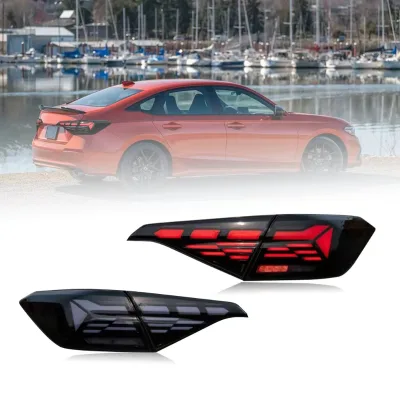
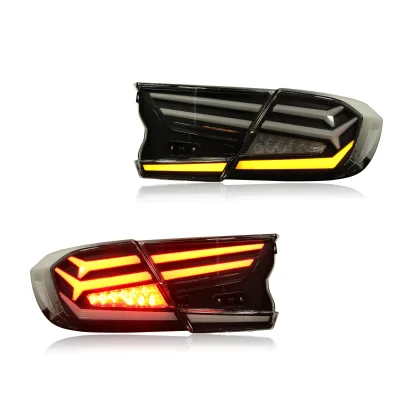
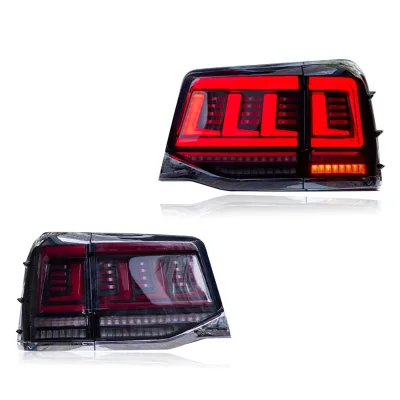
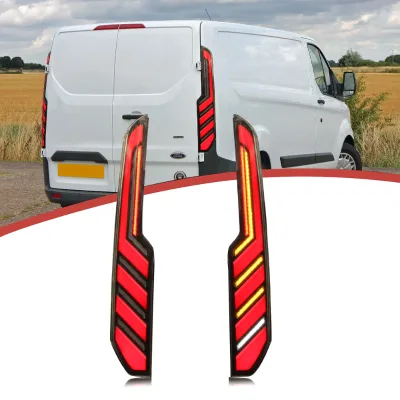
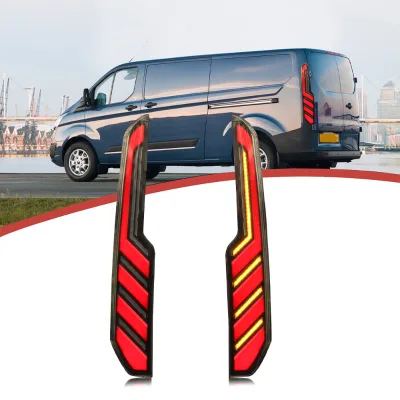
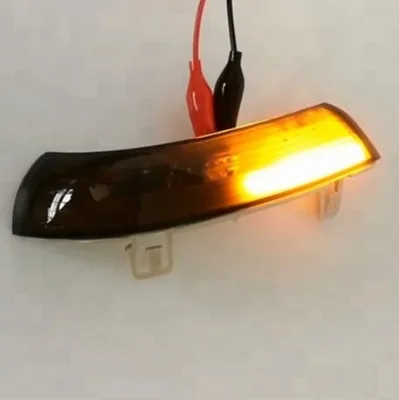
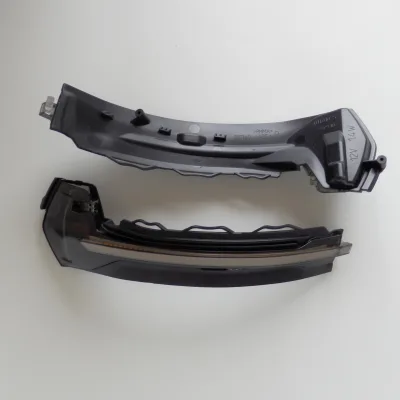
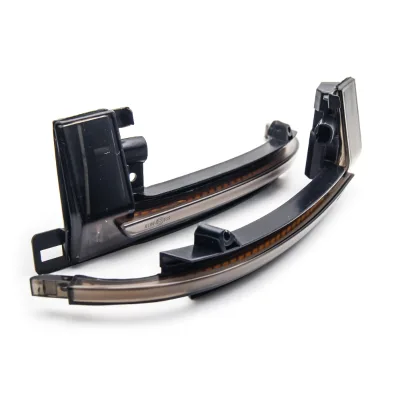
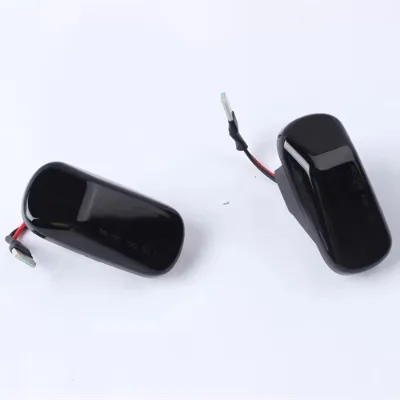
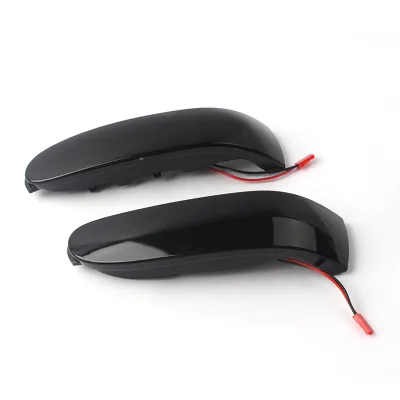
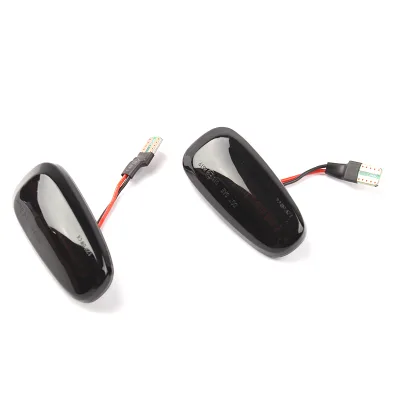
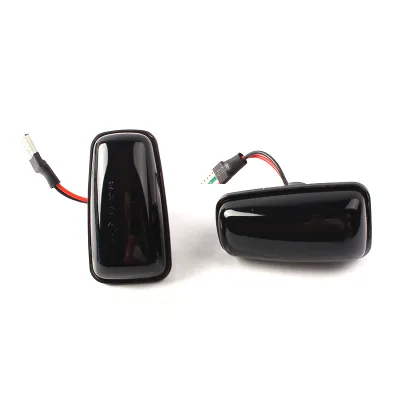




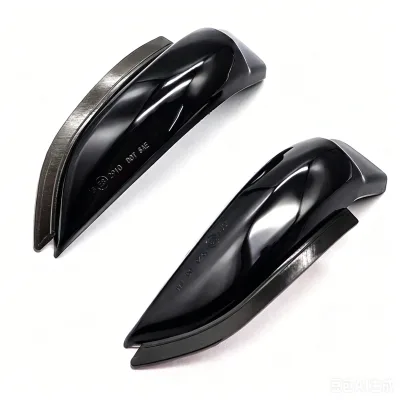
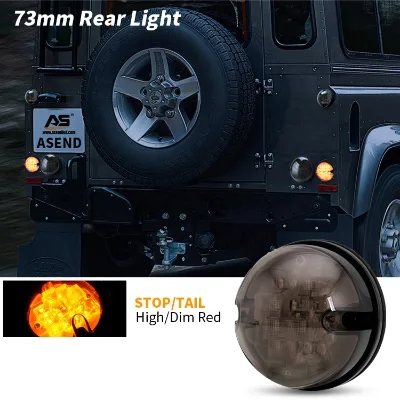
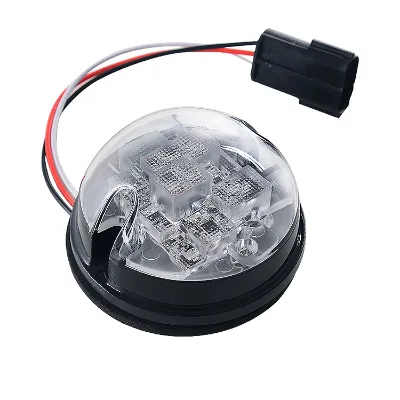
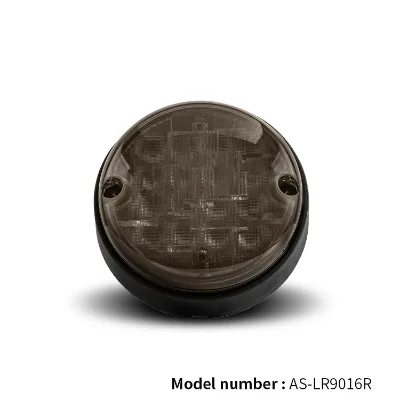
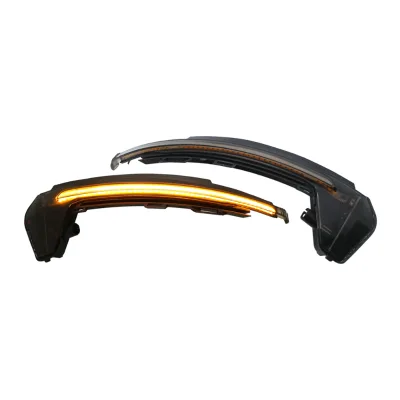
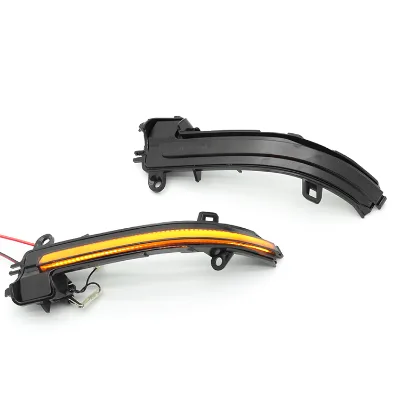


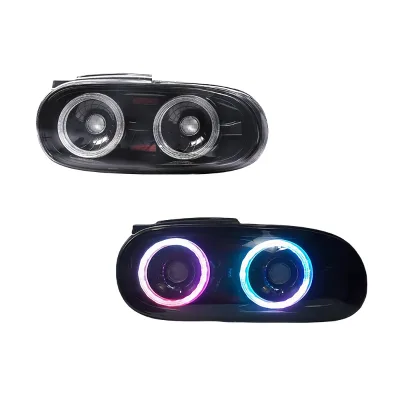
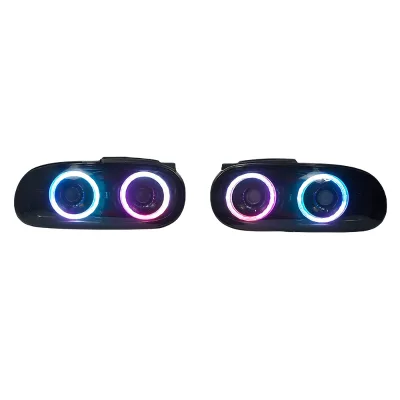
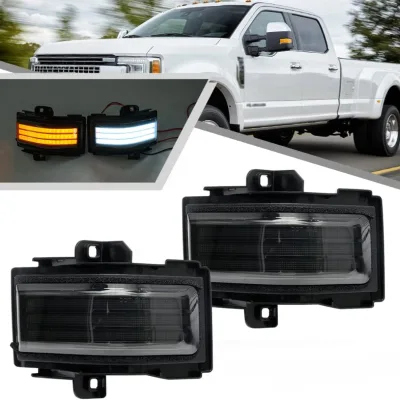
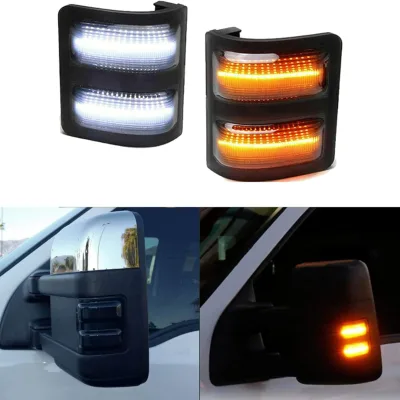
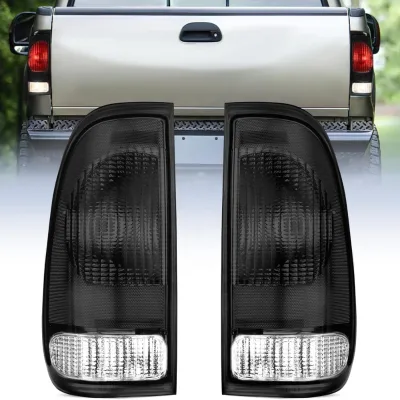


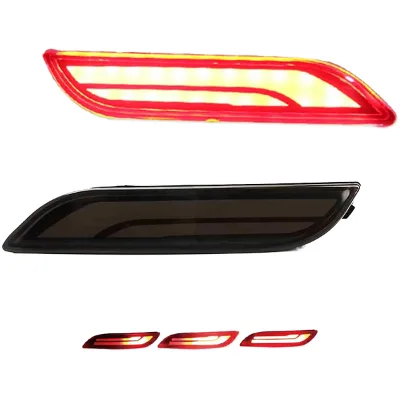
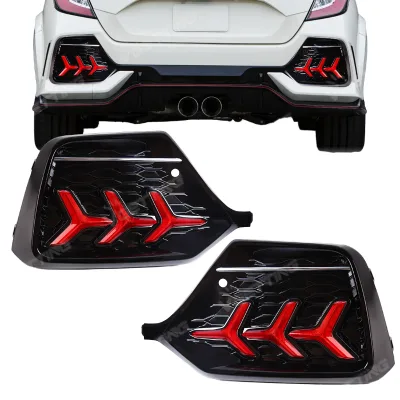


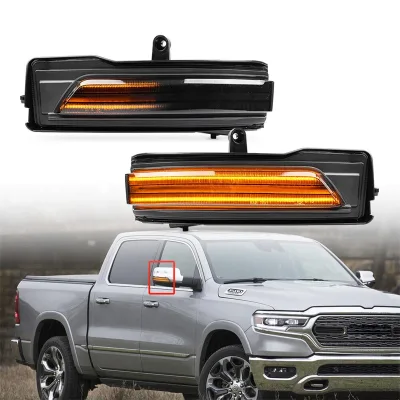
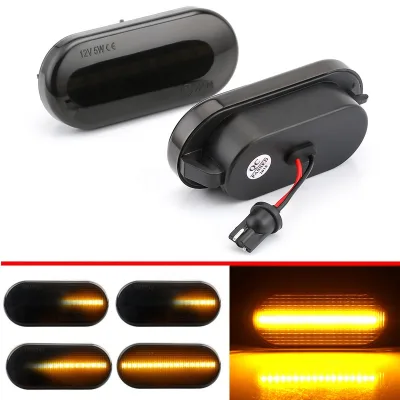
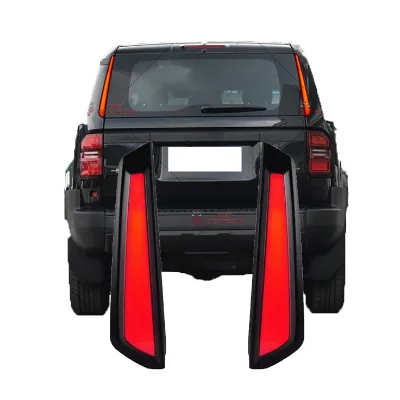
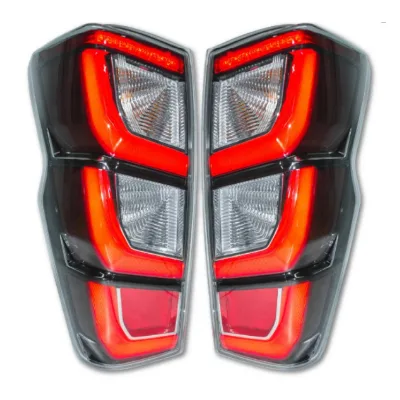


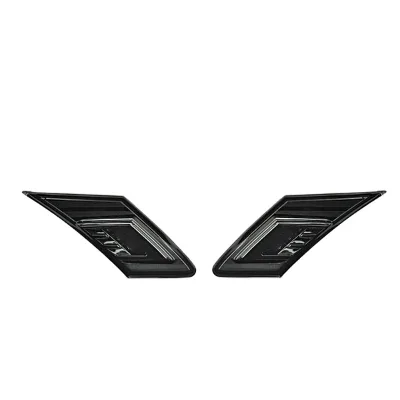
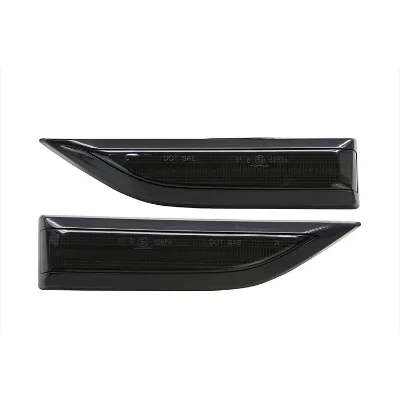
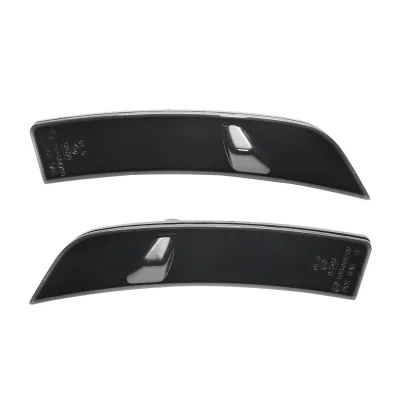
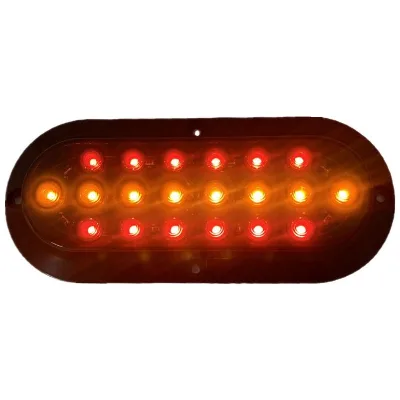
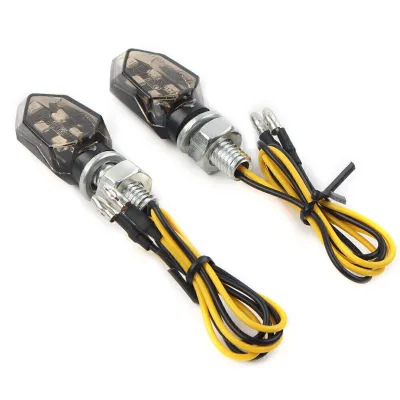
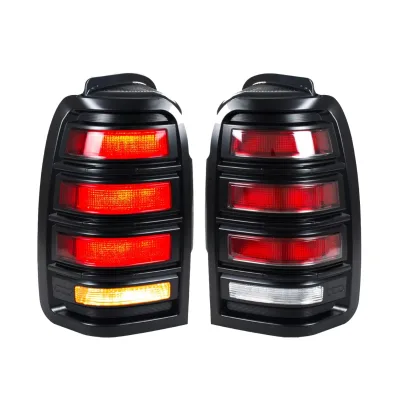
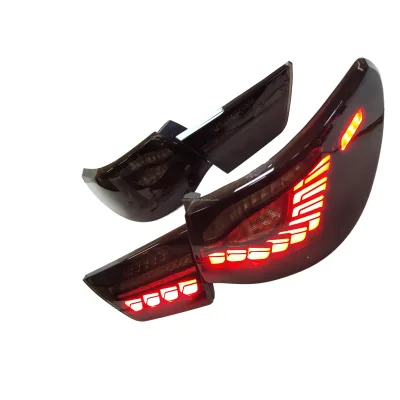
Comprehensive Sourcing Guide
Semi Smoked Sequential Turn Light Supplier Concentration and Factory Types
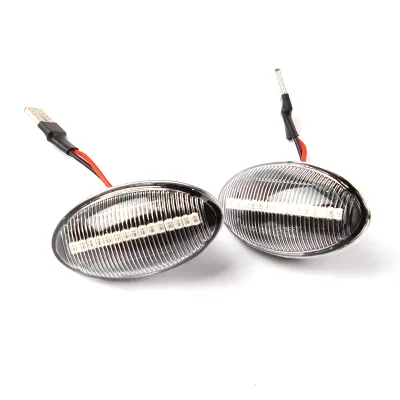
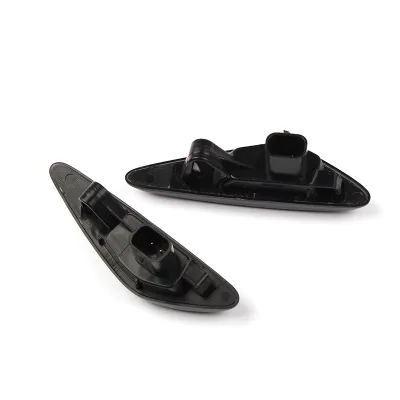
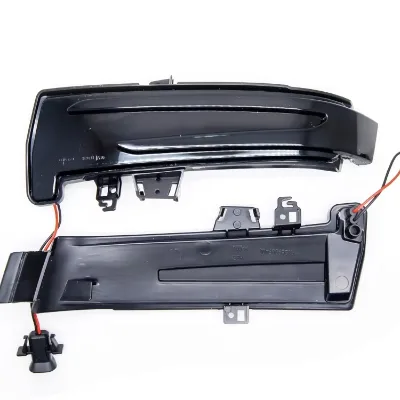
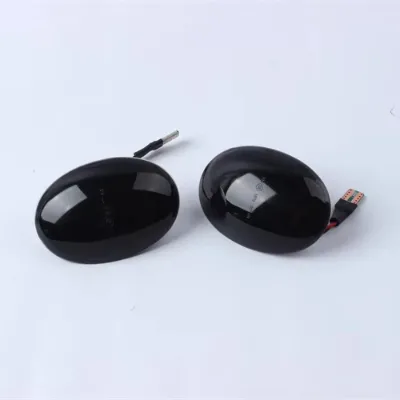
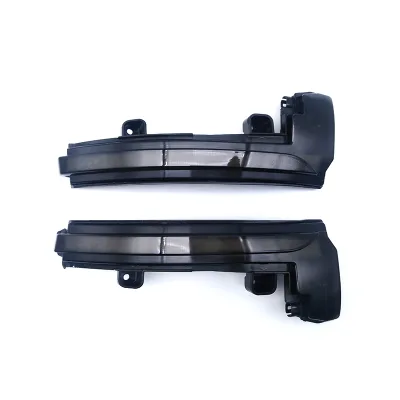
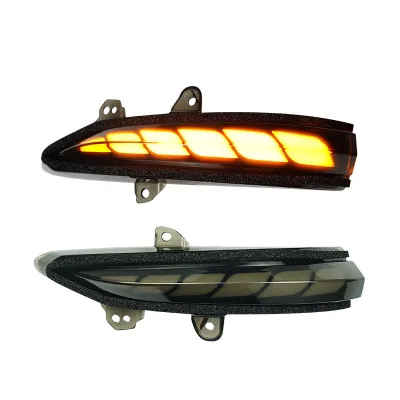
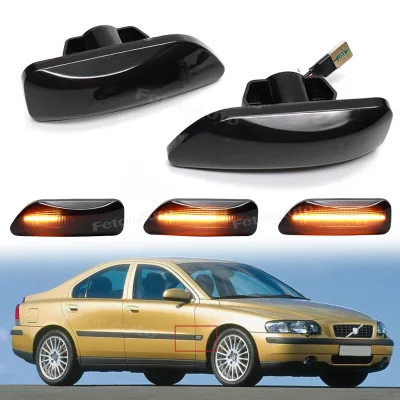
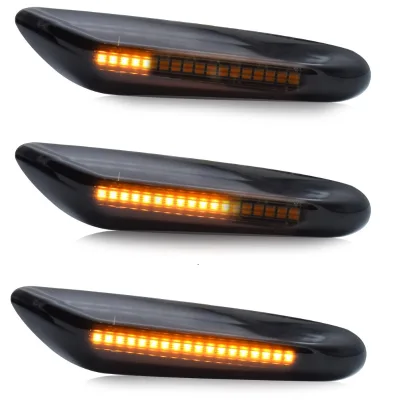
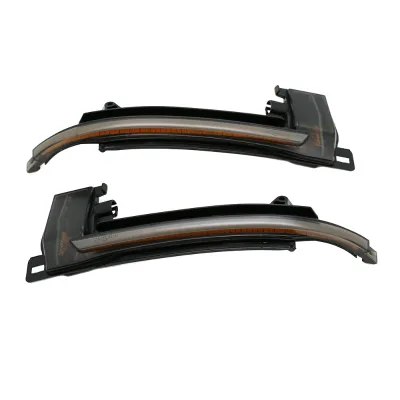
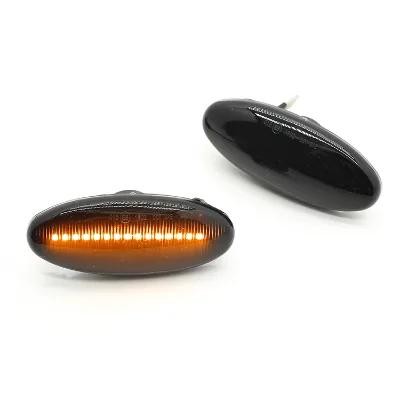
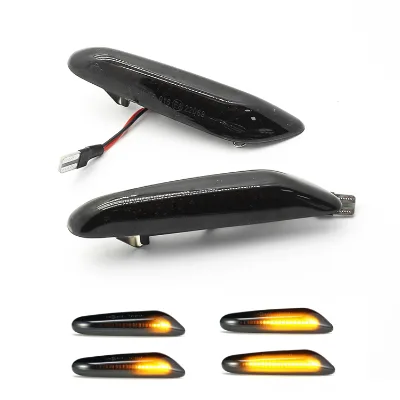
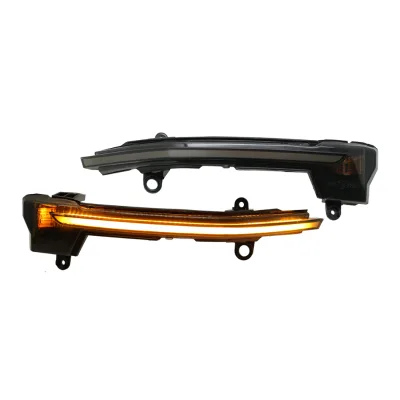
The available data indicates that manufacturers and trading companies for these lighting components are concentrated in specific Chinese provinces, with Guangdong emerging as a primary hub for automotive lighting production. Factories in this region often list main products including car headlights, working lights, and high-power assemblies, suggesting a mature ecosystem for LED automotive lighting. Some suppliers in this cluster operate as manufacturers, while others function as trading companies or distributors, offering a mix of direct factory output and curated product lines. This concentration allows buyers to access a wide range of specifications, from standard amber turn signals to complex sequential dynamic side markers designed for specific vehicle models like the MINI R50 or 124 Spider.
Beyond the primary Guangdong cluster, other regions such as Anhui, Liaoning, and Zhejiang also host suppliers capable of producing semi smoked sequential turn lights, though their focus may vary. Suppliers in Anhui often specialize in heavy truck parts and construction machinery, while those in Liaoning may focus on electric delivery vehicles and broader auto lighting systems. In Zhejiang, companies frequently combine trading activities with manufacturing capabilities, offering products like LED trail tail lights and combination rear lamps. Buyers should verify the specific factory type for each supplier, as a trading company might source from a different manufacturer than the one listed in their profile. Understanding whether a supplier is a direct manufacturer or a middleman is critical for negotiating prices and ensuring quality control on custom sequential lighting units.
How to Verify Semi Smoked Sequential Turn Light Suppliers
Verification of supplier credibility relies heavily on checking third-party audit reports and system certifications rather than relying solely on self-reported claims. Several suppliers in the current results display verification badges from recognized agencies such as SGS, TÜV Rheinland, and BV, which provide an external layer of trust regarding their business operations. Additionally, system certifications like ISO9001:2015 and ISO 9000 indicate that the supplier has established quality management processes, which is essential for consistent production of automotive lighting components. Buyers should request copies of these certificates and confirm their validity dates, as a certification from a different year or a different scope may not apply to the specific lighting products being sourced.
Response time and lead time data also serve as practical indicators of a supplier's operational reliability and customer service capacity. The observed response times vary significantly, with some suppliers replying within three hours while others take nearly twenty hours, which can impact the speed of negotiation and order processing. Lead times for production range from seven days to thirty-eight days, depending on the supplier's location and current capacity. A supplier with a short lead time of seven days may be better suited for urgent orders, whereas a longer lead time of thirty-eight days might indicate a more complex manufacturing process or a need for custom tooling. Buyers must cross-reference these metrics with the supplier's stated capacity for OEM and ODM services to ensure they can meet specific project timelines without compromising on the quality of the sequential turn signal lights.
What to Compare Across Semi Smoked Sequential Turn Light Suppliers
When evaluating potential partners, buyers must compare technical specifications and pricing structures to ensure the product meets vehicle compatibility requirements. The product evidence shows a wide variance in voltage ratings, with some units designed for 12V systems and others for 24V heavy-duty applications. Key attributes such as lens material, housing composition, and waterproof ratings like IP67 are critical differentiators that affect durability and performance in various weather conditions. Pricing also fluctuates based on these specifications, with some side marker lights ranging from approximately $3.42 to $5.14 per unit, while more complex rear combination lamps may cost between $4.00 and $12.00. Buyers should create a comparison matrix that includes voltage, lifespan, and material composition to identify the most cost-effective option that still meets safety standards.
Minimum Order Quantities (MOQ) and warranty terms are equally important factors that influence the total cost of ownership and inventory risk. The data reveals MOQs ranging from 50 units for certain truck tail lights to 500 or 510 units for specific engineering vehicle markers, which can significantly impact cash flow for smaller buyers. Warranty periods, such as the one-year coverage noted for some products, provide a safety net against early failures, but the terms must be clearly defined in the contract. Additionally, the selling units and packaging details, such as single item packaging versus carton packing, affect shipping costs and handling efficiency. Buyers should negotiate MOQ flexibility based on their order volume and ensure that the warranty covers defects in the sequential lighting function, not just general electrical failures.
Common Semi Smoked Sequential Turn Light Sourcing Risks
One significant risk in sourcing these components is the potential mismatch between the product's stated specifications and its actual performance in the target vehicle. The product evidence lists various OE numbers and compatibility claims, such as fitment for MINI R50 or 124 Spider models, but these claims require physical verification before mass production. If a supplier provides a generic part that does not align perfectly with the vehicle's wiring harness or mounting points, it can lead to installation failures and customer returns. Buyers must insist on receiving physical samples that match the exact voltage and connector types required for their specific fleet or market to avoid compatibility issues that are difficult to resolve after shipment.
Another critical risk involves the variability in lead times and the potential for production delays due to supply chain disruptions. While some suppliers advertise a seven-day lead time, others may require up to thirty-eight days, and these estimates can change based on raw material availability or factory capacity. If a buyer places a large order without confirming the current production schedule, they may face delays that disrupt their own sales cycles or vehicle assembly lines. Furthermore, the lack of standardized testing results for specific lighting functions, such as the sequential flow rate or brightness consistency, means that buyers must conduct their own quality checks upon receipt. Relying solely on the supplier's internal quality assurance without independent verification can result in receiving substandard lighting units that fail to meet regulatory requirements.
Semi Smoked Sequential Turn Light Regional Sourcing and Logistics
Geographic location plays a pivotal role in determining shipping costs and delivery speed for automotive lighting components. Suppliers located in Guangdong, China, often benefit from proximity to major ports, which can streamline the export process for international buyers. However, suppliers in other regions like Anhui, Liaoning, or Zhejiang may have different logistical advantages depending on the buyer's destination and the specific mode of transport required. Buyers should calculate the total landed cost, including freight, insurance, and customs duties, rather than focusing solely on the unit price, as regional differences in logistics infrastructure can significantly impact the final cost. Understanding the origin of the product is also essential for compliance with local import regulations and safety standards in the destination market.
Logistics planning must also account for the packaging specifications provided by the supplier, which directly affect shipping efficiency and product safety. The product evidence indicates that items are often packed in cartons with specific dimensions, such as 12.5x15x5 cm for single packages, and gross weights around 0.4 kg. These details are crucial for calculating container load capacity and optimizing freight costs. Buyers should verify if the packaging is robust enough to protect the LED components during transit, especially for fragile parts like smoked lenses or sequential light modules. Additionally, the supplier's ability to provide standard export packaging or custom labeling can influence the ease of distribution once the goods arrive at the buyer's warehouse, ensuring that the supply chain remains efficient from the factory floor to the final customer.
Semi Smoked Sequential Turn Light Commercial Terms and Order Planning
Commercial terms regarding payment, customization, and intellectual property must be clearly defined to protect both parties throughout the transaction. Many suppliers offer customization services, allowing buyers to request specific voltage ratings, lens colors, or housing materials to match their brand requirements. However, the availability of these services varies, and buyers should confirm the lead time implications of custom orders, as ODM and OEM capabilities may extend the production schedule beyond standard lead times. It is also vital to establish clear terms for intellectual property rights, ensuring that any custom designs or branding applied to the sequential turn lights are protected and that the supplier does not sell identical products to competitors.
Order planning should incorporate a buffer for potential delays and a strategy for managing inventory levels based on the supplier's response time and lead time. Given the observed response times ranging from three to twenty hours, buyers should initiate communication early to secure production slots and avoid bottlenecks. For large orders, splitting the shipment into multiple batches can mitigate the risk of total loss due to quality issues or shipping delays. Buyers should also consider the warranty terms and after-sales support, ensuring that the supplier is responsive to any defects or failures that occur after the initial delivery. By carefully planning the order timeline and commercial terms, buyers can minimize risks and ensure a smooth procurement process for their Semi Smoked Sequential Turn Light needs.
FAQs
What is the price range for semi smoked sequential turn lights?
Prices for these lights typically range from $3.42 to $12.00 per unit depending on the specific model and supplier. For example, side marker lights for MINI vehicles start around $3.42, while universal rear tail lights can cost up to $12.00. Buyers should check individual product listings for exact pricing tiers based on order quantity.
What is the minimum order quantity for these lights?
Minimum order quantities vary significantly by supplier and product type. Some suppliers require a minimum of 50 units for truck tail lights, while others may require 500 or 510 units for specific engineering vehicle lights. Buyers must verify the specific MOQ for their chosen model, as it directly impacts the total initial investment and inventory planning.
How long does production and delivery take?
Lead times generally range from 7 to 38 days depending on the supplier's location and capacity. Suppliers in Guangdong often report faster turnaround times of around 7 days, whereas those in Zhejiang or Anhui may require 30 to 38 days. Response times also vary, with some suppliers replying within 3 hours and others taking nearly 20 hours.
Are these lights suitable for 24V truck systems?
Yes, many suppliers offer models specifically designed for 24V systems, particularly for heavy trucks and engineering vehicles. These lights often feature LED technology with long lifespans exceeding 30,000 hours. Buyers should confirm the voltage rating on the product specifications to ensure compatibility with their specific vehicle electrical systems before placing an order.
What certifications do these suppliers hold?
Suppliers offering these lights often hold ISO9001:2015 or ISO 9000 certifications, indicating adherence to quality management standards. Additionally, many suppliers are verified by third-party inspection agencies such as SGS, TÜV Rheinland, or BV. Buyers should request these certificates to ensure the manufacturer meets international quality and safety requirements for automotive lighting components.