Short Sharp Blade Utility Knife Suppliers and Manufacturers
Source 16 verified suppliers for Short Sharp Blade Utility Knife products. Compare key dimensions including location, lead time, MOQ, and certifications to find the right partner. Review product specifications and request quotes directly; review the available evidence before requesting comparable quotations from suitable candidates.
Suppliers List

Anhui Ucut Precision Machinery Co., Ltd.
- Verified by TUVRHEINLAND
- Combined
- China Anhui
- Lead time23 days
- Avg. response≤ 11h
Main productsCarbide Blades, Carbide Tipped Blade, Tct Planer Blades, Log Saw Blades, Circular Knives, Slitting Knives, Straight Knives, Pelletizing Knives, Granulator Blades, Cardboard Cutting Blade
Main marketsDomestic

Jiangsu Goldmoon Industry Co., Ltd.
- Verified by SGS
- Combined
- China Jiangsu
- Lead time15 days
- Avg. response≤ 3h
Main productsDrill Bit, Hole Saw, Saw Blade, Router Bit, Taps & Dies, End Mill, Grinding Tool, Work Gloves, Safety Helmet & Safety Shoes, Artificial Flowers
Main marketsEurope

Wenzhou Meters Int'l Trade Co., Ltd.
- Trading Company,Manufacturer/Factory
- China Zhejiang
- Lead time23 days
- Avg. response≤ 18h
Main productsHose Clamp, Utility Knife, Safety Products, Cutting Tools, Strike Tools, Fastening Tools, Safety Helmet, Hammer, Warming Tape, Plastic Injection
Main marketsSouth America,Eastern Europe,Mid East,North America,Southeast Asia,Eastern Asia,Oceania,Western Europe,Africa

Hipex Industrial Products Co., Ltd. Hunan
- Trading Company
- China Hunan
- Lead time23 days
- Avg. response≤ 25h
Main productsTools, Hand Tools, Architectural Hardware & Tools, Hardware & Tools, Decorating Tools
Main marketsSouth America,Others(foreignTradeCapacity.exportBusinessCapacityMarketOther),Europe


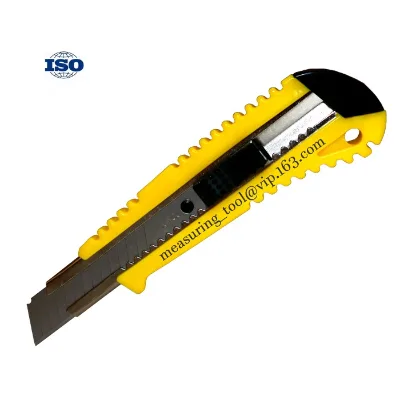
Utility Knife with Sharp Snap off Cutter Blade Folding Knife Safety Knife
Contact supplier
MOQ: 1000 Pieces

Contact supplier
MOQ: 2000 Pieces

High Quality Utility Knife/ Cutters/Plastic Cutters Art Knife, with Spare Blade
Contact supplier
MOQ: 1200 Pieces

Contact supplier
MOQ: 1200 Pieces

Plenty Harvest Manufacturing Limited
- Manufacturer/Factory
- China Guangdong
- Lead time45 days
- Avg. response≤ 10h
Main productsMulti Tool, Pocket Knife LED, Wine Corkscrew Opener, Multi Function Pliers, Multi Function Knife
Main marketsNorth America,Oceania,Western Europe


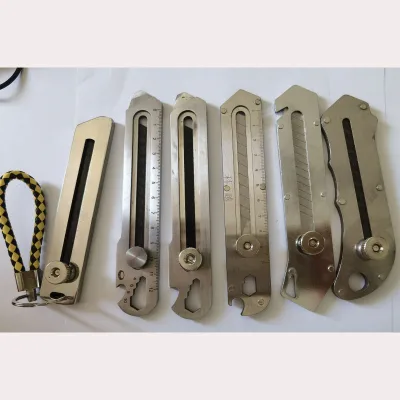
Changeable Blade Knife, Folding Pocket Utility Knives Hand Tool (#3366A)
$2.00 - $8.00
MOQ: 600 Pieces


Ningbo Rainma Stationery Co., Limited.
- Verified by TUVRHEINLAND
- Trading Company,Manufacturer/Factory,Other
- China Zhejiang
- Lead time23 days
- Avg. response≤ 9h
Main productsPaper Notebook and Note Pad, School Stationery, Art Pigments, Ball Pen, Paint Canvas and Canvas Board, Office Stationery, Promotion Gift Stationery, Eraser and Ruler, Marker & Highlighter, Cutter Knife
Main marketsSouth America,Eastern Europe,Mid East,North America,Southeast Asia,Eastern Asia,Oceania,Western Europe,Africa


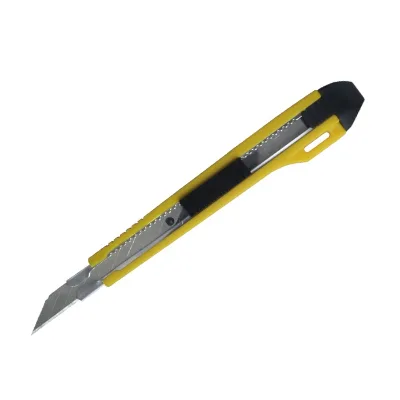
Portable 9mm Cheap Plastic Cutter Utility Knife with Retractable Knives
$0.09 - $0.11
MOQ: 5000 Pieces


Multi-Functional Short Blade Heavy Duty Utility Knife with Full Zinc Alloy Shell
$0.50 - $0.58
MOQ: 5000 Pieces
CHINA RAILWAY MATERIAL TRADE GROUP SHANGHAI CO., LTD.
- Verified by BV
- Trading Company
- China Shanghai
- Lead time15 days
- Avg. response≤ 7h
Main productsDuctile Iron Pipe, Pipes, Electric Water Pump, Cable Wire, Hardware Tools, Container, Scaffolding System, Steel
Main marketsSouth America,Africa,Southeast Asia/ Mideast,Domestic
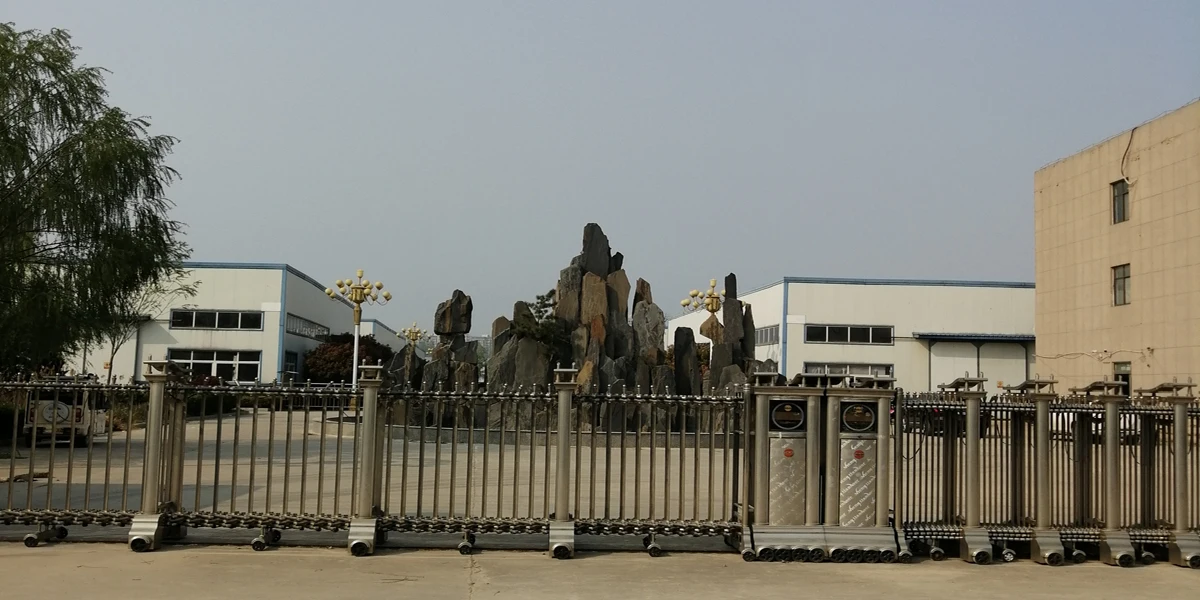
Shangqiu Fengli Measuring Tools Co., Ltd.
- Manufacturer
- Henan, China
- Lead time30 days
- Avg. response≤ 5h
Main productsMeasuring tool,utility knife,blades
Main marketsMid East(30.0%), Central America(20.0%), South Asia(20.0%), Southeast Asia(20.0%), North America(10.0%)

Yangjiang C&B Consumer Product Limited
- Verified by CTI
- Trading Company
- China Guangdong
- Lead time15 days
- Avg. response≤ 5h
Main productsBarbecue Tongs, Grilling Brushes, Outdoor Shovel, Grilling Tools, Kitchen Ware, Outdoor Products, Pizza Tools, Knife Set
Main marketsSouth America,Africa,Southeast Asia/ Mideast,Europe,Australia,North America

Soft Handle Survival Tactical Knife Fixed Blade Outdoor Hunting Utility Knife
$1.42 - $2.99
MOQ: 600 Sets

4" Folding Survival Camp Combat Pocket Knife
Contact supplier

Shanghai Ostar Tools Int'l Co., Ltd.
- Trading Company,Manufacturer/Factory
- China Shanghai
- Lead time45 days
- Avg. response≤ 15h
Main productsOscillating Multi Tool Blades, Hole Saws, Jigsaw Blade, Reciprocating Saw Blade, Tct Saw Blade, Diamond Saw Blade, SDS Drill Bits, HSS Drill Bits, Cutting Disc, Cutting Tools
Main marketsSouth America,Eastern Europe,North America,Western Europe

Wenzhou Joint Swords Co., Ltd.
- Combined
- China Zhejiang
- Lead time30 days
- Avg. response≤ 23h
Main productsSwords, Katana, Samurai Swords, Movie Swords, Shields, Axe, Medieval Helmets, Tanto, Lord of Ring, Key Ring
Main marketsDomestic


Outdoor Fixed Blade Hunting Knives Survival Knifetactical Hunting Knifecombat Knife
Contact supplier
MOQ: 120 Pieces


Maanshan Songlin Doctor Blade & Saw Manufacture Co., Ltd.
- Verified by SGS
- Combined
- China Jiangsu
- Lead time23 days
- Avg. response≤ 14h
Main productsCircular Blade, Cutting Kinfe, Log Saw Blade, Paper Converting Machine, Slitting Knife, Knife Grinding Machine, Slitting Kinfe, Knife for Tissue Machine, Knife for Packing Machine, Creping Doctor
Main marketsAfrica,Domestic,North America

- Combined
- China Zhejiang
- Lead time30 days
- Avg. response≤ 10h
Main productsButcher Knife, Meat Grinder Knife, Commercial Kitchen Knives, Slaughtering Knives, Butchery Supply Knives Tools, Meat Mincer Knives Blades
Main marketsSouth America,Africa,Southeast Asia/ Mideast,East Asia(Japan/ South Korea),Domestic,Europe,Australia,North America

Nanjing Hangjin Machinery Equipment Co., Ltd.
- Verified by CTI
- Trading Company
- China Jiangsu
- Lead time30 days
- Avg. response≤ 7h
Main productsBlade, Knife, Machine Cutter, Rubber Blade, Machine Knife, Circle Blade, Cutting Tools Knife, Cutting Tools Blade, Processing Knives, Cutting Blade
Main marketsSouth America,Southeast Asia/ Mideast,Europe

Hangzhou Accurate International Co., Ltd.
- Trading Company,Manufacturer/Factory
- China Zhejiang
- Lead time23 days
- Avg. response≤ 3h
Main productsCold Saw Blades, HSS Saw Blades, PCD Saw Blades, Diamond Cutting Discs, Tct Circular Saw Blades, Industrial Machine Blades, Band Saw Blade, Grinding Machines
Main marketsSouth America,Eastern Europe,Mid East,North America,Southeast Asia,Eastern Asia,Oceania,Western Europe,Africa
Yueqing Hongqiao showhigh cutlery Factory
- Verified by SGS
- Trading Company
- China Zhejiang
- Lead time15 days
- Avg. response≤ 14h
Main productsMovie Swords, Fantasy Swords, Larp Toy Swords, Cane Swords, Handmade Katana, Daggers Fantasy Knife, Hunting Knife, Medieval Shields, Daggers
Main marketsSoutheast Asia/ Mideast,Europe,North America




Comprehensive Sourcing Guide
Short Sharp Blade Utility Knife Supplier Concentration and Factory Types
The current supplier landscape for short sharp blade utility knives shows a concentration of manufacturing and trading entities primarily within China, specifically in the provinces of Anhui, Jiangsu, and Zhejiang. Factories in Anhui often focus on carbide-tipped blades and industrial cutting tools, while Jiangsu and Zhejiang locations frequently list utility knives alongside safety products and general hardware. These regions host a mix of combined company types that function as both manufacturers and trading companies, offering a blend of direct production capabilities and broader product sourcing. Buyers should verify the specific factory location against the main product list to ensure the supplier has the actual capacity for the specific blade geometry required, as some entities may list utility knives as a minor category while specializing in heavy industrial saw blades or drill bits.
When assessing factory types, it is critical to distinguish between pure manufacturers and trading companies, as this impacts lead times and customization flexibility. The available data indicates that some suppliers possess ODM and OEM capacities, suggesting they can modify blade hardness, surface finishing, or packaging to specific client needs. However, other entities may operate primarily as trading companies with limited in-house production, relying on external partners for fulfillment. Buyers must confirm whether the supplier claims to be a manufacturer or a trading partner by checking their company type designation and verifying their stated production capacity. This distinction is vital for short sharp blade utility knives, where precise tolerances and material quality are essential for performance, and direct factory engagement often ensures better quality control over the sharpening process and blade coating applications.
How to Verify Short Sharp Blade Utility Knife Suppliers
Verification of suppliers for short sharp blade utility knives requires a rigorous check of third-party audit reports and certification status. Several suppliers in the current results hold verification from recognized bodies such as TÜV Rheinland and SGS, which provides a baseline of confidence regarding their business legitimacy and operational standards. Additionally, system certifications like ISO 9001 are present for some entities, indicating a commitment to quality management systems that should cover the production of cutting tools. Buyers should not assume all listed suppliers possess these credentials; instead, they must explicitly request the latest audit certificates and cross-reference the certification scope to ensure it covers the specific manufacturing processes for utility knife blades, including heat treatment and sharpening.
Beyond external audits, buyers must validate the supplier's response time and historical performance metrics to gauge reliability. The data shows response times varying significantly, with some suppliers responding within hours while others take nearly a day or more. A fast response time often correlates with a more active sales team and better communication channels, which is crucial when resolving issues related to blade sharpness or custom specifications. Furthermore, buyers should verify the supplier's establishment year and track record, as newer entities may lack the deep experience required for consistent blade quality. It is essential to ask for references or past project examples specifically involving utility knives to confirm that the supplier has a proven history of delivering the exact product type needed, rather than just general hardware items.
What to Compare Across Short Sharp Blade Utility Knife Suppliers
When comparing suppliers, the primary dimensions to evaluate include lead time, minimum order quantity (MOQ), and price ranges, as these factors directly impact procurement planning and cost efficiency. Lead times in the current dataset range from approximately 15 to 23 days, indicating that production schedules vary significantly between factories. Buyers should compare these timelines against their own inventory needs, noting that suppliers with shorter lead times may offer faster turnaround for urgent orders but might have higher base costs. Similarly, MOQs can differ widely, with some suppliers requiring orders as low as one unit for samples, while others mandate bulk purchases of 1,000 to 3,000 units. Understanding these thresholds is essential for determining whether a supplier can accommodate small trial runs or if they are strictly geared toward large-scale industrial distribution.
Price and product specifications are equally critical comparison points, as the cost per unit often reflects the quality of materials and manufacturing precision. The observed price ranges for utility knife blades span from under one dollar to over one hundred dollars, depending on the material, such as stainless steel or ceramic, and the complexity of the design. Buyers must compare the hardness ratings, such as HRC 50-55 for steel or HRC 87-92 for ceramic, to ensure the product meets the intended application requirements. Additionally, surface finishing options like tin, titanium, or titanium nitride coatings should be compared, as these affect durability and corrosion resistance. By systematically comparing these technical attributes alongside commercial terms, buyers can identify suppliers that offer the best balance of cost, quality, and delivery speed for their specific Short Sharp Blade Utility Knife needs.
Common Short Sharp Blade Utility Knife Sourcing Risks
One significant risk in sourcing short sharp blade utility knives is the inconsistency in product specifications and material quality across different suppliers. While some suppliers list precise hardness values and tolerances, others may provide vague descriptions or generic standards that do not guarantee the sharpness or durability required for industrial or professional use. Buyers face the risk of receiving blades that dull quickly or fail to meet safety standards if they do not rigorously verify the material composition and manufacturing processes. This is particularly relevant for ceramic blades, which require specific hardness levels to maintain their edge, or steel blades that need precise heat treatment to achieve the desired balance of flexibility and strength. Without clear, verified specifications, the final product may not perform as expected, leading to operational inefficiencies or safety hazards.
Another major risk involves the reliability of the supply chain and the potential for delays in delivery or communication breakdowns. Suppliers with longer response times or those located in regions with less established logistics infrastructure may struggle to meet tight deadlines, especially during peak seasons. The variation in lead times observed in the data highlights the importance of confirming production capacity and scheduling well in advance. Additionally, there is a risk associated with customization requests; if a supplier claims to offer custom designs but lacks the necessary R&D capacity or equipment, the final product may deviate from the requested specifications. Buyers must mitigate these risks by establishing clear communication protocols, setting realistic expectations for lead times, and ensuring that all customization requirements are documented and agreed upon before production begins.
Short Sharp Blade Utility Knife Regional Sourcing and Logistics
Sourcing short sharp blade utility knives from China offers access to a robust manufacturing ecosystem, but buyers must navigate regional logistics carefully to ensure timely delivery. The primary manufacturing clusters identified are in Anhui, Jiangsu, and Zhejiang, each offering distinct advantages based on their industrial focus. Anhui suppliers often specialize in carbide and industrial cutting tools, while Jiangsu and Zhejiang locations provide a broader range of utility knives and safety products. Buyers should consider the proximity of these factories to major ports, as this can significantly impact shipping costs and transit times. For instance, suppliers in Zhejiang and Jiangsu may have easier access to Shanghai and Ningbo ports, facilitating faster export logistics compared to inland locations in Anhui.
Logistics planning also involves understanding the packaging and handling requirements for sharp blades, which can affect shipping costs and safety. The data indicates that some suppliers use wooden boxes for packaging, while others utilize blister cards or custom packaging as per customer requirements. Buyers must verify that the packaging is robust enough to prevent damage during transit and complies with international shipping regulations for sharp objects. Additionally, buyers should assess the supplier's experience with international shipping, including their ability to handle customs documentation and provide accurate shipping estimates. By selecting suppliers with established logistics networks and clear packaging standards, buyers can minimize the risk of delays or damage and ensure that the short sharp blade utility knives arrive in optimal condition.
Short Sharp Blade Utility Knife Commercial Terms and Order Planning
Commercial terms for short sharp blade utility knives vary significantly based on the supplier's capacity and the buyer's order volume. Buyers should carefully review the payment terms, delivery schedules, and warranty policies to ensure they align with their procurement strategy. Some suppliers offer flexible payment options, while others may require full payment upfront or a significant deposit before production begins. It is crucial to negotiate terms that protect the buyer's interests, such as escrow services or milestone-based payments, especially for large orders or custom projects. Additionally, buyers should clarify the supplier's policy on sample orders, as some may provide samples for free while others charge a fee that is deductible from the final order.
Order planning for short sharp blade utility knives requires a strategic approach to managing inventory and production cycles. Buyers must account for the lead times observed in the data, which range from 15 to 23 days, and plan their orders accordingly to avoid stockouts. For custom orders, additional time may be required for design approval and prototyping, so early engagement with the supplier is essential. Buyers should also consider the MOQ requirements, as ordering below the minimum may result in higher unit costs or refusal of the order. By developing a comprehensive order plan that includes buffer stock for lead time variations and clear communication channels with the supplier, buyers can ensure a smooth procurement process and maintain a steady supply of high-quality short sharp blade utility knives.
FAQs
What certifications do the utility knife blades have?
Many utility knife blades carry CE, RoHS, and ISO9001 certifications. Some products also meet specific standard requirements. Buyers should verify the exact certification list for each item before ordering to ensure compliance with local regulations and safety standards.
What is the typical lead time for these blades?
Lead times vary by supplier but can range from 15 to 23 days. Some manufacturers offer faster response times while others require longer production periods. Buyers should confirm the specific delivery schedule with the supplier before finalizing the purchase order.
Are custom sizes available for utility knife blades?
Customization is available for many utility knife blade models. Suppliers can often produce blades with specific dimensions or surface finishes like tin or titanium coating. Buyers should provide detailed specifications to ensure the custom product meets their exact operational needs.
What is the minimum order quantity for these blades?
Minimum order quantities vary significantly, ranging from 1 piece to 3000 pieces depending on the product type. Some standard utility blades have low MOQs while specialized industrial blades may require larger bulk orders. Buyers should check the specific MOQ for each item.
Where are these utility knife blades manufactured?
These blades are manufactured in China, specifically in provinces like Anhui, Jiangsu, and Zhejiang. Different suppliers operate in these regions with varying capabilities. Buyers should verify the specific origin of the product to ensure it meets their sourcing location preferences.
What materials are used for the blade construction?
Blades are constructed from materials like stainless steel, ceramic, and carbide. Ceramic blades offer high hardness up to HRC92 while steel blades provide durability. The choice depends on the specific application requirements such as cutting precision or resistance to wear and tear.
Do suppliers offer sample availability for testing?
Samples are available for many utility knife blade products. Buyers can request samples to test quality before placing bulk orders. This helps verify the blade sharpness, material quality, and overall performance to ensure it meets the specific industrial or commercial usage requirements.