Sewing Clips Suppliers and Manufacturers in China
Source 28 verified Sewing Clips suppliers from Zhejiang and Hebei. Compare response times, lead times, MOQs, and certifications like CCC and CE. Contact suppliers directly to negotiate pricing and customization options for your specific needs; review the available evidence before requesting comparable quotations from suitable candidates.
Suppliers List

Ningbo Liberty Port Textile Co., Ltd.
- Combined
- China Zhejiang
- Lead time15 days
- Avg. response≤ 19h
Main productsSnap Button, Snap Fastener Set, Sewing Notions, Rotary Cutter, Cutting Mat, DIY Crafts, Storage Series, Knitting Needles, Crochet Hook, Zipper
Main marketsSouth America,Southeast Asia/ Mideast,East Asia(Japan/ South Korea),Europe,North America
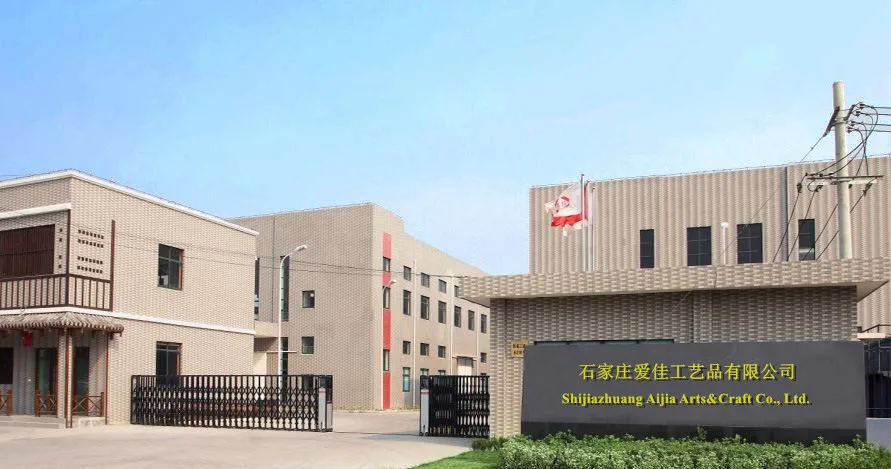
Shijiazhuang Aijia Crafts Co., Ltd.
- Trading Company
- Hebei, China
- Lead time10 days
- Avg. response≤ 1h
Main productsEmbroidery Kit,Punch needle kit,Latch hook kits,Crochet kit,Woven Bag Kit
Main marketsNorth America(20.00%), Oceania(20.00%), South America(15.00%), Eastern Europe(10.00%), Africa(5.00%), Northern Europe(5.00%), Western Europe(5.00%), Eastern Asia(5.00%), Mid East(5.00%), Southern Europe(5.00%), Domestic Market(5.00%)

- Manufacturer, Trading Company
- Zhejiang, China
- Lead time30 days
- Avg. response≤ 4h
Main productsParty items,Festival Products,DIY crafts,paper&Metal crafts,Customized products
Main marketsNorth America(25.00%), Western Europe(15.00%), Eastern Europe(15.00%), Northern Europe(15.00%), Southern Europe(10.00%), Southeast Asia(8.00%), South America(7.00%), Africa(5.00%)
Chaozhou Bailiful Trading Company Limited
- Trading Company
- Guangdong, China
- Lead time15 days
- Avg. response≤ 4h
Main productsLeather tools,hand tools,hardware tools,Crafts
Main marketsEastern Europe(20.00%), South America(20.00%), North America(20.00%), Central America(10.00%), Africa(10.00%), Southeast Asia(10.00%), South Asia(5.00%), Mid East(5.00%)
Dongguan Humen Aiteyuan Plastic & Hardware Products Factory
- Manufacturer
- Guangdong, China
- Lead time3 days
- Avg. response≤ 3h
Main productsPlastic Buckle; Plastic Clip; Plastic Toy Parts; Metal Parts
Main marketsDomestic Market(41.00%), North America(25.00%), Eastern Asia(10.00%), Western Europe(4.00%), Oceania(3.00%), Africa(3.00%), Eastern Europe(3.00%), South America(2.00%), Central America(2.00%), Mid East(2.00%), Southeast Asia(2.00%), South Asia(1.00%), Southern Europe(1.00%), Northern Europe(1.00%)
Ningbo New Swell Import&Export Co., Ltd.
- Verified by Intertek
- Trading Company
- Lead time7 days
- Avg. response≤ 3h
Main productsLace Trim, Ribbon, Sewing Accessories, Sewing Thread, Zipper
Main marketsMid East(50%), South America(20%), Southeast Asia(20%)
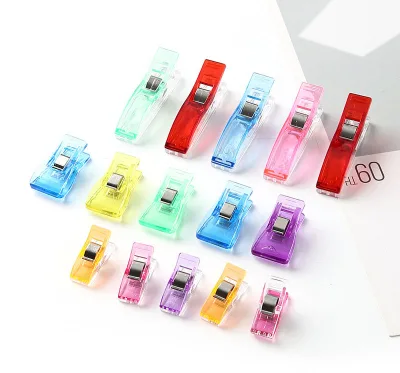
$0.02 - $0.08
MOQ: 1000 pieces
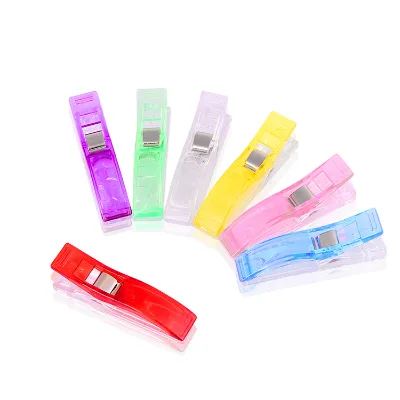
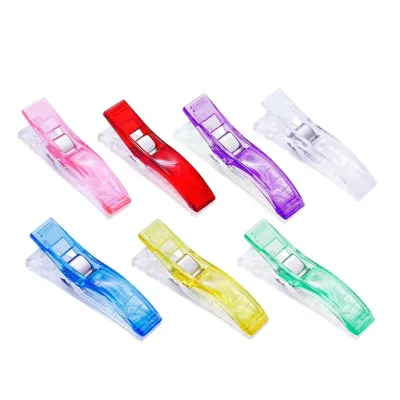
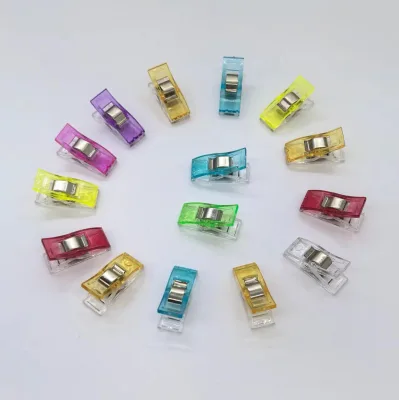
Assorted Colors Plastic Clips for Patchwork Sewing DIY Crafts Clips With Long Mouth Clip
$0.03 - $0.05
MOQ: 1 pieces
Suzhou Toryin Trading Co., Ltd.
- Trading Company
- Jiangsu, China
- Lead time30 days
- Avg. response≤ 4h
Main productsHand Tools,Car Tools,Outdoor Tools,Garden Tools,Kitchen Tools
Main marketsSouth America(21.00%), North America(18.00%), Western Europe(8.00%), Eastern Europe(8.00%), Southern Europe(7.00%), Domestic Market(7.00%), Central America(5.00%), Southeast Asia(5.00%), Northern Europe(5.00%), Africa(5.00%), South Asia(3.00%), Eastern Asia(3.00%), Mid East(3.00%), Oceania(2.00%)
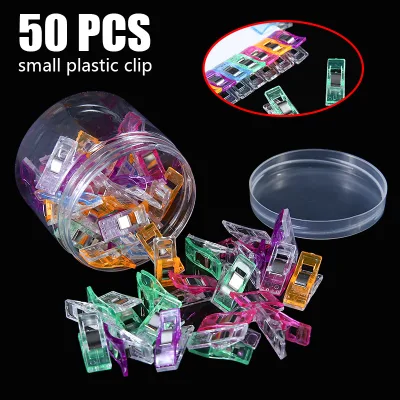
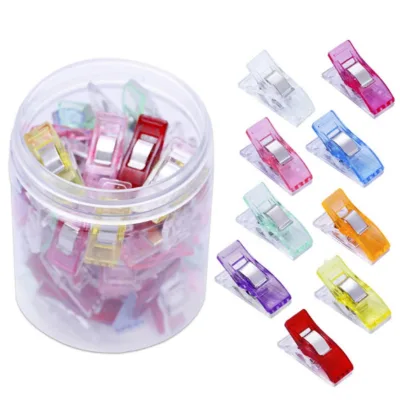
Sewing Positioning Clips, axe Clips, Fabric Clips, Plastic Edge Clips, Small Plastic Clips
$2.58 - $8.28
MOQ: 100 Minimum

Ningbo Inunion Import and Export Co., Ltd.
- Verified by SGS
- Trading Company
- China Zhejiang
- Lead time30 days
- Avg. response≤ 4h
Main productsBag Chain, Buckle, Hooks, Ring, Key Chain, Tags, Carabiner, Bag Lock, Puller
Main marketsSoutheast Asia/ Mideast,East Asia(Japan/ South Korea),Europe,Australia,North America


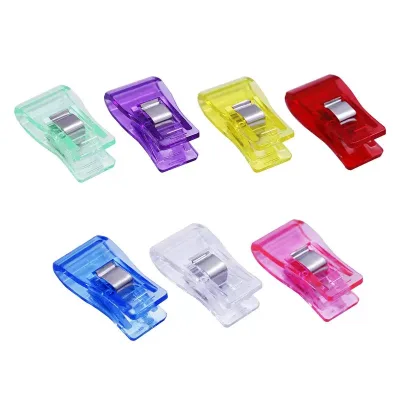
Premium Quilting Clips Assorted Colors Fabric Clips for Sewing Supplies
$0.03 - $0.04
MOQ: 5000 Pieces

High Quality Quilting Clips Assorted Colors Fabric Clips for Sewing Supplies
$0.04 - $0.04
MOQ: 5000 Pieces

Small Size Japanese Assorted Colors Multipurpose Plastic Sewing Clips for Office
$0.04 - $0.04
MOQ: 5000 Pieces

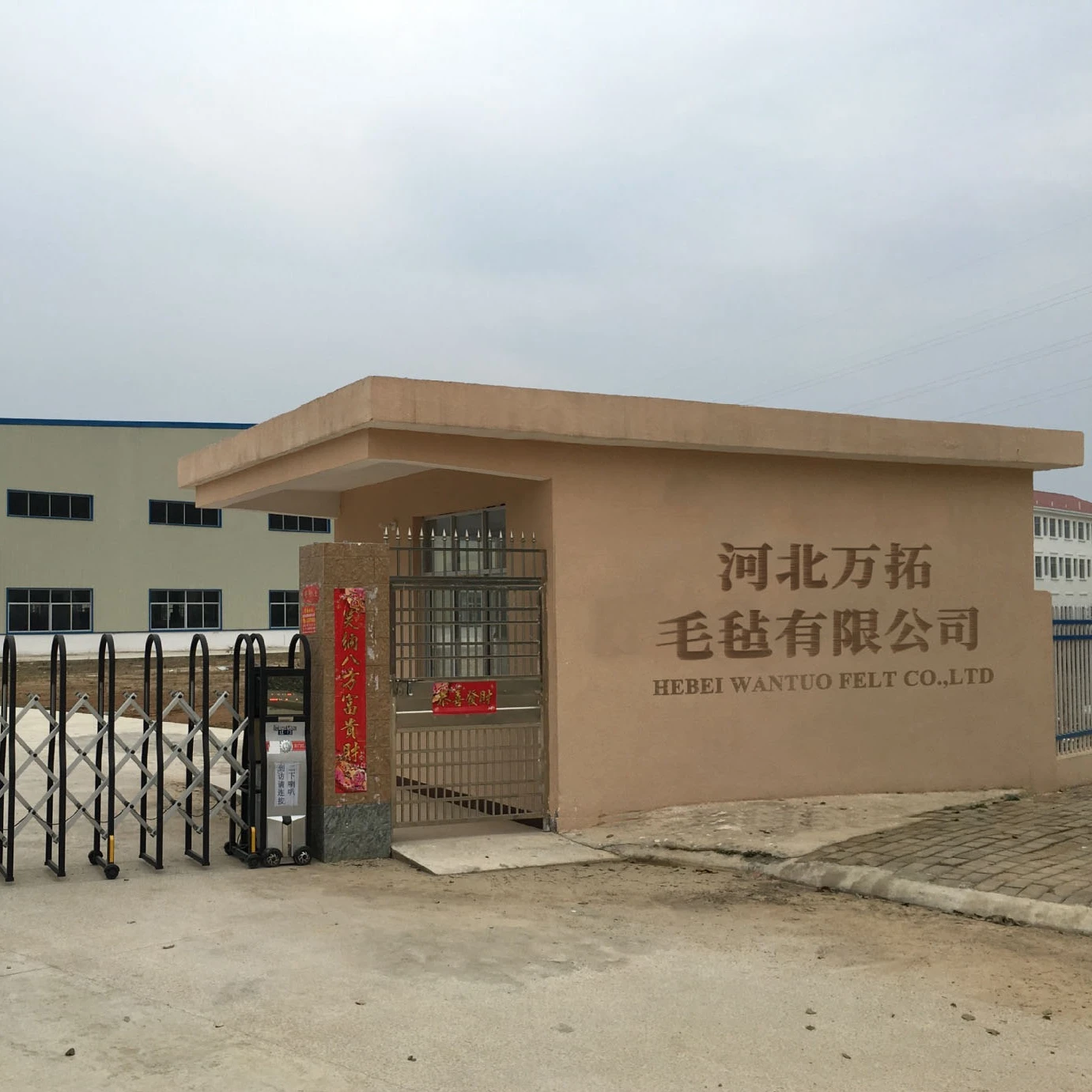
Hebei Wantuo Commerce Trade Co., Ltd.
- Trading Company
- Hebei, China
- Lead time0 days
- Avg. response≤ 1h
Main productsFelt products,Storage Organizer,Festive decoration,Party Decoration,Promotional Gifts
Main marketsNorth America(25.00%), Western Europe(15.00%), Domestic Market(10.00%), Eastern Europe(7.00%), Northern Europe(6.00%), Oceania(6.00%), South Asia(6.00%), Mid East(5.00%), Central America(5.00%), South America(5.00%), Southern Europe(5.00%), Southeast Asia(2.00%), Eastern Asia(2.00%), Africa(1.00%)
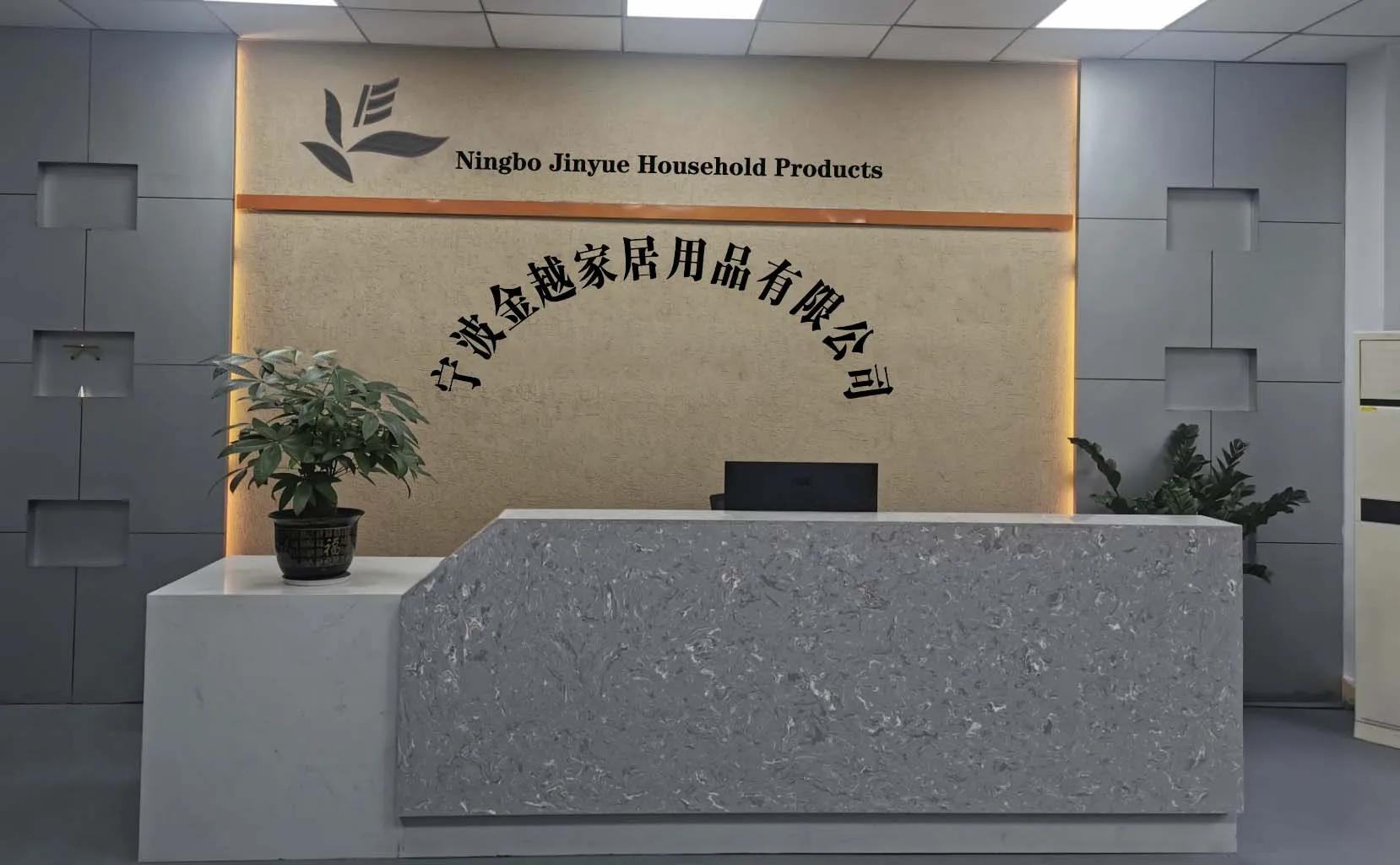
- Trading Company
- Zhejiang, China
- Lead time15 days
- Avg. response≤ 3h
Main productsSewing notions,Needlework,cross stitch accessory,Knitting tools,embroidery scissors
Main marketsNorth America(60.00%), Northern Europe(15.00%), Eastern Europe(10.00%), Oceania(10.00%), Western Europe(5.00%)

Lanxi Sange Industry Co., Ltd.
- Verified by TUVRHEINLAND
- Trading Company
- China Zhejiang
- Lead time15 days
- Avg. response≤ 19h
Main productsLace, Lace Fabric, Cotton Lace, Chemical Lace, Fringe Tassel, Tassel Fringe, Garment Accessories, Chainette Fringe, Embroidery Lace, Crochet Lace
Main marketsSouth America,Africa,Others(foreignTradeCapacity.exportBusinessCapacityMarketOther),Southeast Asia/ Mideast,Europe,North America


High Quality Plastic Transparent Assorted Color Plastic Clips Sewing Wonder Clip
$0.03 - $0.10
MOQ: 10 Pieces

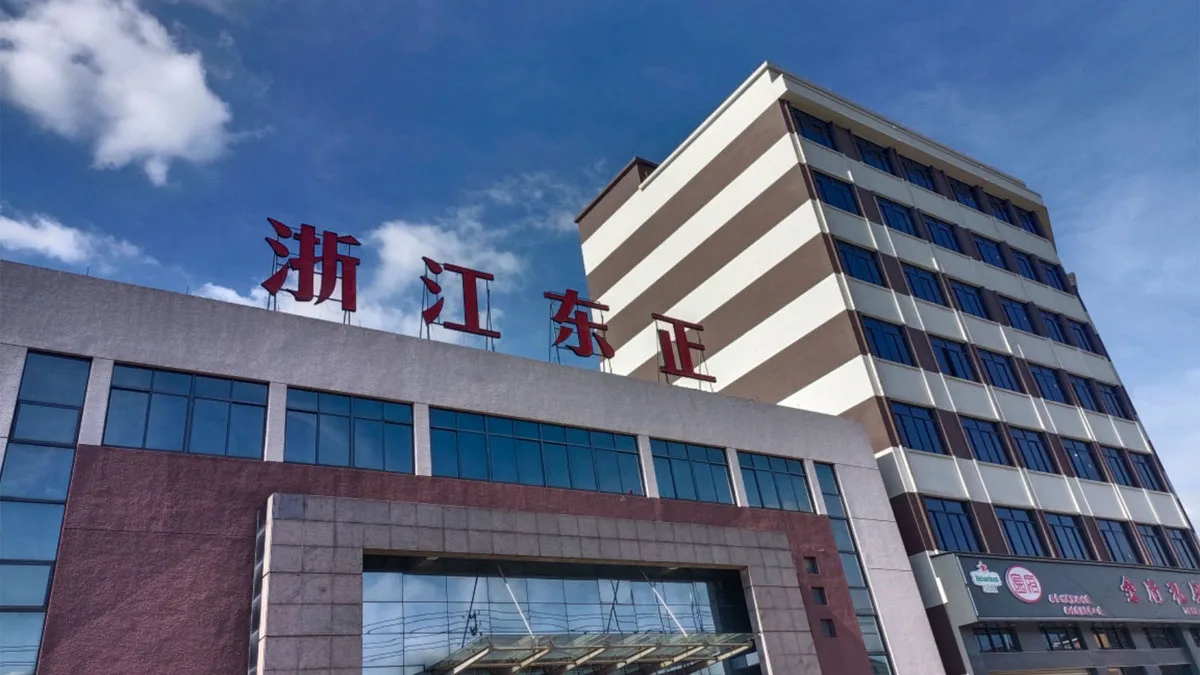
Jinhua Jinxiang Trading Co., Ltd.
- Trading Company
- Zhejiang, China
- Lead time15 days
- Avg. response≤ 2h
Main productsHome Handmade Sewing Accessories
Main marketsNorth America(35.00%), Southeast Asia(15.00%), Domestic Market(10.00%), Western Europe(10.00%), South America(10.00%), Eastern Europe(10.00%), Southern Europe(5.00%), South Asia(5.00%)
Shenzhen Hui Shi Da Technology Co., Ltd.
- Manufacturer, Trading Company, Agent
- Guangdong, China
- Lead time0 days
- Avg. response≤ 2h
Main productsComputer accessories,LED Series,Consumer Electronics,Auto and motorcycle parts,Cars motorcycles
Main marketsEastern Europe(22.10%), North America(20.50%), Western Europe(15.60%), South Asia(12.30%), South America(10.40%), Africa(9.50%), Northern Europe(8.60%), Southern Europe(1.00%)

Yuyao Xianghao Mold Technology Company Limited
- Verified by BV
- Trading Company
- China Zhejiang
- Lead time30 days
- Avg. response≤ 9h
Main productsInjection Mold, Plastic Mold, Injection Molding, Rapid Prototyping, 3D Pritting, Manhole Cover Mold, Silicone Rubber Mould, Wire Rack, Car Air Compressor, LED Light
Main marketsNorth America
Wuxi Zhongyin Textile Tech. Co., Ltd.
- Trading Company
- China Jiangsu
- Lead time45 days
- Avg. response≤ 9h
Main productsWarping Machine, Warp Knitting Machine, Warping Machinery Spare Parts, Spare Parts of Warp Knitting Machine, Other Textile Machinery Spare Parts, Second-Hand Textile Machinery
Main marketsSouth America,Africa,Others(foreignTradeCapacity.exportBusinessCapacityMarketOther),Europe,North America

Wuyi Lanmeng E-Commerce Co., Ltd.
- Trading Company
- Zhejiang, China
- Lead time20 days
- Avg. response≤ 4h
Main productsEAS TAGS,EAS SYSTEMS,PAPER CLIPS,PLASTICE PRODUCTS,STATIONERY
Main marketsWestern Europe(20.00%), Southern Europe(15.00%), Northern Europe(10.00%), Eastern Europe(10.00%), South Asia(8.00%), Southeast Asia(6.00%), North America(6.00%), Africa(5.00%), Oceania(5.00%), Mid East(5.00%), Domestic Market(5.00%), Central America(2.00%), Eastern Asia(2.00%), South America(1.00%)
Shenzhen Elitime Technology Co., Ltd.
- Manufacturer, Trading Company, Agent
- Guangdong, China
- Lead time15 days
- Avg. response≤ 5h
Main productsFalse eyelashes,Makeup Brushes,Earrings,nacklaces,rings
Main marketsNorth America(16.00%), Eastern Europe(15.00%), South America(12.00%), Southeast Asia(10.00%), Mid East(8.00%), Eastern Asia(8.00%), Africa(8.00%), Western Europe(5.00%), Southern Europe(5.00%), Oceania(4.00%), Central America(4.00%), South Asia(2.00%), Northern Europe(2.00%), Domestic Market(1.00%)
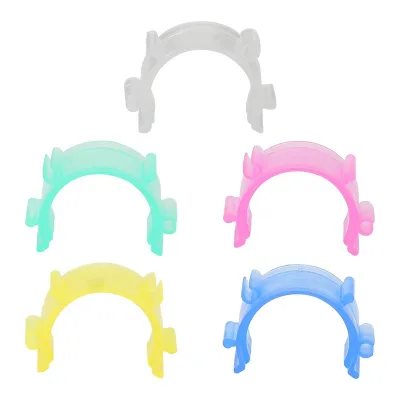
$0.01 - $0.02
MOQ: 100 pieces
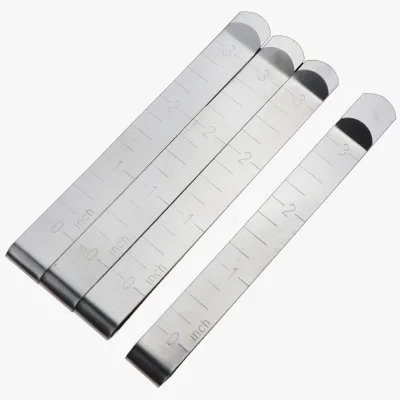
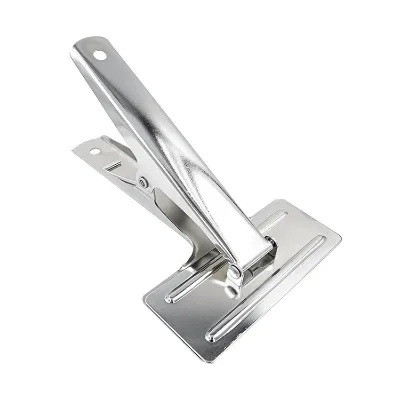
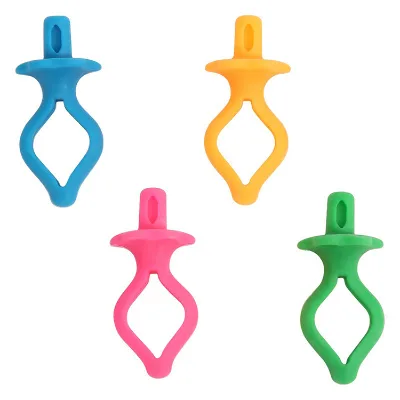
- Trading Company
- Zhejiang, China
- Lead time0 days
- Avg. response≤ 4h
Main productsSewing machine,Hook/Shuttle hook,Embroidery machine,Presser foot/ Folder,Needle plate
Main marketsEastern Asia(40.00%), South America(20.00%), Southeast Asia(20.00%), South Asia(20.00%)

Ningbo DH Textile Industry&Trade Co., Ltd.
- Verified by TUVRHEINLAND
- Trading Company
- China Zhejiang
- Lead time15 days
- Avg. response≤ 16h
Main productsLace, Interlining, Embroidery Thread, Poplin, Hook and Loop, Satin Ribbon, Sewing Thread, Button, Zipper, Lace Fabric
Main marketsAfrica,Southeast Asia/ Mideast,North America

Quanzhou Hongkuo Luggage Co., Ltd.
- Verified by SGS
- Trading Company
- China Fujian
- Lead time15 days
- Avg. response≤ 2h
Main productsPlastic Buckles, Zipper Slider, Webbing Straps, Zipper Puller, Bag Accessories
Main marketsDomestic

Quick Side Release Buckles Clips Snaps Dual Adjustable No Sewing Heavy Duty Plastic
$0.20 - $0.50
MOQ: 100 pieces

$0.10 - $0.20
MOQ: 100 Pieces

Ningbo Yinzhou Xindew Textile Co., Ltd.
- Trading Company
- China Zhejiang
- Lead time15 days
- Avg. response≤ 13h
Main productsKnitting Needles, Knitting Looms, Knitting Crochet Hook Set, Acrylic Yarn, Elastic Tape, Zipper, Thread, Hook and Loop, Baby Blankets, Baby Bibs
Main marketsSouth America,Africa,Southeast Asia/ Mideast,East Asia(Japan/ South Korea),Domestic,Europe,Australia,North America


MOQ: 1000 Pieces

MOQ: 1000 Pieces

MOQ: 1000 Pieces

MOQ: 1000 Pieces
Hangzhou Fuyang Baka Plastic Packaging Factory
- Verified by SGS Group
- Manufacturer, Trading Company
- Lead time30 days
- Avg. response≤ 10h
Main productsLip Gloss Tube, Ps Cream Jar, Brush Bottle, Plastic Spatula, Glass Cream Jar
Main marketsDomestic Market(50%), North America(15%), Western Europe(7%)

Ningbo Sinobest Textile Company Limited
- Trading Company
- China Zhejiang
- Lead time30 days
- Avg. response≤ 4h
Main productsSewing Threads, Embroidery Threads, Garments Trimmings, Sewing Accessories, Embroidery Accessories, Tailor's Materials
Main marketsSouth America,Europe,North America
- Verified by BV
- Trading Company
- China Zhejiang
- Lead time30 days
- Avg. response≤ 10h
Main productsTextile, Zipper, Lace, Elastic, Ribbon, Thread, Tape, Fabric, Interlining, Button
Main marketsSouth America,Africa,Europe
Yiwu Lumiao Electronic Commerce Co., Ltd.
- Trading Company
- Zhejiang, China
- Lead time0 days
- Avg. response≤ 7h
Main productsYarn,Yarn winder,Crochet Hook,Safety Eyes,Flower Stem Sticks
Main marketsNorth America(32.00%), Southeast Asia(30.00%), Western Europe(10.00%), Northern Europe(5.00%), Eastern Europe(5.00%), Domestic Market(2.00%), Africa(2.00%), South America(2.00%), South Asia(2.00%), Southern Europe(2.00%), Central America(2.00%), Eastern Asia(2.00%), Mid East(2.00%), Oceania(2.00%)

Jinjiang Jiaxing Supply Management Co., Ltd.
- Verified by TUVRHEINLAND
- Trading Company
- China Fujian
- Lead time30 days
- Avg. response≤ 1h
Main productsEVA Clogs, Flip Flop, Shoe Charms, Shopping Bags, Wristbands, Gifts, Promotional Gifts, Slipper, Sport Cap, Ball
Main marketsNorth America
Shenzhen Jiawo Industrial Co., Ltd.
- Manufacturer, Trading Company
- Guagndong, China
- Lead time0 days
- Avg. response≤ 6h
Main productsBag Part,Garment Accessories
Main marketsWestern Europe(40.00%), North America(40.00%)

- Trading Company,Manufacturer/Factory
- China Zhejiang
- Lead time30 days
- Avg. response≤ 7h
Main productsFabric, Trimming, Lace, Tape, Zipper, Sewing Thread, Button, Scissors, Garments Accessories, Sewing Machine Parts
Main marketsSouth America,Eastern Europe,Mid East,North America,Southeast Asia,Eastern Asia,Oceania,Western Europe,Africa


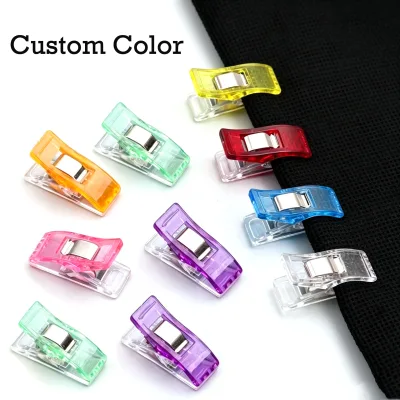
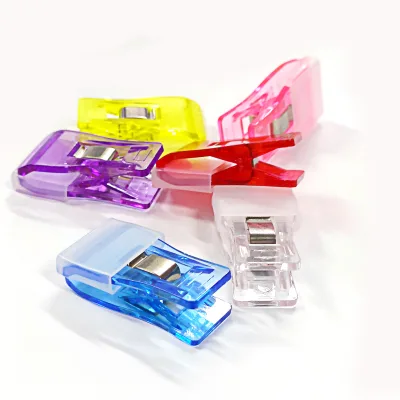
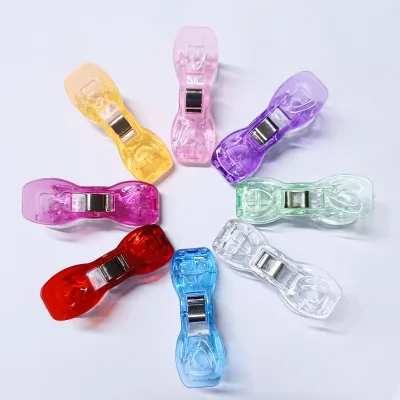











Comprehensive Sourcing Guide
Sewing Clips Supplier Concentration and Factory Types
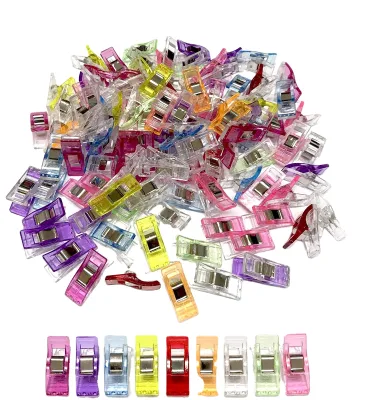
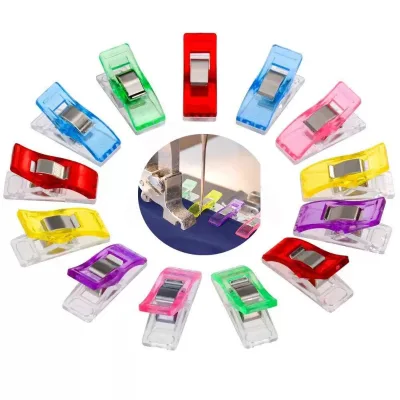
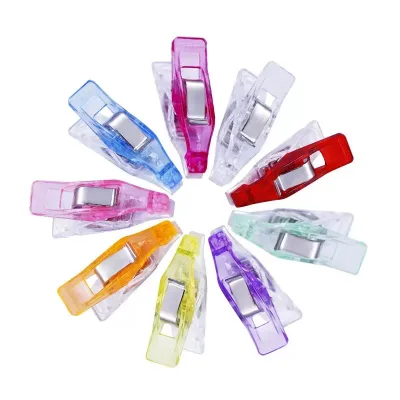
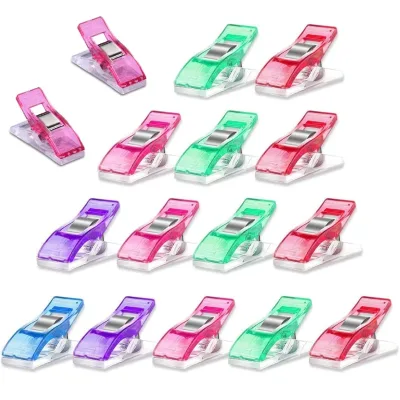
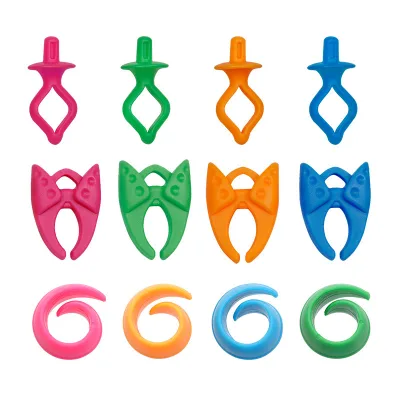
Sewing Clips are a low-unit-value needlework accessory, so supplier lists for this keyword tend to mix three very different business models: combined manufacturers that also sell adjacent notions such as snap fasteners, zippers, rotary cutters and crochet hooks; trading companies focused on embroidery, punch needle and crochet kits; and manufacturer-trading hybrids that list party and DIY craft items alongside customized clip orders. The product evidence on this page reflects that spread, with listings ranging from 40-piece boxed clip sets to bulk loose plastic fabric clips quoted per piece. Understanding which model you are dealing with matters because it determines who controls tooling, color matching and packaging decisions.
Geographic concentration is visible in the data: listings on this page come from suppliers based in Zhejiang and Hebei, two provinces with deep household-crafts and stationery manufacturing bases. Zhejiang-based combined suppliers in this result set advertise ODM and OEM capability on sewing-adjacent product lines, while the Hebei trading supplier concentrates on kits and clip sets with Sewing Clips among its core listings. Do not assume a supplier with clips in its catalog actually molds the clips itself; some resell from nearby factories. When location data is missing or generic, infer clusters by checking whether a supplier's product photos, mold numbers and packaging all point to one production base, and by asking directly which factory operations are in-house versus subcontracted before committing to tooling or custom colors.
How to Verify Sewing Clips Suppliers
Verification for Sewing Clips starts with the displayed business type. A listing marked "Combined" or "Manufacturer, Trading Company" suggests the supplier handles production or at least manages factories, while a pure "Trading Company" label means an intermediary stands between you and the mold. Neither is automatically wrong—traders can be faster for small mixed orders—but you should confirm which entity will appear on invoices, inspection reports and any certification documents. Some listings on this page show certifications such as CCC, CE, ISO and RoHS in product properties; treat these as claims to verify by requesting the actual certificate files and checking scope, expiry and whether the certificate belongs to the producing factory rather than the seller.
Product-level evidence is your second verification layer. The clip listings here include model numbers (for example SC-R-40, A200-3044, AJ-NB5656), material declared as plastic, packing details, and per-carton dimensions and weights. A supplier who can produce these details consistently is more likely to control its supply chain than one with sparse, template-filled attributes. Confirm the declared material grade, because "plastic" covers everything from brittle recycled resin to durable nylon-style compounds. Ask for physical samples before scaling: one listing here explicitly states samples are available, and others list customization as available with OEM/ODM negotiable. Test spring tension, jaw grip on layered fabric, and whether colored clips transfer dye. Finally, cross-check the supplier's main product lines—zippers, knitting needles, embroidery kits—because a coherent notion-focused catalog indicates category experience, while a scattered one suggests opportunistic listing.
What to Compare Across Sewing Clips Suppliers
Build a comparison sheet using the attributes actually displayed in search results, starting with response time, since quotes for low-value accessories move quickly. Response times on this page range from around one hour to more than eighteen, a meaningful difference when you are iterating on colors, pack counts and artwork. Lead time is the next column: observed values include 10 days, 15 days and 30 days, which materially affects your replenishment calendar for a product often bought on short cycles. Record MOQ against your channel plan—one listing shows a MOQ of 1 (likely a sample-oriented offer), while others show 100, 1000 and 2000 pieces, so confirm whether the low-MOQ entry carries a much higher unit price.
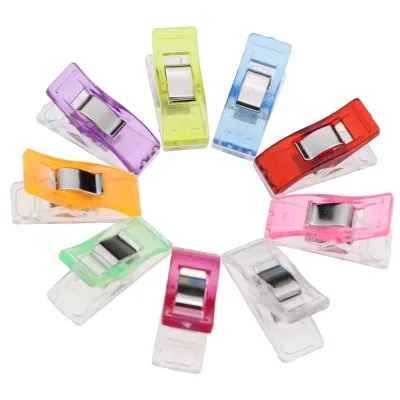
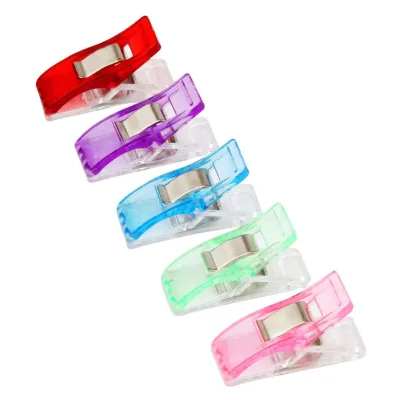
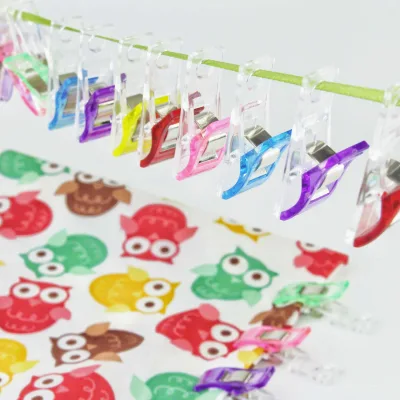
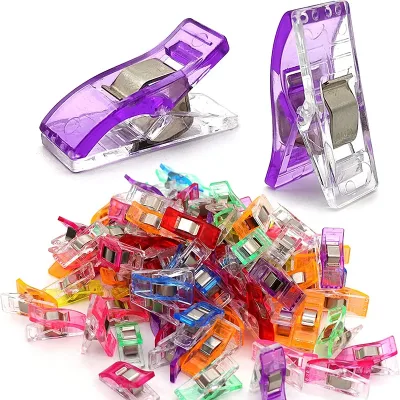
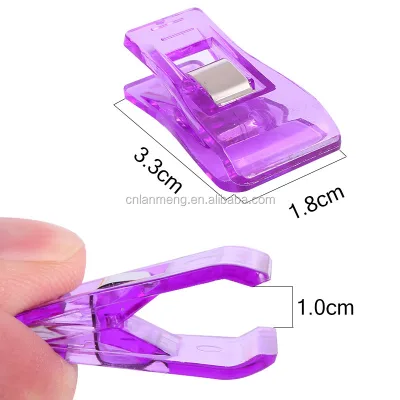
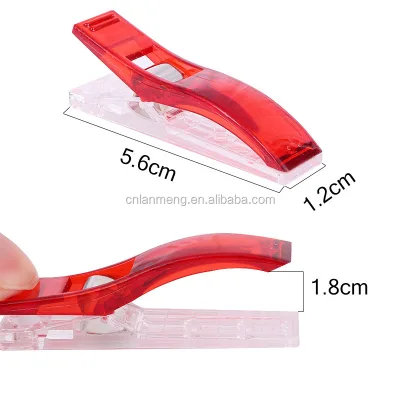
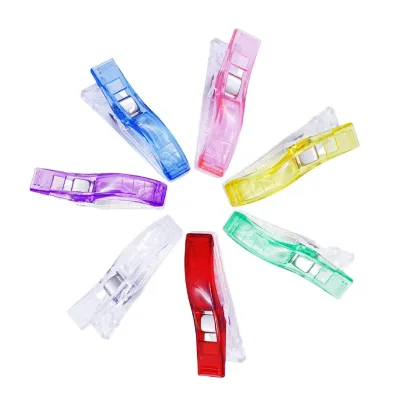
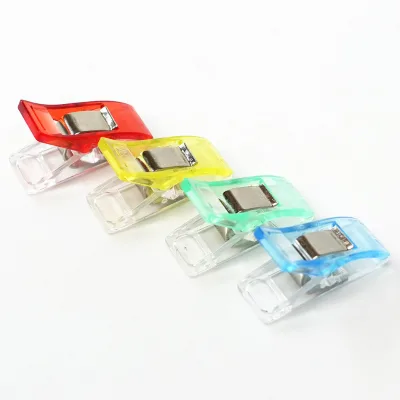
Compare product form next. Unit economics differ sharply between bulk loose clips (quoted around a few cents per piece in these listings) and packaged sets such as 40-clip boxed sets quoted near the dollar range, so normalize to cost-per-clip including packaging. Note clip size where given—the 56 mm wonder-clip style versus smaller generic clips—affects quilting and binding use cases. Also compare customization depth: some suppliers mark customization "Available" with OEM/ODM negotiable, while others offer only color choices. Check main product alignment, supplier type, and whether escrow or platform-backed transaction protection is displayed, since payment protection matters more on small accessory orders where margins cannot absorb disputes. Never assume an attribute exists if it is not displayed; ask the supplier to state it in writing.
Common Sewing Clips Sourcing Risks
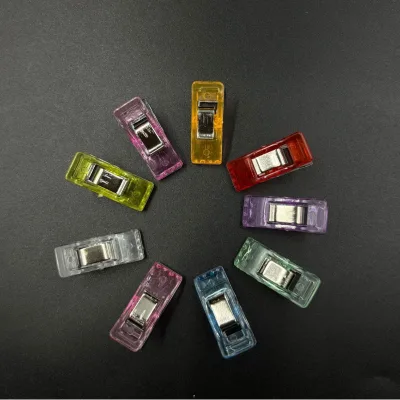
The most common risk in this category is resin quality drift. Because clips are quoted at cent-level unit prices, suppliers face constant pressure to lighten the mold or substitute cheaper plastic, which shows up as cracked jaws, weak springs, or clips that pop off layered quilting fabric. The listings here all declare plastic as the material, but none specifies the compound, so make resin grade, clip weight and opening force part of your approved sample and reference it in the purchase contract. Dye migration is the second risk: bright mixed-color clips can stain light fabrics under heat or humidity, so require a transfer test on white cotton before bulk release.
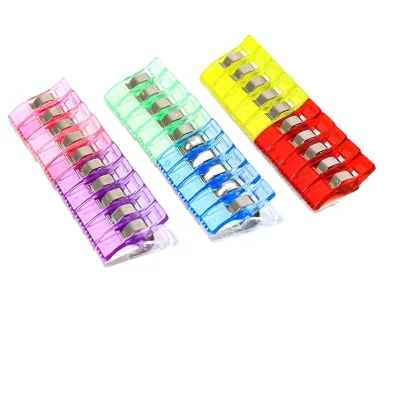
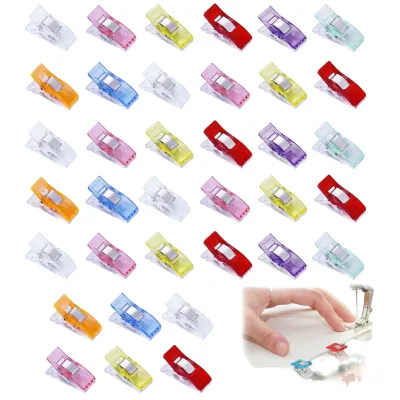
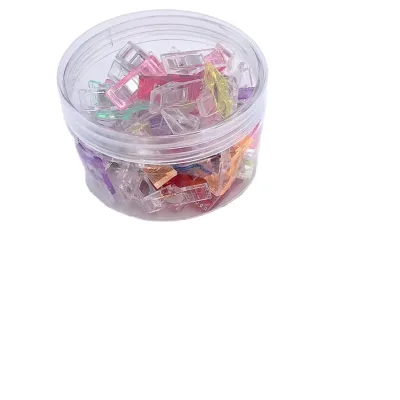
Count and packaging accuracy is a third risk specific to set-based SKUs like the 40-piece boxed sets shown here; miscounts and mixed pack ratios generate returns that erase the thin margins typical of notions. Also watch for attribute-page mismatch—some listings describe clips for hand sewing while similar models are marketed for school or office use, so confirm the intended application in writing. Lead-time optimism is a fourth risk: displayed lead times as short as 10 days usually assume in-stock standard colors, while custom colors or new molds reset the clock toward the 30-day end of the observed range. Finally, beware minimum-order bait where a very low MOQ conceals a per-unit price several times higher than bulk quotes; always price the same specification across MOQ tiers before judging suppliers.
Sewing Clips Regional Sourcing and Logistics
The visible sourcing base for this keyword on this page is China, with supplier locations in Zhejiang and Hebei provinces. These two regions serve different logistics profiles: Zhejiang sits near major eastern-coast export ports, which typically benefits sea-freight consolidation and mixed-container loads combining clips with other notions such as zippers, rotary cutters and knitting needles. Hebei-based suppliers, positioned around the northern industrial corridor, often serve buyers consolidating craft kits, embroidery sets and latch hook products, so clip orders can piggyback on kit shipments. When both province options are available, compare not just unit price but freight origin, since carton weight differences of a few grams per clip compound across pallets.
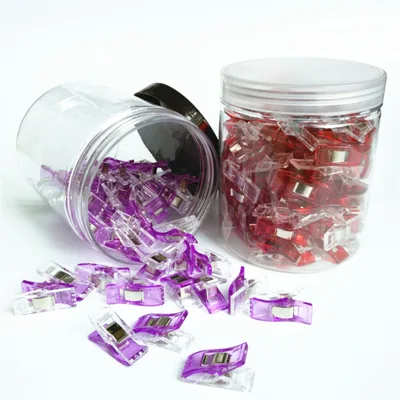
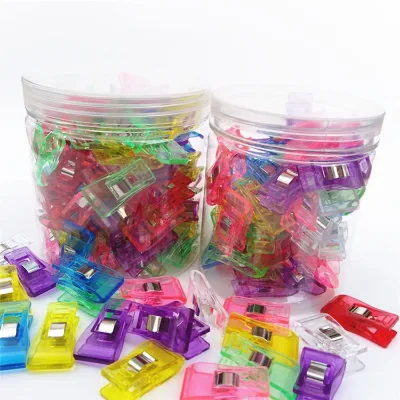
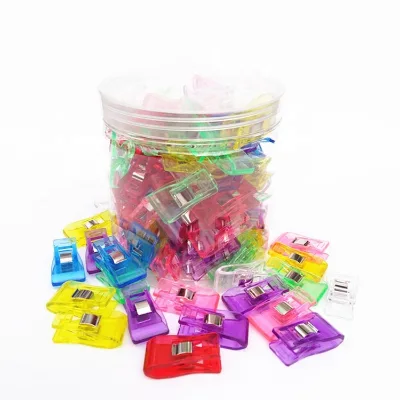
Packing specifications on this page give you concrete logistics inputs: one listing declares single gross weight of 0.08 kg with a 16 kg per carton and carton size 50×40×35 cm, another lists 0.2 kg gross weight, and set-based products specify 160 sets per box. Use these declared figures to compute loadability, but verify them on received samples, since undersized clips and loose-bagged assortments often pack differently than stated. Plan around the observed lead times of 10, 15 and 30 days plus freight transit, and note that Sewing Clips are non-hazardous, non-battery general cargo, so they move on any standard consolidation service. For urgent replenishment, ask whether suppliers in either region hold stock of standard colors—red, mixed and transparent colorways appear in these listings—before paying air-freight premiums.
Sewing Clips Commercial Terms and Order Planning
Commercial terms for Sewing Clips should be structured around the price-MOQ relationship visible in this result set: loose clips quoted between roughly 0.03 and 0.10 per piece with MOQs from 100 to 2000, and boxed sets near 0.99 to 1.50 at a MOQ of 1. Use these tiers as negotiation anchors, requesting a three-step price ladder—sample, trial order, and annual volume—so the trial quantity is affordable while the annual commitment unlocks the true target price. Confirm whether customization is "Available" and OEM/ODM "Negotiable" at each tier, because logo printing and custom colorways usually carry separate plate and setup costs that dominate the unit price at low volumes.
Order planning should respect the short lead times displayed here—10 to 30 days—by splitting purchases into a fast-turn base order in standard colors and a forecasted follow-on in custom colors. Secure payment protection where displayed, such as escrow or platform-backed assurance, and stage payments against inspection of first articles, since a clip order's value is small enough that full prepayment offers no negotiating leverage. Define the specification sheet precisely: model number (such as those shown in the listings), clip dimensions, plastic grade, color set, pack count and carton packing. Finally, verify that any displayed certifications cover your destination market before repeating orders, and build a small safety stock of best-selling colorways, because at cent-level prices the carrying cost of an extra carton is trivial compared to a stockout mid-season.
(Word count check: sections total approximately 1,390 words.)
FAQs
What is the price range for plastic Sewing Clips?
Plastic Sewing Clips typically cost between $0.03 and $1.50 per unit. The final price depends on the order quantity and specific product model. Bulk orders of 1,000 units or more often secure the lower end of this pricing spectrum for standard multi-color options.
What is the minimum order quantity for Sewing Clips?
The minimum order quantity varies by supplier and product type. Some suppliers accept orders as low as one piece for samples, while others require 100, 1,000, or 2,000 units. Buyers should check the specific MOQ listed for their desired clip model before placing an order.
How long does it take to receive Sewing Clips?
Lead times for Sewing Clips generally range from 10 to 30 days. Suppliers in Zhejiang and Hebei regions offer different production schedules. Faster turnaround times are often available for standard stock items, while custom orders may require additional time for manufacturing and quality checks.
Are Sewing Clips customizable for branding purposes?
Customization is available for many sewing clip products. Suppliers offer OEM and ODM services, allowing for specific material, color, or packaging adjustments. Buyers should confirm customization options and any associated costs directly with the supplier to ensure the final product meets their specific branding requirements.
What certifications do Sewing Clips have?
Some plastic Sewing Clips carry certifications such as CCC, CE, and ISO RoHS. These certifications indicate compliance with specific safety and environmental standards. Buyers requiring certified products should verify the specific documentation provided by the supplier for the exact model they intend to purchase.
Where are Sewing Clips manufactured?
Sewing Clips are primarily manufactured in China, with key production hubs in Zhejiang and Hebei provinces. These regions specialize in household supplies and sewing notions. Buyers can source products directly from these locations to benefit from established supply chains and competitive manufacturing capabilities.