Shockproof Portable Essential Oil Case Suppliers and Manufacturers
Explore 27 verified options for Shockproof Portable Essential Oil Case suppliers offering ISO 9001 certification and OEM customization. Compare response times, lead times, and MOQs to select a factory in Guangdong, China that meets your packaging needs; review the available evidence before requesting comparable quotations from suitable candidates.
Suppliers List
Dongguan Guicheng Bag Products Co., Ltd.
- Verified by SGS Group
- Manufacturer, Trading Company
- Lead time0 days
- Avg. response≤ 1h
Main productsEVA case, Hard case, Carrying case, Travel case, Tool case
Main marketsNorth America(40%), Western Europe(15%), Mid East(10%)
- Verified by TüVRheinland
- Manufacturer, Trading Company
- Lead time15 days
- Avg. response≤ 3h
Main productsEVA Hard Cases, Soft Bags, Leather Goods, EVA Case
Main marketsDomestic Market(25%), South America(20%), Central America(20%)
Dongguan North Stars Technology Co., LTD
- Verified by Intertek
- Manufacturer, Trading Company
- Lead time0 days
- Avg. response≤ 2h
Main productsEVA Case, ABS Case
Main marketsEastern Asia(40%), North America(35%), Western Europe(15%)
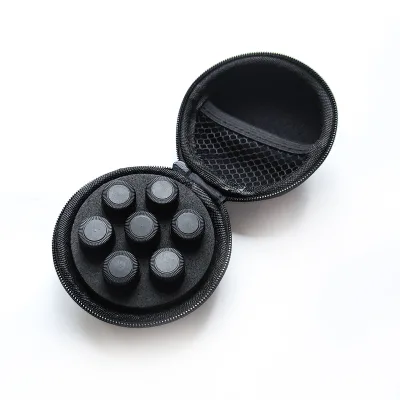
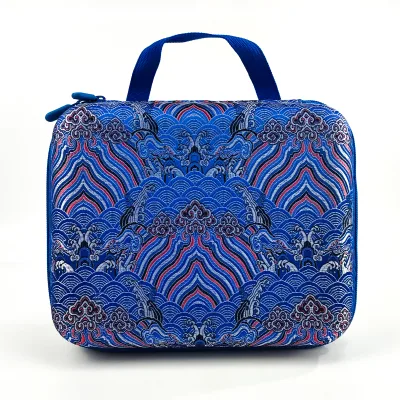
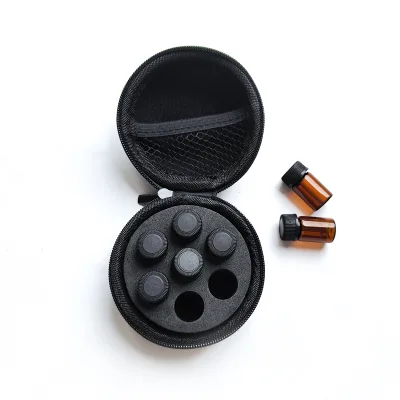
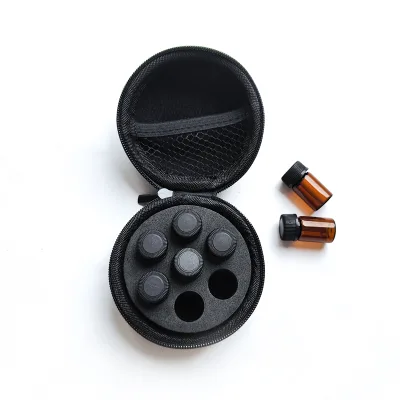
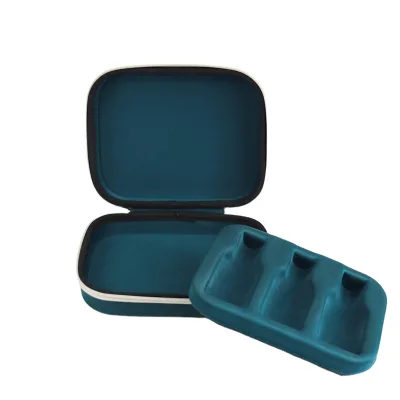
Custom Essential Oil Case Essential Oil Boxes Travel Eva Foam Case for Essential Oil
$2.01 - $2.66
MOQ: 500
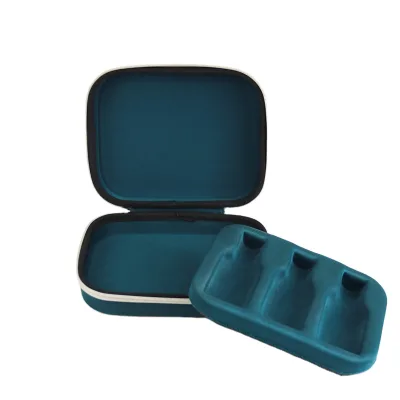
Custom Hardcover EVA Essential Oil Bag Case Shockproof Storage Bags Essential Oil Case
$3.07 - $3.33
MOQ: 300 pieces

Shanghai CangGu Plastic Technology Co., Ltd.
- Verified by TUVRHEINLAND
- Combined
- China Shanghai
- Lead time15 days
- Avg. response≤ 6h
Main productsRack Mount Case, Waterproof Case, Equipment Case, Rotational Box, Protective Case, Cooler Box, Hard Plastic Case
Main marketsSouth America,Others(foreignTradeCapacity.exportBusinessCapacityMarketOther),Southeast Asia/ Mideast,East Asia(Japan/ South Korea),Europe,North America
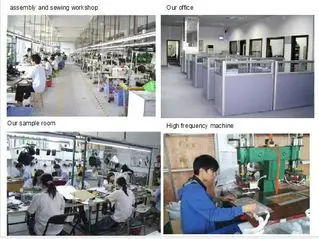
Shenzhen Casepert Leather Goods Co., Ltd.
- Manufacturer, Trading Company, Distributor/Wholesaler
- Guangdong, China
- Lead time20 days
- Avg. response≤ 4h
Main productsLaptop Bags,Cosmetic & Toiletry bags,Sports Bag,Phone Case,Wallets & Purse
Main marketsNorthern Europe(10.0%), Central America(10.0%), Western Europe(10.0%), Eastern Europe(10.0%), South America(10.0%), North America(10.0%), Domestic Market(5.0%), South Asia(5.0%), Southern Europe(5.0%), Oceania(5.0%), Africa(5.0%), Southeast Asia(5.0%), Eastern Asia(5.0%), Mid East(5.0%)
- Verified by Intertek
- Manufacturer, Trading Company
- Lead time30 days
- Avg. response≤ 2h
Main productsEVA Packaging Cases, EVA Mats
Main marketsEastern Europe(25%), North America(20%), Central America(15%)
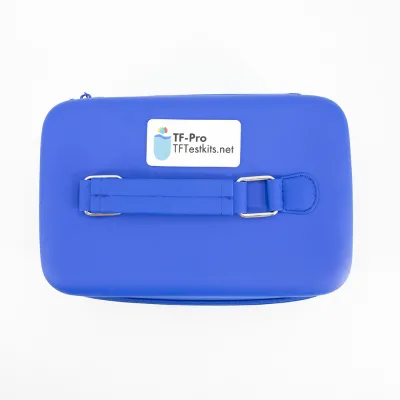
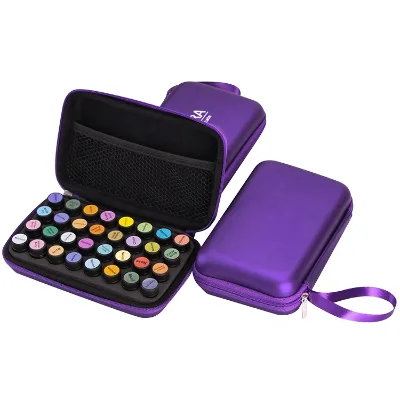
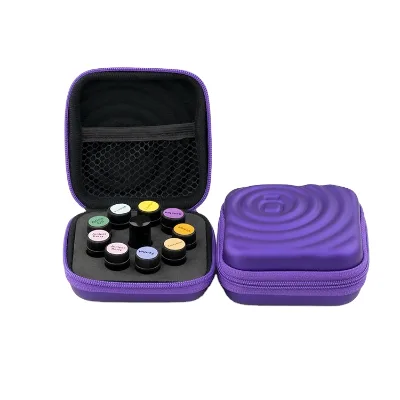
Portable Large Capacity Essential Oil Zip case Travel Pack Eva Hard Essential Oil Carrying case
$3.50 - $4.00
MOQ: 50 bags

Tian Yi Technology (Shen Zhen) Company Limited
- Verified by SGS
- Trading Company,Manufacturer/Factory
- China Guangdong
- Lead time15 days
- Avg. response≤ 15h
Main productsCeramic Carbon Smoking Filters, Glass Filtertip, Ceramic Tips, Ceramic Screen, Wood Tips, Paper Filter Tips, Paper Flavor Bead Tips, Cones Filter Tips, Tobacco Pipes Smoking Filter, Tobacco Pipe
Main marketsSouth America,Eastern Europe,Mid East,North America,Southeast Asia,Eastern Asia,Oceania,Western Europe,Africa

E Liquid Bottle Silicone Rubber Case Holder Cover 15ml Essential Oil Silicone Case
$0.50 - $0.70
MOQ: 500 Pieces

Essential Oil Dropper Bottle Carrying Case - 15ml Silicone Protective Sleeve
$0.50 - $0.70
MOQ: 500 Pieces
Ningbo Hongnian Packaging Co., Ltd.
- Trading Company
- Zhejiang, China
- Lead time0 days
- Avg. response≤ 2h
Main productsTool Case,Storage Case,Medical Case,Custom EVA Case,Carry Case
Main marketsCentral America(30.0%), South America(23.0%), North America(19.0%), Eastern Europe(10.0%), Northern Europe(9.0%), Southern Europe(6.0%), Western Europe(3.0%)

Dongguan Prosperity Sports Goods Co., Ltd.
- Verified by SGS
- Trading Company,Manufacturer/Factory
- China Guangdong
- Lead time23 days
- Avg. response≤ 3h
Main productsEVA Case, EVA Tool Bag, EVA Pouch, Neoprene Can Cooler, Knee Support, Laptop Bag, Neoprene Lunch Bag, Neoprene Beer Cooler, Ankle Support, Waterproof Dry Bag
Main marketsSouth America,Eastern Europe,Mid East,North America,Southeast Asia,Eastern Asia,Oceania,Western Europe,Africa

$3.50 - $5.80
MOQ: 500 Pieces


$1.50 - $4.00
MOQ: 500 Pieces

$3.50 - $5.80
MOQ: 500 Pieces

Jinhe (dongguan) Technology Product Co., Ltd.
- Verified by TüVRheinland
- Manufacturer, Trading Company
- Lead time15 days
- Avg. response≤ 1h
Main productsEVA Products, Protective Gears, Foam Products, Electronic Accessories, EVA Bags
Main marketsNorth America(38%), Eastern Europe(15%), Southeast Asia(8%)
$1.59 - $2.05
MOQ: 100 pieces
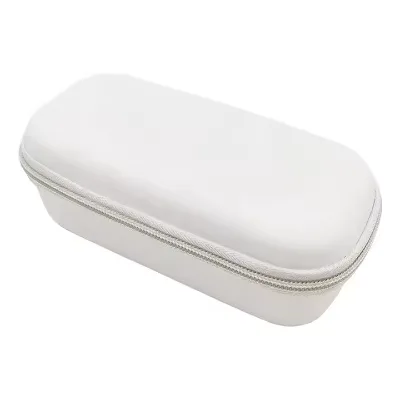
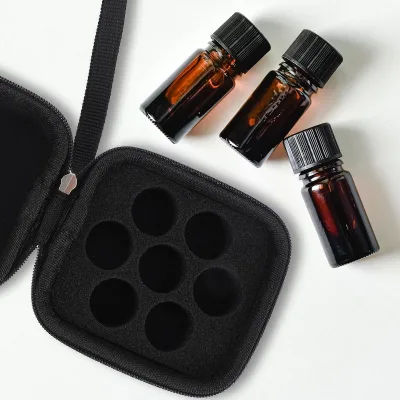
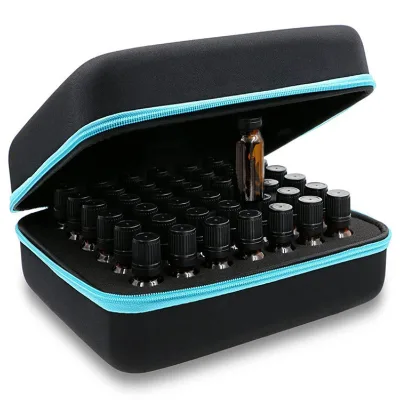
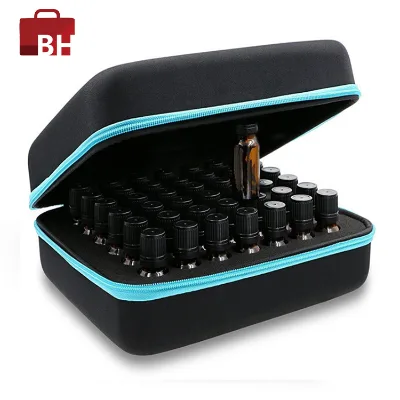
Hardshell Essential Oil Storage Box with Foam Padding, Suitable Forbottle Sizes, Portable EVA case
$1.88 - $2.19
MOQ: 100 pieces
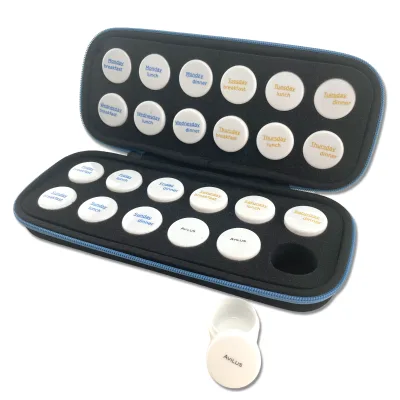
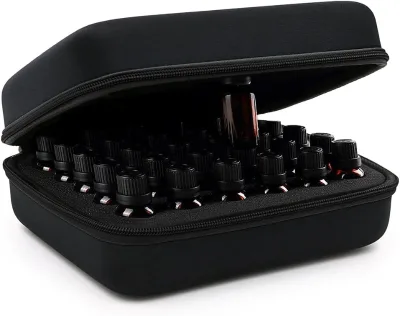
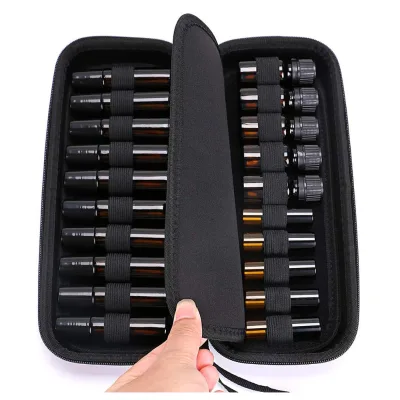
Hard Shell Essential Oil Carrying Case 30 Bottles EVA Essential Oils Storage Bag
$2.18 - $2.98
MOQ: 100
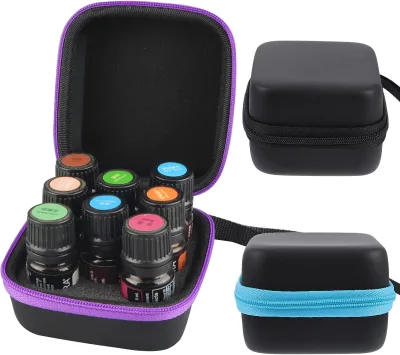

OLILA (GUANGZHOU) COSMETIC PACKAGE CO., LTD.
- Trading Company,Manufacturer/Factory
- China Guangdong
- Lead time45 days
- Avg. response≤ 8h
Main productsCosmetic Packaging, Perfume Bottles, Perfume Cap, Spray Cap, Aerosol Can, Aerosol Valve, Cream Jars, Cosmetic Packages, Perfume Bottle Caps, Olila Cosmetic Containers
Main marketsSouth America,Eastern Europe,Mid East,North America,Southeast Asia,Eastern Asia,Oceania,Western Europe,Africa


Round Portable Silicone Case Rubber Cover for Essential Oil Personal Care
$0.06 - $0.80
MOQ: 20000 Pieces


Colorful Promotional 30ml Silicone Cover Case Essential Oil Bottle Case
$0.06 - $0.80
MOQ: 20000 Pieces
Jiangxi Brilliant Technology Co., Ltd.
- Verified by TüVRheinland
- Manufacturer, Trading Company
- Lead time20 days
- Avg. response≤ 3h
Main productsEVA Bags & Cases
Main marketsNorth America(50%), Eastern Asia(20%), Domestic Market(11%)
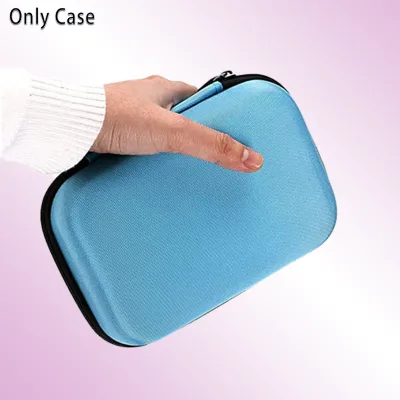
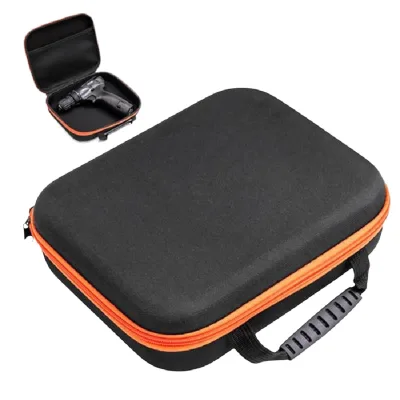
EVA Portable Massage Essential Oil Storage Box Customized Water Resistance Essential Oil Handbag
$1.62 - $2.16
MOQ: 1000 pieces
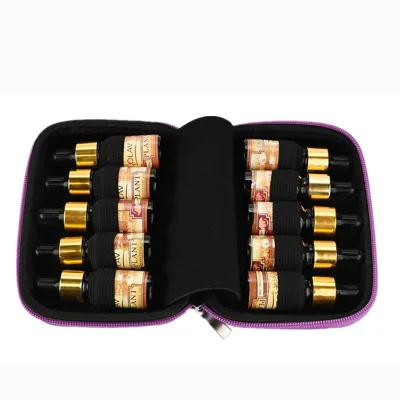
$2.37 - $2.98
MOQ: 500 pieces
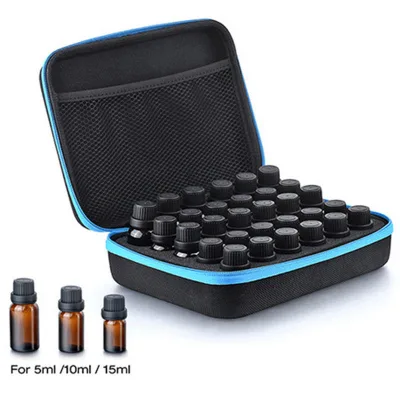
$3.60 - $4.32
MOQ: 500 pieces

Dongguan Lianping Luggage Products Co., Ltd.
- Verified by BV
- Combined
- China Guangdong
- Lead time23 days
- Avg. response≤ 6h
Main productsEVA Case, EVA Pencil Case, EVA Earphone Case, EVA Headphone Case, EVA Power Bank Case, EVA Tool Storage Case, EVA Camera Case, EVA Electronic Storage Case, EVA Tablet Storage Case, EVA Bra Storage Case
Main marketsSouth America,Africa,Southeast Asia/ Mideast,East Asia(Japan/ South Korea),Europe,Australia,North America

$0.69 - $0.99
MOQ: 1000 Pieces


$0.49 - $0.69
MOQ: 1000 Pieces

Custom Design Lightweight Waterproof 6 Bottles Luxury Carry Essential Oil EVA Case
$0.49 - $0.69
MOQ: 1000 Pieces
Guangzhou Caccia Dresser Co., Ltd.
- Verified by TüVRheinland
- Manufacturer, Trading Company
- Lead time30 days
- Avg. response≤ 3h
Main productsCosmetic Bag, Transparent PVC Bag, Toiletry Bag, Beach Bag, Shopping Bag
Main marketsNorth America(31%), Domestic Market(17%), Southern Europe(10%)
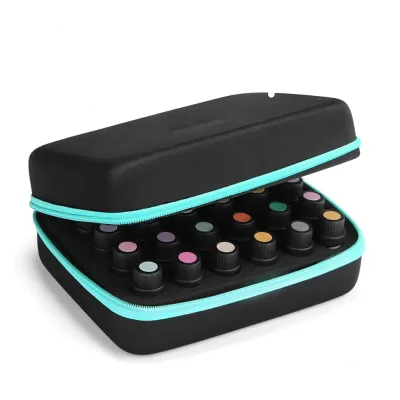
Wholesale 30 Shots Essential Oil Storage Bag for Beauty Salon Portable Shockproof EVA Carry Case
$3.40 - $3.60
MOQ: 200 pieces
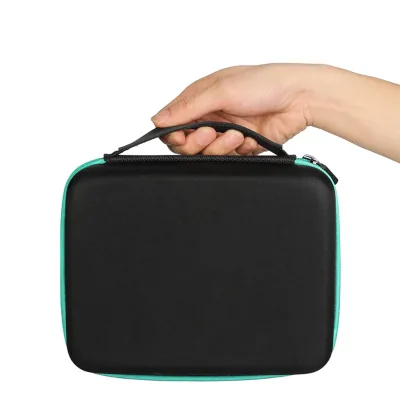
Wholesale Price Shockproof EVA Carry Storage Case Multifunction 30 Slot Essential Oil Storage Case
$3.40 - $3.60
MOQ: 100 pieces
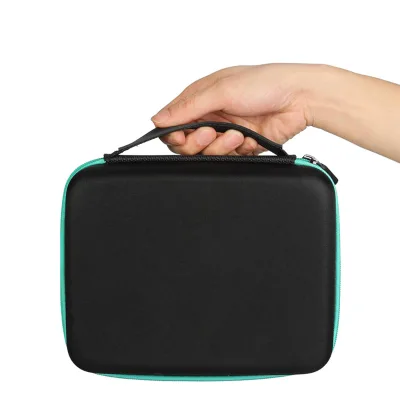
Multifunction Shockproof EVA Case for 10ml 15ml Bottol Essential Oil Storge Case Hard Shell
$3.40 - $3.60
MOQ: 100 pieces

Ningbo Zhixin Metal Product Co., Ltd
- Verified by TUVRHEINLAND
- Trading Company,Manufacturer/Factory
- China Zhejiang
- Lead time0 days
- Avg. response≤ 8h
Main productsFastener, Tool Set, Sheet Metal Fabrication, Metal Stamping Part, CNC Machining Parts
Dongguan Naisi Plastic Technology Co., Ltd.
- Verified by Intertek
- Manufacturer, Trading Company
- Lead time25 days
- Avg. response≤ 1h
Main productsEva Case, Eva Laptop Sleeve, Tool Case, Carry Case, Eva Bag
Main marketsNorth America(40%), Western Europe(40%), Eastern Asia(10%)
Dongguan Brilliant Packaging Co., Ltd.
- Manufacturer, Trading Company
- Guangdong Province, China
- Lead time20 days
- Avg. response≤ 4h
Main productsEVA Case, ABS Case
Main marketsNorth America(30.0%), Domestic Market(20.0%), Eastern Asia(15.0%), Western Europe(11.0%), South America(6.0%), Southeast Asia(5.0%), Eastern Europe(3.0%), South Asia(2.0%), Oceania(2.0%), Northern Europe(2.0%), Mid East(2.0%), Central America(1.0%), Africa(1.0%)
Dongguan Brilliant Packaging Co., Ltd.
- Manufacturer, Trading Company
- Lead time旺季: "1 - 200":8,"201 - 500":28,"501 - 1000":31,"> 1000":"To be negotiated", 淡季: "1 - 200":8,"201 - 500":28,"501 - 1000":31,"> 1000":"To be negotiated"
- Avg. response≤ 3h
Main productsEVA Case, ABS Case
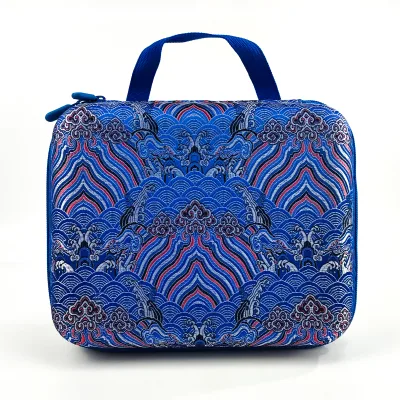
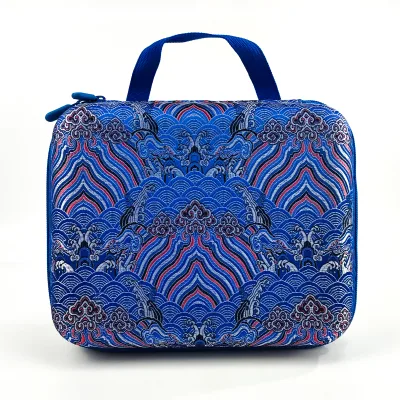
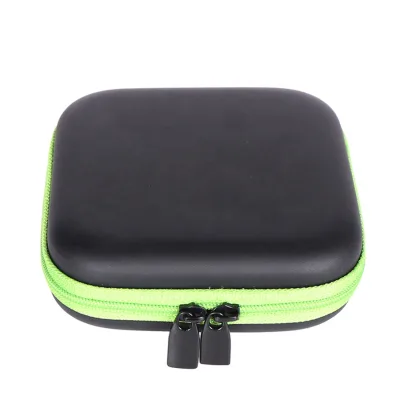
Hardtop Protection Essential Oil Carrying EVA Case for Roller and Standard Bottles
$1.28 - $1.41
MOQ: 500 pieces
Dongguan BillionHin Luggage Co., Ltd.
- Verified by SGS Group
- Manufacturer, Trading Company
- Lead time30 days
- Avg. response≤ 4h
Main productsEVA Case, EVA Bag, EVA Box, Pencil Case
Main marketsDomestic Market(50%), North America(10%), Southern Europe(10%)
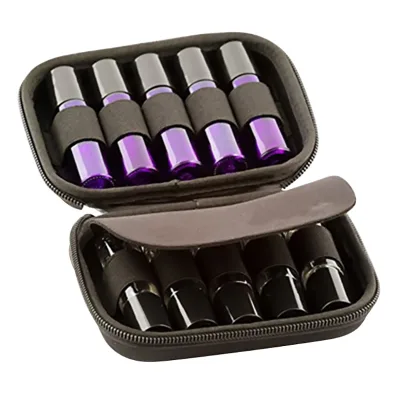
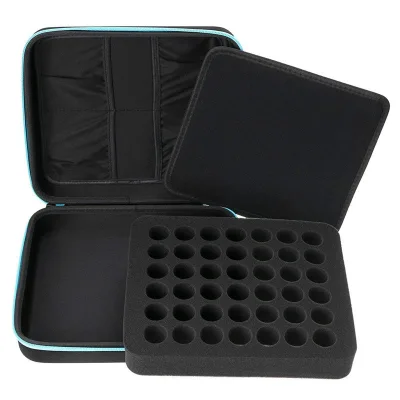
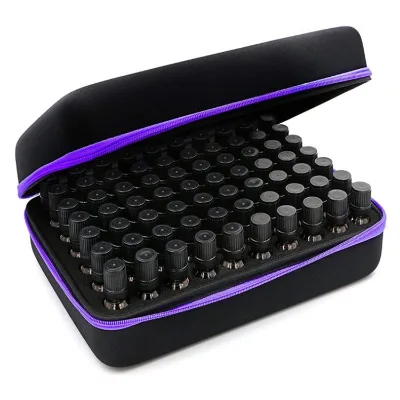
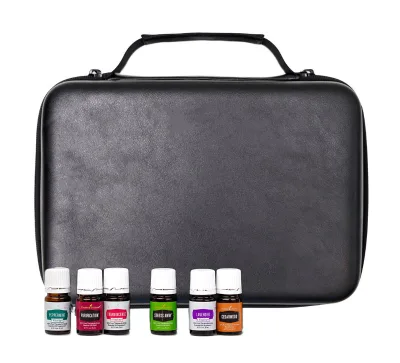
$2.80 - $3.30
MOQ: 500 pieces
Shenzhen Jinruisheng Technology Co., Ltd.
- Manufacturer, Trading Company
- Guangdong, China
- Lead time15 days
- Avg. response≤ 2h
Main productsEVA hard storage case,Leather case,Mobile phone leather case,Pouch,Cosmetic bag
Main marketsDomestic Market(35.0%), North America(20.0%), South Asia(8.0%), Southern Europe(8.0%), Western Europe(6.0%), Central America(5.0%), South America(3.0%), Southeast Asia(3.0%), Oceania(3.0%), Eastern Asia(3.0%), Northern Europe(2.0%), Mid East(2.0%), Eastern Europe(2.0%)

Xiamen Ebei Import & Export Co., Ltd.
- Verified by CTI
- Trading Company,Manufacturer/Factory
- China Fujian
- Lead time45 days
- Avg. response≤ 2h
Main productsEco-Friendly Products, Bamboo Tableware, Bamboo Furniture, Bamboo Kitchenware, Bamboo Office Supply, Bamboo Fibre Products, Biodegradable Products, Bamboo Towel, Solar Energy Products, Bamboo Garden Products
Main marketsSouth America,Eastern Europe,Mid East,North America,Southeast Asia,Eastern Asia,Oceania,Western Europe,Africa

- Verified by TUVRHEINLAND
- Combined
- China Jiangsu
- Lead time30 days
- Avg. response≤ 4h
Main productsAluminum Case, Tool Bag, Tool Case, Flight Case, Cosmetic Case, Briefcase, Poker Chip Case, Road Case, Tool Kit, Equipment Case
Main marketsSoutheast Asia/ Mideast,Europe,North America


High Quality Anti Falling and Shock Absorption Portable Instrument Box Tool Case
$15.00 - $19.00
MOQ: 50 Pieces

Fuzhou Toklung Business Services Co., Ltd.
- Trading Company
- Fujian, China
- Lead time0 days
- Avg. response≤ 4h
Main productsCustom Promotional Gifts,Corporate Giveaways,Branded Merchandise,Event Supplies,OEM & ODM Solutions
Main marketsNorth America(65.0%), Eastern Europe(25.0%), South America(10.0%)
Shenzhen Baoliyuan Bags Co., Ltd.
- Manufacturer
- Guangdong, China
- Lead time30 days
- Avg. response≤ 4h
Main productsEva Game Case,Headphone Bags,Carrying Bag,Storage Bag,Cosmetic Bag
Main marketsEastern Asia(30.0%), North America(25.0%), Western Europe(15.0%), Domestic Market(10.0%), Mid East(10.0%), Oceania(10.0%)
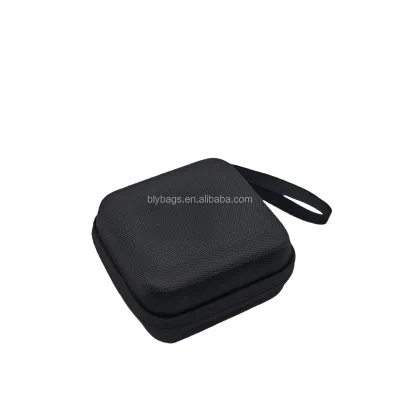
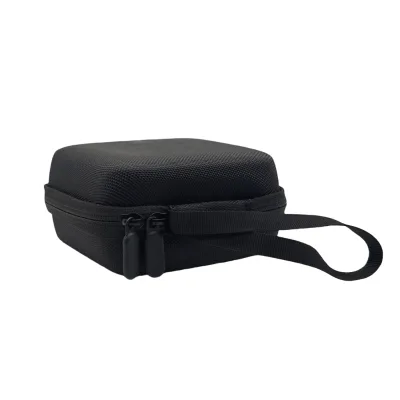
Small Portable Essential Oil Bag Waterproof and Shockproof with Customized Logo
$2.13 - $2.15
MOQ: 500 bags

- Trading Company
- Guangdong, China
- Lead time10 days
- Avg. response≤ 2h
Main productsEVA Packaging Cases,EVA Mats,EVA Cosmetic Container,EVA Instrument Box,EVA Wine Box
Main marketsEastern Asia(24.0%), Southern Europe(22.0%), North America(22.0%), Domestic Market(22.0%), Western Europe(7.000000000000001%), Northern Europe(3.0%)

Innovation Plastic Industry Co., Ltd.
- Combined
- China Jiangsu
- Lead time30 days
- Avg. response≤ 11h
Main productsGlasses Case, Eyewear Case, Metal Case, Aluminum Case, Handmade Case, Lens Cleaning Cloth, Glasses Pouch, Plastic Case, Eyewear Cords
Main marketsAfrica,Europe,North America

Xiamen Mellow Rotomolding Co., Ltd.
- Combined
- China Fujian
- Lead time23 days
- Avg. response≤ 15h
Main productsPontoon Boat Seat, Plastic Fuel Tank, Military Case, Cooler Box
Main marketsEurope,Australia,North America
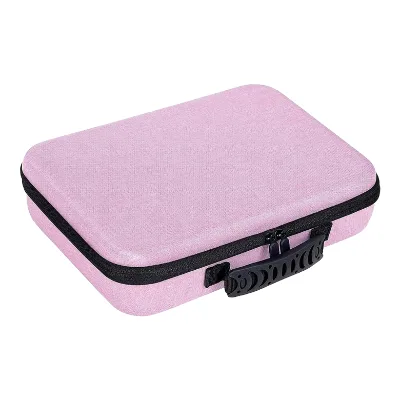


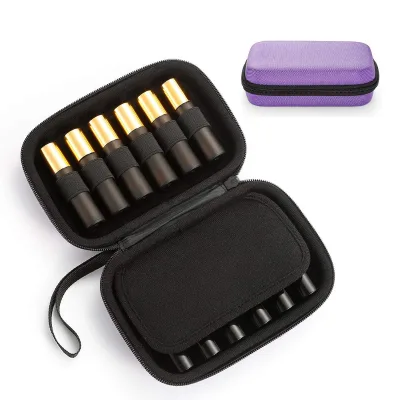
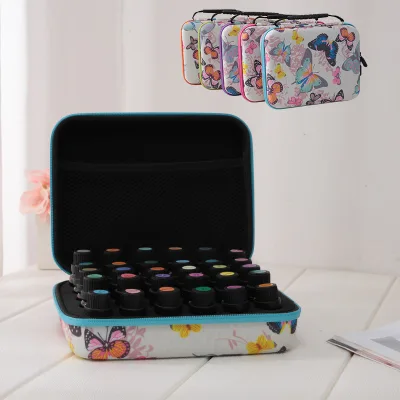
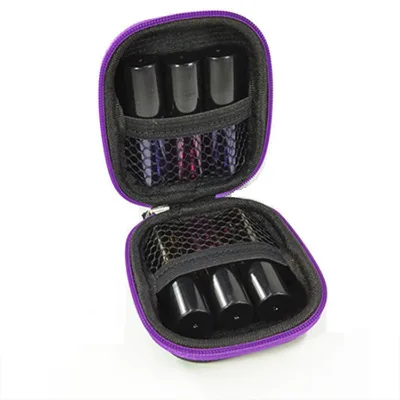
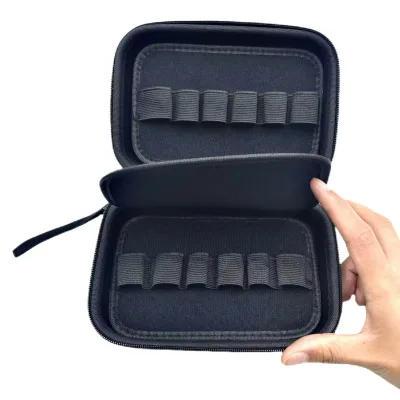
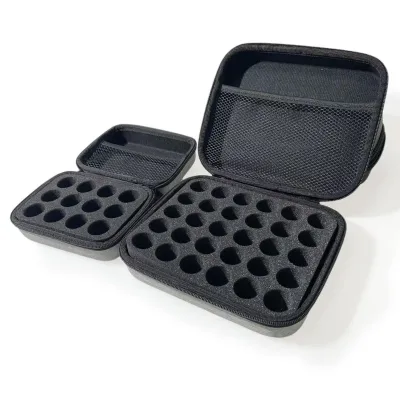


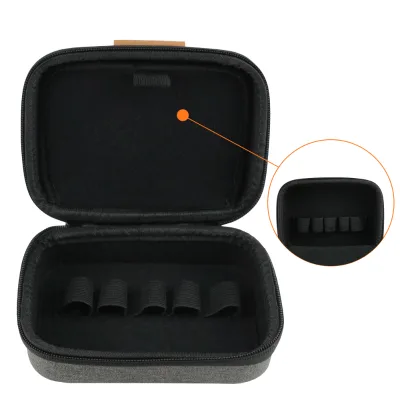
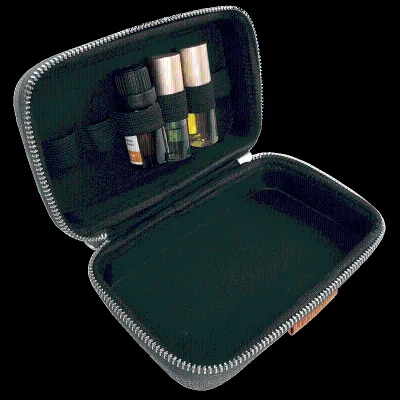
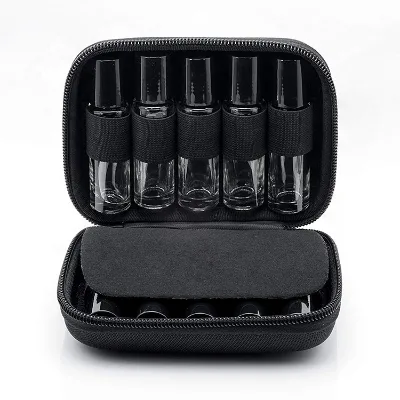
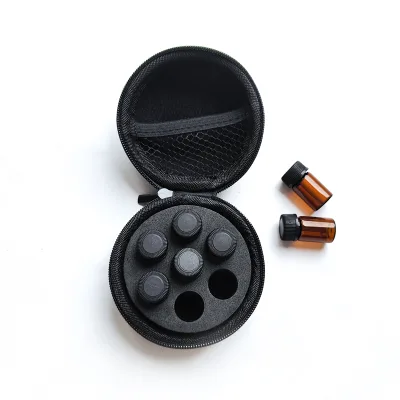
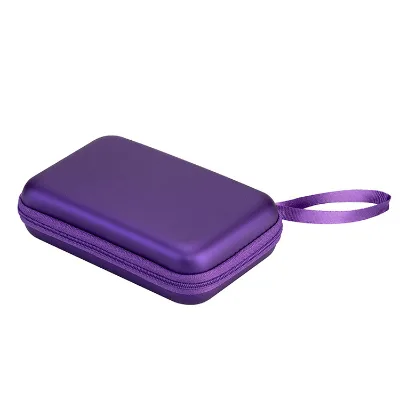
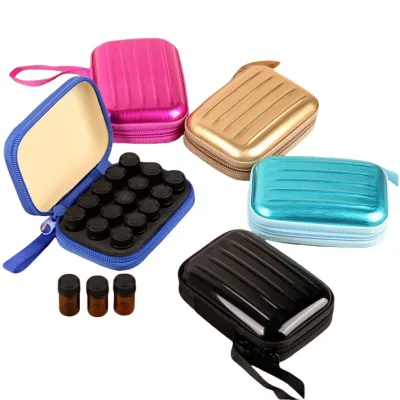
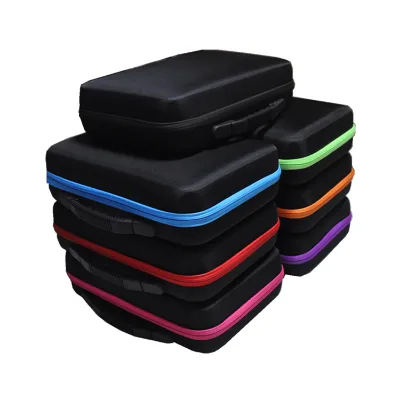
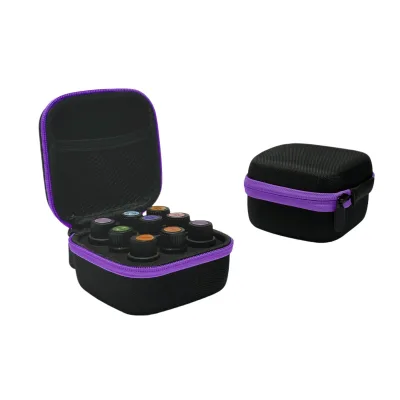
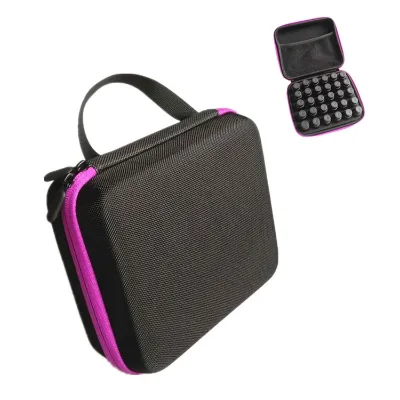
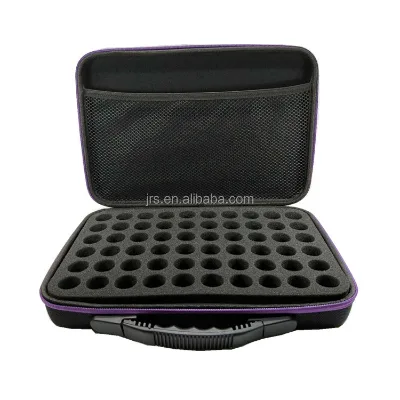


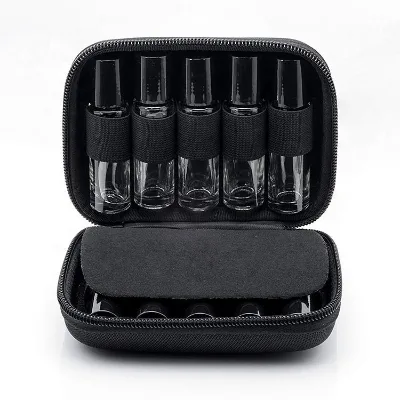
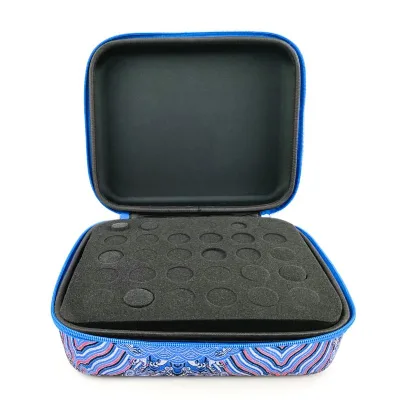
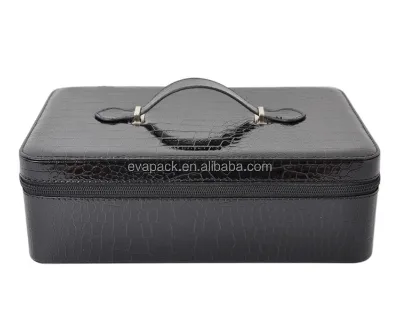
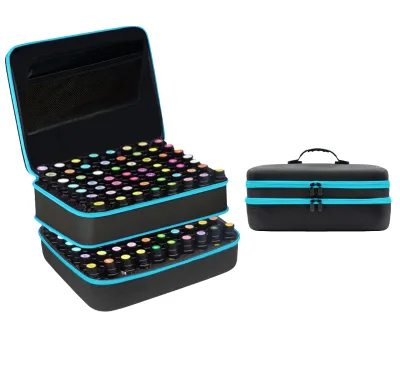


Comprehensive Sourcing Guide
Shockproof Portable Essential Oil Case Supplier Concentration and Factory Types
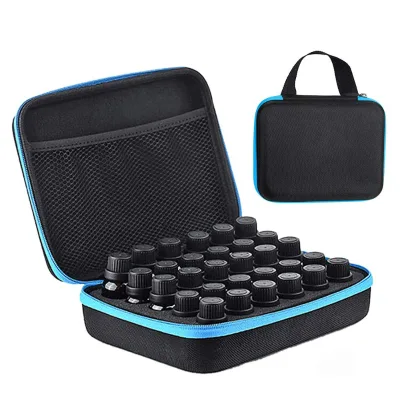
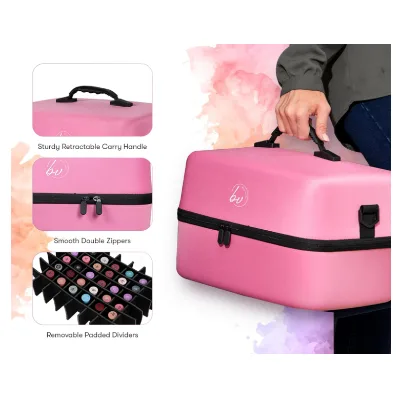
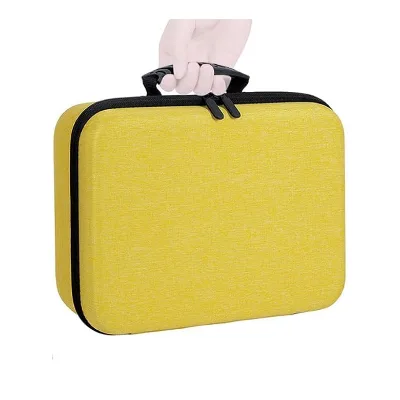
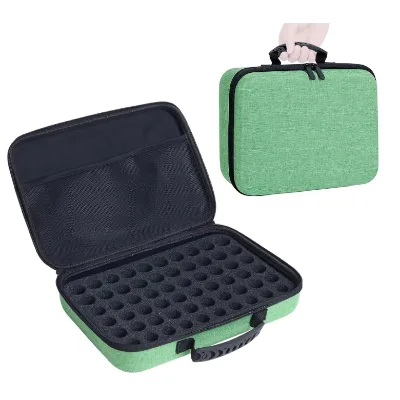
When sourcing a Shockproof Portable Essential Oil Case, understanding where suppliers cluster helps you shortlist efficiently. The supplier results in this category point to Guangdong, China as a stated place of origin for multiple listed products, which signals a functioning manufacturing base for EVA molded cases in that province. Rather than assuming this reflects the entire market, treat it as a screening signal: suppliers stating a Guangdong origin for EVA oil cases are likely positioned near tooling shops, EVA sheet laminators, and zipper or velvet lining vendors, which matters for a product that combines a rigid EVA shell, PU exterior, and fabric interior. Buyers should confirm cluster relevance by asking whether a supplier molds its own shells or assembles from purchased components, since that distinction drives both price and quality control depth.
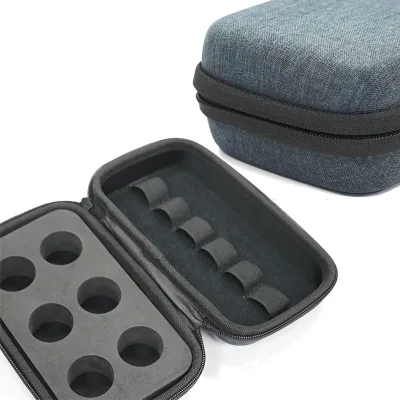
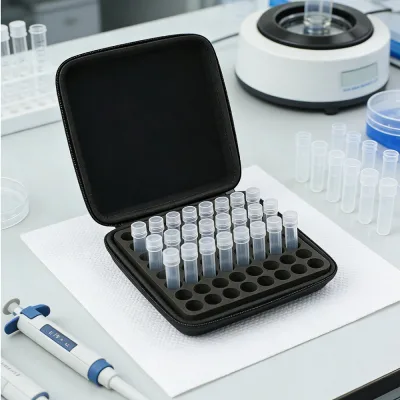
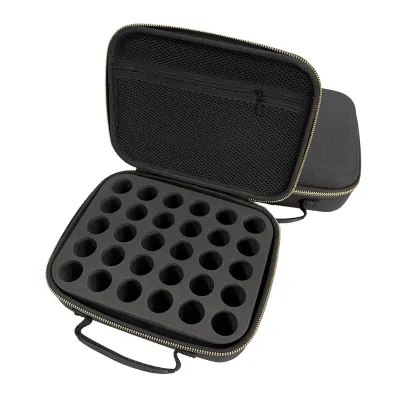
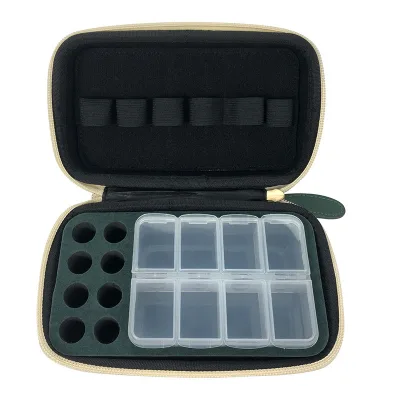
Supplier types in these results split between manufacturers and trading companies, and main product lines include EVA cases, hard cases, carrying cases, travel cases, tool cases, and ABS cases. This breadth matters: a factory whose core products are EVA and hard cases is more likely to own the thermoforming and hot-press equipment needed for shockproof construction, while a trading company may aggregate capacity but add a margin layer. Ask each candidate whether it produces similar hard-shell storage cases for other bottle-based categories, because transferable tooling experience typically shows up in cleaner molded interiors and better-fitting bottle cradles.
How to Verify Shockproof Portable Essential Oil Case Suppliers
Verification should begin with the credentials actually displayed in supplier results, not with assumptions. In this category, one supplier shows ISO 9001 as a system certification, and verified-supplier badges come from third-party inspection bodies including SGS Group, TÜV Rheinland, and Intertek. These are meaningful starting filters, but each applies to a different supplier, so never assume every listing carries a verification badge or a certification. Confirm on the supplier's profile page which body issued the verification and when the audit occurred, then request the certificate number directly from the supplier so you can check it independently. A factory with ISO 9001 in place should be able to describe its incoming material inspection and final AQL process without hesitation.
Beyond badges, verification should test whether the supplier actually manufactures the product category. The results show suppliers describing capabilities such as sample processing, graphic processing, light customization, and customization on demand, while at least one states it does not offer design capability beyond sample and graphic work. Match that stated capacity to your project: if you need custom foam inserts cut for specific bottle counts, a supplier listing only graphic processing may be reselling. Request photographs of the molding floor and the exact case model with your bottle configuration loaded, and ask for a physical sample before any deposit. Suppliers listing specific model numbers, stated sample lead times, and defined payment terms generally respond more concretely than those without.
What to Compare Across Shockproof Portable Essential Oil Case Suppliers
Build a comparison grid using only the dimensions suppliers actually display, since attributes vary widely across listings. Lead time is a clear example: results in this category show one supplier stating a 15-day lead time while another displays zero, which likely means the field is blank rather than that production is instantaneous. Response time ranges from 1 to 3 hours in the displayed data, a small spread, but treat these as historical averages rather than guarantees. MOQs differ sharply and matter commercially: the product-level evidence shows one custom essential oil case listed at 50 pieces MOQ, while another 30-bottle hard shell case lists 500 pieces. Price ranges in the results run from roughly the low two-dollar range for a 30-bottle EVA case to the mid-six-dollar range for a custom PU and EVA velvet-lined case, so unit economics shift dramatically with material specification and order volume.
Also compare main product scope and stated customization capacity. Suppliers whose lines center on EVA hard cases, carrying cases, and travel cases are category specialists; those listing ABS cases or soft bags may be broader but less focused. Where a supplier displays an establishment year, use it to gauge track record, but do not penalize absent data as a fault. Create columns for verification body, certification, response time, stated lead time, MOQ, price range, and customization options, and fill the grid strictly from displayed evidence.
Common Shockproof Portable Essential Oil Case Sourcing Risks
The most frequent risk in this category is confusing shell rigidity with genuine shockproof performance. Listings describe features such as waterproof, shockproof, and shock-resistant construction, and materials including EVA, 1680D fabric, PU, and velvet linings, but no displayed result includes third-party drop-test data. If bottle protection is critical for your brand, specify your own internal test, such as a defined drop height onto a hard surface with filled bottles, and require a signed test report against your specification. A second risk is interior fit: cases in the results are marketed for 5ml and 15ml bottles and various bottle counts, and bottle cradle dimensions vary by model. A case sized for one bottle format can hold another loosely enough to defeat the shockproof design.
Other risks cluster around vague specifications and hidden costs. One listed case shows a single gross weight of 2.35 kg versus 0.420 kg for another, a fivefold difference that materially changes freight cost per unit, so always confirm packed weight and single package dimensions before quoting landed cost. Packaging is typically polybag plus carton, which offers little retail presentation if you sell in-store. Confirm whether printed retail packaging is available and what it costs. Finally,MOQ misalignment is common: a 500-piece MOQ on a stock design may be fine for established sellers but blocks market testing, so verify which designs carry low-MOQ custom terms.
Shockproof Portable Essential Oil Case Regional Sourcing and Logistics
The displayed place of origin across these listings is consistently Guangdong, China, which is the only regional signal you should rely on for this category. A Guangdong-based supply base for EVA cases typically implies reasonable access to ports and mature export handling, but you should verify the actual shipping terms rather than assuming. Ask each supplier whether it quotes ex-works, FOB, or a delivered term, and confirm which port the goods leave from, since inland trucking to port adds cost and time that a stated production lead time does not include. Lead times in the results range from a blank field to a stated 15 days, so treat lead time as a supplier-specific question requiring written confirmation tied to a confirmed sample and order quantity.
Logistics planning for this product must account for dimensional weight. The listings show single package sizes such as 36 by 27 by 12 cm and 26 by 21.4 by 11 cm, and hard-shell cases ship with trapped air that inflates volumetric pricing on air freight. Request master carton dimensions and units per carton, then calculate volumetric weight against actual gross weight for both air and sea options. For replenishment programs, ask whether a supplier can hold a rolling forecast with staged production runs, which smooths out the gap between the short stated lead times and actual seasonal demand peaks in the aromatherapy retail calendar.
Shockproof Portable Essential Oil Case Commercial Terms and Order Planning
Commercial terms should be negotiated explicitly, because displayed payment structures vary. One supplier result lists a payment term of 30 percent deposit with 70 percent balance, which is a common structure in this category, but never assume it applies universally. Ask for the term in writing, confirm whether the balance is due before shipment or against documents, and consider whether the supplier offers escrow or platform-protected payment, since results show at least one supplier verified by a third-party inspection group that also offers escrow-linked trade services. Where escrow is available, using it for first orders reduces counterparty risk; where it is not, a letter of credit or staged payments tied to inspection milestones are reasonable substitutes for initial transactions.
Order planning should map MOQ against your demand realistically. The results show MOQs of 50 pieces for a custom essential oil case and 500 pieces for a 30-bottle hard shell design, with unit prices in the results ranging from roughly 2.25 to 6.71 dollars depending on model and specification. Plan a first order at the low end of what supports tooling amortization, confirm quality through a pre-shipment inspection against your drop and fit specification, then scale volume on the second order to unlock better pricing. Confirm sample cost and sample lead time separately from production, since stated sample times in the results range around 5 to 7 days, and lock the confirmed sample as the contractual quality reference before authorizing mass production.
Word count check: Section 1: ~228; Section 2: ~232; Section 3: ~230; Section 4: ~229; Section 5: ~229; Section 6: ~232. Total ≈ 1380 words.
FAQs
What MOQ should I expect for a Shockproof Portable Essential Oil Case?
MOQs for these cases vary widely, from as low as 1 piece to 500 pieces depending on the design and customization level. Entry-level stock models often support single-piece trials, while customized logo or color versions typically require 50 to 500 units. Always confirm the MOQ for your exact configuration before requesting a quotation.
How long does production take after I confirm an order?
Lead times for essential oil cases range from immediate stock availability to around 15 days for production runs. Sample production is commonly quoted at 5 to 7 days, which is a useful benchmark for timeline planning. Confirm the specific lead time in writing, since it can change with order quantity and customization requirements.
What materials are typically used in these hard shell cases?
Most shockproof portable essential oil cases use an EVA shell, often combined with PU fabric or 1680D polyester on the outside and velvet lining inside to protect glass bottles. This structure gives a rigid, waterproof exterior with a soft interior that prevents bottles from knocking together. Verify the exact material stack for any model you plan to order.
Can suppliers add my own logo and custom colors?
Yes, many suppliers support OEM and ODM customization, including custom logos, full printing, and tailored colors or sizes. Common capabilities include light customization, sample processing, and graphic processing, with customization available on demand. Expect a slightly higher MOQ or unit price for customized versions, so confirm both before committing to a design.
How quickly do suppliers of these cases usually respond to inquiries?
Response times in this category are generally fast, with verified suppliers responding in as little as 1 to 3 hours. Faster response is a good signal for smoother communication during sampling and production. Send a detailed inquiry covering quantity, customization, and delivery terms to get the most useful first reply.
How should I verify a supplier before placing a bulk order?
Check whether the supplier is third-party verified and holds an ISO 9001 quality management certification, since several in this category carry such credentials. Also review whether they operate as a manufacturer or trading company, as this affects pricing and quality control. Request samples and confirm payment terms before committing to larger quantities.
What sizes and bottle capacities are commonly available?
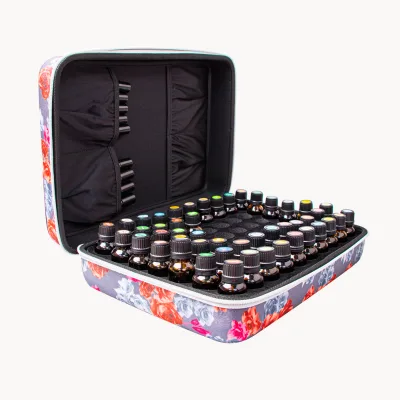
Common configurations include cases holding 30 bottles in 5ml or 15ml sizes, as well as smaller single-panel storage cases. Example sizes include 25 by 34 by 10.5 cm for larger travel cases and 155 by 155 by 50 mm for compact display cases. Match the bottle slot dimensions to your actual bottle diameters before ordering.
How are essential oil cases usually packed for shipping?
Standard packing is typically one piece per polybag with cartons for outer packaging, protecting the cases during transit. Single gross weights vary from roughly 0.42 kg for compact models to 2.35 kg for larger hard cases, which affects freight costs. Confirm packing specifications and single package dimensions when calculating your shipping budget.