Short Spiral Motorcycle Antenna Suppliers and Manufacturers
Compare 12 verified suppliers offering Short Spiral Motorcycle Antenna options with varying lead times, MOQs, and certifications. Review response times and product specifications to select the right factory for your needs; review the available evidence before requesting comparable quotations from suitable candidates.
Suppliers List

Jiangmen Meisound Electronics Technology Co., Ltd.
- Combined
- China Guangdong
- Lead time30 days
- Avg. response≤ 22h
Main productsCar MP3 Player, Car MP5 Player, Car CD/DVD Player, Car Audio
Main marketsSouth America,Africa,Southeast Asia/ Mideast

Shenzhen Gerbole Elec. Technology Co., Ltd.
- Verified by TUVRHEINLAND
- Combined
- China Guangdong
- Lead time15 days
- Avg. response≤ 25h
Main productsAntenna, Base Station & Repeater Antenna Series, Spread Spectrum Antennas, Wireless Public Telephone Antennas, Portable Antennas Series, Embedded Antennas Series, 3G Antennas Series, GPS Antennas Series/Jump Cables, DVB Antennas Series&Special Cables, Connector Series/RF Testing Material
Main marketsSoutheast Asia/ Mideast,Europe

- Verified by TUVRHEINLAND
- Combined
- China Guangdong
- Lead time15 days
- Avg. response≤ 7h
Main productsGPS Antenna, GSM Antenna, 3G/4G Antenna, Glonass Antenna, DVB-T Antenna, WiFi Antenna, GPS/Beidou Antenna, Connector, RF Cables, G-Mouse Antenna
Main marketsAfrica,Southeast Asia/ Mideast,Europe,Australia,North America

Shenzhen Gorrwix Electronics Co., Ltd.
- Verified by SGS
- Trading Company
- China Guangdong
- Lead time15 days
- Avg. response≤ 2h
Main productsCommunication Antenna, Fpv Antenna, Fpv Motor, Drone Accessories, 4G/5g Antenna
Main marketsNorth America

Long Distance Connectors WiFi Antenna Car Communication Magnetic Antenna
$1.00 - $1.60
MOQ: 100 Pieces


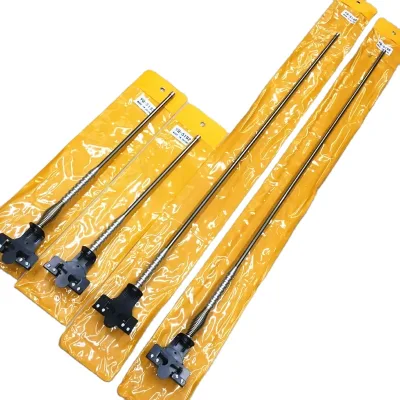
Car antenna Mini Magnetic Antenna Aerial Car CB Radio Spring Magnetic Antenna
$1.00 - $1.60
MOQ: 100 Pieces


Beijing Corelogic Communication Co., Ltd.
- Verified by TUVRHEINLAND
- Trading Company,Manufacturer/Factory
- China Beijing
- Lead time45 days
- Avg. response≤ 2h
Main productsVDSL Splitter, ADSL Splitter, Network Transformer, Gnss, Gnss Timing, Power Divider, Antenna, Gnss Atenna, Transformer, Splitter
Main marketsSouth America,Eastern Europe,Mid East,North America,Southeast Asia,Eastern Asia,Oceania,Western Europe,Africa

ZHENGZHOU LEHENG ELECTRONIC TECHNOLOGY CO., LIMITED
- Verified by TUVRHEINLAND
- Trading Company,Manufacturer/Factory
- China Henan
- Lead time30 days
- Avg. response≤ 4h
Main productsGpsgnss Antenna, 5g Antenna, High Precision GPS Antenna, 3G Antenna, LTE Antenna, Lora Antenna, WiFi and WLAN Antenna, Assembly Parts, Coxial Connector, GSM Antenna
Main marketsSouth America,Eastern Europe,Mid East,North America,Southeast Asia,Oceania,Western Europe

Shenzhen Keesun Technology Co., Ltd.
- Trading Company,Manufacturer/Factory
- China Guangdong
- Lead time15 days
- Avg. response≤ 4h
Main productsCommunication Antennas, WiFi Antennas, RF Connectors, Cable, Fiberglass Antenna, 5GHz Antenna
Main marketsSouth America,Eastern Europe,Mid East,North America,Southeast Asia,Eastern Asia,Oceania,Western Europe,Africa

Quanzhou Koqi Electronic Co., Ltd.
- Trading Company,Manufacturer/Factory
- China Fujian
- Lead time15 days
- Avg. response≤ 11h
Main productsWireless Calling System, Coaster Pager System, Queue Calling Management System, Ticket Dispenser, Take a Number System, Window Intercom, Two Way Radio, Caregiver Pager, Hospital Call System
Main marketsSouth America,Eastern Europe,Mid East,North America,Southeast Asia,Eastern Asia,Oceania,Western Europe,Africa

Shenzhen Xinhongyu Electronic Technology Co., Ltd.
- Verified by SGS
- Combined
- China Guangdong
- Lead time15 days
- Avg. response≤ 1h
Main productsAntenna, WiFi Antenna, FM Antenna, Radio Frequency Connector, Hardware Accessories, Coaxial Cable, Communication Antenna
Main marketsOthers(foreignTradeCapacity.exportBusinessCapacityMarketOther)


High Strength Low Cost RF Custom Communication Antenna for Remote Mountainous Areas
$0.70 - $1.00
MOQ: 10 Pieces
Shenzhen Feng Chipsource Electronic Co., Ltd.
- Manufacturer, Trading Company, Distributor/Wholesaler
- Guangdong, China
- Lead time2 days
- Avg. response≤ 7h
Main productsIntegrated Circuit,Electronic Components,Development Board,Wifi module,Bluetooth module
Main marketsNorth America(20.00%), Northern Europe(16.00%), Southern Europe(10.00%), South America(10.00%), Western Europe(10.00%), Eastern Europe(10.00%), Domestic Market(3.00%), South Asia(3.00%), Oceania(3.00%), Africa(3.00%), Central America(3.00%), Southeast Asia(3.00%), Eastern Asia(3.00%), Mid East(3.00%)

Changzhou Carrot Import & Export Co., Ltd.
- Trading Company
- China Jiangsu
- Lead time45 days
- Avg. response≤ 16h
Main productsAudio/Video Cable, HDMI Cable, USB Cable, CATV Connector, Patch Cord, CATV Splitter, Cooling Fan, CATV Cable, RCA Cable, Scart Cable
Main marketsSouth America,Africa,Southeast Asia/ Mideast,East Asia(Japan/ South Korea),Europe,Australia,North America
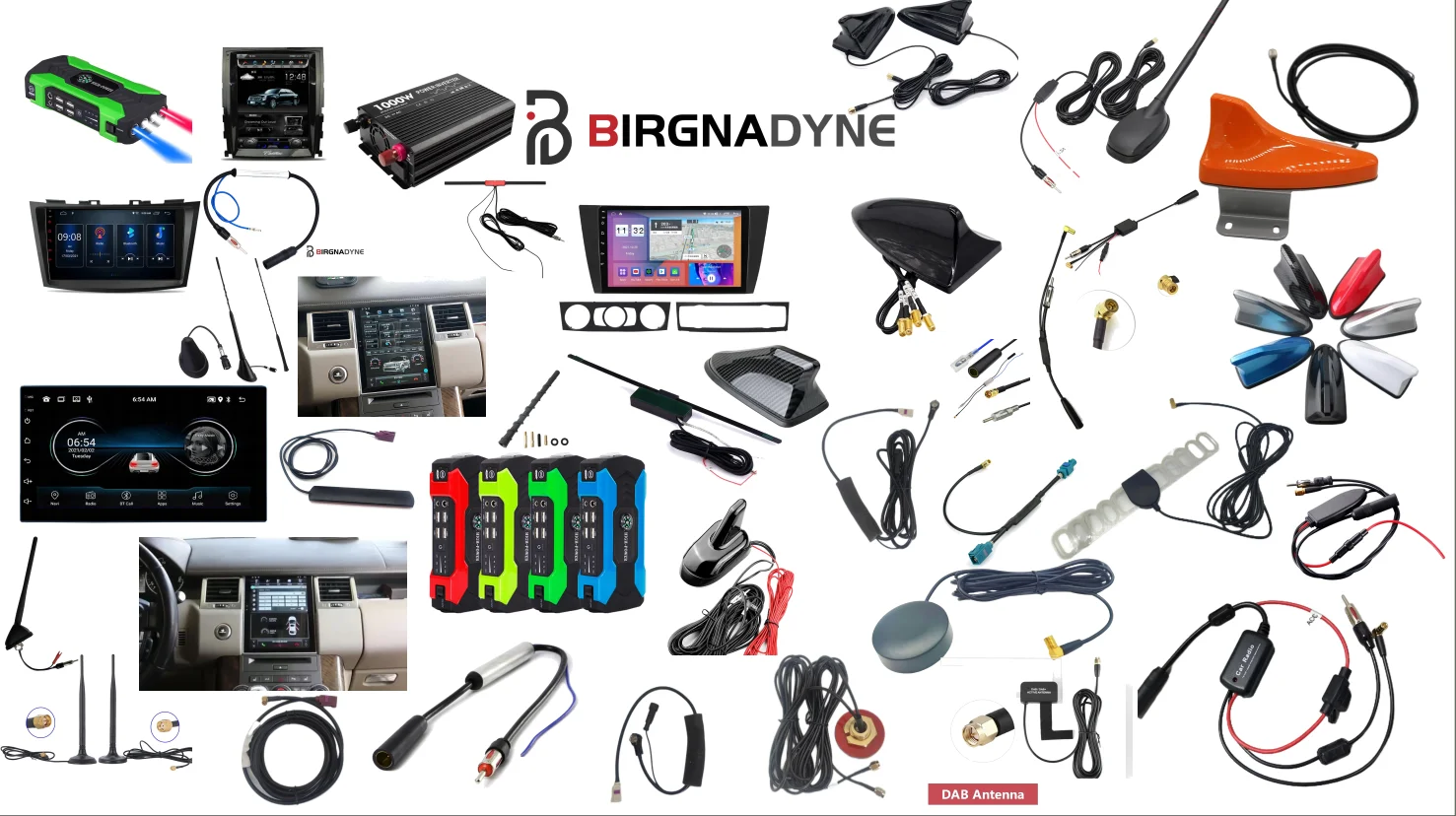
Shenzhen Bogelanda Technology Co., Ltd.
- Manufacturer
- Guangdong, China
- Lead time0 days
- Avg. response≤ 2h
Main productsCar DAB Antenna,Car Shark Fin Antenna,Car DAB splitter,Car Antenna,Car AM/FM Antenna
Main marketsEastern Europe(50.00%), North America(25.00%), Southern Europe(8.00%), Western Europe(5.00%), Oceania(2.00%), South Asia(2.00%), Domestic Market(1.00%), Africa(1.00%), South America(1.00%), Northern Europe(1.00%), Southeast Asia(1.00%), Central America(1.00%), Eastern Asia(1.00%), Mid East(1.00%)




Comprehensive Sourcing Guide
Short Spiral Motorcycle Antenna Supplier Concentration and Factory Types
The available supplier data indicates a concentration of manufacturing capabilities within China, specifically in the Guangdong province, which serves as a primary hub for electronic components and automotive accessories. While specific factory names are not disclosed in the current results, the presence of combined supplier types suggests a mix of trading companies and manufacturers operating in this region. Buyers should verify if the specific facility handling Short Spiral Motorcycle Antenna orders is an OEM or ODM provider, as the observed data shows capabilities ranging from own-brand production to custom design services. The geographic clustering in Guangdong often correlates with established supply chains for electronic parts, though the exact location of the production line for motorcycle-specific antennas requires direct confirmation from the vendor.
When assessing factory types, the distinction between a pure trading company and a manufacturer with in-house R&D is critical for product customization. The observed supplier profiles include capabilities for ODM and OEM services, indicating that some facilities can modify existing designs or create new ones based on buyer specifications. However, not all suppliers in the current results list these capabilities; some may focus solely on standard inventory items. Buyers must explicitly ask whether the facility possesses the specific tooling and engineering expertise required for spiral motorcycle antennas, as the general electronic component background does not guarantee specialized motorcycle antenna production. Verifying the actual production environment ensures the supplier can meet the unique mechanical and electrical requirements of this specific product category.
How to Verify Short Spiral Motorcycle Antenna Suppliers
Verification of supplier credentials should begin with checking for recognized system certifications such as ISO9001:2015, which appears in the observed data for several suppliers. While some results list additional certifications like RoHS or CE, these are often product-specific rather than company-wide guarantees. Buyers must request current certification documents directly from the supplier to confirm validity, as the presence of a certificate in a general profile does not automatically apply to every product line, including short spiral motorcycle antennas. Additionally, third-party verification marks like TÜV Rheinland observed in the data provide an extra layer of trust, but buyers should confirm that the specific factory unit is covered under this verification scope.
Response time and lead time are practical metrics for verifying supplier reliability and operational efficiency. The observed data shows response times ranging from approximately 21 to 25 hours, which serves as a baseline for communication speed expectations. Lead times vary significantly, with some suppliers indicating 15 days while others suggest 30 days or specific delivery windows like 3-5 days for certain items. Buyers should treat these figures as initial estimates and request a confirmed production schedule for their specific order volume. A supplier claiming a short lead time must demonstrate the capacity to maintain that speed without compromising quality, which can be verified by asking for recent shipment records or references from similar clients in the motorcycle accessories sector.
What to Compare Across Short Spiral Motorcycle Antenna Suppliers
Comparing suppliers requires a detailed analysis of minimum order quantities (MOQ) and pricing structures, as these vary widely across the available results. Observed MOQs range from as low as 10 units to as high as 500 units, with prices fluctuating between $0.90 and $2.10 depending on the specific model and customization level. Buyers must calculate the total landed cost, including shipping and duties, rather than focusing solely on the unit price, as a lower MOQ might result in a higher per-unit cost. It is essential to confirm whether the quoted price includes customization fees, as the data indicates that customization is available but may incur additional charges not reflected in the base price range.
Beyond cost and volume, the technical specifications and product attributes must be compared to ensure compatibility with motorcycle requirements. The observed product data includes details such as VSWR values, directionality, and operating wavelengths, which are critical for antenna performance. Buyers should verify if the supplier offers the specific form factor required, such as wire antennas or directional configurations, and confirm the material standards like ISO or RoHS compliance for the specific antenna model. Additionally, comparing the packaging standards, such as plastic bags in carton boxes versus individual protective packaging, helps assess the supplier's attention to detail during transit. Ensuring that the technical parameters match the intended application prevents costly returns and ensures optimal signal performance for the end user.
Common Short Spiral Motorcycle Antenna Sourcing Risks
One significant risk in sourcing short spiral motorcycle antennas is the potential mismatch between general electronic component capabilities and specialized motorcycle requirements. While many suppliers in the current results list main products like car audio or general communication antennas, this does not guarantee expertise in motorcycle-specific mounting or durability standards. Buyers must explicitly confirm that the supplier has experience with motorcycle antennas, as the general "Car Antenna" or "Communication Antenna" labels in the data may not cover the specific vibration, weather, and mounting constraints of motorcycles. Relying on a supplier's broad electronic background without verifying specific motorcycle experience can lead to product failures in the field.
Another critical risk involves the variability in lead times and the potential for delays in production or shipping. The observed data shows lead times ranging from 15 to 30 days, but some product attributes mention delivery times of 3-5 days, which may apply only to stock items rather than custom orders. Buyers should be cautious of suppliers who promise rapid delivery without a clear production schedule, as this can lead to missed market windows. Furthermore, the lack of standardized inspection protocols across different suppliers means that quality control measures must be explicitly defined in the purchase agreement. Without clear inspection criteria, such as ISO standards or specific testing procedures, buyers risk receiving products that do not meet the required performance or safety standards.
Short Spiral Motorcycle Antenna Regional Sourcing and Logistics
Sourcing from the Guangdong region in China offers access to a dense network of manufacturers and logistics providers, but buyers must navigate the complexities of international shipping and customs clearance. The observed data indicates that products originate from locations like Jiangmen and Shenzhen, which are key manufacturing hubs with established export infrastructure. Buyers should verify the specific port of loading and the preferred shipping methods, such as DHL, UPS, or FedEx, which are mentioned in the product attributes. Understanding the logistics capabilities of the supplier is crucial, as the efficiency of the shipping process can significantly impact the overall lead time and cost of the order.
Logistics planning must also account for the specific packaging requirements to ensure the antennas arrive in perfect condition. The observed data suggests that products are typically packed in plastic bags within carton boxes, but buyers should confirm if additional protective measures are available for fragile or specialized components. For short spiral motorcycle antennas, which may have delicate mounting mechanisms, standard packaging might not be sufficient. Buyers should request detailed packaging specifications and consider using third-party inspection services to verify that the packaging meets the necessary standards for long-distance transport. Ensuring robust packaging reduces the risk of damage during transit and minimizes the likelihood of returns or replacements.
Short Spiral Motorcycle Antenna Commercial Terms and Order Planning
Commercial terms for Short Spiral Motorcycle Antenna orders should clearly define payment structures, escrow options, and warranty policies to protect both parties. While the observed data does not explicitly list escrow availability, buyers should inquire about secure payment methods that offer protection against non-delivery or quality issues. Establishing clear terms for partial shipments, if applicable, can help manage cash flow and inventory levels effectively. Buyers must also clarify the warranty period and the process for handling defective units, as these terms can vary significantly between suppliers and impact the long-term viability of the partnership.
Order planning requires a strategic approach to inventory management and demand forecasting to avoid stockouts or overstocking. Given the variability in MOQs and lead times observed in the data, buyers should plan their orders well in advance to accommodate production schedules and shipping delays. It is advisable to maintain a buffer stock of critical components or finished goods to mitigate the risk of supply chain disruptions. Additionally, buyers should establish a communication protocol with the supplier to receive timely updates on production status and shipping milestones. By integrating these commercial and logistical considerations into the order planning process, buyers can ensure a smooth and efficient procurement cycle for short spiral motorcycle antennas.
FAQs
What is the minimum order quantity for car antennas?
The minimum order quantity varies by product, with some items requiring as few as 10 units while others need 500. Buyers should check specific product pages for exact thresholds before placing an order to ensure compliance with supplier requirements.
How long does it take to receive these antennas?
Lead times range from 15 to 30 days depending on the specific supplier and product configuration. Some listings indicate a delivery window of 3 to 5 days for specific models, but standard production cycles typically fall within the two to four week range.
Are these antennas available for customization?
Yes, customization is available for many antenna models listed in the search results. Suppliers offer options for custom branding and specific technical requirements, allowing buyers to tailor products like GSM or car antennas to their unique operational needs and specifications.
What certifications do these antenna suppliers hold?
Many suppliers hold ISO9001:2015 certification and some products meet RoHS and CE standards. Verification services like TÜV Rheinland may also be involved in the assessment process, ensuring that the manufacturing facilities adhere to recognized international quality and safety protocols.
Where are these antenna manufacturers located?
Manufacturers are primarily located in China, with specific facilities in Guangdong, Jiangmen, and Shenzhen. These regions are known for their robust electronics manufacturing ecosystems, providing a wide variety of communication and vehicle accessories for global export markets.
What is the price range for car radio antennas?
Prices for car radio antennas typically range from 0.90 to 2.10 per unit depending on the model and specifications. Specific items like USB modem antennas may cost around 2.00, while standard rod antennas can be found at lower price points starting near 1.00.
Do suppliers offer OEM and ODM services?
Yes, suppliers provide both OEM and ODM services to accommodate different business models. Some facilities also support own brand development, allowing buyers to leverage existing manufacturing capabilities while maintaining their unique product identity and technical specifications for the market.