Solid Wood Dining Chair Suppliers and Manufacturers
Compare 24 verified suppliers of solid wood dining chairs based on location, lead times, and response rates. Review product specifications like formaldehyde standards and customization options before contacting factories in Shandong or Fujian for quotes; review the available evidence before requesting comparable quotations from suitable candidates.
Suppliers List

Dongming Sanxin Wood Industry Co., Ltd.
- Combined
- China Shandong
- Lead time15 days
- Avg. response≤ 3h
Main productsPaulownia Edge Glued Board, Paulownia Finger Joint Board, Paulownia Coffins Panels, Snowboard Wood Cores, Poplar Wood, Strips for Concrete Forms Construction, Ski Core Board, Radius Pine Wood, Wooden Casket, Wooden Coffin
Main marketsEast Asia(Japan/ South Korea),Europe,North America

Fujian Dongyi Shenghui International Trade Co., Ltd.
- Verified by SGS
- Combined
- China Fujian
- Lead time15 days
- Avg. response≤ 1h
Main productsHotel Furniture, Apartment Furniture, Dining Restaurant Banuqet Furniture, Church Furniture, Movie Theater Furniture, Opera House Furniture, KTV Furniture, Office School Stadium Furniture
Main marketsEurope


Solid Wood Dining Chair with Scandinavian Design for Chic Cafe Seating
$16.90 - $69.90
MOQ: 100 pieces
Foshan Hanse Industrial Co., Ltd.
- Verified by SGS
- Manufacturer/Factory
- China Guangdong
- Lead time23 days
- Avg. response≤ 9h
Main productsHotel Bedroom Furniture, Hotel Lobby Furniture, Hotel Restaurant Furniture, Garden Sofas, Outdoor Sofa, Garden Set, Dining Table Set, Sun Loungers/Daybed, Patio Swing, Outdoor Chair
Main marketsSouth America,Eastern Europe,North America,Southeast Asia,Oceania

- Verified by TUVRHEINLAND
- Trading Company,Manufacturer/Factory
- China Shandong
- Lead time23 days
- Avg. response≤ 10h
Main productsFolding Table, Chiavari Chair, Beer Table, Louis Chair, Bentwood Chair, Cross Back Chair, Stainless Steel Chair, Bamboo Folding Table and Chair
Main marketsSouth America,Eastern Europe,Mid East,North America,Southeast Asia,Eastern Asia,Oceania,Western Europe,Africa


Modern Natural Good Quality Solid Pine Wood Dining Chairs with High Backrest
$37.00 - $60.00
MOQ: 10 Pieces

Langfang Ruiyi Furniture Co., Ltd.
- Verified by TUVRHEINLAND
- Trading Company,Manufacturer/Factory
- China Hebei
- Lead time60 days
- Avg. response≤ 3h
Main productsDining Chair, Dining Table, Accent Chair, Sofa Chair, Coffee Table, Lounge Chair, Cabinet, Glass TV Stand, Side Table, Tea Table
Main marketsSouth America,Eastern Europe,Mid East,North America,Southeast Asia,Eastern Asia,Oceania,Western Europe,Africa

Xuzhou Risen Industry and Supply Co., Ltd
- Verified by TUVRHEINLAND
- Trading Company
- China Jiangsu
- Lead time30 days
- Avg. response≤ 3h
Main productsHousehold Adornment, Household Supplies, Home Decoration, Compressed Sofa, Dining Furniture, Bothroom Organizer, Kitchen Storage, Glass Ornaments, Ceramic Tableware, Home Fragrance
Main marketsSouth America

Shanghai Miaolian Industry Co., Ltd.
- Verified by TUVRHEINLAND
- Manufacturer/Factory
- China Shanghai
- Lead time45 days
- Avg. response≤ 4h
Main productsFurniture, Restaurant Furniture, Hotel Furniture, Chair, Table, Sofa, Bed, Cabinet, Restaurant, Hotel
Main marketsSouth America,Eastern Europe,Mid East,North America,Southeast Asia,Eastern Asia,Oceania,Western Europe,Africa

Qingdao Inurda Furniture Co., Ltd.
- Verified by CTI
- Trading Company,Manufacturer/Factory
- China Shandong
- Lead time30 days
- Avg. response≤ 8h
Main productsSingle Bed, Double Bed, Half Tall Bed, High Foot Bed, Coffee Table, Bunk Bed, Bookshelf, Dining Table, Baby Crib, Cabin Bed
Main marketsSouth America,Eastern Europe,Mid East,North America,Southeast Asia,Eastern Asia,Oceania,Western Europe,Africa

Hebei Hongbo Furniture Co., Ltd
- Verified by CTI
- Combined
- China Hebei
- Lead time30 days
- Avg. response≤ 2h
Main productsWholesale
Main marketsSouth America,Southeast Asia/ Mideast,East Asia(Japan/ South Korea),Domestic


Contemporary Dining Chair Crafted From Solid Wood for Hotels Modern Chic Dining Chair
$29.90 - $32.00
MOQ: 100 Pieces

Modern Chair for Hotels: Solid Wood Dining and Office Use Elegant Hotel Dining Chair
$29.90 - $32.00
MOQ: 100 Pieces


Hotel Chairs The Latest Style Solid Wood Backrest Office Restaurant Dining Chair
$29.90 - $32.00
MOQ: 100 Pieces


- Verified by CTI
- Trading Company
- China Anhui
- Lead time23 days
- Avg. response≤ 1h
Main productsFurniture, Home Furniture
Main marketsSoutheast Asia/ Mideast

Guangdong Zhida Furnishings Industrial Co., Ltd.
- Verified by TUVRHEINLAND
- Combined
- China Guangdong
- Lead time30 days
- Avg. response≤ 4h
Main productsHome Furniture, Wood Furniture, Curtains, Cabinet, Sofa, Furniture, Table, Sofa Fabric, Bed, Coffee Table
Main marketsEurope


Modern Solid Wood Armrest Dining Chair
MOQ: 5 Pieces

Shouguang Yamazon Home Materials Co., Ltd.
- Verified by BV
- Manufacturer/Factory
- China Shandong
- Lead time23 days
- Avg. response≤ 7h
Main productsWooden Furniture, Wood Beam, Glulam Beam, Wardrobe, Wooden Plywood Beams, Aluminum Alloy, Wooden Column, Log Cabins, Equestrian Jump Poles, Aluminum Car Pedals
Main marketsSouth America,Eastern Europe,Mid East,North America,Southeast Asia,Eastern Asia,Oceania,Western Europe,Africa

Foshan Ron Hospitality Supplies Co., Ltd.
- Manufacturer/Factory,Group Corporation
- China Guangdong
- Lead time23 days
- Avg. response≤ 4h
Main productsRestaurant Furniture, Customized Restaurant Product, Restaurant Table, Restaurant Chair, Restaurant Booth, Cafe Furniture, Bar Furniture, Coffee Shop Furniture, Dinnerware, Glassware
Main marketsSouth America,Eastern Europe,Mid East,North America,Southeast Asia,Eastern Asia,Oceania,Western Europe,Africa


Restaurant Hotel Dining Room Wooden Modern Nordic Solid Wood Dining Chairs
$30.00 - $40.00
MOQ: 30 pieces


Solid Wood Dining Chair for Restaurant Cafe with Wood Armrest Low Price
$31.00 - $33.00
MOQ: 50 pieces

Guangzhou Mega Import and Export Co., Ltd.
- Verified by TUVRHEINLAND
- Trading Company
- China Guangdong
- Lead time30 days
- Avg. response≤ 3h
Main productsOffice Chair, Office Table, Office Cubicle, Restaurant Furniture, Conference Table, Office Sofa, Executive Desk, Restaurant Sofa, Hotel Furniture, Executive Furniture
Main marketsEurope,North America

FOSHAN BUDDYHOME HOUSEWARE CO., LTD.
- Verified by CTI
- Trading Company,Manufacturer/Factory
- China Guangdong
- Lead time23 days
- Avg. response≤ 4h
Main productsKids Bed, Kids Bunk Bed, Leather Bed, Car Bed, Kids Combine Bed, Leisure Chair, Sofa, Dining Chair, Bar Chair
Main marketsSouth America,Eastern Europe,Mid East,North America,Southeast Asia,Eastern Asia,Oceania,Western Europe,Africa


Modern Chair Home Hotel Dining Chair Wooden Dining Chair Single Dining Furniture Chair
$85.00 - $88.00
MOQ: 10 Pieces

Tianjin Runduo Import and Export Co., Ltd
- Verified by TUVRHEINLAND
- Trading Company
- China Tianjin
- Lead time15 days
- Avg. response≤ 24h
Main productsDining Chair, Outdoor Furniture, Outdoor Table, Upholstered Chair, UV-Resistant Chair, Dining Table, Outdoor Chair, Outdoor PP Chair, Sofa, Bar Chair
Main marketsEurope
Foshan Xinda Furniture Co., Ltd.
- Manufacturer/Factory
- China Guangdong
- Lead time30 days
- Avg. response≤ 2h
Main productsRestaurant Furniture, Bar Furniture, Hotel Bedroom Furniture
Main marketsSouth America,Eastern Europe,Mid East,North America,Southeast Asia,Eastern Asia,Oceania,Western Europe,Africa
Qingdao Green Forest Furnishing Co., Ltd.
- Verified by SGS Group
- Manufacturer, Trading Company
- Lead time60 days
Main productsDining Chair, Dining Table, Coffee Table, Wood Bed, Wood Stool
Main marketsNorthern Europe(25%), Western Europe(15%), Southern Europe(15%)

Huzhou Jiuwei Furniture Manufacturing Co., Ltd.
- Manufacturer, Trading Company
- Zhejiang, China
- Lead time35 days
- Avg. response≤ 2h
Main productsTable, Chair, Cabinet, Ottoman, Bed
Main marketsNorth America(30.00%), Oceania(30.00%), South America(20.00%), Northern Europe(10.00%), Western Europe(4.00%), Southern Europe(3.00%), Eastern Europe(3.00%)
Langfang Boman Import & Export Trading Co., Ltd.
- Verified by SGS
- Combined
- China Hebei
- Lead time30 days
- Avg. response≤ 4h
Main productsOutdoor Furniture, Dinning Furniture, Office Furniture, Living Room Furniture
Main marketsEast Asia(Japan/ South Korea),Europe,North America

Beijing Tianyuan Rongli Technology Co., Ltd.
- Verified by SGS
- Trading Company
- China Beijing
- Lead time15 days
- Avg. response≤ 2h
Main productsMelamine Board, Chipboard, MDF, Solid Wood Pellet Board, Custom-Made Furniture, Dining Room Furniture, Living Room Furniture, Steel-Wood Furniture
Main marketsSoutheast Asia/ Mideast
Xiamen Suessen Import And Export Co., Ltd.
- Manufacturer, Trading Company
- Lead time旺季: "1 - 10":7,"11 - 100":15,"101 - 500":20,"> 500":"To be negotiated", 淡季: "1 - 10":7,"11 - 100":15,"101 - 500":20,"> 500":"To be negotiated"
- Avg. response≤ 7h
Main productsDining Room Furniture,Living Room Furniture,Bedroom Furniture,Bar Furniture,Home Furniture

Dining Chair of European Hotel Restaurant Modern Simple Solid Wood Back Dining Chair
$38.89 - $55.26
MOQ: 1


Beijing Borito Furniture Co., Ltd.
- Trading Company
- Beijing, China
- Lead time15 days
- Avg. response≤ 3h
Main productsOffice Furniture,Hotel Furniture,Apartment Furniture,Have Furniture Made To Order,Restaurant Furniture
Main marketsNorth America(20.00%), Oceania(10.00%), Central America(10.00%), Northern Europe(10.00%), Eastern Europe(10.00%), Mid East(10.00%), Southern Europe(5.00%), Western Europe(5.00%), Southeast Asia(5.00%), South America(5.00%), South Asia(3.00%), Eastern Asia(3.00%), Domestic Market(2.00%), Africa(2.00%)
Guangzhou YaTing Outdoor Furniture Co., Ltd.
- Verified by BV
- Combined
- China Guangdong
- Lead time23 days
- Avg. response≤ 25h
Main productsOutdoor Furniture, Beach Chair, Swings, Tents, Synthetic Rattan Furniture, Wood Furniture, Graden Furniture, Rattan Chair, Umbrella, Textilene Chair
Main marketsEurope,Australia,North America

MOQ: 20

MOQ: 20


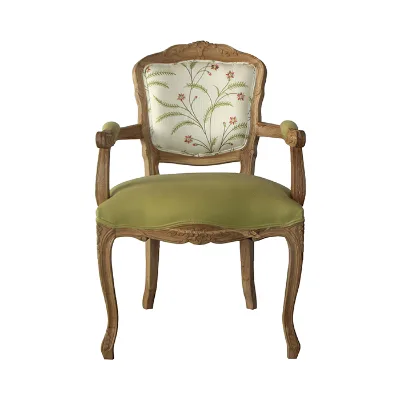


Comprehensive Sourcing Guide
Solid Wood Dining Chair Supplier Concentration and Factory Types
Current data indicates a concentration of suppliers in China, specifically within the Shandong province, where manufacturers produce Paulownia edge glued boards, finger joint boards, and solid wood components for dining chairs. These facilities often operate as combined entities capable of handling both original design manufacturing and original equipment manufacturing, suggesting a flexible production model that can adapt to various buyer specifications. The presence of specific product evidence, such as modern solid wood chairs with fabric or leather frames, confirms that these factories possess the necessary woodworking and upholstery capabilities to fulfill complex dining chair orders.
In contrast, other regions like Fujian and Guangdong also appear in the supply chain, offering distinct product lines ranging from Nordic style carved chairs to rattan-back dining options. While the exact number of active factories varies, the available evidence shows a mix of company types that include both specialized wood processors and broader furniture manufacturers. Buyers should verify if a supplier's main product list aligns with their specific needs, as some focus on hotel and banquet furniture while others target home dining room sets. Understanding whether a factory is a pure manufacturer or a trading company is essential, as this distinction impacts the ability to customize materials like beech wood or oak veneer for specific design requirements.
How to Verify Solid Wood Dining Chair Suppliers
Verification begins by checking for third-party audit results, as some suppliers in the database have been verified by organizations like SGS, which adds a layer of credibility to their operational claims. Buyers must look for explicit verification badges rather than assuming all listed entities have undergone rigorous inspection, as the presence of such credentials varies significantly across the supplier pool. It is critical to confirm that the supplier's claimed location matches their actual factory address, ensuring that the Shandong or Fujian origin stated in product attributes reflects the true manufacturing site. This step prevents potential misrepresentation where a trading company might claim direct factory ownership without the necessary production infrastructure.
Response time is another vital metric for assessing supplier reliability, with observed data showing response speeds ranging from under one hour to nearly three hours. A supplier with a response time of 0.81 hours demonstrates a high level of operational readiness, which is crucial for resolving technical queries regarding formaldehyde emission standards or surface finishing details. Buyers should prioritize suppliers who consistently demonstrate rapid communication, as this often correlates with better project management and faster resolution of production issues. Additionally, checking for specific certifications like E-grade formaldehyde emission acceptance is necessary to ensure the furniture meets safety regulations for indoor and outdoor use, particularly for commercial projects in hotels or restaurants.
What to Compare Across Solid Wood Dining Chair Suppliers
When evaluating potential partners, buyers must compare minimum order quantities, which can vary drastically from 50 units for certain models to 700 units for others. This disparity requires careful financial planning, as a supplier offering a low MOQ of 50 may be suitable for testing new designs, while a higher MOQ of 700 might be necessary to achieve competitive pricing on standard models. Lead times also differ, with some suppliers indicating a standard production window of 15 days, while others may have varying schedules based on order volume and material availability. Comparing these logistical parameters helps buyers determine which suppliers can meet their specific delivery deadlines without compromising on quality or customization options.
Price ranges and material specifications are equally important comparison points, with observed costs ranging from approximately 25 to 99.90 per unit depending on the complexity of the design and the materials used. Suppliers offering chairs with leather and solid wood frames may command higher prices compared to those using simple wood or fabric combinations. Buyers should also examine the customization capabilities, noting that some factories offer fully customized colors and sizes, while others provide limited options. By analyzing these factors, buyers can identify suppliers that offer the best balance between cost, quality, and flexibility, ensuring that the final product meets both aesthetic and functional requirements for their specific market.
Common Solid Wood Dining Chair Sourcing Risks
One significant risk involves the inconsistency of material quality, as suppliers may use different wood types such as Paulownia, Poplar, or Beech without clear standardization across their product lines. Without explicit verification of wood grading or treatment processes, buyers risk receiving furniture that does not meet durability expectations or fails to comply with specific environmental standards. The variation in formaldehyde emission standards, where some products are marked as "Accepts" while others lack clear certification, highlights the need for rigorous quality control measures before finalizing any large-scale orders. Buyers must ensure that the wood used is properly treated to prevent issues like warping or cracking, especially for chairs intended for outdoor or high-traffic indoor environments.
Another risk is the potential mismatch between product descriptions and actual manufacturing capabilities, particularly regarding customization and finishing details. While some suppliers claim to offer custom colors and sizes, the actual production capacity may be limited by their current equipment or workforce. The difference in response times and lead times can also lead to delays if a supplier overpromises on their ability to handle urgent orders or complex design changes. Additionally, the lack of standardized packaging, with some items shipped in knocked-down cartons and others in assembly packs, can affect shipping costs and the condition of the furniture upon arrival. Buyers must verify these details to avoid unexpected costs and logistical challenges that could disrupt their supply chain.
Solid Wood Dining Chair Regional Sourcing and Logistics
Sourcing from China, particularly from the Shandong and Fujian provinces, offers access to a robust network of wood processing and furniture manufacturing facilities. These regions benefit from established supply chains for raw materials like Paulownia and Poplar, which are essential for producing high-quality solid wood dining chairs. The proximity of these manufacturing hubs to major ports facilitates efficient export logistics, reducing transit times and shipping costs for international buyers. However, buyers must account for regional differences in production capabilities, as some areas may specialize in specific styles like Nordic or modern designs, while others focus on traditional or banquet-style furniture.
Logistics planning should also consider the specific packaging requirements of each supplier, as variations in packing methods can impact the overall shipping volume and cost. Some suppliers use standard export cartons with knocked-down designs to minimize space, while others may require assembly packing that increases the risk of damage during transit. Buyers need to coordinate closely with suppliers to ensure that the packaging meets international shipping standards and protects the furniture from moisture and physical impact. Additionally, understanding the lead times associated with different regions helps in planning inventory levels and managing customer expectations, ensuring a smooth flow of goods from the factory to the final destination.
Solid Wood Dining Chair Commercial Terms and Order Planning
Commercial terms for solid wood dining chairs often include specific conditions regarding payment, delivery, and customization, which must be clearly defined before placing an order. Buyers should verify the minimum order quantities and price tiers, as these can significantly affect the total cost of the project. For instance, a supplier with a low MOQ of 50 may charge a higher unit price compared to one requiring 700 units, so buyers must calculate the total investment based on their specific volume needs. Additionally, understanding the lead time of 15 days or more is crucial for planning production schedules and ensuring timely delivery to meet market demands.
Order planning also requires attention to the customization options available, such as color choices, material specifications, and design modifications. Suppliers offering custom sizes and finishes may have longer lead times or higher costs, so buyers must factor these variables into their budget and timeline. It is essential to confirm the supplier's ability to handle specific requests, such as E-grade formaldehyde standards or specific wood types like beech or oak, to avoid discrepancies between the ordered product and the delivered goods. By carefully reviewing these commercial terms and aligning them with project requirements, buyers can mitigate risks and ensure a successful sourcing experience for their Solid Wood Dining Chair needs.
FAQs
Where are solid wood dining chairs manufactured?
Manufacturers are located in China, specifically in Shandong and Fujian provinces. Some suppliers also list Guangdong as a production origin. Buyers should verify the specific factory location for each order to ensure accurate shipping calculations and compliance with regional trade regulations.
What is the typical lead time for orders?
The standard lead time observed is 15 days for production and preparation. This duration may vary depending on order volume and customization requirements. Buyers should confirm the exact delivery schedule with the supplier before finalizing payment to avoid potential delays in the supply chain.
What are the minimum order quantities for these chairs?
Minimum order quantities vary significantly by supplier and product model. Some listings require 50 units, while others set the threshold at 100 or 700 pieces. Buyers must check the specific MOQ for the desired model to ensure it aligns with their purchasing volume and budget constraints.
Are customization options available for solid wood dining chairs?
Yes, customization is available for many Solid Wood Dining Chair models. Suppliers offer options for size, color, and material combinations like fabric or leather frames. Buyers should specify their design requirements clearly to ensure the final product meets their specific aesthetic and functional needs.
What certifications do the suppliers hold?
Some suppliers hold SGS verification status, indicating a level of third-party assessment. System certifications are listed as others, suggesting specific standards may vary by manufacturer. Buyers should request detailed certification documents directly from the supplier to confirm compliance with their local safety and quality regulations.
How quickly do suppliers typically respond to inquiries?
Response times vary among suppliers, with some responding within less than one day. Specific response times recorded include 0.81 and 2.94 units, likely representing hours or days. Buyers should expect faster communication from verified suppliers and plan their inquiry timing accordingly to maintain project schedules.
What materials are used in these dining chairs?
Chairs are constructed from various solid woods including Paulownia, Poplar, Beech, and Oak. Some models feature frames combined with fabric, leather, or rattan backrests. Buyers should verify the specific wood type and finish details to ensure durability and aesthetic compatibility with their intended interior design.