Solid Wood Bar Counter and Chair Combo Suppliers and Manufacturers
Explore 20 verified suppliers offering Solid Wood Bar Counter and Chair Combo options from Guangdong and Fujian. Compare response times, lead times, certifications, and pricing to find the right partner. Contact suppliers directly to request quotes and verify customization details.
Suppliers List
Foshan Xinda Furniture Co., Ltd.
- Verified by SGS
- Manufacturer/Factory
- China Guangdong
- Lead time30 days
- Avg. response≤ 2h
Main productsRestaurant Furniture, Bar Furniture, Hotel Bedroom Furniture
Main marketsSouth America,Eastern Europe,Mid East,North America,Southeast Asia,Eastern Asia,Oceania,Western Europe,Africa

Complete Dining Solution for Restaurants: Stylish Table and Chair Combo
$50.00 - $90.00
MOQ: 30 Pieces


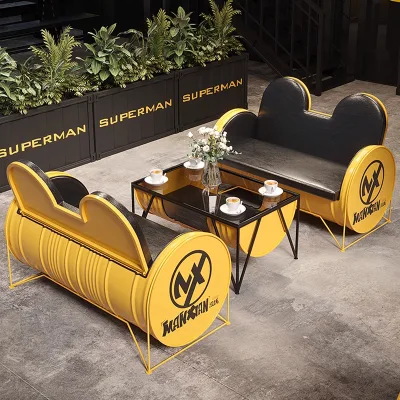
Retro Curved Circular Backrest Wooden Table Combo Cafe Bar Restaurant Booth Seating
$80.00 - $120.00
MOQ: 10 Meters

Elegant Design Hotel Restaurant Furniture Reception Desk Dining Bar Counter
$280.00 - $480.00
MOQ: 10 Square Meters

Elegant Luxury Wooden Bar Counter for Restaurants and Receptions
$220.00 - $350.00
MOQ: 30 Square Meters

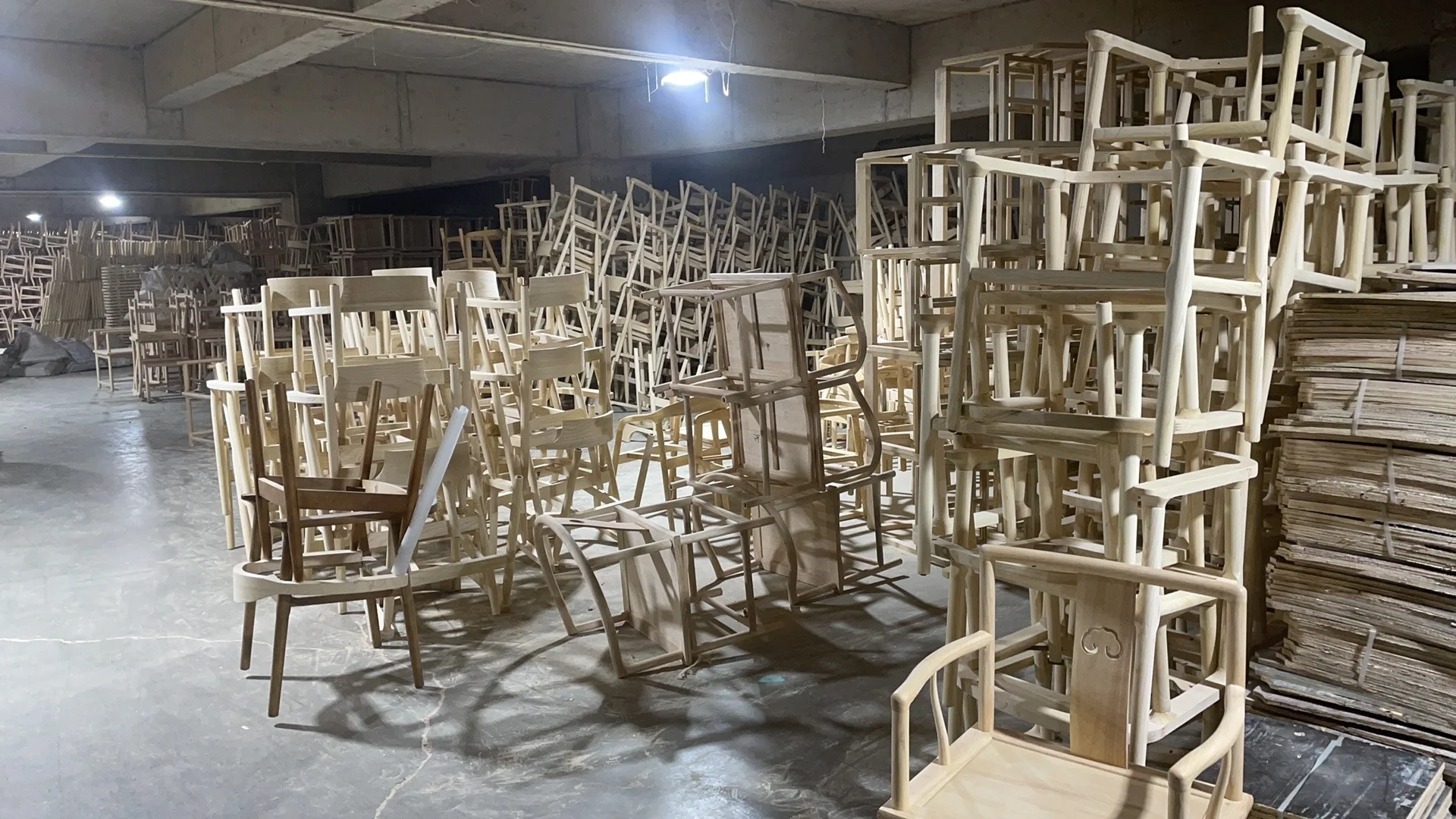
Quanzhou Hanyu Furniture Co., Ltd.
- Manufacturer, Trading Company
- Fujian, China
- Lead time0 days
- Avg. response≤ 1h
Main productsLiving room furniture,Dining room furniture,Bedroom furniture,Office furniture,Hotel furniture
Main marketsDomestic Market(50.00%), Western Europe(5.00%), Eastern Asia(5.00%), Southern Europe(5.00%), Oceania(5.00%), Africa(5.00%), Northern Europe(5.00%), Eastern Europe(5.00%), South America(5.00%), North America(2.00%), South Asia(2.00%), Mid East(2.00%), Southeast Asia(2.00%), Central America(2.00%)

Fujian Dongyi Shenghui International Trade Co., Ltd.
- Verified by SGS
- Combined
- China Fujian
- Lead time15 days
- Avg. response≤ 1h
Main productsHotel Furniture, Apartment Furniture, Dining Restaurant Banuqet Furniture, Church Furniture, Movie Theater Furniture, Opera House Furniture, KTV Furniture, Office School Stadium Furniture
Main marketsEurope

Shanghai Miaolian Industry Co., Ltd.
- Verified by TUVRHEINLAND
- Manufacturer/Factory
- China Shanghai
- Lead time45 days
- Avg. response≤ 4h
Main productsFurniture, Restaurant Furniture, Hotel Furniture, Chair, Table, Sofa, Bed, Cabinet, Restaurant, Hotel
Main marketsSouth America,Eastern Europe,Mid East,North America,Southeast Asia,Eastern Asia,Oceania,Western Europe,Africa

Guangdong Everpretty Furniture Co., Ltd.
- Combined
- China Guangdong
- Lead time23 days
- Avg. response≤ 13h
Main productsStudent Desk & Chair, Kid's Desk & Chair, Laboratory Benches & Stools, Canteen Table Benches, Library Bookshelf Desk & Chair, Bunk Bed & Roomset Furniture, Auditorium & Theater Chair, White Board Green Board Cork Board, Storage Cabinet & Wardrobe, Office Table & Chair
Main marketsAfrica,Southeast Asia/ Mideast

Tianjin Runduo Import and Export Co., Ltd
- Verified by TUVRHEINLAND
- Trading Company
- China Tianjin
- Lead time15 days
- Avg. response≤ 24h
Main productsDining Chair, Outdoor Furniture, Outdoor Table, Upholstered Chair, UV-Resistant Chair, Dining Table, Outdoor Chair, Outdoor PP Chair, Sofa, Bar Chair
Main marketsEurope

Guangzhou Mega Import and Export Co., Ltd.
- Verified by TUVRHEINLAND
- Trading Company
- China Guangdong
- Lead time30 days
- Avg. response≤ 4h
Main productsOffice Chair, Office Table, Office Cubicle, Restaurant Furniture, Conference Table, Office Sofa, Executive Desk, Restaurant Sofa, Hotel Furniture, Executive Furniture
Main marketsEurope,North America


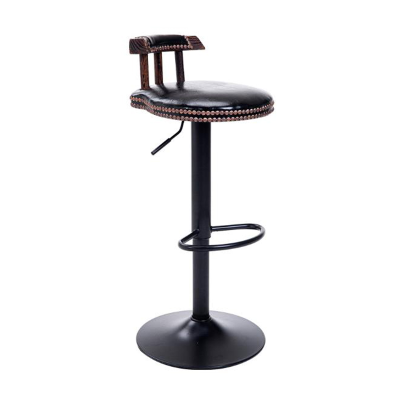
Superior Solid Wood Bar Chairs with Back (FOH-BCA77)
Contact supplier

Shenzhen Best Solid Surface Co., Ltd.
- Manufacturer/Factory
- China Guangdong
- Lead time15 days
- Avg. response≤ 4h
Main productsReception Desk, Bar Counter, Office Desk, Conference Table, Restaurant Table, Office Counter, Office Furniture, Corian Countertop, Marble Countertop, Stone Countertop
Main marketsSouth America,Eastern Europe,Mid East,North America,Southeast Asia,Eastern Asia,Oceania,Western Europe,Africa


Stainless Steel Wood Bar Counter Supplier Restaurant and Cafe Bar Furniture Best Bar Counter
$799.00 - $1100.00
MOQ: 1 Meters


Hotel Bar Counter Furniture L Shape Bar for Nightclub Best Corian Cool Design Bar Counter
$799.00 - $1100.00
MOQ: 1 Meters

White Cafe Bar Counter and Stools Artificial Stone Front Bar Modern Commercial Bar Counter
$799.00 - $1100.00
MOQ: 1 Meters

Restaurant Bar Counter Modern Design White Stone Bar Night Club L Shape Bar Counter for Sale
$799.00 - $1100.00
MOQ: 1 Meters
- Verified by SGS
- Trading Company
- China Guangdong
- Lead time60 days
- Avg. response≤ 14h
Main productsSofa Dining Table Bed Chair Coffee Table, Living Room Furniture, Dining Room Furniture, Bedroom Furniture, Hotel Furniture, Office Furniture, Outdoor Furniture, Mattress
Main marketsSouth America,Eastern Europe,Mid East,North America,Southeast Asia,Eastern Asia,Oceania,Western Europe,Africa
Foshan Hanse Industrial Co., Ltd.
- Verified by CTI
- Manufacturer/Factory
- China Guangdong
- Lead time38 days
- Avg. response≤ 8h
Main productsHotel Furniture, Bedroom Bed, Restaurant Furniture, Resort Hotel Furniture, Interior Furniture, Walk in Clothes, Bedroom Wardrobe, Bedroom Furniture, Kitchen Cabinet, Living Room Sofa/Outdoor Sofa
Main marketsSouth America,Eastern Europe,Mid East,North America,Southeast Asia,Eastern Asia,Oceania,Western Europe,Africa

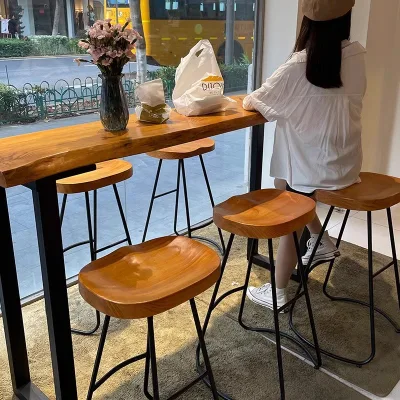
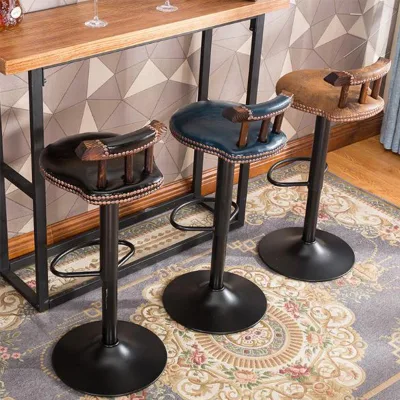
Hot Sale Cheap Bar Counter Stool Ash Solid Wood Modern Stool Kitchen Dining Chairs Bar Furniture
$50.00 - $100.00
MOQ: 1 Pieces

$50.00 - $100.00
MOQ: 1 Pieces

Shenzhen Aizan Custom Furniture Co., Ltd
- Verified by BV
- Manufacturer/Factory
- China Guangdong
- Lead time0 days
- Avg. response≤ 15h
Main productsSolid Surface Furniture, Custom Furniture, Bar Counter, Reception Desk, Office Desk, Conference Table, Nurse Station, Meeting Desk, Buffet Counter, Check-in Counter

$800.00 - $1200.00
MOQ: 1 Meters

Wooden Home Bar Counter L Shape Modern Bar Furniture Bar Counter Designs
$800.00 - $1200.00
MOQ: 1 Meters

Luxury Bar Furniture Modern Restaurant Bar Counter Rectangle Shape Wooden Bar Counter
$800.00 - $1200.00
MOQ: 1 Meters

Cheap Bar Furniture Wooden Round Bar Counter Modern Bar Design for Hotel Lounge
$800.00 - $1200.00
MOQ: 1 Meters

Modern Bar Furniture Wooden Restaurant Bar Counter Modern Hotel Lounge Bar Counter with Low Price
$800.00 - $1200.00
MOQ: 1 Meters

Stunning Bar Furniture Design Modern Wooden Bar Counter for Cafe Coffee Shop
$800.00 - $1200.00
MOQ: 1 Meters

Zhongshan Uptop Furnishings Co., Ltd.
- Verified by BV
- Combined
- China Guangdong
- Lead time15 days
- Avg. response≤ 2h
Main productsRestaurant Furniture, Restaurant Table and Chair, Hotel Table and Chair, Cafeteria Table and Chair, Bar Table and Chair, Canteen Furniture, Plastic Chair, Cafe Furniture, Contract Furniture, Commercial Furniture
Main marketsSouth America,Africa,Southeast Asia/ Mideast,East Asia(Japan/ South Korea),Europe,Australia,North America
Hangzhou Joy Kitchen Equipment Co., Ltd.
- Verified by TüVRheinland
- Trading Company
- Lead time10 days
- Avg. response≤ 4h
Main productsFryer, Sushi Machine, Oven, Mixer, Warmer
Main marketsNorth America(30%), Mid East(13%), Western Europe(12%)

- Verified by SGS
- Trading Company
- China Guangdong
- Lead time15 days
- Avg. response≤ 2h
Main productsReception Desks, Bar Counters, Office Desks, Conference Tables, Dining Tables, Airport Counters, Commercial Desks, Workstation, Hospital Counters, Custom Furniture
Main marketsAustralia

Modern Style Contemporary Restaurant Lobby Bar Counter with Solid Surface Design
$200.00 - $3000.00
MOQ: 1 Pieces

L Shape Restaurant Bar Counter with Solid Surface for Wholesale Nightclubs
$200.00 - $3000.00
MOQ: 1 Pieces

Unique L Shape Bar Counter for Restaurants and Nightclubs in Wholesale
$200.00 - $3000.00
MOQ: 1 Pieces

Stylish Luxury White Night Club Bar Counter Made From Wood and Solid Surface Stone
$200.00 - $3000.00
MOQ: 1 Pieces


Customizable Factory Direct Modern Bar Counter for Nightclubs in Multiple Designs
$200.00 - $3000.00
MOQ: 1 Pieces
Foshan J2S Furniture Co., Ltd.
- Verified by SGS
- Combined
- China Guangdong
- Lead time23 days
- Avg. response≤ 5h
Main productsRestaurant Furniture, Hotel Furniture, Outdoor Furniture, Bar Furniture
Main marketsSoutheast Asia/ Mideast,Australia,North America

$120.00 - $280.00
MOQ: 2 Pieces

$120.00 - $280.00
MOQ: 2 Pieces

TIANJIN CHRCASE FURNITURE TECHNOLOGY DEVELOPMENT CO., LTD.
- Verified by SGS
- Trading Company
- China Tianjin
- Lead time15 days
- Avg. response≤ 6h
Main productsOffice Chair, Gaming Chairs, Chair Accessories, Dining Chair, Coffee Chair, Plastic Chair, Bar Chair, Hardware Products, Furniture Spare Parts
Main marketsAfrica,Europe
Fujian Quanzhou Runwan Crafts Co., Ltd.
- Trading Company
- Fujian, China
- Lead time0 days
- Avg. response≤ 4h
Main productsfurniture
Main marketsNorth America(50.00%)

TIANJIN OKAY INTERNATIONAL TRADING CO., LTD.
- Verified by BV
- Combined
- China Tianjin
- Lead time30 days
- Avg. response≤ 5h
Main productsDining Table
Main marketsSoutheast Asia/ Mideast,East Asia(Japan/ South Korea),Europe,North America
- Verified by SGS
- Trading Company
- China Zhejiang
- Lead time15 days
- Avg. response≤ 15h
Main productsMop, Kitchen Knife, Chopping Board, Blanket, Mosquito Net, Cushion, Slipper, Broom, Luggage, Educational Toy
Main marketsEurope,Australia

Stock Available Decoration Coffee Bar Cashier Counter Design Coffee Shop Counter
$51.40 - $57.10
MOQ: 18 Boxes

on Sale Modern Design Solid Wood Raft Multi-Functional Computer Outdoor Bar Counter
$3.90 - $4.30
MOQ: 233 Boxes


ZHENGZHOU YITUO MACHINERY CO., LTD.
- Verified by BV
- Combined
- China Henan
- Lead time30 days
- Avg. response≤ 3h
Main productsFood Truck, Food Trailer, Food Cart, Airstream Food Trailer, Ice Cream Bicycle, Electric Food Truck, Mobile Kitchen, Food Kiosk, Food Van, Restaurant Car
Main marketsEurope,Australia,North America






Comprehensive Sourcing Guide
Solid Wood Bar Counter and Chair Combo Supplier Concentration and Factory Types
Suppliers of Solid Wood Bar Counter and Chair Combo products in the current results cluster around two Chinese provinces: Guangdong and Fujian. Guangdong listings cover restaurant, bar, and hotel bedroom furniture, with the company typed as a Manufacturer/Factory holding ISO 9001 system certification and SGS verification. Fujian listings combine living, dining, bedroom, office, and hotel furniture lines, with the company typed as both Manufacturer and Trading Company. This distinction matters: a pure factory typically controls its own woodworking, upholstery, and finishing lines, while a manufacturer-trading hybrid may broker some SKUs from neighboring workshops, so the same catalog can carry mixed production depth.
Beyond these two provinces, do not assume concentration elsewhere. Where a location is not supplied as a high-confidence fact, treat cluster claims as unverified and ask candidates directly which processes occur in-house and which are subcontracted. Use main-product listings as a proxy for specialization depth: a supplier whose core lines are restaurant and bar furniture is more likely to have dedicated booth, stool, and counter jigs than a general furniture maker adding bar sets as a side category. For a combo SKU involving joined table-and-chair production, confirm whether both components are made on the same site, since split production lengthens the displayed lead times and complicates quality accountability.
How to Verify Solid Wood Bar Counter and Chair Combo Suppliers
Verification should start with the credentials actually displayed in the results. One Guangdong supplier shows ISO 9001 system certification and third-party verification by SGS, with a company type of Manufacturer/Factory; both data points are checkable through the certificate number and the verification body's own lookup tools. Respond quickly to the response-time metric as well: the observed figures range from about 1.0 to 1.98 hours, which is useful for triage but says nothing about engineering competence. A fast reply should be followed by a demand for documented answers, not chat-level reassurance.
Next, verify production claims against the product records themselves. The listings show OEM/ODM capability, CE and RoHS certification marks on specific products, and customization availability, but these are product-level attributes, so tie each claim to the exact SKU you intend to order rather than the company profile. Ask for the factory's business license scope, evidence that solid wood sourcing complies with your market's import rules, and sample photos of the actual grain, joinery, and finish. For the Fujian manufacturer-trading hybrid, request clarity on which entity holds export rights and who is liable for defects. Finally, verify warranty terms in writing: one product record states a 1-year warranty, so confirm the same duration applies to your combo configuration before sampling.
What to Compare Across Solid Wood Bar Counter and Chair Combo Suppliers
Build a comparison sheet using the supplier-label dimensions actually displayed rather than assumptions. Useful fields include location (Guangdong versus Fujian in the observed data), company type (Manufacturer/Factory versus Manufacturer and Trading Company), system certification, third-party verification status, average response time, lead time, and main-product lines. Note that not every supplier has every attribute displayed; one lead time of 30 days appears in the results while another shows zero, meaning the field is missing rather than genuinely instant. Record blank cells as "unconfirmed" and chase them during RFQ instead of guessing.
Then compare at product level, where the evidence is richer. Observed price ranges differ sharply by SKU: dining chair sets list around 50–90 dollars, solid wood stools around 80 dollars with a 10-unit MOQ, booth seating up to 120 dollars, and bar counters from roughly 220–350 up to 280–480 dollars depending on design. MOQs also vary, from 30 units on chair combos to 10 meters on counter-based configurations. Compare customization scope (CAD drawing, distribution, project service, OEM/ODM), packing methods such as woven, carton, wooden frame, or wooden box, production-time statements such as 25–30 days, warranty, and payment terms like T/T, bank transfer, or PayPal. Normalize these into one row per supplier so trade-offs become visible instead of buried in chat history.
Common Solid Wood Bar Counter and Chair Combo Sourcing Risks
The most frequent risk in this category is conflating product-level claims with company-level guarantees. CE and RoHS marks appear on individual listings, not on every SKU, so a catalog-wide assumption can leave you importing an uncertified variant. Similarly, one record lists a 1-year warranty and another lists none at all; ordering without confirming the warranty attached to your specific model invites disputes. Solid wood itself adds risk: moisture content, grain matching, and finish durability vary between batches, and a supplier combining counters and chairs across different workshops may deliver components that finish differently after transit.
Logistics and specification risks follow closely. Heavy wooden counters packed in carton versus wooden frame or wooden box can arrive with dramatically different damage rates, yet the observed packing options appear only as attributes you must actively select. Combo SKUs multiply the risk: a chair at a 30-piece MOQ and a counter at a 10-meter MOQ may ship on separate schedules even from one supplier, and the 25–30 day production window stated for one line may not cover the slower component. Verify custom colors and sizes against physical samples, because synthetic-leather upholstery and solid-wood stains rarely match renderings. Finally, treat response speed as a satisfaction signal only; fast chat replies do not compensate for undocumented engineering answers.
Solid Wood Bar Counter and Chair Combo Regional Sourcing and Logistics
The regional picture in the current results is limited but actionable. Guangdong suppliers list restaurant, bar, and hotel furniture as main products, sit within a province widely connected to commercial furniture supply chains, and declare OEM/ODM capacity; one product record even names Guangdong, China as the origin. Fujian suppliers list broader home and hospitality furniture and type themselves as both manufacturer and trading company. Both provinces export through established ocean-freight corridors, but you should confirm the actual port, consolidation options, and whether the factory or a forwarder manages export documentation for each candidate.
For logistics planning, use the displayed lead-time and production data as baselines and then verify. One supplier shows a 30-day lead time and a product line stating 25–30 days production, which gives a working window for standard configurations; custom colors, U-shaped booths, or half-circle counters will likely extend it. Packing choice directly drives freight cost and claims: woven and carton packing suits chair components, while counters need wooden frames or boxes, and solid-wood shipments may face ISPM-15 heat-treatment requirements that you must confirm with the supplier. State your destination port, discharge constraints, and any inspection window before production starts. Because bar counters are bulky relative to value, compare suppliers on loadability—how many complete combos fit a container—not just unit price, since a cheaper counter that wastes cube space can cost more landed.
Solid Wood Bar Counter and Chair Combo Commercial Terms and Order Planning
Commercial terms in the observed records are concrete enough to anchor negotiation. Payment terms listed include T/T, bank transfer, and PayPal on one product record; payment-method choice affects recourse, so for larger counter orders prefer instruments that let you hold funds until inspection. Customization is declared available across multiple listings, with services spanning OEM, ODM, CAD drawing, distribution, and project work, and custom size appears as a stated standard—meaning dimensional confirmation should be part of the contract, not an afterthought. Attach the quoted price band (for example, 280–480 dollars for elaborate counters, 50–90 dollars for chair sets) to a written specification sheet.
Order planning should reconcile the differing MOQs and lead times shown in the data. A 30-unit MOQ on a chair combo and a 10-meter MOQ on counter configurations mean your opening order size will be shaped by the binding constraint, and the 30-day lead time plus any customization loop sets your replenishment calendar. Sequence orders as: specification sheet and CAD sign-off, sample approval with grain and finish references, deposit, production monitoring, pre-shipment inspection, balance payment, and shipment in the agreed packing type. Confirm warranty duration per model, agree who bears freight damage in wooden-box versus carton packing, and lock production-time commitments in days rather than weeks so delays are measurable and enforceable.
(word counts: each section ~228; total ≈1370)
FAQs
What is a typical MOQ for a Solid Wood Bar Counter and Chair Combo?
Many suppliers list MOQs between 10 and 30 units for restaurant and bar furniture sets, with some wood counter items quoted per meter. Small bars and cafes can usually start with a low-volume trial order before scaling. Confirm the exact MOQ per model, because combo sets with tables, chairs, and counters may carry different minimums.
How long does production and delivery usually take?
Typical lead time for restaurant and bar furniture runs about 30 days, with some makers quoting 25 to 30 days of production time. Custom colors, sizes, or large project volumes can extend that window. Ask for a written production schedule after your drawings are approved, and factor in shipping time to your destination port.
Can I order custom sizes, colors, and finishes for the combo?
Yes, customization is widely available, and many suppliers support OEM and ODM services along with CAD drawings for project layouts. You can usually choose wood finish, upholstery color, counter length, and seating style. Provide dimensions, material preferences, and reference images early so the factory can quote accurately and produce a sample if needed.
What price range should I expect for these bar counter and chair sets?
Listed prices vary widely by product type: solid wood stools and chairs often start around 50 to 90 dollars per unit, while full wooden bar counters can range from roughly 220 to 480 dollars. Price depends on wood species, dimensions, upholstery, and order volume. Request itemized quotes with materials and hardware specified before comparing offers.
Which payment terms do furniture manufacturers commonly accept?
Common payment terms include T/T, bank transfer, and PayPal, with T/T deposits followed by balance before shipment being the norm for factory orders. For larger sums, consider escrow or trade assurance arrangements for added protection. Agree on the deposit percentage, production milestones, and balance timing in writing before confirming your first order.
Where are the main manufacturing hubs for this kind of furniture?
Solid wood restaurant and bar furniture is concentrated in southern China, with Guangdong and Fujian being prominent sourcing provinces. Guangdong suppliers often specialize in commercial restaurant, bar, and hotel projects, while Fujian makers cover solid wood dining and living room pieces. Working with factories in either province gives access to established wood supply chains.
What certifications and quality checks should I verify before ordering?
Check that products carry relevant certifications such as CE or RoHS where applicable, and ask whether the factory holds an ISO 9001 quality management system. SGS verification of the supplier is a positive signal but not a substitute for inspection. Request material certificates, pre-shipment inspection, and sample approval before mass production begins.
How is bar counter furniture packed and shipped?
Standard packing includes woven bags, cartons, wooden frames, or wooden boxes, with wooden crating recommended for solid wood counters and glass components. Flat-pack packing lowers freight cost but requires assembly on site, while fully assembled pieces reduce labor but increase volume. Confirm packing methods, container loading plans, and shipping terms before finalizing the contract.