Solvent Printer Ink Pump Suppliers and Manufacturers
Explore 25 verified suppliers of Solvent Printer Ink Pump from China Jiangsu and Hunan. Compare response times, lead times, certifications like ISO 9001, and product specifications such as pressure and viscosity. Contact suppliers directly to request quotes for your specific needs.
Suppliers List

Suzhou Macxi Fluid Technology Co., Ltd.
- Manufacturer/Factory
- China Jiangsu
- Lead time23 days
- Avg. response≤ 6h
Main productsMicro Magnetic Gear Pump, Food Filling Machine Pump, Liquid Filling Machine Pump, Sand Mill Machine Pump, Grinding Machine Pump, Quantitative Transmission, Quantitative Delivery, Inkjet Printer Pump, Water Cirlulation Treatment Pump, Booster Pump
Main marketsNorth America,Southeast Asia,Western Europe

Changsha TOPS Industry & Technology Co., Ltd.
- Manufacturer/Factory
- China Hunan
- Lead time30 days
- Avg. response≤ 9h
Main productsDC Pump, Brushless Centrifugal Pump, Micro Diaphragm Pump, Micro Gear Pump, Liquid Cooling Pump, Solar Powered Hot Water Pump, Coffee Machine Pump, Car Circulation Pump, Micro Vacuump / Air Pump, Food Grade Pump
Main marketsSouth America,Eastern Europe,Mid East,North America,Southeast Asia,Eastern Asia,Oceania,Western Europe,Africa
Zhengzhou Zhongchi Technology Co., Ltd.
- Verified by TüVRheinland
- Trading Company
- Lead time5 days
- Avg. response≤ 2h
Main productsPrinter, Printer Spare Parts
Main marketsNorth America(40%), Domestic Market(20%), Southeast Asia(14%)
Guangzhou Fu-Union Equipment Co., Limited
- Manufacturer, Trading Company, Agent
- Guangdong, China
- Lead time4 days
- Avg. response≤ 3h
Main productssolvent printer,solvent sk4 ink,Infiniti printer,galaxy printer,eco solvent dx5 ink
Main marketsDomestic Market(25.00%), Mid East(12.00%), South America(11.00%), North America(10.00%), Eastern Asia(10.00%), Africa(8.00%), South Asia(8.00%), Southeast Asia(6.00%), Eastern Europe(5.00%), Western Europe(1.00%), Oceania(1.00%), Southern Europe(1.00%), Northern Europe(1.00%), Central America(1.00%)
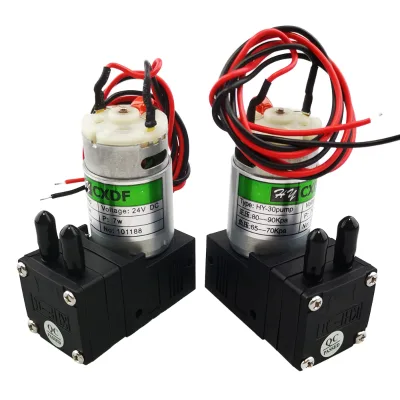
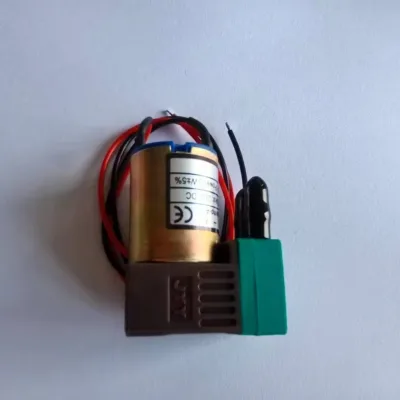
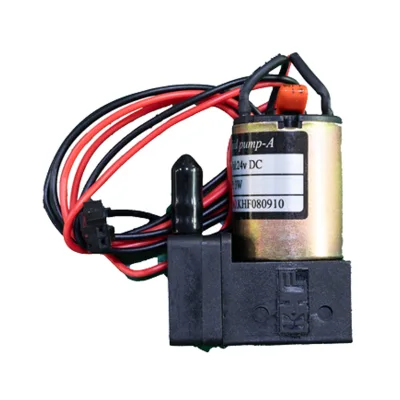
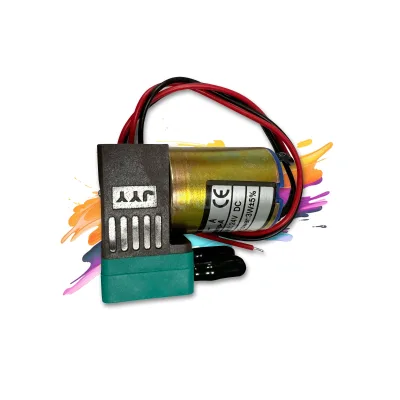
Original Jyy UV Ink Pump Small Air Ink Pump for Eco-Solvent Inkjet Printer New Condition
$5.16 - $7.22
MOQ: 1 pieces
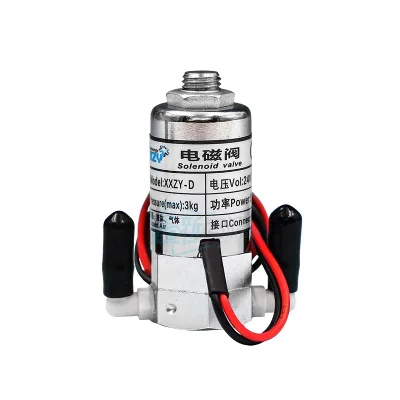
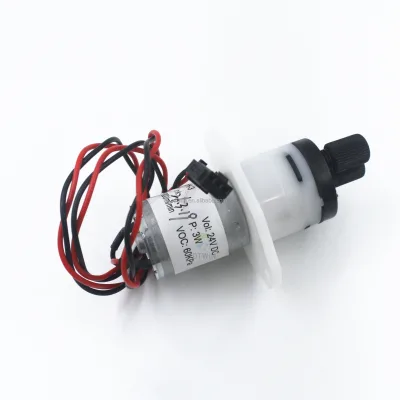
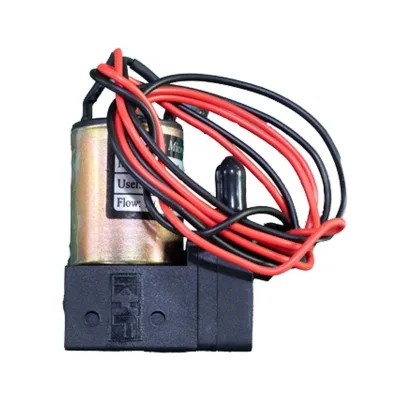
KHF-10 3W Eco Solvent Inkjet Printer Diaphragm Pump New 24V DC Part Small Ink Pump
$7.20 - $8.23
MOQ: 1 pieces
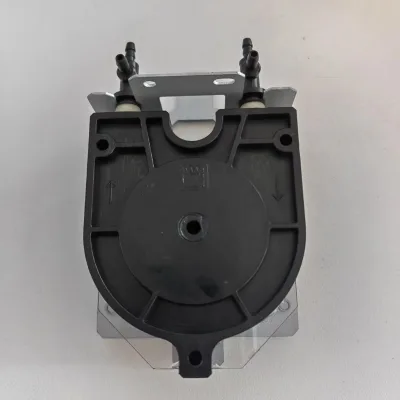
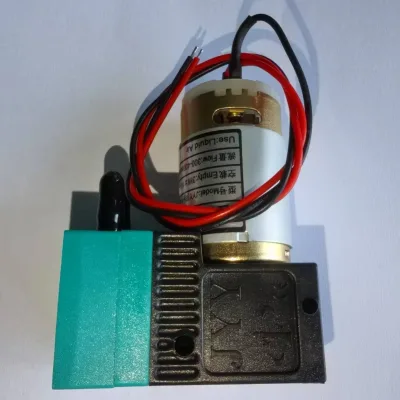
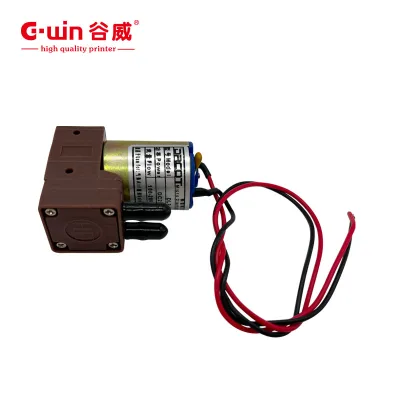
New 7W 600ml Flow Ink Pump for Solvent Printer
$9.00 - $10.00
Shenzhen Econuo Technology Co., Ltd.
- Verified by TüVRheinland
- Manufacturer, Trading Company
- Lead time7 days
- Avg. response≤ 3h
Main productsDTF Printer, UV DTF Printer, DTF Film, Printing Ink, Printing Machine Spare Parts
Main marketsEastern Europe(20%), Domestic Market(20%), South America(15%)
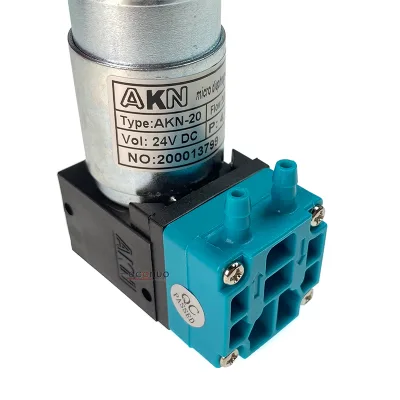
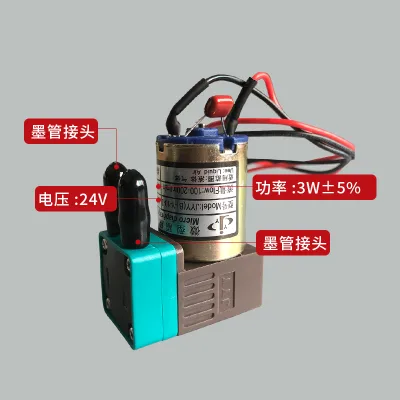
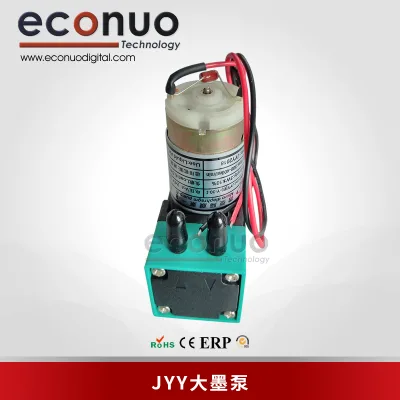
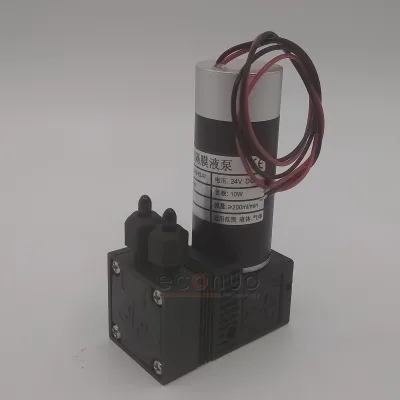
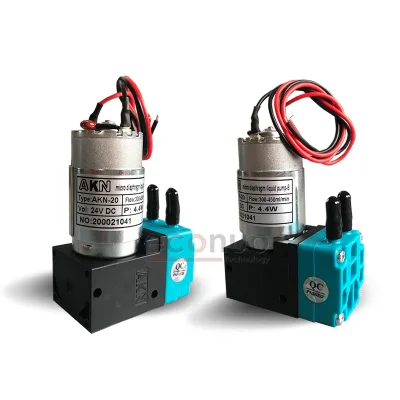
AKN-20 Big Ink Pump DC24V 300-450ml/min Big Ink Pump for the Large Format Printers
Contact supplier
MOQ: 1

- Verified by BV
- Manufacturer/Factory
- China Guangdong
- Lead time15 days
- Avg. response≤ 3h
Main productsEco Solvent Ink, I3200 Printhead, I1600 Printhead, XP600 Printhead, Dtf Ink, Eco Solvent Printer, Dtf Printer, UV Dtf Printer, UV Printer, Dx5 Printhead
Main marketsSouth America,Eastern Europe,Mid East,North America,Southeast Asia,Eastern Asia,Oceania,Western Europe,Africa

Shenzhen Rongzhitai Packaging Technology Co., Ltd.
- Verified by BV
- Trading Company
- China Guangdong
- Lead time23 days
- Avg. response≤ 7h
Main productsJapan Nitto Nitoflon Tape, Doctor Blade, PTFE Cloth/Pneumatic Punching Machine, Ceramic Anilox Roller/Anilox Roller Cleaner/Brus, Mixing Machine/Ink Mixing Roller/Lab Equipment, Stroboscope/Eye Sensor, Pneumatic Diaphragm Pump/Viscosity Controller, Pantone Color Guide/Color Assesment Cabinet, Japan Mitsubishi Brake/Clutch/Tension Controller, Anti-Static Ion Bar/Brush/Ion Gun
Main marketsSoutheast Asia/ Mideast
Guangzhou Hongcai Thermal Transfer New Material Technology Co., Ltd.
- Verified by Intertek
- Manufacturer, Trading Company
- Lead time8 days
- Avg. response≤ 2h
Main productsDTF Consumables, HTV Consumables, UV-DTF Consumables, Heat Transfer And Rhinestone, DTF Paper Customization
Main marketsNorth America(35%), Domestic Market(30%), South America(10%)
Shenzhen Jingsuguang Technology Co., Ltd.
- Manufacturer
- Guangdong, China
- Lead time30 days
- Avg. response≤ 5h
Main productsMicro Pumps,Micro Air Pump,Micro Vacuum Pump,Micro Water Pump,Eccentric Diaphragm Pumps
Main marketsNorth America(8.00%), South America(7.00%), Eastern Europe(3.00%), Central America(2.00%), Africa(2.00%), Southeast Asia(2.00%), Southern Europe(1.00%), Oceania(1.00%), Western Europe(1.00%), Eastern Asia(1.00%), Mid East(1.00%)
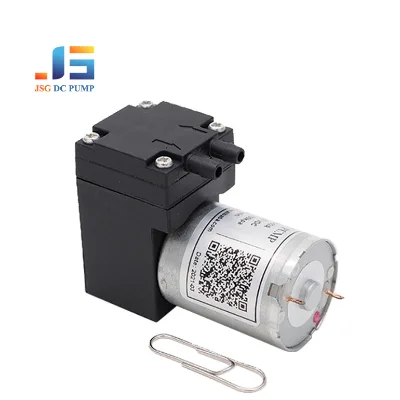
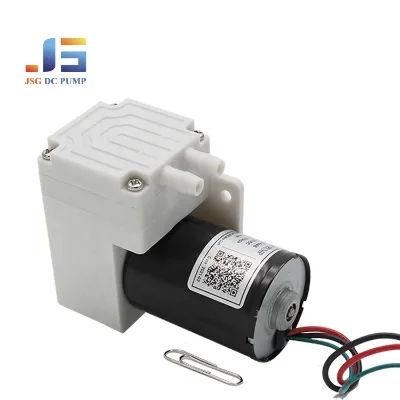
24V 400ML UV Micro 7W Jyy L805 Cz 100 Solvent Liquid Ink Pump Printer Ink Pump for Inkjet
$7.00 - $15.00
MOQ: 1 pieces
Xuchang Dtwin Machinery Co.,Ltd
- Trading Company
- Henan Province, China
- Lead time3 days
- Avg. response≤ 3h
Main productsmachine,printing material,transfer paper,printer accessories,electronic products
Main marketsNorth America(28.00%), Southeast Asia(19.00%), South Asia(16.00%), Africa(6.00%), Oceania(5.00%), Eastern Europe(5.00%), Southern Europe(4.00%), Central America(4.00%), Northern Europe(4.00%), Eastern Asia(3.00%), Western Europe(2.00%), Mid East(2.00%), Domestic Market(1.00%), South America(1.00%)
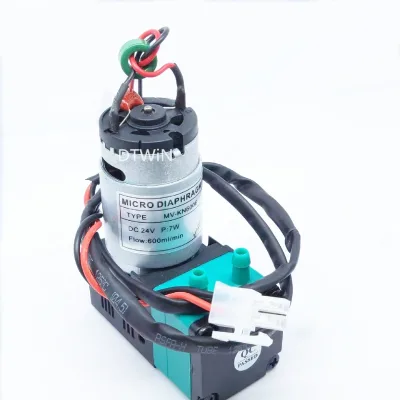
7W 600ml/min 24v KNN Ink Pump New Condition for Flora Inkjet Printer Parts
$6.17 - $8.22
MOQ: 1 pieces
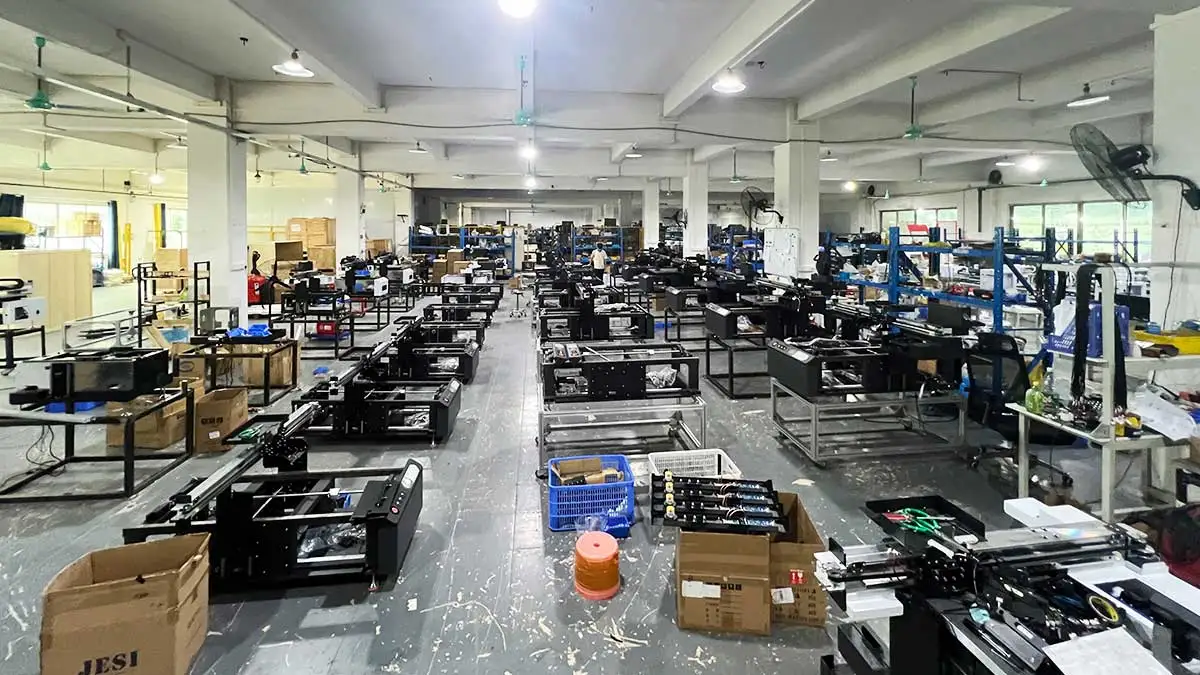
Guangzhou Jiexi Electronic Technology Co., Ltd.
- Manufacturer, Trading Company
- Guangdong, China
- Lead time15 days
- Avg. response≤ 2h
Main productsdtf printer,uv printer,eco solvent printer,dtg printer,uv dtf printer
Main marketsWestern Europe(20.00%), North America(15.00%), Southeast Asia(15.00%), Eastern Europe(10.00%), Eastern Asia(10.00%), South America(10.00%), Southern Europe(5.00%), Oceania(5.00%), Africa(5.00%), Mid East(5.00%)

- Trading Company
- Beijing, China
- Lead time5 days
- Avg. response≤ 2h
Main productsUV Flatbed Printer,T Shirt Printer,Eco Solvent Printer,Sublilmation Printer,Largemat Digital Printer
Main marketsMid East(10.00%), South Asia(10.00%), Africa(10.00%), Central America(10.00%), Eastern Europe(10.00%), South America(10.00%), North America(10.00%), Southern Europe(5.00%), Northern Europe(5.00%), Southeast Asia(5.00%), Western Europe(5.00%), Eastern Asia(5.00%), Oceania(3.00%), Domestic Market(2.00%)

Guangzhou Jincai Technology Co., Ltd.
- Manufacturer, Distributor/Wholesaler, Other
- Guangdong, China
- Lead time5 days
- Avg. response≤ 4h
Main productsPrinter,ink,printer accessories,pet film,powder
Main marketsSouth America(20.00%), North America(20.00%), Mid East(15.00%), Western Europe(10.00%), Africa(10.00%), Southeast Asia(10.00%), Domestic Market(2.00%), Southern Europe(2.00%), Northern Europe(2.00%), Central America(2.00%), Oceania(2.00%), Eastern Asia(2.00%), Eastern Europe(2.00%), South Asia(1.00%)
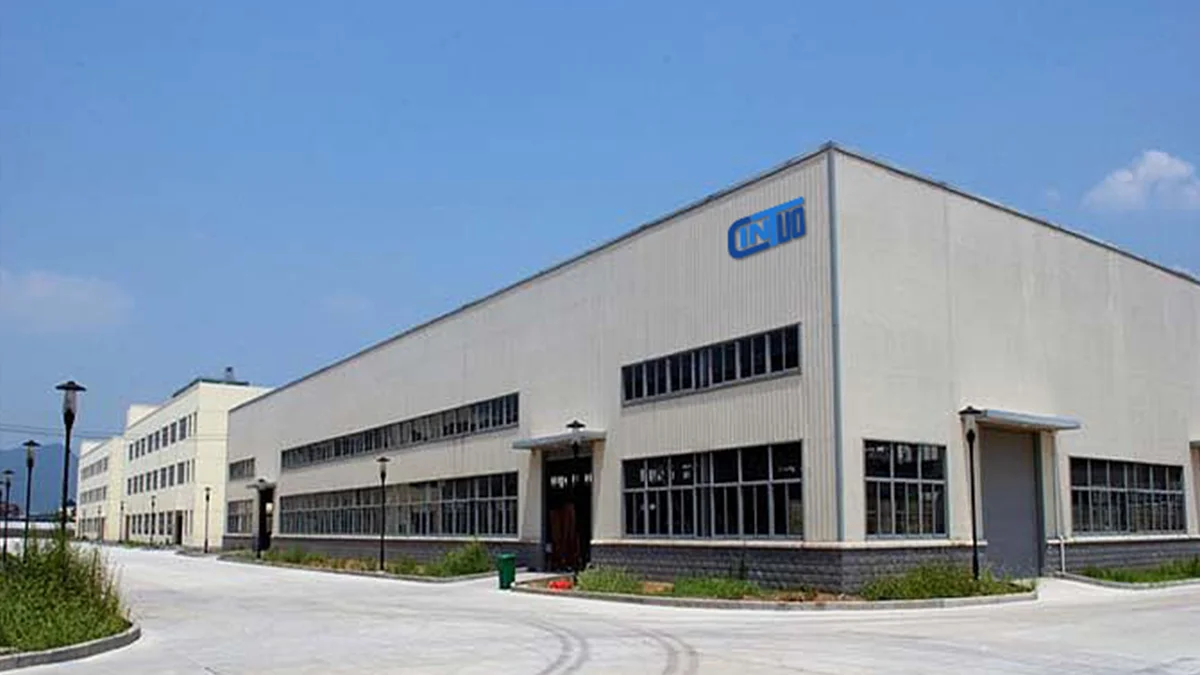
Guangzhou Cintuo Technology Co., Ltd.
- Manufacturer, Trading Company
- Guangdong, China
- Lead time30 days
- Avg. response≤ 4h
Main productsPrinthead,Head capping,Damper,Ink bottle,Ink pump
Main marketsNorth America(20.00%), South Asia(10.00%), Southern Europe(10.00%), Northern Europe(10.00%), Western Europe(10.00%), Mid East(10.00%), Africa(10.00%), Eastern Europe(10.00%), South America(10.00%)
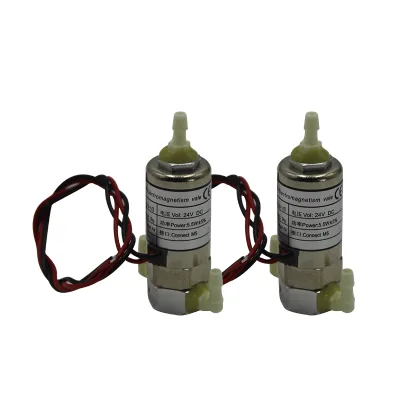
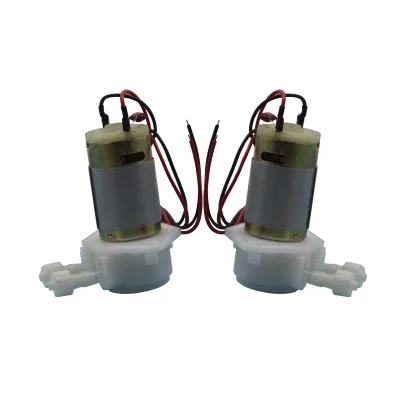
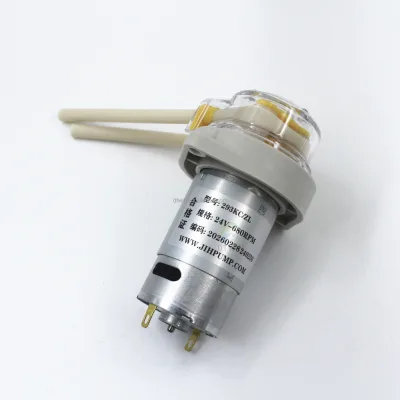
High Quality Peristaltic Pump Ink Pump 24V Solvent Based Ink Pump for Inkjet Printer
$11.00 - $12.00
MOQ: 1 pieces
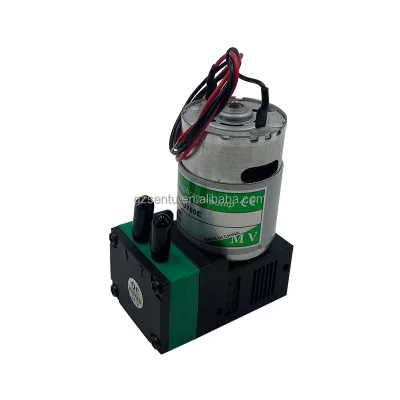
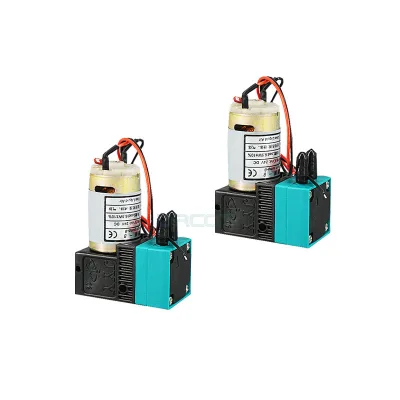
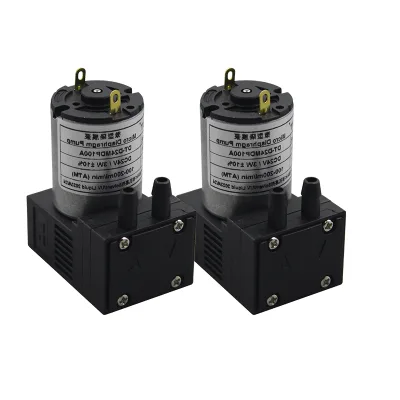
Inkjet Printer 7W 24V Diaphragm Pump SYPDA MV-SD700E Air Pump for Solvent Printer Big Ink Pump
$12.00 - $13.00
MOQ: 1 pieces
Guangzhou Bozu Digital Technicial Co., Ltd.
- Verified by SGS Group
- Trading Company
- Guangdong, China
- Lead time7 days
- Avg. response≤ 2h
Main productsInkjet Printer/Printhead/Inks/Dampers/Ink Pump
Main marketsSoutheast Asia(24%), North America(10%), Eastern Europe(10%)
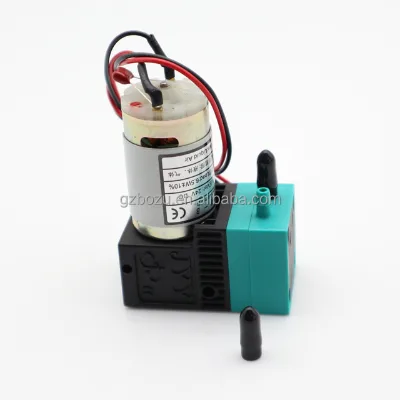
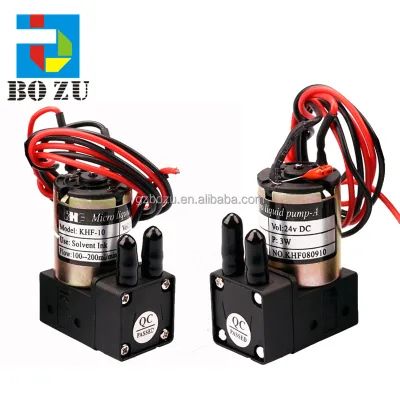
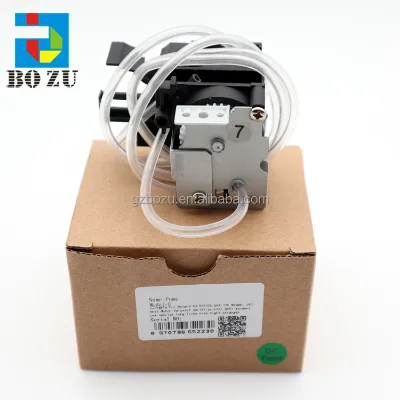
Hot Sale KHF 24v 3w Ink Pump Small Ink Pump for Solvent Printer Xp600 Dx5 Tx800 I3200 Ink Pump
$4.88 - $6.61
MOQ: 1 pieces
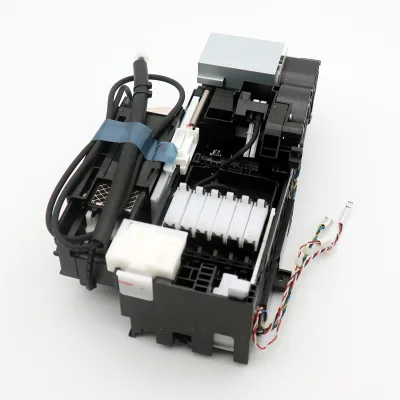
Pump and Capping Assembly Used for F6200 F7200 Ink Pump Printer Ink Suction Pump
$184.50 - $212.90
MOQ: 1
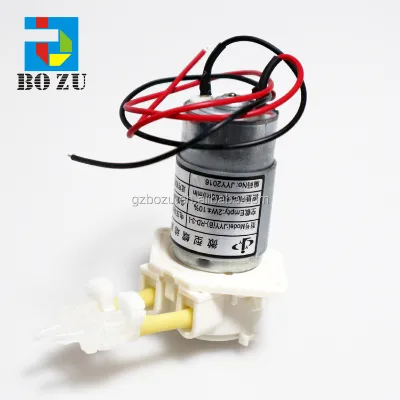
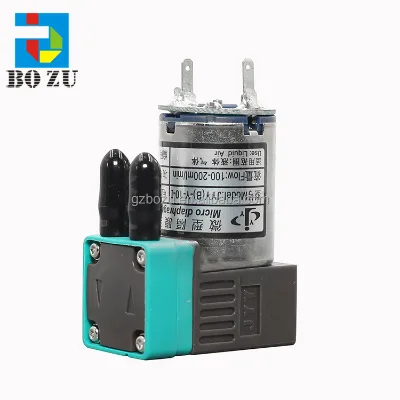
New 3W 24V JYY Ink Pump Parts for Infiniti Eco Solvent Inkjet Printer for Printing Machine
$9.91 - $14.82
MOQ: 1 pieces

Qianye (guangzhou) Digital Technology Co., Ltd.
- Trading Company
- Guangdong, China
- Lead time10 days
- Avg. response≤ 2h
Main productsInkjet Printer, Printer Spare Parts, Used Inkjet Printer, DTF Printer, Display Stand
Main marketsMid East(20.00%), Africa(15.00%), Southeast Asia(14.00%), North America(10.00%), South America(10.00%), Central America(10.00%), Domestic Market(10.00%), South Asia(5.00%), Western Europe(2.00%), Oceania(1.00%), Southern Europe(1.00%), Northern Europe(1.00%), Eastern Europe(1.00%)
Guangzhou LETOP International Trade Co., Ltd.
- Verified by SGS
- Combined
- China Guangdong
- Lead time45 days
- Avg. response≤ 2h
Main productsInkjet Printer, Printing Ink, Printing Material, Print Head, Printer Board Kit, Inkjet Printer Spare Parts
Main marketsSouth America
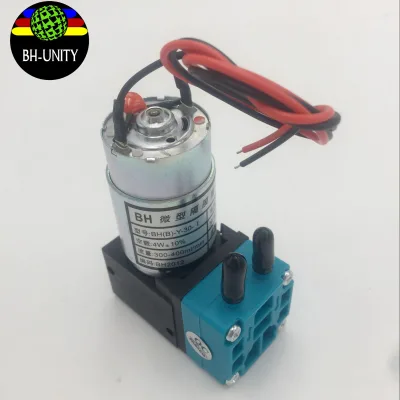
Guangzhou Bh-Unity Electronic Technology Co., Ltd.
- Manufacturer, Trading Company
- Lead time旺季: "1 - 1":7,"> 1":"To be negotiated", 淡季: "1 - 1":7,"> 1":"To be negotiated"
- Avg. response≤ 2h
Main productsPrinting Machine, Ink, UV Printer, Printhead, Printing Machine Part
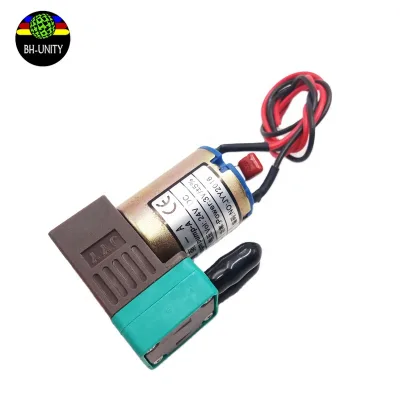
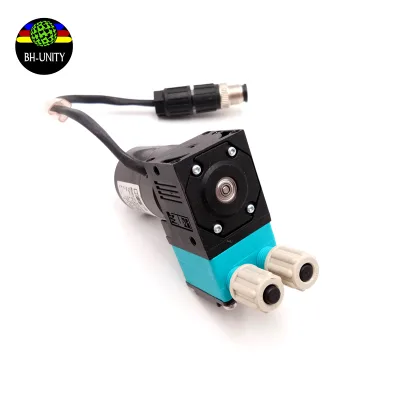
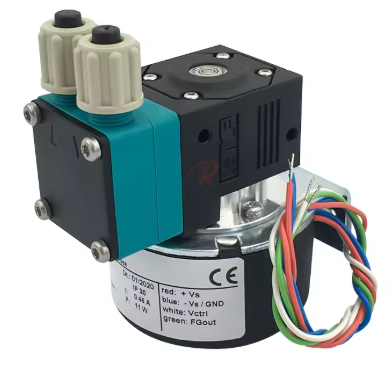
Original Knf Ink Pump PML7614-NF60 24 VDC for Ceramic Printer Made in Switzerland
$440.00 - $470.00
MOQ: 1
Jimei Digital Equipment (Guangzhou) Co., Ltd.
- Verified by TüVRheinland
- Trading Company
- Lead time2 days
- Avg. response≤ 3h
Main productsPrinthead, Inkjet Printers, Mainboard, Various Controlling Boards, Damper
Main marketsNorth America(15%), South America(15%), South Asia(15%)
Shenzhen Shenchuangxing Technology Co., Ltd.
- Manufacturer, Trading Company, Agent
- Guangdong, China
- Lead time30 days
- Avg. response≤ 2h
Main productsDTF printer,A3 DTF Printer,3D printer,UV DTF printer,Printer heads
Main marketsSouth America(2.00%), Domestic Market(1.00%), South Asia(1.00%), Southern Europe(1.00%), Northern Europe(1.00%), Central America(1.00%), Western Europe(1.00%), Eastern Asia(1.00%), Mid East(1.00%), Oceania(1.00%), Africa(1.00%), Southeast Asia(1.00%), Eastern Europe(1.00%), North America(1.00%)
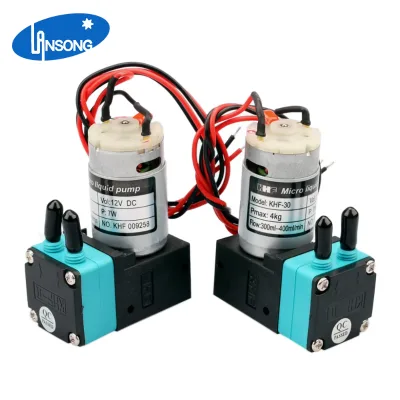
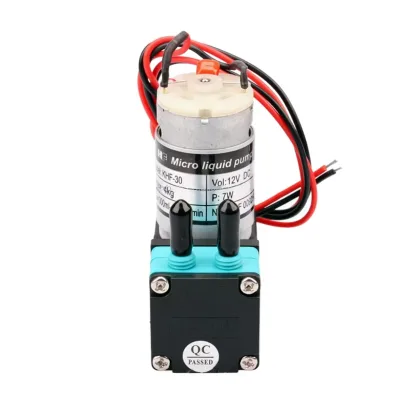
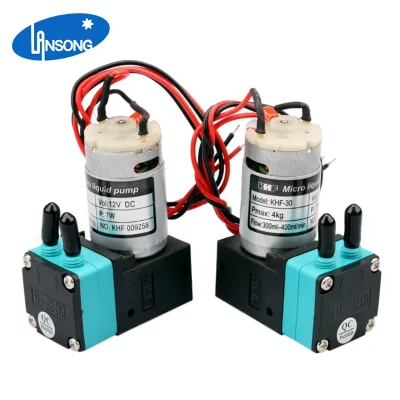
High Quality Ink Pump KHF-30 12V Big Pump for Eco Solvent UV Printer DTF Printer
$4.00 - $6.00
MOQ: 1 pieces
Shenzhen Bojie Technology Co., Ltd.
- Manufacturer, Trading Company, Agent
- Guangdong, China
- Lead time2 days
- Avg. response≤ 4h
Main productspcb board,original printhead,solvent ink,ECO Solvent ink,original sk4 ink
Main marketsEastern Asia(20.00%), Mid East(20.00%), Southeast Asia(20.00%), North America(10.00%), Central America(5.00%), South America(5.00%), South Asia(5.00%), Africa(5.00%), Domestic Market(3.00%), Northern Europe(2.00%), Eastern Europe(2.00%), Western Europe(1.00%), Oceania(1.00%), Southern Europe(1.00%)

Guangzhou Codpad E-Tech Co., Ltd.
- Verified by BV
- Manufacturer/Factory
- China Guangdong
- Lead time15 days
- Avg. response≤ 6h
Main productsInkjet Printer, Tij Printer, Cij Printer, Laser Marking Machine, Dod Printer, CO2 Laser, UV Laser, Fiber Laser, Videojet, Printing Spare Parts
Main marketsSouth America,Eastern Europe,Mid East,North America,Southeast Asia,Eastern Asia,Oceania,Western Europe,Africa

Kingsfang(Xiamen)Import&Export Co., Ltd.
- Verified by TUVRHEINLAND
- Trading Company
- China Fujian
- Lead time15 days
- Avg. response≤ 4h
Main productsContinuous Inkjet Ink, Replacement of Cij Inks, Cij Printer Parts, Inkjet Ink Solvent, Inkjet Ink Cleaner, Inkjet Printer  Spare Part, Cij Printer  Consumable, Inkjet Printer  Ink
Main marketsSoutheast Asia/ Mideast,Europe,North America
Hangzhou Caihui Technology Co., Ltd.
- Trading Company
- Zhejiang, China
- Lead time10 days
- Avg. response≤ 10h
Main productsprinter spare parts,UV flatbed printer,sublimation printer,inks,paper
Main marketsDomestic Market(30.00%), South Asia(20.00%), Africa(20.00%), North America(10.00%), Eastern Europe(10.00%), South America(10.00%)
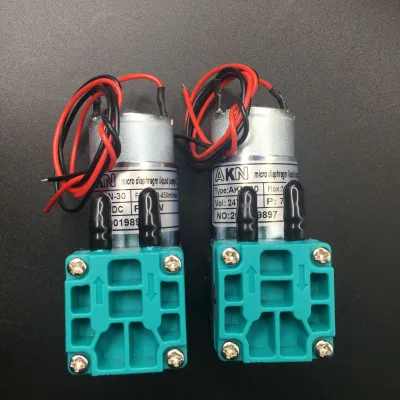
Original New Inkjet Printer AKN-30 7W Pump Big Ink Pump Flexo 24v (300-450ml/min)
$4.61 - $5.12
MOQ: 1 Minimum
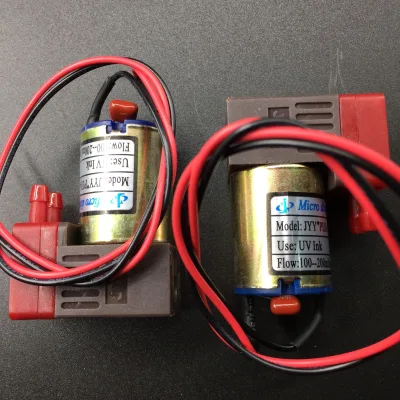
Inksmark (Xiamen) Technology Co., Ltd.
- Verified by SGS Group
- Trading Company
- Lead time0 days
- Avg. response≤ 2h
Main productsInkjet Printer Spare Part, Inkjet Printer, Inkjet Printer Consumable, Second Hand Printer, TIJ Printer
Main marketsSouth Asia(19%), Southeast Asia(18%), South America(15%)


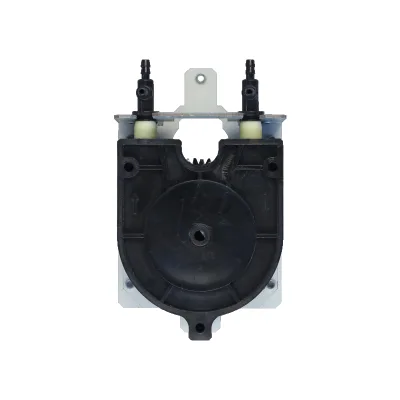


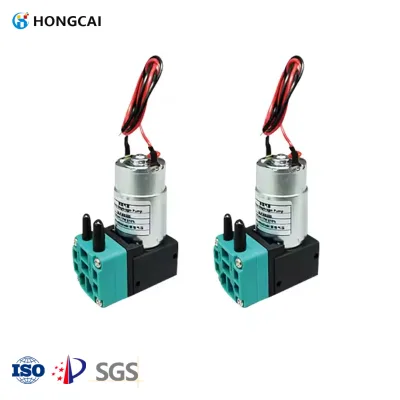
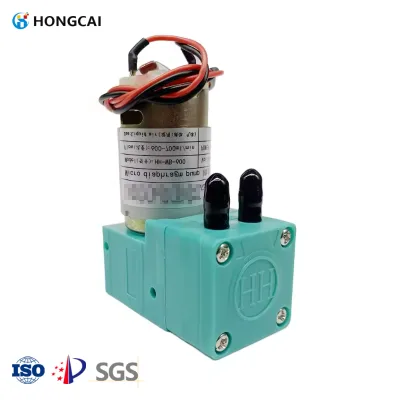
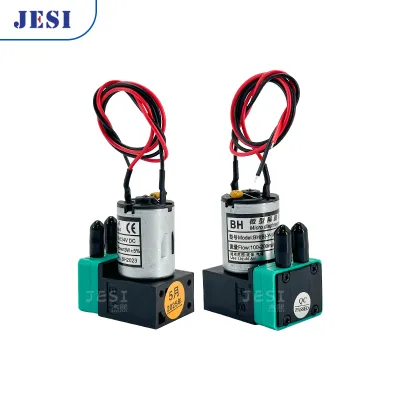
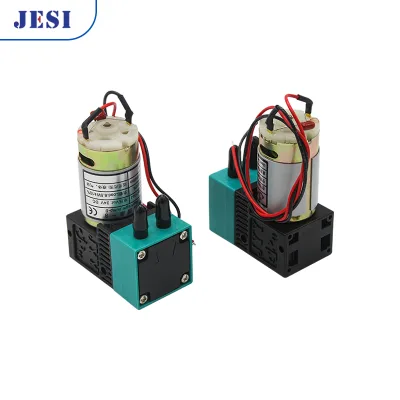
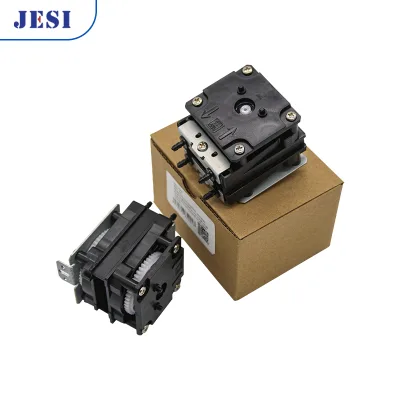
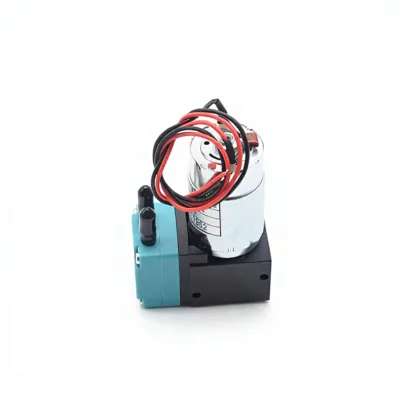
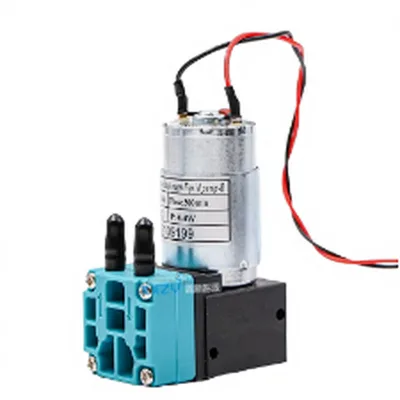


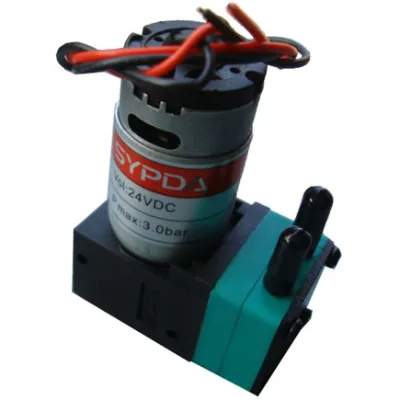
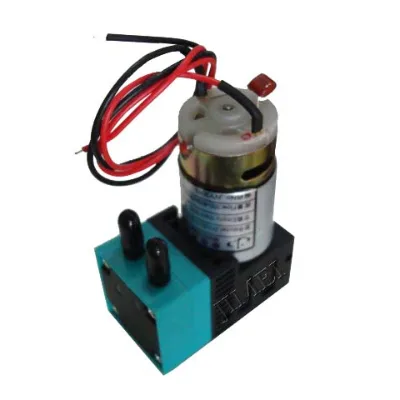
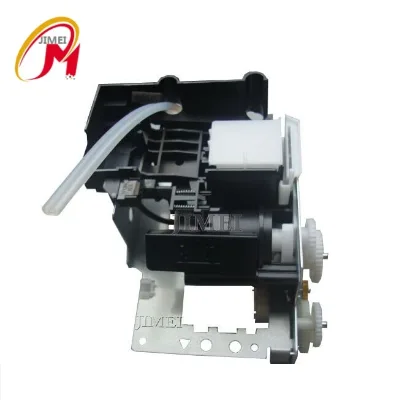
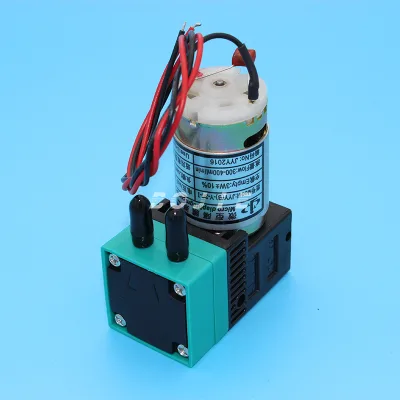
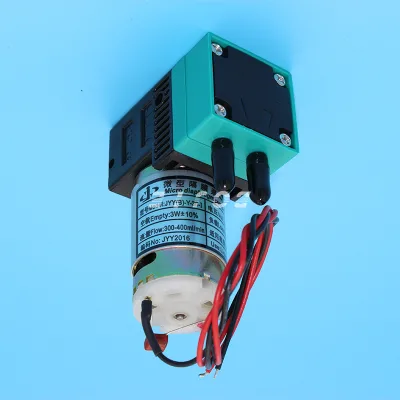
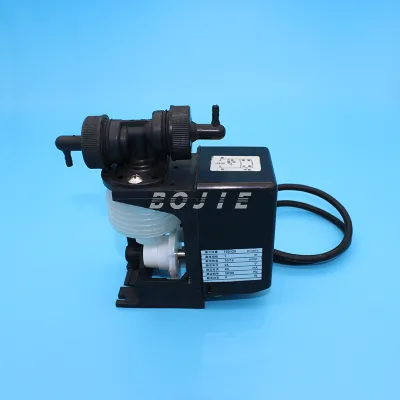


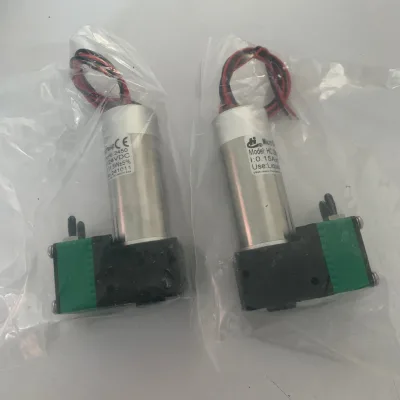
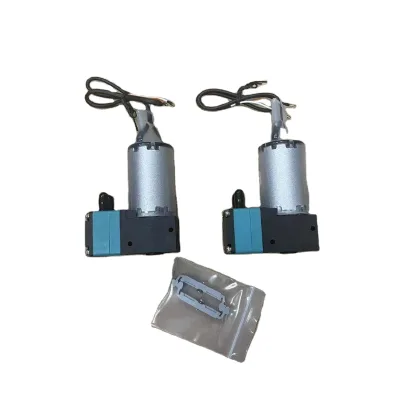
Comprehensive Sourcing Guide
Solvent Printer Ink Pump Supplier Concentration and Factory Types
Suppliers of solvent printer ink pumps appear in search results from a limited number of Chinese provinces, with Jiangsu and Hunan among the visible sourcing regions. Jiangsu-based suppliers in this category are typically classified as manufacturers or factories and list a broad product range covering micro magnetic gear pumps, liquid filling machine pumps, quantitative transmission units, and printer ink circulation pumps alongside the inkjet printer pumps themselves. Hunan-based suppliers in the results similarly identify as factories, with portfolios extending into DC pumps, brushless centrifugal pumps, micro diaphragm pumps, micro gear pumps, and food-grade or liquid-cooling pumps. This overlap between ink pumps and adjacent fluid-handling categories is typical of the segment: most factories serve multiple liquid-transfer markets rather than printing alone.
Factory type matters because it shapes what you can negotiate. Manufacturer/factory suppliers usually offer customization services — several products in the results explicitly list customization as available, and supplier capability profiles in this category mention OEM, ODM, and own-brand programs. That is relevant if you need modified motor power, port sizes, wetted materials, or private labeling for your ink pump line. Trading intermediaries can still be useful for consolidation, but direct factory engagement generally improves technical communication on parameters such as pressure ratings, viscosity ranges, and gear geometry. Before shortlisting, confirm which suppliers genuinely manufacture the pump family you need rather than resell it, since main-product lists mix categories and do not prove production depth for every listed item.
How to Verify Solvent Printer Ink Pump Suppliers
Verification should start with the attributes a supplier displays and end with what they can prove. Several ink pump suppliers in this category display system certifications — ISO 9001 appears in supplier profiles, and product listings reference CE and ISO markings, with some products also carrying RoHS claims. Do not treat displayed certifications as verified on their own: request certificate copies with valid scope and check that the scope actually covers micro gear pumps or the pump type you intend to buy. Product-level details provide another layer of evidence. Listings in the results include model numbers, motor power, pressure, rated current, flow rates, port sizes, and packing standards — ask a candidate supplier to confirm which of these published specifications apply to the exact model quoted, because attributes sometimes differ across similar listings.
Sample evaluation is the strongest verification step for this category. Order one or two pumps at listed sample MOQs — several products show MOQ of one or two units, which makes sampling inexpensive — and test them on your solvent chemistry. Confirm solvent resistance for white ink or aggressive solvent systems, check leakage behavior (some listings advertise no-leakage magnetic drive designs), and measure actual flow against published figures such as 5.4 to 243 L/H ranges shown across models. Also verify the supplier's responsiveness before committing: response-time figures exist in the data for individual suppliers, so use the actual inquiry turnaround you experience as your own measurement. Finally, ask whether the factory supports third-party inspection before shipment, and confirm the production location matches what is claimed — one product listing places origin in Suzhou City, Jiangsu Province, which should match factory records.
What to Compare Across Solvent Printer Ink Pump Suppliers
Build a comparison table using the dimensions actually visible in supplier profiles and listings. Lead time is one anchor: current results show quoted lead times of roughly 23 days for one Jiangsu supplier and 30 days for one Hunan supplier, so treat three to five weeks as the realistic band for this category and probe any quote that falls far below it. MOQ matters next — sample-level MOQs of one or two units appear on specific products, but ask whether volume-order MOQs differ. Response speed is measurable: supplier profiles carry average response-time figures, and you can log your own first-reply and technical-question turnaround for each candidate. Location (Jiangsu versus Hunan, for example) affects freight origin and any factory audit travel, and main-product breadth tells you whether ink pumps are a core line or a side offering.
On the technical side, compare published pump parameters side by side: motor power (40 W and 70 W models appear), operating pressure (0.8 MPa on some gear pumps, 8 bar on internal-gear variants), flow rates, speed ranges, viscosity handling up to about 1500 cps, port sizes, and weight. Certification stacks differ between listings — some show CE and ISO, others add RoHS — so record exactly what each quoted model carries. Pricing in the results spans roughly the low two hundreds to the mid three hundreds per unit on distinct models, which is useful as an internal sanity band, but prices can change and should never be assumed from a listing. Also compare customization availability and whether the supplier offers OEM packing, since both affect your branding and downstream logistics costs.
Common Solvent Printer Ink Pump Sourcing Risks
The most frequent risk in this category is solvent incompatibility discovered after delivery. Listings describe pumps for ink, white ink, and chemical liquids, but published attributes rarely specify full material compatibility for every solvent chemistry. If your solvent printer runs aggressive ink formulations, a pump that works with water or mild ink may swell, crack, or leak. Mitigate this by stating your exact ink chemistry, temperature range, and duty cycle in writing, and by running samples continuously with your own ink before approving mass production. A second risk is specification drift: similar model names can hide different mesh forms, tooth curves, or flow rates, so always tie your purchase order to a specific model number and the full published attribute set, not to a product photo.
Commercial and communication risks follow. Low sample MOQs make it easy to order, but some buyers then assume volume pricing and volume lead times will scale linearly — they often do not, and quoted lead times of around 23 to 30 days apply under specific conditions you should confirm. Certification confusion is another pitfall: CE, ISO, and RoHS markings on listings do not automatically transfer to your custom variant, especially if you change materials or motors. Also watch for suppliers whose main products span many categories; they may broker part of your order. Finally, verify customization claims early — "available" on a listing is a starting point for negotiation, not a commitment, and tooling or qualification time for modified pumps should be built into your project schedule before you promise dates to your own customers.
Solvent Printer Ink Pump Regional Sourcing and Logistics
The supplier results in this category point to Jiangsu and Hunan as visible sourcing provinces, and both sit well inside China's established export-manufacturing infrastructure, which simplifies freight booking from either origin. Jiangsu's positioning near major Yangtze Delta ports gives Shanghai-area access for ocean freight, while Hunan suppliers typically route via inland hubs to coastal ports. For a compact, relatively lightweight product — listed pump weights in this category run from well under one kilogram to about 1.4 kg per unit — air freight is viable for urgent replenishment, and ocean consolidation works well for planned volume orders. Because individual shipments are small, most buyers combine pumps with larger print-equipment orders or consolidate across orders to control per-unit freight.
Confirm several logistics details before placing orders. Ask which Incoterm the supplier quotes, since FOB, EXW, and CIF shift responsibility for inland trucking, export clearance, and documentation. Check export packing: several listings specify standard export cartons or OEM packing, which is suitable for sea freight, but confirm carton dimensions and master-pack quantities so you can calculate container utilization. Verify the production location on the quotation matches the supplier's registered location, because product listings may show a specific origin city while the company profile shows a province. Plan for customs classification of the pump in your destination market, and ask the supplier for harmonized system code support if available. Finally, when lead times around three to four weeks are quoted, ask whether that clock starts at order confirmation or after receipt of payment, and whether peak-season production queues will extend it.
Solvent Printer Ink Pump Commercial Terms and Order Planning
Commercial terms for this category start from listing-level data. Published unit prices on distinct models span a fairly narrow band from the low two hundreds to the mid three hundreds, which tells you pricing is specification-driven rather than wildly variable — but treat any displayed figure as a reference only, and request a written quotation against your exact model, quantity, and customization requirements. MOQs at sample level of one or two units are common on specific listings, so confirm whether volume-order MOQs, price breaks, and tooling charges for customized variants differ. Ask explicitly about payment structure — typical B2B practice involves a deposit with balance before shipment, but never assume terms; get them in the proforma invoice along with validity dates and currency.
Order planning should account for the full qualification timeline, not just production. With lead times in the roughly 23-to-30-day range shown by category suppliers, plus sampling, solvent testing, and potential customization rounds, a realistic first-order cycle extends well beyond the production clock alone. Build in buffer for peak season, confirm whether escrow or third-party transaction protection is available on your chosen channel, and request pre-shipment inspection rights in the contract. For repeat purchasing, negotiate a framework agreement covering price validity, rolling forecasts, and spare-part or warranty terms — magnetic drive and gear pumps have wear components, and clarifying warranty coverage for solvent-exposed operation before problems arise protects both margin and delivery reliability. Document every agreed attribute in the purchase order to prevent specification disputes at delivery.
Word count check: Section totals — S1 ~232, S2 ~231, S3 ~230, S4 ~228, S5 ~229, S6 ~228; article total ~1378 words, within the 1350–1450 requirement.
FAQs
What certifications do solvent printer ink pumps have?
Available models carry CE and ISO certifications, with some suppliers also holding TS 16949 or ISO 14001 standards. These credentials ensure the pumps meet international safety and quality requirements for industrial printing applications. Always verify specific product tags for RoHS compliance before ordering.
What is the typical lead time for these pumps?
Manufacturers in Jiangsu and Hunan provinces report lead times ranging from 23 to 30 days for standard orders. This duration covers production and initial quality checks. Buyers should confirm exact delivery schedules with the supplier, as customizations or high-volume orders may extend this timeframe significantly.
What is the minimum order quantity for these pumps?
Minimum order quantities vary by model, with some suppliers accepting orders as low as one unit. Other specific models require a minimum of two pieces. Buyers must check the product listing details for the exact MOQ applicable to their selected pump model and configuration.
What pressure ratings are available for these pumps?
Common pressure ratings include 0.8 MPa, which equals approximately 8 Bar, and 5 Bar for specific diaphragm models. These ratings support various ink types and flow requirements. Select a pump based on the specific pressure needs of your printing machine to ensure optimal performance and longevity.
How fast do suppliers typically respond to inquiries?
Response times observed in the current results range from approximately 5.13 to 8.70 hours. Faster response times often indicate higher availability or dedicated support teams. Buyers should expect replies within a day but should verify current status directly with the supplier for the most accurate information.
Where are these pumps manufactured?
Manufacturing facilities are located in Jiangsu Province and Hunan Province in China. Specific origins include Suzhou City in Jiangsu. These regions are known for their industrial manufacturing capabilities. Buyers should confirm the exact factory location on the product page to assess logistics and shipping costs.
What customization options are available for these pumps?
Customization is available for many models, allowing for specific branding or technical adjustments. Suppliers offer OEM and ODM services to meet unique requirements. Buyers should discuss their specific needs with the manufacturer to determine feasible modifications and any associated costs or lead time impacts.