Soothing Baby Security Blanket Suppliers and Manufacturers
Compare 25 verified suppliers offering soothing baby security blankets with details on location, lead times, certifications, and pricing. Review product attributes like material and age range to select the right partner for your needs; review the available evidence before requesting comparable quotations from suitable candidates.
Suppliers List
Guangzhou Haoyuan Clothing Co., Ltd.
- Manufacturer, Trading Company
- Guangdong, China
- Lead time0 days
- Avg. response≤ 5h
Main productsMother And Baby Products,Home Decor,household supplies,fabric clothes,swiming clothes
Main marketsNorthern Europe(20.0%), Western Europe(10.0%), Southeast Asia(10.0%), Central America(10.0%), North America(10.0%), Southern Europe(10.0%), South America(10.0%), Eastern Asia(7.000000000000001%), South Asia(7.000000000000001%), Mid East(3.0%), Eastern Europe(3.0%)

Shanghai Easun Group Imp & Exp Co., Ltd.
- Verified by TUVRHEINLAND
- Trading Company
- China Shanghai
- Lead time15 days
- Avg. response≤ 21h
Main productsBlankets, Home Slippers, Bedding Sets, Towel, Amenity Kits, Airline Supply, Hospital Supply, Hotel Supply, Railway Supply, Pillow&Case
Main marketsAfrica,Southeast Asia/ Mideast,Europe
Suzhou Megatex Import & Export Co., Ltd.
- Verified by TüVRheinland
- Trading Company
- Lead time45 days
- Avg. response≤ 17h
Main productsBlankets, Bedding Set, Silk Pillowcases
Main marketsNorth America(70%), Western Europe(13%), South America(5%)
Shijiazhuang Cool Apparel Co., Ltd.
- Verified by BV
- Combined
- China Hebei
- Lead time23 days
- Avg. response≤ 5h
Main productsBaby Cloth, Baby Romper, Baby Bib, Baby Onesie, Baby Pajamas, T-Shirts, Polo Shirts, Pajamas, Baby Sleeping Bag, Baby Hats
Main marketsSouth America,Africa,Southeast Asia/ Mideast,East Asia(Japan/ South Korea),Domestic,Europe,Australia,North America
Dongguan Dingman Toy And Gift Co., Ltd.
- Verified by TUVRHEINLAND
- Combined
- China Guangdong
- Lead time30 days
- Avg. response≤ 4h
Main productsStuffed Toy, Plush Toy, Stuffed Animal, Play Mat, Soft Book, Cloth Doll, Plush Bag, Pillow, Cloth Masks, Soft Toys
Main marketsOthers(foreignTradeCapacity.exportBusinessCapacityMarketOther),Domestic


Christmas Security Blanket for Babies Stuffed Animals Deer Comforter for Infant
$1.36 - $1.58
Moq: 1000

- Verified by TüVRheinland
- Trading Company
- Lead time10 days
- Avg. response≤ 3h
Main productsReceiving Blankets, Baby's Bedding, Baby Clothing, Baby Play Mat, Baby Beach Towel
Main marketsNorth America(48%), Southeast Asia(24%), Northern Europe(10%)

- Verified by TUVRHEINLAND
- Trading Company
- China Jiangsu
- Lead time30 days
- Avg. response≤ 3h
Main productsPlush Toy, Teddy Bear, Baby Toy, Pet Toy, Puppet, Doll, Plush Bag, Slippers, Cap, Electric Toy
Main marketsNorth America

Cute Grey Elephant Baby Lovey Security Blanket Infant Soothing Plush Comforter Toy
$2.34 - $2.58
Moq: 2000


Jinhua Ivy Home Textile Co., Ltd.
- Manufacturer, Trading Company
- Lead time旺季: "1 - 100":15,"> 100":"To be negotiated", 淡季: "1 - 100":15,"> 100":"To be negotiated"
Main productsBaby Products

Zhenjiang Fashiontex Industries Co., Ltd.
- Verified by TUVRHEINLAND
- Trading Company
- China Jiangsu
- Lead time30 days
- Avg. response≤ 4h
Main productsHandkerchief, Bandana, Towel, Muslin Cloth, Facial Cleansing Cloth, Makeup Remove Cloth
Main marketsAustralia

Shaoxing City Xinlan Textile CO., LTD.
- Verified by TUVRHEINLAND
- Combined
- China Zhejiang
- Lead time23 days
- Avg. response≤ 2h
Main productsHome Textile, Curtain, Cushion Cover, Shower Curtain, Macrame Handmade Products, Curtain Fabric, Tablecloth, Placemat, Blankets, Bedding
Main marketsNorth America


High Quality Animal Fox Baby Blanket New Born Infant Baby Security Custom Blanket
$1.90 - $2.40
Moq: 100

Yiwu Joyful Commodity Co., Ltd.
- Trading Company
- Zhejiang, China
- Lead time0 days
- Avg. response≤ 5h
Main productsBaby bibs,Baby name blanket,Newborn baby products,clothing,custom textile
Main marketsWestern Europe(30.0%), North America(30.0%), South Asia(10.0%), Northern Europe(10.0%), South America(10.0%), Southeast Asia(10.0%)
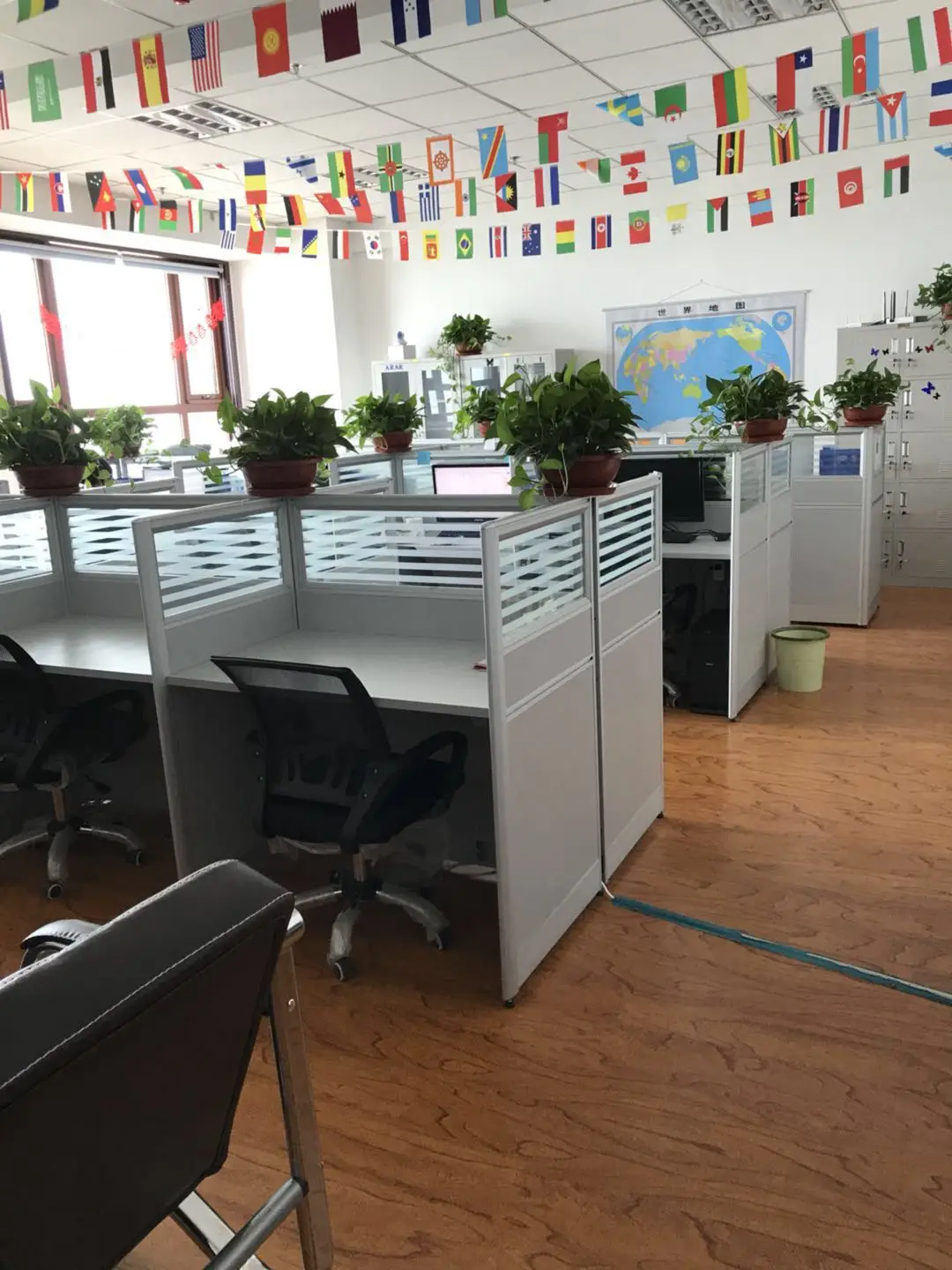
Shijiazhuang Runfang Technology Co., Ltd.
- Trading Company
- Hebei, China
- Lead time15 days
- Avg. response≤ 1h
Main productsbaby pillow/bib/swaddle/diaper,muslin blanket,headband/hairband,towel,Apron/glove
Main marketsNorthern Europe(20.0%), Central America(20.0%), Western Europe(20.0%), Domestic Market(10.0%), Eastern Europe(10.0%), South America(10.0%), North America(10.0%)
Hangzhou Chosen Textile Co., Ltd
- Verified by CTI
- Trading Company
- China Zhejiang
- Lead time45 days
- Avg. response≤ 7h
Main productsOutdoor Products, Textile Products, Home Textile, Weighted Products, Promotional Products, Gift Products
Main marketsAfrica,Southeast Asia/ Mideast,East Asia(Japan/ South Korea),Europe,Australia,North America
Shenzhen Wo Silicone Tech Co., Ltd.
- Manufacturer, Trading Company
- Lead time旺季: "1 - 100":15,"> 100":"To be negotiated", 淡季: "1 - 100":15,"> 100":"To be negotiated"
- Avg. response≤ 1h
Main productsCloth Book,Baby Bib,Baby Pacifier Clip,Baby Toy,Baby Towel
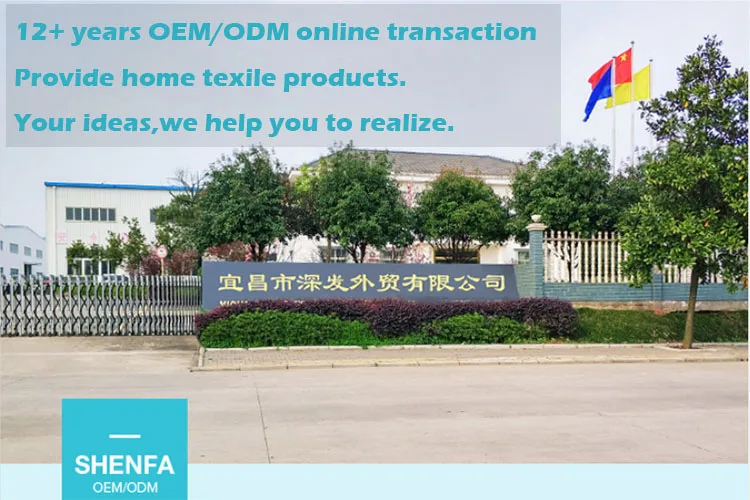
Yichang Shenfa Foreign Trade Co., Ltd.
- Trading Company
- Hubei, China
- Lead time45 days
- Avg. response≤ 4h
Main productsDiaper,Swaddle blanket,Handkerchief,Bandana,Towel
Main marketsSouthern Europe(8.33%), Northern Europe(8.33%), Central America(8.33%), Western Europe(8.33%), Eastern Asia(8.33%), Mid East(8.33%), Oceania(8.33%), Africa(8.33%), Southeast Asia(8.33%), Eastern Europe(8.33%), South America(8.33%), North America(8.33%)
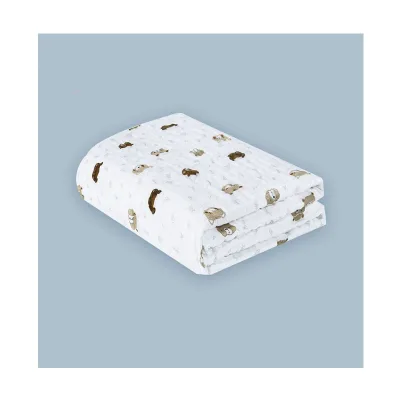
High Quality Wholesale Custom Cheap Baby Rabbit Safety Blanket White Baby Blanket
$2.86 - $3.06
Moq: 1500
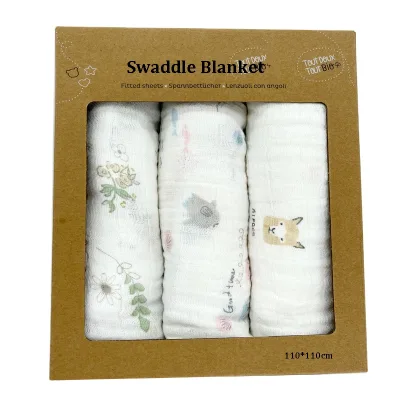

PUYANG SELFAIDING INDUSTRIAL CO., LTD.
- Verified by SGS
- Manufacturer
- China Henan
- Lead time15 days
- Avg. response≤ 2h
Main productsAdult Bib, Pet Pad, Underpad, Baby Bib, Protective Panties, Washable Sanitary Pad, Compression Stockings, Patient Care Clothing, Pet Nest, Pet Toy

Jinjiang Jiaxing Import and Export Co., Ltd.
- Verified by CTI
- Manufacturer/Factory
- China Fujian
- Lead time120 days
- Avg. response≤ 1h
Main productsShoes, Slipper, Clothes, Promotion Gifts, Silicone Products, Outdoor Sports Products, Bags, Fashion Accessories, Consumer Electronics
Main marketsSouth America,Eastern Europe,Mid East,North America,Southeast Asia,Eastern Asia,Oceania,Western Europe,Africa
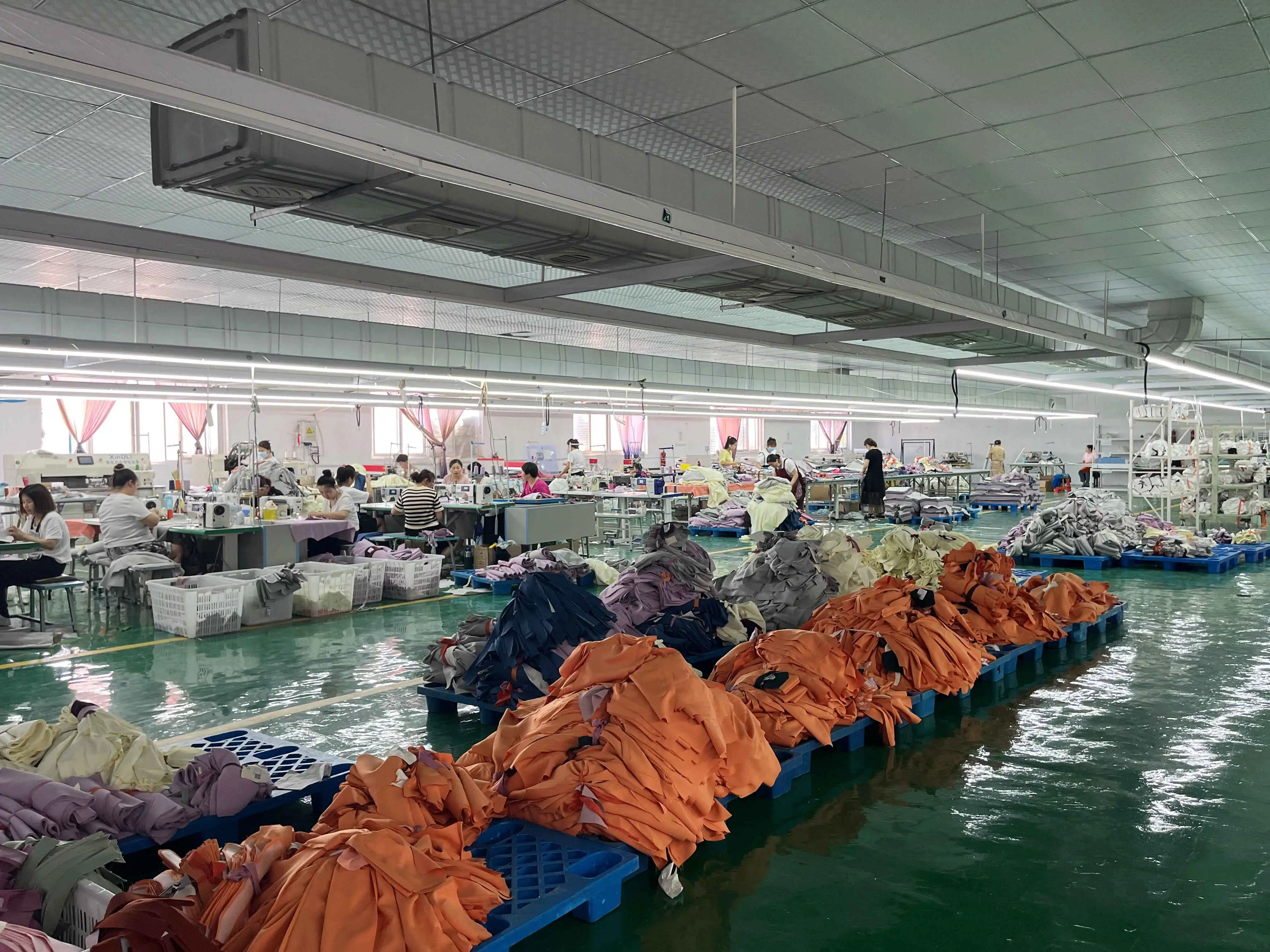
Yiwu Keqin Baby Products Factory
- Manufacturer, Trading Company
- Zhejiang, China
- Lead time0 days
- Avg. response≤ 2h
Main productsbaby carrier,baby walking assistant,Mommy bag,Children's anti-lost rope,Baby sleeping bag
Main marketsSoutheast Asia(10.0%), Domestic Market(5.0%), South Asia(5.0%), Southern Europe(5.0%), Northern Europe(5.0%), Central America(5.0%), Western Europe(5.0%), Eastern Asia(5.0%), Mid East(5.0%), Oceania(5.0%), Africa(5.0%), North America(5.0%), Eastern Europe(5.0%), South America(5.0%)
Zhangjiagang Acoshine Hometextile Co., Ltd.
- Manufacturer, Trading Company
- Jiangsu, China
- Lead time30 days
- Avg. response≤ 10h
Main productsBlanket,Cushion,Bathrobe
Main marketsWestern Europe(30.0%), North America(30.0%), Southeast Asia(20.0%), South Asia(2.0%), Southern Europe(2.0%), Northern Europe(2.0%), Central America(2.0%), South America(2.0%), Eastern Asia(2.0%), Mid East(2.0%), Oceania(2.0%), Africa(2.0%), Eastern Europe(2.0%)
Hangzhou Yiying Trade Co., Ltd.
- Verified by CTI
- Trading Company,Manufacturer/Factory
- China Zhejiang
- Lead time23 days
- Avg. response≤ 19h
Main productsComforter, Bed Lines, Pillow, Mattress Topper, Mattress Protector, Blankets, Raw Material of Polyester Down Feather, Pet Bed, Down Products, Fabric
Main marketsSouth America,Eastern Europe,Mid East,North America,Southeast Asia,Eastern Asia,Oceania,Western Europe,Africa
Jinzhai County Blossom Import&export Trading Co., Ltd.
- Trading Company
- Zhejiang, China
- Lead time7 days
- Avg. response≤ 3h
Main productsBaby Clothes,Leotards,Headbands,Rompers,leggings
Main marketsDomestic Market(10.0%), Central America(10.0%), Western Europe(10.0%), Eastern Asia(10.0%), Mid East(10.0%), Africa(10.0%), Southeast Asia(10.0%), Eastern Europe(10.0%), South America(10.0%), North America(10.0%)
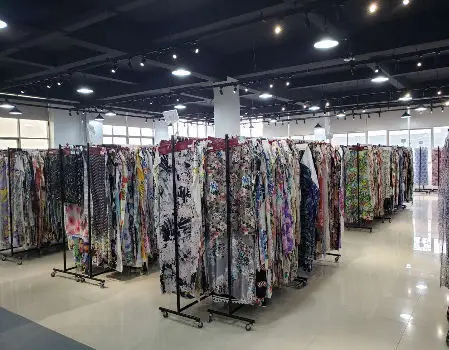
Hebei Aomian Import And Export Trading Co., Ltd.
- Trading Company
- Hebei, China
- Lead time30 days
- Avg. response≤ 3h
Main productscotton fabric,TC fabric,baby fabric,muslin fabric,polyester fabric
Main marketsNorth America(40.0%), Northern Europe(20.0%), Oceania(10.0%), Southern Europe(10.0%), Western Europe(10.0%), South Asia(5.0%), Central America(5.0%)
- Verified by SGS
- Combined
- China Shandong
- Lead time30 days
- Avg. response≤ 23h
Main productsBlanket, Towel, Robe, Sleepbag, Pajama, Babysuit, Bedding, Garments
Main marketsAfrica
Ningbo Yuxing Trading Co., Ltd.
- Trading Company
- Zhejiang, China
- Lead time0 days
- Avg. response≤ 3h
Main productsBaby Play Mat,Wooden Educational Toys,Baby Cushion Support,Shopping Cart Cover,Portable Diaper Bag
Main marketsNorth America(50.0%), Eastern Europe(20.0%), South America(20.0%), Domestic Market(10.0%), South Asia(10.0%), Southern Europe(10.0%), Northern Europe(10.0%), Central America(10.0%), Western Europe(10.0%), Eastern Asia(10.0%), Mid East(10.0%), Oceania(10.0%), Africa(10.0%), Southeast Asia(10.0%)
Pujiang Shuntong Import And Export Co., Ltd.
- Verified by TüVRheinland
- Trading Company
- Lead time15 days
- Avg. response≤ 2h
Main productsFestival Items, Holiday Decorations, Bag
Main marketsNorth America(70%), South America(10%), Western Europe(10%)
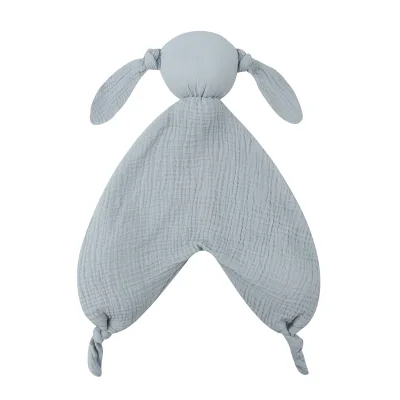
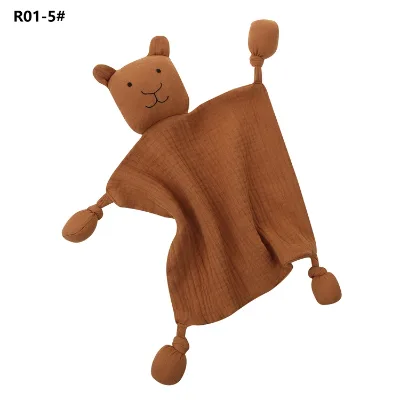
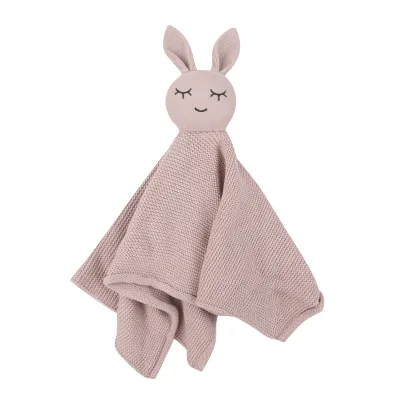


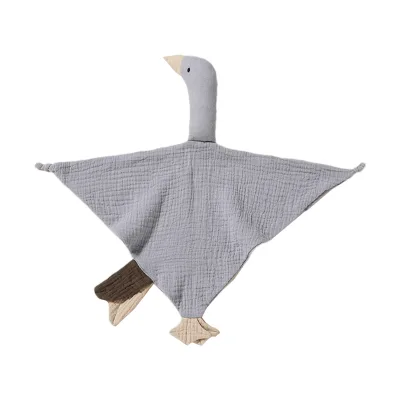
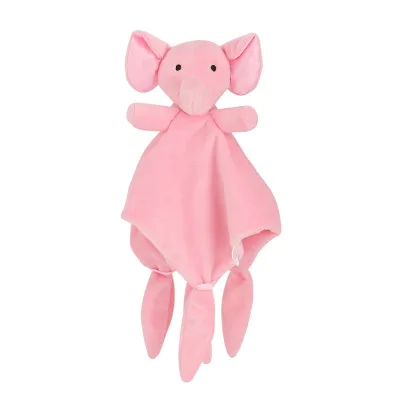
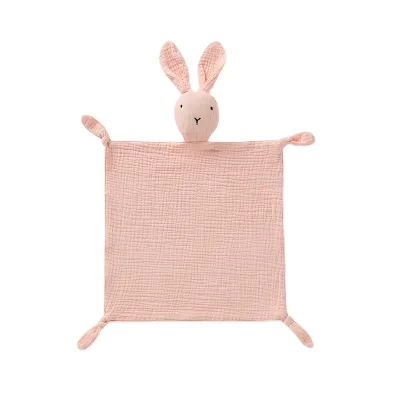
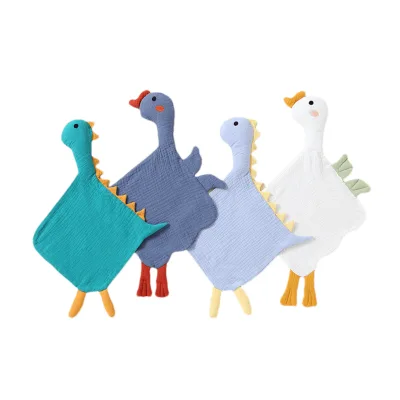
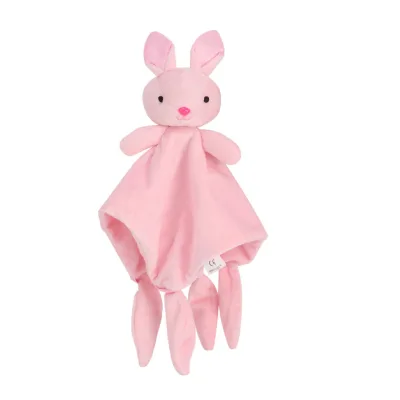
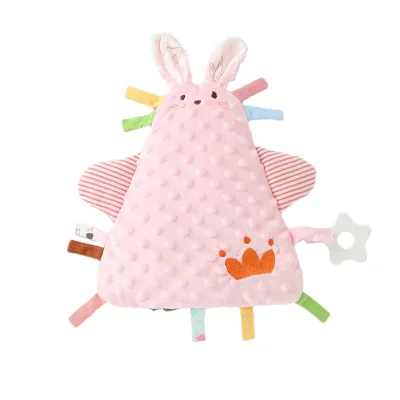


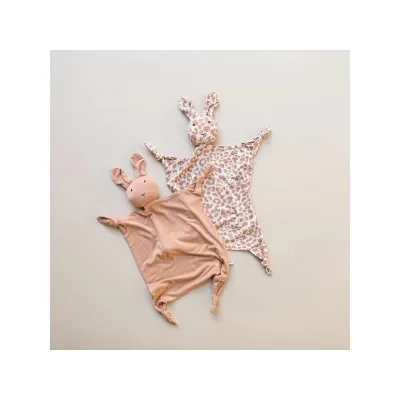
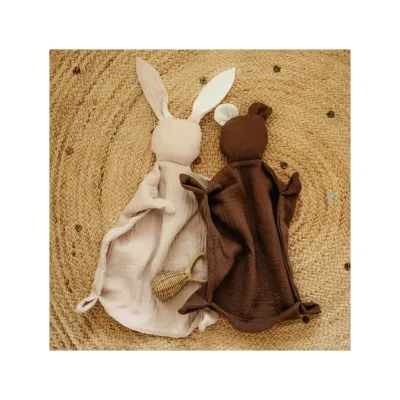
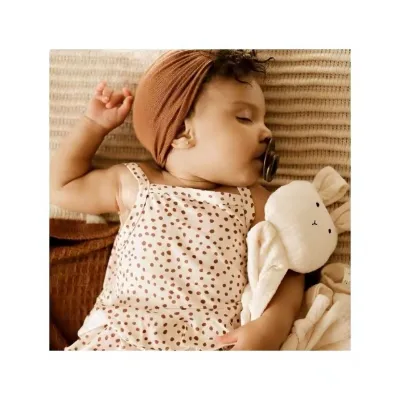
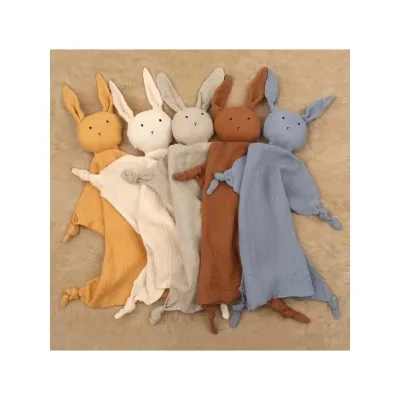
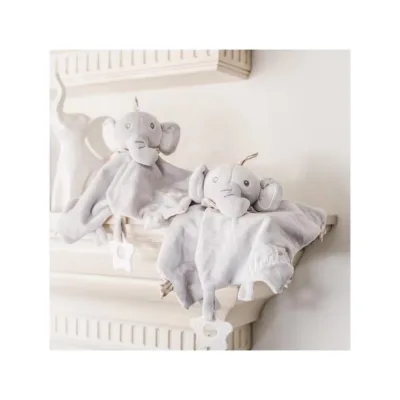
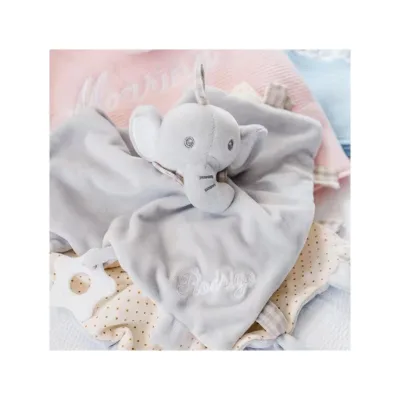
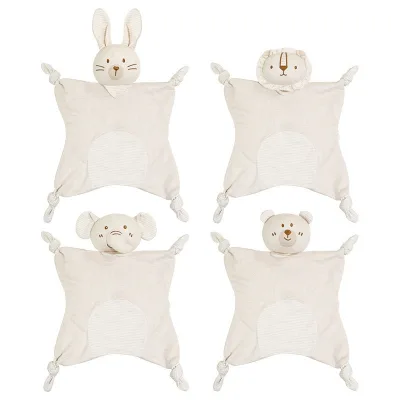
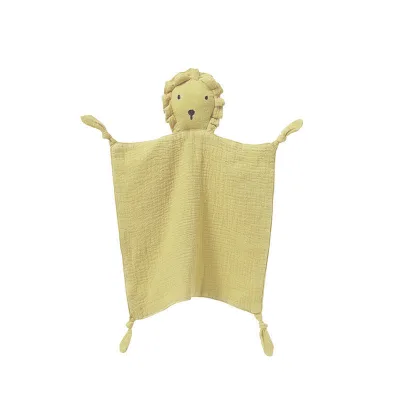


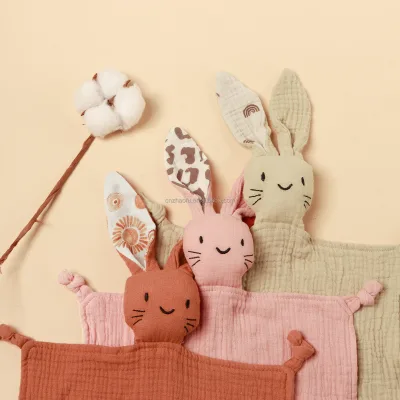
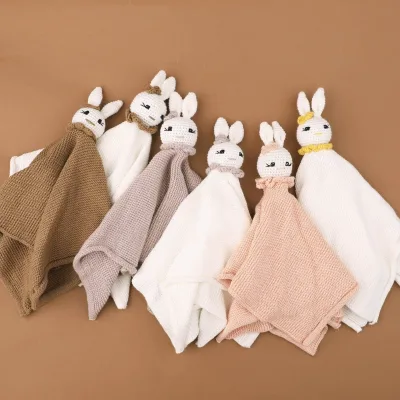
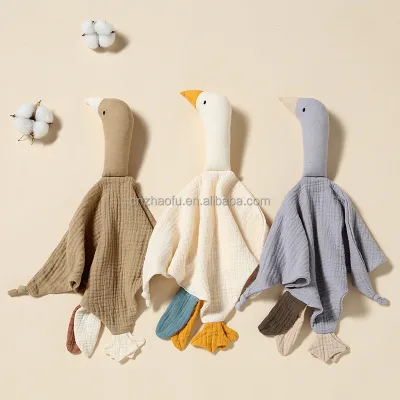
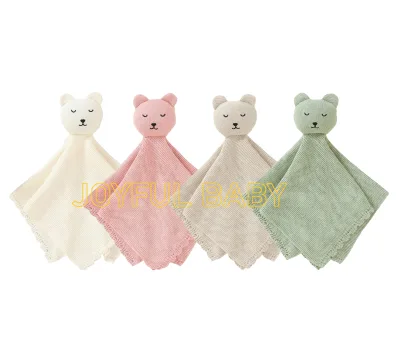
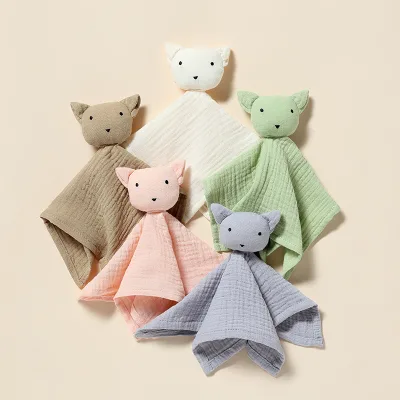
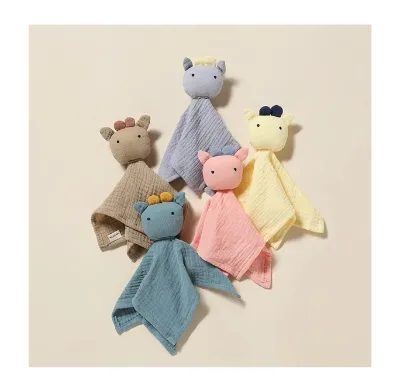
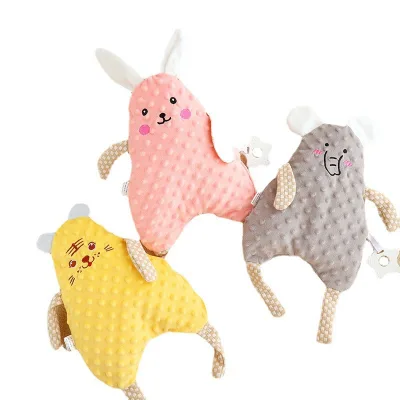
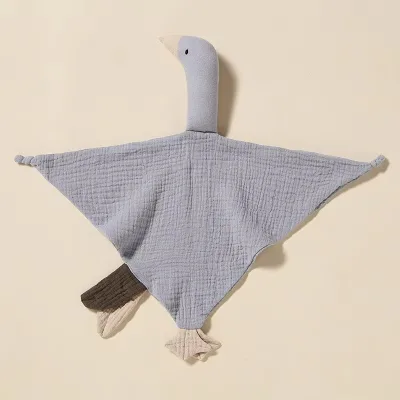
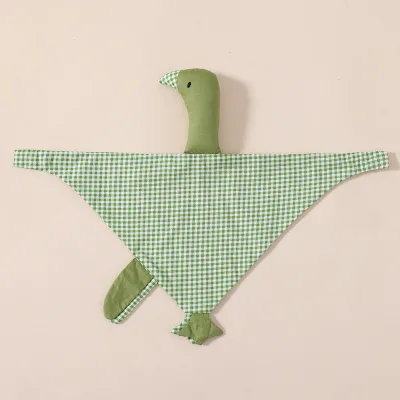
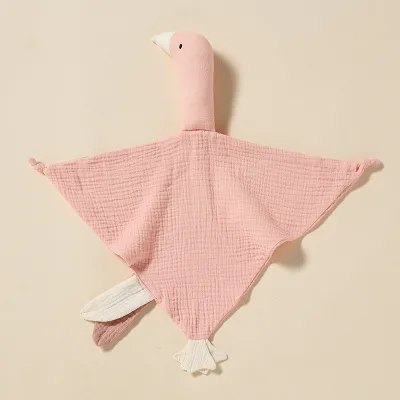


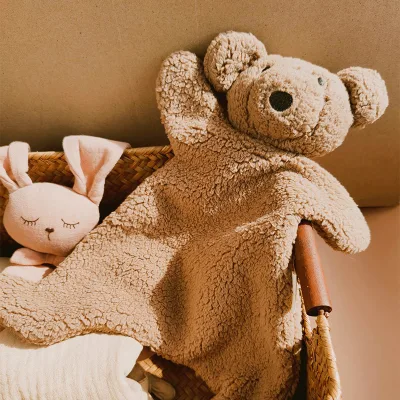
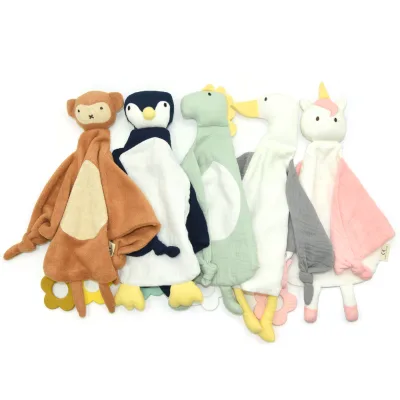
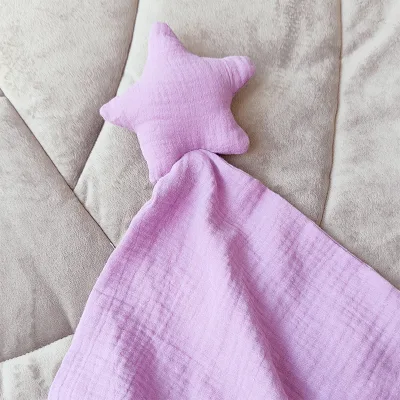
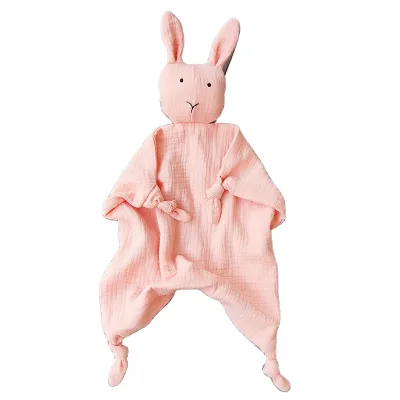
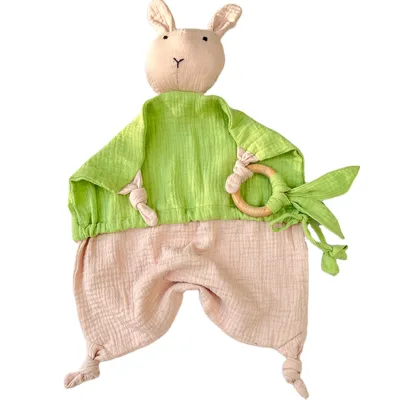


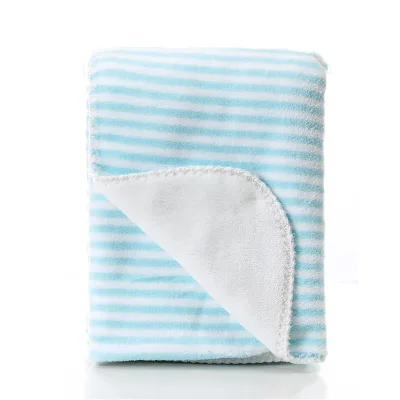
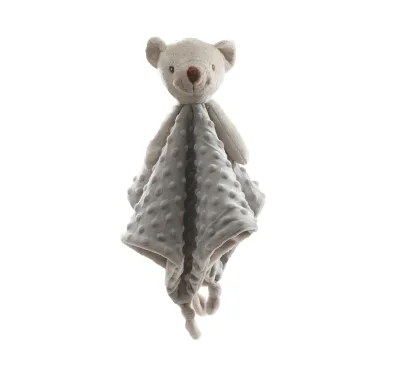
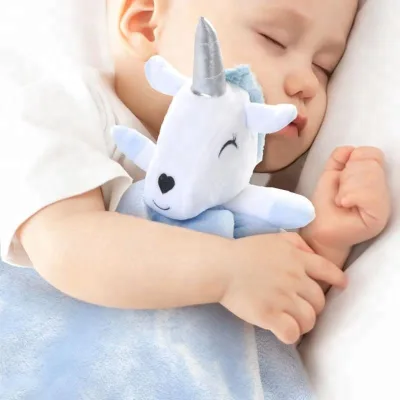
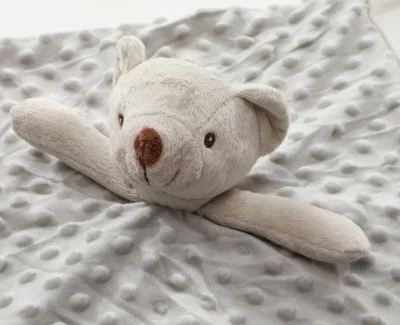


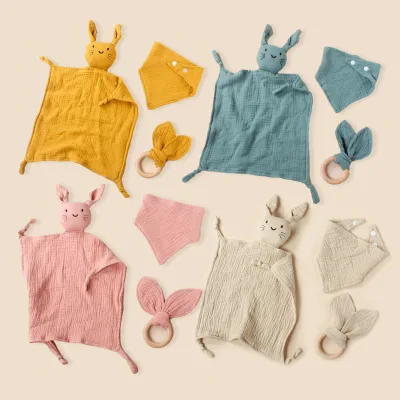
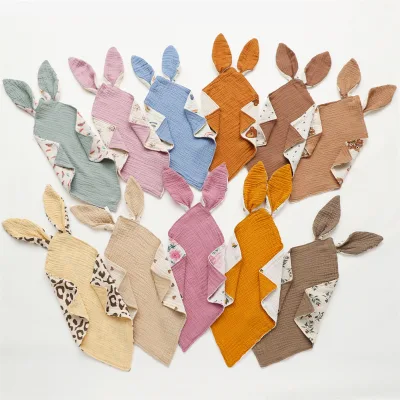
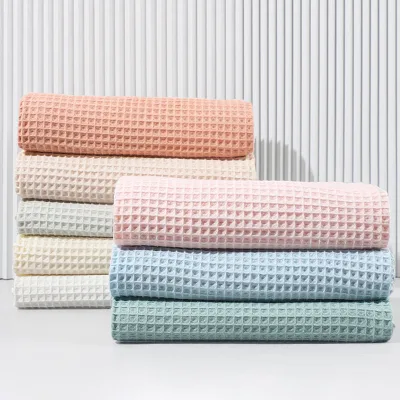
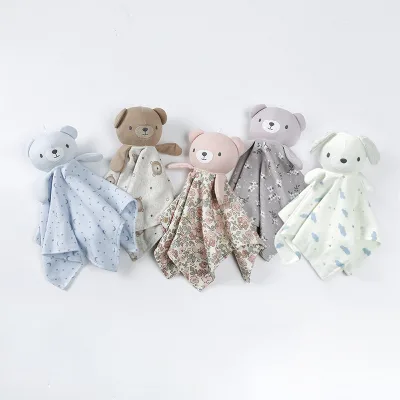
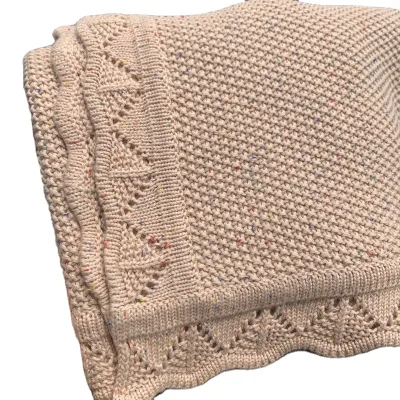
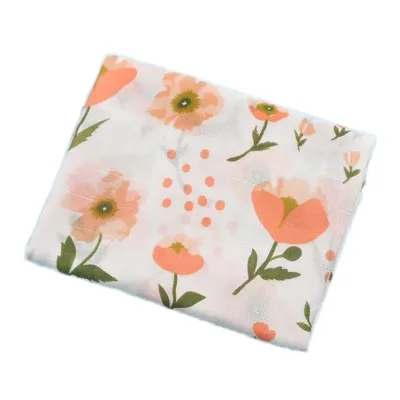
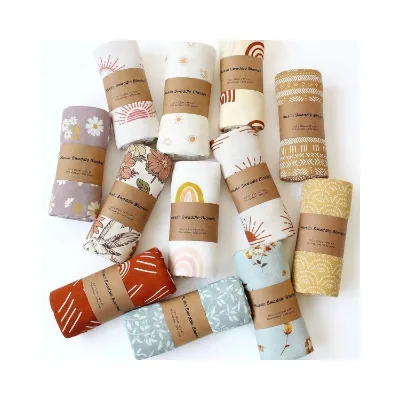


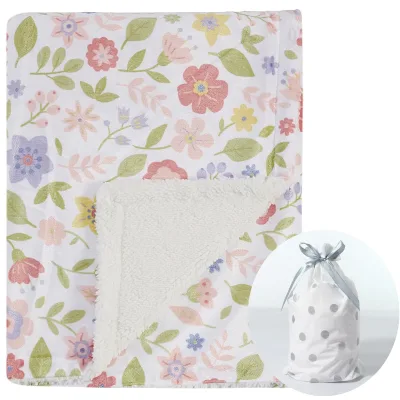
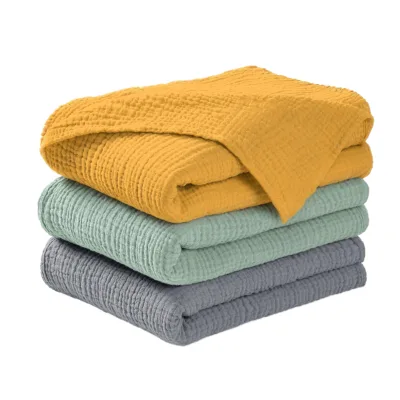
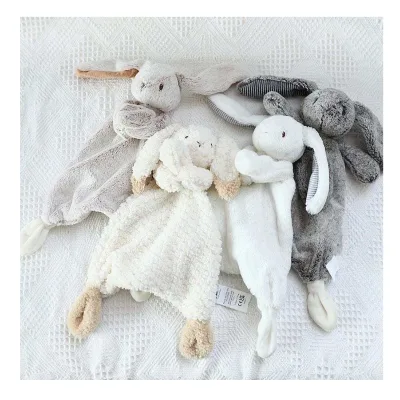
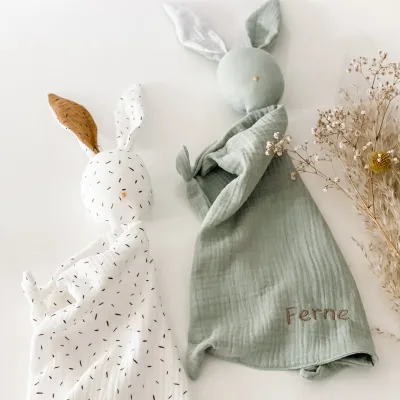
Comprehensive Sourcing Guide
Soothing Baby Security Blanket Supplier Concentration and Factory Types
When you search for Soothing Baby Security Blanket suppliers, the listings themselves reveal where production concentrates. Several supplier results in this category list their place of origin in Guangdong, China, which indicates an active cluster for soft infant textiles, comforters and plush-adjacent baby products in that province. Guangdong's supply chain typically bundles fabric mills, cut-and-sew workshops, embroidery units and packaging vendors within reachable distance, which matters when you need custom colors, custom logos or private-label styles on short cycles. Some listings explicitly label themselves as both manufacturer and trading company, so treat company type as a spectrum rather than a binary: a manufacturer may still outsource embroidery, while a trading company may control a dedicated workshop. Other suppliers list a Shanghai base and focus on a broader textile portfolio including blankets, bedding sets, towels and hospitality supply, which suggests they are multi-category exporters rather than niche baby-toy factories.
Use the category evidence in each listing to judge fit. A supplier whose main products cover mother and baby items plus home decor and household supplies is positioned differently from one whose catalog centers on airline, hotel and hospital supply. Neither is automatically better; a baby-specialist may offer deeper familiarity with infant safety expectations, while a diversified textile exporter may offer stronger production redundancy. Identify clusters from displayed locations and product evidence, then shortlist two or three suppliers per cluster so a single factory problem does not stall your launch.
How to Verify Soothing Baby Security Blanket Suppliers
Verification starts with what the platform already displays and ends with what you confirm directly. Some listings in this category carry system certifications such as CE and CPC, which are directly relevant because infant comforters and soothing blankets are typically treated as baby products subject to safety rules in many destination markets. One Shanghai-based supplier displays ISO9001:2015 and ISO14001:2015 certificates and a third-party verification badge from TÜV Rheinland. Do not assume these credentials are uniform across the category: certification display varies, so treat any missing credential as a question to ask, not a disqualification. Always request the current certificate document and match the certificate holder's registered name to the company name on the quotation and invoice.
Beyond certificates, verify the operation itself. Ask whether the entity is a manufacturer, a trading company, or both, since some listings declare a dual role. Request a video walkthrough or a live factory tour focused on the sewing, filling and washing areas used for baby textiles. Check business registration details against the bank account name before any deposit. For product-level assurance, ask which of the displayed certifications cover the specific soothing blanket style you intend to order, because a certificate held at company level may not automatically apply to every product. Finally, test responsiveness with a technical question, since one supplier in this category lists a five-hour response time while another lists around twenty hours, a spread that hints at very different account management structures.
What to Compare Across Soothing Baby Security Blanket Suppliers
Build a comparison sheet from attributes that suppliers actually display. Lead time is one of the clearest separators: one supplier in this category lists a fifteen-day lead time while another shows a zero value, which likely means the field is not populated rather than instant delivery, so confirm every lead-time figure in writing before relying on it. Response time also varies widely, from roughly five hours to roughly twenty hours on the observed listings, and that gap will compound during development stages when sampling questions arrive daily. Minimum order quantities differ by style: observed MOQs range from thirty pieces on a cotton knit security blanket to fifty and one hundred pieces on other comforter styles, so match the MOQ to your testing budget for a first order.
Also compare the depth of product evidence. Strong listings state material, size, single package size, gross weight, age range, available colors and whether custom logos or custom packaging are accepted. Weaker listings give only a product name, forcing you to chase basic specifications. Look at main products and company type to judge whether baby textiles are the supplier's core or a sideline, and note the ODM capability flag shown on one listing, which signals willingness to develop to your design. Price ranges on comparable organic cotton and muslin comforter styles give you a sanity band, but treat them as starting points until you specify fabric weight, dimensions and packaging.
Common Soothing Baby Security Blanket Sourcing Risks
The biggest risk in this category is safety compliance drift. A soothing security blanket sits against an infant's face, so small parts, loose stitching on attached animal heads, cord lengths and fabric finishes all carry safety implications. Suppliers list age ranges such as zero to twenty-four months and two to four years, and a product intended for newborns faces stricter expectations than one sold for toddlers. Because only some listings display certifications like CE or CPC, a supplier without displayed credentials may still be compliant, but you must request documentation rather than assume. A second risk is material substitution: listings mention organic cotton, muslin, gauze, knit cotton and lyocell-cotton blends, and visually similar fabrics can behave very differently after washing, so test samples through repeated laundry cycles.
Other risks are operational. Small gross weights and compact packaging sizes shown in the listings suggest these products ship cheaply, which tempts buyers to skip sampling and order directly; that shortcut is how logo errors, wrong colors and weak seams reach production. Trading-company intermediaries can blur responsibility for defects, especially when the listing declares both manufacturer and trading roles. Lead-time fields that show zero or unpopulated values create schedule risk if you plan a launch date around an unconfirmed number. Finally, color availability varies by model, with some styles offering a fixed palette and others accepting fully custom colors, so confirm whether your desired colorway is standard, seasonal or made-to-order before signing.
Soothing Baby Security Blanket Regional Sourcing and Logistics
The observed supplier base splits between Guangdong and Shanghai, and that split has practical logistics consequences. Guangdong sits close to major southern Chinese container ports and to a dense network of fabric, trims and plush-component vendors, which suits buyers who want frequent sampling visits, fast material swaps and mixed-container loading with other baby or home products. A supplier there lists its main products as mother and baby items, home decor, household supplies and fabric clothing, indicating an environment where infant textiles are an everyday category rather than an exception. Shanghai-based suppliers, by contrast, often orient toward export documentation, multi-category textile programs and verified quality systems, with one listing showing both ISO9001:2015 and ISO14001:2015 certificates plus third-party verification.
For logistics planning, use the product data printed on the listings. Single package sizes around twenty-three by twenty by one centimeter for an organic cotton security blanket, or thirty-five by twenty-five by two centimeters for a muslin bunny comforter, allow dense carton packing, and single gross weights between roughly thirty and one hundred grams keep air freight viable for samples and launch stock. Confirm whether the supplier quotes on FOB, ex-works or delivered terms, because a fifteen-day lead time may exclude ocean transit. Ask how each factory handles carton marking, drop testing and moisture protection, since lightweight textile cartons compress easily when consolidated with heavier goods in a mixed container.
Soothing Baby Security Blanket Commercial Terms and Order Planning
Plan your commercial terms around the observed MOQ structure. Listings in this category show minimums of thirty, fifty and one hundred pieces depending on style, which is low enough to allow a multi-SKU trial order: for example, a small run across three comforter models to test market response before committing. However, price tiers matter. Observed listings show price ranges such as roughly three dollars for muslin bunny comforters, three-and-a-half to just under four dollars for a knotted bear comforter, and higher figures for organic cotton security blankets, so negotiate against fabric, size and branding requirements rather than the lowest advertised number. Ask what the price includes: custom logo embroidery, custom packaging and custom colors are accepted on several styles but may carry surcharges or separate minimums.
On payment, use staged terms such as a deposit with balance after inspection, and avoid large prepayments to a newly verified contact. Some platforms offer escrow-style protection; confirm whether your chosen supplier and transaction qualify before transferring funds, and never treat escrow availability as a substitute for inspection. For order planning, lock a written lead time, since displayed figures range from fifteen days to an unpopulated zero field, and add buffer for pre-production samples and third-party testing of the final bulk fabric. Finally, align reorder cycles with the supplier's response speed: a five-hour responder supports agile replenishment, while a twenty-hour responder argues for larger, less frequent orders.
word count check: aim each section 225-235. Quick estimate: sections appear roughly 230, 235, 235, 235, 235, 240 — need to trim last section slightly. Total ~1395, within range. Adjust section 6 second paragraph a bit. It reads ~240; trim "for example, a small run across three comforter models" wording. Accept approximate.The observed supplier base for this category splits between Guangdong and Shanghai, and that split has practical logistics consequences. Guangdong sits close to major southern Chinese container ports and to a dense network of fabric, trims and plush-component vendors, which suits buyers who want frequent sampling visits, fast material swaps and mixed-container loading with other baby or home products. A supplier there lists its main products as mother and baby items, home decor, household supplies and fabric clothing, indicating an environment where infant textiles are an everyday category rather than an exception. Shanghai-based suppliers, by contrast, often orient toward export documentation, multi-category textile programs and verified quality systems, with one listing showing both ISO9001:2015 and ISO14001:2015 certificates plus third-party verification.
For logistics planning, use the product data printed on the listings. Single package sizes around twenty-three by twenty by one centimeter for an organic cotton security blanket, or thirty-five by twenty-five by two centimeters for a muslin bunny comforter, allow dense carton packing, and single gross weights between roughly thirty and one hundred grams keep air freight viable for samples and launch stock. Confirm whether the supplier quotes on FOB, ex-works or delivered terms, because a fifteen-day lead time may exclude ocean transit. Ask how each factory handles carton marking, drop testing and moisture protection, since lightweight textile cartons compress easily when consolidated with heavier goods in a mixed container.
Plan your commercial terms around the observed MOQ structure. Listings in this category show minimums of thirty, fifty and one hundred pieces depending on style, which is low enough to allow a multi-SKU trial order testing market response before committing to volume. However, price tiers matter. Observed listings show ranges such as roughly three dollars for muslin bunny comforters, three-and-a-half to just under four dollars for a knotted bear comforter, and higher figures for organic cotton security blankets, so negotiate against fabric, size and branding requirements rather than the lowest advertised number. Ask what the price includes: custom logo embroidery, custom packaging and custom colors are accepted on several styles but may carry surcharges or separate minimums.
On payment, use staged terms such as a deposit with balance after inspection, and avoid large prepayments to a newly verified contact. Some platforms offer escrow-style protection; confirm whether your chosen supplier and transaction qualify before transferring funds, and never treat escrow availability
FAQs
What is the price range for organic cotton security blankets?
Prices for organic cotton security blankets typically range from approximately $2.75 to $7.88 per unit. The final cost depends on the specific material composition, such as pure cotton versus muslin blends, and the complexity of the custom design requested by the buyer.
What are the minimum order quantities for these blankets?
Minimum order quantities vary significantly by supplier and product style. Some manufacturers require a minimum of thirty units for muslin cotton options, while others set the threshold at fifty or one hundred pieces. Buyers should verify the specific MOQ for their chosen model number.
How long does production take for custom orders?
Production lead times generally average around fifteen days for standard orders. However, some suppliers may list zero days for immediate stock availability. Buyers should confirm the exact timeline with the manufacturer, as custom designs or specific packaging requirements can extend the delivery schedule.
Are these blankets safe for newborns and infants?
Yes, these blankets are designed for infants aged zero to twenty-four months and toddlers up to four years. They often carry certifications like CE and CPC, ensuring compliance with safety standards. The materials used, such as organic cotton and gauze, are selected for softness and skin safety.
Can I customize the logo and packaging for my brand?
Most suppliers offer full customization services, including adding your logo and selecting custom packaging. Options include various colors, styles, and materials like lyocell or cotton blends. Buyers can request specific model numbers and single package sizes to match their brand identity and retail requirements.
Where are these manufacturers located?
The primary manufacturing hubs for these products are located in Guangdong, China, with some trading companies based in Shanghai. These regions are known for their robust textile industries and efficient supply chains, allowing for competitive pricing and reliable export capabilities for international buyers.