Stackable Antique Cross-Back Chair Suppliers and Manufacturers
Source 11 verified suppliers for stackable antique cross back chairs from China. Compare key dimensions including MOQ, lead times, certifications, and pricing to find the right partner. Review product specs and request quotes today; review the available evidence before requesting comparable quotations from suitable candidates.
Suppliers List

- Verified by TUVRHEINLAND
- Trading Company,Manufacturer/Factory
- China Shandong
- Lead time23 days
- Avg. response≤ 10h
Main productsFolding Table, Chiavari Chair, Beer Table, Louis Chair, Bentwood Chair, Cross Back Chair, Stainless Steel Chair, Bamboo Folding Table and Chair
Main marketsSouth America,Eastern Europe,Mid East,North America,Southeast Asia,Eastern Asia,Oceania,Western Europe,Africa

Tianjin Kingnod Furniture Co., Ltd.
- Verified by BV
- Manufacturer/Factory
- China Tianjin
- Lead time23 days
- Avg. response≤ 3h
Main productsDining Chair, Restaurant Chair, Office Chair, Bar Stool, Game Chair, Plastic Chair, Metal Chair, Dining Table, Gaming Table, Barstool
Main marketsSouth America,Eastern Europe,Mid East,North America,Southeast Asia,Eastern Asia,Oceania,Western Europe,Africa

Nanhai Homely Furniture Factory
- Verified by BV
- Trading Company
- China Guangdong
- Lead time30 days
- Avg. response≤ 7h
Main productsHotel Chair, Banquet Table, Wedding Sofa, Table Cloth, Chair Cover, Outdoor Chair, Outdoor Table, Dining Table, Stainless Steel Chair, Pedicure Chair
Main marketsSouth America,Southeast Asia/ Mideast,Europe,North America

Fujian Dongyi Shenghui International Trade Co., Ltd.
- Verified by SGS
- Combined
- China Fujian
- Lead time15 days
- Avg. response≤ 1h
Main productsHotel Furniture, Apartment Furniture, Dining Restaurant Banuqet Furniture, Church Furniture, Movie Theater Furniture, Opera House Furniture, KTV Furniture, Office School Stadium Furniture
Main marketsEurope

Zhejiang Blooming Home Products Co., Ltd.
- Verified by TUVRHEINLAND
- Trading Company
- China Zhejiang
- Lead time15 days
- Avg. response≤ 8h
Main productsBlow Molded Folding Tables, Blow Molded Folding Chairs, Injection Molded Folding Tables, Injection Molded Folding Chairs, Metal Folding Chairs, Stack Chairs, Wood Tables, Wood Chairs, Furniture
Main marketsSouth America,Africa,Southeast Asia/ Mideast,East Asia(Japan/ South Korea),Europe,Australia,North America

Wholesale Hotel Wedding Stackable White Resin Cross Back Chair for Event
$18.00 - $23.50
MOQ: 100 Pieces

$3.00 - $20.40
MOQ: 100 Pieces

$3.00 - $25.90
MOQ: 100 Pieces

High Quality Durable Stacking Black Resin Crossback Chairs for Wedding Events
$19.90 - $23.90
MOQ: 100 Pieces

High Quality Antique Rustic Cross Back Chairs Solid Wood Wooden Crossback Chairs for Events
$8.50 - $20.40
MOQ: 100 Pieces

Qingdao Event Furniture Co., Ltd.
- Trading Company
- Shandong, China
- Lead time0 days
- Avg. response≤ 6h
Main productschiavari chair,cross back chair,sofa furniture,table,folding chair
Main marketsNorth America(60.0%), Western Europe(15.0%), South America(9.0%), Africa(5.0%), Northern Europe(5.0%), Mid East(3.0%), Oceania(2.0%), Central America(1.0%)
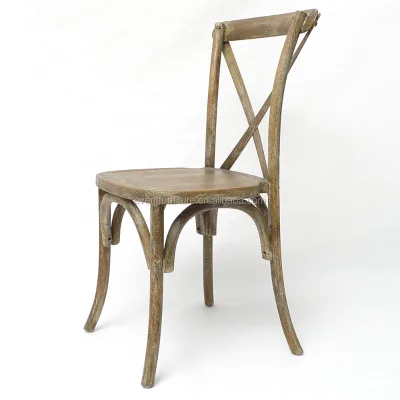
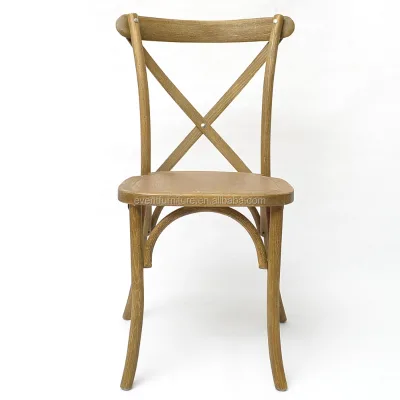
Popular nice white dining stacking wedding cross back chair with soft cushion
$27.00 - $35.00
MOQ: 300 Minimum

Langfang Airun Imp. & Exp. Co., Ltd.
- Verified by BV
- Trading Company
- China Hebei
- Lead time15 days
- Avg. response≤ 10h
Main productsDining Table, Coffee Table, Dining Chair, Hotel Chair, Leisure Chair, Plastic Chair, Metal Chair, Fabric Covered Chair, TV Stand, Sideboard
Main marketsSouth America,Africa,Southeast Asia/ Mideast,Europe,North America


Wholesale Good Quality Factory Price X Back Metal Chair Cross Back Chair
$14.50 - $20.00
MOQ: 100 Pieces

Wholesale Outdoor Home Furniture Traditional Antique Rattan Side Chair for Garden Use
$11.70 - $15.00
MOQ: 100 Pieces

Qingdao Rolinda Manufacture and Trade Co., Ltd.
- Verified by BV
- Trading Company
- China Shandong
- Lead time30 days
- Avg. response≤ 10h
Main productsChiavari Chairs, Dining Chairs, Rental Chairs, Wedding Chairs, Event Chairs, Hotel Chairs, Napoleon Chairs, Wedding Folding Chairs, Cross Back Chairs, Banquet Chairs
Main marketsSouth America,Africa,Southeast Asia/ Mideast,East Asia(Japan/ South Korea),Domestic,Europe,Australia,North America

$22.00 - $30.00
MOQ: 100 Pieces


Rental Wedding Wood X Back Restaurant Dining Chairs Rustic Cross Back Chair for Events
$22.00 - $29.00
MOQ: 100 Pieces
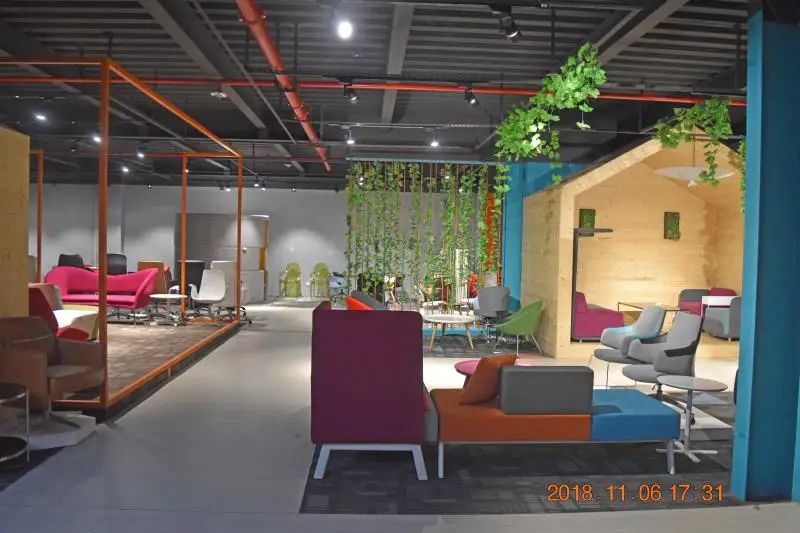
Foshan Lvye Furniture Co., Ltd.
- Manufacturer, Trading Company
- Guangdong, China
- Lead time18 days
- Avg. response≤ 9h
Main productsOffice Chair,furniture hardware,office furniture,interior design,Office Desk
Main marketsNorth America(18.0%), Eastern Europe(15.0%), Mid East(13.0%), Northern Europe(13.0%), Southeast Asia(12.0%), Western Europe(8.0%), Southern Europe(7.000000000000001%), Africa(3.0%), South America(3.0%), South Asia(2.0%), Oceania(2.0%), Eastern Asia(2.0%), Central America(2.0%)
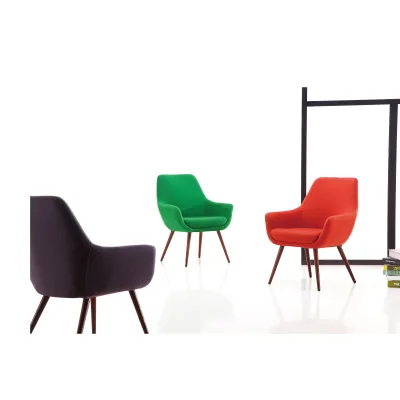
$29.00 - $30.00

- Verified by CTI
- Trading Company
- China Anhui
- Lead time23 days
- Avg. response≤ 1h
Main productsFurniture, Home Furniture
Main marketsSoutheast Asia/ Mideast

Ningbo Yilong Outdoor Products Co., Ltd.
- Verified by TUVRHEINLAND
- Manufacturer/Factory
- China Zhejiang
- Lead time0 days
- Avg. response≤ 12h
Main productsAluminium Foldable Gazebo, Aluminium Umbrella, Wooden Umbrella, Beach Umbrella, Swing Chair, Steel Gazebo, Outdoor Furniture, Campling, Chair, Table
Main marketsSouth America,Eastern Europe,Mid East,North America,Southeast Asia,Eastern Asia,Oceania,Western Europe,Africa


Comprehensive Sourcing Guide
Stackable Antique Cross-Back Chair Supplier Concentration and Factory Types
The available data indicates that suppliers for stackable antique cross back chairs are concentrated in specific Chinese provinces, with Shandong and Tianjin emerging as key manufacturing hubs. Fact sheets confirm locations in Shandong, where products originate from Qingdao, and Tianjin, suggesting a regional cluster in eastern China. Buyers should verify if a supplier's factory address aligns with these known industrial zones to ensure proximity to supply chains for wood and metal components. The company types listed include both Trading Companies and Manufacturer/Factory entities, offering different value propositions. A manufacturer might provide direct control over the production line for custom finishes, while a trading company could aggregate inventory from multiple workshops to offer broader variety.
When evaluating the factory type, buyers must distinguish between a direct producer and an intermediary. The observed data shows some suppliers listing OEM and ODM capabilities, which implies in-house design and manufacturing capacity. Others may focus on trading existing stock. For antique finishes, the distinction is critical because the painting process requires specific expertise. A factory with a dedicated painting workshop can ensure the four layers of high-quality painting mentioned in product attributes are applied consistently. Buyers should request proof of the physical facility location to confirm the supplier is not merely a broker. This verification step helps in assessing the true source of the Stackable Antique Cross-Back Chair and the reliability of the supply chain for future orders.
How to Verify Stackable Antique Cross-Back Chair Suppliers
Verification of suppliers relies heavily on third-party audit reports and specific credential checks rather than self-declared claims. The provided facts list TUVRHEINLAND and BV as verification statuses for certain suppliers, indicating that these entities have undergone external assessment. Buyers should prioritize suppliers displaying these specific verification badges, as they suggest a baseline of operational legitimacy. Additionally, product certifications such as SGS and TUV are explicitly mentioned in the product attributes for stackable antique cross back chairs. These certifications are essential for confirming that the wood materials and finishes meet safety and quality standards required for commercial use in hotels and restaurants.
Beyond external audits, buyers must scrutinize the specific product attributes linked to the supplier's catalog. The data shows certifications like CE and ISO alongside SGS, which are critical for international compliance. A supplier claiming these standards should provide the actual certificate documents for review before payment. The response time metrics, such as 9.34 hours or 2.33 hours, serve as a proxy for operational efficiency and communication reliability. A supplier with a faster response time is more likely to address quality concerns promptly. Buyers should also check for the presence of escrow services or secure payment terms like T/T or L/C, which protect funds until the goods are verified. These combined factors create a robust verification framework for selecting a trustworthy partner.
What to Compare Across Stackable Antique Cross-Back Chair Suppliers
Comparing suppliers requires a systematic analysis of lead times, minimum order quantities, and pricing structures found in the product data. Lead times vary significantly, with some entries showing 20 days while others indicate 23 days. This variance impacts inventory planning and delivery schedules for events or restaurant openings. Buyers must compare these figures against their specific timeline requirements to avoid delays. Minimum order quantities (MOQ) also differ, ranging from 50 chairs to 200 chairs depending on the specific model and customization level. A lower MOQ of 50 might be suitable for testing a new market, whereas a higher MOQ of 200 could offer better unit economics for large-scale procurement.
Pricing is another critical dimension for comparison, with observed ranges spanning from $20 to $36 per unit. The price difference often correlates with material quality, such as oak wood versus other timber, and the complexity of the antique finish. Some listings specify a price range of $25 to $30, while others extend to $36, reflecting variations in the number of painting layers or the density of the wood. Buyers should compare the price per unit against the stated warranty, which is listed as two years for some models. A higher price might be justified if it includes a longer warranty or superior packaging like double-wall corrugated cartons. Additionally, comparing the customization options available, such as color or shape, helps determine which supplier offers the best value for specific design needs.
Common Stackable Antique Cross-Back Chair Sourcing Risks
One significant risk involves the inconsistency of product attributes, particularly regarding the "Customized" status. The data shows conflicting entries where some products are marked as "Non-Customized" while others are "Customized." This ambiguity can lead to misunderstandings about whether a specific antique finish or shape can be tailored to a buyer's specifications. If a buyer assumes customization is available based on a general listing but receives a standard model, it disrupts the project timeline. Furthermore, the "Fixed" versus "Unfixed" status of the chair structure presents a risk for stacking functionality. Some attributes list the chair as "Fixed," while others indicate "Unfixed," which could affect the stability and stackability of the final product in high-traffic environments.
Another risk lies in the packaging and shipping specifications, which directly impact product condition upon arrival. The data mentions "Double Wall Corrugated Carton" and "Carton, 9/10PCS in a Carton," but inconsistencies in packing density can lead to damage during transit. If the loading weight is not accurately calculated, such as the 250kg loading weight mentioned, the supplier might overpack or underpack, increasing the risk of breakage. Additionally, the origin location, listed as Qingdao or Shandong, must be verified against the actual shipping route. If a supplier claims to be from Tianjin but ships from a different port, it could alter the lead time and logistics costs. Buyers must ensure all these attributes are explicitly confirmed in the purchase agreement to mitigate these sourcing risks effectively.
Stackable Antique Cross-Back Chair Regional Sourcing and Logistics
Regional sourcing in China, specifically in Shandong and Tianjin, offers logistical advantages due to proximity to major ports like Qingdao. The product origin data confirms Qingdao as a primary point of origin for many stackable antique cross back chairs, which simplifies export procedures. Buyers should verify if the supplier's factory is located near these ports to minimize inland transportation costs and time. The response time data suggests that suppliers in these regions are active and responsive, which is crucial for coordinating logistics. However, buyers must confirm the exact shipping terms, such as FOB or CIF, to understand who bears the risk during transit. The standard packaging of 9 to 10 pieces per carton must be aligned with container loading plans to maximize space efficiency.
Logistics planning also requires attention to the specific dimensions of the chairs, such as the 455090cm size noted in the attributes. These dimensions determine how many units fit into a standard shipping container, directly affecting the freight cost per unit. Buyers should calculate the total volume based on the carton size and the number of pieces per carton to optimize shipping. If the supplier is located in Tianjin, the logistics route might differ slightly from Qingdao, potentially affecting the transit time to the destination port. It is essential to verify the actual shipping origin with the supplier to ensure the quoted lead time includes the time required for inland transport to the port. Accurate logistics planning prevents unexpected delays and ensures the stackable antique cross back chairs arrive on schedule for events or installations.
Stackable Antique Cross-Back Chair Commercial Terms and Order Planning
Commercial terms for stackable antique cross back chairs often include specific payment structures like T/T or L/C, which are listed in the product attributes. Buyers should negotiate these terms based on the order volume and the supplier's verification status. For instance, a supplier with BV verification might offer more flexible payment terms than an unverified entity. The warranty period, explicitly stated as two years for some models, is a critical commercial term that protects the buyer against manufacturing defects. Buyers must ensure this warranty is clearly written into the contract, covering issues like paint peeling or structural failure. Additionally, the sample policy, noted as "Acceptable" in the data, allows buyers to verify quality before committing to a large order, which is a vital step in order planning.
Order planning must account for the varying MOQs and lead times observed in the data. With MOQs ranging from 50 to 200 units, buyers need to align their order size with their budget and storage capacity. A lead time of 20 to 23 days requires advance planning to ensure the chairs are ready for the intended event or season. Buyers should also consider the customization lead time, as "Customized" items may take longer to produce than standard models. The price range of $20 to $36 per unit should be factored into the total budget, including shipping and insurance costs. By carefully analyzing these commercial terms and planning the order timeline, buyers can secure a reliable supply of stackable antique cross back chairs while managing financial and operational risks effectively.
FAQs
What is the price range for stackable antique cross back chairs?
Prices for these chairs typically range from 20 to 36 dollars per unit. Specific costs depend on the wood type, finish quality, and order volume. Buyers should verify current pricing based on their selected model and quantity requirements before placing an order.
What is the minimum order quantity for these chairs?
Minimum order quantities vary by supplier and specific product model. Some listings require 50 chairs, while others set the threshold at 100 or 200 units. Buyers must check the specific MOQ listed for the exact chair style they intend to purchase.
How long does it take to receive an order?
Lead times generally range from 20 to 23 days for production and preparation. Some suppliers may offer faster response times, but the actual delivery duration depends on the specific manufacturer and shipping method chosen. Confirm the exact timeline with the seller.
Are these chairs available with custom designs?
Customization is available for many Stackable Antique Cross-Back Chair models. Buyers can request specific finishes, colors, or dimensions depending on the supplier's capabilities. Always confirm if the customization is included in the base price or requires an additional fee.
What certifications do these chairs hold?
Many chairs come with SGS, TUV, or CE certifications to ensure safety and quality standards. Some suppliers also provide ISO certifications. Buyers should verify the specific certificates attached to the product listing to ensure compliance with their local regulations.
Where are these chairs manufactured?
These chairs are primarily manufactured in China, with specific origins in Shandong and Tianjin provinces. The Qingdao port is often cited as the shipping origin. Buyers should confirm the exact factory location to assess logistics and potential shipping costs.
What materials are used to make these chairs?
Most chairs are constructed from solid wood, such as oak or bentwood, with a modern or antique finish. Some models feature rattan seats or specific painting layers for durability. The material choice affects the weight and overall aesthetic of the final product.
Do these chairs come with a warranty?
Some suppliers offer a two-year warranty on their stackable cross back chairs. This coverage typically applies to structural defects or manufacturing issues. Buyers should review the specific warranty terms provided by the seller to understand what is covered and for how long.