Stackable Kitchen Napkin Storage Box Suppliers and Manufacturers
Source a Stackable Kitchen Napkin Storage Box from 28 verified suppliers in China. Compare dimensions, lead times, and certifications like CE/EU and FDA. Contact suppliers directly to request quotes and verify OEM capabilities; review the available evidence before requesting comparable quotations from suitable candidates.
Suppliers List
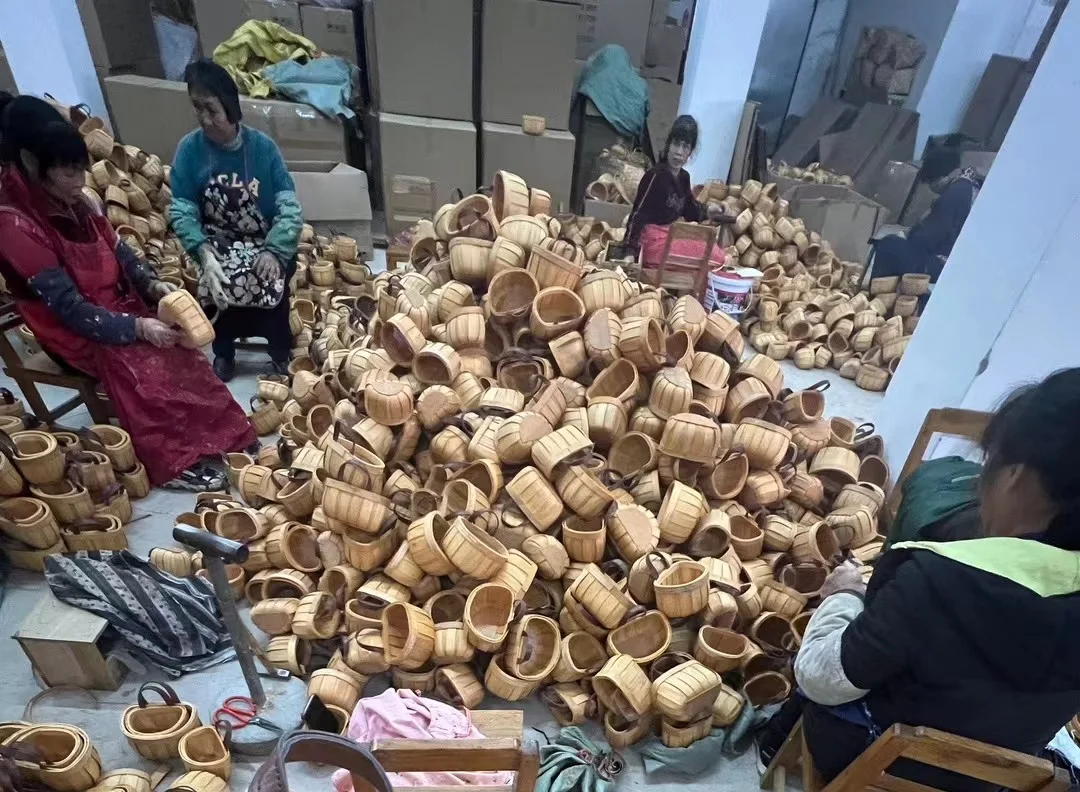
Nanning Holame Home Tech Co., Ltd.
- Manufacturer, Trading Company
- Guangxi, China
- Lead time30 days
- Avg. response≤ 2h
Main productsGift Baskets,Rattan Products,Bamboo Products,Wood Products,Kitchenware
Main marketsNorth America(50.00%), Western Europe(10.00%), Oceania(10.00%), Southern Europe(9.00%), Africa(8.00%), Mid East(6.00%), Northern Europe(5.00%), Eastern Europe(2.00%)
Nanping Jianyang Heng Xinwang Bamboo and Wooden Products Co., Ltd.
- Verified by BV
- Combined
- China Fujian
- Lead time23 days
Main productsBamboo Products, Wooden Products, Straw Products, Rattan Items, Straw and Willow Products
Main marketsSoutheast Asia/ Mideast,East Asia(Japan/ South Korea),Europe,Australia,North America


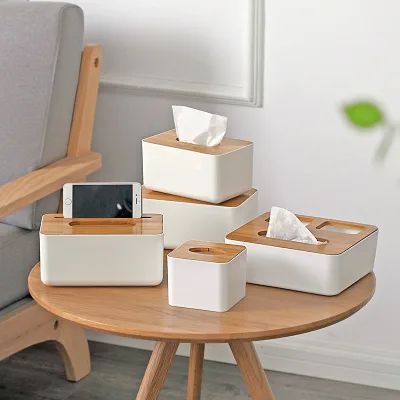
Black Walnut Wooden Office Desk Hotel Household Bathroom Tissue Napkin Box
$1.90 - $5.90
MOQ: 10 Pieces
Deqing Mountlume International Trading Co., Ltd.
- Verified by TUVRHEINLAND
- Trading Company,Manufacturer/Factory
- China Zhejiang
- Lead time45 days
Main productsBasket, Plastic Container, Lunch Bag, Kitchenware, Silicon Utensil, Lunch Box, Ice Pack, Kitchen Accessories, Storage Tub, Storage Bin
Main marketsSouth America,Eastern Europe,Mid East,North America,Southeast Asia,Eastern Asia,Oceania,Western Europe,Africa

Folding Storage Container Stackable Plastic Box for Kitchen Pantry Bathroom
$0.60 - $4.00
MOQ: 100 Pieces

Stackable Storage Basket for Cabinet Pantry Bathroom Kitchen Organization
$0.60 - $4.00
MOQ: 100 Pieces


Ningbo Dongsu Plastic Industry Co., Ltd.
- Verified by SGS Group
- Manufacturer, Trading Company
- Lead time30 days
- Avg. response≤ 2h
Main productsLazy Susan Turnable Organizer, Fridge Organizer, Silverware Organizer, Food Storage Container, Storage Basket; Storage Bin
Main marketsNorth America(25%), Western Europe(20%), Southeast Asia(15%)
Henan Huaxin Import & Export Trade Co., Ltd.
- Verified by SGS Group
- Trading Company
- Lead time6 days
- Avg. response≤ 7h
Main productsTowels, Bed Sheets, Key Chain, Plastic Bottles, Bucket Hats
Main marketsSoutheast Asia(50%), Western Europe(15%), North America(10%)
Jinhua Saving Industry and Trade Co. Ltd
- Verified by SGS
- Manufacturer
- China Zhejiang
- Lead time15 days
Main productsNon-Woven Storage Box, Non-Woven Storage Bag, Laundry Bag, Cloth Storage Box, Foldable Storage Box, Storages Basket


Foldable Non-Woven Collapsible Cabinet Closet Organizer Storage Boxes for Clothes
$1.30 - $1.53
MOQ: 2000 Pieces


Foldable Storage Box with Lid and Compartments with Handles for Closet & Home Use
$4.04 - $4.44
MOQ: 1008 Pieces

Jinhua Hengyang Cross-Border Trade Limited Liability Company
- Verified by SGS
- Trading Company
- China Zhejiang
- Lead time15 days
Main productsCoffee Maker Air Fryer Storage Box Knife Set, Silicone Baking Mold Robot Vacuum Cleaning Table, Shower Head Non-Slip Shower Curtain Vacuum Stora, Collapsible Laundry Basket Bohemian Wall Tapestr, Fringe Pillow Cover Bedding Set Memory Foam Pill, Bamboo Tissue Biodegradable Trash Bags LED Fair, Smart Plug Fairy Lights Pet Food Bowl, Household Daily Necessities Kitchen Cleaning, Bathroom Storage and Care Fabric Home Decor, Bedding Daily Chemical Paper Products
Main marketsEurope


Kitchen Food Grade Sealed Fresh-Keeping Box with Lid and Noodle Storage Box
$1.40 - $1.75
MOQ: 58 Pieces
Cao County Kailiyang Handicrafts Co., Ltd.
- Manufacturer, Trading Company
- Shandong, China
- Lead time0 days
- Avg. response≤ 3h
Main productsWood Box,Wood Tray,Wood Shelf,Wood Craft
Main marketsNorth America(45.00%), Oceania(15.00%), Domestic Market(10.00%), Eastern Europe(5.00%), Southeast Asia(5.00%), Eastern Asia(5.00%), Western Europe(5.00%), Northern Europe(5.00%), South Asia(5.00%)
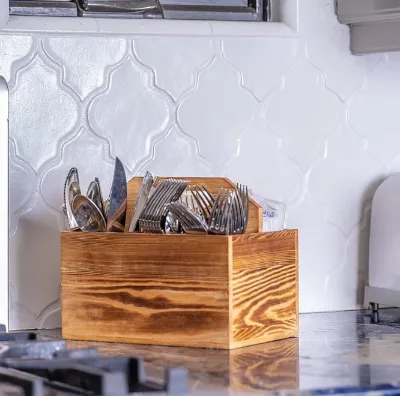
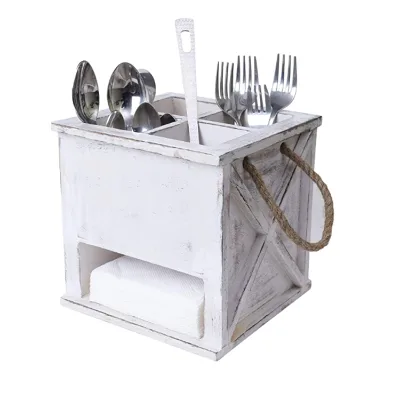
Factory Wholesale Eco-Friendly White Tissue Dispenser Box for Knives Forks Napkin Storage
$5.71 - $8.10
MOQ: 300 pieces

WELSHINE COMMERCIAL EQUIPMENT CO. LTD
- Verified by TUVRHEINLAND
- Combined
- China Guangdong
- Lead time60 days
Main productsGn Pans, Storage Boxes, Storage Containers, Trays, Trolley, Glass Rack, Barrel, Tote Boxes, Bin, Jug
Main marketsDomestic

Tissue Box Napkin Holder Storage Desk Organizer Multifunctional Container Storage
$1.30 - $2.00
MOQ: 1 Pieces


Cao County Grandview Arts & Crafts Co., Ltd.
- Manufacturer, Trading Company
- Shandong, China
- Lead time20 days
- Avg. response≤ 3h
Main productskitchen knife rack,wooden trash bin,wooden frames,kitchen wall shelf,bathroom storage rack
Main marketsNorth America(35.00%), Western Europe(13.00%), South Asia(10.00%), Eastern Europe(7.00%), Mid East(7.00%), Southern Europe(5.00%), Domestic Market(5.00%), Eastern Asia(5.00%), Southeast Asia(5.00%), Northern Europe(4.00%), Oceania(2.00%), Africa(2.00%)

Taizhou Shangyi Plastic Co., Ltd.
- Verified by TUVRHEINLAND
- Trading Company
- China Zhejiang
- Lead time23 days
Main productsFood Container, Storage Container, Lunch Box, Bento Box, Plastic Laundry Basket, Plastic Storage Container, Plastic Cutting Board
Main marketsSouth America,Southeast Asia/ Mideast

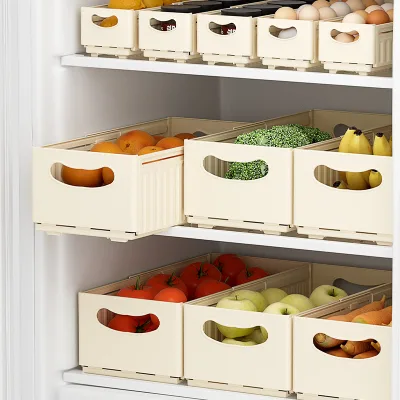
Stackable Large Plastic Kitchen Organizer Fridge Freezer Storage Boxes with Handle
$1.10 - $1.20
MOQ: 2000 Pieces


Xiamen Ebei Import & Export Co., Ltd.
- Verified by CTI
- Trading Company,Manufacturer/Factory
- China Fujian
- Lead time45 days
Main productsEco-Friendly Products, Bamboo Tableware, Bamboo Furniture, Bamboo Kitchenware, Bamboo Office Supply, Bamboo Fibre Products, Biodegradable Products, Bamboo Towel, Solar Energy Products, Bamboo Garden Products
Main marketsSouth America,Eastern Europe,Mid East,North America,Southeast Asia,Eastern Asia,Oceania,Western Europe,Africa


Bamboo Square Case /Box Napkin Holder Organizer Stand
MOQ: 500 Pieces
Xuzhou Risen Industry and Supply Co., Ltd
- Verified by TUVRHEINLAND
- Trading Company
- China Jiangsu
- Lead time30 days
Main productsHousehold Adornment, Household Supplies, Home Decoration, Compressed Sofa, Dining Furniture, Bothroom Organizer, Kitchen Storage, Glass Ornaments, Ceramic Tableware, Home Fragrance
Main marketsSouth America

Ningbo Fulei Metal Products Co., Ltd.
- Verified by TUVRHEINLAND
- Combined
- China Zhejiang
- Lead time30 days
Main productsFeeder, Sheet Metal, Bracket, Library Cart, Bookend, Cable Tray, HVAC System, Pig Equipment, Chicken Equipment, Tissue Box Holder
Main marketsDomestic
Fujian Hoyee Household Items Co., Ltd.
- Verified by BV
- Manufacturer/Factory
- China Fujian
- Lead time0 days
Main productsBamboo Products, Cutting Board, Bathtub Caddy, Bath Mat, Bath Towel Rack, Shoes Rack, Office Organizer, Desk Organizer, Cheese Board, Serving Tray

Foshan Languo Chuangyijia Technology Co., Ltd.
- Verified by BV
- Combined
- China Guangdong
- Lead time15 days
Main productsAcrylic, Custom Acrylic Box, Plastic Basket, Phto Frame, Pop Clips, Floor Display Stand, Plastic Brochure Holder, Custom Sign Holder, Shelf Data Strips, PVC Data Strips
Main marketsSouth America,Africa,Southeast Asia/ Mideast,East Asia(Japan/ South Korea),Domestic,Europe,Australia,North America


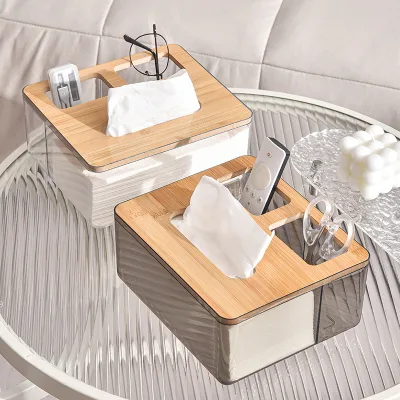
Hotel Rooms Paper Acrylic Towels Storage Boxes Hotel Tissue Paper Napkin Box
$4.70 - $5.14
MOQ: 50 Pieces

Hotel Rooms Paper Acrylic Towels Storage Boxes Hotel Tissue Paper Napkin Box
$2.50 - $2.94
MOQ: 50 Pieces

New Hotel Rooms Napkin Paper Holder Acrylic Towels Storage Box Hotel Tissue Paper Box
$3.52 - $4.12
MOQ: 50 Pieces
Jiangmen Kamstrong Metal Products Co., Ltd
- Verified by SGS
- Manufacturer/Factory
- China Guangdong
- Lead time45 days
Main productsToilet Paper Holder, Bread Bin, Step Bin, Ice Bucket, Tissue Holder, Canisters, Trash Can, Waste Bin, Bread Box, Wine Cooler
Main marketsSouth America,Eastern Europe,Southeast Asia,Africa

Guangzhou Nantian Sources Co., Ltd.
- Manufacturer/Factory
- China Guangdong
- Lead time15 days
Main productsKitchen Equipment, Kitchenware, Food Machine, Kitchen Appliance, Glassware, Food Machinery, Bakery Equipment, Dinnerware, Kitchen Utensils, Food Processor
Main marketsSouth America,Mid East,Southeast Asia,Eastern Asia,Oceania,Africa

Tissue Napkin Holder for Restaurant
MOQ: 100 Pieces

4-Compartment Cutlery Box Cutlery Storage Basket
MOQ: 100 Pieces
Caoxian Shangyuan Arts & Crafts Co., Ltd.
- Verified by SGS Group
- Manufacturer, Trading Company
- Lead time35 days
- Avg. response≤ 1h
Main productsBricks, Trays, Storage Racks, Bedroom Furniture, Wooden Climbing Frames
Main marketsNorth America(40%), Eastern Asia(30%), Western Europe(20%)
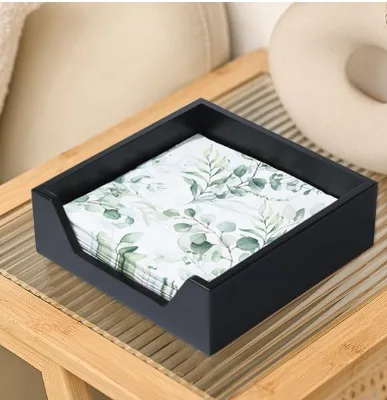
$3.54 - $3.90
MOQ: 500 pieces
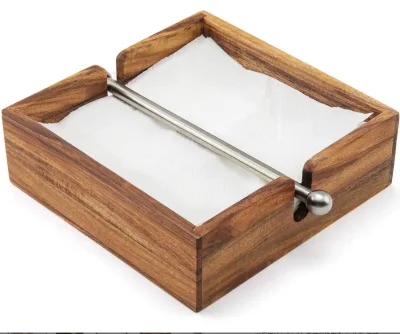
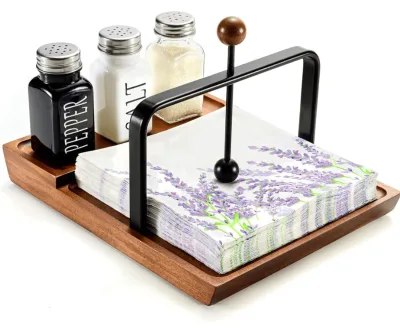
Bamboo Napkin Rack with Square Wooden Napkin Box Kitchen Dining Table Countertop Guest Towel Holder
$4.66 - $4.77
MOQ: 500 pieces

Shenzhen Hongda Rong Technology Co., Ltd.
- Manufacturer, Trading Company
- Guangdong, China
- Lead time20 days
- Avg. response≤ 3h
Main productsAcrylic display case,acrylic display,acrylic rack,acrylic case,acrylic showcase
Main marketsSoutheast Asia(30.00%), Northern Europe(30.00%), North America(20.00%), Eastern Asia(20.00%)

Xiamen F-Orchid Technology Co., Ltd.
- Verified by TUVRHEINLAND
- Trading Company
- China Fujian
- Lead time30 days
Main productsStore Fixtures & Display Racks, Fitness Equipment & Sports Goods, Handicrafts, LED Boxes & Logo Signs, Treadmill, Retail Display, Furniture, Recumbent Bike, Elliptical Bike, Fitness Bike
Main marketsNorth America
Ningbo Partner Leisure Products Co., Ltd.
- Trading Company
- Zhejiang, China
- Lead time0 days
- Avg. response≤ 8h
Main productspet supplies,cooker,kitchen accessories,egg incubator,storage box
Main marketsNorth America(80.00%), South America(15.00%), Eastern Europe(5.00%)
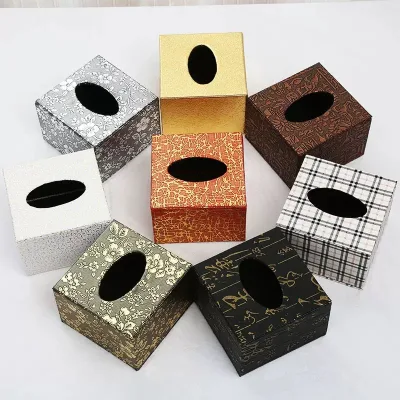
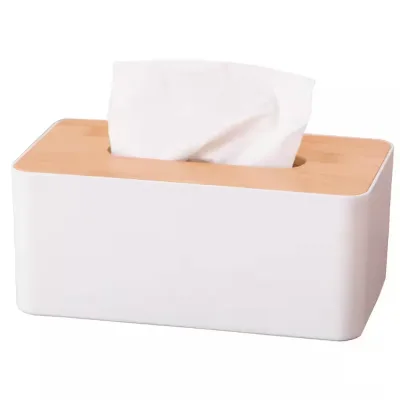
Hotel and Restaurant Creative Small Napkin Boxes, Tissue Boxes and Tissue Boxes
$1.45 - $1.50
MOQ: 100
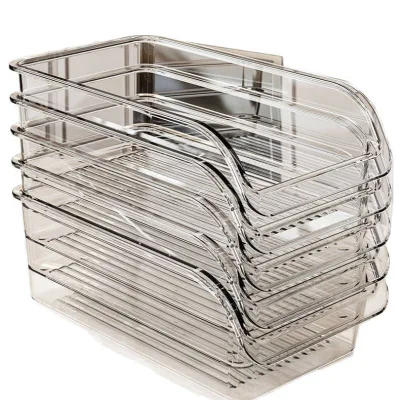
Guangzhou Changchen Electronic Technology Co., Ltd.
- Verified by TüVRheinland
- Manufacturer, Trading Company
- Lead time15 days
- Avg. response≤ 5h
Main productsAcrylic Sheet, Acrylic Craft Products, Acrylic Custom Products, Outdoor And Indoor Printing, Acrylic Billboard
Main marketsDomestic Market(18%), Northern Europe(11%), Southern Europe(9%)

- Verified by TUVRHEINLAND
- Manufacturer/Factory
- China Zhejiang
- Lead time23 days
Main productsOutdoor Furniture, Trampoline, Building, Camping, Houseware, Promotion, Clothes, Rope Light, Garden, Sourcing
Main marketsSouth America,Eastern Europe,Mid East,North America,Southeast Asia,Eastern Asia,Oceania,Western Europe,Africa


Tissue Dispenser Box Facial Napkin Home Holder Tissue Box with Storage Esg19281
$2.67 - $3.20
MOQ: 100 Pieces

Fuzhou Haomin Imp. & Exp. Co., Ltd.
- Verified by SGS
- Manufacturer/Factory
- China Fujian
- Lead time23 days
Main productsBackpacks, Beach Bags, School Bags, Shopping Bags, Canvas Bags, Sports Bags, Cosmetic Bags, Pet Bags, Cotton Bag, Travel Bag
Main marketsSouth America,Eastern Europe,Mid East,North America,Southeast Asia,Eastern Asia,Oceania,Western Europe,Africa

Bathroom Toilet Paper Storage Basket, Toilet Paper Storage Box, Bathroom Tissue Paper Storage Basket
$0.80 - $1.20
MOQ: 500 Pieces

Cross-Border Foldable Household Toilet Paper, Roll Paper Storage Basket, Fabric Storage Basket
$0.80 - $1.20
MOQ: 500 Pieces
Zhejiang Yimei Technology Co., Ltd.
- Verified by Intertek
- Manufacturer, Trading Company
- Lead time25 days
- Avg. response≤ 2h
Main productsPlastic Homeware, Plastic Storage Basket, PET Fridge Organizer, Plastic Folded Crate
Main marketsDomestic Market(33%), North America(25%), Southeast Asia(25%)

Baoding Baohe International Trade Co., Ltd.
- Verified by TUVRHEINLAND
- Trading Company,Manufacturer/Factory
- China Hebei
- Lead time15 days
Main productsToilet Paper, Jumbo Roll Tissue, Adult Diaper, Under Pad, Wet Wipes, Facial Tissue, Parent Roll, Disponsable Toilet Seat Cover, Slate, Baby Diaper
Main marketsSouth America,Eastern Europe,Mid East,North America,Southeast Asia,Eastern Asia,Oceania,Western Europe,Africa

Qingdao Best Ever Handcrafts Co., Ltd.
- Trading Company
- China Shandong
- Lead time30 days
Main productsStorage Basket, Cotton Rope Basket, Laundry Basket, Fabric Storage Basket, Place Mats, Rope Bags, Diaper Caddy, Bag
Main marketsAfrica,Europe,Australia,North America


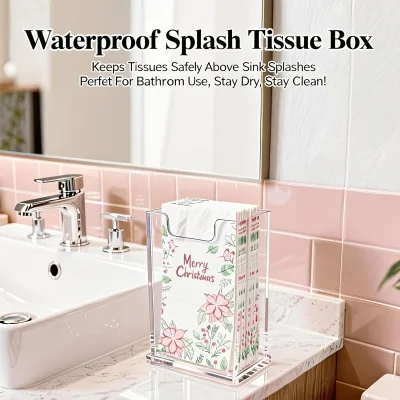


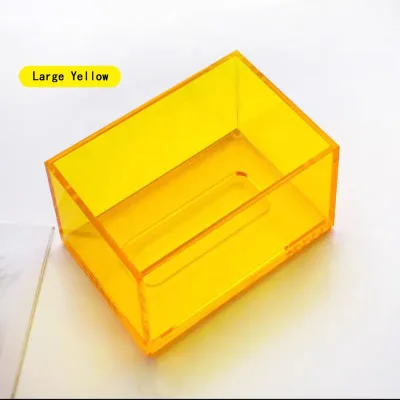
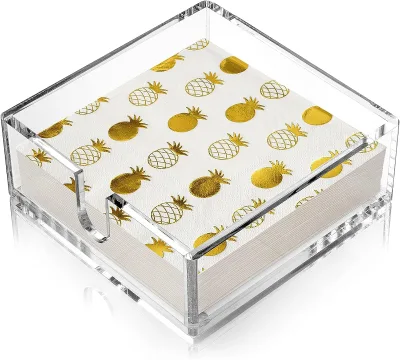




Comprehensive Sourcing Guide
Stackable Kitchen Napkin Storage Box Supplier Concentration and Factory Types
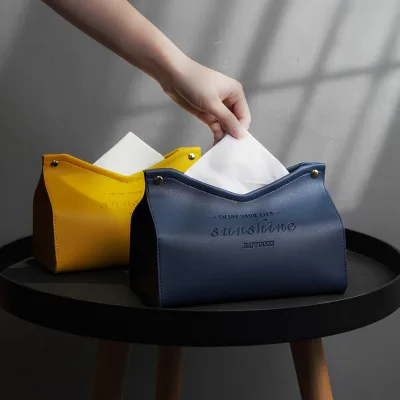
Current data indicates a concentration of manufacturers and trading companies operating within Guangxi, China, alongside verified entities in Fujian and Zhejiang provinces. These regions host suppliers whose main product portfolios explicitly include rattan products, bamboo items, wood products, and kitchenware, which aligns directly with the material requirements for stackable kitchen napkin storage boxes. The presence of both manufacturer and trading company types suggests a diverse supply chain where some entities handle direct production while others manage logistics and sourcing for multiple factories. Buyers should note that specific facility locations like Nanping in Fujian are documented as origins for certain wooden napkin desk holders, providing a concrete anchor for regional sourcing strategies.
When assessing factory types, it is critical to distinguish between entities that offer OEM and ODM capabilities and those that primarily stock standard inventory. The observed supplier data confirms that many manufacturers accept customized logos and offer OEM services, allowing for brand-specific designs in wood, rattan, or plastic materials. However, not all suppliers listed possess the same capacity for custom development; some focus on stocked items with fixed dimensions and styles. Buyers must verify the specific company type for each potential partner to ensure they can meet custom design needs or if they require a trading company to aggregate products from various workshops. This distinction directly impacts the flexibility of the final product and the ability to scale production without compromising quality standards.
How to Verify Stackable Kitchen Napkin Storage Box Suppliers
Verification processes should prioritize checking for third-party audit badges and specific product certifications that validate manufacturing standards. The available data highlights that some suppliers hold BV verification status, which serves as a tangible indicator of business legitimacy and operational stability. Additionally, product attributes for certain wooden napkin boxes list CE/EU and FDA certifications, suggesting compliance with international safety and material standards for food contact. Buyers must explicitly request proof of these certifications for the specific stackable napkin storage boxes they intend to purchase, as the presence of a badge on one product line does not guarantee coverage for all items in a supplier's catalog.
Beyond certifications, buyers should scrutinize response times and supply chain transparency to gauge supplier reliability. The observed response time of two days for some suppliers indicates a baseline for communication efficiency, which is crucial for resolving production queries quickly. However, response times can vary significantly across the market, and a slow reply may signal capacity issues or poor management. Buyers should also verify the supply ability, such as the documented capacity of 20,000 pieces per month for specific tissue baskets, to ensure the factory can handle large orders without delays. Confirming these operational metrics through direct inquiry is essential before committing to a long-term partnership or placing a substantial order.
What to Compare Across Stackable Kitchen Napkin Storage Box Suppliers
Comparative analysis must focus on lead times, minimum order quantities, and pricing structures to determine the most viable commercial partners. The data reveals lead times ranging from 23 to 30 days, with some suppliers offering faster turnaround capabilities depending on order volume and customization requirements. Minimum order quantities also vary, with specific listings showing an MOQ of 10 pieces for certain wooden napkin holders, while other suppliers may have higher thresholds. Buyers should create a comparison matrix that includes these variables alongside price ranges, which have been observed between $1.50 and $5.90 per unit depending on material and complexity. This structured approach prevents overspending and ensures alignment with inventory planning goals.
Material composition and customization options represent another critical dimension for comparison across different supplier profiles. The product evidence shows a mix of natural rattan, natural wood, and PP plastic materials, each offering distinct aesthetic and functional properties for stackable storage solutions. Some suppliers explicitly state acceptance of customized logos and OEM/ODM services, while others may only offer standard designs. Buyers should compare the specific material attributes, such as whether the product is 100% handmade or features fine polishing, to match the desired quality tier. Additionally, verifying the availability of specific styles, such as Japanese, European, or Minimalist designs, ensures the final product aligns with the target market's aesthetic preferences.
Common Stackable Kitchen Napkin Storage Box Sourcing Risks
One significant risk involves the inconsistency of material quality and the potential for misrepresentation regarding the origin of goods. While some products are documented as originating from specific regions like China or Nanping, buyers must verify that the materials claimed, such as natural rattan or wood, match the physical samples received. There is a risk that suppliers may substitute materials or fail to adhere to the stated "100% handmade" or "eco-friendly" claims without prior notice. Buyers should insist on pre-shipment inspections and sample approvals to mitigate the risk of receiving substandard goods that do not meet the specified durability or aesthetic requirements.
Another risk pertains to logistics and shipping reliability, particularly when dealing with suppliers located in different provinces with varying port access. The data indicates dispatch ports such as Shenzhen and Guangzhou, but buyers must confirm the actual shipping terms and lead time reliability for their specific destination. Delays in production or shipping can disrupt inventory cycles, especially if the supplier fails to meet the quoted 23 to 30-day lead time. Furthermore, the lack of standardized packaging details across different suppliers can lead to damage during transit. Buyers should clarify packaging requirements, such as paper cartons or individual bags, and ensure that the supplier has a robust process for protecting fragile wooden or rattan items during international transport.
Stackable Kitchen Napkin Storage Box Regional Sourcing and Logistics
Regional sourcing strategies should leverage the documented manufacturing clusters in Guangxi, Fujian, and Zhejiang to optimize logistics and reduce costs. Guangxi suppliers offer a concentration of rattan and bamboo product manufacturers, while Fujian is noted for wooden product origins in areas like Nanping. Zhejiang suppliers provide a mix of trading companies and manufacturers specializing in plastic containers and kitchenware. Buyers should evaluate the proximity of these clusters to major shipping ports like Shenzhen and Guangzhou to minimize inland transportation costs and lead times. Understanding the specific regional strengths allows for more targeted supplier selection based on the primary material required for the stackable napkin storage boxes.
Logistics planning must account for the specific packaging dimensions and weight constraints associated with different product types. The observed data includes single package sizes ranging from 13x13x13 cm to 30x20x15 cm, with weights varying from 0.4 kg to higher values for bulkier items. These dimensions directly impact container utilization and shipping costs, making it essential to calculate the total volume and weight before finalizing orders. Buyers should also verify the supply ability, such as the 20,000 pieces per month capacity, to ensure the supplier can meet demand without causing bottlenecks in the shipping schedule. Coordinating with suppliers on packaging details and dispatch ports ensures a smoother flow of goods from the factory floor to the final destination.
Stackable Kitchen Napkin Storage Box Commercial Terms and Order Planning
Commercial terms regarding payment, escrow, and order planning must be clearly defined to protect both parties and ensure smooth transaction execution. While specific escrow details are not universally provided in the current data, buyers should prioritize using secure payment methods that offer protection against non-delivery or quality disputes. The observed price ranges and MOQs suggest that order planning should account for volume discounts and tiered pricing structures. Buyers need to negotiate terms that align with their cash flow and inventory turnover rates, ensuring that the lead times of 23 to 30 days are factored into their production schedules. Clear communication on these terms prevents misunderstandings and fosters a stable business relationship.
Order planning should also consider the customization timeline and the impact of OEM/ODM requests on the overall delivery schedule. Suppliers that accept customized logos and specific designs may require additional time for mold creation or design approval, which could extend the standard lead time. Buyers should factor in these potential delays when planning their product launches or restocking cycles. Additionally, verifying the supply ability and production capacity ensures that the supplier can handle the order volume without compromising quality. By integrating these commercial and operational factors into the initial planning phase, buyers can mitigate risks and ensure a successful sourcing outcome for their Stackable Kitchen Napkin Storage Box requirements.
FAQs
What materials are used for these napkin storage boxes?
Suppliers offer boxes made from natural rattan, wood, and combinations of wood with PP plastic. Some products feature bamboo lids while others use solid wood construction. These materials ensure durability and an eco-friendly profile for home or hotel use.
What is the typical lead time for orders?
Lead times observed in the current results range from 23 to 30 days depending on the specific supplier and order volume. Some manufacturers indicate a standard production window of 30 days, while others with higher capacity may deliver within 23 days.
Do suppliers accept custom logo requests?
Yes, multiple suppliers explicitly state they accept customized logos on their tissue and napkin boxes. This OEM service allows buyers to brand products for retail or corporate gifting purposes without requiring minimum order quantities that exceed standard trading terms.
Where are these products manufactured?
Products originate from regions including Guangxi, Fujian, and Zhejiang in China. Specific origins listed include Nanping in Fujian and general manufacturing hubs in Guangxi. All listed items confirm China as the place of origin for these kitchen storage solutions.
What certifications do the wooden boxes hold?
Some listed products carry CE/EU and FDA certifications, ensuring safety for food and household usage. These certifications apply to specific models like the wooden napkin desk holder. Buyers should verify certification status for each specific product model before placing large orders.
What is the minimum order quantity for these items?
The minimum order quantity observed is 10 pieces for certain wooden napkin box models. This low MOQ allows buyers to test product quality before committing to larger volumes. Other suppliers may have different thresholds based on customization requirements.
Are these boxes suitable for hotel and restaurant use?
Yes, the product usage fields explicitly list home, hotel, and restaurant applications. The designs are described as durable and washable, making them suitable for high-traffic commercial environments. Many items are also marketed as suitable for kitchen and dining room settings.
What is the price range for these storage boxes?
Prices observed range from 1.50 to 5.90 per unit depending on material and design complexity. Basic wooden models start around 1.50, while more complex designs with custom features may reach up to 5.90. Prices vary based on specific material choices like rattan or walnut.