Stackable Banana Plug Connector Suppliers and Manufacturers
Source Stackable Banana Plug Connector options from 25 verified suppliers in China. Compare key dimensions including lead times, MOQs, certifications, and response rates to identify the right partner for your project. Request quotes today; review the available evidence before requesting comparable quotations from suitable candidates.
Updated
Suppliers List

Lanka Industrial Automation (Shanghai) Co., Ltd.
- Combined
- China Shanghai
- Lead time15 days
- Avg. response≤ 4h
Main productsPower Cord, Power Cable, Electric Wire, Extension Cord, Power Extension Cable, Cable Reel, Spiral Cable, Data Cable, PDU, Flat Wire
Main marketsEast Asia(Japan/ South Korea),Europe,North America
Changzhou Kingsun New Energy Technology Co., Ltd.
- Manufacturer
- Jiangsu, China
- Lead time10 days
- Avg. response≤ 1h
Main productsAutomotive Connectors,Industrial Connectors,RF Coaxial Connectors,Audio/Video Connectors,Cable Assemblies
Main marketsDomestic Market(30.00%), North America(20.00%), Southeast Asia(20.00%), Africa(10.00%), South Asia(10.00%), Northern Europe(5.00%), Western Europe(5.00%)

Focan Electronic Factory (wujin)
- Manufacturer, Trading Company
- Jiangsu, China
- Lead time15 days
- Avg. response≤ 11h
Main productsTravel adapter,power cord & power strip,HDMI Cable,car antenna cable,Siren speaker & Warning light
Main marketsNorth America(18.00%), Western Europe(15.00%), South America(12.00%), Southeast Asia(11.00%), Domestic Market(10.00%), Eastern Europe(10.00%), Africa(9.00%), Oceania(3.00%), South Asia(3.00%), Southern Europe(3.00%), Northern Europe(3.00%), Central America(3.00%)
Dongguan Hexie New Energy Technology Co., Ltd.
- Verified by TüVRheinland
- Manufacturer, Trading Company
- Lead time7 days
- Avg. response≤ 5h
Main productsWire Cable, Wire Harness, Connector, Charging Gun
Main marketsDomestic Market(15%), North America(10%), Southeast Asia(10%)
Changzhou Qiao Electrical Appliances Co., Ltd.
- Manufacturer
- Jiangsu, China
- Lead time10 days
- Avg. response≤ 4h
Main productsXLR connector and cable,audio and video connector and cable,banana plug & socket,binding post,test lead
Main marketsDomestic Market(20.00%), Central America(15.00%), North America(10.00%), South America(10.00%), Southeast Asia(10.00%), Eastern Europe(10.00%), Western Europe(8.00%), Mid East(5.00%), Southern Europe(5.00%), South Asia(2.00%), Oceania(2.00%), Northern Europe(1.00%), Africa(1.00%), Eastern Asia(1.00%)
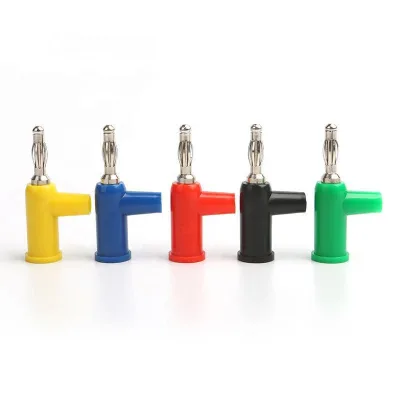
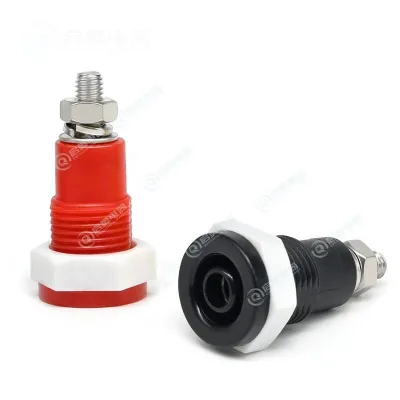
Waterproof Cable Connector High Voltage Connector Male Banana Connectors Banana Plug 4mm Banana Plug
$0.005 - $0.20
MOQ: 1 Minimum
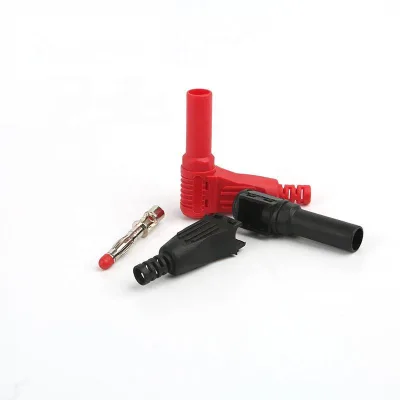
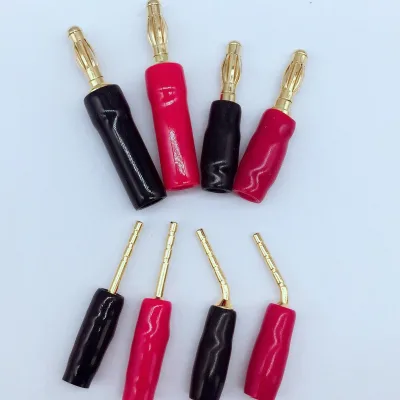
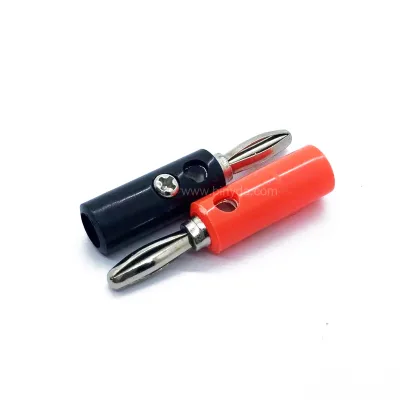
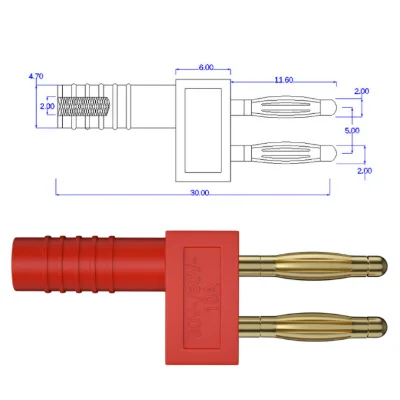
Angle Type 4mm Male Female Banana Plug Banana Plug Jumper Connectors for Audio Test
$0.2082 - $0.3116
MOQ: 500 Minimum
$0.2052 - $0.2876
MOQ: 500 Minimum
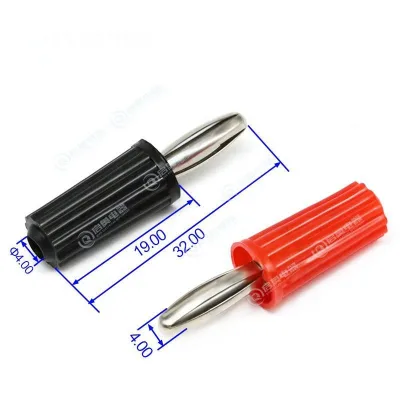
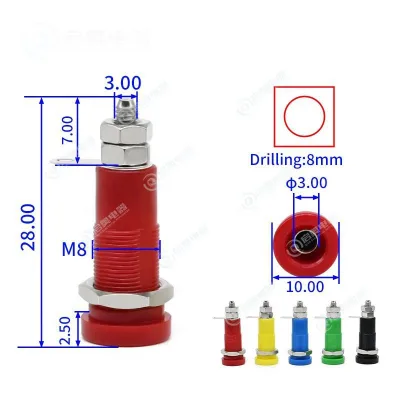
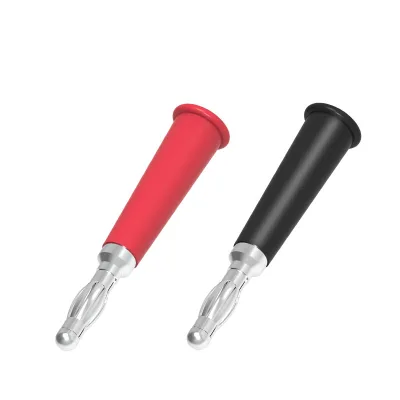
4mm Banana Head High Current Terminal Copper Audio Plug test Plug Lantern Type Connector
$0.06 - $0.10
MOQ: 1000 Minimum
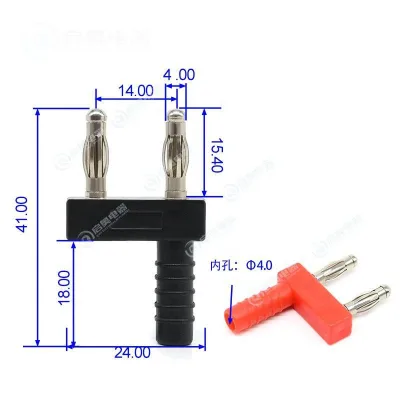

Zhejiang Hepai Electric Co., Ltd.
- Verified by SGS
- Trading Company
- China Zhejiang
- Lead time30 days
- Avg. response≤ 1h
Main productsDIN Rail Terminal Blocks, Quick Connectors, Distribution Blocks, Related Accessories
Main marketsDomestic


Electric Durable Banana Plug Connector for High-Quality Electrical Applications
$0.177
MOQ: 1000 Pieces

Bonico Technology (dalian) Ltd.
- Trading Company
- Liaoning, China
- Lead time0 days
- Avg. response≤ 4h
Main productsBanana Plug,Test Leads,Alligator clip,Car connector,Banana sockets
Main marketsWestern Europe(30.00%), North America(20.00%), Southern Europe(10.00%), Northern Europe(10.00%), Eastern Europe(10.00%), Eastern Asia(10.00%), Southeast Asia(10.00%)

Guangdong Techeng Hardware Electronics Co., Ltd
- Manufacturer/Factory
- China Guangdong
- Lead time23 days
- Avg. response≤ 14h
Main productsBanana Plug, Banana Socket, High Current Connectors, Lithium Battery Connectors, New Energy Power Connectors, CNC Pin Connectors, Medical Device Connectors, New Energy Storage Connectors, EV Charger Pins, Precision Hardware Parts
Main marketsEastern Europe,Mid East,North America,Southeast Asia,Eastern Asia,Oceania,Western Europe


Custom High Voltage Connector 2.5mm Banana Plug Banana Socket Crimping Type Cable Plug
$0.10 - $0.35
MOQ: 1000 Pieces


3.5/4 mm Gold Plating Banana Plug Soldered to Cable Connector with Plastic Sheath
$0.10 - $0.35
MOQ: 1000 Pieces

Yueqing Daier Electron Co., Ltd.
- Combined
- China Zhejiang
- Lead time15 days
- Avg. response≤ 8h
Main productsRocker Switch, Push Button Switch, Indicator Light, Toggle Switch, Auto Switch, Key Switch, Circuit Breaker, Power Socket, Knob, Aluminum Enclosure
Main marketsSouth America,Southeast Asia/ Mideast,Domestic,Europe,North America

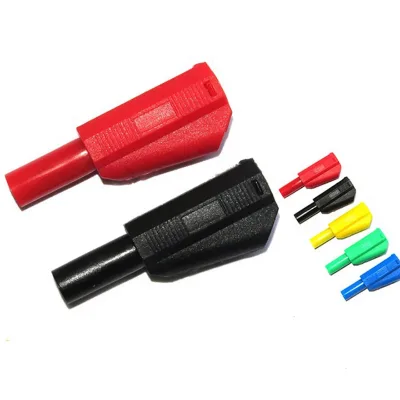
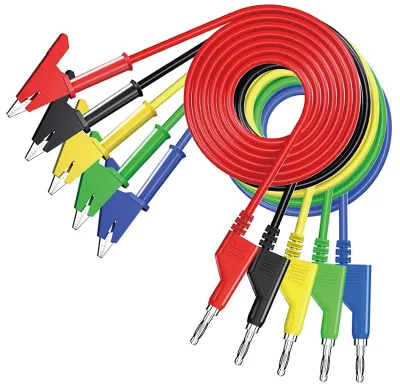
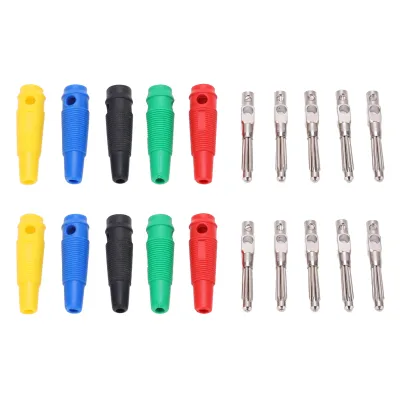
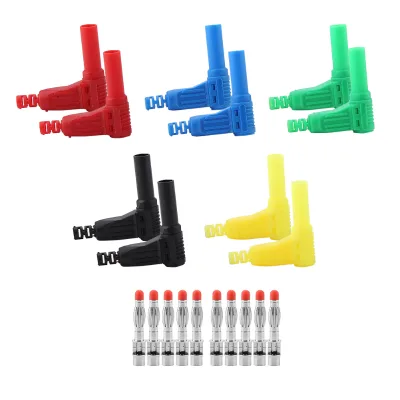
32A Colorful Safety Fully Insulated Stackable 4mm Banana Plug Connectors
$0.38 - $0.45
MOQ: 100 Pieces

Changzhou Xiwang Yuhua Electronic Co., Ltd.
- Verified by TüVRheinland
- Manufacturer, Trading Company
- Lead time15 days
- Avg. response≤ 11h
Main productsAlligator Clips, Banana Plugs, Hand Tools, Car Cigarette Lighter
Main marketsNorth America(35%), Domestic Market(20%), Western Europe(14%)
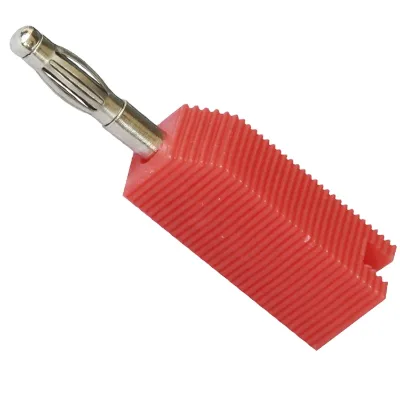
High Quality Safety Banana Plug Stackable Banana Audio Speaker Cable Connector with Different Colors
$0.21 - $1.00
MOQ: 500 Minimum

Factory Wholesale 2mm Male Lantern Type Banana Plug Audio Speaker Banana Plug Connector
$0.14 - $0.20
MOQ: 1000 Minimum
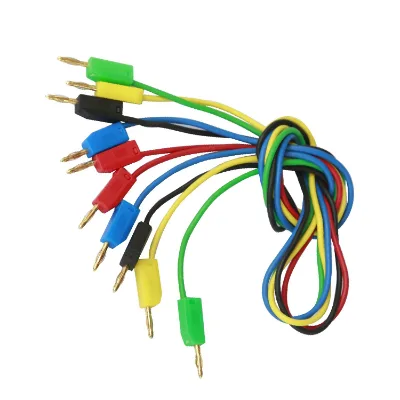
Color Small Banana Plug Test Lead Cable 2 mm Banana Plug Connector with Wire
$0.103 - $1.0306
MOQ: 500 Minimum
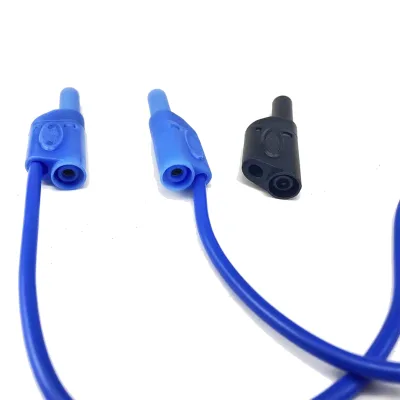
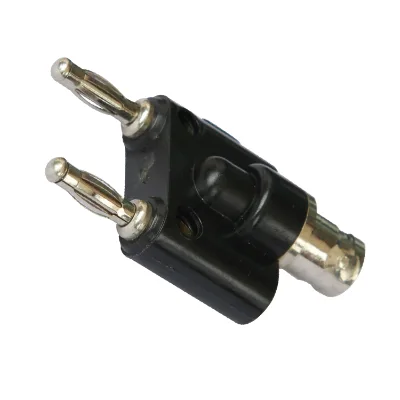
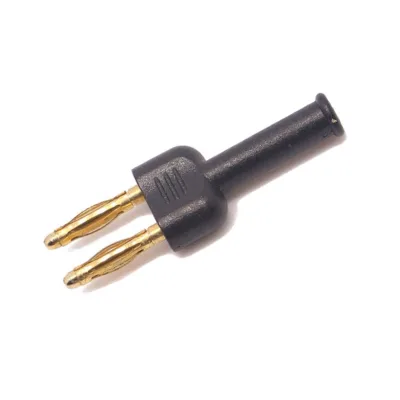
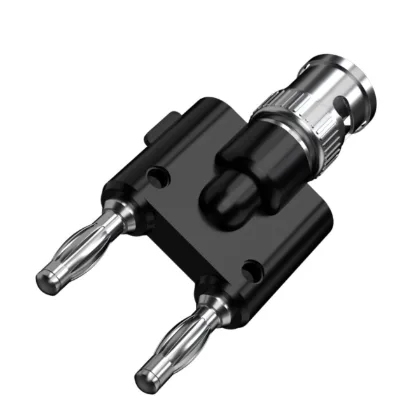
High Quality Double Banana Plug Jack with Female BNC Connector Miniature Black Connection Terminal
$0.1039 - $1.0396
MOQ: 500 Minimum
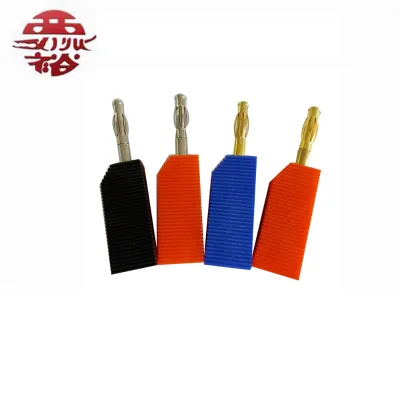
Colorful Gold-plated Galvanized Female Banana Socket Threaded Binding Post Terminal Banana Plug
$0.21 - $1.00
MOQ: 500 Minimum
Wenzhou Daiertek Electric Co., Ltd.
- Verified by SGS Group
- Trading Company
- Lead time7 days
- Avg. response≤ 2h
Main productsSwitch, Socket, Connector
Main marketsNorth America(30%), Western Europe(30%), South America(10%)
Changzhou Huanuo Electronic Co., Ltd.
- Verified by TüVRheinland
- Manufacturer, Trading Company
- Jiangsu, China
- Lead time15 days
- Avg. response≤ 6h
Main productsCigarette Lighter Plug, Car Power Cord, Alligator Clip, Connector & Photovoltaic Cable, Hardware Components
Main marketsDomestic Market(50%), North America(5%), South America(5%)
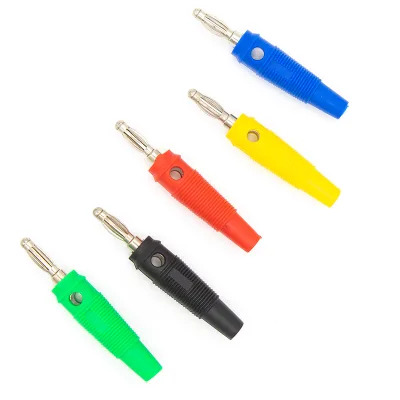
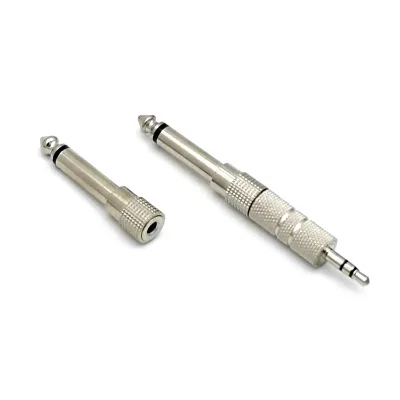
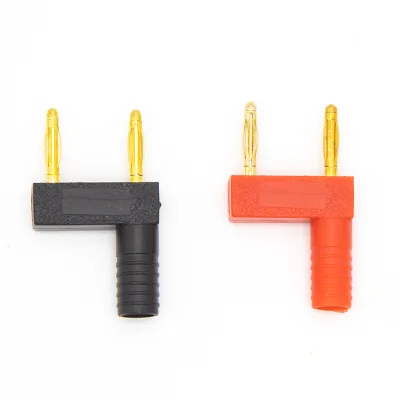
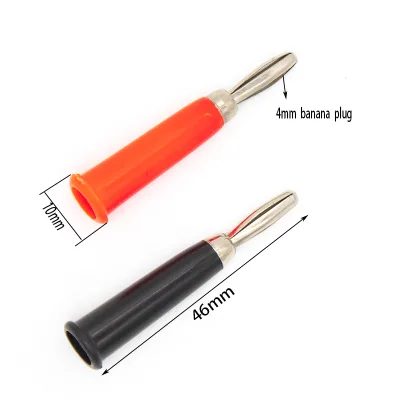
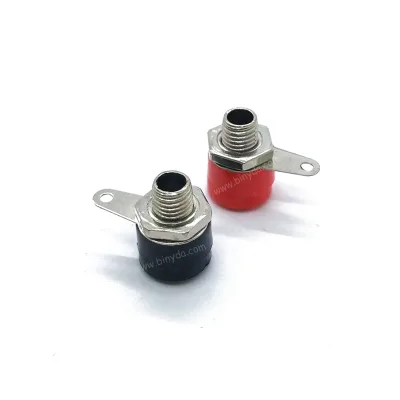
Hot Selling Banana Plug Banana Jack Socket Different Colors Connect to 4mm Banana Plug Connector
$0.4105 - $0.5138
MOQ: 500 pieces

Shenzhen Sinph U-Life Technology Co., Ltd.
- Combined
- China Guangdong
- Lead time15 days
- Avg. response≤ 8h
Main productsKeyboard Switch, Storage Connector, Auto Electrical Cables
Main marketsSouth America,Africa,Southeast Asia/ Mideast,East Asia(Japan/ South Korea),Domestic,Europe,Australia,North America


High Current Power Battery Ec3 Banana Plug Battery Male Female Plug Connector
$0.55 - $0.98
MOQ: 10 Pieces


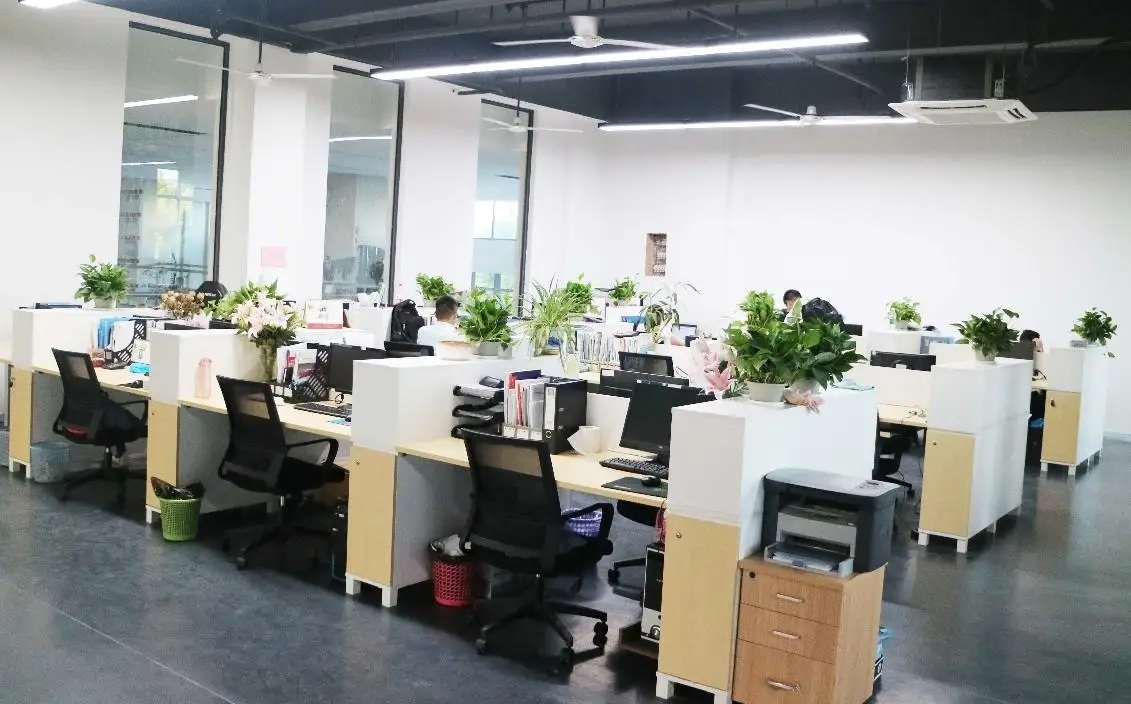
Shenzhen Binyueda Electronics Co., Ltd.
- Trading Company, Agent, Distributor/Wholesaler
- Guangdong, China
- Lead time3 days
- Avg. response≤ 10h
Main productsElectronics Components,Computer Accessories,Integrated Circuit,Electrical Equipment
Main marketsNorth America(30.00%), Western Europe(20.00%), Northern Europe(10.00%), Southeast Asia(10.00%), Mid East(10.00%), South America(5.00%), Eastern Europe(5.00%), South Asia(2.00%), Africa(2.00%)
Aiyong Instruments (Suzhou) Co., Ltd.
- Manufacturer, Trading Company
- Jiangsu, China
- Lead time0 days
- Avg. response≤ 5h
Main productsIonizing Blower,Ionizing Bars,Ionizing Gun,Oscilloscope Probes,Test Hook
Main marketsSouth Asia(32.00%), Eastern Asia(10.00%), North America(5.00%)

Changzhou Carrot Import & Export Co., Ltd.
- Trading Company
- China Jiangsu
- Lead time45 days
- Avg. response≤ 23h
Main productsAudio/Video Cable, HDMI Cable, USB Cable, CATV Connector, Patch Cord, CATV Splitter, Cooling Fan, CATV Cable, RCA Cable, Scart Cable
Main marketsSouth America,Africa,Southeast Asia/ Mideast,East Asia(Japan/ South Korea),Europe,Australia,North America

Shanghai Fengy Cable Technology Co., Ltd.
- Verified by CTI
- Trading Company
- China Shanghai
- Lead time23 days
- Avg. response≤ 4h
Main productsPower Cord, Flexible Cable, PVC Cable, Spiral Cable, Ethernet Cable, Extension Cord, Drag Chain Cable, Electrical Cables, Flat Cable, Data Cable
Main marketsSouth America,Africa,Southeast Asia/ Mideast,East Asia(Japan/ South Korea),Domestic,Europe,Australia,North America
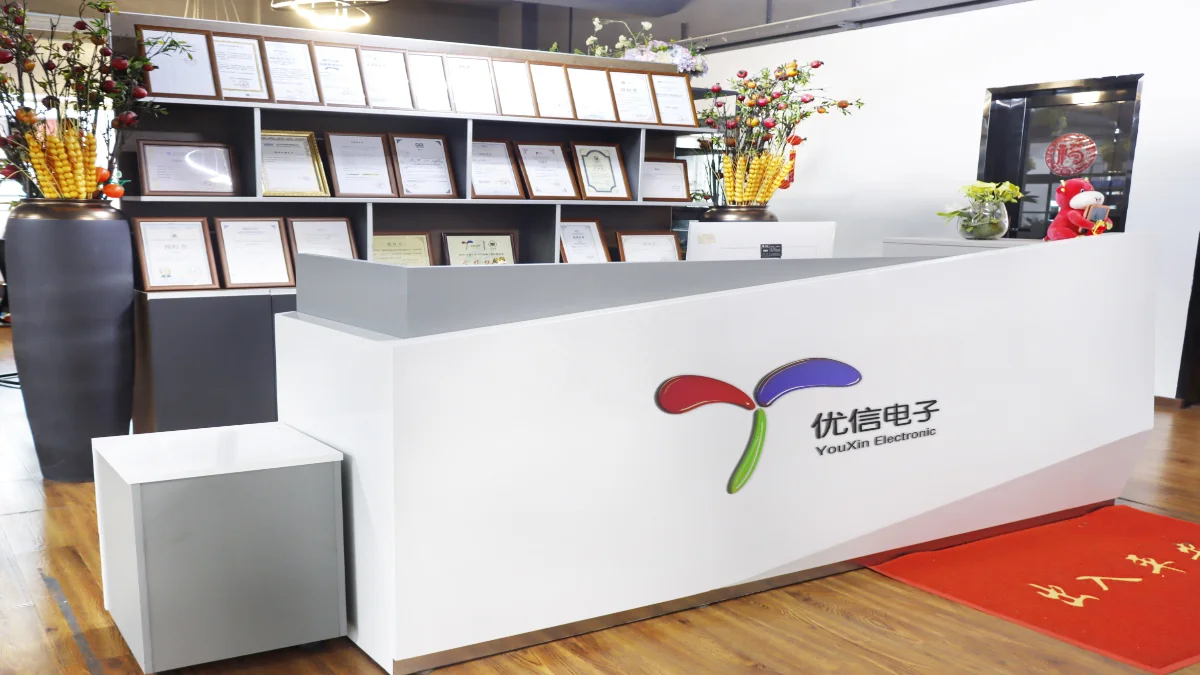
Shenzhen Youxin Electronic Technology Co., Ltd.
- Trading Company, Distributor/Wholesaler
- Guangdong, China
- Lead time0 days
- Avg. response≤ 8h
Main productsChip,PCB,Sensor Module,Display Module,Wireless Module
Main marketsNorth America(20.00%), Domestic Market(15.00%), South America(10.00%), Western Europe(10.00%), Southeast Asia(10.00%), Eastern Asia(10.00%), Mid East(5.00%), Southern Europe(5.00%), Northern Europe(5.00%), Oceania(5.00%), Eastern Europe(5.00%)
Changzhou Bestxun Electronic Co., Ltd.
- Trading Company
- Jiangsu, China
- Lead time15 days
- Avg. response≤ 17h
Main productsELM327,OBD2,Auto Diagnostics Tool,USB cable,MMCX
Main marketsEastern Asia(30.00%), Eastern Europe(15.00%), Western Europe(10.00%), North America(10.00%), Northern Europe(5.00%), Central America(5.00%), Africa(5.00%), Southeast Asia(5.00%)

Foshan Yangyang Optoelectronic Technology Co., Ltd.
- Verified by CTI
- Combined
- China Guangdong
- Lead time15 days
- Avg. response≤ 3h
Main productsAudio Cable, Speaker Cable, XLR Cable, Snake Cable, BNC Cable, Power Cable, Guitar Cable, RCA Audio Cable, Aux Cable, Rvv Cable
Main marketsSouth America,East Asia(Japan/ South Korea),Europe,Australia,North America


4MM Gold Plated Banana Plugs for Speakers Banana Connectors for Speaker Wire
$0.42 - $0.50
MOQ: 10 Pieces
Shenzhen Handiier Technology Co.,Ltd
- Manufacturer, Trading Company
- Guangdong, China
- Lead time10 days
- Avg. response≤ 12h
Main productsshaver,shaving accessories,hair trimmer,Vacuum Cleaner Parts,Air Purifier Parts
Main marketsNorth America(50.00%), Eastern Europe(10.00%), South America(10.00%), Northern Europe(5.00%), Central America(4.00%), Western Europe(3.00%), South Asia(3.00%), Southern Europe(3.00%), Oceania(3.00%), Eastern Asia(2.00%), Mid East(2.00%), Southeast Asia(2.00%), Domestic Market(2.00%), Africa(1.00%)
Cixi Zhongyi Electronics Factory
- Manufacturer, Trading Company
- Zhejiang, China
- Lead time1 days
- Avg. response≤ 6h
Main productsBreadboard,Terminal Block,PCB,Jumper Wire,Alligator Wire
Main marketsNorth America(40.00%), Eastern Europe(20.00%), Western Europe(20.00%), South America(10.00%), Southeast Asia(5.00%), Mid East(5.00%)
Shenzhen CXS Electronic Co., Ltd
- Manufacturer, Trading Company, Distributor/Wholesaler
- Guangdong, China
- Lead time0 days
- Avg. response≤ 6h
Main productsIC,Capacitor,Resistor,module,LED
Main marketsSouth America(20.00%), North America(20.00%), Northern Europe(10.00%), Western Europe(10.00%), Mid East(10.00%), Southern Europe(10.00%), Southeast Asia(10.00%), Domestic Market(5.00%), Africa(5.00%)
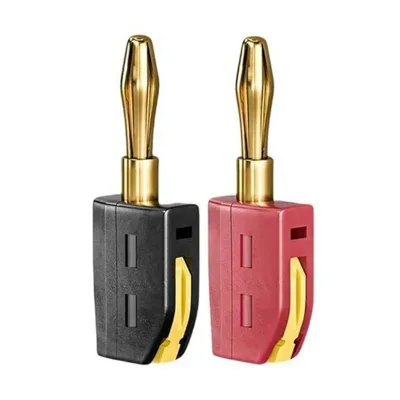
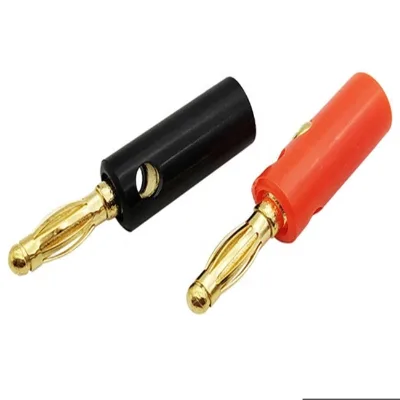
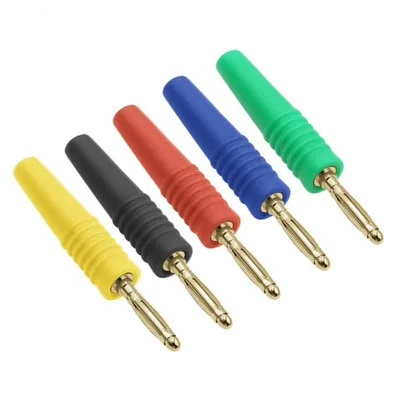
$1.131 - $1.5429
MOQ: 5 Minimum
Shenzhen Hongsheng Electronics Technology Co., Ltd.
- Verified by TüVRheinland
- Manufacturer, Trading Company
- Lead time14 days
- Avg. response≤ 1h
Main productsTerminal, Socket, D-SUB, Pins, Connector
Main marketsDomestic Market(24%), South Asia(20%), South America(14%)
Guangzhou EBY Optoelectronic Technology Co., Ltd.
- Trading Company
- Guangdong, China
- Lead time10 days
- Avg. response≤ 10h
Main productsElectrical Wire,LED Connector,LED Connect Wire,LED Splitter Box,Power Supply
Main marketsWestern Europe(40.00%), North America(30.00%), Domestic Market(15.00%), Oceania(5.00%), Southeast Asia(5.00%), Mid East(5.00%)
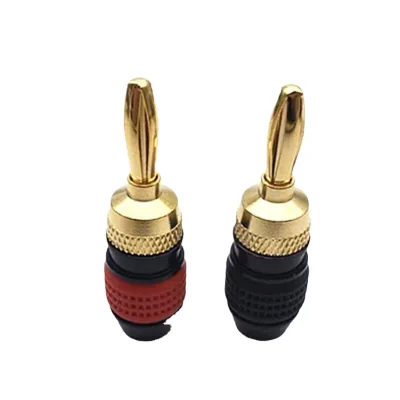
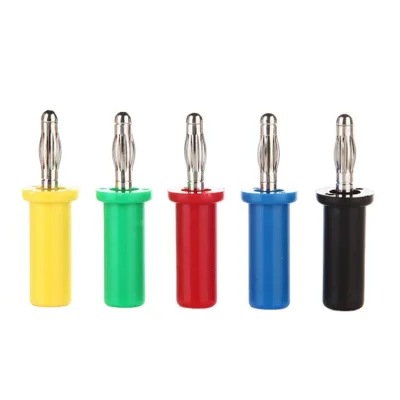
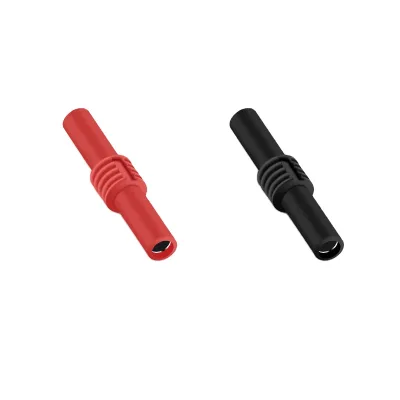
4.0 Banana Plug Female-to-female Banana Adapter Pair Connector Red Black Adapter Extension 4mm
$0.10 - $0.50
MOQ: 500 Minimum


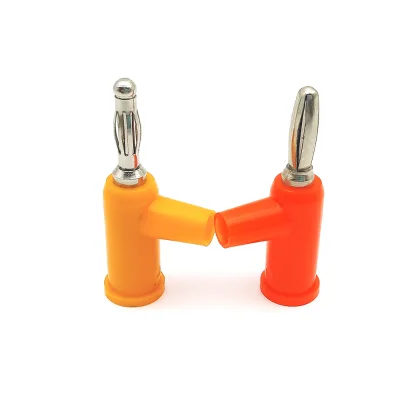
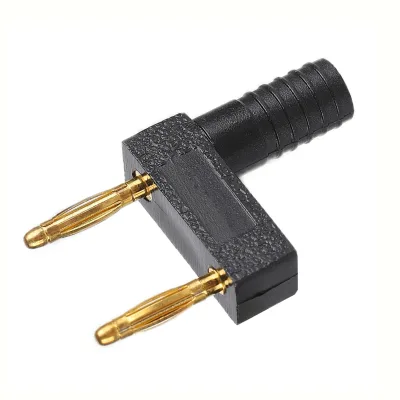
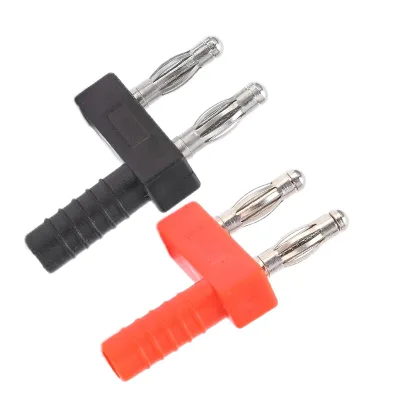
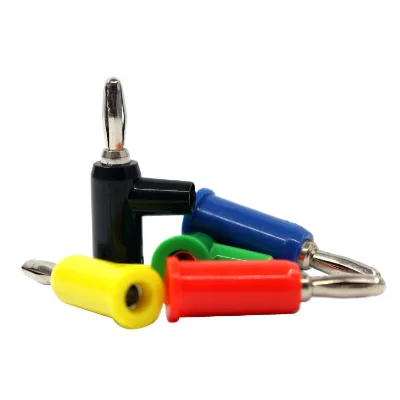
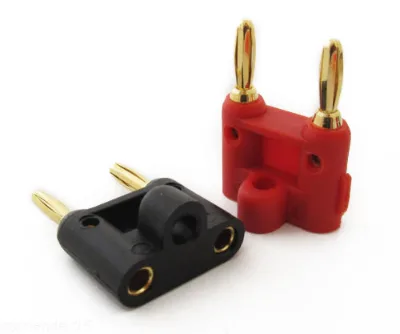
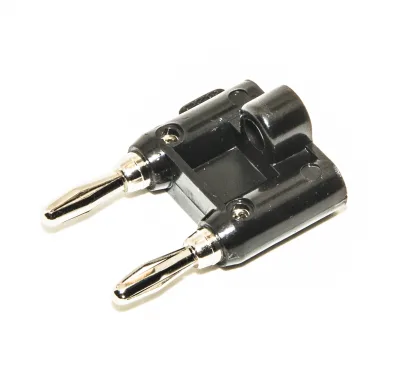
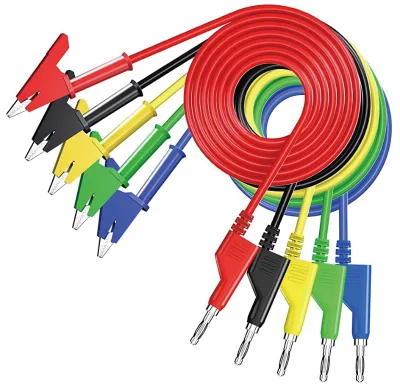
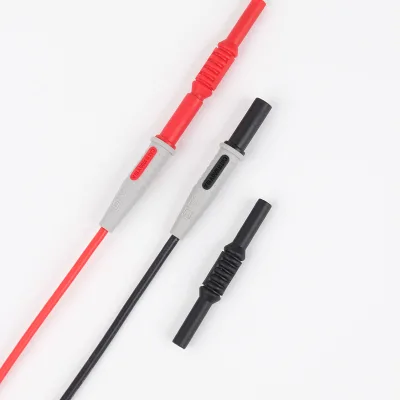


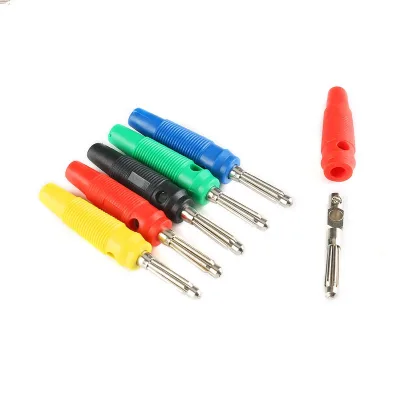
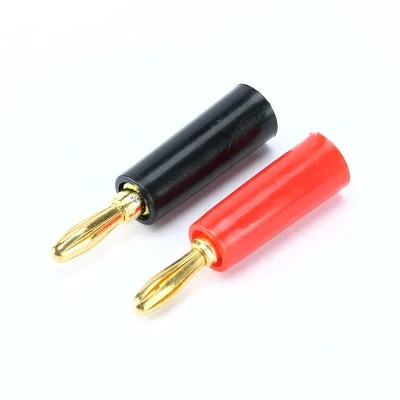
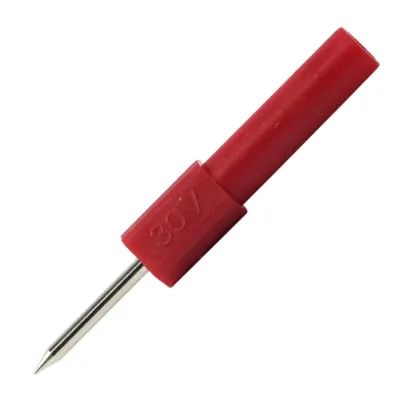
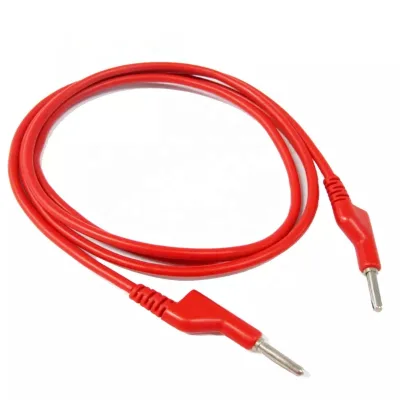
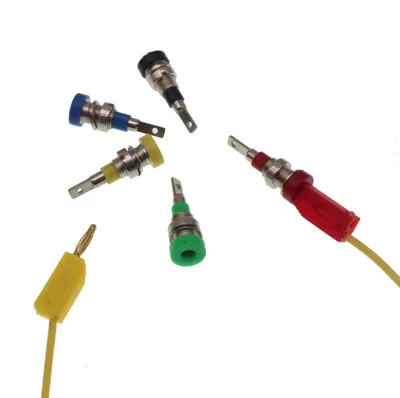
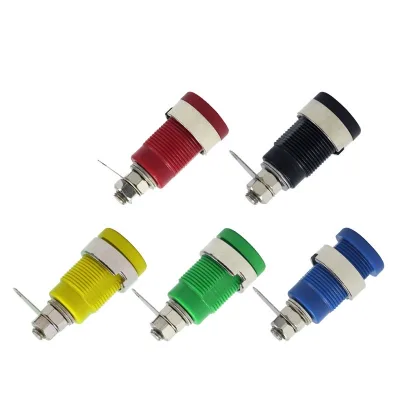
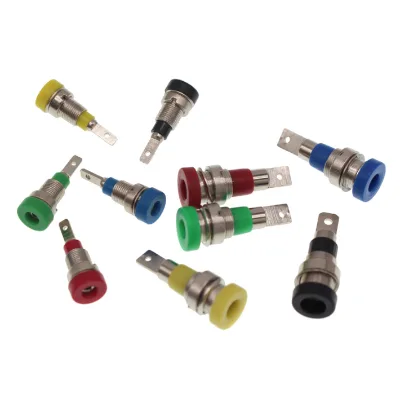
Comprehensive Sourcing Guide
Stackable Banana Plug Connector Supplier Concentration and Factory Types
The current supplier landscape for stackable banana plug connectors reveals a distinct concentration of manufacturing and trading entities within specific Chinese industrial hubs. Evidence indicates that suppliers are primarily located in Shanghai and Jiangsu, China, suggesting these regions serve as key production clusters for this specific electronic component. In Shanghai, the supplier base includes combined entities that operate as both manufacturers and trading companies, offering a blend of direct factory capabilities and commercial distribution services. These combined firms often list main products that extend beyond simple connectors to include power cords, cables, and extension cords, indicating a broader capability in electrical assembly and wire harness production. This diversification allows them to offer stackable banana plugs as part of a larger cable assembly solution, which can be advantageous for buyers seeking integrated power or data connectivity solutions rather than isolated components. The presence of ISO9001:2015 certification among these Shanghai-based suppliers provides a baseline assurance of quality management systems, though buyers must verify if this certification specifically covers the banana plug manufacturing line or the broader corporate entity.
In contrast, suppliers located in Jiangsu, China, appear more specialized in connector manufacturing, with many identifying strictly as manufacturers rather than combined entities. These Jiangsu-based factories often focus on automotive connectors, industrial connectors, RF coaxial connectors, and audio/video connectors, positioning stackable banana plugs within a broader portfolio of interconnect solutions. The specialization in Jiangsu suggests a mature supply chain for precision metalworking and plastic injection molding, which are critical for producing the brass contacts and ABS or silicone housings found in these connectors. Some Jiangsu suppliers offer OEM and ODM services, indicating flexibility in customizing connector designs for specific audio, video, or security applications. The distinction between Shanghai’s combined model and Jiangsu’s manufacturing focus is crucial for buyers to understand, as it influences lead times, minimum order quantities, and the level of technical support available. Buyers should assess whether they need the logistical flexibility of a trading company or the direct production control of a specialized manufacturer, as this choice will significantly impact the sourcing strategy and long-term supplier relationship for stackable banana plug connectors.
How to Verify Stackable Banana Plug Connector Suppliers
Verifying the legitimacy and capability of Stackable Banana Plug Connector suppliers requires a multi-layered approach that goes beyond surface-level profile reviews. Buyers should prioritize suppliers who provide detailed product attributes that align with technical specifications, such as wire core material, plating type, and voltage ratings. For instance, evidence shows that some suppliers specify bare copper wire cores and nickel-plated brass contacts, which are critical for ensuring low resistance and corrosion resistance in audio and test equipment applications. Buyers must cross-reference these material claims with available certifications, such as RoHS, CE, CCC, and VDE, to ensure compliance with international safety and environmental standards. It is essential to confirm that these certifications are not just listed but are valid and applicable to the specific product model, such as the 4mm or 2mm stackable variants. Suppliers that provide comprehensive product evidence, including model numbers like AIO-AV-S024 or FC-BP202C, demonstrate a higher level of transparency and traceability, which is a strong indicator of a reliable manufacturing partner.
Response time and communication efficiency are also critical verification metrics that reflect a supplier’s operational maturity. Data indicates that response times can vary significantly, with some suppliers responding within one hour while others may take up to eleven hours. A rapid response time often correlates with a dedicated sales team and efficient internal processes, which are vital for resolving technical queries regarding customization or compatibility. Buyers should test supplier responsiveness by asking specific questions about lead times, packaging standards, and customization options before committing to an order. Additionally, verifying the company type is crucial; distinguishing between pure manufacturers, trading companies, and combined entities helps buyers understand the source of their products and the potential for price negotiation. Suppliers that offer OEM and ODM services, as seen in some Jiangsu-based manufacturers, indicate a willingness to adapt to specific buyer requirements, which is a positive sign for long-term partnerships. Buyers should also check for evidence of established business practices, such as consistent packaging methods like cartons or polybags, and clear origin statements, which collectively contribute to a supplier’s credibility and reliability in the global market.
What to Compare Across Stackable Banana Plug Connector Suppliers
When evaluating multiple suppliers for stackable banana plug connectors, buyers must systematically compare key commercial and operational dimensions to identify the most suitable partner. Lead time is a primary differentiator, with evidence showing variations such as a standard 15-day lead time for some Shanghai-based combined suppliers and a faster 10-day lead time for Jiangsu manufacturers. These differences can significantly impact inventory management and project timelines, making it essential to align supplier capabilities with production schedules. Minimum order quantities (MOQ) also vary, with some suppliers requiring a minimum of 300 units, which may be suitable for larger volume orders but prohibitive for prototyping or small batches. Buyers should assess whether suppliers offer flexible MOQs or customization options to accommodate different order sizes. Price ranges are another critical factor, with costs varying based on material specifications and connector size; for example, 4mm connectors may range from $0.68 to $1.46 per unit, while 2mm variants can be priced between $0.25 and $0.68. These price differences reflect variations in material quality, such as the use of bare copper versus other alloys, and the complexity of the plating process.
Beyond price and quantity, buyers should compare the technical specifications and customization capabilities offered by each supplier. Attributes such as wire length, color options, and plug gender (male or female) should be matched against specific application requirements. Some suppliers offer customizable lengths and colors, which is valuable for branding or specific wiring color codes in audio and security systems. The material shape, whether round wire or other configurations, and the application focus, such as speaker cables or test leads, should also be evaluated to ensure compatibility with end-use products. Additionally, the response time of the supplier can influence the efficiency of the sourcing process, with faster responders potentially offering better support for urgent orders or technical issues. Buyers should also consider the supplier’s main product portfolio; those offering a wide range of related products like power cords or data cables may provide better bundling opportunities or integrated solutions. By systematically comparing these dimensions, buyers can make informed decisions that balance cost, quality, and service levels, ensuring they select a supplier that best meets their specific sourcing needs for stackable banana plug connectors.
Common Stackable Banana Plug Connector Sourcing Risks
Sourcing stackable banana plug connectors from international suppliers introduces several risks that buyers must proactively manage to ensure product quality and supply chain stability. One significant risk is the discrepancy between advertised specifications and actual product performance, particularly regarding material composition and electrical ratings. For instance, while suppliers may claim the use of bare copper wire and nickel-plated brass contacts, buyers must verify these claims through third-party testing or sample evaluation to prevent issues with conductivity and durability. Inconsistent plating quality can lead to corrosion over time, especially in humid environments, which can compromise the reliability of audio or test equipment connections. Another risk is the variability in lead times, which can disrupt production schedules if not accurately communicated. Suppliers may quote a 10-day lead time but experience delays due to raw material shortages or production bottlenecks, leading to missed deadlines and potential penalties. Buyers should establish clear communication channels and request regular updates to mitigate these scheduling risks.
Customization requests also pose a risk if not properly defined and agreed upon with the supplier. While some suppliers offer OEM and ODM services, vague specifications can result in products that do not meet the buyer’s exact requirements, such as incorrect plug dimensions or incompatible housing materials. Buyers must provide detailed technical drawings and specifications to avoid misunderstandings and ensure that the final product matches the intended application. Additionally, there is a risk associated with supplier reliability, particularly with trading companies that may not have direct control over manufacturing processes. Buyers should verify the supplier’s manufacturing capabilities and quality control measures to ensure consistent product quality. Packaging and shipping risks are also present, as improper packaging can lead to damage during transit, especially for fragile components like plastic housings and metal contacts. Buyers should specify packaging requirements, such as carton or polybag standards, and consider using insurance for high-value shipments. By identifying and addressing these risks early in the sourcing process, buyers can protect their interests and ensure a smooth procurement experience for stackable banana plug connectors.
Stackable Banana Plug Connector Regional Sourcing and Logistics
The regional concentration of Stackable Banana Plug Connector suppliers in Shanghai and Jiangsu, China, offers logistical advantages that buyers can leverage to optimize their supply chain. Shanghai’s status as a major port city facilitates efficient export logistics, with well-established infrastructure for shipping goods globally. Suppliers in this region often have experience in handling international orders, including documentation and customs clearance, which can streamline the export process. The presence of combined entities in Shanghai also means that buyers may benefit from integrated logistics services, where the supplier handles both production and shipping coordination. This can reduce the complexity for buyers who prefer a single point of contact for their procurement needs. Additionally, the proximity to major transportation hubs in Shanghai can lead to faster transit times for air freight, which is beneficial for urgent orders or samples. Buyers should consider these logistical advantages when selecting suppliers in Shanghai, as they can contribute to a more efficient and predictable supply chain.
In contrast, suppliers in Jiangsu, China, benefit from being part of a broader manufacturing cluster that includes various electronic component producers. This clustering effect can lead to economies of scale and improved access to raw materials, which may result in competitive pricing and shorter lead times. Jiangsu’s location in the Yangtze River Delta region also provides access to efficient inland transportation networks, including rail and road freight, which can be cost-effective for bulk shipments. Buyers sourcing from Jiangsu should evaluate the supplier’s experience with international logistics, as some manufacturers may rely on third-party freight forwarders. It is important to clarify shipping terms, such as FOB or CIF, to understand who is responsible for transportation costs and risks. Additionally, buyers should consider the impact of regional trade policies and tariffs on their total landed cost. By understanding the logistical strengths of each region, buyers can make informed decisions that balance cost, speed, and reliability, ensuring that their Stackable Banana Plug Connector orders are delivered efficiently and on time.
Stackable Banana Plug Connector Commercial Terms and Order Planning
Effective order planning for stackable banana plug connectors requires careful attention to commercial terms that impact cost, risk, and delivery. Buyers should negotiate clear payment terms, such as using escrow services or letters of credit, to protect their financial interests until the goods are received and verified. Understanding the supplier’s pricing structure is crucial, as costs can vary based on order volume, customization requirements, and material specifications. For example, bulk orders may qualify for discounts, while custom colors or lengths may incur additional charges. Buyers should request detailed quotations that break down costs for materials, labor, and shipping to ensure transparency. Additionally, buyers should clarify the supplier’s return and warranty policies in case of defective products or non-conformance to specifications. This includes understanding the process for claiming refunds or replacements and any associated costs. By establishing clear commercial terms upfront, buyers can avoid disputes and ensure a smooth transaction process.
Lead time and minimum order quantity (MOQ) are also critical factors in order planning that influence inventory management and cash flow. Buyers should align their order quantities with the supplier’s MOQ to avoid excess inventory or stockouts. For instance, if a supplier requires a minimum of 300 units, buyers should assess whether this volume matches their consumption rate and storage capacity. Lead times
FAQs
What certifications are available for stackable banana plug connectors?
Manufacturers in Shanghai offer connectors with RoHS, CE, CCC, ISOCCS, and VDE certifications. These standards ensure compliance with international safety and environmental regulations. Buyers should verify specific certificates for their target markets to guarantee product acceptance and regulatory adherence during import processes.
What is the typical lead time for these connectors?
Standard lead times range from 10 to 15 days for production. Some suppliers specify a two-week turnaround for custom orders. Expedited shipping options may be available for urgent requirements. Buyers should confirm exact delivery schedules with the supplier before placing bulk orders to avoid delays.
What is the minimum order quantity for these products?
The minimum order quantity is typically 300 units per model. This threshold applies to standard configurations like 4mm or 2mm variants. Custom designs may require higher MOQs depending on material availability. Small buyers should check if suppliers offer mixed-model orders to meet the minimum requirement efficiently.
What materials are used in the connector construction?
Connectors commonly use bare copper wire cores with PVC or silicone jackets. The metal plugs are often made of brass with nickel plating for conductivity and corrosion resistance. ABS plastic shells provide durability for the housing. These materials ensure reliable electrical performance and mechanical stability in various applications.
What is the price range for stackable banana plugs?
Prices generally range from $0.25 to $1.46 per unit depending on specifications. Factors influencing cost include wire gauge, plug size, and certification requirements. Bulk purchases often secure lower unit prices. Buyers should request detailed quotes to understand how volume discounts and customization options affect the final cost per piece.
Can these connectors be customized for specific applications?
Yes, customization is available for length, color, and packaging. Suppliers offer OEM and ODM services to tailor products to specific needs. Custom lengths like 1m or 2m are common options. Buyers should provide detailed specifications to ensure the customized connectors meet their exact technical and aesthetic requirements.