Steel Universal Flexible Shaft Coupling Suppliers and Manufacturers
Compare 28 verified suppliers of Steel Universal Flexible Shaft Coupling by location, lead time, and certifications. Review response times and MOQs to select a factory in China Jiangsu or Hebei for your transmission parts needs; review the available evidence before requesting comparable quotations from suitable candidates.
Updated
Suppliers List

AMK Metallurgical Machinery Group Co., Ltd.
- Trading Company,Manufacturer/Factory
- China Jiangsu
- Lead time45 days
- Avg. response≤ 3h
Main productsCopper Mould Tube, Shear Blades, Oxygen Lance Pipe, Mould Assembly, Water Jacket, Spray Nozzle, CCM Spare Parts, Straightener Roller, Graphite Electrode Conductive Arm, Copper Electrode Holder
Main marketsMid East,North America,Eastern Asia,Western Europe,Africa


Flange Coupling for Cardan Shaft, Universal Joint, Shaft Coupling, Universal Coupling,
$500.00 - $5000.00
MOQ: 1 Pieces


Opulence (Hebei) Equip Co., Ltd.
- Verified by TUVRHEINLAND
- Manufacturer
- China Hebei
- Lead time30 days
- Avg. response≤ 3h
Main productsCardan Shaft, Cardan Coupling, Gear Coupling, Elastic Coupling, Diaphragm Coupling, Universal Coupling, Grid Coupling, Reducer, Rolling Mill Roller, Cable Tray

Stainless Steel Flexible Double Function High Torque Universal Flexible Shaft Coupling
$20.00 - $20000.00
MOQ: 1 Sets

Nanpi County Jude Transmission Equipment Manufacturing Co., Ltd.
- Verified by TüVRheinland
- Manufacturer, Trading Company
- Lead time20 days
- Avg. response≤ 5h
Main productsFlexible Jaw Coupling, Gear Coupling, European Standard Pulley, Disc/Diaphragm Coupling, Tyre Coupling
Main marketsNorth America(35%), Southeast Asia(20%), Domestic Market(14%)

Tianjin Haorongshengye Electrical Equipment Co., Ltd.
- Combined
- China Tianjin
- Lead time15 days
- Avg. response≤ 6h
Main productsGear, Rack, Sprocket, Roller Chain, Timing Pulley, Timing Belt, Linear Guideway, Ball Screw, Pillow Block Bearing, Coupling
Main marketsSouth America,Africa,Southeast Asia/ Mideast,East Asia(Japan/ South Korea),Domestic,Europe,Australia,North America


Factory Price High Precision Flexible Shaft Couplings for Automation Machinery
$1.00 - $50.00
MOQ: 2 Pieces

Jingjiang Huading Machinery Manufacturing Co., Ltd.
- Verified by CTI
- Combined
- China Jiangsu
- Lead time23 days
- Avg. response≤ 6h
Main productsCardan Shaft, Flexible Coupling, Universal Coupling, Gear Coupling, Rigid Coupling, Grid Coupling, Diaphram Coupling, Bibby Coupling, Flexible Pin Coupling, Jaw Coupling
Main marketsSouth America,Africa,Southeast Asia/ Mideast,Domestic,Europe,North America


High Precision Swp Stainless Steel Cross Universal Shaft Coupling for The Steel Industry
$50.00 - $4000.00
MOQ: 1 Pieces

Top Quality High-End Drive Shaft Universal Coupling for The Steel Industry
$50.00 - $4000.00
MOQ: 1 Pieces
Nanjing TongBiao Technology Co., Ltd.
- Manufacturer, Trading Company
- Jiangsu, China
- Lead time0 days
- Avg. response≤ 1h
Main productsElectromagnetic Brake,Clutch,Coupling,Auto Spare Parts
Main marketsNorthern Europe(50.00%), Eastern Europe(20.00%), Southeast Asia(20.00%), South Asia(10.00%)

- Verified by BV
- Manufacturer/Factory
- China Guangdong
- Lead time23 days
- Avg. response≤ 11h
Main productsCNC Machining Part, CNC Milling Part, CNC Turning Part, Screw, Prototype, Gear, Shaft, Washer, Nozzle, Pin
Main marketsSouth America,Eastern Europe,Mid East,North America,Southeast Asia,Eastern Asia,Oceania,Western Europe,Africa
Puyang Zhongda Precision Automation Co., Ltd.
- Verified by TüVRheinland
- Trading Company
- Lead time10 days
- Avg. response≤ 2h
Main productsCoupling, Packaging Machine Accessories, Belt Pulley Accessories, Rubber And Plastic Products, Linear Bearing Lead Screw
Main marketsMid East(22%), North America(21%), South Asia(11%)

Shenyang New Densen Casting and Forging Co., Ltd.
- Verified by SGS
- Trading Company,Manufacturer/Factory,Group Corporation
- China Liaoning
- Lead time45 days
- Avg. response≤ 3h
Main productsCasting, Forging, Machining, Stamping, Sand Casting, Investment Casting, Lost Wax Casting, Gravity Casting, Steel Casting Parts, Aluminium Casting Parts
Main marketsSouth America,Eastern Europe,Mid East,North America,Southeast Asia,Eastern Asia,Oceania,Western Europe,Africa
Hebei Suju Transmission Technology Co., Ltd.
- Verified by Intertek
- Manufacturer, Trading Company
- Lead time30 days
- Avg. response≤ 1h
Main productsCouplings, Roller chain
Main marketsSoutheast Asia(38%), South Asia(17%), North America(11%)
Jiangsu Rokang Heavy Industry Technology Co., Ltd.
- Verified by TüVRheinland
- Manufacturer, Trading Company
- Lead time30 days
- Avg. response≤ 3h
Main productsCoupling, Ball Cage Coupling, Gear Coupling, Elastic Coupling, Universal Coupling
Main marketsDomestic Market(60%), North America(10%), South America(10%)
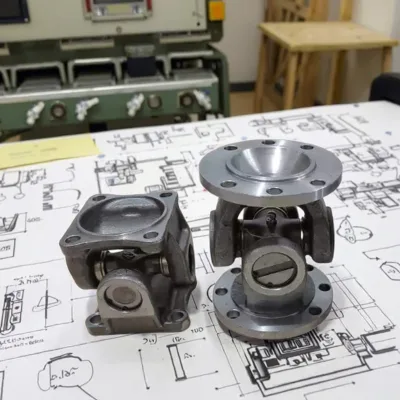
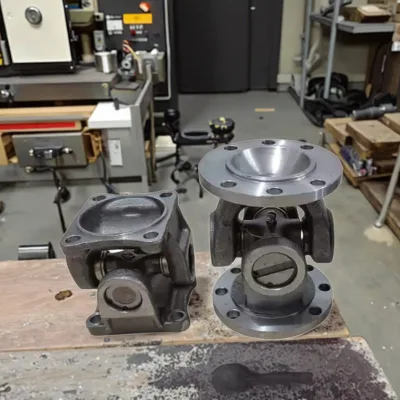
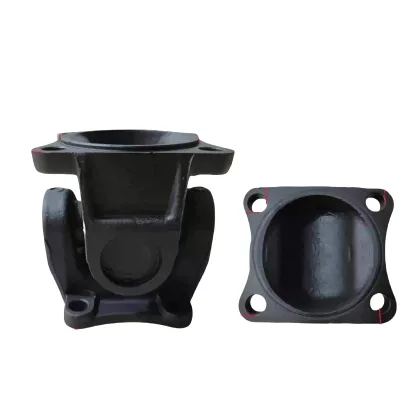
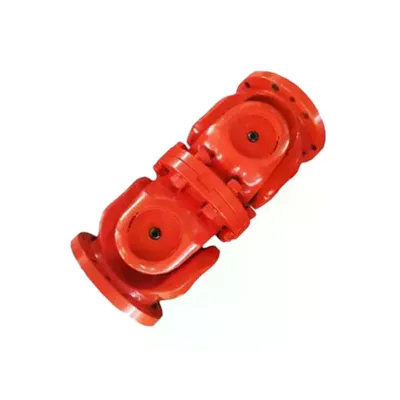
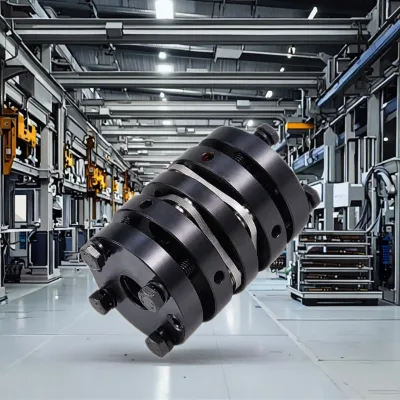
$20.4509 - $511.2564
MOQ: 2 Minimum
Chengdu Riva Machinery Co., Ltd.
- Trading Company
- Sichuan, China
- Lead time0 days
- Avg. response≤ 4h
Main productspower transmission parts,cnc parts,FA factory automation parts,MFG parts,FLANGE
Main marketsWestern Europe(70.00%), North America(15.00%), Southern Europe(10.00%), Southeast Asia(5.00%)
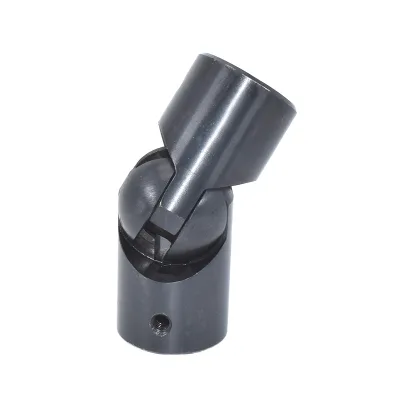
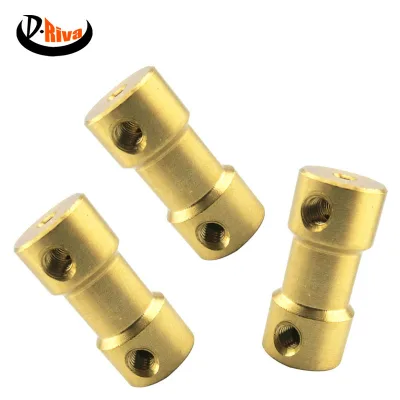
$18.00 - $20.00
MOQ: 20 pieces
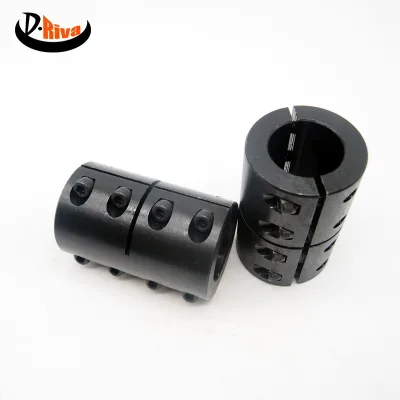
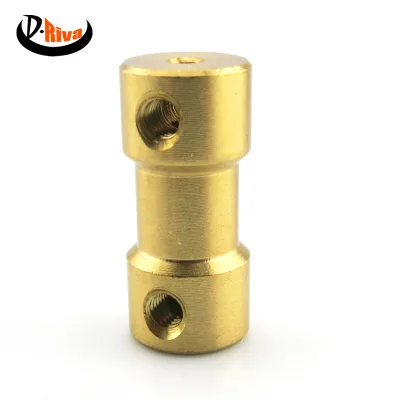
$18.4062 - $20.4509
MOQ: 20 pieces
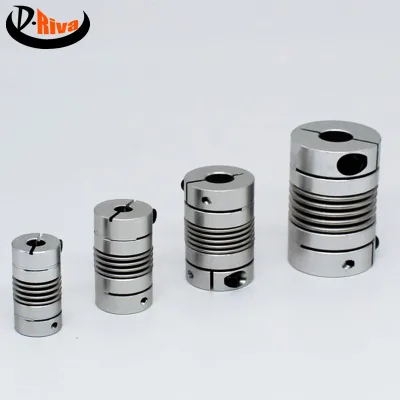
Cangzhou Jiuyi Machinery Manufacturing Co., Ltd.
- Manufacturer, Trading Company
- Hebei, China
- Lead time0 days
- Avg. response≤ 1h
Main productsCoupling,Hydraulic broaching machine,Plum coupling,Star coupling,Cam rotor pump
Main marketsWestern Europe(10.00%), Southern Europe(8.00%), Central America(8.00%), Domestic Market(5.00%), North America(5.00%), Mid East(5.00%), Eastern Asia(4.00%), South America(4.00%), Northern Europe(3.00%), Oceania(2.00%), South Asia(2.00%), Eastern Europe(2.00%), Africa(2.00%), Southeast Asia(2.00%)

Goldaxis Transmission Co., Ltd.
- Trading Company
- Zhejiang, China
- Lead time15 days
- Avg. response≤ 1h
Main productsGear,Rack,Sprocket,Transmission chain,Pulley
Main marketsNorth America(20.00%), Southeast Asia(15.00%), Eastern Europe(15.00%), Western Europe(15.00%), South America(10.00%), Southern Europe(10.00%), Central America(6.00%), Northern Europe(5.00%), Eastern Asia(4.00%)
Dongguan Jinhongcheng Automation Machinery Technology Co., Ltd.
- Manufacturer, Trading Company
- Guangdong, China
- Lead time15 days
- Avg. response≤ 3h
Main productsCustomization Of Hardware Accessories Processing/ Customization Of Mechanical Parts Processing/ Auto Parts Processing And Customization/ Outdoor Product Accessories,Standard hardware components,Transportation accessories
Main marketsDomestic Market(59.00%), North America(12.00%), Eastern Europe(10.00%), South Asia(5.00%), Southeast Asia(5.00%), Africa(3.00%), South America(1.00%), Oceania(1.00%), Southern Europe(1.00%), Western Europe(1.00%), Eastern Asia(1.00%), Mid East(1.00%)
Cangzhou Tanso Coupling Co., Ltd.
- Manufacturer, Trading Company
- Hebei, China
- Lead time25 days
- Avg. response≤ 5h
Main productsscrew pumps,universal coupling,diaphragm coupling,drum gear coupling,serpentine spring coupling
Main marketsDomestic Market(90.00%), Southeast Asia(5.00%), Western Europe(3.00%), Mid East(2.00%)
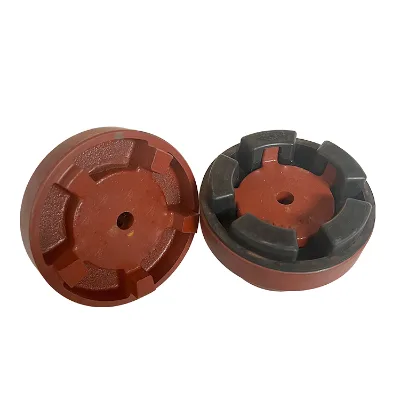
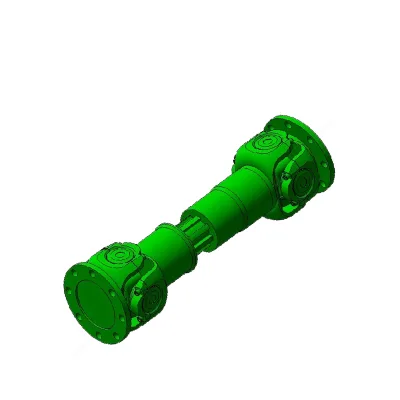
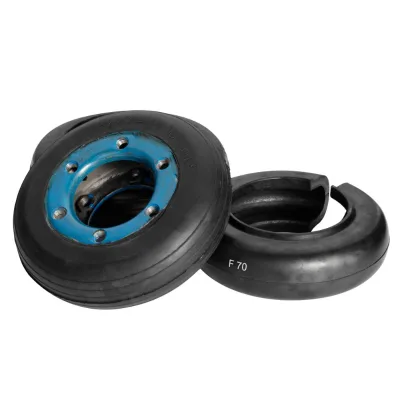
High Quality Forging Quick Release Shaft Drive Shaft Cardan Shaft Coupling
$17.6612 - $18.9219
- Manufacturer, Trading Company
- Zhejiang, China
- Lead time45 days
- Avg. response≤ 17h
Main productsUniversal joints,Steering Universal joint,Single/Double universal joint,Precision universal joint,Extension joints
Main marketsWestern Europe(40.00%), North America(35.00%), Northern Europe(10.00%), Eastern Asia(10.00%), Eastern Europe(5.00%)
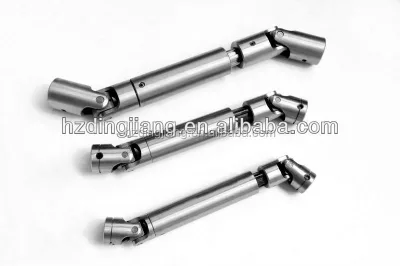
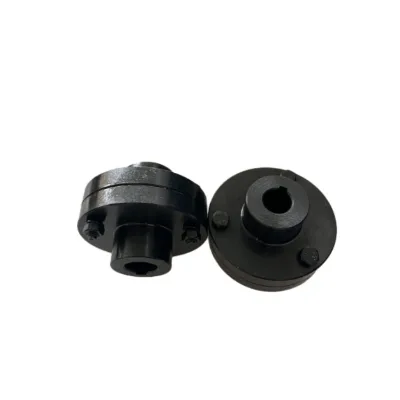
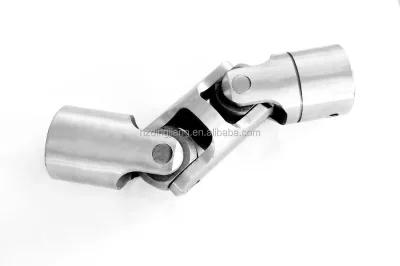
Shaft universal joint coupling,Expansion joint , Coupling , Universal joint PB-M32
$20.5348 - $102.671
MOQ: 500 Minimum

Luoyang Deyu Machinery& Technology Co., Ltd.
- Verified by TUVRHEINLAND
- Combined
- China Henan
- Lead time60 days
- Avg. response≤ 3h
Main productsGirth Gear, Gear, Gear Shaft, Hollow Shaft, Rotary Kiln Tyre, Forgings and Castings, Mining Machinery Parts, Rolling Mill Roller, Sheave, Worm Gear
Main marketsAfrica,Southeast Asia/ Mideast,East Asia(Japan/ South Korea),Domestic,Europe,Australia,North America

Hangzhou Vision Chain Transmission Co., Ltd.
- Verified by TUVRHEINLAND
- Combined
- China Zhejiang
- Lead time30 days
- Avg. response≤ 10h
Main productsRoller Chain, Sprocket, Pulley, Gear, Rack, Couplings, Taper Bush, Conveyor Chain, Lock, Transmission Parts
Main marketsDomestic

Renqiu de Mao Transmission Machinery Parts Co. , Ltd.
- Verified by SGS
- Combined
- China Hebei
- Lead time30 days
- Avg. response≤ 13h
Main productsSprocket, gear, Sprocket chain, Axis
Main marketsDomestic

Hangzhou Sino-Deutsch Power Transmission Equipment Co., Ltd.
- Verified by BV
- Combined
- China Zhejiang
- Lead time30 days
- Avg. response≤ 8h
Main productsReducer, Speed Reducer, Worm Gear Speed Reducer, Helical Gears, Couplings, Gearbox, Helical Geared Motor, Bevel Gearbox, Shaft Mounted Reducer, Cycloidal Pin Gear Reducer
Main marketsSouth America,Europe,North America
JINHUA XINMAI AUTOMATION EQUIPMENT CO., LTD.
- Trading Company
- Zhejiang, China
- Lead time15 days
- Avg. response≤ 2h
Main productsCNC Machining Center,CNC Rotary Table (4th/5th Axis),Precision Spindle,Angle Head,Machine Tool Accessories
Main marketsNorth America(20.00%), Eastern Europe(15.00%), Western Europe(13.00%), Southern Europe(12.00%), Northern Europe(10.00%), Mid East(10.00%), Southeast Asia(5.00%), Eastern Asia(5.00%), Central America(5.00%), South America(5.00%)
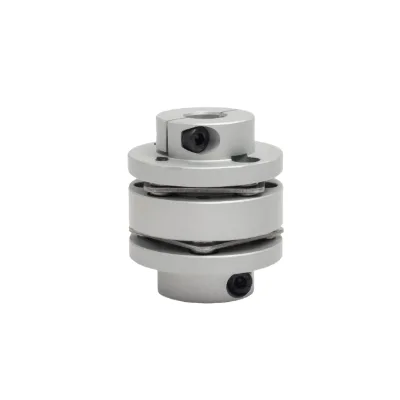
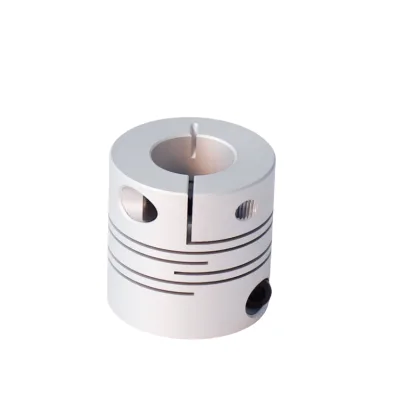
Wholesale High Quality Aluminum Alloy Shaft Flange Coupling Flexible Shaft Coupling
$5.6587 - $15.2268
MOQ: 10 pieces
Julu Binhao Transmission Equipment Co., Ltd.
- Verified by SGS Group
- Manufacturer, Trading Company
- Lead time7 days
- Avg. response≤ 3h
Main productsShaft Couplings, Flexible Couplings, Rigid Couplings, Polyurethane Elastic Pad, Inner Toothed Nylon Sleeve
Main marketsDomestic Market(90%), Eastern Europe(5%), Southeast Asia(5%)

Fenghua Transmission Technology (Jiangsu) Co., Ltd.
- Verified by BV
- Combined
- China Jiangsu
- Lead time15 days
- Avg. response≤ 4h
Main productsGearbox, Reducer, Motor, Planetary Gearbox, Harmonic Drive Reducer, Robot RV Reducer, 90 Degree Servo Gearbox, Right Angle Gearbox, Stepper Motor, Servo Motor
Main marketsSoutheast Asia/ Mideast,East Asia(Japan/ South Korea),Domestic,Europe,North America
- Verified by SGS Group
- Manufacturer, Trading Company
- Shaanxi Province, China
- Lead time旺季: "1 - 10":45,"> 10":"To be negotiated", 淡季: "1 - 10":45,"> 10":"To be negotiated"
- Avg. response≤ 5h
Main productsHot Rolling Mill & Cold Rolling Mill, Electric Arc Furnace & Submerged Arc Furnance, Induction Furnace, Continuous Casting Machine( CCM), Steel Rolling Mill Line
Main marketsSoutheast Asia(40%), Mid East(25%), South Asia(25%)

Renqiu Chuangyi Machinery Parts Co., Ltd.
- Verified by BV
- Manufacturer/Factory
- China Hebei
- Lead time98 days
- Avg. response≤ 14h
Main productsgear sprocket
Main marketsMid East,North America,Southeast Asia,Eastern Asia,Africa

Efficient Flexible Shaft Coupling for Various Industrial Applications and Uses
$14.90
MOQ: 1000 Pieces


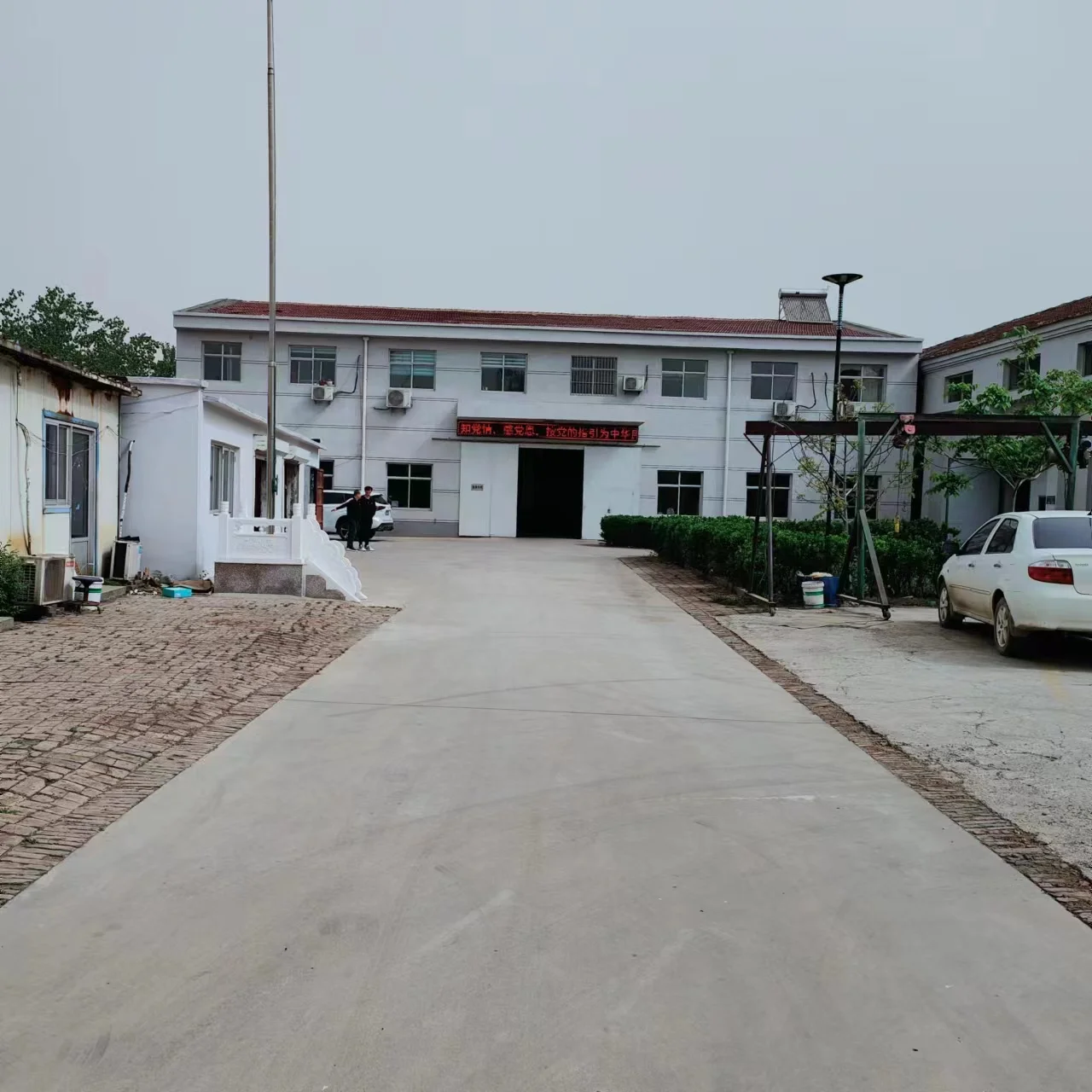
Hebei Pengyi Machinery Equipment Manufacturing Co., Ltd.
- Manufacturer, Trading Company
- Hebei, China
- Lead time30 days
- Avg. response≤ 3h
Main productsgear coupling,coupling,Flexible Coupling,Tyre Coupling,Chain Coupling
Main marketsEastern Asia(20.00%), Central America(10.00%), Northern Europe(10.00%), North America(10.00%), Mid East(10.00%), Southeast Asia(10.00%), Eastern Europe(10.00%), South America(10.00%), Southern Europe(5.00%), Western Europe(5.00%)
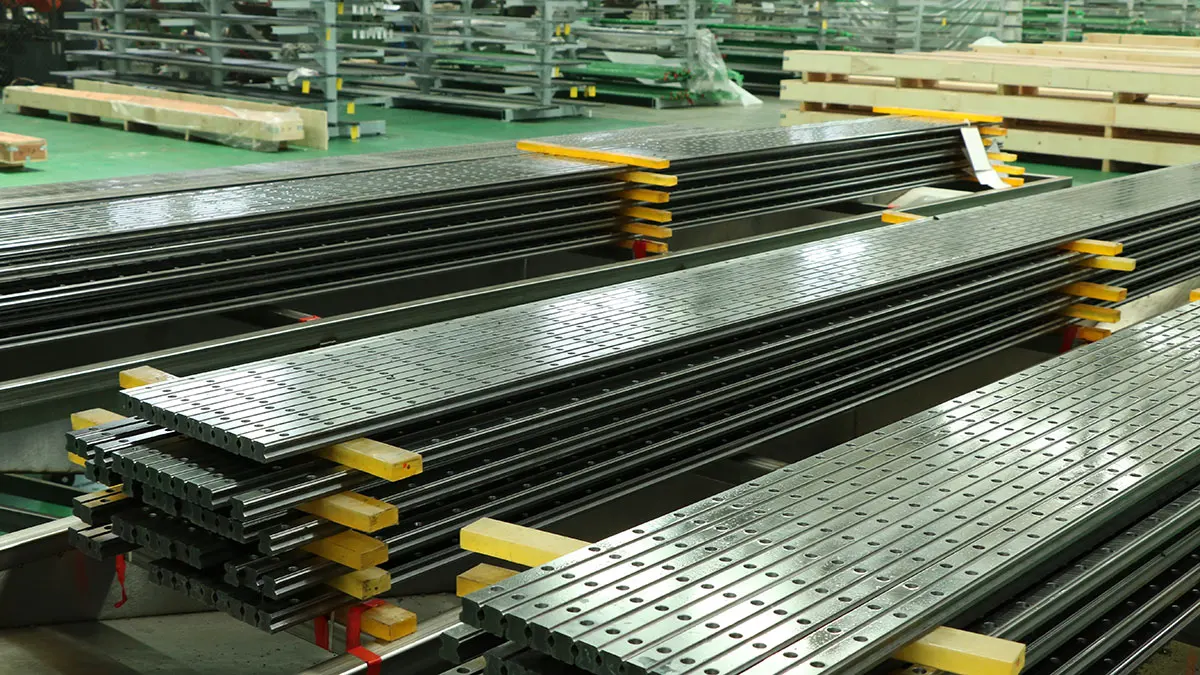
Lishui City Yongrun Precision Machinery Co., Ltd.
- Manufacturer, Trading Company
- Zhejiang, China
- Lead time7 days
- Avg. response≤ 6h
Main productsBall Screws,Linear Guides,Linear Bearings,Linear Stages,Linear Blocks
Main marketsSouth Asia(25.00%), Eastern Europe(20.00%), Southeast Asia(15.00%), North America(10.00%), Western Europe(10.00%), Africa(5.00%), Mid East(5.00%), South America(5.00%), Oceania(3.00%), Eastern Asia(2.00%)
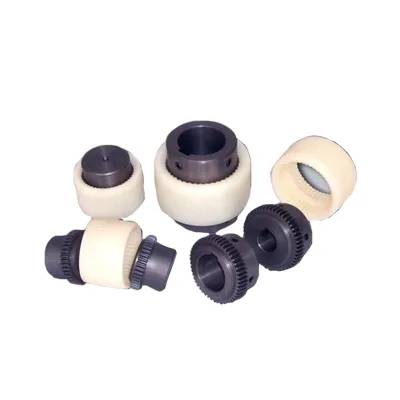
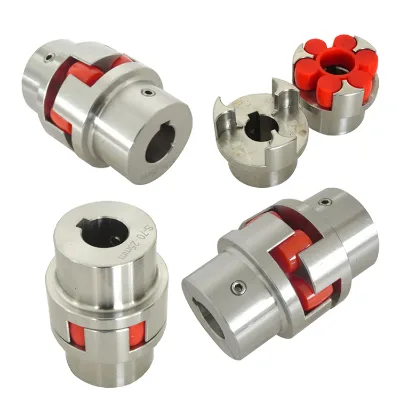
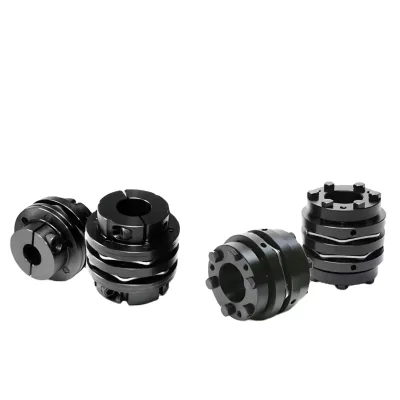
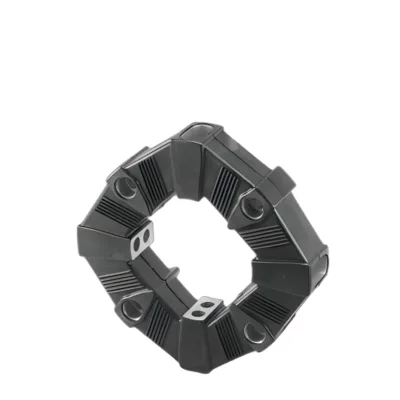


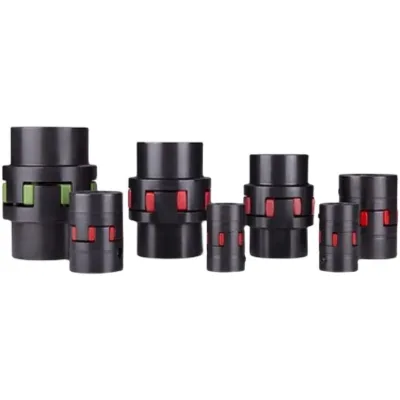
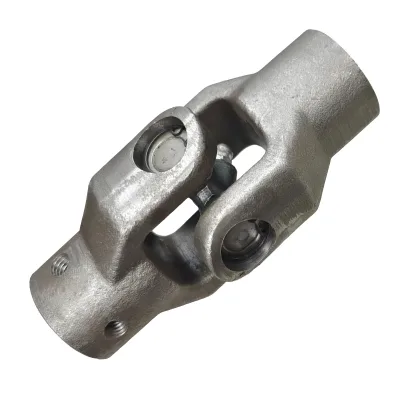


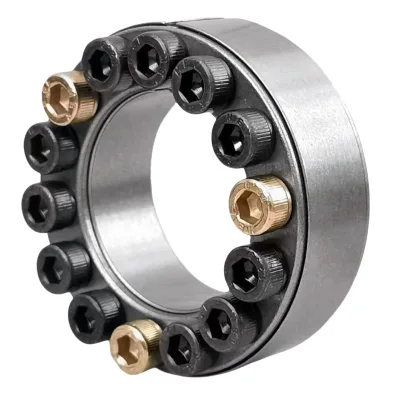
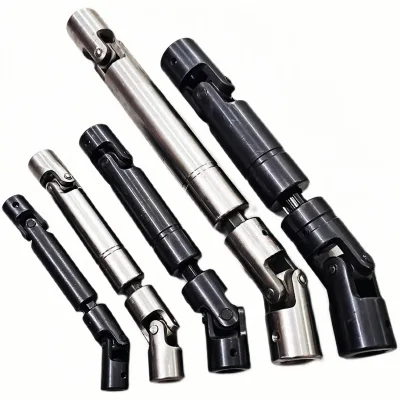
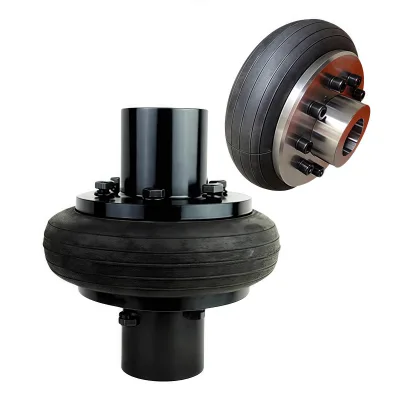
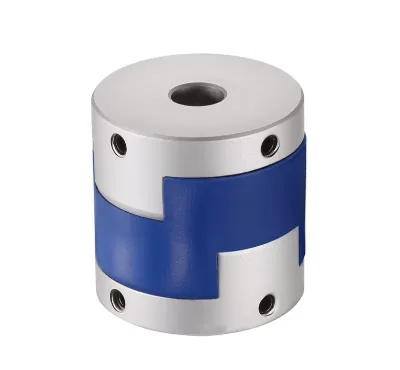
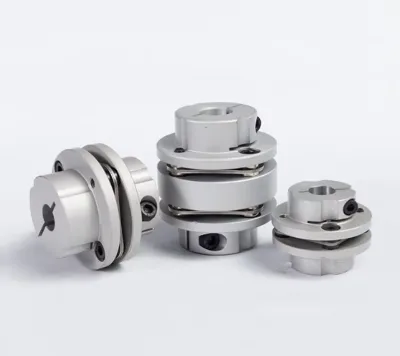
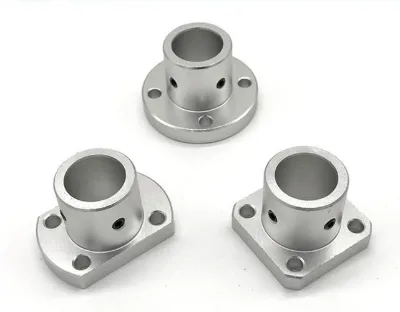


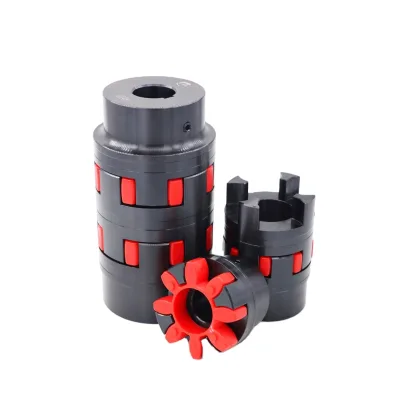


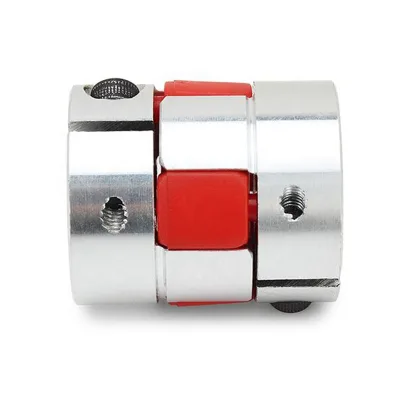
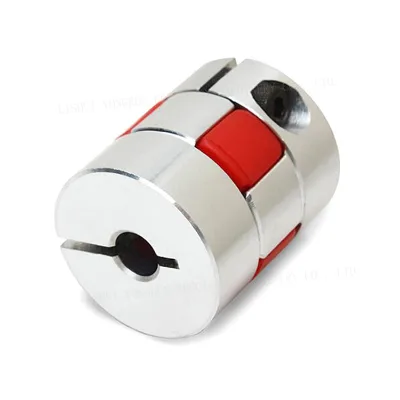
Comprehensive Sourcing Guide
Steel Universal Flexible Shaft Coupling Supplier Concentration and Factory Types
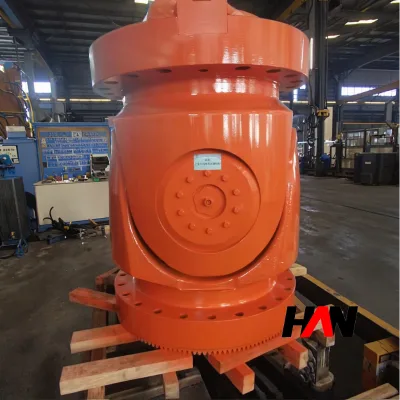
The current supplier landscape for steel universal flexible shaft couplings reveals a distinct concentration of manufacturing and trading entities within specific Chinese provinces, primarily Jiangsu and Hebei. These regions serve as critical hubs for heavy industrial components, offering buyers access to a diverse mix of company types that range from pure trading companies to integrated manufacturer-factories. In Jiangsu, suppliers often operate as both trading companies and manufacturers, leveraging local industrial ecosystems to provide a broad array of related products such as copper mould tubes, shear blades, and oxygen lance pipes alongside their core coupling offerings. This dual operational model allows for flexible sourcing strategies, where buyers can potentially consolidate orders for multiple steel rolling equipment parts from a single point of contact, thereby simplifying logistics and communication. The presence of established brands like AMK within this cluster indicates a level of market maturity and brand recognition that can serve as a proxy for reliability, although buyers must still verify the specific manufacturing capabilities behind the brand name.
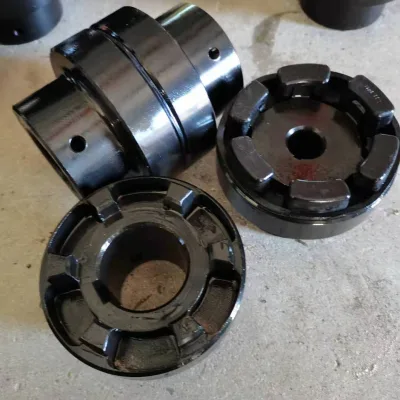
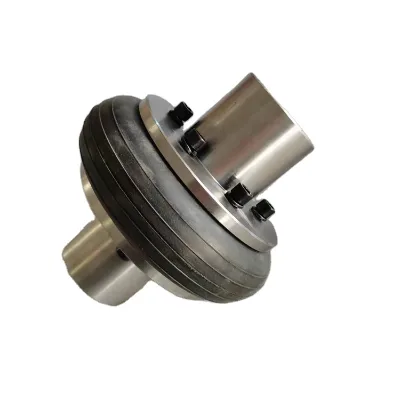
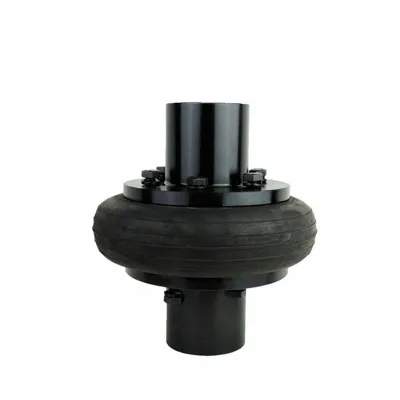
Conversely, suppliers located in Hebei tend to present themselves more exclusively as manufacturers, focusing heavily on the production of cardan shafts, gear couplings, and universal joints. This specialization often correlates with a stronger emphasis on original design manufacturing (ODM) and original equipment manufacturing (OEM) capabilities, allowing for greater customization of product specifications to meet unique industrial requirements. The Hebei-based suppliers frequently highlight their ability to handle non-standard designs and offer flexible jaw couplings, disc couplings, and tyre couplings, suggesting a versatile production line capable of adapting to varying torque and speed demands. By understanding these regional and structural differences, buyers can better align their sourcing strategy with their specific needs, whether they prioritize a wide product assortment from a trading-manufacturer hybrid or specialized, customizable production from a dedicated factory. This distinction is crucial for evaluating which supplier type best fits the scale and complexity of the intended procurement project.
How to Verify Steel Universal Flexible Shaft Coupling Suppliers
Verifying the legitimacy and capability of Steel Universal Flexible Shaft Coupling suppliers requires a multi-layered approach that goes beyond surface-level profile reviews. One of the most critical steps is to confirm third-party verification status, as some suppliers in this category have undergone rigorous audits by recognized entities such as TÜV Rheinland. This verification provides an independent assessment of the supplier’s business operations, quality management systems, and production facilities, offering a higher degree of confidence than self-declared claims. Buyers should actively look for verification badges or audit reports that detail the scope of the supplier’s manufacturing capabilities, ensuring that the entity claiming to be a manufacturer actually possesses the necessary machinery and technical expertise. Additionally, checking for system certifications such as ISO 9001 is essential, as these standards indicate a structured approach to quality control and continuous improvement, which is vital for producing precision components like universal joints and cardan shafts that must withstand high torque and rotational speeds.
Beyond certifications, buyers should scrutinize the specific product attributes and technical specifications provided in supplier listings to gauge their engineering competence. For instance, detailed information regarding material composition, such as the use of cast iron or specific steel grades like 45# steel, along with precise bore diameters and torque ratings, demonstrates a level of technical transparency that is often lacking in less reputable listings. Suppliers that provide comprehensive data on transmission rates, noise levels, and gyration diameters are likely more experienced in the nuances of power transmission components. Furthermore, examining the supplier’s response time and their willingness to provide detailed answers to technical inquiries can serve as an indicator of their professional maturity. A supplier that responds quickly and accurately to complex questions about customization options, such as OEM support or specific painting requirements, is generally more reliable than one that provides vague or delayed responses. This due diligence helps mitigate the risk of engaging with suppliers who may lack the technical depth required to support long-term industrial partnerships.
What to Compare Across Steel Universal Flexible Shaft Coupling Suppliers
When evaluating multiple suppliers for steel universal flexible shaft couplings, buyers must systematically compare key operational metrics to identify the most suitable partner for their specific requirements. Lead time is a primary differentiator, with some suppliers offering production cycles as short as twenty days, while others may require up to forty-five days. This variance can significantly impact project timelines, especially for urgent maintenance or replacement needs in heavy industrial settings. Buyers should also closely examine the minimum order quantity (MOQ) policies, as some suppliers accept orders as low as a single set, which is ideal for prototyping or small-scale repairs, while others may have higher thresholds that suit bulk procurement. Additionally, the response time of the supplier’s sales team is a critical factor in ensuring smooth communication throughout the ordering process. Suppliers with faster response times, often measured in hours rather than days, are better positioned to address last-minute changes or technical queries, thereby reducing the risk of delays and misunderstandings.
Price and payment terms represent another crucial dimension for comparison, as costs can vary widely based on material quality, customization levels, and order volume. Some suppliers offer price ranges that start at very low entry points, such as twenty dollars, while others may have higher minimums reflecting premium materials or complex manufacturing processes. Buyers should also consider the availability of customization services, including OEM and ODM support, as well as the supplier’s ability to handle specific technical requirements like non-standard bore diameters or custom torque specifications. The inclusion of warranty periods, such as a one-year warranty on universal couplings, can also influence the total cost of ownership by providing protection against early failures. Furthermore, the supplier’s capacity for sample processing and graphic customization indicates their flexibility in meeting unique design needs. By creating a detailed comparison matrix that includes these factors, buyers can make more informed decisions that balance cost, speed, and quality, ensuring that the selected supplier aligns with their operational and financial objectives.
Common Steel Universal Flexible Shaft Coupling Sourcing Risks
Sourcing steel universal flexible shaft couplings from international suppliers introduces several risks that buyers must proactively manage to ensure successful procurement outcomes. One significant risk is the potential mismatch between advertised specifications and actual product performance, particularly regarding torque capacity and durability under high-stress conditions. Suppliers may list generic specifications that do not account for the specific operating environment of the buyer’s machinery, leading to premature failure or safety hazards. Another risk is the variability in quality control standards, especially when dealing with trading companies that may not have direct oversight of the manufacturing process. This can result in inconsistencies in material quality, such as variations in steel grade or heat treatment, which are critical for the longevity of universal joints and cardan shafts. Buyers must therefore be vigilant in verifying the authenticity of certifications and the actual manufacturing capabilities of their suppliers to avoid receiving substandard components.
Logistical and communication risks also pose challenges in international sourcing, particularly when dealing with suppliers who have slower response times or limited English proficiency. Miscommunication regarding technical details, such as bore diameter tolerances or mounting configurations, can lead to incorrect orders that are difficult and costly to rectify. Additionally, the lack of standardized packaging or labeling practices among suppliers can result in damage during transit or difficulties in inventory management upon arrival. Buyers should also be aware of the risks associated with non-standard or custom orders, which may have longer lead times and higher costs than expected. The absence of clear delivery date commitments for customized products can further complicate project planning. To mitigate these risks, buyers should establish clear communication protocols, request detailed technical drawings and specifications before placing orders, and consider using escrow services or other payment protections to safeguard their financial interests until the goods are received and verified.
Steel Universal Flexible Shaft Coupling Regional Sourcing and Logistics
The geographic location of suppliers plays a pivotal role in determining logistics efficiency and overall sourcing costs for steel universal flexible shaft couplings. Suppliers based in Jiangsu and Hebei provinces benefit from established industrial infrastructure and proximity to major shipping ports, which can facilitate faster and more cost-effective transportation of heavy industrial components. Jiangsu, in particular, is known for its robust manufacturing ecosystem, which supports a wide range of related products and may offer synergies for buyers seeking to consolidate shipments of multiple steel rolling equipment parts. This regional concentration can also lead to more competitive freight rates due to the high volume of exports from the area. Buyers should consider the logistical advantages of sourcing from these regions, as they often have well-developed supply chains and experienced logistics partners who are familiar with the specific handling requirements of heavy machinery components.
However, buyers must also account for the specific packaging and handling needs of universal flexible shaft couplings, which can be bulky and sensitive to damage during transit. Suppliers in these regions typically use wooden cases or box packs to protect the components, but the quality of packaging can vary. Buyers should verify the packaging standards with their chosen supplier to ensure that the couplings are adequately protected against moisture, impact, and corrosion during shipping. Additionally, the origin of the products, often listed as China or specific provinces, can impact customs clearance and import duties in the buyer’s country. Understanding the regional logistics landscape allows buyers to better estimate delivery times and costs, and to plan for any necessary inspections or quality checks upon arrival. By leveraging the logistical strengths of these manufacturing hubs, buyers can streamline their supply chain and reduce the overall time and expense associated with sourcing steel universal flexible shaft couplings.
Steel Universal Flexible Shaft Coupling Commercial Terms and Order Planning
Effective order planning for steel universal flexible shaft couplings requires a thorough understanding of the commercial terms offered by suppliers, including payment methods, delivery schedules, and after-sales support. Many suppliers in this category accept standard payment terms such as Telegraphic Transfer (TT), which is common in international trade but requires careful management of cash flow and risk. Buyers should negotiate clear payment milestones, such as a deposit upon order confirmation and the balance upon shipment or inspection, to protect their interests. Additionally, the availability of escrow services can provide an extra layer of security by holding funds until the buyer confirms receipt and satisfaction with the goods. Understanding the supplier’s lead time policies is also crucial, as some suppliers may offer expedited production for an additional fee, while others may have fixed production cycles that must be factored into project timelines.
Beyond the initial purchase, buyers should evaluate the supplier’s commitment to after-sales support, including warranty coverage and technical assistance. Some suppliers offer a one-year warranty on their universal couplings, which can provide peace of mind and reduce the risk of unexpected replacement costs. Buyers should also inquire about the supplier’s ability to provide spare parts and technical documentation, which are essential for maintaining the longevity and performance of the installed components. Furthermore, the supplier’s flexibility in handling custom orders and their willingness to collaborate on design modifications can be valuable for long-term partnerships. By carefully reviewing and negotiating these commercial terms, buyers can establish a solid foundation for a successful sourcing relationship, ensuring that they receive high-quality products that meet their technical requirements and are supported by reliable service throughout the product lifecycle.
FAQs
What is the typical lead time for steel universal flexible shaft couplings?
Lead times vary by supplier and order specifics. Some manufacturers in China offer a 20-day delivery window, while others may require up to 45 days. Buyers should confirm exact schedules based on customization needs and current production capacity before placing orders.
Do suppliers offer customization for these shaft couplings?
Yes, many manufacturers provide customized solutions for steel universal flexible shaft couplings. Options include specific bore diameters, torque ratings, and material selections. Buyers can request OEM or ODM services to match unique industrial machinery requirements and operational standards.
What certifications are available for these coupling products?
Common certifications include ISO 9001 and CE marks for quality and safety compliance. Some products also carry TÜV Rheinland verification. Buyers should verify specific certificates for each supplier to ensure the equipment meets international standards and regulatory requirements for their industry.
What is the minimum order quantity for these couplings?
Minimum order quantities can be as low as one set or one piece depending on the supplier. Some vendors accept single unit orders for testing purposes. Bulk orders often qualify for better pricing tiers and faster processing times within the supply chain.
Where are the main manufacturing locations for these couplings?
Major production hubs are located in Jiangsu and Hebei provinces in China. These regions host numerous factories specializing in power transmission parts. Buyers can source directly from these areas to access a wide range of models and competitive pricing structures.
What is the price range for steel universal flexible shaft couplings?
Prices typically range from 20 to 5000 units of currency per item. The final cost depends on specifications like torque capacity, material grade, and customization level. Buyers should request detailed quotes to compare value across different suppliers and product models.
How quickly do suppliers respond to inquiries?
Response times generally fall between 2.7 and 5 hours for most verified suppliers. Faster responses often indicate higher availability and efficient communication channels. Buyers can expect prompt replies regarding product details, pricing, and shipping logistics when contacting these manufacturers directly.