Source Steel Universal Flexible Shaft Coupling for Motors, Pumps, and Conveyors
Compare 30 Steel Universal Flexible Shaft Coupling options from verified Chinese manufacturers. Buyers can evaluate models like SWC-002 and S-011 based on transmission rates, noise levels, and custom dimensions for industrial drive applications; compare the available evidence and request quotations based on your requirements.
Updated
Key considerations
Products List


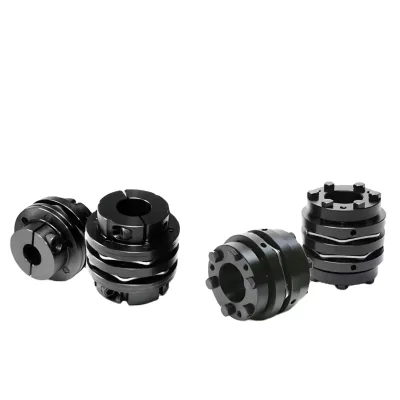
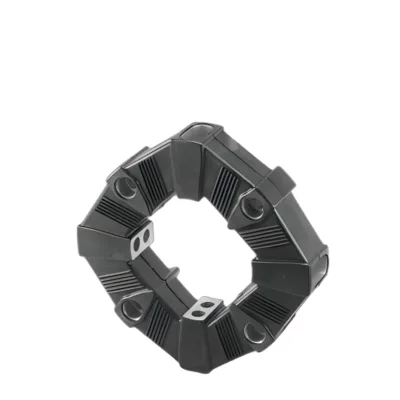


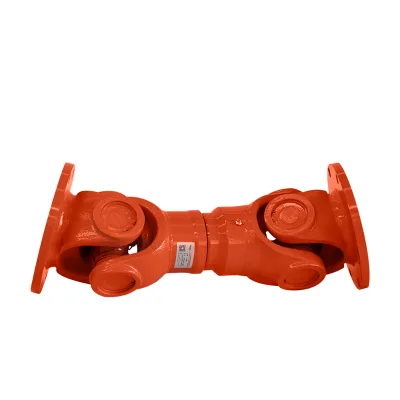


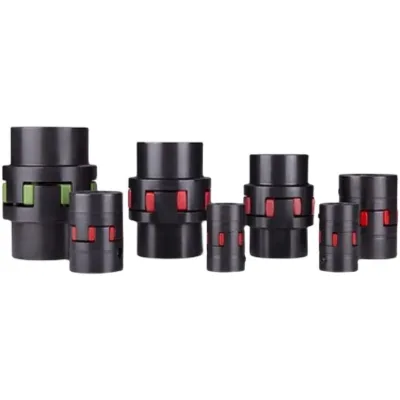


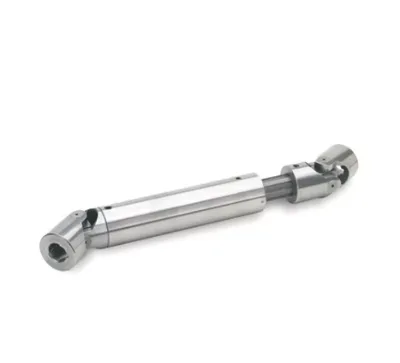
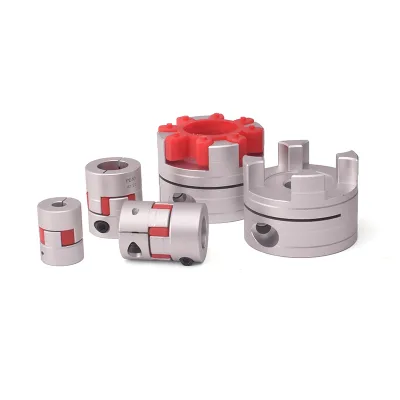
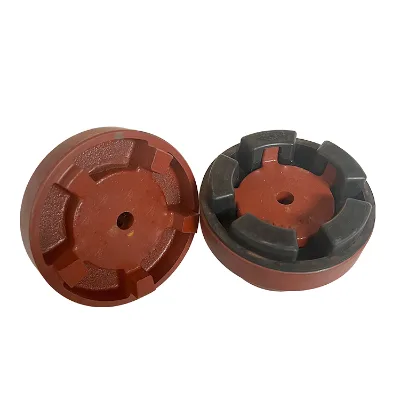
Comprehensive Sourcing Guide
Steel Universal Flexible Shaft Coupling Sourcing Guide
Procuring steel universal flexible shaft couplings requires a disciplined approach to aligning mechanical performance with supply chain reliability. These components are critical for transmitting torque between misaligned shafts while accommodating angular and parallel offsets in heavy-duty industrial environments. Buyers must prioritize suppliers who demonstrate consistent manufacturing precision, as even minor deviations in journal diameter or surface roughness can lead to premature wear or catastrophic failure in high-speed applications. The selection process should begin with a clear definition of operational parameters, including maximum torque loads, rotational speeds, and expected service life, to ensure the chosen coupling meets the specific demands of the machinery it serves.
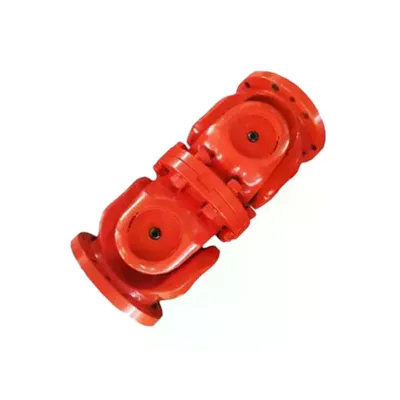
The market offers a variety of configurations, ranging from semi-automatic production lines to fully customized OEM solutions. Observations indicate that many suppliers provide flexible structures made from cast steel, with options for custom painting and packaging to suit specific logistical needs. It is essential to verify whether the supplier can handle made-to-order production, as this often correlates with higher quality control standards and better adaptability to unique engineering drawings. Buyers should also consider the transmission rate and noise levels, as high-efficiency couplings with low decibel output contribute to overall system energy savings and a safer working environment for maintenance personnel.
Product Scope and Observed Listing Signals
The current market landscape for steel universal flexible shaft couplings reveals a diverse range of product models, including identifiers such as S-011, SWC-002, and AMK-USC-01. These listings often highlight key attributes like electric power sources and customized design capabilities, indicating that suppliers are equipped to handle bespoke engineering requirements. The observed price range spans from $0.3 to $5,000, reflecting significant variation in size, material grade, and complexity. Minimum order quantities typically range from 1 to 100 units, suggesting that suppliers cater to both prototype development and bulk industrial procurement. Buyers should carefully evaluate these signals to determine if the supplier’s capacity aligns with their volume requirements and budget constraints.
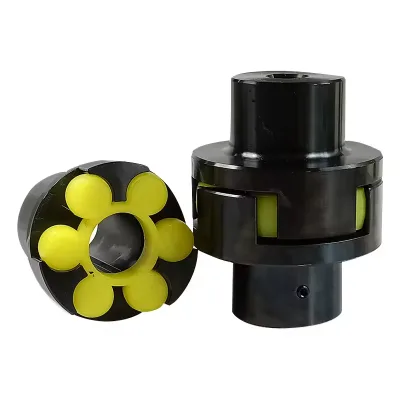
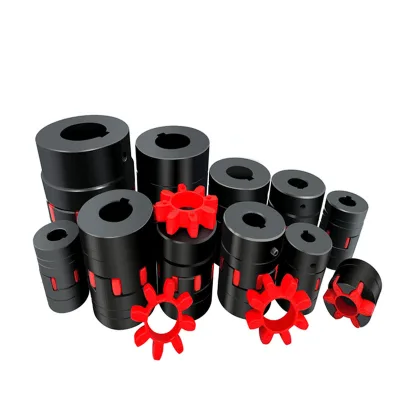
Product descriptions frequently mention specific technical details, such as a gyration diameter ranging from 58mm to 620mm and a transmission rate of up to 98.6%. These figures are critical for assessing the coupling’s efficiency and suitability for high-performance applications. Additionally, noise levels are often cited between 30-40 dB(a), which is a valuable indicator of smooth operation and reduced vibration. The use of cast steel as a primary material underscores the durability and strength of these components, while the availability of different elastomer hardness levels, such as yellow and red options, allows for fine-tuning of flexibility and damping characteristics. Buyers must verify these specifications against their actual operational needs to avoid over-specifying or under-performing selections.
Technical Specifications to Verify
When evaluating technical specifications, buyers must focus on dimensional accuracy and surface finish, as these factors directly impact the coupling’s longevity and performance. The journal diameter dimensional accuracy is often specified within IT6 tolerance, with surface roughness ranging from 2.5 to 0.63μm. These tight tolerances are essential for ensuring proper fit and minimizing wear on the bearing surfaces. Additionally, the production standard may be based on customer drawings, which requires suppliers to have robust engineering support and quality assurance processes. Buyers should request detailed technical drawings and certification of conformity to ensure that the manufactured components meet the precise geometric requirements of their assembly.
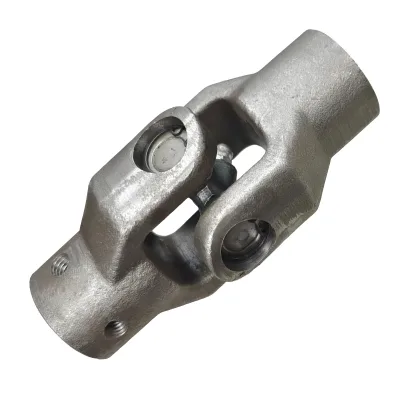
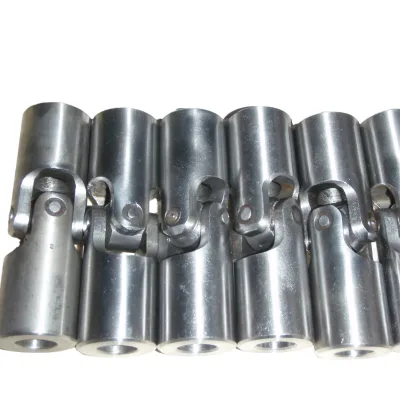
Material composition and structural design are equally critical considerations. The use of cast steel provides high strength and resistance to fatigue, making it suitable for heavy-duty applications. The flexible structure of the coupling allows it to accommodate misalignment, but the stiffness and flexibility must be balanced to prevent excessive vibration or torque loss. Buyers should also verify the axis shape, which is typically a straight shaft, and the shaft shape, which may be hollow to reduce weight. The brand name, such as Wc, may indicate a specific manufacturer’s reputation, but buyers should focus on the technical data rather than brand loyalty. Confirming these details through third-party testing or factory audits can provide additional confidence in the product’s reliability.
Compliance and Safety Documentation
Compliance with international standards is a non-negotiable aspect of sourcing steel universal flexible shaft couplings. Many suppliers claim adherence to CE and ISO certifications, which are essential for ensuring that the products meet European safety and quality requirements. The ISO9001:2008 quality guarantee is another common claim, indicating a systematic approach to quality management. Buyers should verify these certifications by requesting valid certificates from accredited bodies, as counterfeit or expired documentation is a risk in some markets. Additionally, the production standard may reference specific industry norms, which should be cross-referenced with the buyer’s local regulatory requirements to ensure full compliance.
Safety documentation should also include detailed instructions for installation, maintenance, and troubleshooting. Buyers should ensure that suppliers provide comprehensive manuals that cover torque limits, alignment procedures, and lubrication schedules. These documents are crucial for preventing operational errors that could lead to equipment damage or personal injury. Furthermore, buyers should inquire about the supplier’s testing protocols, including any fatigue or stress tests performed on the couplings. While specific test results may not always be publicly available, requesting summary reports or third-party validation can provide valuable insights into the product’s performance under extreme conditions. This due diligence helps mitigate risks and ensures that the couplings will perform reliably in the field.
Cost Drivers and Commercial Terms
Several factors influence the total cost of ownership for steel universal flexible shaft couplings, including material costs, manufacturing complexity, and logistics. The use of cast steel and the requirement for precise machining contribute to higher production costs, which are reflected in the observed price range. Buyers should also consider the cost of customization, as made-to-order products often incur additional engineering and setup fees. Packaging options, such as wooden cases or cartons, can also impact shipping costs, especially for heavy or oversized components. Understanding these cost drivers allows buyers to negotiate more effectively and identify opportunities for cost savings without compromising quality.
Commercial terms, such as lead time and payment conditions, are equally important in the procurement process. A typical delivery time of 20 days is common, but buyers should confirm this with the supplier, as it can vary based on order volume and production schedule. Payment terms may include deposits, letters of credit, or open account arrangements, depending on the buyer’s creditworthiness and the supplier’s risk tolerance. Buyers should also clarify the warranty period and after-sales support, as these factors can significantly affect the long-term value of the purchase. By negotiating favorable commercial terms, buyers can reduce financial risk and ensure a smoother procurement experience.
Supplier Qualification and Quality Control
Supplier qualification is a critical step in ensuring the reliability of steel universal flexible shaft couplings. Buyers should assess the supplier’s manufacturing capabilities, including their equipment, workforce, and quality control processes. Factories located in regions like Jiangsu, China, often have a strong industrial base, but buyers should still conduct on-site audits or request virtual tours to verify production standards. The supplier’s ability to handle custom orders and provide OEM services is also a key indicator of their flexibility and customer focus. Buyers should look for suppliers who demonstrate a commitment to continuous improvement and customer satisfaction, as these traits are essential for long-term partnerships.
Quality control measures should be rigorously evaluated to ensure that the couplings meet the required specifications. Buyers should inquire about the supplier’s inspection protocols, including incoming material checks, in-process inspections, and final product testing. The use of standardized production methods, such as those based on customer drawings, can help ensure consistency and repeatability. Additionally, buyers should request sample units for testing before placing large orders, as this allows for a practical assessment of the product’s quality and performance. By establishing clear quality expectations and monitoring supplier performance, buyers can minimize the risk of receiving defective or non-conforming products.
Long-Term Procurement Checks
Long-term procurement success depends on establishing a robust supplier relationship and implementing continuous improvement strategies. Buyers should regularly review supplier performance metrics, such as on-time delivery rates, defect rates, and responsiveness to issues. These metrics provide valuable insights into the supplier’s reliability and help identify areas for improvement. Buyers should also maintain open communication channels with the supplier, addressing any concerns promptly and collaboratively. By fostering a partnership based on trust and mutual benefit, buyers can ensure a stable supply of high-quality couplings and reduce the risk of disruptions.
Additionally, buyers should stay informed about industry trends and technological advancements that may impact the procurement of steel universal flexible shaft couplings. This includes monitoring changes in material science, manufacturing techniques, and regulatory requirements. By proactively adapting to these changes, buyers can maintain a competitive edge and ensure that their procurement strategies remain effective. Regularly updating technical specifications and quality standards based on new insights can also help drive continuous improvement in the supply chain. Ultimately, a strategic and proactive approach to procurement enables buyers to achieve long-term value and operational excellence.
FAQs
What certifications do these steel universal flexible shaft couplings have?
These couplings hold CE and ISO certifications to ensure compliance with international standards. The manufacturer also adheres to ISO9001:2008 quality guarantees. This ensures that every unit meets rigorous safety and performance benchmarks for industrial applications requiring certified components.
Can I customize the specifications for my application?
Yes, customization is available for these universal joints. The products are made to order and can be produced according to specific drawings. This allows buyers to tailor dimensions and performance characteristics to fit unique mechanical requirements precisely.
What is the typical lead time for delivery?
The standard delivery time is approximately 20 days. Since items are made to order rather than kept in stock, this timeframe accounts for manufacturing and quality checks. Buyers should plan their procurement schedules around this production window.
How is the packaging handled for shipping?
Products are packed in wooden cases or wooden cartons to ensure safe transit. Packaging can also be adjusted to meet customer requirements. This robust method protects the cast steel components from damage during international shipping and handling processes.
What is the minimum order quantity for these couplings?
The minimum order quantity ranges from 1 to 100 units. This flexible MOQ allows both small-scale testing and larger industrial procurement. Buyers can order single units or bulk quantities depending on their immediate operational needs and budget constraints.
Where are these universal couplings manufactured?
These couplings originate from Jiangsu, China, specifically Wuxi. The manufacturing location ensures access to established industrial supply chains. Buyers sourcing from this region benefit from established production capabilities and logistical infrastructure for global distribution.