Source Shock Absorption Flat Groove Pulley for Power Plants, Mining, and Grain
Compare 30 Shock Absorption Flat Groove Pulley options from verified Chinese manufacturers. These units feature ISO and CE certifications, cast iron construction, and are designed for power transmission in power plants, mining transport, and grain handling applications; compare the available evidence and request quotations based on your requirements.
Updated
Key considerations
Products List




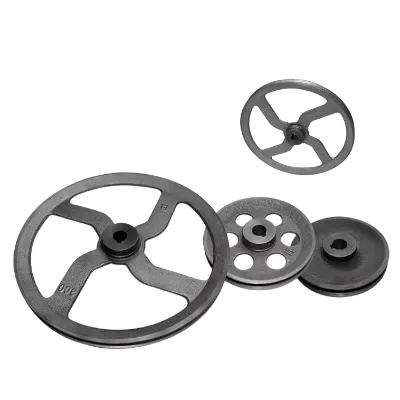
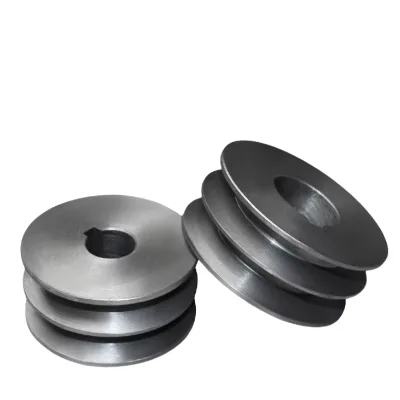
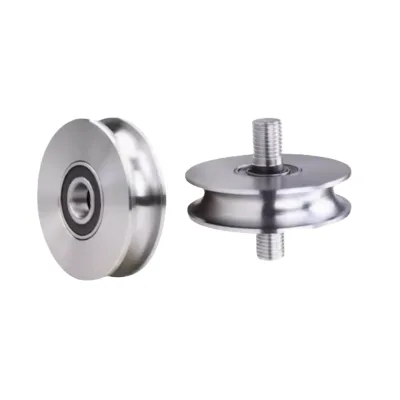
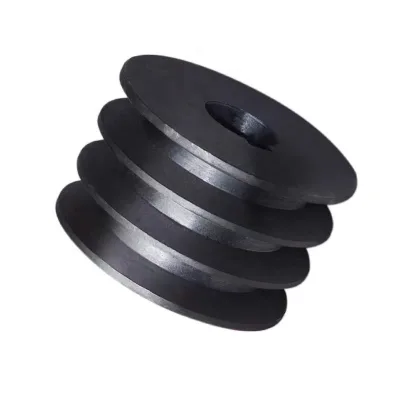

Comprehensive Sourcing Guide
Shock Absorption Flat Groove Pulley Sourcing Guide
Procuring flat groove pulleys requires a nuanced understanding of mechanical power transmission dynamics, particularly when integrating components that must manage speed reduction and torque transfer in heavy-duty environments. These pulleys are frequently specified for applications ranging from power plants and mining transport to grain handling and chemical industry processes, where reliability under continuous load is paramount. Buyers must recognize that "shock absorption" in this context often refers to the system's ability to handle variable loads through proper tensioning and material selection, rather than an integrated damping mechanism within the pulley itself. The core function remains the efficient transfer of rotational energy from motors to driven machinery, necessitating precise alignment and appropriate groove geometry to prevent belt slippage or premature wear.
The market offers a diverse array of configurations, including economy models designed to reduce speed before specific RPM thresholds and standard deceleration units that maintain consistent performance at defined speeds. Observations indicate that products are available in various power ratings, such as 200W, 400W, and 750W variants, each tailored to specific operational demands. It is critical for procurement teams to distinguish between standard European or American standard pulleys and customized solutions, as the latter may involve longer lead times but offer better integration with existing infrastructure. Understanding these distinctions ensures that the selected component aligns with both the mechanical requirements of the application and the logistical constraints of the supply chain.
Product Scope and Observed Listing Signals
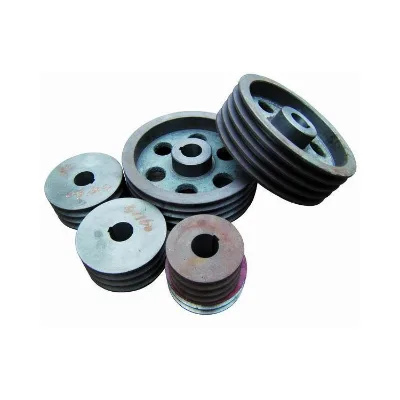
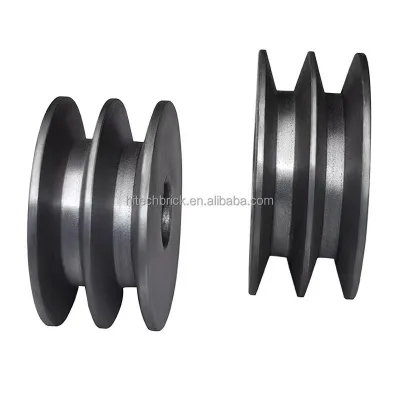
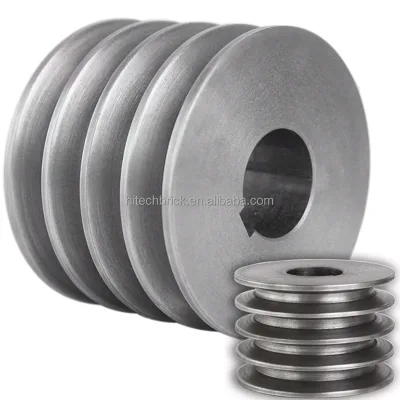
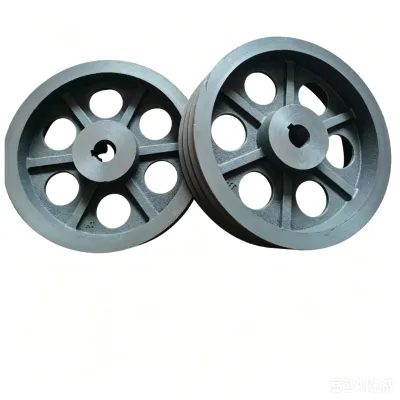
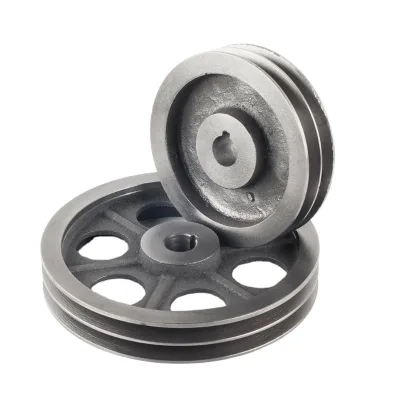
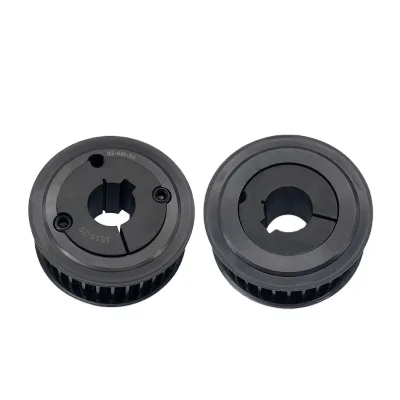
Current market listings reveal a wide spectrum of pulley types, prominently featuring SPA, SPB, SPC, SPZ, and SPD profiles, which cater to different belt sizes and load capacities. The observed product range includes cast iron pulleys with standard pitch diameters and groove numbers varying from one to twelve, allowing for flexible multi-belt arrangements. Buyers should note that bore types are not uniform; options typically include taper bore, QD bush bore, and pilot bore configurations, with bush numbers ranging from 1008 to 6050. This variety necessitates careful verification of the bore specification against the shaft dimensions of the driven equipment to ensure a secure fit and prevent rotational slippage during high-torque operations.
Material composition is another critical signal, with cast iron GG25 and carbon steel being common choices, each offering distinct advantages in terms of weight, durability, and cost. Some listings also mention stainless steel or S235jr tube materials, suggesting versatility in construction for specific environmental conditions. The surface treatment process, often involving oxygenation, plays a vital role in corrosion resistance, particularly for installations in humid or chemically aggressive environments like petroleum or farm applications. Procurement specialists must evaluate these material and treatment specifications against the operational environment to ensure longevity and minimize maintenance intervals, avoiding assumptions that all listed products share identical material properties.
Technical Specifications to Verify
When evaluating technical data, the dynamic balance test is a non-negotiable verification step, with G6.3 being a commonly observed standard for ensuring smooth operation at high speeds. Buyers must confirm that the pulley has undergone this balance test to minimize vibration, which can lead to premature bearing failure and increased noise levels in sensitive applications. Additionally, the delivery time varies significantly based on stock availability, with standard items potentially shipping within two to five days, while custom or out-of-stock items may require fifteen to forty-five days. This variability impacts project timelines and inventory planning, requiring early engagement with suppliers to secure necessary components without disrupting production schedules.
Dimensional accuracy is equally important, with diameters ranging from 250mm to 1600mm and lengths extending up to 3500mm, accommodating a broad range of mechanical setups. The weight of the pulley depends heavily on its specification, influencing the load on supporting structures and bearings. Buyers should also verify the bearing type, as some suppliers offer bearings as requested, allowing for customization based on specific speed and load requirements. Furthermore, the installation orientation, whether horizontal or otherwise, must be considered when assessing the pulley's performance characteristics, as gravity and belt tension interact differently depending on the mounting configuration.
Compliance and Safety Documentation
Certification status is a primary indicator of manufacturing quality and regulatory compliance, with ISO and CE marks being frequently cited in product listings. These certifications suggest that the manufacturing processes adhere to recognized international standards for quality management and safety, providing a baseline level of assurance for buyers. However, additional certificates such as BV, SGS, Ika, and others may be available, indicating further layers of inspection and validation. Procurement teams should request copies of these certificates to verify their validity and ensure they cover the specific product models being purchased, rather than relying on general claims of compliance.
Standards compliance extends beyond certifications to include adherence to specific industry norms such as GB, ISO, CEMA, DIN, and JIS, which govern dimensions, tolerances, and performance criteria. Buyers must determine which standard applies to their specific application, as mismatched standards can lead to compatibility issues and operational inefficiencies. The manufacturing process, often involving casting and CNC machining, should be documented to ensure consistency and precision in production. Verifying that the supplier follows these established standards helps mitigate risks associated with non-conforming products and ensures that the pulleys will perform as expected in critical mechanical power transmission applications.
Cost Drivers and Commercial Terms
Pricing for flat groove pulleys varies widely, with observed ranges spanning from one to forty-four USD, reflecting differences in size, material, and customization level. The minimum order quantity (MOQ) also fluctuates, typically ranging from one to fifty units, allowing for both small-scale replacements and bulk procurement. Buyers should analyze these cost drivers in the context of their total cost of ownership, considering factors such as lead time, shipping costs, and potential downtime due to part failure. Understanding the relationship between price and specification helps in making informed decisions that balance initial investment with long-term reliability and performance.
Commercial terms, including warranty and service support, are essential components of the procurement agreement. A one-year warranty is commonly offered, providing protection against manufacturing defects and ensuring supplier accountability. Technical support services may also be available, assisting buyers with installation, troubleshooting, and maintenance queries. Buyers should clarify the scope of these services and the process for claiming warranty coverage to avoid unexpected costs or delays. Additionally, packaging methods, such as wooden cases or pallets, impact shipping costs and product protection, so these details should be negotiated to ensure safe delivery and minimize handling risks.
Supplier Qualification and Quality Control
Supplier qualification involves assessing the manufacturing capabilities and quality control processes of potential vendors. The place of origin, often cited as Dezhou or Henan in China, provides context for the supply chain but does not guarantee quality on its own. Buyers should verify the supplier's ability to perform CNC machining and casting with precision, as these processes directly impact the dimensional accuracy and structural integrity of the pulleys. Requesting samples or conducting factory audits can provide valuable insights into the supplier's operational standards and commitment to quality, helping to identify reliable partners for long-term procurement relationships.
Quality control measures, such as dynamic balance testing and material verification, should be integrated into the supplier's production process. Buyers should inquire about the frequency and rigor of these tests to ensure consistent product quality. Additionally, the availability of customization services indicates a supplier's flexibility and ability to meet specific client requirements. However, customization may introduce complexities in quality assurance, so buyers must ensure that the supplier has robust processes in place to maintain standards even for non-standard products. Establishing clear quality expectations and communication channels with suppliers is crucial for maintaining product integrity and operational reliability.
Long-Term Procurement Checks
Long-term procurement success depends on continuous monitoring of supplier performance and product reliability. Buyers should track key performance indicators such as delivery times, defect rates, and response to technical issues to evaluate supplier consistency. Regular reviews of warranty claims and service requests can highlight potential quality trends or recurring issues that need to be addressed. By maintaining a structured evaluation process, procurement teams can identify high-performing suppliers and address underperformance proactively, ensuring a stable and reliable supply chain for critical mechanical components.
Lifecycle management of the pulleys is also essential, with some products boasting lifetimes exceeding 50,000 hours under normal operating conditions. Buyers should correlate these claims with actual field performance data to validate longevity expectations. Monitoring the condition of installed pulleys and scheduling preventive maintenance based on usage patterns can extend service life and reduce unplanned downtime. Additionally, staying informed about advancements in pulley technology and materials can inform future procurement decisions, allowing buyers to upgrade to more efficient or durable solutions as needed. This proactive approach ensures that the procurement strategy evolves in tandem with operational requirements and technological improvements.
FAQs
What certifications do these pulleys hold?
These pulleys hold ISO and CE certifications. Additional certificates such as BV, SGS, and Ika are also available for specific orders. These credentials ensure compliance with international quality and safety standards for industrial applications.
What is the delivery time for stock items?
Delivery time is 2 to 5 days for stock items. For items without stock, the lead time ranges from 15 to 45 days. This ensures rapid fulfillment for standard specifications while accommodating custom manufacturing requirements.
Can these pulleys be customized for specific needs?
Yes, customization is available for these pulleys. Specifications can be European or American standard or fully customized. Buyers can request specific bore types, groove numbers, and materials to match their unique mechanical power transmission requirements.
What materials are used in manufacturing these pulleys?
These pulleys are manufactured using cast iron GG25 and carbon steel. Some tube materials include S235jr or stainless steel. The manufacturing process involves casting and CNC machining, with oxygenation surface treatment for durability and performance.
What is the warranty period for these products?
The warranty period is 1 year for these products. This coverage ensures reliability and support for mechanical power transmission applications. Buyers receive technical support alongside the warranty to address any operational concerns during the usage period.