Eco Friendly Seagrass Toilet Basket Suppliers and Manufacturers
Compare 11 verified suppliers offering Eco Friendly Seagrass Toilet Basket options from Guangxi, China. Review response times, lead times, certifications, and pricing to source the right partner for your needs today; review the available evidence before requesting comparable quotations from suitable candidates.
Updated
Suppliers List
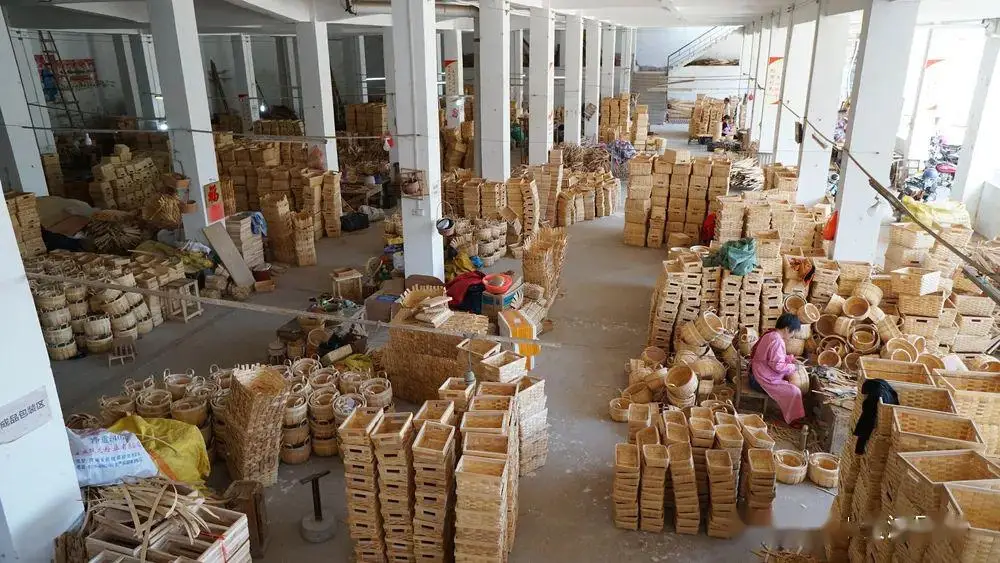
Nanning Lanshige Home Furnishing Technology Co., Ltd.
- Trading Company
- Guangxi, China
- Lead time7 days
- Avg. response≤ 4h
Main productsStorage Box,seaweed basket,woodchip basket,bamboo basket,storage basket
Main marketsNorth America(35.00%), Western Europe(30.00%), Eastern Europe(20.00%), Domestic Market(5.00%), Mid East(5.00%), South America(2.00%), Southeast Asia(2.00%), Africa(1.00%)
Guangxi Bobai Huangtu Arts & Crafts Co., Ltd.
- Verified by Intertek
- Manufacturer, Trading Company
- Lead time50 days
- Avg. response≤ 2h
Main productsRattan Baskets, Seagrass Baskets, Water Hyacinth Baskets, Bamboo Baskets, Rattan Home Decor
Main marketsNorth America(50%), Domestic Market(20%), Southeast Asia(10%)

Fuzhou Haomin Imp. & Exp. Co., Ltd.
- Verified by SGS
- Trading Company
- China Fujian
- Lead time30 days
- Avg. response≤ 4h
Main productsBackpacks, Beach Bags, School Bags, Shopping Bags, Canvas Bags, Sports Bags, Cosmetic Bags, Pet Bags, Cotton Bag, Travel Bag
Main marketsEast Asia(Japan/ South Korea),Europe,North America

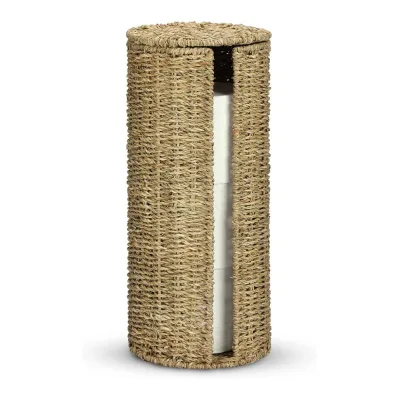
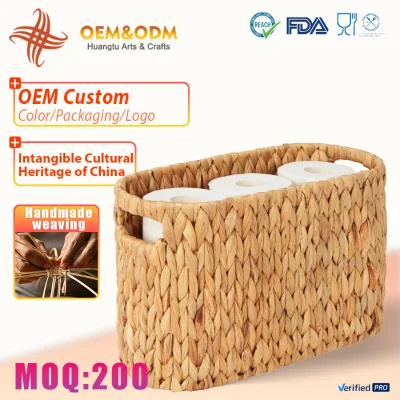
Bathroom Toilet Paper Storage Basket, Toilet Paper Storage Box, Bathroom Tissue Paper Storage Basket
$0.80 - $1.20
MOQ: 500 Pieces

$0.80 - $1.20
MOQ: 500 Pieces

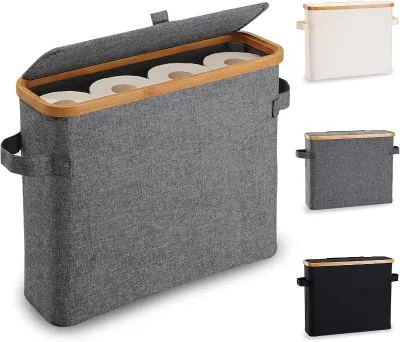
Cross-Border Foldable Household Toilet Paper, Roll Paper Storage Basket, Fabric Storage Basket
$0.80 - $1.20
MOQ: 500 Pieces

$0.80 - $1.20
MOQ: 500 Pieces

$0.80 - $1.20
MOQ: 500 Pieces

$0.80 - $1.20
MOQ: 500 Pieces

Deqing Mountlume International Trading Co., Ltd.
- Verified by TUVRHEINLAND
- Trading Company,Manufacturer/Factory
- China Zhejiang
- Lead time45 days
- Avg. response≤ 5h
Main productsBasket, Plastic Container, Lunch Bag, Kitchenware, Silicon Utensil, Lunch Box, Ice Pack, Kitchen Accessories, Storage Tub, Storage Bin
Main marketsSouth America,Eastern Europe,Mid East,North America,Southeast Asia,Eastern Asia,Oceania,Western Europe,Africa

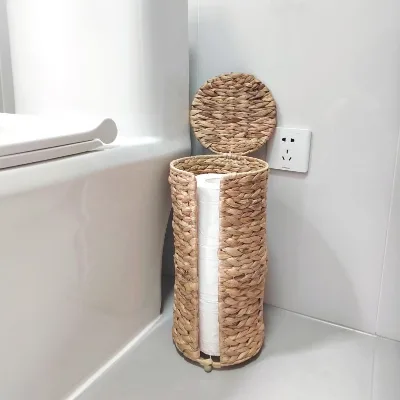
Toilet Paper Storage Basket with Lid for Bathroom Free Standing Tissue Organizer
$2.00 - $4.00
MOQ: 300 Pieces

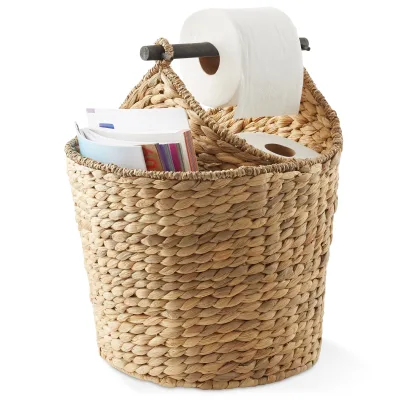
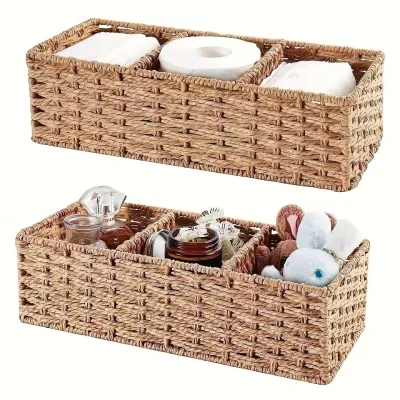
Water Hyacinth Toilet Paper Basket Bathroom Organizer for Organizing Pantry
$2.00 - $6.00
MOQ: 100 Pieces

- Verified by BV
- Combined
- China Anhui
- Lead time15 days
- Avg. response≤ 6h
Main productsStorage Basket, Laundry Basket, Kitchen Rack, Storage Shelf, Storage Jar, RPET Tableware Set, Matcha Whisk, Handmade Storage Basket, Wall & Table Decoration, Hamper
Main marketsSouth America,Southeast Asia/ Mideast,North America


Good Price Handwoven Seagrass Trash Can Seagrass Basket with Handle for Bedroom Bathroom Kitchen
$3.09 - $3.59
MOQ: 100 Pieces
Cao County Grandview Arts & Crafts Co., Ltd.
- Manufacturer, Trading Company
- Shandong, China
- Lead time20 days
- Avg. response≤ 4h
Main productskitchen knife rack,wooden trash bin,wooden frames,kitchen wall shelf,bathroom storage rack
Main marketsNorth America(35.00%), Western Europe(13.00%), South Asia(10.00%), Eastern Europe(7.00%), Mid East(7.00%), Southern Europe(5.00%), Domestic Market(5.00%), Eastern Asia(5.00%), Southeast Asia(5.00%), Northern Europe(4.00%), Oceania(2.00%), Africa(2.00%)

Qingdao Rainbow Packaging Co., Ltd.
- Verified by TUVRHEINLAND
- Combined
- China Shandong
- Lead time15 days
- Avg. response≤ 6h
Main productsPaper Box Gift Box Paper Bag, Storage Basket Laundry Basket, Post Carton Post Mailer, Shipping Cartons Gift Packaging, Tube Boxes Shredded Paper, Food Packaging, Labels & Stickers
Main marketsEast Asia(Japan/ South Korea),Europe,North America

Wholesale Bamboo Basket Storage Basket Environmentally Friendly for Bathroom and Home
$4.78 - $5.89
MOQ: 500 Pieces


Bamboo Laundry Hamper, Large Capacity Clothes Basket, Storage Basket for Bathroom
$7.99 - $8.59
MOQ: 1000 Pieces


Bo Bai Haosen Handicrafts Co., Ltd.
- Manufacturer, Trading Company
- Guangxi, China
- Lead time5 days
- Avg. response≤ 2h
Main productsPicnic Basket,Christmas Tree Decorations Base Stand Skirt,Bread Proofing Basket,Fruit Tray,Lampshades
Main marketsDomestic Market(33.00%), North America(33.00%), Oceania(20.00%), Mid East(14.00%)
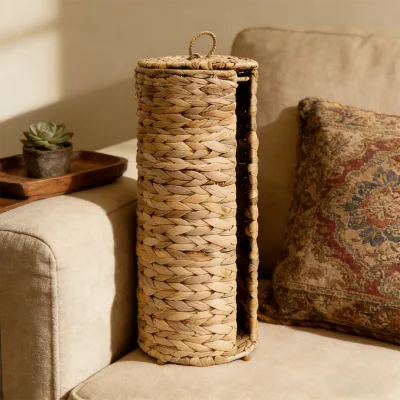
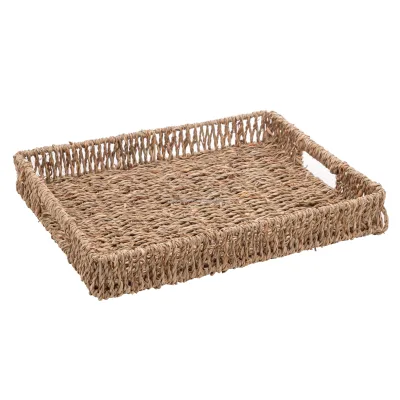
$2.60 - $2.80
MOQ: 50 pieces
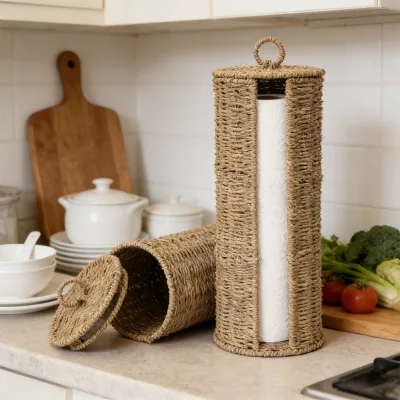
Nanping Jianyang District Hejiale Bamboo Wood Household Supplies Co., Ltd.
- Verified by TüVRheinland
- Manufacturer, Trading Company
- Lead time40 days
- Avg. response≤ 2h
Main productsChopsticks
Main marketsDomestic Market(55%), Southeast Asia(25%), North America(10%)

Xiamen Chengfengxin Industry & Trade Co., Ltd.
- Verified by BV
- Trading Company
- China Fujian
- Lead time23 days
- Avg. response≤ 4h
Main productsBamboo Cutting Board, Bamboo Bathtub Rack Caddy, Bamboo Tablet Computer Desk, Bamboo Kitchenwares Holder Organization, Bamboo Home Storage, Home Office Collection, Eco-Friendly Kitchen Products, Bamboo Kitchen Tools, Bamboo Diffuser, Eco-Friendly Green Products
Main marketsSoutheast Asia/ Mideast,Europe,Australia,North America

Ningbo Artisan Import & Export Co., Ltd.
- Verified by TUVRHEINLAND
- Trading Company
- China Zhejiang
- Lead time30 days
- Avg. response≤ 25h
Main productsMailbox, Shaggy Blanket, Bathrobe, Furniture, Bill Counter, Book Stand, Bamboo Shoes Rack, Bar Tools
Main marketsEurope


Wholesale Carbonized Fine Bamboo Cloth Laundry Bin Storage Folding Basket
$10.00 - $18.00
MOQ: 500 Pieces
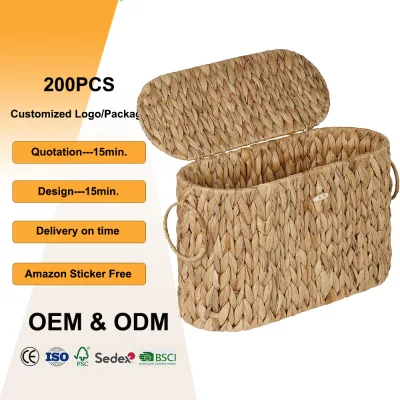


Comprehensive Sourcing Guide
Eco Friendly Seagrass Toilet Basket Supplier Concentration and Factory Types
The current supplier landscape for eco-friendly seagrass toilet baskets reveals a distinct concentration in Guangxi, China, which serves as a primary manufacturing hub for these specific woven goods. This regional clustering suggests a mature supply chain ecosystem where raw material sourcing, skilled labor, and logistical infrastructure are optimized for natural fiber products. Buyers evaluating this market should recognize that Guangxi-based entities often possess specialized knowledge in handling plant fibers like seagrass, water hyacinth, and paper rope, which are critical for maintaining the structural integrity and aesthetic appeal of bathroom storage solutions. The presence of this geographic concentration allows for more efficient communication regarding material sourcing and production nuances, as local suppliers are intimately familiar with the seasonal availability and quality variations of these natural resources. Understanding this geographic focus helps buyers narrow their search parameters and prioritize suppliers who can demonstrate direct access to these regional material streams, potentially reducing lead times and ensuring consistent product quality across large orders.
Within this regional framework, the supplier base is composed of both manufacturers and trading companies, each offering distinct advantages for different procurement strategies. Some entities operate as dual-role organizations, functioning as both manufacturers and trading companies, which can streamline the process by combining production control with commercial flexibility. Others are purely trading companies, acting as intermediaries that aggregate products from various workshops or smaller factories. This diversity in company types means buyers must carefully assess whether they require direct factory engagement for customization and cost control or if a trading company’s broader portfolio and logistical support better suit their needs. The distinction is crucial because it impacts how much influence a buyer has over the production process, material selection, and quality assurance protocols. Recognizing these structural differences allows for more targeted supplier selection, ensuring that the chosen partner aligns with the buyer’s specific operational requirements and risk tolerance.
How to Verify Eco Friendly Seagrass Toilet Basket Suppliers
Verification of suppliers in this category requires a multi-layered approach that goes beyond basic company registration checks, focusing heavily on production capabilities and ethical compliance. One critical step is to confirm the supplier’s verification status, such as Intertek verification, which provides an independent assessment of the company’s legitimacy and operational standards. This third-party validation offers a layer of trust that is essential when dealing with international suppliers, as it confirms that the business exists and operates as claimed. Additionally, buyers should scrutinize the supplier’s system certifications, particularly those related to social compliance and forestry management, such as BSCI and FSC. These certifications are not merely decorative; they indicate that the supplier adheres to specific labor standards and sustainable sourcing practices, which is increasingly important for brands that prioritize ethical supply chains. Verifying these credentials directly through the certifying bodies or requesting recent audit reports can prevent future compliance issues and protect the buyer’s brand reputation.
Beyond certifications, buyers must assess the supplier’s responsiveness and technical capacity to ensure they can meet specific project demands. The response time is a key indicator of operational efficiency and customer service quality, with faster response times often correlating with better communication and problem-solving capabilities during the sourcing process. Buyers should also evaluate the supplier’s ability to handle customization, such as OEM and ODM services, which are often necessary for creating unique product designs that stand out in the market. This involves verifying the supplier’s capacity for sample processing and graphic processing, as these capabilities determine how quickly and accurately they can translate design concepts into physical products. By combining verification of legal and ethical credentials with an assessment of operational responsiveness and technical flexibility, buyers can build a comprehensive profile of each potential supplier, reducing the risk of partnering with entities that lack the necessary infrastructure or commitment to quality.
What to Compare Across Eco Friendly Seagrass Toilet Basket Suppliers
When comparing suppliers, buyers should prioritize key operational metrics such as lead time, minimum order quantity (MOQ), and pricing to determine the best fit for their business model. Lead times can vary significantly, with some suppliers offering rapid turnaround times of around five days for samples or small batches, while others may have longer production cycles of up to fifty days for larger orders. Understanding these variations is crucial for inventory planning and meeting customer demand without excessive stockpiling. Similarly, MOQs provide insight into the supplier’s flexibility and target market; some suppliers may require orders of one hundred units or more, which suits larger retailers, while others might accommodate smaller quantities for niche markets. By comparing these metrics across multiple suppliers, buyers can identify those that offer the best balance of speed, volume flexibility, and cost efficiency, ensuring that their procurement strategy aligns with their sales forecasts and cash flow requirements.
In addition to operational metrics, buyers should compare the specific product attributes and material compositions offered by different suppliers to ensure alignment with their quality standards. The main products listed by suppliers, such as storage boxes, seaweed baskets, and bamboo baskets, indicate their core competencies and specialization areas. Buyers should examine detailed product specifications, including dimensions, weight tolerances, and material types like plant fiber, water hyacinth, or paper rope, to assess the suitability of the products for their intended use. Features such as eco-friendliness, durability, and multifunctional design are also critical differentiators that can influence customer satisfaction and product longevity. By systematically comparing these product-level details alongside operational capabilities, buyers can make informed decisions that balance cost, quality, and supply chain reliability, ultimately selecting suppliers that offer the most competitive and suitable offerings for their specific market needs.
Common Eco Friendly Seagrass Toilet Basket Sourcing Risks
One significant risk in sourcing eco-friendly seagrass toilet baskets is the potential inconsistency in product dimensions and quality due to the natural nature of the materials. Plant fibers like seagrass and water hyacinth can vary in thickness, color, and texture depending on the harvest season and processing methods, leading to variations in the final product. Buyers must be aware that dimensional tolerances, such as those specified as less than plus or minus five millimeters, are acceptable ranges but can still result in noticeable differences between batches. This variability can impact the aesthetic uniformity of products, especially when large orders are fulfilled over extended periods. To mitigate this risk, buyers should request physical samples to assess the actual quality and consistency of the materials before committing to large orders, and establish clear quality control protocols that define acceptable limits for variation.
Another risk is the potential for miscommunication regarding customization and packaging requirements, which can lead to delays or incorrect shipments. Suppliers may offer customized packaging or specific design features, but without clear and detailed specifications, there is a risk of producing items that do not meet the buyer’s expectations. Additionally, the use of terms like "eco-friendly" or "natural" can be ambiguous, and buyers must verify the actual material composition and processing methods to ensure they align with their sustainability claims. Misunderstandings about installation types, such as floor-standing versus wall-mounted options, or the specific application spaces, like laundry rooms versus bathrooms, can also result in products that are unsuitable for the intended market. To address these risks, buyers should maintain open and detailed communication with suppliers, providing comprehensive specifications and requesting confirmation of all details before production begins, thereby minimizing the likelihood of errors and ensuring that the final products meet their exact requirements.
Eco Friendly Seagrass Toilet Basket Regional Sourcing and Logistics
Sourcing from Guangxi, China, offers logistical advantages due to the region’s established infrastructure for natural fiber products, but buyers must also consider the broader implications of international shipping and port selection. The proximity of Guangxi to major shipping routes can facilitate efficient export processes, but the specific port of dispatch, such as Shenzhen, plays a critical role in determining transit times and costs. Buyers should evaluate the supplier’s logistics capabilities and their experience in handling international shipments to ensure that products are delivered safely and on time. Understanding the supply chain from the factory floor to the final destination is essential for managing inventory levels and meeting customer expectations, as delays in shipping can disrupt sales cycles and increase holding costs. By selecting suppliers with robust logistical networks and clear shipping protocols, buyers can minimize transit risks and ensure a smoother flow of goods from the manufacturing hub to their distribution centers.
Furthermore, buyers should assess the supplier’s packaging practices to protect the products during transit, as natural fiber baskets are susceptible to damage from moisture and rough handling. Suppliers may use various packaging methods, such as cartons with dividers or customized packages, to ensure the integrity of the products during shipping. Buyers should verify that the packaging is adequate to prevent crushing, water damage, or other forms of transit-related deterioration, which can lead to customer complaints and returns. Additionally, considering the single gross weight and package dimensions helps in calculating freight costs and optimizing container space, which can significantly impact the overall landed cost of the products. By prioritizing suppliers who demonstrate attention to detail in packaging and logistics, buyers can reduce the risk of product damage and ensure that the goods arrive in optimal condition, maintaining the quality and value of the eco-friendly seagrass toilet baskets throughout the supply chain.
Eco Friendly Seagrass Toilet Basket Commercial Terms and Order Planning
Commercial terms and order planning are critical components of successful sourcing, requiring careful attention to pricing structures, payment terms, and production capacity. The price range for eco-friendly seagrass toilet baskets can vary based on factors such as material quality, customization level, and order volume, with some products priced between specific minimum and maximum thresholds. Buyers should negotiate pricing based on their expected order quantities and seek clarity on any additional costs for customization, packaging, or shipping. Understanding the supplier’s supply ability, such as the capacity to produce one hundred thousand pieces per month, helps in planning large orders and ensuring that the supplier can meet demand without compromising quality or delivery schedules. By aligning commercial terms with their business goals and production capabilities, buyers can secure favorable pricing and reliable supply, supporting their long-term growth and market competitiveness.
Order planning also involves coordinating with suppliers on sample processing and graphic processing to finalize product designs before mass production begins. This step is essential for ensuring that the final products meet the buyer’s specifications and quality standards, as it allows for adjustments and approvals before committing to large-scale manufacturing. Buyers should establish a clear timeline for sample development, review, and approval, incorporating this into their overall production schedule to avoid delays. Additionally, considering the supplier’s response time and communication efficiency is vital for maintaining momentum throughout the order process, as quick and clear communication can resolve issues promptly and keep the project on track. By integrating these commercial and planning elements into their sourcing strategy, buyers can create a robust framework for managing orders, minimizing risks, and achieving successful outcomes in the competitive market for eco-friendly seagrass toilet baskets.
FAQs
What is the price range for eco-friendly seagrass toilet baskets?
Prices typically range from $2.99 to $5.59 per unit depending on material and size. Buyers should expect minimum order quantities around 100 pieces. Costs vary based on customization needs and specific product features like lids or extra holders.
Where are these storage baskets manufactured?
Manufacturing primarily occurs in Guangxi, China. This region is known for producing natural fiber products like seagrass and water hyacinth baskets. Buyers can verify origin details on product listings to ensure alignment with sourcing preferences and logistics planning.
What certifications do these suppliers hold?
Suppliers often hold BSCI and FSC certifications. These verify ethical labor practices and sustainable forestry management. Buyers should request current certificates during inquiry to ensure compliance with international standards and corporate social responsibility requirements for their specific market.
How quickly do suppliers respond to inquiries?
Response times generally range from 2 to 4 hours. Fast communication helps streamline the negotiation and sampling process. Buyers should prioritize suppliers with quicker response rates to ensure efficient project management and timely resolution of technical questions.
What are the typical lead times for orders?
Lead times vary significantly, ranging from 7 to 50 days. Shorter times apply to stocked items, while longer periods cover custom manufacturing. Buyers must confirm specific timelines with suppliers to align with inventory needs and avoid stockouts.
Can I customize the size and color of these baskets?
Yes, many suppliers accept OEM and ODM requests. Custom sizes, colors, and packaging are available upon negotiation. Buyers should provide detailed specifications early in the inquiry to ensure accurate quoting and successful production of tailored storage solutions.